
充电基础设施

Search documents
万帮数字能源:两次折戟A股,上市之路因何辗转六年?
Zhi Tong Cai Jing· 2026-01-15 08:43
Core Viewpoint - The Chinese automotive market is undergoing a historic shift with the penetration rate of new energy vehicles surpassing 50% for the first time, leading to a transition from a "price war" to a focus on "value" in the industry. This shift is driving significant growth in charging infrastructure, with Wanbang Digital Energy Co., Ltd. preparing for an IPO on the Hong Kong Stock Exchange [1][8]. Company Overview - Wanbang Digital Energy is a leading global supplier of smart charging equipment and an early practitioner of microgrid systems, aiming to create a comprehensive smart energy solution [1][2]. - The company has delivered over 300 microgrid systems across various applications, showcasing its project experience and adaptability [2][3]. Financial Performance - Revenue figures for Wanbang Digital Energy show a steady increase, with approximately 3.474 billion RMB in 2023, 4.182 billion RMB in 2024, and 3.072 billion RMB in the first nine months of 2025, indicating an ongoing optimization of revenue structure [2][3]. - The revenue contribution from smart charging equipment is declining, from 92.4% in 2023 to 71.1% in the first nine months of 2025, while microgrid and energy storage systems are gaining traction [3][6]. Global Expansion - The company has expanded its reach to approximately 70 countries and regions, with overseas revenue reaching 572.9 million RMB in the first nine months of 2025, accounting for 18.6% of total revenue [4][5]. - Europe is a key focus for global strategy, with a joint venture established to promote charging equipment and services, enhancing brand recognition and setting a benchmark for quality [5][8]. Industry Trends - The charging infrastructure industry in China is experiencing rapid expansion, with a target of 28 million charging facilities by the end of 2027, reflecting a 52% year-on-year growth [7][8]. - The global market for charging equipment is projected to grow from 21.41 billion RMB in 2020 to 59.7 billion RMB in 2024, with a compound annual growth rate of 29.2% [8]. Challenges - Despite revenue growth, the company's overall gross margin has declined from 33.4% in 2023 to 24.6% in the first nine months of 2025, primarily due to increased competition, rising raw material costs, and a higher proportion of lower-margin microgrid and energy storage businesses [5][6]. - Net profit has also decreased from 493 million RMB in 2023 to 301 million RMB in the first nine months of 2025, indicating challenges in maintaining profitability amid industry changes [6][9]. Future Outlook - The charging infrastructure industry is expected to continue growing, supported by domestic policies and increasing global demand for charging solutions. Wanbang Digital Energy's IPO is seen as a test of its strategic execution and operational efficiency [9].
充电桩从够用迈向好用
Jing Ji Ri Bao· 2026-01-14 08:13
Core Insights - 2024 is expected to be a year of rapid development for charging infrastructure in China, with over 12 million charging facilities built, and over 95% of highway service areas equipped with charging capabilities [1] - The charging network in China is now the largest and most diverse in the world, with a car-to-charging pile ratio of 1:1 for new electric vehicles in 2024, leading globally [1] - Despite the growth in quantity, challenges remain such as peak demand shortages, low utilization rates, and varying equipment quality, necessitating improvements in both quantity and quality of charging facilities [1] Group 1 - The expansion project for charging piles at highway service areas began operations in September 2024, significantly enhancing service efficiency and capacity [2] - In Jiaxing, the average time for electric vehicle owners to find public charging piles is 4.97 minutes, indicating the formation of a 5-minute charging circle [2] - Advanced digital technologies are being utilized for efficient operation and maintenance of charging facilities, with policies encouraging the integration of solar, storage, and charging systems [2] Group 2 - The new AI-driven charging station in Kunshan, Jiangsu, optimizes the operation of solar, storage, and charging systems, improving energy efficiency and reducing operational costs [3] - The application of predictive models allows for better management of energy resources, increasing solar utilization rates from 96.0% to 99.7% and enhancing overall operational revenue by 14.07% [3] - The future of charging infrastructure will see widespread adoption of smart operation technologies and artificial intelligence, driving the industry towards efficiency, safety, and integration [3]
【快讯】每日快讯(2025年12月30日)
乘联分会· 2025-12-30 08:39
Domestic News - The State-owned Assets Supervision and Administration Commission (SASAC) emphasizes accelerating the transformation and upgrading of traditional industries, focusing on intelligent, green, and integrated development to enhance the competitiveness of traditional industries globally [6] - The National Energy Administration calls for the construction of a high-quality charging infrastructure system, aiming for a "three-year doubling" action plan to improve service capabilities and safety in electric vehicle charging [7] - In November, China's electric vehicle exports surged by 87% year-on-year, reaching 199,836 units, with significant growth in Asia (71%) and Latin America (283%) [8] - Changan Automobile plans to raise no more than 6 billion RMB through stock issuance to enhance its R&D and market competitiveness in the new energy vehicle sector [9] - NIO has announced the launch of a battery swap station in Deqin, completing a battery swap route over 2,700 kilometers with 19 stations [12] - CATL has established a new energy technology company in Xishuangbanna, focusing on new energy technology research and sales [13] International News - The market share of imported cars in South Korea is expected to exceed 20% in 2025, driven by the surge in Tesla sales and high demand for premium brands [15] - TIERIV has received support from the Japanese government to build a large-scale autonomous driving data set, enhancing industry competitiveness through AI data collection [16] - Waymo is conducting autonomous taxi tests in London, showcasing its electric vehicles on the streets [17] - General Motors plans to launch its sixth-generation V8 engine in 2027, offering two displacement options of 5.7L and 6.7L [18] Commercial Vehicles - The first fully vehicle-compliant unmanned logistics vehicle is set to launch in early 2026, with several domestic manufacturers focusing on unmanned logistics solutions [21] - Dongfeng Motor has completed dual national standard certification for vehicle information security and software upgrades, positioning itself at the forefront of compliance in the industry [23] - Iveco's electric vehicle has been awarded the title of "Green and Efficient City Distribution Recommended VAN" at a recent industry event [24] - The Fei Die Qitu MX (air brake version) light truck has been launched in Shaanxi, expanding the product lineup to meet diverse transportation needs [26]







云南新能源汽车保有量达77.47万辆
Xin Lang Cai Jing· 2025-12-27 22:49
Group 1 - The National Energy Administration and representatives from various provinces and cities conducted a study visit to the Yunnan Electric Vehicle Service Company, focusing on the development achievements of "vehicle-grid interaction" and "energy integration" in Yunnan [1] - The Kunming Hongta East Road charging station, operated by Yunnan Electric, has 77 charging spots with a total charging power of 3164 kW and a maximum single pile power of 600 kW, integrating photovoltaic, ultra-fast charging, fast charging, slow charging, V2G, battery swapping, energy storage, and supporting services [1] - Since its operation in August 2024, the charging station has accumulated over 3.5 million kWh of charging, served more than 140,000 customers, and reduced carbon emissions by 1194 tons, ranking high in key operational indicators [1] Group 2 - As of November 2025, the number of new energy vehicles in Yunnan Province reached 774,700, with significant electrification in taxis, buses, and specialized vehicles [2] - The charging infrastructure in Yunnan has been rapidly developed, with 887 charging infrastructure operating companies connected to the provincial regulatory platform, and a total of 176,500 charging guns built [2] - The province has established 6,315 charging stations, with a car-to-pile ratio of 4.39:1, and a charging service network covering 129 counties and 1,203 townships [2]
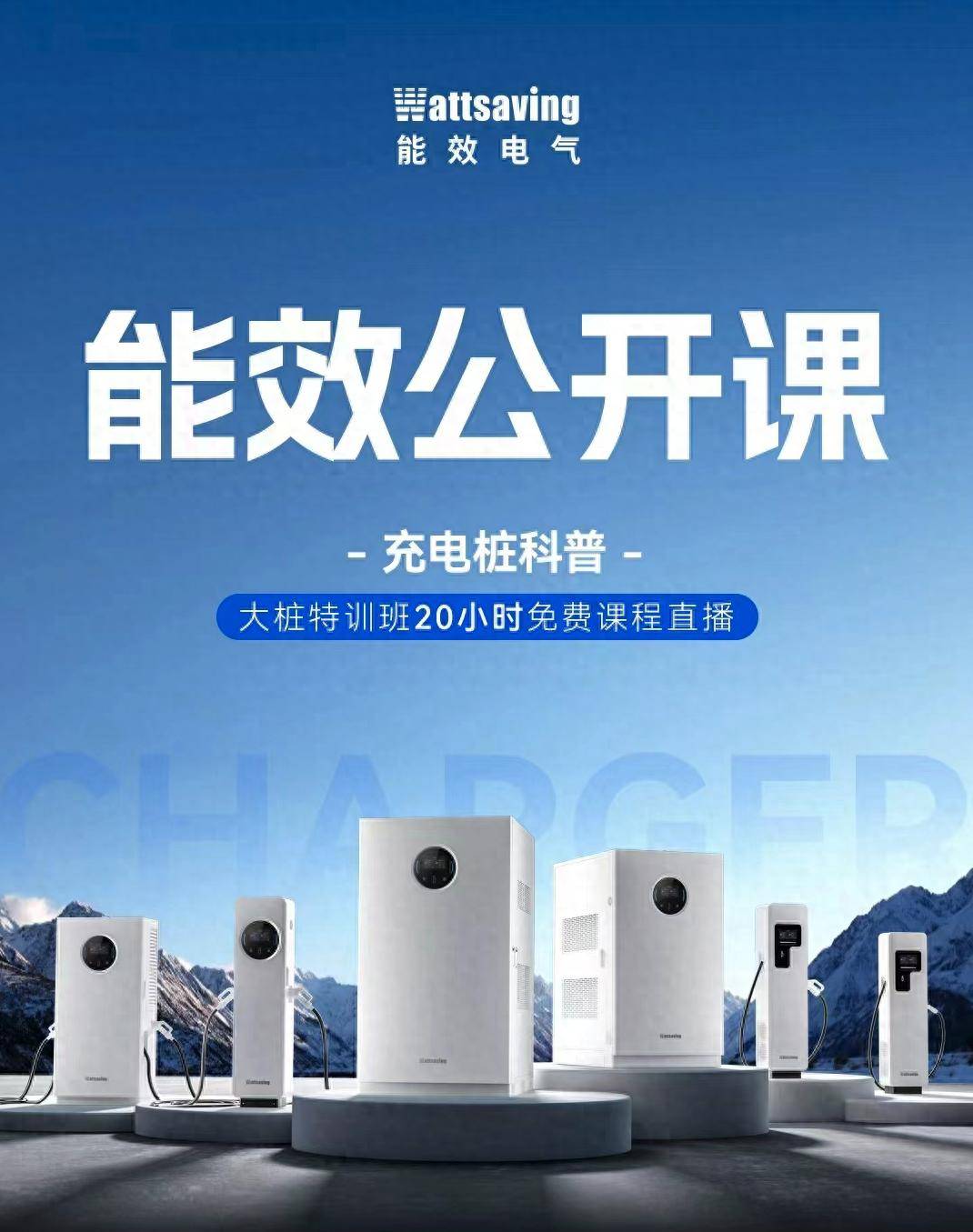
CEO亲自授课、连续20小时不间断:能效电气在逼行业“补课”
Sou Hu Cai Jing· 2025-11-26 09:43
Core Insights - The core argument emphasizes that the charging infrastructure industry in China requires not only physical infrastructure but also a deep understanding of the systems involved [1][11] - The industry has been characterized by a focus on speed, leading to a lack of comprehensive knowledge and understanding among practitioners [3][4] Group 1: Industry Challenges - The industry is perceived to lack respect for the system and a systematic understanding, which has resulted in low station utilization rates and frequent equipment failures [3][4] - Many industry professionals have a fragmented understanding, with salespeople lacking technical knowledge, and technicians not understanding the business model [3][4] Group 2: Training Initiative - The company, Nengxiao Electric, has initiated a 20-hour intensive training program aimed at addressing the knowledge gap in the industry [4][6] - This training is designed to break down misconceptions and establish a comprehensive operational framework for the industry [4][6] Group 3: Training Structure - The training involves a full breakdown of the entire system, from physical principles to business models, ensuring participants understand the interconnections within the charging infrastructure [6][11] - The program is structured to challenge participants' cognitive abilities and is designed to be a rigorous and immersive experience [7][9] Group 4: Long-term Vision - Nengxiao Electric believes in the importance of investing in education for the industry, viewing it as a public responsibility and a long-term commitment [11] - The goal is to cultivate a new generation of industry professionals who are knowledgeable and capable of navigating complex projects and market dynamics [11]
开鑫充有限合伙完成2100万元A轮融资 卓领投资布局充电基础设施赛道
Zheng Quan Ri Bao Wang· 2025-11-25 11:42
Core Viewpoint - Kaixin Charging (Hangzhou) Management Consulting Partnership has completed a 21 million yuan Series A financing, indicating strong market recognition of its unique business model and investment value in the new energy infrastructure sector [1] Group 1: Company Overview - Kaixin Charging Limited Partnership adopts an innovative "investment + construction + operation" integrated development model, creating a complete industrial service chain [1] - The company focuses on the new energy vehicle charging facilities sector, aiming to build a leading green energy infrastructure investment and operation management platform in China [1] - Kaixin Charging has established a competitive advantage through a professional investment decision-making mechanism, a mature construction management system, and refined operational capabilities [1] Group 2: Market Context - The charging infrastructure sector is entering a golden development period due to the continuous growth of new energy vehicles and the advancement of "dual carbon" policies [2] - Kaixin Charging is strategically focusing on urban public charging stations and dedicated charging stations in logistics parks, enhancing the quality and efficiency of its investment portfolio [2] Group 3: Investment and Future Strategy - The company plans to accelerate the charging network layout in key regions such as the Yangtze River Delta and the Pearl River Delta, with a goal of adding 20-30 charging stations within the year [2] - Upgrading the intelligent operation management system through big data analysis to improve station operational efficiency and user experience is a priority [2] - The company aims to explore innovative business models such as integrated solar storage and V2G, while establishing standardized investment evaluation and operational management systems [3]
从充电到电网升级,电动化投资热潮下,靠谱回报的关键逻辑是什么?
科尔尼管理咨询· 2025-11-24 11:29
Core Insights - Electrification is a decisive infrastructure challenge and opportunity in the 2020s, with global passenger electric vehicle sales expected to exceed 17 million in 2024 and 20 million by the end of 2025 [1] - The integration of transportation, energy, and digital technologies is reshaping the entire value chain, but profitability remains uncertain, particularly for early movers in electric vehicle infrastructure [1][5] - Investors face a fundamental dilemma in allocating capital to drive transformation while achieving reliable infrastructure-like returns [1][5] Investment Framework - Infrastructure investors typically categorize assets into core and core-enhanced assets, with electric vehicle infrastructure presenting unique challenges due to uncertain demand and evolving technology standards [5][9] - Public charging infrastructure is capital-intensive but faces low average utilization rates, with European public charging stations averaging below 15% [5][9] - The shift from public funding to private capital requires a change in investment logic, emphasizing profitability and cost discipline [9] Emerging Trends - The Electrification-as-a-Service (EaaS) model bundles vehicles, charging, and energy into long-term service agreements, reducing demand risk and aligning incentives among stakeholders [6][15] - The current electric vehicle market is rapidly developing but unevenly, with China leading at nearly 40% penetration, followed by Europe at around 25%, and the U.S. lagging below 10% [9][12] - The integration of oil giants, utility companies, OEMs, and digital solution providers is creating both competitive and collaborative opportunities within the value chain [10] Profitability and Total Cost of Ownership (TCO) - TCO plays a critical role in consumer purchasing decisions, with subsidies significantly influencing sales, as seen in Germany's sharp decline in sales after subsidy cuts [12][13] - For commercial operators, TCO parity has been achieved in some regions for light commercial vehicles, but overall economic viability remains uncertain due to various cost factors [12][13] - Fluctuations in electricity prices and the absence of long-term supply contracts can erode profit margins, complicating the investment landscape [13] Risk Factors - Utilization risk remains a significant concern, with many public charging assets underperforming, necessitating careful contract design to mitigate revenue erosion [17][19] - Technological and reliability risks are heightened due to rapid hardware standard evolution, impacting the long-term viability of assets [17][19] - Structural risks must be managed through diversified revenue streams and resilient project designs to ensure sustainable returns [19][23] Strategic Opportunities - The most attractive investment opportunities lie in areas that can ensure dedicated utilization, such as fleet-based charging and long-term service contracts [28] - A balanced investment strategy should combine current infrastructure-like returns with future growth potential, particularly through EaaS models [15][26] - Collaborations among various stakeholders can enhance resilience and economic viability, as demonstrated by successful projects in the UK bus electrification sector [21][24]
华体科技:德昌充电基础设施项目签约,项目总投资达4亿元
2 1 Shi Ji Jing Ji Bao Dao· 2025-11-07 07:40
Group 1 - The core point of the article is the signing of an investment framework agreement for the construction of electric vehicle charging infrastructure in Dechang County, Liangshan Prefecture, with a total investment of 400 million yuan [1] Group 2 - The project involves the development of charging infrastructure specifically for new energy vehicles, including heavy trucks [1] - The agreement was signed between Hengtai Huati and Dechang State-owned Assets Investment Co., Ltd. on November 5 [1]

德昌充电基础设施项目签约,项目总投资达4亿元
Xin Lang Cai Jing· 2025-11-07 07:32
Core Insights - The company Hengji Huati has signed an investment framework agreement with Dechang State-owned Assets Investment Co., Ltd. for the construction of charging infrastructure for new energy vehicles, including heavy trucks, in Liangshan Prefecture [1] - The total investment for the project amounts to 400 million yuan [1] Company Summary - Hengji Huati is actively expanding its footprint in the new energy vehicle sector through strategic partnerships [1] - The collaboration with a state-owned entity indicates a strong governmental support for infrastructure development in the new energy vehicle market [1] Industry Summary - The investment in charging infrastructure is crucial for the growth of the new energy vehicle industry, addressing the need for adequate charging facilities [1] - The project aligns with broader trends in the automotive industry towards electrification and sustainability [1]
电动车充电设施建设将提速 到2027年底全国实现充电服务能力翻倍增长
Jing Ji Ri Bao· 2025-10-22 23:38
Core Insights - The National Development and Reform Commission and the National Energy Administration, along with six other departments, have issued a three-year action plan to double the service capacity of electric vehicle charging facilities by 2027, aiming to establish 28 million charging facilities and provide over 300 million kilowatts of public charging capacity to meet the needs of over 80 million electric vehicles [1][4] Industry Developments - The charging infrastructure industry is transitioning from a focus on quantity to quality enhancement, with the action plan emphasizing five key areas: improving public charging facilities, optimizing residential charging conditions, promoting vehicle-grid interaction, enhancing power supply capabilities, and improving operational services [2][3] - The market for electric vehicle charging infrastructure is expected to grow significantly, with the total number of charging facilities reaching 17.348 million units and 4,946 battery swap stations as of August this year, making it the largest and most comprehensive charging service network globally [1][2] Company Innovations - Companies like BYD are actively innovating in the charging infrastructure space, having launched the world's first mass-produced megawatt fast charging platform and an integrated solar-storage-charging supercharging station, which are currently in trial operation in several demonstration areas [2][3] - The industry is seeing a diversification of players, with more local governments and enterprises participating in the charging infrastructure supply chain, driving high-quality development [2][3] Future Outlook - The action plan aims to ensure that charging networks extend into rural areas, with plans to add at least 14,000 direct current charging guns in townships without public charging stations, ensuring comprehensive coverage of public charging facilities [4] - The industry is expected to enter a new accelerated construction phase, with significant improvements in service capacity anticipated [4]
