
关键矿产

Search documents
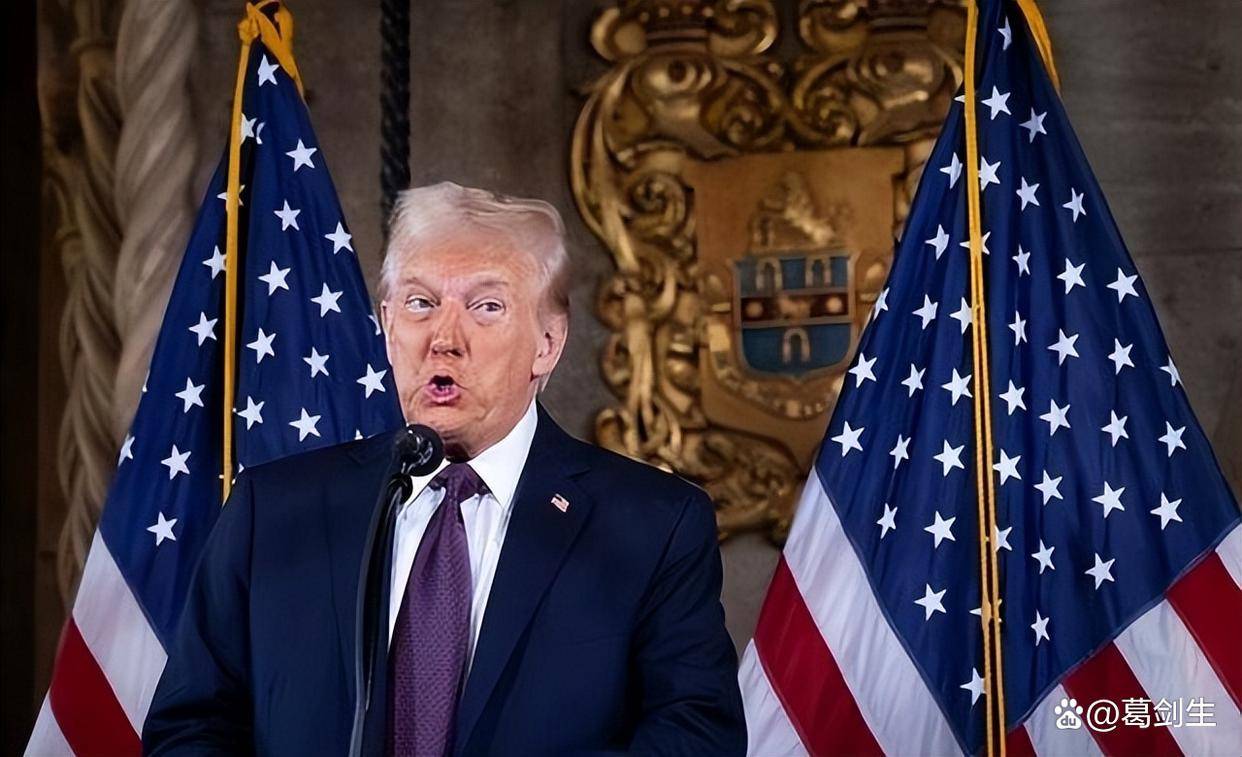
特朗普谋划了40多年,是想要像当年的日本一样,逼中国自废武功吗?
Sou Hu Cai Jing· 2026-02-25 20:51
2026年2月20日,美国最高法院作出判决,认定总统依据国际紧急经济权力法推行的大规模进口关税超出法定范围。这一裁决直接导致此前针对中国商品的 部分额外税率回落,白宫随即依据1974年贸易法第122条,从2月24日起对全球进口征收10%临时关税,并表示可能调整至15%。 这一最新变动再次凸显特朗普在贸易领域的长期坚持。他通过关税施压,希望迫使贸易伙伴让步,缩小美国贸易逆差。这样的做法延续了他四十多年的固定 思路,而目标早已从当年的日本转向如今的中国。 四十多年前,美国汽车工业和电子制造业正遭受日本商品的猛烈冲击。日本汽车每年数百万辆涌入美国市场,录像机等家电产品占据大量货架。美国企业却 发现,向日本出口几乎处处受阻,尽管没有明文禁令,但实际交易难以展开。 与日本当年的处境相比,中国的情况存在本质区别。日本当时作为美国盟友,在政治军事经济领域存在深度关联,决策空间受到限制。中国则始终保持独立 自主的对外政策,拥有庞大的外汇储备、完整的产业体系和多元贸易伙伴网络。 中国早已将出口市场分散到欧洲、东盟、非洲等地,同时大力推进国内技术升级和内需增长。这种布局让中国在面对外部压力时具备更强的缓冲能力,不会 轻易接受导致 ...

美国与印尼企业签署贸易及投资协议
Jin Rong Jie· 2026-02-19 00:24
美国-东盟商业理事会:美国与印尼企业签署贸易及投资协议,涉及关键矿产、 半导体合作、美国 农业 及林产品出口。印尼企业将在未明确期限内采购100万吨美国大豆、160万吨玉米和9.3万吨 棉花。 ...
刚刚,全线大涨!狂飙超700点!日本,突传大消息!
Xin Lang Cai Jing· 2026-02-18 05:14
日本股市全线反攻。 2月18日,在亚洲多个主要市场因假期休市的背景下,日本市场成为焦点,日本股市开盘后,各大指数 全线大涨,日经225指数狂飙超700点。有分析指出,日本新政府组建临近,叠加隔夜美股市场企稳,做 多资金重返日本股市。 与此同时,美国总统特朗普宣布,日本已正式且实际地推进其5500亿美元对美投资承诺下的首批项目, 三个"大项目"涉及得州油气战略、俄亥俄州发电和佐治亚州关键矿产领域。有评论指出,首批投资或将 为高市早苗3月19日访美并与特朗普会晤铺平道路。 日本股市大涨 2月18日,日本股市高开高走,截至发稿,日经225指数大涨超710点,涨幅达1.23%,强势站稳57000点 关口,终结此前的四连跌;日本东证指数大涨1.3%至3809.18点。 日股上涨带动亚太指数,MSCI太平洋指数上涨超1%,但交易量因多个地区市场休市而明显偏低。 据央视新闻最新报道,当地时间2月18日下午,日本国会众议院首相指名选举投票开始。当天上午,高 市早苗内阁集体辞职,日本国会众参两院将先后举行首相指名选举。 根据相关规定,在首相指名选举中,议员可以投出空白票。在第一轮投票中,得票过半者即可直接胜 出,如果没有候选人 ...
特朗普宣布5500亿日本投资正式启动,首批聚焦油气、发电、关键矿产
Hua Er Jie Jian Wen· 2026-02-18 01:38
美东时间17日周二,美国总统特朗普宣布,在日本对美5500亿美元投资承诺下的首批项目启动。这标志 着,去年两国关税协议的核心内容开始落地,也标志着,特朗普政府以关税为筹码、推动海外对美关键 产业投资的贸易策略取得进展。 据特朗普在旗下社交媒体的帖子,上述5500亿美元投资的首批项目聚焦能源和关键矿产领域。他表示, 资金将投向俄亥俄州的燃气发电厂、佐治亚州的关键矿产项目,以及得州的液化天然气设施。这些项目 旨在推动美国工业基础振兴、能源主导地位以及减少对外国关键矿物的依赖。 评论认为,首批投资将为日本首相高市早苗3月19日访美并与特朗普会晤铺平道路。上述投资机制是去 年美日关税协议的交换条件。据新华社,特朗普2025年7月22日在社交媒体发文称,美国与日本达成贸 易协议,原定25%的对等关税税率下调至15%,日本将向美国投资5500亿美元并放开大米等农产品市 场。 日本与美国政府尚未具体说明项目的融资方式和参与企业。但根据协议框架,日本国际协力银行和日本 贸易保险预计将在项目融资中发挥主导作用,资金主要以贷款和贷款担保形式提供,直接现金投资仅占 1-2%。 特朗普称关税促成大规模投资 特朗普本周二在社交媒体发帖 ...
特朗普:美日贸易协议已正式启动 日本对美投资计划将涵盖三大战略项目
Ge Long Hui· 2026-02-18 01:32
Core Viewpoint - The significant trade agreement between the United States and Japan has officially commenced, with Japan committing to a $550 billion investment plan in the U.S. aimed at revitalizing the American industrial base and creating hundreds of thousands of quality jobs [1] Group 1: Investment Projects - Three major projects have been announced in strategic sectors: a Texas oil and gas project, an Ohio power generation project, and a Georgia critical minerals project [1] - The Ohio gas power plant is set to become the largest power plant in history, while the liquefied natural gas facility in the Gulf of America will enhance U.S. energy dominance through increased exports [1] - The critical minerals facility aims to eliminate dependence on foreign resources, marking a significant shift in resource strategy [1] Group 2: Economic and Security Implications - The trade agreement is designed to strengthen national security and economic security with unprecedented measures [1] - The investment plan is expected to create numerous high-quality jobs in the U.S., contributing to the overall economic growth [1] - Tariffs are highlighted as a crucial factor enabling the realization of these large-scale projects [1]
特朗普宣布5500亿美日本投资正式启动,首批聚焦油气、发电、关键矿产
Hua Er Jie Jian Wen· 2026-02-17 21:52
美东时间17日周二,美国总统特朗普宣布,在日本对美5500亿美元投资承诺下的首批项目启动。这标志 着,去年两国关税协议的核心内容开始落地,也标志着,特朗普政府以关税为筹码、推动海外对美关键 产业投资的贸易策略取得进展。 据特朗普在旗下社交媒体的帖子,上述5500亿美元投资的首批项目聚焦能源和关键矿产领域。他表示, 资金将投向俄亥俄州的燃气发电厂、佐治亚州的关键矿产项目,以及得州的液化天然气设施。这些项目 旨在推动美国工业基础振兴、能源主导地位以及减少对外国关键矿物的依赖。 评论认为,首批投资将为日本首相高市早苗3月19日访美并与特朗普会晤铺平道路。上述投资机制是去 年美日关税协议的交换条件。据新华社,特朗普2025年7月22日在社交媒体发文称,美国与日本达成贸 易协议,原定25%的对等关税税率下调至15%,日本将向美国投资5500亿美元并放开大米等农产品市 场。 日本与美国政府尚未具体说明项目的融资方式和参与企业。但根据协议框架,日本国际协力银行和日本 贸易保险预计将在项目融资中发挥主导作用,资金主要以贷款和贷款担保形式提供,直接现金投资仅占 1-2%。 特朗普称关税促成大规模投资 特朗普本周二在社交媒体发帖 ...
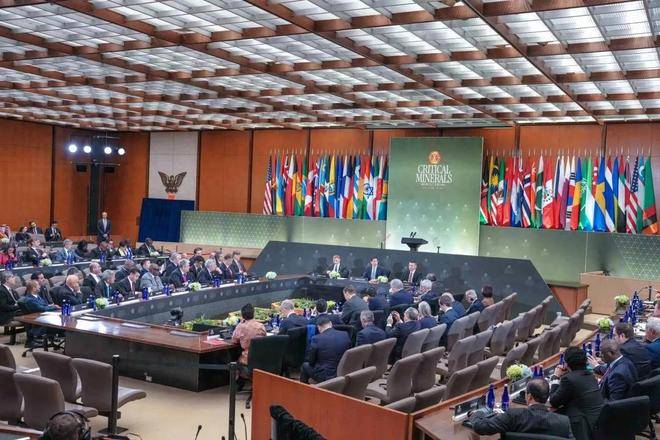
34国没签协议,美盟友倒戈中国,特朗普防稀土卡脖子,第一步走错
Sou Hu Cai Jing· 2026-02-11 07:43
特朗普的赢学叙事再次增添了浓重的一笔。美国国务院近日宣布,在华盛顿举行的首届关键矿产部长级 会议上,美国与11个国家签署了关键矿产协议或相互谅解备忘录。与此前已经签署类似协议的10个国家 合计,至此共21国在这一领域与美国达成了合作意向。美方透露,另外17个国家已经完成了相关的谈 判,尽管谈判已结束,但并不意味着这些国家会和美国达成合作。这样一来,出席会议的55个国家中, 有34个国家并未与美方签署任何协议。而美国依然在按照自己的逻辑自夸大赢特赢。有趣的是,美国、 欧盟和日本在会议期间宣布了建立战略伙伴关系的计划,意在增强关键矿产供应链的韧性,承诺将在30 天内就关键矿产达成谅解备忘录。此外,美国还利用这次会议正式启动了所谓的资源地缘战略合作论坛 (FORGE),并由韩国担任轮值主席,直到6月为止。 更让人注目的是,美国不仅仅是通过这些会议进行表面上的操作。美方显然有更深远的打算,譬如激活 2022年成立的矿产安全伙伴关系(MSP)。美国副总统万斯在会议上提议,希望在盟国之间建立关键矿 产优惠贸易区,借此通过调整关税来避免关键矿产遭遇低价倾销。特朗普政府的初衷显然是减少美国对 中国在矿产供应上的依赖,尤其是在 ...
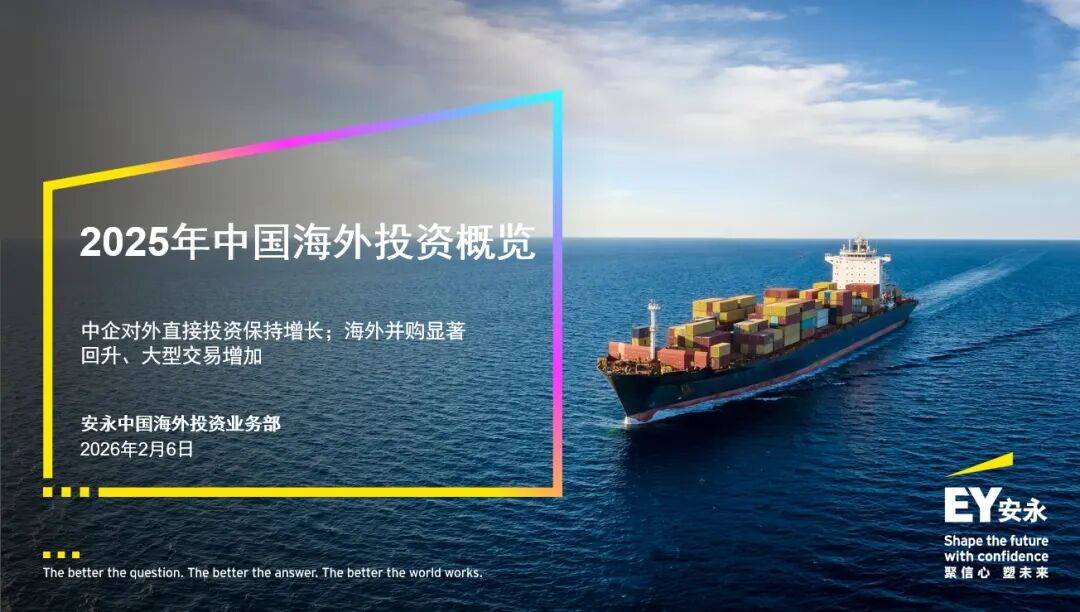
安永发布《2025年中国海外投资概览》
Sou Hu Cai Jing· 2026-02-09 08:46
Group 1: Industry Overview - The acquisition of brands and channel integration is accelerating, making consumer goods the hottest industry, surpassing TMT (Technology, Media, and Telecommunications) [2][13] - In 2025, the total overseas mergers and acquisitions (M&A) announced by Chinese companies reached $43.6 billion, a nearly 40% year-on-year increase, with large transactions over $1 billion rising from 7 to 13 [3][10] - The consumer goods sector saw significant growth, with the largest two transactions totaling $6.7 billion, driving the industry to grow over three times year-on-year [13] Group 2: Regional Analysis - Asia and Europe are the most popular destinations for M&A, each accounting for approximately 30% of the total; North America and Latin America also recorded significant growth in transaction amounts [16][18] - In 2025, Asian M&A amounted to $15.7 billion, a 15% year-on-year increase, while European M&A reached $13.8 billion, with increased momentum in the second half of the year [18] - North American M&A surged nearly threefold to $6.4 billion, with its share rising from 5% in 2024 to 15% in 2025 [18] Group 3: Direct Investment and Engineering Contracts - In 2025, China's total foreign direct investment (FDI) reached $174.4 billion, a 7.1% year-on-year increase, with non-financial FDI at $145.7 billion, growing by 1.3% [3][8] - The new contracts signed for overseas engineering projects by Chinese companies reached $289.2 billion, an 8.2% increase year-on-year, with "Belt and Road" contracts at $258 billion, up 10.8% [17] - The completed operating revenue for overseas engineering projects was $178.8 billion, a 7.7% increase, with "Belt and Road" projects contributing $152.6 billion, a 9.3% increase [17] Group 4: Future Outlook - In 2026, Chinese companies are expected to continue high-quality overseas expansion, with a focus on expanding domestic demand and optimizing investment structures [6][19] - The global economic growth is projected at 3.1%, with developed economies facing structural challenges while emerging markets maintain steady growth [19] - Key investment areas are anticipated to include new energy equipment, automotive supply chains, critical minerals, AI applications, and financial services [19][21]
多国拟磋商建立关键矿产联盟
Guo Ji Jin Rong Bao· 2026-02-02 12:16
Group 1 - The upcoming ministerial meeting in Washington will involve officials from the US, EU, UK, Japan, Australia, and New Zealand discussing the establishment of a strategic alliance around critical minerals, with participation from Canada, India, South Korea, Mexico, and Argentina [1] - This summit is viewed as a significant step towards repairing transatlantic partnerships and is aimed at reducing reliance on China for critical minerals, particularly rare earth resources essential for modern manufacturing [1] - The US State Department emphasized the importance of strengthening cooperation on critical mineral supply chains for the US economy, national security, technological leadership, and building a resilient energy future [1] Group 2 - EU officials express a desire for a more stable cooperation framework with the US on strategic issues like critical minerals, moving away from past tensions over tariffs [2] - Australia has announced a strategic mineral reserve worth AUD 1.2 billion, focusing on key minerals susceptible to supply disruptions, including antimony and gallium [2] - The EU is expected to urge the US to eliminate recently introduced tariffs on global steel derivatives during the meeting, which could impact various products including aluminum doors and offshore wind turbines [2] Group 3 - The first steel derivatives tariff list was published last August, with a second list potentially covering up to 700 products still pending [3] - EU officials criticize the US for its ongoing threats of new tariffs based on various reasons, calling for an end to such practices [3]
世界支付手段的货币度量衡之变
Guo Ji Jin Rong Bao· 2026-01-23 13:54
Core Viewpoint - The rising prices of gold, silver, and key minerals like rare earths, lithium, cobalt, and nickel indicate a shift in the global value assessment system from a gold-backed "value storage logic" to an "industrial support logic" based on industrial materials, with China emerging as a key player in this transformation [1][2][3]. Group 1: Market Trends - Gold and silver prices have reached historical highs, reflecting increased risk aversion and a crisis of trust in traditional fiat currency systems [1]. - Prices of key minerals have surged simultaneously, indicating a broader trend beyond simple supply and demand fluctuations [1]. Group 2: Structural Changes - The strategic significance of key minerals has evolved, becoming a new type of "quasi-currency anchor," with China controlling over 60% of global rare earth production and 80% of battery material capacity [3]. - Developing countries purchasing Chinese electric vehicles or batteries gain access to a self-sustaining industrial ecosystem, reducing reliance on the US dollar [3]. Group 3: US Response - The US has reacted to these trends by reinforcing its hegemony through policies aimed at maintaining control over key mineral supply chains, including the Inflation Reduction Act and the establishment of the Mineral Security Partnership [4]. - The US aims to replicate the "petrodollar" model for key minerals, fearing the loss of resource pricing power [4]. Group 4: Future Outlook - The complexity and diversity of key minerals make them less suitable for single currency transactions compared to oil, which is more standardized [5]. - The value realization of key minerals increasingly depends on deep integration with China's industrial ecosystem, making transactions in RMB more appealing to many countries [5]. - The global financial landscape is shifting towards a multi-currency system, with potential coexistence of "petrodollars," "digital euros," and "industrial RMB" [5].