
新能源

Search documents
如何理解本周贵金属的大跌?
ZHONGTAI SECURITIES· 2026-03-22 02:50
Group 1: Market Dynamics - Recent significant drop in precious metals prices is attributed to a rising inverse correlation with oil prices, which have increased sharply this week[3] - On March 19, Brent crude oil prices surged, exceeding $110 per barrel, while precious metals experienced substantial declines[6] - The traditional pricing logic of gold, which typically benefits from rising oil prices due to inflation expectations and geopolitical tensions, is currently being challenged[9] Group 2: Investment Implications - The market is increasingly pricing in the long-term implications of the ongoing US-Iran conflict, leading to a reassessment of geopolitical risks[10] - Short-term trading in oil-sensitive assets has become crowded, diminishing the risk-reward ratio for continued speculation[14] - In the medium to long term, sectors such as renewable energy and global manufacturing are expected to benefit from structural changes driven by energy security and geopolitical dynamics[25] Group 3: Sector Performance - The renewable energy sector is anticipated to see sustained demand growth, particularly in solar and storage technologies, as countries seek to reduce fossil fuel dependency[19] - The ongoing geopolitical tensions are likely to elevate demand for non-ferrous metals and machinery, supporting sectors like engineering and high-end equipment[22] - A shift towards "safety-first" manufacturing is expected to reshape global supply chains, enhancing China's export competitiveness in relevant industries[20]
【广发宏观王丹】3月EPMI显示基本面继续运行良好
郭磊宏观茶座· 2026-03-21 01:14
Core Viewpoint - The March EPMI (Emerging Industries Purchasing Managers Index) significantly increased by 13.0 points to 57.6, indicating a strong recovery in emerging industries during the peak season of operations, surpassing seasonal averages and previous years' performance [1][6][7]. Supply and Demand Dynamics - Supply and demand improved synchronously, with production and procurement indices rising by 23.4 and 24.2 points respectively, while product and export order indices increased by 17.8 and 15.6 points [8][9]. - Both production and product order indices exceeded an absolute level of 60, indicating a healthy supply-demand relationship, contributing 45% and 41% to the EPMI increase respectively [8][9]. Price Trends - Prices continued to rise, with purchase and sales price indices increasing by 8.4 and 6.1 points respectively, marking the continuation of a positive trend for three and four months [12]. - The EPMI and PMI price indices suggest a potential positive shift in PPI (Producer Price Index) for the first time in 42 months [12]. R&D and Expectations in Emerging Industries - Emerging industries showed strong R&D and expectation indicators, with short-term financing conditions improving as the EPMI loan difficulty index decreased by 2.7 points [15][16]. - R&D, employment, and expectations indices rose by 7.5, 8.6, and 22.2 points respectively, reflecting a favorable environment for innovation and growth [15][16]. Sector Performance - The new generation of information technology, new materials, and new energy sectors exhibited the highest levels of prosperity, with indices around 60 [3][17]. - The automotive sector, particularly in new energy vehicles, saw significant growth, with retail sales increasing by 36% year-on-year in early March [3][17]. Price Performance Insights - New materials and energy-saving environmental protection sectors experienced substantial price increases due to geopolitical tensions affecting costs, which were passed down to downstream sectors [20]. - The sales prices in high-end equipment manufacturing rose significantly by 16.2 points, supported by strong export demand [20][22]. Manufacturing PMI Outlook - The manufacturing PMI is expected to show significant improvement, returning to an expansionary phase, supported by positive trends in traditional manufacturing sectors [22].


宇树IPO来了,年收入17亿;字节超60亿美元出售沐瞳科技;泡泡玛特回应7年前买的盲盒才发货;特斯拉计划从中国采购200亿光伏设备丨邦早报
创业邦· 2026-03-21 01:11
Group 1 - The core viewpoint of the article highlights significant developments in various companies and industries, including IPO applications, acquisitions, and strategic shifts towards AI and automation [3][4][12][18]. Group 2 - YuTree Technology's IPO application has been accepted by the Shanghai Stock Exchange, aiming to raise 4.202 billion yuan, with projected revenues of 1.708 billion yuan in 2025, a 335.36% increase year-on-year, and a net profit of 600 million yuan, up 674.29% [3]. - ByteDance has agreed to sell Moonton Technology for over 6 billion USD, signaling a strategic focus on AI, as the company has made significant investments in this area [3]. - Tesla is reportedly seeking to procure 2.9 billion USD worth of photovoltaic manufacturing equipment from Chinese suppliers to meet its solar manufacturing goals in the U.S. [4]. - The international oil price surge is expected to impact the textile industry, particularly synthetic fibers like polyester, which have seen price increases from 7,000 yuan/ton to 9,600 yuan/ton [5]. - Xiaopeng Motors forecasts a total revenue of 76.72 billion yuan in 2025, representing an 87.7% increase, with a projected vehicle delivery of 429,400 units, a 125.9% increase from 2024 [5]. - The AI digital artist initiative has raised questions about potential copyright infringement, focusing on whether the public can recognize the likeness of real celebrities [20][21]. - The China Passenger Car Association predicts that retail sales of narrow passenger vehicles in March will reach approximately 1.7 million units, with new energy vehicles expected to account for around 900,000 units [23].





把脉A股!券商密集召开春季策略会
券商中国· 2026-03-21 00:51
Core Viewpoint - The global capital market is currently influenced by the dual factors of geopolitical tensions and the transformative impact of AI, leading to increased risk premiums and disruptions in global supply chains [1] Group 1: Geopolitical Impact on A-shares - The recent escalation of the Middle East situation is expected to temporarily affect risk appetite in A-shares, but the medium-term positive trend remains intact [3] - The restructuring of international order and China's industrial innovation are seen as core drivers for the current A-share rally and the revaluation of Chinese assets [3] - Historical analysis indicates that military conflicts typically raise risk premiums and affect supply chains, but markets often stabilize and rebound within 1-2 weeks if conflicts do not escalate further [4] Group 2: AI Industry Evolution - The market's perception of AI technology is shifting from optimistic embrace to more rational scrutiny, leading to increased internal structural adjustments [5] - Investment logic is transitioning from chasing growth to focusing on certainty and scarcity, with an emphasis on sectors that provide stable cash flows and have low elimination rates [6] Group 3: Investment Strategies and Sector Focus - The focus for investment should be on sectors with pricing power and low valuations, particularly in Chinese manufacturing, chemicals, non-ferrous metals, and renewable energy [9] - The "HALO" investment strategy, which emphasizes heavy assets and low elimination rates, is gaining traction, with sectors like oil, petrochemicals, and utilities performing well [5][6] - The consensus among various brokerages suggests that "upstream resources, advanced manufacturing, and AI technology" are the three main investment lines, with non-ferrous metals and chemicals being widely recommended [8]



国际能源署:中国是全球能源创新核心贡献者
中国能源报· 2026-03-21 00:40
Core Viewpoint - The International Energy Agency (IEA) highlights that China is steadily transitioning from a patent powerhouse to a standard leader, with its integrated capabilities across the entire industry chain being a core competitive advantage in global energy innovation [2][5]. Group 1: Global Energy Innovation Landscape - The global energy innovation landscape is entering a new phase shaped by energy security, industrial competitiveness, and infrastructure resilience [3]. - The IEA's latest "Energy Innovation Report" confirms over 150 significant technological innovations, with 50 emerging energy technologies showing notable maturity improvements [3][5]. - China is a leading contributor to global energy innovation, accounting for 60% of energy supply and infrastructure R&D growth over the past decade [5]. Group 2: China's Role in Energy Technology - China's energy patent growth rate is an impressive 800%, with over 95% of energy patent applications by 2025 focusing on low-emission technologies [5]. - Battery storage is at the forefront of global innovation, with batteries accounting for 40% of all energy patents in 2023, and this proportion is expected to increase in 2024 and 2025 [5]. - China has become a leader in perovskite solar cell patents, which now represent over 70% of all solar cell patents [5]. Group 3: R&D Investment Trends - Global energy R&D spending growth is slowing, with public energy R&D spending projected to be around $55 billion in 2025, a 2% decrease year-on-year [10]. - Corporate energy R&D spending is expected to reach $160 billion in 2025, with a mere 1% increase in 2024, marking the slowest growth since 2015 [10]. - The share of global venture capital flowing into energy has decreased, with nearly 30% now directed towards artificial intelligence, while energy's share has declined [10]. Group 4: Emerging Growth Areas - New growth areas have emerged since 2021, with significant funding increases in fusion energy, nuclear fission, critical minerals, geothermal energy, carbon removal, low-carbon industry, and aviation [11]. - Since 2020, fusion energy startups have raised over $10 billion in venture capital, accounting for more than 5% of all energy venture investments [11]. - By 2025, over 320 new energy startups are expected to secure their first round of financing [11].
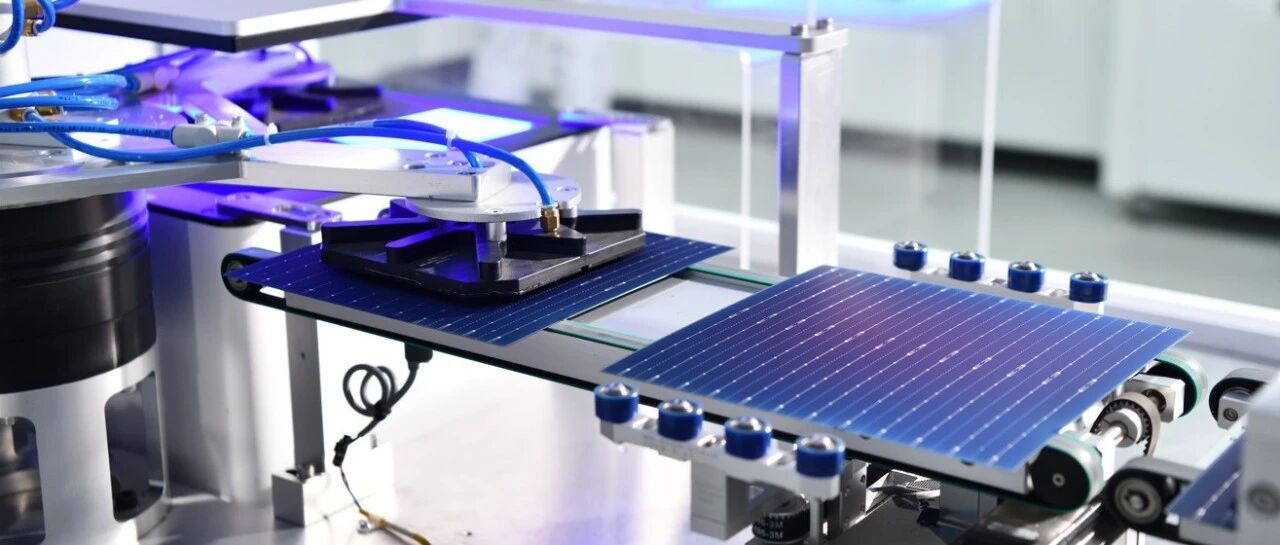
社保基金最新持仓出炉
财联社· 2026-03-20 16:07
Core Viewpoint - The article discusses the recent adjustments in stock holdings by social security funds and institutional investors, highlighting the sectors and companies that have seen increased or decreased investments due to changing market dynamics and demand for AI-related technologies. Group 1: Institutional Investment Trends - Social security funds have recently increased their holdings in companies benefiting from rising demand for AI computing power, such as Nanya New Materials and Jiemai Technology [2][5] - A total of 13 new stocks have been added to the top ten shareholders by social security funds, with significant investments in Kelong Pharmaceutical, Puxin Technology, and Tianhua New Energy, each exceeding 300 million yuan in market value [2][8] - The funds have also shown a mixed approach, with some stocks like New Industry in the medical device sector being reduced, while others like Jiemai Technology have seen increased holdings [7][9] Group 2: Specific Stock Movements - Nanya New Materials, a key player in the PCB industry, has seen social security funds become its ninth-largest shareholder with 1.93 million shares [5] - Jiemai Technology, involved in MLCC packaging materials, has been increased by social security funds to 4.77 million shares, reflecting a 30% increase in stock price recently [5] - Southeast Network Framework and Qingniao Fire Protection have also attracted new investments from social security funds, indicating a broader interest in sectors like construction and safety [6] Group 3: Sector Performance and Adjustments - The medical device sector, represented by New Industry, has experienced a reduction in holdings by social security funds, continuing a trend from the previous quarter [7] - The consumer electronics sector, particularly Electric Connection Technology, has also seen a slight reduction in holdings, attributed to anticipated profit declines due to external pressures [7] - The article notes that social security funds have diversified their investments across various sectors, including cyclical resources, chemicals, pharmaceuticals, and real estate, with a total of 23 stocks involved in these adjustments [8][9]






广发宏观:3月EPMI显示基本面继续运行良好
GF SECURITIES· 2026-03-20 12:04
Group 1: EPMI Overview - The March EPMI increased significantly by 13.0 points to 57.6, surpassing seasonal averages and previous years' increases of 7.8, 3.9, and 9.3 points in March 2015, 2018, and 2024 respectively[3] - The absolute level of the March EPMI indicates a strong performance in emerging industries during the peak production season[3] Group 2: Supply and Demand Dynamics - Supply-side production and procurement indices rose by 23.4 and 24.2 points respectively, while demand-side product orders and export orders increased by 17.8 and 15.6 points[4] - Both production and product order indices exceeded 60, indicating a healthy supply-demand relationship, contributing 45% and 41% to the EPMI increase respectively[4][5] Group 3: Price Trends - In March, the purchasing price index rose by 8.4 points and the sales price index increased by 6.1 points, continuing a trend of improvement over the past months[7] - The profit index also saw a rise of 9.4 points, indicating a positive outlook for profitability in the sector[7] Group 4: Industry Insights - Emerging industries such as new generation information technology, new materials, and new energy showed the highest levels of prosperity, with indices around 60[8] - Significant improvements were noted in the new energy vehicle and biotechnology sectors, with increases exceeding 15 points[8]
【财闻联播】南向资金净卖出约210亿港元!美国油价连涨20天,累计涨幅达30%!
券商中国· 2026-03-20 11:22
Macro Dynamics - The Ministry of Commerce announced measures to promote travel service exports and expand inbound consumption, including optimizing visa policies and expanding the list of countries with unilateral visa exemptions [2] - In January-February 2026, China attracted foreign investment of 161.45 billion RMB, a decrease of 5.7% year-on-year, with the manufacturing sector receiving 47.52 billion RMB and the service sector 111.22 billion RMB [3] Healthcare Sector - The National Healthcare Security Administration plans to release version 3.0 of the disease-based payment grouping scheme in July 2026, with implementation set for January 2027 [4][5] Financial Institutions - Postal Savings Bank announced the approval for the establishment of China Post Financial Asset Investment Co., with a registered capital of 10 billion RMB [7] Market Data - On March 20, A-shares saw the Shanghai Composite Index drop by 1.24%, with significant declines in sectors like computing power leasing and cloud computing [8] - The Hang Seng Index fell by 0.88%, with technology stocks experiencing notable declines, while lithium battery stocks showed strength [9][10] Oil Prices - U.S. gasoline prices have risen for 20 consecutive days, with a cumulative increase of 30%, reaching an average of $3.88 per gallon [11] Company Dynamics - China Duty Free Group reported a net profit of 3.586 billion RMB for 2025, a year-on-year decrease of 15.97% [12] - ByteDance has agreed to sell Moonton Technology for over $6 billion, signaling a strategic focus on AI [12] - Li Tong Electronics denied rumors regarding the smuggling of NVIDIA AI servers, stating that all procurement and project deliveries are normal [13]




纳贡
债券笔记· 2026-03-20 10:49
Group 1 - The Federal Reserve's decision not to cut interest rates and the possibility of future rate hikes have led to a significant drop in gold and silver prices, with the A-share market falling below 4000 points, raising concerns about a liquidity crisis [2] - European natural gas futures surged by 27% due to damage at Qatar's liquefied natural gas facilities [4] - Iran's parliament is pushing a bill that would require countries using the Strait of Hormuz for shipping, energy, and food transport to pay tolls and taxes to Iran [7] Group 2 - The UAE is maintaining its $1.4 trillion investment commitment to the US despite the ongoing conflict, indicating a strategic stance against Iran, which remains a key target for Iranian retaliation [8] - Japan is responding to US demands by committing 10 trillion yen (approximately $640 billion) for investment in the US, covering sectors like energy, minerals, and infrastructure, to secure concessions on tariffs and trade rules [9] - Japan's investment in the US is seen as a way to bypass Chinese control and establish a US-Japan-led supply chain for strategic industries such as semiconductors and renewable energy [11][12]

市场避险情绪延续
Tebon Securities· 2026-03-20 10:15
Market Analysis - The A-share market continues to adjust, with the Shanghai Composite Index falling below 4000 points, closing at 3957.05, down 1.24%, indicating strong selling pressure near the 4000-point mark [2] - The Shenzhen Component Index showed relative resilience, closing at 13866.20, down 0.25%, while the ChiNext Index rose 1.30% to 3352.10, highlighting a divergence in market performance [2] - The total trading volume in the A-share market reached 2.30 trillion, an increase of 8.3% from the previous trading day, indicating overall market activity [2] Sector Performance - The market exhibited a clear structural characteristic with most sectors declining, except for communication, power equipment, and new energy, which rose by 1.44%, 1.13%, and 0.11% respectively [5] - Notable increases were seen in photovoltaic inverters, optical modules, lithium battery electrolytes, and energy storage indices, which rose by 7.22%, 2.90%, 2.76%, and 2.47% respectively, driven by strong demand in the new energy sector [5] - Conversely, sectors such as comprehensive finance, computers, defense, and media led the declines, with drops of 4.98%, 3.94%, 3.15%, and 2.99% respectively [5] Bond Market - The government bond futures market experienced a decline, with the 30-year bond futures (TL2606) falling by 0.42% to close at 110.67, and the 10-year bond futures (T2606) down 0.09% to 108.255 [12] - The People's Bank of China conducted a 205 billion yuan reverse repurchase operation, maintaining the operation rate at 1.40%, resulting in a net withdrawal of 170 billion yuan for the day [12] - The bond market's overall trend remains weak, influenced by external factors such as the Federal Reserve's interest rate stance and geopolitical tensions in the Middle East [12] Commodity Market - The commodity index fell by 1.25%, with the South China commodity index closing at 3080.83, reflecting a weak overall market performance [9] - LPG, manganese silicon, apples, corn starch, and ethylene glycol were among the top gainers, with increases of 8.44%, 3.46%, 2.92%, 2.72%, and 2.51% respectively [9] - Conversely, paraxylene, PTA, bottle flakes, silver, and low-sulfur fuel oil saw declines of -4.46%, -4.54%, -6.05%, -6.25%, and -8.28% respectively [9] Trading Hotspots - Key sectors to watch include artificial intelligence, commercial aerospace, nuclear fusion, consumer goods, brokerage firms, precious metals, and energy chemicals, each driven by specific growth catalysts and market dynamics [13] - The focus for artificial intelligence includes capital expenditure changes among leading companies and the transformation of application scenarios [13] - For commercial aerospace, attention is on domestic reusable rocket launches and technological breakthroughs from overseas leaders like SpaceX [13]