风能

Search documents
2025年新能源企业“出海”系列之启航欧美研究报告(英文版)
Sou Hu Cai Jing· 2025-07-25 06:27
Core Insights - The report highlights that Chinese new energy enterprises are becoming key players in the global green transition, driven by technological advancements, cost advantages, and supply chain resilience, with Europe and the US being significant markets for expansion [7][8][12] - The European market is identified as the primary arena for Chinese new energy companies, particularly in photovoltaics, energy storage, and wind energy, with strong competitiveness and market potential [13][14][18] - The US market, despite policy fluctuations, remains attractive due to rising electricity demand and opportunities in photovoltaics and energy storage, although challenges such as high tariffs and local operational capacity persist [19][20][22] Europe Market Analysis - The European new energy market is vast and profitable, with the EU aiming for renewable energy to constitute 45% of total energy consumption by 2030, significantly increasing from previous targets [34][36] - Negative electricity prices have prompted the EU to plan substantial investments in upgrading its power grid, creating opportunities for Chinese companies involved in power transmission and distribution [39][44] - The average price for energy storage systems in Europe is significantly higher than in China, indicating greater profitability potential for Chinese enterprises [45][46] Photovoltaics Sector - China's photovoltaic exports to Europe rebounded to 50.7% in 2022 after the EU lifted anti-dumping measures, with the Netherlands, Spain, and Germany being key markets [14][54][58] - The EU's push for localizing photovoltaic production has led to increased competition, prompting Chinese companies to consider relocating manufacturing capacity to Europe [64] - The average price for high-efficiency crystalline modules in Europe saw a year-over-year decrease of 31.8% in late 2024, indicating intense price competition [61] Energy Storage Sector - The European energy storage market has experienced significant growth, with installed capacity expected to exceed 56.3 GWh by 2024, driven by rising demand for household and large-scale storage systems [66][70] - Exports of energy storage products from China to Europe have been favorable, with Germany being the main market, accounting for over 30% of total exports [70][73] - Policies supporting energy storage projects in Europe, such as tax cuts and subsidies, are expected to further stimulate demand [73] Challenges and Strategies - Chinese new energy enterprises face challenges in the form of trade barriers, high operational costs, and insufficient local operational capacity when entering European and American markets [25][26][24] - Recommended strategies include diversifying production capacity, implementing a technology-brand dual-driver strategy, and optimizing post-investment risk control systems [27][28][29]


Megan(MGN) - 2025 Q2 - Earnings Call Transcript
2025-07-18 09:00
Financial Data and Key Metrics Changes - The company reported a portfolio growth of 65% over the last twelve months and 7% over the last quarter, reaching a total of eight gigawatts, with a goal of 10 gigawatts by the end of 2025 [1] - The cash balance at the end of Q2 was approximately NOK 373 million, with zero debt and a strong cash position [7][40] - The average annual return on equity since 2020 has been 22%, with a capital distribution program that includes dividends and share buybacks [7][8] Business Line Data and Key Metrics Changes - The portfolio in Italy grew by 125% during the quarter, reaching close to 450 megawatts [2] - The company has initiated a new sales process for a combined 500 megawatts of onshore wind and solar projects in South Africa [3] - The company is focusing on battery energy storage systems (BESS) and expects to see high returns on best projects, trading above €200,000 per megawatt [9][41] Market Data and Key Metrics Changes - In Sweden, there were 500 hours of negative prices in Q2, with expectations of 2,000 hours annually, creating opportunities for best projects [4] - Wholesale prices in the Nordics are currently the lowest in Europe, returning to levels seen in 2020 due to various factors including weather and demand [5] - The data center market in the Nordics is projected to consume 62 terawatt-hours by 2050, indicating strong future demand [27] Company Strategy and Development Direction - The company maintains an asset-light business model with a focus on project development rather than construction, aiming for a five times return on projects [7][14] - There is a strong emphasis on early sales and maintaining a robust cash position to negotiate effectively with clients [14][16] - The company is exploring new markets while being cautious about entering new territories without established sales [39] Management's Comments on Operating Environment and Future Outlook - Management highlighted strong regulatory support for renewable energy in Europe, particularly in Germany and Italy, which is expected to drive growth [6] - The company anticipates signing numerous new projects in Italy and Germany, as well as continued growth in South Africa [11][20] - Management expressed optimism about the sales process and the potential for high returns in the onshore wind market in South Africa [34] Other Important Information - The company has completed the transition to become 100% renewable by selling its remaining shares in Hermana Holding [1] - There are ongoing discussions regarding grid agreements and project developments in various markets, including Germany and the UK [19][30] - The company is assessing data center opportunities that align with its existing portfolio, indicating a strategic fit for future growth [26][29] Q&A Session Summary Question: What is the outlook for the company's growth in new markets? - Management indicated a cautious approach to entering new markets, focusing on securing sales in established markets first [39] Question: How does the company plan to manage costs moving forward? - The company is closely tracking costs and expects improved supply chain conditions to ease expenses [40] Question: What are the expectations for project development in Germany? - Management noted strong interest from major clients in Germany and the potential for significant project development due to high electricity prices [31][32]
美媒:比赛已无悬念!在清洁能源领域,美国落后了中国好几圈
Sou Hu Cai Jing· 2025-07-16 17:33
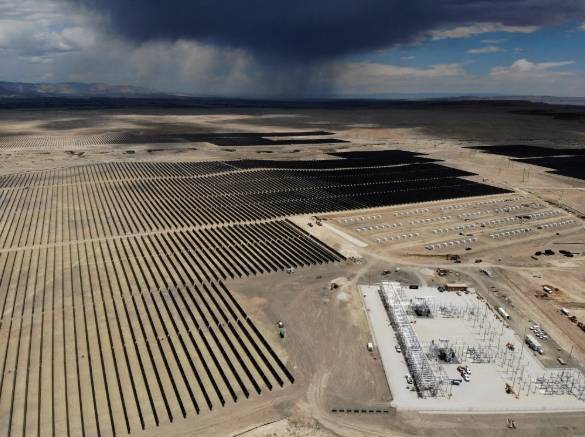
Core Insights - The article highlights that China's new renewable energy installations within a year surpass the total renewable energy capacity currently in the United States, indicating a significant shift in the global clean energy landscape [1][3][4] Group 1: Current Energy Landscape - The U.S. has fallen behind China in the clean energy sector, with data showing that China is constructing 510 GW of utility-scale solar and wind capacity, while the U.S. has only 275 GW operational [3][4] - The "Big and Beautiful" tax and spending bill signed by President Trump is expected to further entrench the U.S.'s lagging position in clean energy by cutting tax incentives for renewable energy [3][4][7] Group 2: Future Projections - The U.S. plans to add 150 GW of renewable energy projects by 2031, but these projects are at risk due to the cancellation of renewable energy subsidies [4][7] - Analysts predict that the "Big and Beautiful" bill could halve the planned new renewable energy capacity in the U.S. over the next decade, leading to increased electricity prices across states [4][7] Group 3: Economic Implications - Rising electricity costs in the U.S. could hinder economic development and deter companies from establishing operations domestically, contradicting Trump's goal of bringing manufacturing back to the U.S. [7][8] - The article suggests that the dominance of clean energy in China is also supporting its ambitions in the AI sector, while U.S. tech companies struggle with energy supply for high-demand AI data centers [8]
特朗普杀死新能源
虎嗅APP· 2025-07-11 00:23
Core Viewpoint - The article discusses the significant impact of the "Big and Beautiful Act" passed under Trump's administration, which ends long-standing federal support for solar and wind energy, favoring fossil fuels instead. This act is seen as a major victory for Trump, as it dismantles Biden's legacy of promoting renewable energy [1][3]. Summary by Sections Impact on Renewable Energy - The "Big and Beautiful Act" tightens tax incentives for clean energy, which have been crucial for the development of renewable energy since their introduction in 2005 and 1992. The act stipulates that solar and wind projects operational after 2027 will no longer receive these incentives, indicating a potential decline in clean energy investments in the U.S. [3][4]. - According to Rhodium Group, since the Inflation Reduction Act was passed in 2022, the corporate sector has invested $321 billion in U.S. clean energy projects, with an expected additional investment of $522 billion. However, the new act is likely to severely impact the profitability of these projects [3][4]. Electric Vehicle Sector - The act terminates the $7,500 tax credit for new electric vehicle purchases and the $4,000 credit for used electric vehicles, which is expected to decrease the penetration rate of electric vehicles in the U.S. market [3][4]. - Experts indicate that the act will harm not only U.S. electric vehicle companies but also allies like South Korea and Japan, which have invested in U.S. manufacturing but lack cost advantages compared to Chinese electric vehicle manufacturers [4]. Foreign Entity Restrictions - The act imposes strict restrictions on foreign entities (FEOC) involved in clean energy projects, limiting tax credits for companies that engage with prohibited foreign entities or source materials from them. This aims to exclude Chinese companies from clean energy subsidies [5][6]. - The act's FEOC provisions are broader than those in the Inflation Reduction Act, affecting more Chinese companies, including private enterprises, and limiting indirect investments through technology licensing and material sourcing [5][6]. Economic Implications - The act is expected to freeze project financing in the clean energy sector, with significant implications for the U.S. energy landscape. The time required for clean energy projects to become operational may lead to financial losses and project cancellations [7]. - If clean energy tax incentives are removed, the construction of solar, wind, and storage projects could decrease by 57% to 72% by 2035, while electricity demand continues to rise, leading to increased energy costs for consumers and businesses [10][11]. Global Climate Governance - The article suggests that as long as the Republican Party remains in power, global climate governance will face challenges, with China and Europe likely to take a more prominent role in climate initiatives. The U.S. withdrawal from climate commitments could hinder global efforts to address climate change [11].
特朗普杀死新能源
Hu Xiu· 2025-07-10 11:20
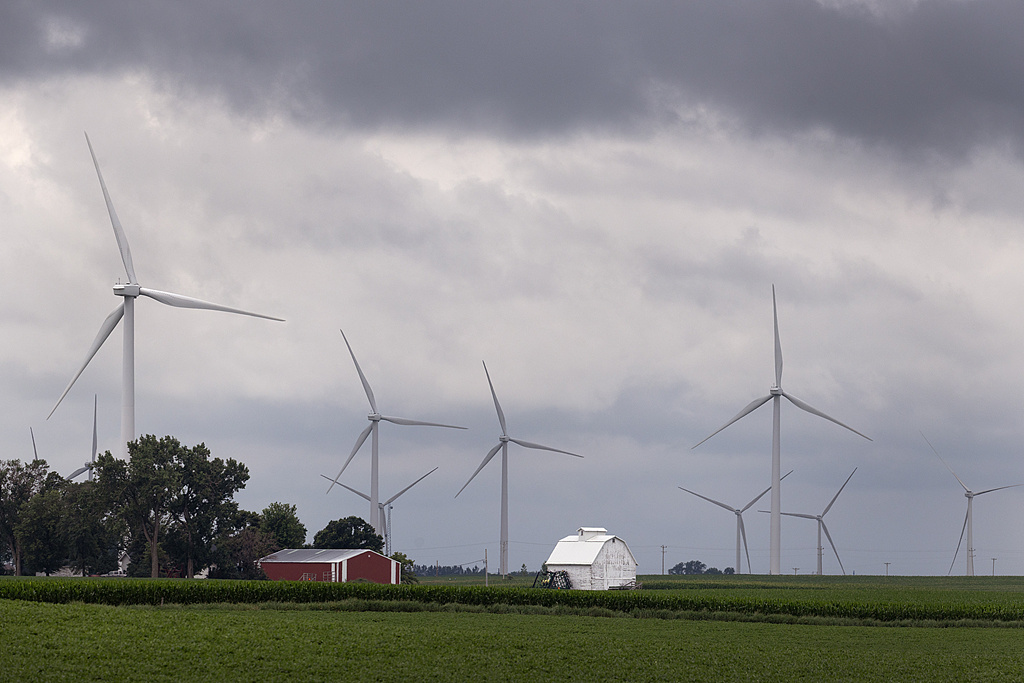
Core Points - The passage of Trump's "Big and Beautiful Act" marks a significant shift away from federal support for solar and wind energy, favoring fossil fuels instead [1][10] - The act is expected to have a profound impact on the U.S. and global renewable energy industries, leading to a decline in clean energy investments and potential job losses [2][9] Summary by Sections Impact on Renewable Energy - The "Big and Beautiful Act" tightens tax incentives for clean energy, particularly affecting investments in wind and solar power, which have historically relied on these tax credits [2] - The act stipulates that solar and wind projects operational after 2027 will no longer receive tax credits, indicating a potential decline in U.S. clean energy investments [2] - Consulting firm Rhodium Group estimates that the cancellation of clean energy tax incentives could reduce the construction of solar, wind, and storage projects by 57% to 72% by 2035 [8] Electric Vehicle Sector - The act terminates the $7,500 tax credit for new electric vehicle purchases and the $4,000 credit for used electric vehicles, likely leading to a decrease in electric vehicle penetration in the U.S. [2][3] - Experts suggest that the act will harm not only U.S. electric vehicle companies but also allies like South Korea and Japan, which have invested in U.S. manufacturing [3] Foreign Entity Restrictions - The act imposes strict restrictions on investments from "Prohibited Foreign Entities" (PFE), which includes companies from countries like China, Russia, and Iran, limiting their access to energy tax credits [4][5] - Companies must ensure that over 60% of their components are sourced outside of China to qualify for tax credits, a requirement that will increase to 85% by 2030 [4] Economic and Political Implications - The act is seen as a move towards protectionism, aiming to bolster domestic industries while weakening foreign competition, particularly from China [5] - The act's implementation may freeze project financing in the clean energy sector, as the time from project initiation to operation can span several years [5][8] Broader Consequences - The act is expected to increase electricity prices for consumers, with average household electricity costs projected to rise by 7.3% and business costs by 10.6% [8] - The shift away from clean energy initiatives may hinder global climate governance efforts, as the U.S. is a major carbon emitter [8][10]

【环时深度】毁绿保油气,美能源政策加速“开倒车”
Huan Qiu Shi Bao· 2025-07-09 22:57
Core Viewpoint - The "Big and Beautiful" Act signed by Trump is seen as a significant shift in U.S. energy policy, favoring fossil fuels over renewable energy, which may have devastating effects on clean energy development and the U.S.'s international climate responsibilities [1][3][12]. Group 1: Policy Changes - The "Big and Beautiful" Act effectively repeals or undermines much of the Biden administration's Inflation Reduction Act, particularly in terms of clean energy support [1][3]. - The Act prioritizes fossil fuels, reduces regulations, and limits support for renewable energy, marking a systematic shift in energy policy [3][4]. - Solar and wind energy sectors are identified as the biggest losers under the new law, with tax credits for new projects being significantly restricted [3][4]. Group 2: Industry Reactions - Traditional fossil fuel industries have welcomed the Act, viewing it as transformative legislation that addresses their priorities [4][5]. - Critics argue that the Act will lead to higher energy costs and weaken the U.S. automotive industry, while proponents claim it will lower energy prices by increasing domestic production [5][4]. Group 3: Historical Context - The U.S. has a long history of inconsistent energy policies, often influenced by political changes and various interest groups, leading to a lack of coherent long-term strategy [6][9]. - Previous administrations have oscillated between promoting renewable energy and supporting fossil fuels, with significant policy reversals occurring with each change in leadership [8][9]. Group 4: International Implications - The Act is seen as a step back from global climate commitments, potentially damaging the U.S.'s international image and its ability to compete in the clean energy sector [12][10]. - Allies have expressed concerns over U.S. energy policies, particularly regarding trade discrimination and the potential for increased competition for investments [10][11]. Group 5: Future Outlook - Despite the federal shift, individual states may continue to support clean energy initiatives based on their specific industry needs, indicating a potential divergence in energy policy at the state level [13].
特朗普“补贴大撤退”!为何储能躲过一劫?
行家说储能· 2025-07-09 12:37
Core Viewpoint - The OBBB Act signed by Trump marks a significant shift in U.S. energy policy towards traditional fossil fuels, while maintaining tax credits for energy storage, which could impact the renewable energy sector negatively [1][15]. Group 1: Key Changes in Tax Credits - The storage ITC subsidy has been extended from 2032 to 2036, providing a longer policy support window for the energy storage industry [2][4]. - The OBBB Act modifies the IRA's clean energy tax credits, particularly affecting battery storage systems under sections 48E and 45Y, with construction start dates typically set for 2033 [2][4]. - The new FEOC (Foreign Entities of Concern) provisions restrict tax credits for projects involving certain foreign entities, particularly those from China, Russia, Iran, and North Korea [7][9]. Group 2: Impact of FEOC Restrictions - The FEOC restrictions may hinder U.S. energy storage projects by excluding foreign entities from receiving tax credits, which could lead to increased project costs and delays [18][19]. - The threshold for material assistance from prohibited foreign entities will increase from 55% to 85% over the next few years, complicating compliance for U.S. developers [10][16]. - The complexity of FEOC rules may deter foreign direct investment in the U.S. clean energy sector, particularly from companies with ties to Chinese entities [19][21]. Group 3: Market Dynamics and Strategic Adjustments - U.S. developers may need to eliminate reliance on Chinese supply chains to qualify for tax credits, potentially leading to strategic shifts in sourcing and production [20][21]. - The anticipated increase in project costs due to the need for domestic sourcing could impact the overall competitiveness of U.S. energy storage projects [18][21]. - The uncertainty surrounding policy changes and the expiration of tariff suspensions on Chinese batteries may further complicate investment decisions in the U.S. storage market [16][18].
特朗普对美国绿色能源再出重拳 将取消风能太阳能联邦补贴
news flash· 2025-07-09 03:36
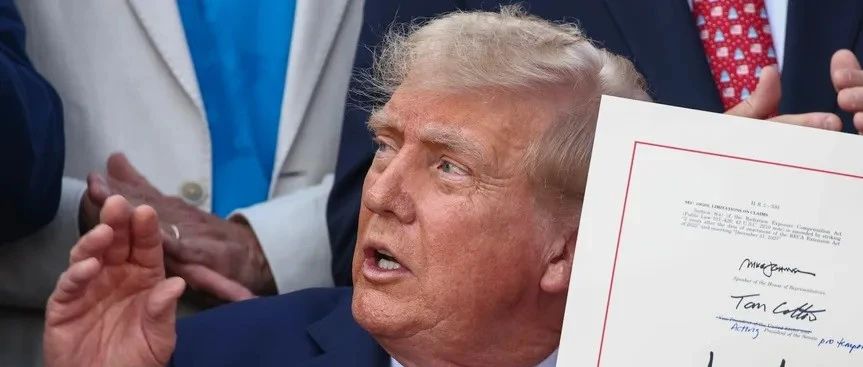
Core Viewpoint - The article discusses Trump's initiative to terminate federal subsidies for green energy, citing concerns over reliability and cost, while the U.S. Department of Energy warns of potential risks to the energy system leading to a significant increase in power outages by 2030 [1] Group 1: Policy Changes - Trump signed an executive order to gradually eliminate federal subsidies for wind and solar energy projects, arguing that renewable energy is unreliable and expensive [1] - The executive order claims that federal subsidies have forced taxpayers to support costly and unreliable energy sources, which have negatively impacted the stability of the power grid [1] Group 2: Industry Impact - The increase in renewable energy projects is said to have displaced cheaper, more reliable domestic energy sources, potentially harming the stability of the energy grid [1] - The article highlights concerns that the shift away from traditional energy sources could lead to a deterioration of the natural landscape [1] Group 3: Future Projections - The U.S. Department of Energy warns that the frequency of power outages could increase by 100 times by 2030, indicating significant vulnerabilities in the current energy infrastructure [1]

聚焦“反内卷”,电新板块投资策略
2025-07-09 02:40
Summary of Conference Call Records Industry Overview - The focus is on the renewable energy sector, particularly the photovoltaic (PV) and wind energy industries, amid government policies aimed at preventing "involution" and ensuring healthy industry development [1][3][4][18]. Key Points and Arguments - **Government Policy Shift**: The government has shifted its approach from preventing disorderly expansion in the renewable energy sector to implementing corrective measures to address supply-demand imbalances and local government debt issues [1][2][4]. - **Market Demand Pressure**: The photovoltaic industry is experiencing market demand pressure due to policy changes and high base effects from the previous year, necessitating government intervention to avoid negative impacts on GDP [1][5]. - **Electricity Consumption Growth**: The expected compound annual growth rate for electricity consumption from 2026 to 2030 is projected to be between 4% and 6%, significantly influencing PV and wind energy installation targets [1][14][15]. - **Wind Energy Sector Outlook**: The wind energy sector is expected to benefit from the anti-involution strategy, with companies like Mingyang Smart Energy projected to see stock price elasticity of over 30% [1][17]. - **Investment Opportunities**: Investors are encouraged to focus on segments with stronger chemical attributes, such as silicon materials and glass, as well as new technology fields like BC batteries and perovskite technology [3][20]. Additional Important Content - **Challenges in Policy Implementation**: The government faces challenges in balancing high targets with the need to avoid one-size-fits-all measures, addressing corporate interests, and managing local government debt [4][6][7]. - **Market Dynamics**: The market has seen a rotation among wind, PV, and lithium battery sectors, with wind energy performing well due to favorable bidding conditions, while PV has faced skepticism regarding policy and profitability [9][10]. - **Performance of Key Companies**: Companies like Sungrow Power Supply and DeYuan Co. have shown strong performance in the energy storage sector, with significant stock price increases [21][22][23]. - **Uncertainties in the U.S. Market**: Potential uncertainties in the U.S. market include tariff policy changes and the implications of the Inflation Reduction Act, which could affect domestic companies' competitiveness [24]. Conclusion - The renewable energy sector is navigating a complex landscape shaped by government policies aimed at stabilizing the market and ensuring sustainable growth. Investors are advised to remain vigilant and consider both opportunities and risks in this evolving environment.




中方还没走,欧盟就收到美国罚单,马克龙连提四个请求,事情不简单
Sou Hu Cai Jing· 2025-07-08 10:59
Group 1 - The article highlights the escalation of trade tensions between the US and the EU, with the US threatening a 17% tariff on EU agricultural exports, which could severely impact major agricultural exporting countries like France and the Netherlands [1][3] - The ongoing trade disputes have seen the US impose various tariffs on the EU, including a 20% "reciprocal tariff," 25% "automobile tax," and 25% "steel and aluminum tax," leading to significant disruptions in EU industries and affecting profits and market shares [3] - French President Macron has expressed the need for stronger coordination with China on international economic and financial policies, especially in light of global challenges such as economic recovery, climate crisis, and public health issues [3][4] Group 2 - Despite progress in Sino-French economic cooperation, there remain imbalances in certain sectors, prompting Macron to seek increased Chinese investment in France to foster a more balanced economic relationship [4] - The EU faces challenges in forming a unified response to US trade threats due to the diverse interests of its member states and complex decision-making processes [5] - There are existing tensions in EU-China relations, including disputes over electric vehicle tariffs and China's policies on rare earth exports, alongside recent anti-dumping measures imposed by China on EU products [5][8] Group 3 - The article emphasizes the potential for cooperation between China and the EU in areas such as green energy, digital economy, and technological innovation, which could enhance global technological development [5] - China maintains a principle of peaceful coexistence and mutual benefit in its relations with the EU, advocating for the removal of unreasonable sanctions to foster a conducive environment for cooperation [8]