汽车制造

Search documents
牵手宁德时代 宝马“补课”电动化
Bei Jing Shang Bao· 2026-02-26 16:47
Core Insights - German Chancellor Merz's first visit to China after taking office included a delegation from BMW, which signed a cooperation memorandum with CATL to enhance the local supply chain and accelerate the electric transformation of the company [1][3] - BMW announced the global debut of the new generation BMW iX3 long-wheelbase version at the Beijing Auto Show in April, aiming to strengthen its position in the Chinese luxury car market [1][3] Group 1: Market Performance - BMW and MINI brands experienced a 12.5% decline in sales in China, totaling 625,000 units in 2025, which is a drop of approximately 200,000 units from the peak in 2023 [5] - The performance of BMW's previous iX3 model, based on the "oil-to-electric" platform, was underwhelming, with significant price reductions and low sales figures, including only 14 units sold in January 2026 [4][5] Group 2: Product Development - The upcoming new generation BMW iX3 will be built on the Neue Klasse platform, independent of the fuel vehicle platform, featuring an 800V fast charging system and a sixth-generation eDrive system [4] - The new model will utilize a jointly developed cylindrical battery with CATL, boasting a 20% increase in energy density and a 30% improvement in range [4] Group 3: Competitive Landscape - The market share of German brands in China has decreased to 12.1%, with domestic brands capturing over 40% of the luxury electric vehicle market, challenging the dominance of German manufacturers [8] - BMW's electric models primarily offer basic L2-level driver assistance, while Chinese brands are advancing towards L3-level autonomous driving capabilities, increasing competitive pressure on BMW [7][8] Group 4: Strategic Adjustments - BMW has initiated price reductions in early 2026, with the i7 M70L electric model seeing a price cut of 301,000 yuan, and some fuel models also experiencing around a 12% reduction [6] - The company aims to enhance its competitiveness in the electric vehicle sector by deepening collaboration with local firms and responding to market demands through localized innovation [8][9]



宝马在华加码电动化
Bei Jing Ri Bao Ke Hu Duan· 2026-02-26 16:32
Core Insights - BMW is accelerating its electrification efforts in the Chinese market, highlighted by the signing of a cooperation memorandum with CATL to enhance battery supply chain collaboration and reduce carbon footprints [3][9] - The new generation BMW iX3 long-wheelbase version, based on a dedicated electric platform, is set to debut at the Beijing Auto Show in April, aiming to improve BMW's competitive position in the electric vehicle market [2][4] - BMW's sales in China have faced significant pressure, with a reported 12.5% year-on-year decline in 2025, bringing sales down to 625,000 units, a level comparable to seven years ago [6][8] Group 1: Market Strategy and Product Development - BMW's new generation iX3 will utilize the Neue Klasse platform, independent of the previous fuel vehicle platform, featuring an 800V fast-charging system and a new eDrive system [4][9] - The new model is expected to enhance energy density by 20% and improve range by 30% through collaboration with CATL [4] - To clear inventory for the new model, BMW has initiated significant price reductions, including a 30.1 million yuan cut for the i7 M70L [6][8] Group 2: Competitive Landscape - The market share of German brands in China has declined to 12.1%, with domestic brands capturing over 40% of the luxury electric vehicle market, indicating a shift in consumer preferences [8] - BMW's electric vehicle sales in China accounted for only 11.8% of its total sales in 2025, with most models being conversions from fuel vehicles [7][8] - The competitive pressure is exacerbated by advancements in smart driving technologies from local brands, which are gaining traction in the market [7][9] Group 3: Localization and Innovation - BMW's collaboration with CATL aims to strengthen its competitive edge in the electric vehicle supply chain and enhance its responsiveness to the local market [3][9] - The company is urged to accelerate localization efforts and leverage digital tools to optimize service efficiency and stabilize its market position [8][9] - Industry experts emphasize the need for BMW to align more closely with local market demands and innovate in product offerings to regain its competitive advantage [9]
刚确定正式访问访华时间,不到24小时,美王牌被废,英媒:中方发现了美国弱点
Sou Hu Cai Jing· 2026-02-26 16:32
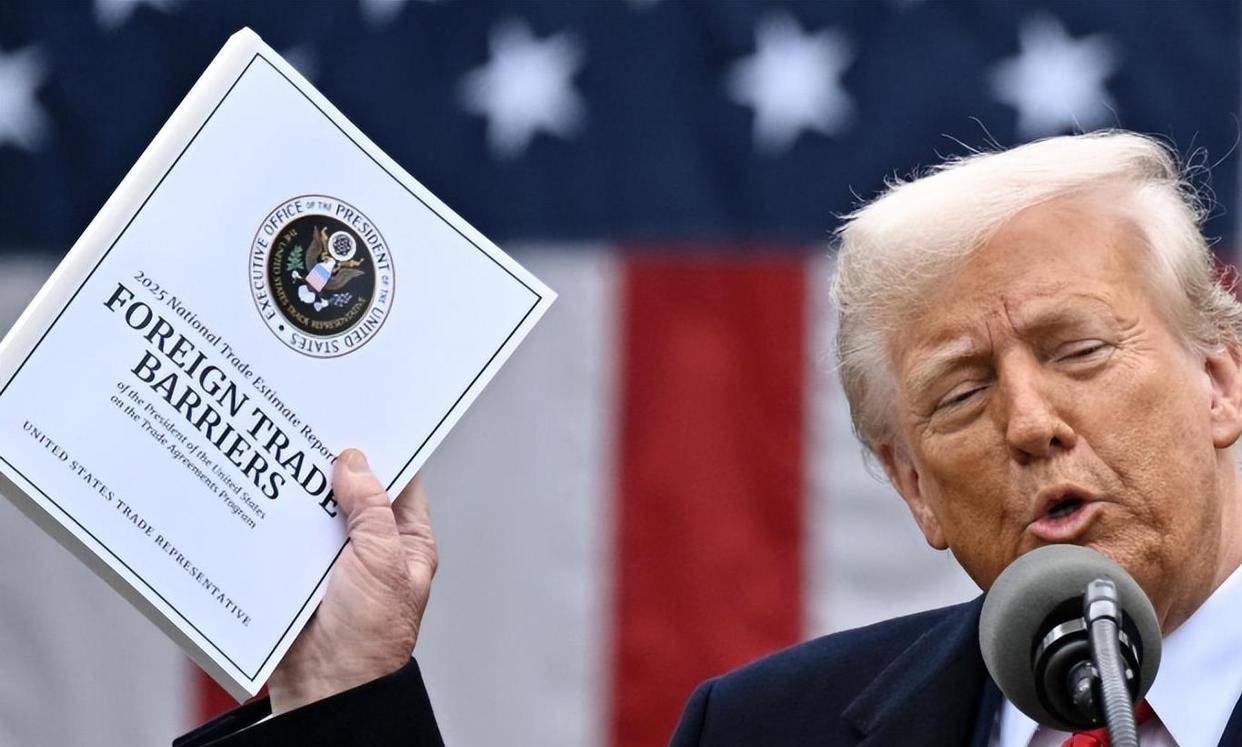
Core Viewpoint - The U.S. Supreme Court ruled that President Trump's tariffs imposed under the International Emergency Economic Powers Act were illegal, undermining his negotiation leverage with China ahead of his planned visit [3][4][7]. Group 1: Tariff Changes and Legal Implications - The Supreme Court's decision overturned tariffs exceeding $175 billion, including "reciprocal tariffs" and "fentanyl tariffs" against Chinese goods, stating that the power to impose tariffs lies with Congress, not the President [3][4]. - Following the ruling, Trump announced a new 10% import tariff on all goods entering the U.S., which he later proposed to increase to 15%, under the Trade Act of 1974, but this is limited to 150 days without Congressional approval [4][6]. - Trump's use of the Trade Act of 1974 marks him as the first U.S. president to impose tariffs under this law, but the new tariffs are significantly lower than previous rates, which were as high as 25% [4][10]. Group 2: International Reactions and Trade Dynamics - China's Ministry of Commerce expressed opposition to unilateral tariffs and emphasized that trade wars yield no winners, urging the U.S. to cancel such measures [6][10]. - European leaders are increasing their engagement with China, contrasting with the U.S.'s chaotic tariff policies, as seen in the visits from the UK and Germany, which focus on strengthening economic ties [6][10]. - The U.S. tariff policy's unpredictability is damaging international trade order and trust among allies, with potential refund claims from U.S. companies reaching up to $175 billion [7][11]. Group 3: Broader Economic Context - The turmoil in U.S. tariff policy reflects internal contradictions within the American political system, highlighting the checks and balances that limit presidential power [7][11]. - The upcoming midterm elections may influence tariff policies, as inflation pressures could affect voter sentiment, prompting Trump to exempt certain consumer goods from tariffs [11][12]. - The situation illustrates a shift in global economic relations, with countries like Germany and the UK opting for pragmatic cooperation with China, contrasting with U.S. protectionist measures [10][11].
语音控制“关掉阅读灯”却关掉大灯,命令开灯系统回复“暂时还不会”,车主凌晨高速上撞护栏!领克致歉:已推优化方案
Mei Ri Jing Ji Xin Wen· 2026-02-26 15:49
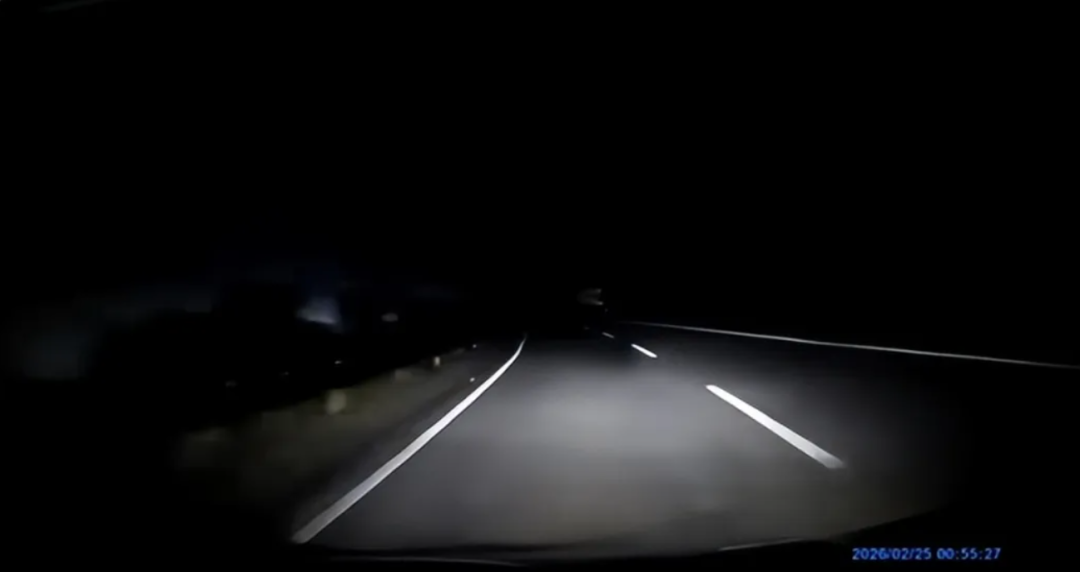
每经编辑|陈柯名 26日,领克汽车销售有限公司副总经理穆军在其个人微博上公开回应称,"昨晚发生一起领克Z20车辆行驶中语音误操作控制关闭大灯的情况,今天我们 第一时间完成了语音控制优化方案,现已通过云端推送更新,后续在行驶状态下只能通过手动控制大灯关闭,请大家放心。感谢用户的反馈与监督,对此 带来的困扰我们深表歉意,领克始终守护您的安全"。 据大河报,昨日凌晨近1点,一名男子驾驶领克Z20在高速上行驶时,仅想关闭车内阅读灯,却意外触发车机误操作,导致全车灯光熄灭,最终车辆撞上 护栏,相关话题今日引发网友广泛关注。 据当事车主透露,事发时高速路段无路灯,夜色漆黑。他通过语音指令尝试关闭车内阅读灯,没想到车机并未准确识别指令。 指令下达后,车辆不仅没关掉阅读灯,反而将包括车头大灯在内的所有灯光全部关闭。瞬间,前方道路陷入一片黑暗,驾驶员顿时陷入慌乱。 情急之下,男子急忙再次下达语音指令,想要重新打开车灯,但由于语速过快,车机未能识别其指令,无法及时开启灯光。 在没有任何照明的情况下,车辆失去视线引导,最终失控撞上高速护栏,所幸未造成人员伤亡,具体财产损失暂未披露。 视频记录显示,车主多次呼唤车机重开灯光但被回复" ...
首台量产车刚下线没多久,特斯拉Cybercab项目经理内基塔离职
Sou Hu Cai Jing· 2026-02-26 15:32
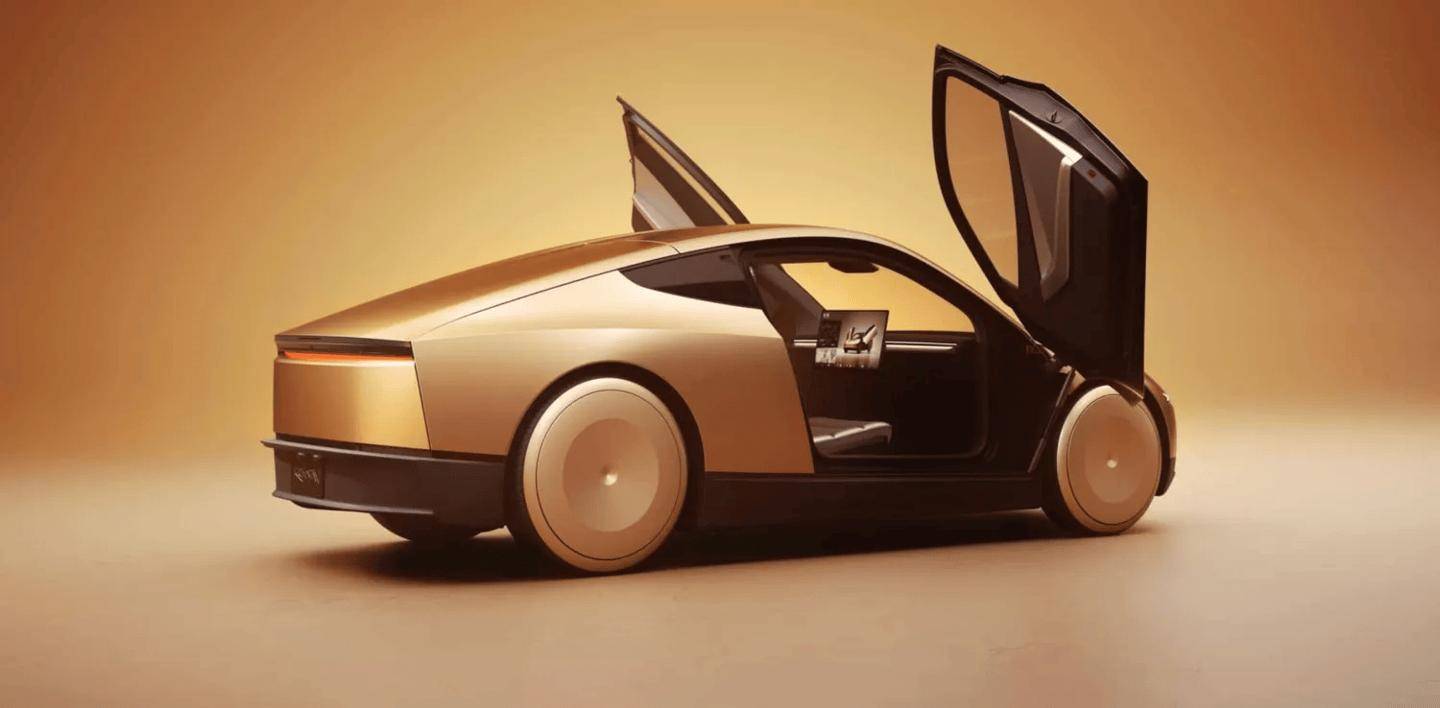
Core Insights - Tesla's Cybercab project manager, Viktor Nekita, has announced his departure shortly after the first production vehicle rolled off the line at the Texas Gigafactory on February 18 [1][3] - Nekita joined Tesla in 2017 as an intern on the Model 3 production line and has since progressed to lead the Cybercab project, highlighting a significant career development [3] - His exit continues a trend of management turnover at Tesla, with several key executives leaving the company over the past two years [3][4] Management Changes - Nekita's departure follows the exits of Cybertruck project manager Siddhant Awasthi and Model Y project manager Emmanuel Lamakiya in November 2025 [3] - Tesla has lost multiple core executives, including the North America and Europe sales and manufacturing VP, Omid Afshar, and the head of the Optimus robot project, Milan Kovac, among others [3][4] Cybercab Production Status - Currently, no original project leaders remain for Tesla's production models, including Model 3, Model Y, Cybertruck, and Cybercab [4] - Nekita played a crucial role in transitioning Cybercab from concept to production, but full-scale production still requires validation, with Elon Musk warning of slow initial production [4] Autonomous Driving Challenges - The Cybercab relies entirely on fully autonomous driving without a steering wheel or pedals, making it unusable if the autonomous system fails [5] - Tesla has adjusted its definition of "full self-driving" as of September 2025, no longer promising fully autonomous capabilities [5] - The Cybercab will launch with AI4 hardware, while the AI5 chip is not expected until 2027, and the current AI4 has not achieved fully autonomous driving in the existing fleet [5]

定增市场新变化 什么信号?
Zhong Guo Zheng Quan Bao· 2026-02-26 15:14
Core Viewpoint - The recent trend of private placement prices exceeding the base price in the A-share market indicates a shift towards valuing high-quality companies with strong competitive advantages and alignment with national strategies [1][4][6]. Group 1: Recent Cases of Private Placement - Guodian Measurement announced a private placement of approximately 54.14 million shares at a price of 24.01 yuan per share, raising about 1.3 billion yuan, which represents a 29.09% premium over the base price of 18.60 yuan [2]. - Wind Power Co. disclosed a private placement of about 161 million shares at 6.85 yuan per share, raising around 1.1 billion yuan, with a price that is 125% of the base price of 5.48 yuan [2]. - Beiqi Blue Valley reported a private placement of approximately 794 million shares at 7.56 yuan per share, raising about 6 billion yuan, which is 115.77% of the base price of 6.53 yuan [3]. Group 2: Market Dynamics and Trends - The phenomenon of private placement prices exceeding base prices is attributed to a confluence of policy, industry, and capital market dynamics, with a focus on high-quality projects that align with national strategies [4][5]. - There is a growing recognition of the development potential in new production capacities, particularly in sectors like new energy vehicles and advanced manufacturing, reflecting a deep connection between capital markets and the real economy [5]. - The trend indicates a shift in investor structure towards institutionalization, with increased pricing power among professional institutions, leading to enhanced value discovery for high-quality assets [5][6]. Group 3: Future Outlook - It is expected that private placement prices exceeding base prices will not become a universal phenomenon but will be a structural norm for high-quality projects [6]. - High-quality projects that are aligned with national strategies and have solid fundamentals will continue to attract capital, leading to premium pricing as a standard outcome [6]. - Conversely, projects lacking industrial support and performance capabilities may still follow traditional discount pricing logic, leading to market differentiation [6].

南财V快评:天河7000亿新起点 大区挑梁湾区领跑
2 1 Shi Ji Jing Ji Bao Dao· 2026-02-26 14:53
2026年马年正月初十,我就在天河区高质量发展大会现场。2025年,天河GDP首次突破7000亿元,增长 4.3%,连续19年全市第一。天河凭什么一马当先、领跑湾区?秘诀就是五匹骏马。 第一匹,奋进之马,以天河之"进"撑广州之"进"。 7000亿的背后是每一栋楼、每一家企业、每一笔消费、每一次创新干出来的硬实力。固定资产投资稳步 增长、工业投资持续加码,说明天河不仅现在强,未来的后劲更足。 第二匹,科创之马,创新就在家门口。 环五山创新策源区进入国家高新区"国家队",广棠科创城加速建设,小鹏汽车新总部落地天河智慧城, 人工智能、软件业稳居全市第一,为广州制造持续赋能。 第三匹,空间之马,寸土寸金干出大未来。 天河深化"双核引领、轴带驱动",全力打造广州国际金融城、广棠科创城、广东奥林匹克体育城三大新 平台。 第五匹,宜居之马,幸福有质感,民生有温度。 天河连续6年获评"中国最具幸福感城区":新增公办学位近1.5万个,114个公园遍布全区,500米见园覆 盖率95%,推窗见绿、出门入园,让生活更安心、更舒心。 站在7000亿新起点,马年看天河,一马当先挑大梁,快马加鞭开新局 以空间重构筑格局,以工商并举强实力, ...
【微特稿】电车业务大收缩 斯泰兰蒂斯集团报巨额亏损
Xin Hua She· 2026-02-26 14:49
Core Insights - Stellantis Group is projected to incur a net loss of €22.3 billion (approximately $26.3 billion) in 2025, primarily due to significant cutbacks in its electric vehicle (EV) business and the associated costs of reverting to traditional fuel vehicles [1] - The company anticipates a revenue of €153.5 billion in 2025, reflecting only a 2% decline, with vehicle sales expected to increase by approximately 70,000 units to 5.48 million compared to 2024 [1] - The CEO, Antonio Filosa, indicated that the 2025 performance highlights the costs of overestimating the speed of energy transition, emphasizing the need to reset the business model to offer a full range of vehicle options [1] Financial Impact - Stellantis Group's financial burden is exacerbated by U.S. tariff policies, estimating a cost of €1.2 billion in tariffs for 2025, which is expected to rise to €1.6 billion in 2026 [2] - The company has confirmed its retreat from the EV sector by selling its 49% stake in the Canadian battery joint venture NextStar Energy and plans to exit the joint venture with Samsung for a U.S. battery factory [2] Market Strategy - Stellantis is set to reintroduce fuel models, including diesel vehicles, in the European and American markets as part of its strategy to adapt to current market conditions [2] - The company is banking on new model launches, particularly in the U.S. market with fuel pickup trucks, to drive profitability growth [1]
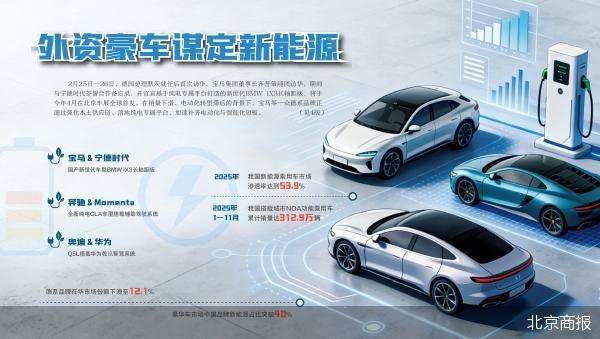
签约宁德时代、4月首发纯电平台iX3 宝马在华加码电动化
Bei Jing Shang Bao· 2026-02-26 14:36
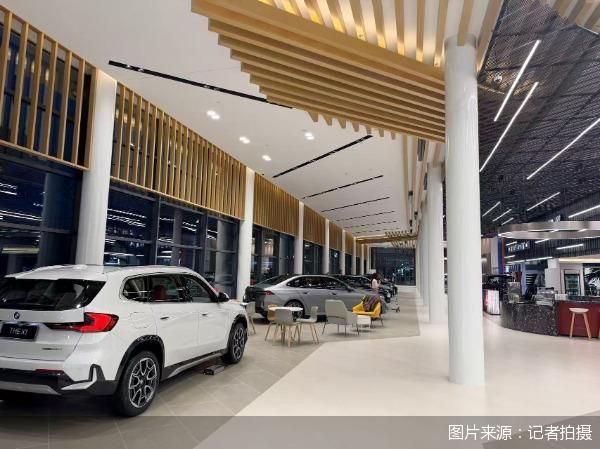
Core Viewpoint - BMW is accelerating its electrification efforts in the Chinese market by collaborating with local companies and launching new electric models to regain its competitive edge in the luxury car segment amid declining sales and increased competition from domestic brands [2][3][6]. Group 1: Strategic Collaborations and Product Launches - BMW's chairman, Oliver Zipse, visited China with German Chancellor Olaf Scholz and signed a memorandum of understanding with CATL to enhance battery supply chain collaboration and reduce carbon footprints [2][3]. - The new generation BMW iX3 long-wheelbase version, designed on a dedicated electric platform, is set to make its global debut at the Beijing Auto Show in April [2][3][4]. - The first batch of new generation domestic test vehicles has already rolled off the production line in Shenyang [3]. Group 2: Market Performance and Sales Challenges - BMW and MINI brands experienced a 12.5% decline in sales in China, totaling 625,000 units in 2025, which is a drop of approximately 200,000 units from the peak in 2023 [6]. - The previous model of BMW iX3, based on an "oil-to-electric" platform, had poor market performance, leading to significant price reductions of nearly 40% from its original price [4][6]. - In early 2026, BMW initiated price cuts for luxury vehicles, including a reduction of 301,000 yuan for the i7 M70L model, with some fuel models seeing around a 12% decrease [6]. Group 3: Competitive Landscape and Industry Trends - The market share of German brands in China has declined to 12.1%, with domestic brands capturing over 40% of the luxury electric vehicle market [8]. - In 2025, the penetration rate of new energy passenger vehicles in China reached 53.9%, while BMW's electric vehicle sales accounted for only 11.8% of its total sales in the Chinese market [7][8]. - BMW's electric models primarily offer basic L2-level driver assistance, lacking advanced features like city NOA, which are increasingly available in domestic competitors' vehicles [7]. Group 4: Future Directions and Recommendations - Industry experts suggest that BMW should enhance its localization efforts and respond to market demands by developing products tailored to Chinese consumers [8][9]. - The collaboration with CATL aims to strengthen BMW's competitive position in the battery supply chain and align with global carbon neutrality trends [9]. - To avoid overlapping prices between old and new models, BMW is advised to clear inventory through price reductions before launching new products [8].
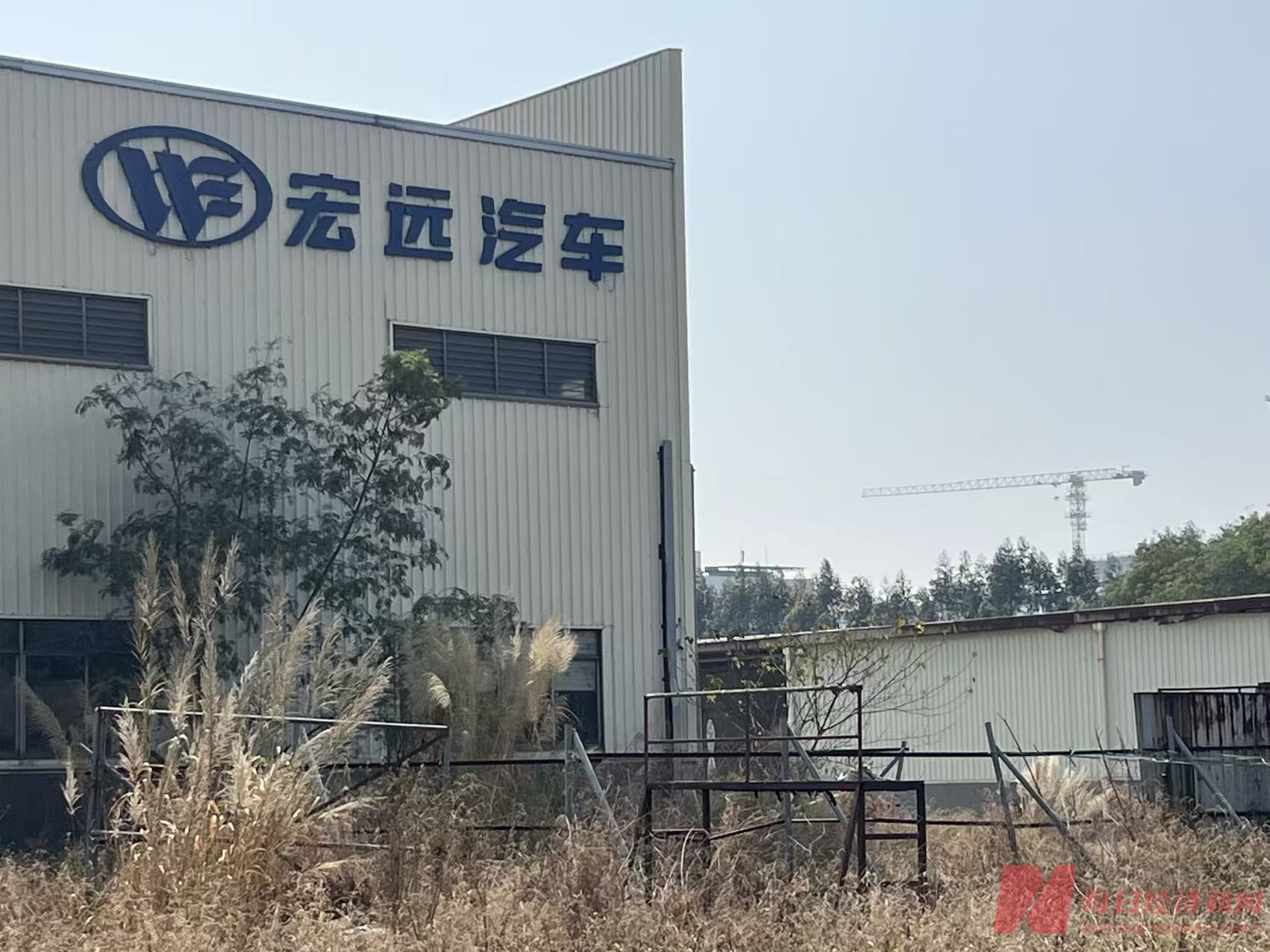
5.5亿元索赔“砍”至6400万元 实地探访东莞大面积停运纯电公交:生产企业已停产两年 司机称显示能跑近400公里实际只跑160公里
Mei Ri Jing Ji Xin Wen· 2026-02-26 14:35
Core Viewpoint - The lawsuit involving Dongguan's three major bus companies and local manufacturer Dongguan Zhongqi Hongyuan Automobile Co., Ltd. has revealed significant issues with the electric buses supplied, leading to a total claim amounting to 550 million yuan due to battery failures and operational disruptions [1][4]. Group 1: Lawsuit Details - The lawsuit was initiated by Dongguan Bus Co., Dongguan City Chengba Transportation Co., and Dongguan Binhaiwan Public Transport Co. against Zhongqi Hongyuan, claiming that the electric buses purchased between 2018 and 2019 experienced severe battery failures during the warranty period, resulting in widespread operational halts [4][10]. - The total compensation sought by the three companies exceeds 550 million yuan, with Dongguan Bus claiming approximately 205 million yuan, Dongguan Chengba claiming about 226 million yuan, and Binhaiwan Public Transport claiming around 123 million yuan [4][5]. - In February, the court ruled that Zhongqi Hongyuan must compensate a total of approximately 64.44 million yuan, which is only 11.6% of the total claims made by the bus companies [5][10]. Group 2: Operational Impact - The electric buses provided by Zhongqi Hongyuan have been reported to have significant battery degradation, with drivers stating that the buses often require recharging after just two trips, leading to many vehicles being idle [2][6]. - As of February 2024, Zhongqi Hongyuan has been in a state of temporary shutdown due to insufficient orders, with the latest announcement extending the shutdown until May 31, 2026 [10][14]. - The rapid transition to 100% electric buses in Dongguan, achieved within two years, has now resulted in operational challenges, with a significant number of the 1,196 buses sold experiencing battery issues, leading to 938 of them being out of service [10][14]. Group 3: Industry Context - Dongguan's push for public transport electrification began in 2018, aiming to achieve 100% electric bus operation by the end of 2019, significantly ahead of the provincial targets [10][11]. - The transition involved a large-scale procurement of electric buses, with Zhongqi Hongyuan playing a crucial role by supplying over 1,000 units during the electrification drive [11][14]. - Despite the initial success in electrifying the bus fleet, the subsequent decline in passenger numbers has been stark, with public transport ridership dropping over 60% from 2017 to 2024 [14].