新能源

Search documents
经济日报丨构筑能源强国新格局
国家能源局· 2026-02-01 02:10
Core Viewpoint - The article emphasizes the importance of building a strong energy nation in China, highlighting the need for comprehensive improvements in energy technology, industrial chains, and system capabilities to enhance international competitiveness and support sustainable economic development [2]. Group 1: New Energy System Construction - The new energy system is a central theme in the transition to an energy powerhouse, with a focus on accelerating the construction of this system and achieving carbon peak goals [3]. - The development of non-fossil energy sources will be prioritized, with significant expansions in wind and solar power capacity, aiming for an additional 200 million kilowatts of installed capacity by 2026 [3]. - The integration of various energy sources, including biomass, geothermal, and marine energy, will complement the new energy system [3]. Group 2: Clean and Efficient Use of Fossil Fuels - The transition to cleaner and more efficient use of fossil fuels is essential during the period when new energy sources are not yet dominant [4]. - Coal power will be transformed into a flexible and clean energy source through technological upgrades and innovative mechanisms, ensuring energy supply security [4]. - By 2026, initiatives will be implemented to promote carbon capture and utilization in the oil and gas sector, facilitating the integration of fossil fuels with new energy [5]. Group 3: New Power System Development - A new power system must be established to ensure the efficient transmission and management of clean energy, requiring the construction of high-voltage transmission lines and smart grid systems [5]. - By 2026, a power supply alert mechanism will be established to enhance the interconnection of power grids and improve user-side responsiveness [5]. Group 4: Overcoming Bottlenecks in New Energy Development - China aims to lead global energy transformation, with a target of achieving a total installed capacity of wind and solar power reaching six times that of 2020 by 2035 [6]. - The challenges faced by the power system, such as the inability to transmit green energy from the west to the east and the volatility of renewable energy generation, need to be addressed through integrated and innovative development [6][7]. - The focus will shift from mere scale expansion to value creation through system collaboration, enhancing the reliability and market competitiveness of new energy [7]. Group 5: Coal Consumption Trends - Coal consumption in China has shown signs of decline, with a notable negative growth for the first time since 2017, but short-term demand remains resilient due to various factors [10]. - The long-term trend indicates a gradual reduction in coal consumption, with a peak expected around 2027, transitioning coal's role from a primary energy source to a backup energy source [11]. - The integration of coal and new energy will be emphasized, promoting the development of clean energy alternatives in coal mining areas [12][13]. Group 6: Future Industry Development - The "14th Five-Year Plan" outlines the need to cultivate future industries such as quantum technology, hydrogen energy, and nuclear fusion, which are crucial for energy security and sustainable development [15]. - Hydrogen energy is seen as a key component of the future energy system, with efforts to promote its commercialization and integration into the energy landscape [16]. - Nuclear fusion is positioned as a long-term solution for energy challenges, with significant investments and research expected to accelerate its development [17].


超200场线上线下招聘会等你来
Xin Lang Cai Jing· 2026-02-01 00:44
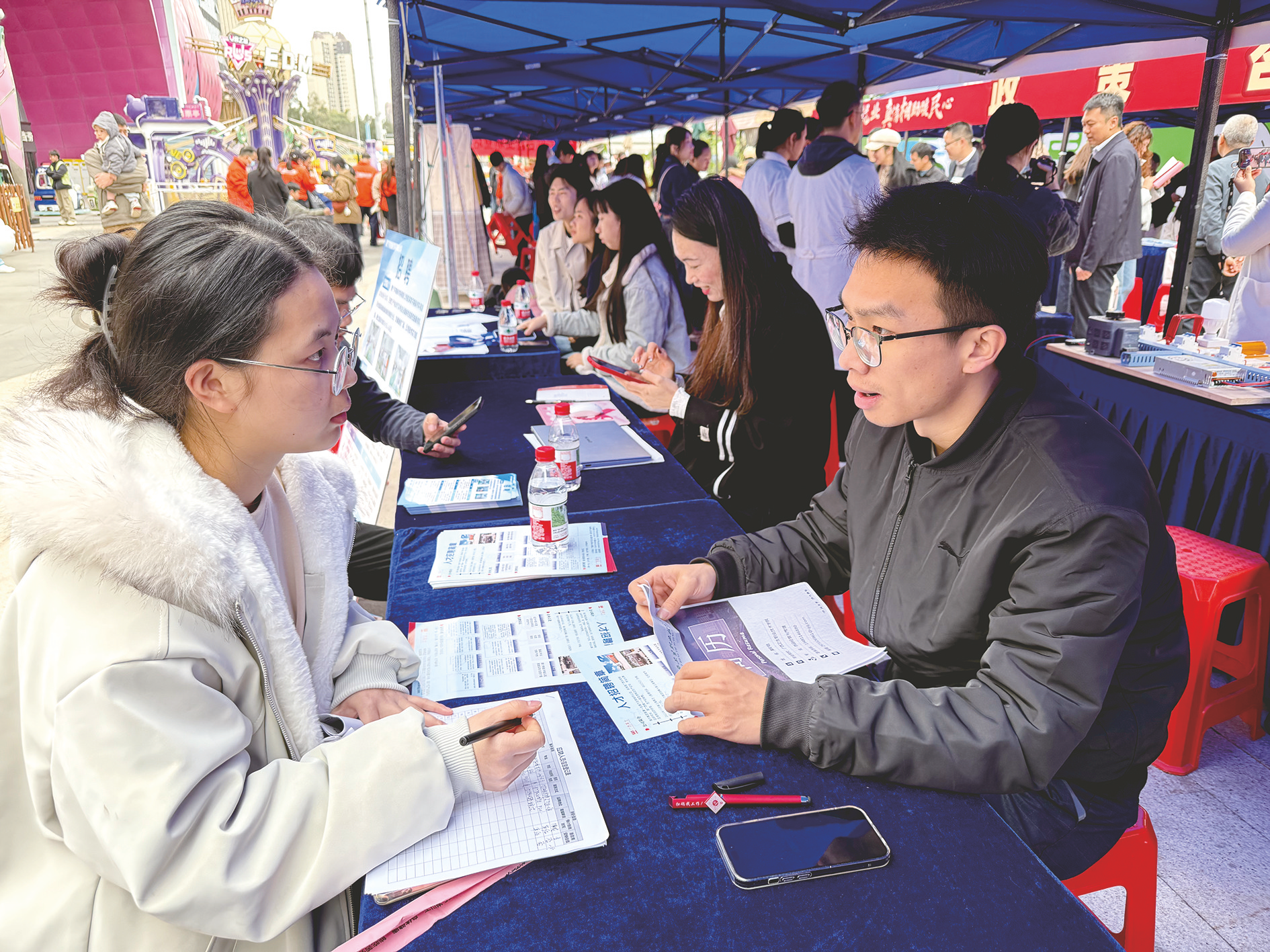
本报讯(记者彭媛媛)1月31日,南宁市启动2026年春风行动暨就业援助季活动。本次活动以"春风送岗促就业,真情相助暖民心"为主题,聚焦登记失业人 员、灵活就业人员、农村劳动者、返乡农民工、脱贫人口等重点群体,以及有用工需求的各类用人单位,畅通各类就业渠道、提供优质就业服务,活动将持 续至3月底。 启动仪式当天,由南宁市人力资源和社会保障局、邕宁区政府等10部门联合主办的专场招聘会同时在南宁举行。招聘会组织了比亚迪股份有限公司、广西宁 福新能源科技有限公司等51家优质企业招贤纳才,提供涵盖生产制造、行政管理、市场营销、技术研发、家政服务、医疗护理等领域的就业岗位4500多个, 吸引5000多人进场求职,达成初步就业意向336人,共发放政策宣传资料2000多份,76人登记报名职业技能培训。 专场招聘会现场。 本报记者彭媛媛 摄 活动期间,南宁将集中开展"送政策、送服务、送岗位、送温暖"专项行动,计划举办职业技能培训、政策宣讲及职业指导活动100场以上,举办各类线上线 下招聘会200场以上,把优质岗位、惠民政策、暖心服务送到群众身边、送到企业手中,以实打实的举措稳就业、促发展、惠民生,为全年就业工作开好 局、起好步 ...


这些企业冲击北交所上市丨IPO一周要闻
Sou Hu Cai Jing· 2026-02-01 00:12
Summary of Key Points Core Viewpoint - The A-share and Hong Kong stock markets have seen a concentration of new listings, with significant first-day gains for newly listed companies, indicating strong investor interest and market resilience. Group 1: IPO Approvals - Three companies have received IPO approvals this week, all from the Beijing Stock Exchange [2] - Zhejiang Hengdao Technology Co., Ltd. specializes in the research, design, production, and sales of hot runner systems for injection molds, with a major focus on automotive and consumer electronics sectors [3] - Hebi Haichang Intelligent Technology Co., Ltd. focuses on high-performance wiring harness equipment, serving industries such as automotive and renewable energy [5] - Kunshan Hongshida Intelligent Technology Co., Ltd. is engaged in the development and production of intelligent automation equipment for various sectors, including consumer electronics and new energy [6] Group 2: Financial Performance - Hengdao Technology's revenue for 2022-2024 is projected to be 143 million, 168 million, and 234 million yuan, with net profits of 39 million, 49 million, and 69 million yuan respectively [4] - Haichang Intelligent's revenue for the same period is expected to be 520 million, 652 million, and 800 million yuan, with net profits of 108 million, 121 million, and 115 million yuan [5] - Hongshida's revenue is projected to be 397 million, 476 million, and 649 million yuan, with net profits of 30 million, 39 million, and 53 million yuan [7] Group 3: New Listings - "Mingming Hen Mang" (01768.HK), the first stock in the snack retail sector, debuted on January 28, with a first-day closing price increase of 77.52% [9] - Agricultural Technology Company (831038.BJ) listed on the Beijing Stock Exchange, with a first-day closing increase of 1.19% [9] - Zhenstone Co., Ltd. (601112.SH), a leader in clean energy materials, saw its stock price surge by 121.65% on its first day of trading [10] - Medical device company Medela (920119.BJ) also experienced a significant first-day increase of 161.46% [10] Group 4: Filing Dynamics - Eleven companies filed for IPOs in the Hong Kong market this week, with a focus on A+H share expansion [11] - Notable filings include Jucheng Co., a leading non-volatile memory chip designer, and Deyang Co., a leader in energy storage [11] - The trend shows a concentration of hard technology companies seeking to leverage their A-share listings for international financing [12] Group 5: Sector Highlights - Hard technology companies are prominent in the recent IPO filings, with firms like Kunlun New Energy Materials and Coolchip Microelectronics focusing on core material development and AI solutions [12] - Consumer and medical sectors are also active, with companies like Tongrentang and Zhuozheng Medical seeking to expand their service capabilities and market presence [13]

省战新基金集群第四批产业专项基金启动总规模671亿元,加速布局新质生产力
Xin Hua Ri Bao· 2026-01-31 23:49
Group 1 - The fourth batch of industry-specific funds, totaling 671 billion yuan, has been officially launched, marking a significant step in promoting the integration of technological and industrial innovation in the province [1] - The funds consist of four distinct funds with clear structures and objectives, reflecting a strategic layout focused on provincial guidance and multi-party collaboration [1] - One of the funds, the Yangtze River Delta Venture Capital Guidance Fund, has a scale of 551 billion yuan and aims to attract quality capital and innovation resources to Jiangsu, supporting high-quality development in the Yangtze River Delta region [1] Group 2 - Two provincial enterprise industry-specific funds have been established, totaling 110 billion yuan, with a focus on high-quality development in various advanced sectors [2] - The Jiangsu Province Capital Increase and Expansion Fund, with a scale of 100 billion yuan, targets sectors such as biomedicine, new energy, integrated circuits, artificial intelligence, and aerospace [2] - The Jiangsu New Energy (Guoxin) Industry Special Fund, initiated by Guoxin Group, has a total scale of 50 billion yuan and aims to enhance the market competitiveness of provincial enterprises in the new energy sector [2] Group 3 - The fourth batch of industry-specific funds exhibits three main characteristics: significant leverage effect, focused investment priorities, and a wide range of fund types [3] - The establishment of the Yangtze River Delta Venture Capital Guidance Fund aims to mobilize social capital and quality project resources at a larger scale [3] - The fund types include cooperative funds, provincial enterprise funds, and municipal mother funds, indicating a more comprehensive system [3]
2026年南宁市春风行动暨就业援助季活动启动
Xin Lang Cai Jing· 2026-01-31 23:41
招聘会现场还设置了政策宣传服务专区、创业推介专区、技能展示专区等,为群众讲解就业创业、社会 保障、技能培训、劳动维权等方面知识,并让群众近距离体验技能培训项目。市民李丹体验了技能培训 项目,她计划系统学习育婴师专业技能、考取职业证书,凭借专业能力扎根育婴行业。 据悉,2026年春风行动暨就业援助季活动期间,全市将集中开展"送政策、送服务、送岗位、送温暖"专 项行动,计划举办职业技能培训、政策宣讲及职业指导活动100场以上,举办各类线上线下招聘会200场 以上,同时通过"点对点"送工等方式,把返乡群众、农民工等劳动者输送至企业和园区,助力企业复工 复产、稳产达产,以实打实的举措稳就业、促发展、惠民生,为全年就业工作开好局、起好步筑牢基 础。 本报讯(记者余秋兰)1月31日,南宁市启动2026年春风行动暨就业援助季活动。活动以"春风送岗促就 业,真情相助暖民心"为主题,聚焦登记失业人员、灵活就业人员、农村劳动者、返乡农民工、脱贫人 口等重点群体,以及有用工需求的各类用人单位,通过畅通就业渠道、提供优质就业服务,助力稳岗就 业。活动将持续至3月底。 当天,由南宁市人力资源和社会保障局、邕宁区政府等10家单位联合主办 ...
【展望二〇二六】构筑能源强国新格局
Jing Ji Ri Bao· 2026-01-31 23:03
Core Viewpoint - The development of a strong energy nation is crucial for China's economic and social progress, emphasizing the need for comprehensive enhancement of energy technology, industrial chains, and system capabilities to boost international competitiveness and support sustainable development [1]. Group 1: New Energy System Construction - The new energy system is the main focus in building a strong energy nation, with a shift from top-level design to comprehensive construction during the "14th Five-Year Plan" and "15th Five-Year Plan" periods [2]. - The goal is to significantly increase the share of non-fossil energy, with plans to add over 20 million kilowatts of wind and solar power capacity annually by 2026 [2]. - The development of clean energy sources such as wind, solar, hydro, and nuclear power will be prioritized, while also promoting biomass, geothermal, and marine energy as supplementary sources [2]. Group 2: Clean Utilization of Fossil Energy - The transition to cleaner and more efficient use of fossil energy is essential during the transitional period, with coal power being upgraded to serve as a flexible and stable backup for renewable energy [3]. - By 2026, initiatives will be implemented to enhance coal power's low-carbon development through technology upgrades and innovative mechanisms [3]. - A new electric power system will be established to ensure efficient distribution and utilization of clean energy, including the construction of high-voltage lines and smart grids [3]. Group 3: Challenges in New Energy Development - The rapid growth of new energy capacity has led to challenges in the power system, including difficulties in transmitting green electricity from western regions to eastern cities and the volatility of renewable energy generation [6]. - The National Energy Administration aims to promote integrated development of new energy by 2030, enhancing reliability and market competitiveness [6][7]. - The optimization of power system regulation capabilities is crucial, with a goal to significantly improve these capabilities by 2027 to support the integration of over 20 million kilowatts of new energy annually [8]. Group 4: Coal Consumption Trends - Coal consumption in China has shown signs of decline, with a negative growth rate for the first time since 2017, but short-term demand is expected to remain resilient due to the need for coal in power generation and chemical industries [10]. - The long-term trend indicates a gradual reduction in coal consumption as part of the carbon peak strategy, with coal's role shifting from a primary energy source to a backup energy source [11]. - The integration of coal and new energy is emphasized, with initiatives to develop renewable energy in coal-producing regions and promote clean energy alternatives [11][12]. Group 5: Future Energy Technologies - The "15th Five-Year Plan" highlights the importance of future industries such as hydrogen energy and nuclear fusion, which are seen as key components for ensuring energy security and sustainable development [14]. - Hydrogen energy is recognized for its potential but faces challenges in achieving market competitiveness due to a lack of sufficient application scenarios [15]. - The development of nuclear fusion is positioned as a long-term goal, with significant investments and research needed to overcome technical and commercial hurdles [16]. Group 6: Overall Energy Strategy - Building a strong energy nation is a strategic task for the "15th Five-Year Plan" and is essential for China's modernization efforts, requiring collaboration among government, enterprises, and society [17].
构筑能源强国新格局
Jing Ji Ri Bao· 2026-01-31 22:09
Core Viewpoint - The development of a strong energy nation is crucial for China's economic and social progress, emphasizing the need for comprehensive enhancement of energy technology, industrial chains, and system capabilities to boost international competitiveness and support sustainable development [1]. Group 1: New Energy System Construction - The new energy system is the main focus in building a strong energy nation, with a shift from top-level design to comprehensive construction during the "15th Five-Year Plan" period [2]. - The goal is to significantly increase the share of non-fossil energy, with plans to add over 200 million kilowatts of wind and solar power capacity annually by 2026 [2]. - The integration of various energy sources, including biomass, geothermal, and marine energy, will complement the new energy system [2]. Group 2: Clean and Efficient Use of Fossil Energy - The transition to cleaner and more flexible coal power is essential during the transition period, with coal power expected to act as a stabilizer for energy supply [3]. - By 2026, efforts will focus on upgrading coal power technology and promoting carbon capture and utilization in the oil and gas sector [3]. - The construction of a new power system will require the establishment of high-voltage lines and smart grids to ensure efficient energy distribution [3]. Group 3: Overcoming Bottlenecks in New Energy Development - China aims to lead global energy transformation, with a target of achieving six times the wind and solar power capacity by 2035 compared to 2020 levels [5]. - Challenges such as the inability to transmit green electricity from western regions to eastern cities and the volatility of renewable energy generation need to be addressed [6]. - The focus will shift from simple capacity expansion to system collaboration and value creation in new energy development [6]. Group 4: Coal Consumption Trends - Coal consumption in China has shown signs of decline, with a negative growth rate for the first time since 2017, but short-term demand is expected to remain resilient [9]. - The long-term trend indicates a gradual reduction in coal consumption, with a peak expected around 2027, after which a more significant decline is anticipated [10]. - The integration of coal and new energy is essential for the sustainable development of the coal industry, with initiatives to develop renewable energy in coal mining areas [11]. Group 5: Future Industry Development - The "15th Five-Year Plan" emphasizes the need to cultivate future industries such as hydrogen energy and nuclear fusion, which are critical for energy security and sustainable development [14]. - Hydrogen energy is seen as a key component of the future energy system, with efforts to support pilot projects and promote large-scale applications [15]. - Nuclear fusion is positioned as a long-term solution for energy challenges, with significant investments and research needed to overcome commercialization hurdles [16][17].
省战新基金集群第四批产业专项基金启动
Xin Hua Ri Bao· 2026-01-31 19:33
Group 1 - The fourth batch of industry-specific funds, totaling 67.1 billion yuan, has been officially launched, marking a significant step in promoting the integration of technological and industrial innovation in the province [1] - The batch consists of four funds with clear structures and specific focuses, including a collaboration fund of 55.1 billion yuan aimed at attracting quality capital and innovation resources to Jiangsu [1] - The establishment of the Yangtze River Delta Venture Capital Guidance Fund is a key move to support high-quality development in the region and strengthen strategic emerging industries [1] Group 2 - Two provincial enterprise industry-specific funds have been established, totaling 11 billion yuan, with a focus on high-quality development in various advanced sectors such as biomedicine and artificial intelligence [2] - The Jiangsu Province New Energy (Guoxin) Industry Special Fund, initiated by the provincial Guoxin Group, aims to enhance the market competitiveness of state-owned enterprises in the new energy sector [2] - The Jiangsu Lianyungang Security Industry Special Fund, with a scale of 1 billion yuan, focuses on the entire security industry chain and aims to build a significant security industry cluster in Lianyungang [2] Group 3 - The fourth batch of industry-specific funds exhibits three main characteristics: significant leverage effect, focused investment, and broad coverage of fund types [3] - The establishment of the Yangtze River Delta Venture Capital Guidance Fund aims to mobilize social capital and quality project resources at a larger scale [3] - The fund types include collaboration funds, provincial enterprise funds, and municipal mother funds, indicating a more comprehensive system [3]
管制白银开始,最大成果不是中国胜了, 而是美国再无手段控制中国
Sou Hu Cai Jing· 2026-01-31 19:22
Group 1 - The core point of the article is that the recent surge in silver prices is unusual not just for its magnitude but also because the U.S. has not effectively countered it, indicating a shift in market dynamics where silver is no longer under U.S. control [1][3] - In January 2026, China officially included silver in its state-controlled export trade management list, marking a significant shift from a free market to a state-regulated approach, prioritizing domestic needs over exports [3][9] - Silver's industrial importance is highlighted, as it is essential for various technologies such as solar panels, electric vehicles, semiconductors, and AI servers, making it a critical resource that cannot be easily substituted [5][7] Group 2 - China, despite not being the richest in silver resources, consumes significantly more silver than it produces, relying heavily on imports to meet its demand, which raises questions about the sustainability of its previous export practices [7][9] - The price of silver on the Shanghai Futures Exchange has been consistently higher than international markets since 2025, leading to a flow of physical silver into China and reducing the availability of silver in the global market [11][13] - The concentration of physical silver and the tightening of export controls have altered market dynamics, making it difficult for short sellers in the U.S. to manage their positions, as they face challenges in obtaining physical silver [13][15] Group 3 - The article suggests that China's actions are not merely a response to U.S. pressure but a strategic move to secure critical resources for its industries, thereby gaining more control over pricing and supply chains [15][17] - This shift indicates a broader trend where control over physical resources and supply chains is becoming more important than financial instruments, signaling a potential change in global economic power dynamics [17][19] - The current surge in silver prices may eventually stabilize, but the underlying trend of resource control and industrial demand reshaping market rules is likely to persist [17][19]

经济热点快评|1月份就要过去了,3点感受很突出
Xin Lang Cai Jing· 2026-01-31 14:21
Group 1 - The month of January marks a strong start for economic development, with various regions unveiling plans and policies to boost growth and confidence [1][3] - Significant initiatives include the official establishment of the Chongqing Liangjiang New Area and the release of the "Artificial Intelligence+" action plan in Jiangsu, aimed at future industry layout [3][6] - The focus on innovation is evident, with breakthroughs in domestic "industrial gold" and advancements in brain-computer interface technology, enhancing supply chain security for emerging industries [6][8] Group 2 - The emphasis on practical and realistic approaches is highlighted, with regions tailoring their strategies to leverage local advantages and outline their "14th Five-Year Plan" [8][9] - Shandong's "Science and Technology Innovation Capability Climbing Project" and efforts in Henan to become a strong province in agriculture, manufacturing, and education are notable examples of regional strategies [8][9] - The overall sentiment is one of urgency and determination, with a call for sustained effort and strategic positioning within the national development framework [9][10]