
钢铁

Search documents
京津冀篇 十二载策马启华章
Xin Lang Cai Jing· 2026-02-24 15:14
Core Insights - The Beijing-Tianjin-Hebei (Jing-Jin-Ji) coordinated development has significantly advanced over the past 12 years, with the regional economy surpassing 11.5 trillion yuan, marking a strong driver for high-quality national development [2] - The initiative aims to create a modernized urban cluster, enhancing collaboration among the three regions while addressing ecological and economic challenges [1][19] Group 1: Strategic Planning and Development - In 2014, President Xi Jinping emphasized the need for coordinated development in Jing-Jin-Ji as a major national strategy to optimize urban layouts and promote ecological civilization [1] - The construction of Xiong'an New Area is highlighted as a historic project, requiring patience and a long-term vision [3] - By 2024, the focus will be on deepening regional integration and innovation in governance mechanisms to enhance the collaboration between Beijing and Tianjin [9] Group 2: Economic Growth and Industrial Transformation - The region's economic output has increased significantly, with traditional industries like steel undergoing transformation, and new industries such as information technology and biomanufacturing rapidly growing [2][4] - Beijing has seen a substantial rise in high-tech industries, with over 30,000 national high-tech enterprises established, and a notable increase in integrated circuit production and electric vehicle manufacturing [13] - Hebei has also expanded its high-tech enterprises to 15,500, with significant growth in advanced manufacturing and technology-driven sectors [14] Group 3: Infrastructure and Connectivity - The completion of major transportation projects, including the "Four Vertical and Three Horizontal" highway network, has improved connectivity across the region [4][5] - High-speed rail connections have been established between all prefecture-level cities and provincial capitals, enhancing regional mobility [6] Group 4: Innovation and Technology - The establishment of innovation centers and the promotion of collaborative projects in technology and research have been prioritized, with significant investments in AI and digital economy sectors [12][15] - The region aims to create a collaborative innovation ecosystem, integrating various sectors to drive economic growth and technological advancement [15] Group 5: Environmental Sustainability - Plans for Xiong'an New Area include establishing a green development model, aiming for a significant improvement in ecological quality by 2030 [16] - The "Beautiful China" initiative outlines goals for ecological restoration and pollution reduction, with specific targets for water quality and carbon emissions by 2030 [18] Group 6: Future Planning and Vision - The "Modern Capital Urban Circle Spatial Coordination Plan" aims to optimize the urban structure and enhance the functional synergy between Beijing, Tianjin, and Hebei [19][20] - The plan emphasizes the importance of high-quality development and the establishment of a world-class urban cluster, focusing on innovation and sustainable growth [19]
马年A股喜迎“开门红”:周期“老登”领涨 科技、消费遇冷
Mei Ri Jing Ji Xin Wen· 2026-02-24 14:32
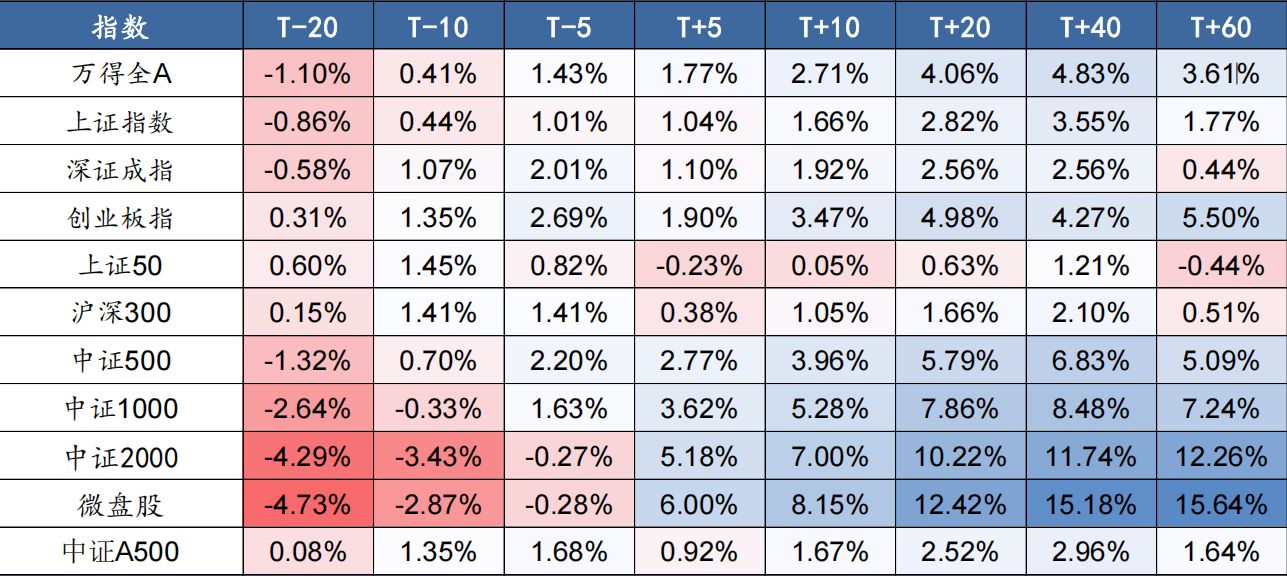
Group 1 - The A-share market experienced a broad increase on the first trading day of the Year of the Horse, with most core indices rising between 1% and 2% [1][2] - The Shanghai Composite Index rose by 0.87% to close at 4117.41 points, returning above the 4100-point mark [2] - The technology sector showed weaker performance, with the Sci-Tech 50 and Sci-Tech 100 indices declining by 0.34% and 1.55%, respectively [2] Group 2 - The market's "opening red" trend is attributed to the overseas markets showing upward trends during the Spring Festival holiday and a recovery demand following a significant adjustment before the holiday [4] - The spring market is expected to continue, with a short-term outlook of sector rotation and upward fluctuations [4] - Historical data since 2010 indicates a high probability of A-shares rising shortly after the Spring Festival, particularly in small-cap indices like the CSI 2000 and micro-cap stocks, which have shown average gains exceeding 10% in the 20 trading days post-holiday [4] Group 3 - The leading sectors today were traditional industries such as petrochemicals, building materials, basic chemicals, non-ferrous metals, coal, and steel, with significant gains [5][6] - The Petrochemical Index surged by 5.53%, while building materials, basic chemicals, and non-ferrous metals indices all rose over 3% [5][6] - In contrast, sectors like AI models, robotics, and consumer goods, which performed well in the Hong Kong market during the holiday, did not reflect similar trends in the A-share market [7] Group 4 - The recent improvement in the Producer Price Index (PPI) and the high valuations in the technology sector have led to a market shift towards traditional sectors [8] - The PPI for January showed a year-on-year decline of 1.4%, with a narrowing drop compared to previous months, indicating a potential recovery in pricing power across various industries [8] - The resource sector, particularly non-ferrous metals, has been a standout performer in the A-share market, with price increases becoming a central theme across multiple sectors [9] Group 5 - Looking ahead to the next 1-2 months, there is optimism for cyclical "old economy" assets, particularly as seasonal economic activities typically rise in March and April [13] - The period following the National People's Congress is expected to see accelerated implementation of macro policies, which could enhance market sentiment towards cyclical sectors [13]

金属|范式转移与战略价值重估
2026-02-24 14:16
Summary of Key Points from Conference Call Records Industry Overview - **Metals Industry**: The records discuss various segments of the metals industry, including precious metals, industrial metals, energy metals, and strategic metals, highlighting their current status and future outlooks [1][5][6][7]. Precious Metals - **Investment Drivers**: Geopolitical tensions and U.S. economic data are driving the safe-haven and anti-inflation attributes of precious metals. Central bank purchases, de-dollarization, and geopolitical risks are long-term support factors. For instance, the People's Bank of China has increased its gold reserves for 15 consecutive months, with a projected global central bank purchase of approximately 683 tons in 2025 [1][3]. - **Price Trends**: Gold prices have stabilized above $5,000 per ounce, with expectations to hold around $5,100 per ounce. The valuation of gold stocks remains low, with companies like Shandong Gold International and Zhongjin Gold being recommended for investment [3][10]. - **Market Performance**: During the Spring Festival, gold and silver prices rebounded significantly, with gold surpassing 5,100 yuan per gram and silver exceeding $85 per ounce, influenced by geopolitical tensions and U.S. economic indicators [2]. Industrial Metals - **Demand Shift**: The demand structure for industrial metals is shifting from traditional sectors to electric infrastructure, renewable energy, and AI-driven data centers. This transition is expected to sustain an upward cycle for the next two to three years, with copper and aluminum valuations being attractive at around 10 times earnings [5]. - **Supply Constraints**: The supply side faces challenges such as depletion of high-grade mines, geopolitical risks, and insufficient exploration investments, leading to tight supply conditions [5]. Energy Metals - **Market Outlook**: Lithium inventories are decreasing amid strong demand, leading to a positive outlook for lithium prices. Cobalt and nickel are benefiting from quota and supply restrictions, while strategic metals like rare earths, tungsten, and uranium have solid long-term fundamentals despite short-term price corrections [6][12]. Steel Industry - **Current Challenges**: The steel industry is experiencing a downturn, with many companies reducing or halting production. Attention is needed on supply-side policies and support from the real estate sector. A potential improvement in demand is expected post-spring commencement [7][32]. - **Profit Projections**: The total profit for the steel industry is projected to be around 7 billion yuan in 2025, with a price-to-earnings ratio of 112 times [1][32]. Geopolitical and Economic Influences - **Tariff Implications**: The U.S. Supreme Court ruled that previous tariffs imposed by the former president were invalid, but details on refunds remain unclear. Future fluctuations in import tariffs may impact precious metal prices, with expectations of upward price movements in 2026, albeit less volatile than in 2025 [1][7]. Strategic Metals - **Price Trends**: Recent price increases for light rare earths, such as neodymium oxide, have been noted, with a 12% increase year-on-year. Heavy rare earths, however, are experiencing price declines due to weaker demand [20][21]. - **Supply Control**: Future supply is expected to be tightly controlled, with significant reductions in mining and refining quotas anticipated, which will maintain upward pressure on prices [23][25]. Recommendations - **Investment Opportunities**: Companies such as Shandong Gold International, Zhongjin Gold, and various firms in the lithium and nickel sectors are highlighted as potential investment opportunities due to their favorable market positions and growth prospects [3][10][12][19]. This summary encapsulates the key insights and projections from the conference call records, providing a comprehensive overview of the current state and future outlook of the metals industry.
春节期间钢铁企业订单充足 稳产保增冲刺一季度开门红
Zheng Quan Ri Bao Wang· 2026-02-24 13:35
Core Viewpoint - During the Spring Festival, Fangda Special Steel maintained production stability and aimed for growth, showcasing dedication and responsibility among its workforce [1][2]. Group 1: Production and Operations - Fangda Special Steel is a leading producer of spring flat steel and automotive leaf springs in China, with a wide range of specifications and high performance metrics [2]. - The company plans to produce 16,000 tons of spring flat steel during the Spring Festival, with one product achieving a tensile strength of 2000 MPa, placing it at an advanced industry level [2]. - Over 4,000 employees worked during the holiday to ensure production targets were met, with management personnel overseeing safety, production, equipment, and quality [2]. Group 2: Supply Chain Management - The company focused on the procurement, unloading, storage, and supply of raw materials to ensure smooth production during and after the holiday [3]. - Challenges due to low water levels in local rivers affecting imported materials were addressed through adjustments in unloading strategies and leveraging rail transport advantages [3]. - Daily communication with suppliers and production units was maintained to monitor the entire supply chain, ensuring stable production ratios [3]. Group 3: New Contracts and Market Expansion - Fangda Special Steel secured a contract worth approximately 400 million yuan for the supply of steel bars for the Changgan High-speed Railway project, marking a successful start to the year [4]. - The company has previously won multiple contracts for major infrastructure projects, with total supply contracts exceeding 300,000 tons across various sectors [4]. - The company has made significant advancements in product upgrades, including the development of high-strength seismic rebar, which aligns with the green and efficient development trends in the construction industry [4]. Group 4: Sales Growth and Future Plans - The sales of construction steel products are projected to grow by 98.51% in 2025 compared to 2024, with January sales showing a year-on-year increase of 388.82% [5]. - Fangda Special Steel has become a preferred supplier for major construction projects in key cities in Jiangxi Province [5]. - The company aims to deepen strategic cooperation with state-owned enterprises and expand into steel deep processing and customized services to enhance its role in national infrastructure development [5].

美国还有一招,可能对我国造成重大打击,我国已经提前防范
Sou Hu Cai Jing· 2026-02-24 12:47
Group 1 - The energy crisis in Europe, exacerbated by the Russia-Ukraine conflict, has led to skyrocketing natural gas prices and significant economic losses for industrial nations like Germany, France, and Italy, with direct losses exceeding 150 billion euros and indirect losses potentially reaching trillions [1][4] - The cost of electricity in Germany surged to 0.5 euros per kilowatt-hour, significantly higher than other regions, causing many factories to shut down or relocate to countries with cheaper energy, such as the US and China [1] - The EU's reliance on Russian natural gas has drastically decreased from 40% to 10%, leading to increased imports of liquefied natural gas from the US at elevated prices, with benchmark prices rising from 30 euros to 48 euros in 2023 [4] Group 2 - The manufacturing sector in Europe is facing severe challenges, with steel production dropping by 10% and aluminum plants shutting down, which hampers the green transition efforts [4] - The US is strategically learning from Europe's energy shortages to raise prices and impact manufacturing, indicating a potential risk for industries reliant on stable energy supplies [6] - The geopolitical tensions in the Middle East, particularly involving Iran and Yemen, pose a threat to oil supply routes, which could lead to increased manufacturing costs and disruptions in production [9][11] Group 3 - The US is focusing on controlling key maritime routes such as the Panama Canal and the Strait of Malacca to secure its energy interests, which could impact global supply chains and manufacturing costs [11] - The potential collaboration between Russia and China on energy projects, such as the "Power of Siberia 2" pipeline, could further complicate the energy landscape for other countries, particularly if Russia restricts gas supplies [13][14] - The US is enhancing its military presence in strategic regions to safeguard its energy routes, which may lead to increased tensions and further disruptions in global energy supplies [16][20] Group 4 - The transition to renewable energy sources is being prioritized, with plans to increase the share of wind and solar power in the energy mix, aiming for over 51% of total installed capacity by 2025 [14][16] - The establishment of military and naval bases in key regions is part of a broader strategy to ensure energy security and maintain stable supply chains, which is crucial for the manufacturing sector [16][20] - The ongoing energy crisis serves as a reminder of the vulnerabilities in the industrial landscape, highlighting the need for diversification and resilience in energy sourcing to mitigate future risks [20]
鞍钢、包钢未披露碳排 6家ESG强信披钢企环保投入缩减16%
2 1 Shi Ji Jing Ji Bao Dao· 2026-02-24 12:43
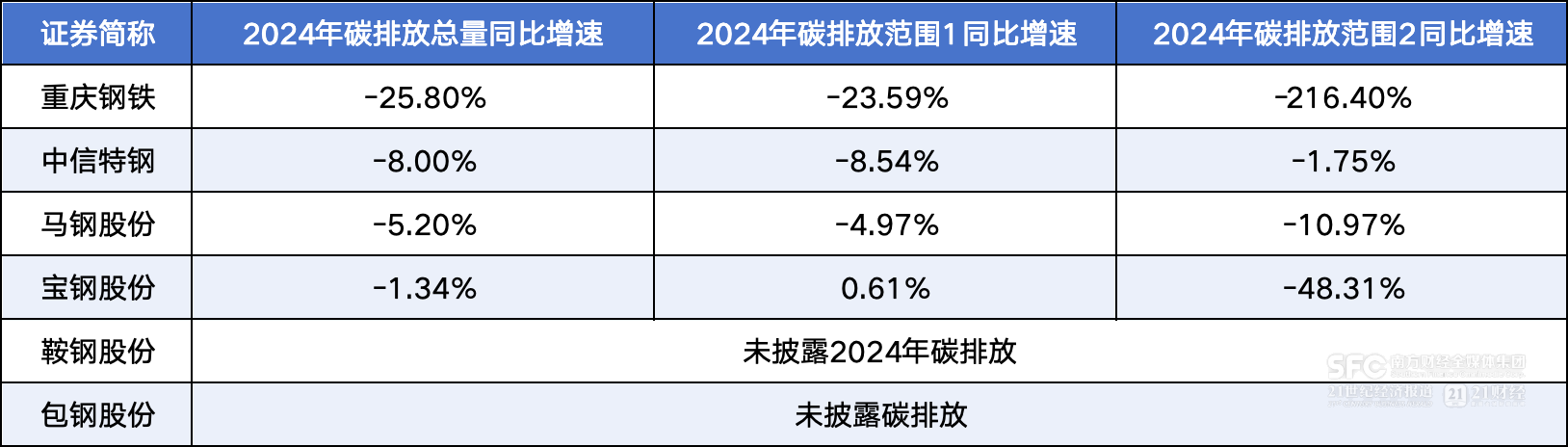
Core Viewpoint - The steel industry is facing dual regulatory scrutiny regarding ESG carbon emissions disclosures as it is now included in the national carbon market, with several companies needing to report their greenhouse gas emissions by March 31 and ESG reports by April 30 [1][2]. Group 1: Carbon Emissions Disclosure - A total of 232 steel companies are required to submit their 2025 greenhouse gas emissions reports to provincial environmental departments by March 31 [1]. - Six listed steel companies, including Baosteel, Baogang, Ansteel, Maanshan Steel, Chongqing Steel, and CITIC Special Steel, are mandated to disclose their 2025 ESG reports by April 30 [1]. - As of February 24, 2024, Ansteel and Baogang have not disclosed their 2024 carbon emissions totals [1][2]. - The steel industry accounts for approximately 15% of the national carbon emissions, making the task of energy conservation and carbon reduction challenging [2]. Group 2: Environmental Investment - The total environmental investment by the six listed steel companies decreased by about 16% year-on-year, totaling 24.654 billion yuan [1][8]. - Baosteel had the highest environmental investment at 10.075 billion yuan, followed by Ansteel at 5.597 billion yuan and Baogang at 3.771 billion yuan [8]. - Chongqing Steel's environmental investment dropped nearly 40.79% year-on-year, marking the highest decline among the companies [8]. Group 3: Carbon Emission Reduction Performance - Four of the six steel companies reported a year-on-year decrease in total carbon emissions for 2024, with Chongqing Steel showing the highest reduction at 25.80% [3][10]. - CITIC Special Steel reported a 0.33% decrease in carbon emissions per ton of steel for 2024, while Ansteel's carbon emissions per ten thousand yuan of output decreased by 1.4% [10]. Group 4: ESG Governance and Management - The establishment of a dedicated carbon neutrality executive position at China Baowu Steel Group reflects the industry's need for enhanced governance in ESG matters [11][12]. - Five of the six steel companies have incorporated ESG indicators into their executive compensation assessments, with Baosteel providing detailed metrics for evaluation [12][13]. - The integration of ESG metrics into executive pay is seen as a complex task, requiring clear definitions and measurable targets to ensure accountability [13].





鞍钢、包钢未披露碳排,6家ESG强信披钢企环保投入缩减16%
2 1 Shi Ji Jing Ji Bao Dao· 2026-02-24 12:41
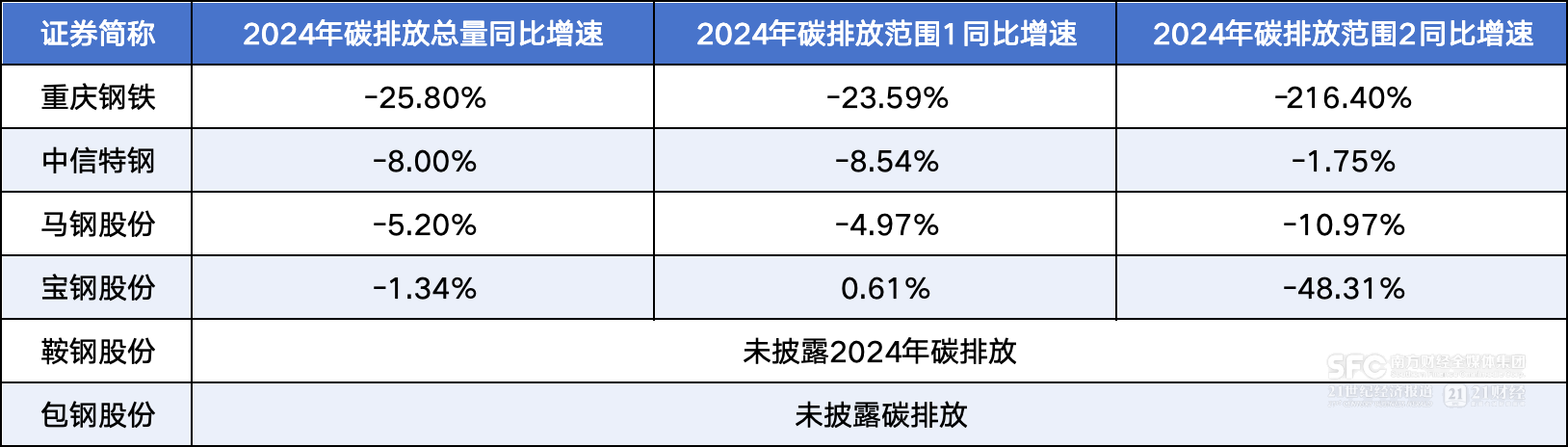
Core Viewpoint - The inclusion of the steel industry in the national carbon market has led to increased scrutiny on carbon emissions disclosures, with several companies facing dual regulatory requirements for ESG reporting [1][2]. Group 1: Carbon Emission Disclosure - A total of 232 steel companies are required to submit their greenhouse gas emission reports for 2025 by March 31, with six listed companies needing to disclose their ESG reports by April 30 [1]. - Among the six listed steel companies, Angang Steel and Baogang Steel have not disclosed their 2024 carbon emissions [2][3]. - The carbon emissions from the steel industry account for approximately 15% of the national total, highlighting the significant challenges in energy conservation and carbon reduction [2]. Group 2: Environmental Investment - The total environmental investment by the six listed steel companies decreased by approximately 16% year-on-year, amounting to 24.654 billion yuan [6][7]. - Baosteel made the highest environmental investment at 10.075 billion yuan, while Chongqing Steel saw the largest reduction in investment, nearly halving to 0.887 billion yuan [7][8]. Group 3: Carbon Emission Reduction Performance - Four of the six steel companies reported a year-on-year decrease in total carbon emissions for 2024, with Chongqing Steel showing the highest reduction at 25.80% [3][9]. - The carbon emission intensity for several companies, including CITIC Special Steel and Baosteel, also showed a downward trend, indicating progress in reducing emissions per ton of steel produced [9]. Group 4: ESG Integration in Management - Five of the six listed steel companies have integrated ESG indicators into their executive compensation assessments, with Baosteel specifying the weight of ESG-related metrics in performance evaluations [10][12]. - The establishment of a dedicated Chief Carbon Neutrality Officer at Baowu Steel Group reflects a strategic approach to managing carbon emissions and sustainability efforts [12].

三钢闽光:截至2026年2月13日公司股东人数41143户
Zheng Quan Ri Bao Wang· 2026-02-24 12:41
Group 1 - The core point of the article is that Sansteel Minmetals (三钢闽光) reported a total of 41,143 shareholders as of February 13, 2026 [1]

新钢股份:近五年公司累计归母净利润86.22亿元
Zheng Quan Ri Bao Wang· 2026-02-24 12:11
Core Viewpoint - The company, Xin Steel Co., Ltd. (stock code: 600782), is set to hold its fourth extraordinary general meeting of shareholders for 2025 on December 29, 2025, to review two key proposals related to financial service agreements and annual related transactions [1] Group 1: Shareholder Meeting Proposals - The first proposal involves signing a financial service agreement with Baowu Group Financial Co., Ltd., which is an associated transaction [1] - The second proposal concerns the execution of the company's routine related transactions for 2025 and the expected related transactions for 2026 [1] - The company emphasizes that it will strictly adhere to the resolutions made during the shareholder meeting, especially if the first proposal is not approved and the second is [1] Group 2: Dividend and Profit Performance - Since its listing, the company has conducted a total of 26 cash dividend distributions, amounting to a cumulative cash dividend of 5.584 billion yuan [1] - Over the past five years, the company has reported a cumulative net profit attributable to shareholders of 8.622 billion yuan, with total dividends paid reaching 3.318 billion yuan [1] - The five-year cumulative dividend payout ratio stands at 38.48%, which exceeds the company's charter stipulations regarding dividends, indicating a notable increase in dividend levels in recent years, positioning the company among the industry leaders in terms of dividend distribution [1]

中韩在热轧板卷反倾销案中达成价格承诺协议 商务部回应
Zhong Guo Xin Wen Wang· 2026-02-24 11:57
Core Viewpoint - China and South Korea have reached a price commitment agreement in the anti-dumping case concerning hot-rolled coils, signaling a positive development for bilateral economic cooperation [1] Group 1: Agreement Details - On February 23, 2026, South Korea announced the final ruling in the anti-dumping case against China, confirming an agreement on a price commitment plan with China [1] - The business communities in both countries welcomed the agreement, believing that replacing anti-dumping duties with price commitments aligns with the industrial interests of both nations [1] Group 2: Economic Relations - The spokesperson from the Ministry of Commerce emphasized the close economic ties and deeply integrated supply chains between China and South Korea, highlighting mutual benefits from cooperation [1] - The "soft landing" of this case reflects mutual respect and understanding between the two countries, releasing positive signals for deepening bilateral economic cooperation [1] Group 3: International Trade Implications - The resolution of the hot-rolled coil case under the framework of World Trade Organization rules demonstrates both countries' commitment to multilateralism and maintaining free and fair trade [1] - This agreement sets a precedent for resolving disputes through dialogue and consultation, injecting positive energy into stabilizing international economic cooperation [1]