商业地产

Search documents
单日客流超20万人次,27个同步开业品牌全国销量第一!北京中海大吉巷解锁文商旅融合新密码
Sou Hu Cai Jing· 2025-08-26 06:53
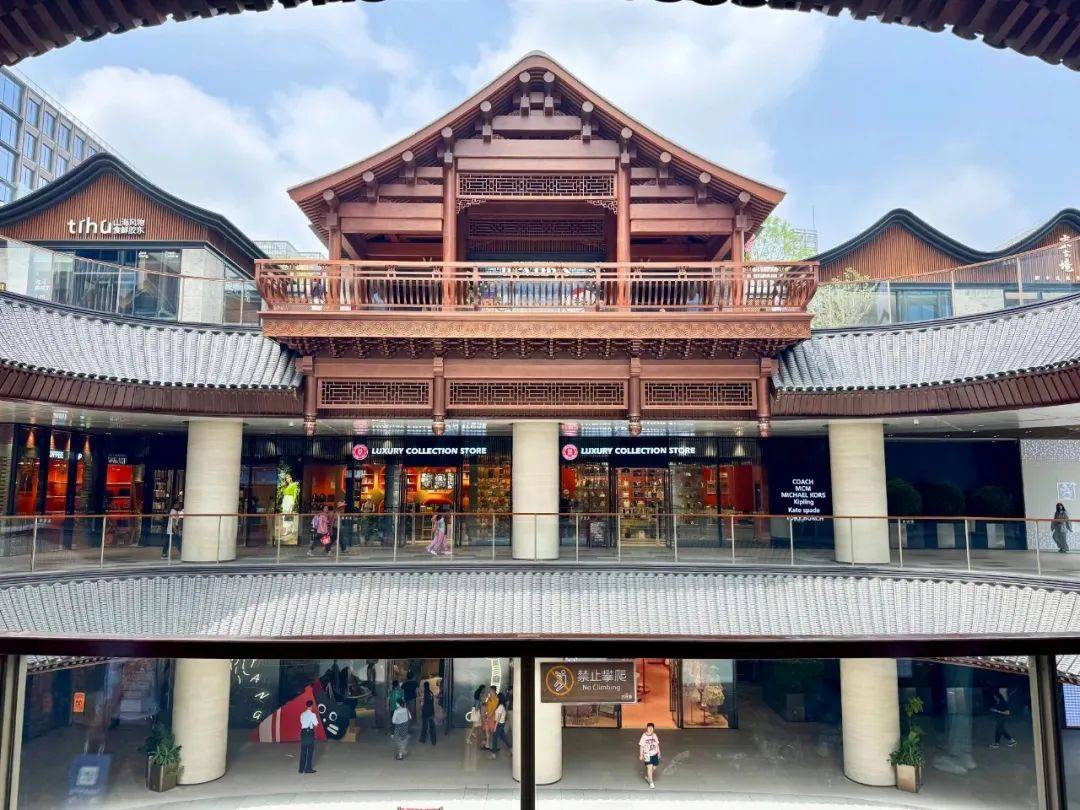
Core Insights - Beijing Zhonghai Dajixiang has achieved remarkable performance since its opening on May 25, with total sales exceeding 1.57 billion yuan and a peak daily footfall of 220,100 visitors [1][5][12] Group 1: Performance Metrics - The opening day recorded a footfall of 200,000, which was seven times the expected number, and sales reached 5.5 million yuan, five times the forecast [5][12] - During the Dragon Boat Festival, the peak footfall reached 220,100 visitors [5] Group 2: Unique Consumer Experience - Dajixiang combines historical sites like the former residence of Kang Youwei and the site of "Weekly Review" with modern commercial and cultural tourism elements, creating a unique shopping experience [8][12] - The project features a 12,000 square meter urban forest integrated within a 360,000 square meter complex, housing 119 merchants [5][9] Group 3: Innovative Business Model - Over 50% of the stores are first-time openings or customized shops, which have contributed to its popularity [9] - The project includes a diverse range of dining options and trendy brands, fostering a vibrant cultural dining matrix [9][12] Group 4: Cultural and Economic Integration - Dajixiang has successfully blurred the lines between traditional commerce and cultural tourism, redefining modern consumer scenarios [12] - The integration of sports and night economy events has further enhanced the cultural experience, making it a lifestyle destination [14] Group 5: Future Development Strategy - The local government is collaborating with enterprises to ensure sustainable growth, focusing on high-quality development and community engagement [18] - Plans are in place to deepen the integration of Dajixiang with surrounding cultural and commercial resources, promoting a "first-store cluster ecosystem" [18]

申城夜曲
Jie Fang Ri Bao· 2025-08-26 01:47
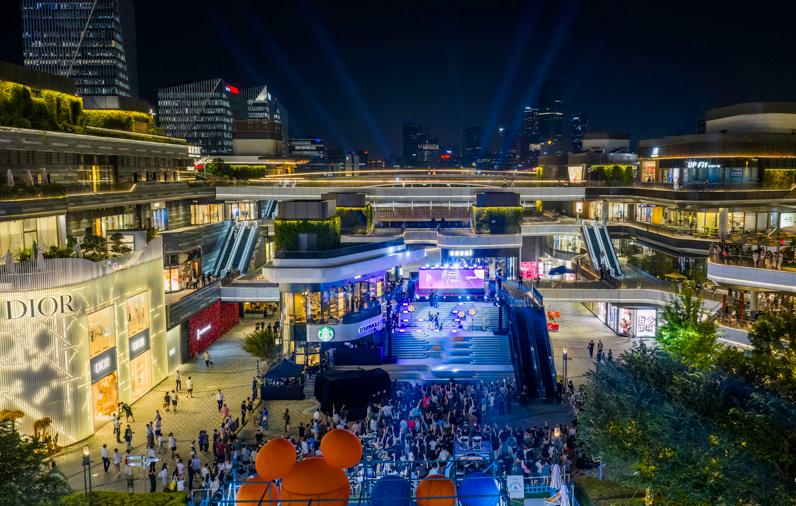
Group 1 - The event "Bonus Track Fourth Song" at Front Beach Taikoo Li ignited the nightlife in Shanghai [2] - The activity featured five major music interactive experience zones, performances by star musicians, and collaboration with over a hundred merchants [2] - The event aimed to create a 24-hour immersive consumption scenario [2]
险资抄底国内商业地产!
Sou Hu Cai Jing· 2025-08-26 01:39
Core Viewpoint - The news highlights the increasing activity of insurance capital in acquiring real estate assets, particularly in the context of low property prices and the search for stable cash flow returns [3][8]. Group 1: Major Transactions - Ingka, the parent company of IKEA, plans to sell 10 shopping centers in China, with the first three located in Wuxi, Beijing, and Wuhan, involving a total of 16 billion yuan [3]. - The acquisition of these shopping centers will be led by a Pre-REITs fund backed by Taikang Life, with a total fund size of 8 billion yuan, where Taikang Life will invest 3 billion yuan [3]. - Other notable transactions include AIA Life's acquisition of a rental community in Shanghai for 980 million yuan and various insurance companies acquiring multiple Wanda Plaza properties across different cities [4][5]. Group 2: Investment Trends - Since the beginning of 2024, over ten insurance companies have invested in numerous real estate projects, with total investments expected to exceed several hundred billion yuan [3]. - Major insurance firms, including Xinhua Insurance and Sunshine Life, have been actively acquiring various commercial properties, indicating a trend of insurance capital "bottom-fishing" in the real estate market [4][5]. - The insurance sector is increasingly focusing on real estate investments as a means to support market financing needs while also seeking to benefit from potential asset appreciation as the market recovers [8].

“LABUBU穿身上”、“一元内城市漫游”……上海之夏火热进行,沪上消费描绘夏日生活新图景
Sou Hu Cai Jing· 2025-08-25 10:47
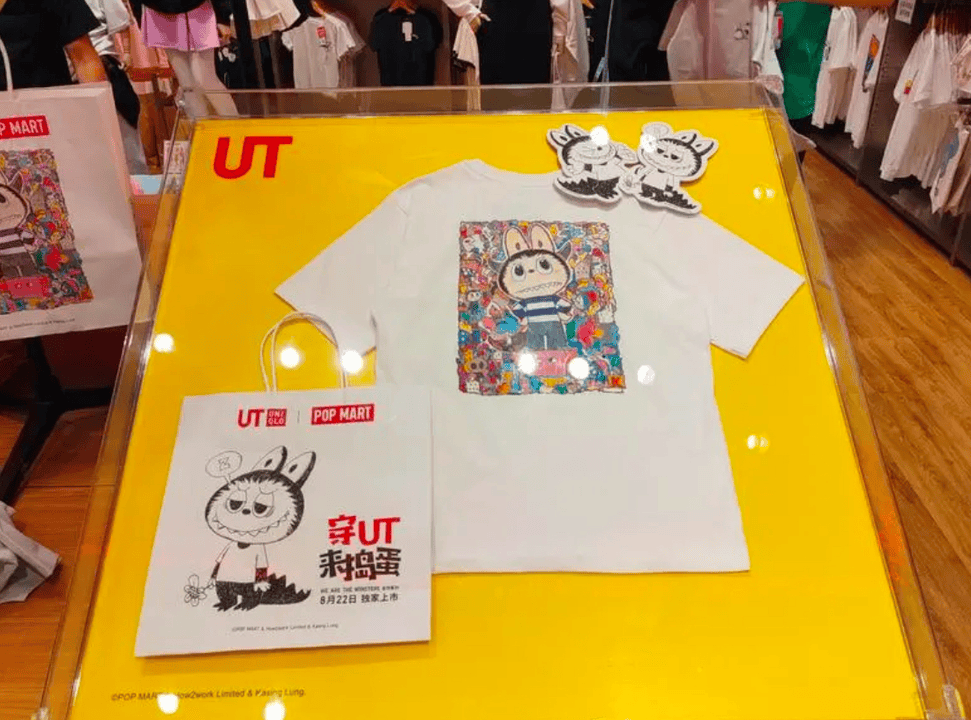
Group 1: Consumer Trends - The "Shanghai Summer" international consumption season is transforming consumer behavior from mere purchasing to a comprehensive urban lifestyle experience that includes wearing, shopping, and entertainment [1] - The collaboration between Uniqlo and the Chinese cultural brand Pop Mart has led to a surge in demand for the new UT series, with children's T-shirts selling out quickly on the first day of launch [2][4] Group 2: Transportation and Urban Mobility - Meituan's bike-sharing initiative has introduced a flat rate of 0.99 yuan for rides in over 40 cities, enhancing urban exploration and promoting low-carbon travel [5][7] - Approximately 23% of Meituan's bike users have replaced high-carbon transportation methods, contributing to the city's green development [7] Group 3: Experiential Retail - Shanghai's commercial landmarks are evolving from shopping centers to cultural and entertainment spaces, as exemplified by the immersive experiences offered at the "Bonus Track" event at Taikoo Li in Pudong [9][11] - The integration of art and culture into commercial spaces is becoming a norm, with events like the "She and Her Jewelry" exhibition and collaborations with various artists enhancing consumer engagement [11][12]
泰康组团收购荟聚购物中心 险资加速布局不动产
2 1 Shi Ji Jing Ji Bao Dao· 2025-08-25 09:37
Core Viewpoint - The transaction involving the sale of three major shopping centers by Ingka Group reflects a strategic adjustment by foreign capital in the Chinese market, highlighting the increasing influence of insurance funds in large commercial real estate transactions [1][2][3] Group 1: Transaction Details - Ingka Group plans to sell ten shopping centers in mainland China, with an initial sale of three centers in Wuxi, Beijing, and Wuhan, valued at 16 billion RMB [1] - The transaction involves a Pre-REITs structure, with a total fund size of 8 billion RMB, led by Taikang Life, which subscribed 3 billion RMB [3][5] - Ingka Group retains operational rights for the shopping centers post-sale, ensuring professional management continues [3] Group 2: Market Context - The insurance sector is increasingly investing in commercial real estate, with significant transactions occurring in 2023, indicating a trend towards stable income and high-return assets [6][10] - The demand for stable cash flow and the current low valuation of real estate projects are driving insurance funds to acquire mature properties [2][4] Group 3: Financial Performance - Ingka Group's financial performance is under pressure, with a projected revenue decline of 5.5% to 41.86 billion euros and a net profit drop of 46.5% for the 2024 fiscal year [4] - The three shopping centers have high foot traffic and sales, with Beijing's center attracting over 30 million visitors annually and Wuxi's sales reaching 3.37 billion RMB in 2023 [5] Group 4: Investment Trends - The Pre-REITs model allows insurance funds to secure stable rental income while providing a pathway for liquidity through future REITs listings [8][9] - Regulatory support for insurance investments in real estate is evident, with policies encouraging long-term asset investments and facilitating REITs market growth [7][8]
松山湖千亿进阶,看华侨城欢乐海岸的封面级资产逻辑
Nan Fang Du Shi Bao· 2025-08-25 09:25
Core Insights - The transformation of Songshan Lake from a "hard power" industrial hub to a "soft power" urban environment is underway, with significant developments in infrastructure and amenities [1][2] - The introduction of independent property rights for commercial real estate in Songshan Lake marks a significant shift, allowing businesses to convert lease agreements into tradable assets [3] - The new commercial project by Overseas Chinese Town in Songshan Lake is positioned as a high-end business hub, featuring premium design and amenities to attract top-tier enterprises [4][5] Infrastructure and Urban Development - The completion of the performance center, upgrades to the lighting system, and the launch of the lakeside walkway are part of the visible changes enhancing urban quality [2] - Educational institutions and healthcare facilities are being developed, contributing to a more comprehensive living environment [2] - The integration of commercial spaces, cultural venues, and parks is creating a vibrant urban ecosystem [2][5] Real Estate and Asset Management - The new commercial project offers independent property rights, addressing the challenge of asset valuation and ownership in a region where most properties are leased [3] - The project is described as a "new species" of commercial real estate, enabling businesses to treat their properties as tradable assets, akin to "city stocks" [3] - The project is positioned to meet the demand for high-quality office space in a competitive market, with a focus on unique property rights and asset appreciation [3][6] Market Dynamics and Demand - The average transaction price for new properties in Songshan Lake exceeds 40,000 yuan per square meter, indicating a high demand and premium pricing in the area [6] - The project is attracting significant interest from over 16,000 market entities competing for a limited supply of 84 units, highlighting the scarcity of quality assets [6] - The upcoming delivery of the project in August is seen as a critical opportunity for investors to secure valuable assets in a rapidly evolving market [6]

险资盯上荟聚商场,泰康人寿领投80亿基金“扫货”商业地产
Xin Lang Cai Jing· 2025-08-25 05:45
Core Viewpoint - Insurance capital, led by Taikang Life, is increasingly investing in real estate, with a significant transaction involving the sale of 10 shopping centers in China by Ingka Centres, valued at 16 billion yuan [1][4]. Group 1: Investment Trends - Taikang Life is leading an 8 billion yuan fund to acquire three prominent shopping centers in Wuxi, Beijing, and Wuhan, with a total valuation of 16 billion yuan [1][4]. - The fund includes contributions from other major insurers, with Taikang Life investing 3 billion yuan and additional investments from other insurance companies totaling 3 billion yuan [4]. - The overall investment in real estate by Taikang Life has nearly doubled from 22.68 billion yuan in 2020 to 41.08 billion yuan in 2024 [2][8]. Group 2: Strategic Moves - Ingka Group's decision to sell its shopping centers is seen as a strategy to alleviate short-term financial pressure and optimize asset structure [4][9]. - The trend of insurance capital investing in commercial real estate aligns with the need for stable cash flow and potential appreciation, which suits the risk appetite of insurance funds [11][18]. - Taikang Life's strategy includes a shift towards online sales and service, reducing operational costs while expanding its real estate portfolio [15][18]. Group 3: Market Dynamics - The insurance sector has been actively acquiring commercial properties, with significant transactions involving Wanda Plaza and other major assets [10][11]. - From 2022 to 2024, direct investments by insurance companies in China's commercial real estate reached 9.3 billion USD, positioning them as key players in the market [11]. - The ongoing urbanization and economic development in China enhance the attractiveness of commercial real estate for insurance capital [11][18].
米东吾悦广场两周年庆圆满落幕,暑期精彩接续启幕
Sou Hu Wang· 2025-08-25 01:55
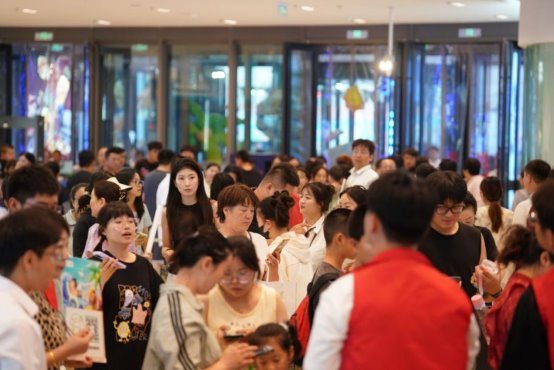
Core Insights - The successful two-year anniversary celebration of New Town Holdings' Urumqi Midong Wuyue Plaza attracted nearly 150,000 visitors and initiated a series of summer activities to boost regional consumption and lifestyle [1][10] Group 1: Event Highlights - The anniversary event featured over 20 cultural, entertainment, and interactive shopping activities, creating a vibrant summer landmark for the community [1] - The event utilized the "Capybara" core IP to create a full-day experience matrix, combining daytime activities with nighttime festivities to engage a younger consumer base [3][10] - Various entertainment options, including a stage play of "Frozen" and interactive themes, successfully attracted diverse interests and increased foot traffic across different sectors [3][10] Group 2: Promotional Strategies - The event offered exclusive member benefits and promotions across all sectors, encouraging consumer spending through various incentives [7][9] - Specific promotions included rewards for spending thresholds, such as gifts for purchases over 200 yuan and discounts on jewelry and apparel, enhancing the value proposition for consumers [7][12] - The combination of "member benefits + all-sector promotions" effectively stimulated consumption and built a high-value member base [9] Group 3: Business Impact - The anniversary celebration significantly enhanced foot traffic, sales, and brand influence, confirming the plaza's strong appeal to its core customer base [10] - The integration of various brands and promotional activities created a "one-stop shopping experience," reinforcing the plaza's position as a leading leisure, shopping, and entertainment destination in the region [12] - Following the anniversary, the plaza will launch a series of summer activities to maintain commercial momentum and solidify its status as a regional commercial benchmark [14][17] Group 4: Company Overview - New Town Holdings, founded in 1993 and headquartered in Shanghai, has rapidly expanded to operate 202 Wuyue Plazas across 145 major cities in China, with 174 already opened [17][18] - The company adheres to a dual-driven long-term strategy of "residential + commercial," focusing on deepening its presence in key urban areas while enhancing consumer insights [18] - Committed to high-quality and sustainable development, New Town Holdings aims to innovate its products and services, ensuring a happy living experience for consumers [18]

174家首店冲入武汉:武汉天地、咸安坊抢下冠亚军
3 6 Ke· 2025-08-25 01:52
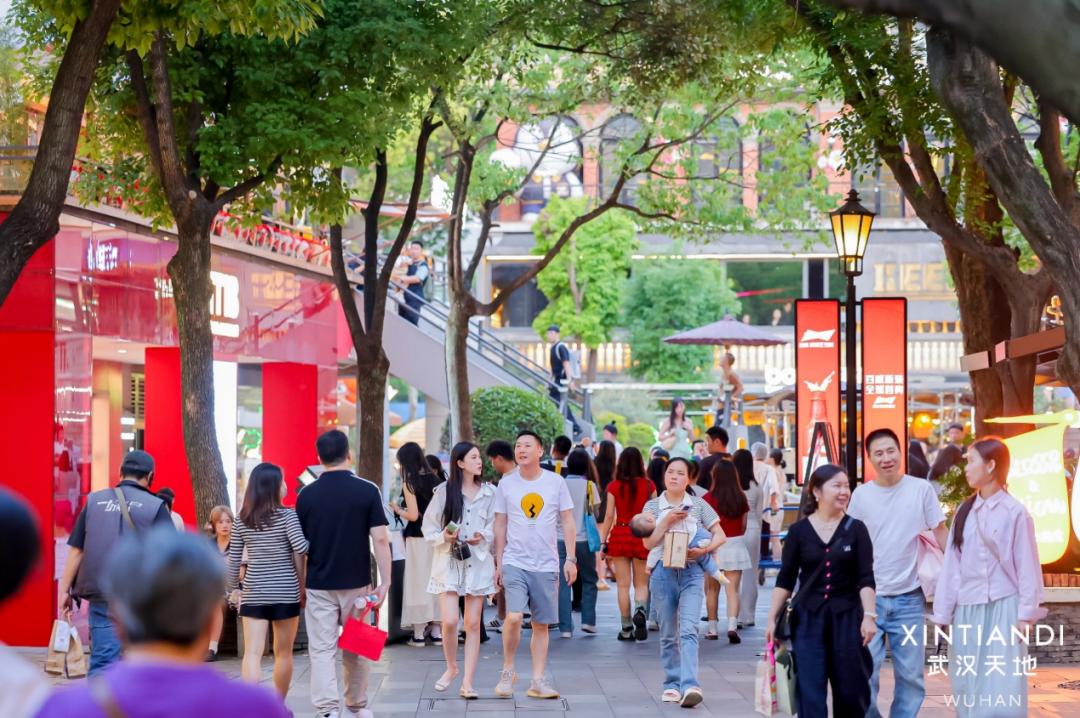
Core Insights - The "first store economy" and "first launch economy" are gaining significant attention in Wuhan, driven by government support and consumer demand, leading to a boost in consumption quality and new consumption growth [1] Group 1: First Store Statistics - Wuhan has opened a total of 174 new first stores in key commercial areas, marking a 20% increase from 145 stores in the same period last year, achieving a historical high [1] - The quality and tier of brands have improved, with 5 national first stores, 46 first stores in Central China, 22 in Hubei, and 101 in Wuhan [1] Group 2: Concentration of First Stores - The first stores are increasingly concentrated in leading commercial projects, with 8 projects hosting over 10 new stores each, accounting for 57.5% of the total [2] - Wuhan Tiandi has introduced 18 first stores across various sectors, enhancing consumer choices with both international and local brands [2] Group 3: Notable Commercial Projects - Wuhan Xian'an Fang has become a "first store harvesting machine," with 74 first stores, representing over 78% of its total, focusing on trendy retail and nightlife consumption [4] - Wuhan Wushang Mall has introduced 12 first stores, including international and domestic brands, contributing to the high-quality development of the first store economy [6] - Wuhan Wuchang Vanke City has also attracted 12 first stores, showcasing a variety of new brands and high-profile exhibitions [6] Group 4: Market Composition - The market is primarily dominated by the restaurant and retail sectors, with 81 new restaurant stores (46.6% of total) and 63 retail stores introduced [8] - Beverage stores lead the restaurant category with 17 new entries, while bakery and dessert stores have 6 new brands [9][10] - The lifestyle service sector is growing, focusing on personal image and health-related services, reflecting consumer demand for quality [12]
商业先锋领航!万家丽流量跃迁,铸就中国商业标杆新样本
Sou Hu Cai Jing· 2025-08-24 00:12
Core Insights - The "Wanjiali Business Circle" is positioned as a leading commercial hub in Changsha, showcasing continuous innovation and cultural integration, attracting both local consumers and tourists [3][6][22] - The recent "Wanjiali Business Circle Quality Improvement Conference" highlighted the commitment to enhancing brand quality, service, aesthetics, culture, and transportation within the commercial area [1][8] Group 1: Business Development and Strategy - Wanjiali has established a large-scale department store ecosystem, integrating various product categories and creating a collaborative operational model among merchants [5] - The business circle has successfully attracted over 80% of local consumers as a frequent shopping destination, significantly contributing to the local economy [3][5] - The introduction of new services, such as duty-free shopping and airport check-in, enhances consumer convenience and positions Wanjiali as a one-stop shopping and travel destination [5][6] Group 2: Cultural and Economic Impact - Wanjiali is recognized as a cultural landmark and a consumption hub, bridging local heritage with global consumer trends [6][22] - The business circle's growth reflects the resilience of China's private economy and its role as a key driver of urban development [22] - The integration of cultural experiences with commercial activities is a hallmark of Wanjiali's innovative business model, contributing to the overall economic vitality of Changsha [22] Group 3: Future Prospects and Collaborations - Future plans include optimizing the commercial layout by introducing renowned domestic and international brands while supporting local特色 brands [8] - Collaborations with brands like D%pa and Op Lighting have resulted in significant sales growth, demonstrating the effectiveness of Wanjiali's platform in driving brand success [10][13] - The business circle aims to enhance its marketing strategies through social media to strengthen connections with consumers and promote a vibrant business environment [8][15]