
家电

Search documents
2025年家电类、通讯器材类 商品零售额均破万亿元
Xin Lang Cai Jing· 2026-01-20 20:57
Core Insights - The "trade-in" policy for consumer goods is expected to significantly boost retail sales in the home appliance and communication equipment sectors, with both categories projected to exceed 1 trillion yuan in retail sales by 2025, marking a historical high [1] - The policy has led to substantial increases in the replacement of old appliances, with over 129 million units of 12 categories of home appliances and over 91 million mobile devices expected to be replaced by 2025 [1] Group 1: Market Impact - Retail sales of household appliances and audio-visual equipment are projected to grow by 11%, while communication equipment sales are expected to increase by 20.9% by 2025 [1] - The retail sales of home appliances are anticipated to reach 1,169.5 billion yuan, and communication equipment sales are expected to hit 1,007.6 billion yuan by 2025, both achieving historical highs [1] Group 2: Supply Chain and Technological Advancements - The trade-in policy is effectively promoting industrial transformation and upgrading, with over 90% of sales in the 12 categories of traded-in appliances being energy-efficient or water-efficient products [2] - The number of new types of home appliances has increased by 28.89%, with 177,800 new products expected in 2025 [2] - Companies are leveraging "5G + industrial internet" technologies to significantly shorten order cycles, while mobile device manufacturers are innovating in areas such as imaging, battery life, and AI to enhance product value [2] Group 3: Consumer Behavior and Economic Impact - The trend towards consumption upgrades is evident, with mid-to-high-end mobile device subsidies accounting for 72.5% of the total, indicating a shift towards higher-quality consumption [2] - The trade-in policy has positively impacted the elderly demographic, with over 15 million consumers aged 60 and above participating in the trade-in and subsidy programs [2] - The policy has benefited over 1 million retail outlets, with a reported 30% increase in consumer spending in areas with concentrated trade-in stores [2] Group 4: Future Outlook - The trade-in policy will continue to be implemented, with funding support for consumer goods trade-ins confirmed for 2026, along with specified subsidy standards and support scope [3]
TCL电子“牵手”索尼 拟设合资公司承接索尼家庭娱乐业务
Shang Hai Zheng Quan Bao· 2026-01-20 18:53
此外,意向备忘录的内容包含了合资公司与索尼,以及合资公司与TCL电子未来在专利、技术及品牌的 授权安排(统称"潜在交易")。 TCL电子在公告中提到,意向备忘录设置了排他期条款。索尼同意并承诺在意向备忘录日期起至2026年 3月31日止期间,其将不会直接或间接与任何第三方,就与潜在交易类似或相当的交易进行任何讨论或 谈判。 另据索尼中国官网披露消息,双方计划于2026年3月底前就订立具有法律约束力的最终协议进行磋商。 在最终协议签署并取得相关主管部门批准等条件满足后,新公司预计将于2027年4月开始运营。 ◎记者 黎灵希 1月20日晚,TCL电子在港交所公告,公司与Sony Corporation(索尼)签订意向备忘录。双方拟成立一 家承接索尼家庭娱乐业务的合资公司,由TCL电子持股51%、索尼持股49%,在全球范围内开展包括电 视机和家庭音响等产品在内,从产品开发、设计、制造、销售、物流到客户服务的一体化业务运营。 据公告,未来合资公司将融合索尼长期以来在音视频领域积累的先进技术、品牌价值及供应链管理等运 营能力,推进业务发展,并充分发挥TCL电子的先进显示技术、全球化规模优势、完善产业布局、端到 端成本效 ...
服饰、家电、家纺三大产业 保温保暖新品迭出满足消费者多元化需求
Shang Hai Zheng Quan Bao· 2026-01-20 18:53
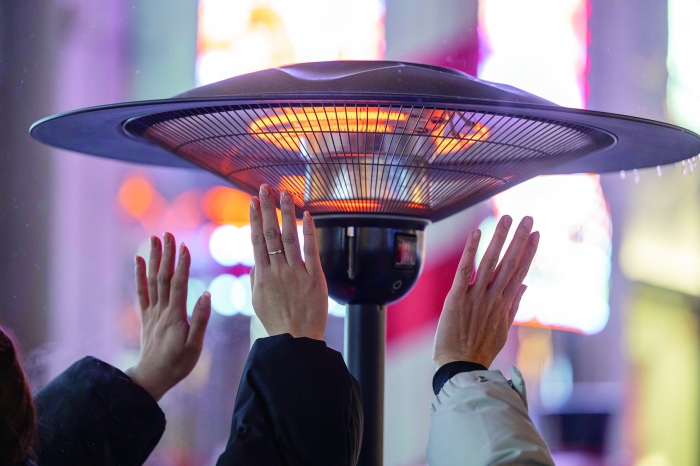
Core Insights - The "warm economy" is gaining traction in the consumer market, driven by increased demand for insulation and heating products amid significant temperature drops and snowfall across various regions in China [1][2] Group 1: Industry Trends - The apparel, home appliance, and home textile sectors are leading the charge in the "warm economy," with companies innovating to meet diverse consumer needs for warmth and comfort [1][5] - Brands like Bosideng are focusing on technological advancements and design innovations, such as "far-infrared heating technology" and high-quality down materials, to attract younger consumers [2][4] - The home appliance sector is seeing a rise in smart and personalized heating products, with companies like Gree and Midea emphasizing features like rapid heating and energy efficiency [5] Group 2: Consumer Behavior - Consumers are increasingly prioritizing product functionality and quality, inquiring about material specifications and performance metrics when purchasing winter apparel [4][7] - There is a shift from basic warmth to a focus on aesthetics and suitability for specific scenarios, indicating a more nuanced consumer demand for heating solutions [7] Group 3: Market Dynamics - Investor interest in "cold wave" and "heating" concepts is rising, with inquiries about companies' strategies and product offerings in the insulation market [6] - Companies are adapting to market changes by diversifying their product lines and enhancing their technological capabilities, as seen with brands like Rainbow Group and Antarctic E-commerce [6][7] - Despite the short-term boost in demand due to weather conditions, companies recognize the need for long-term competitiveness through innovation and brand management [7]

保暖保供稳价 上市公司在行动
Shang Hai Zheng Quan Bao· 2026-01-20 18:53
Group 1 - The cold wave has led to a surge in demand for heating and supply guarantee products in the consumer market [1] - Companies in the apparel, home appliances, and home textiles sectors are focusing on technological innovation to enhance product functionality, safety, aesthetics, and adaptability to different scenarios [1] - Platform enterprises are concentrating on meeting basic living needs of residents, ensuring smooth supply and stable prices [1] Group 2 - Energy companies, including coal, electricity, and oil and gas sectors, are implementing a combination of strategies to ensure energy supply while stabilizing prices [1]

赢家通吃格局突变,日本制造业跌落,谁将主宰中美欧新战局
Sou Hu Cai Jing· 2026-01-20 18:06
Core Viewpoint - The decline of Japanese manufacturing, once a symbol of quality and technology, is attributed to a combination of historical missteps, internal stagnation, and external pressures, leading to a significant loss of market share to competitors from China, the US, and Europe [1][20]. Group 1: Historical Context - The decline of Japanese manufacturing can be traced back to events like the Toshiba incident in the 1980s, which led to severe sanctions and a loss of international standing in high-end industrial equipment and electronics [3][4]. - Japanese companies such as Hitachi and Panasonic faced fierce competition from South Korean firms like Samsung and LG, ultimately leading to their exit from key markets like televisions and semiconductors [4][8]. Group 2: Internal Challenges - The internal promotion system and reliance on traditional advantages have made Japanese companies slow to respond to global competition, resulting in management rigidity and a lack of innovation [6][9]. - The economic bubble burst in the 1990s led to a prolonged period of stagnation, with reduced R&D investment and a shift in talent away from engineering to finance and services, further eroding innovation capabilities [11][13]. Group 3: External Pressures - The US-Japan semiconductor agreement in the 1980s significantly hampered Japan's semiconductor industry, allowing South Korea's Samsung to rise as a dominant player in the global market [8][9]. - The current global manufacturing landscape is characterized by a push for reshoring in the US and Europe, which is attracting investments away from Japan, exacerbating its industrial hollowing [15][16]. Group 4: Competitive Landscape - Chinese companies, such as BYD, are rapidly advancing in sectors like electric vehicles, effectively outpacing traditional Japanese automakers like Toyota and Honda [6][18]. - Japanese brands are losing ground in both emerging and developed markets, as Chinese firms leverage lessons from Japanese manufacturing while being more responsive to local market demands [18][20].
消费焕新提质 激活市场澎湃动力
Xin Lang Cai Jing· 2026-01-20 17:50
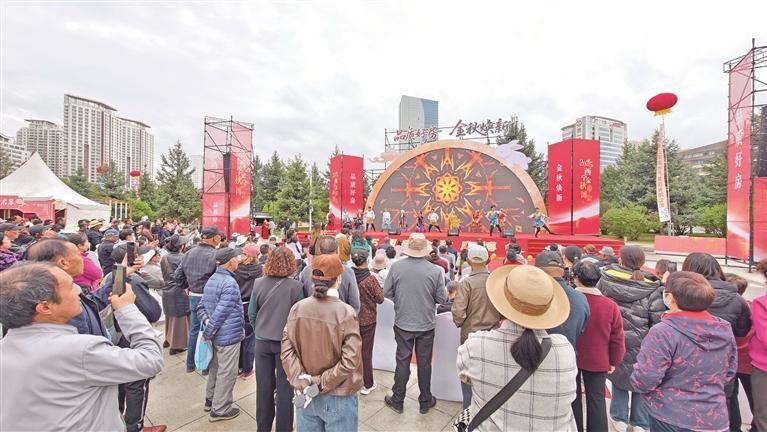
Core Insights - The 2025 Qinghai consumption market is experiencing robust growth driven by various innovative measures and diverse business formats, contributing to high-quality development in the region [14][15][20]. Consumption Upgrade - Qinghai has implemented a "trade-in" policy across three major sectors, providing subsidies that have led to a total investment of 1.69 billion yuan, benefiting over 1.52 million people and stimulating consumption by 19.7 billion yuan [15]. - The province has seen significant participation in the trade-in activities, resulting in the purchase of 92,000 new vehicles, 496,000 home appliances, and 615,000 digital products [15]. Cultural and Tourism Integration - The "Cultural Tourism +" model has been effective in enhancing consumer engagement, with events like the "Xihai 2261 Cultural Fair" attracting over 500,000 visitors and generating a transaction volume of 1.79 million yuan [16][17]. - The integration of cultural and tourism activities has led to a 2.3% increase in revenue for the accommodation and dining sectors during the peak tourism season [17]. E-commerce Growth - E-commerce in Qinghai has shown remarkable growth, with a 103.8% year-on-year increase in retail sales through public networks, marking four consecutive months of over 100% growth [18]. - The number of online retail enterprises has increased from 1,088 to 2,031, indicating a significant expansion in the e-commerce sector [19]. Real Estate Development - The 2025 Autumn Housing Expo in Xining featured 24 real estate brands and over 5,000 quality housing units, marking a significant event in the local real estate market [20]. - The expo aims to transition from "housing for all" to "quality housing," showcasing a variety of housing options and services [21]. Brand Economy and Commercial Vitality - The introduction of high-end brands like Sony and Tesla in Qinghai is part of a broader strategy to stimulate consumption and enhance commercial vitality [22][23]. - The provincial government has implemented measures to support the establishment of brand stores, which has led to a significant increase in local commercial activity [23]. Restaurant Industry Transformation - The restaurant sector in Qinghai has reported a 12% increase in revenue, with a focus on innovation and quality in dining experiences [24]. - The introduction of the "Qinghai Family Banquet" brand aims to enhance the attractiveness of local dining options and integrate with various sectors [24].
制造业企业加速向“智”迈进
Zheng Quan Ri Bao· 2026-01-20 16:25
Core Insights - The exhibition "Building a Strong Nation Road - Achievements of China's Manufacturing during the 14th Five-Year Plan" showcases significant advancements in China's manufacturing sector, particularly in core technologies, industrial foundations, and innovation ecosystems [1] - During the 14th Five-Year Plan, China's manufacturing industry has enhanced its role as a "ballast," with steady increases in innovation investment and optimization of industrial structure [1] - By the end of 2025, China aims to establish 4.83 million 5G base stations and achieve an artificial intelligence core industry scale exceeding 900 billion yuan [1] Company Highlights - Gree Electric Appliances, a representative of China's manufacturing enterprises, has established three core areas: "Industrial Foundation," "Intelligent Manufacturing," and "Better Life" [1] - Gree's leading intelligent factory has achieved a 200% increase in production efficiency compared to traditional factories, with a digital coverage rate of 100% [1] - The factory employs over 2,000 industrial robots, all developed in-house, to perform critical tasks such as welding [2] Technological Breakthroughs - A significant number of key core technologies in China's manufacturing sector have achieved breakthroughs, impacting various supply chains including new materials and basic components [3] - Taiyuan Iron and Steel Group has developed the world's thinnest stainless steel foil, measuring only 0.015 mm, which is used in high-end applications like foldable smartphones and electric vehicle batteries [3][4] - The "Cangyuan" shield machine, with a diameter of 16.66 meters and a domestic technology localization rate of 98%, represents a major achievement in China's construction machinery [4] Financial and Industrial Development - The integration of technological and industrial innovation is driving China's manufacturing sector from large to strong [4] - The Ministry of Industry and Information Technology reported that financing cooperation has deepened, with a cumulative financing amount exceeding 1.3 trillion yuan, providing strong financial support for "Chinese Intelligent Manufacturing" and the modernization of the industrial system [4]

2026 品牌出海,解码海外消费者的“品牌挚爱公式”
Sou Hu Cai Jing· 2026-01-20 14:41
Core Insights - To succeed in the overseas market by 2026, brands must integrate seamless experiences, precise consumer signals, and deep emotional resonance to create a synergistic effect that breaks through competitive barriers [3][4]. Group 1: Marketing Strategies - The digital advertising market is expected to continue double-digit growth, with penetration reaching 81% of the overall advertising market by 2026, driven by the exploration of generative AI tools [3][4]. - Traditional interruptive advertising is losing effectiveness; successful brands now prioritize "information delivery" as a core component of user experience [3][4]. - Brands need to leverage interactive content and environmental technology to seamlessly integrate product information into consumers' daily lives [3][4]. Group 2: Emotional Connection and Authenticity - Authenticity and emotional connection with products are crucial, as highlighted by Amazon Live's high conversion rates driven by creator-generated content [4][5]. - Live streaming creates long-term effects, as emotional connections established during broadcasts can influence future purchasing decisions [4][5]. - The value of content lies not only in information delivery but also in achieving emotional sharing with consumers [4][5]. Group 3: AI and Personalization - The introduction of generative AI in advertising aims to create personalized experiences, with Alexa's new assistant designed to help users with shopping and daily tasks [5][6]. - Effective advertising should provide real value, such as information and entertainment, rather than conforming to traditional advertising formats [5][6]. - Brands must adapt to the shift from traditional web browsing to engaging in conversations with AI, presenting useful and informative content during these interactions [7][8]. Group 4: Complexity and Precision in Marketing - Marketing science is becoming more complex yet precise, transitioning from an art form to a data-driven approach that requires careful consideration of input-output ratios [8]. - The integration of experience, science, and art is essential for brands to establish core competitiveness in the current market landscape [8].

马年将至消费板块修复在即,摩根大通研报:中国消费股已具备足够吸引力
Zhi Tong Cai Jing· 2026-01-20 14:28
Core Insights - The Chinese consumer sector is showing signs of recovery in early 2026 after a five-year underperformance period from 2021 to 2025, driven by a combination of policy support and structural differentiation in demand [1] - The report highlights that the risk-reward ratio for Chinese consumer stocks is now attractive due to valuation advantages and profit resilience, with a focus on sector differentiation and company-specific opportunities [1] Industry Fundamentals: Mild Recovery Under Pressure - The current landscape of the Chinese consumer industry is characterized by "weak demand recovery and profit repair," with retail sales growth slowing to 1.3% year-on-year in November 2025 [2] - Forecasts suggest retail sales growth will remain at 2.6% and 2.5% for 2026 and 2027, respectively, amid a GDP growth slowdown to 4.5% and 4.1% [2] - Profit expectations for 2025 have been downgraded, with projected sales and net profit growth of only 3.7% and 8.8%, respectively, indicating potential further downward revisions if no additional stimulus is implemented [2] Core Trends Iteration: Restructuring Competitive Landscape - Price deflation has become a significant characteristic of the industry, with notable declines in key products, such as the price of Feitian Moutai dropping over 60% from its peak [3] - The trend of industry consolidation is accelerating, with leading companies leveraging cost control and digital technologies to capture market share from smaller brands [3] Changes in Consumer Behavior: Affordable Self-Indulgence and Experience-Driven Consumption - In the context of consumption downgrade, "affordable self-indulgence" has emerged as a core logic for younger consumers, who are price-sensitive yet willing to pay for emotional value and experiences [4] - Successful strategies in this segment involve differentiation, as seen with companies like Pop Mart, which utilizes a multi-IP matrix to mitigate risks associated with single IP lifecycle [4] Overseas Expansion and Demographic Restructuring Growth Logic - To counter domestic growth challenges, leading companies in sectors like home appliances and sportswear are accelerating their overseas expansion, benefiting from stronger demand and more rational competition [6] - The ongoing demographic shift, including a declining birth rate and an aging population, presents both challenges and opportunities for various sectors, driving demand growth in areas like personal care and elder services [6] Global Perspective: Valuation Advantages of Chinese Consumer Stocks - After five years of adjustment, the valuation bubble in the Chinese consumer sector has significantly compressed, with a projected P/E ratio of 17 times for 2026, lower than several other markets [7] - Notable performers since early 2026 include brands like Gu Ming and Li Ning, reflecting market recognition of quality leading companies [7] Transition from High Growth to Steady Defensive Full-Spectrum Layout - The Chinese consumer industry is transitioning from a "same rise and fall" cycle to an era where "structure is king," supported by policy measures and evolving consumption trends [8] Recommended Investment Targets - JPMorgan highlights six key investment targets across different sectors, including Laopu Gold, Luckin Coffee, and Pop Mart, focusing on companies that benefit from policy support and have strong competitive advantages [9] - Investment strategies should concentrate on sectors benefiting from policy stimulus, affordable self-indulgence trends, and those with overseas expansion capabilities to navigate domestic growth challenges [9]
2025年家电类、通讯器材类商品零售额均破万亿元
Xin Hua She· 2026-01-20 13:51
Core Insights - The consumption upgrade policy has led to significant growth in retail sales of home appliances and communication equipment, with both categories expected to exceed 1 trillion yuan in 2025, marking a historical high [1] Group 1: Policy Impact - The "old-for-new" policy has resulted in a recovery in the consumption of home appliances and digital products, with over 129 million units of 12 categories of home appliances and over 91 million mobile devices expected to be replaced in 2025 [1] - Retail sales of household appliances and audio-visual equipment are projected to grow by 11%, while communication equipment sales are expected to increase by 20.9% in 2025 [1] Group 2: Market Size - The retail sales of home appliances are anticipated to reach 1,169.5 billion yuan, while communication equipment sales are expected to hit 1,007.6 billion yuan in 2025 [1] Group 3: Supply Chain and Resource Recovery - The policy has positively influenced the supply side, promoting industrial transformation and upgrading, with over 90% of sales in energy-efficient or water-efficient products among the 12 categories of home appliances [1] - A comprehensive recycling system for waste home appliances is being established, with 32 pilot cities and 78 enterprises identified for resource recovery [1] Group 4: Consumer Trends - The subsidy for mid-to-high-end mobile phones accounts for 72.5%, indicating an expansion in the mid-to-high-end market and optimization of consumption structure [1] - AI smartphones are projected to constitute 83% of total mobile phone sales in 2025, reflecting a 33 percentage point increase from 2024 [1] - Over 1 million stores nationwide are participating in the "old-for-new" program and subsidies for purchasing new digital products [1]