
医美

Search documents
未知机构:四环医药重点推荐3医美行业需求企稳有拐点预期带动四环新老产品增长-20260211
未知机构· 2026-02-11 02:00
Summary of the Conference Call Industry Overview - The focus is on the medical aesthetics (医美) industry, which is showing signs of demand stabilization and potential growth for the company’s products in 2025 and beyond [1][2]. Key Insights 1. **Demand Stabilization**: Recent surveys in East China indicate a recovery in customer traffic and retail prices after a challenging period from 2022 to 2024, with double-digit growth in customer traffic reported by major institutions [1]. 2. **Retail Price Stability**: Retail prices for established products are stabilizing due to consistent labor and marketing costs, contributing to an upward trend in customer spending [2]. 3. **Upgrading Consumer Behavior**: There is a noticeable trend of existing customers upgrading their consumption, leading to higher average transaction values [2]. Product Segmentation 1. **Injection Fillers**: Hyaluronic acid products face pressure, but the "童颜针" (youthful needle) is expected to see significant growth in 2025 due to more mid-range manufacturers entering the market, with an estimated increase of 15-20% in sales volume [3]. 2. **Collagen Products**: 2025 is projected to be a year of accelerated penetration for collagen products, with an expected factory growth rate of over 20%, although retail prices may face pressure [3]. 3. **Essential Products**: Water-light products remain a necessity, with composite hyaluronic acid products continuing to show resilience, supported by the growth of "童颜水光" and collagen water-light products [3]. 4. **Botulinum Toxin**: This is the second-largest injection category, currently experiencing high single-digit to low double-digit growth in industry sales volume, with growth momentum expected to continue for several years [3]. Company Product Portfolio - Current core products include: - Botulinum toxin "乐提葆" - "斯弗妍" youthful needle - Composite energy product "冷妍" - "铂安润" hyaluronic acid - "黑曜双波" golden microneedle - Future products in development include injectable collagen, silk protein, and PDRN salmon needle [3]. Financial Projections 1. **Profitability Outlook**: The company anticipates a turnaround from loss to profit, estimating a performance of around CNY 200 million in 2025, with a reasonable range between CNY 150 million to CNY 250 million [3]. 2. **Operational Data**: The operational data for various medical aesthetic products is expected to improve, enhancing the reliability of guidance for 2025 and 2027 [3]. 3. **Valuation and Market Potential**: The valuation of the innovative subsidiaries "轩竹" and "惠升" is projected at CNY 4-5 billion, with the generics business expected to generate CNY 1-2 billion in profits. The medical aesthetics segment is projected to achieve CNY 700 million in revenue, warranting a valuation of 25 times [3]. 4. **Future Growth Potential**: The company anticipates a 50% growth potential within the year, with projected profits of CNY 200 million, CNY 790 million, and CNY 900 million for the years 2025, 2026, and 2027 respectively, against a current market capitalization of CNY 12.8 billion, corresponding to PE ratios of 64, 19.7, and 14.2x [3].
四环医药(00460)发盈喜 预期2025年度取得不低于25亿元的收入 相较于去年同期增速逾30%
Zhi Tong Cai Jing· 2026-02-10 15:12
Core Viewpoint - The company anticipates achieving revenue of no less than RMB 2.5 billion and net profit of no less than RMB 150 million for the fiscal year ending December 31, 2025, representing a growth rate of over 30% compared to the previous year [1] Group 1: Financial Performance - The aesthetic medicine business is expected to generate over RMB 1.4 billion in revenue and over RMB 700 million in segment profit, with both metrics showing an annual growth rate exceeding 90%, becoming the primary revenue and profit driver for the company [1] - The innovative drug business is entering a harvest phase, with significant revenue growth from Xuan Zhu Bio and Hui Sheng Bio, and a transition from investment to revenue generation, improving the company's profit structure [1] - The company maintains a robust financial position with ample cash reserves, implementing multiple rounds of share buybacks and successfully spinning off Xuan Zhu Bio, which enhances equity value and alleviates R&D funding pressure [1] Group 2: Aesthetic Medicine Sector - The company has successfully obtained approvals for several self-developed core products, including various injectables and devices, establishing itself as a comprehensive aesthetic medicine enterprise [2] - The market share of the core product, Le Ti Bao botulinum toxin, has increased to nearly 20%, with partnerships exceeding 8,000 medical aesthetic institutions, driving rapid sales growth of newly launched products [2] - The company is advancing its global strategy by signing an investment agreement with Swiss aesthetic company Suisselle, aiming to penetrate the EU market and solidify its long-term growth foundation [2] Group 3: Pharmaceutical R&D Progress - Rapid advancements in pharmaceutical R&D are evident, with Xuan Zhu Bio's ALK inhibitor and CDK4/6 inhibitor receiving market approvals, and Xuan Yue Ning being included in the national medical insurance directory [3] - The company achieved a successful spin-off listing of Xuan Zhu Bio on the Hong Kong Stock Exchange, providing significant equity value gains and easing R&D investment pressures [3] - This strategic move supports the company's focus on high-growth sectors like aesthetic medicine, facilitating a transition to a new phase of high-quality development [3]
四环医药发盈喜 预期2025年度取得不低于25亿元的收入 相较于去年同期增速逾30%
Zhi Tong Cai Jing· 2026-02-10 15:11
Core Viewpoint - The company expects to achieve revenue of no less than RMB 2.5 billion and net profit of no less than RMB 150 million for the fiscal year ending December 31, 2025, representing a year-on-year revenue growth of over 30% [1] Financial Performance Factors - The aesthetic medicine business is projected to achieve revenue exceeding RMB 1.4 billion and segment profit over RMB 700 million, with both revenue and profit growth rates exceeding 90% year-on-year, becoming the largest revenue and profit contributor to the group [2] - The innovative drug business is entering a harvest phase, with significant revenue growth from Xuan Zhu Bio and Hui Sheng Bio, and a transition from investment to revenue generation, improving the group's profit structure [2] - The company maintains a robust financial position with ample cash reserves, implementing multiple rounds of share buybacks and successfully spinning off Xuan Zhu Bio, which enhances equity value and alleviates R&D funding pressure [2] Aesthetic Medicine Segment - The company has successfully obtained approvals for several self-developed core products, including the "Youthful Needle" and "L-Arginine Facial Energy Essence," establishing itself as a comprehensive aesthetic medicine enterprise [3] - The market share of the core product, "Le Ti Bao Botulinum Toxin," has increased to nearly 20%, with partnerships exceeding 8,000 medical aesthetic institutions, driving rapid sales growth of newly launched products [3] - The company is accelerating its global expansion, having signed an investment subscription agreement with Swiss aesthetic company Suisselle, aiming to penetrate the EU market and establish a sustainable growth foundation [3] Pharmaceutical R&D Progress - Rapid advancements in R&D are noted, with Xuan Zhu Bio and Hui Sheng Bio achieving significant milestones, including the approval of ALK inhibitor Xuan Fei Ning and CDK4/6 inhibitor Xuan Yue Ning, with the latter included in the national medical insurance directory [4] - The successful spin-off of Xuan Zhu Bio on the Hong Kong Stock Exchange has provided substantial equity value gains and eased R&D investment pressures, allowing the company to focus resources on high-growth sectors like aesthetic medicine [4]
四环医药(00460.HK)盈喜:预期2025年净利润不低于1.5亿元
Ge Long Hui· 2026-02-10 15:05
Core Viewpoint - The company expects to achieve a revenue of no less than RMB 2.5 billion and a net profit of no less than RMB 150 million for the fiscal year ending December 31, 2025, reflecting a growth rate of over 30% compared to the previous year [1] Group 1: Financial Performance - The company's aesthetic medicine business is projected to generate over RMB 1.4 billion in revenue and over RMB 700 million in segment profit, with both metrics showing an annual growth rate exceeding 90% [1] - The innovative drug business is entering a harvest phase, with significant revenue growth from Xuan Bamboo Biotechnology and Hui Sheng Biotechnology, improving the company's profit structure [1] - The company maintains a strong financial position with ample cash reserves, enabling multiple rounds of share buybacks and the successful spin-off of Xuan Bamboo Biotechnology, which alleviates R&D funding pressure [1][4] Group 2: Product Development and Market Position - The company has successfully obtained approvals for several self-developed core products in the aesthetic medicine sector, including various injectables and devices, establishing itself as a comprehensive player in the industry [2] - The market share of the core product, Le Ti Bao botulinum toxin, has increased to nearly 20%, with partnerships extending to over 8,000 aesthetic institutions [2] - The company is accelerating its global expansion, having signed an investment agreement with Swiss aesthetic company Suisselle to introduce its products to the EU market, thereby establishing a closed-loop market presence in Europe and the US [3] Group 3: Future Outlook - The company plans to deepen its strategic focus on aesthetic medicine, with seven products currently in the registration application stage and several others in late clinical phases, ensuring a robust pipeline for future growth [3] - The successful spin-off of Xuan Bamboo Biotechnology in October 2025 is expected to provide significant equity appreciation and support the company's focus on high-growth sectors like aesthetic medicine [4]
昊海生科:昊海旗下医美公司Bioxis的Cytosial玻尿酸产品已成功登陆欧洲、南美洲及中东市场并实现销售
Zheng Quan Ri Bao· 2026-02-10 14:08
Core Viewpoint - Haohai Biological Technology has successfully expanded its product lines in the medical aesthetics and ophthalmology sectors, enhancing its global market presence and growth potential [2]. Group 1: Medical Aesthetics - Haohai's subsidiary Bioxis has successfully launched its Cytosial hyaluronic acid product in Europe, South America, and the Middle East, achieving sales in these regions [2]. Group 2: Ophthalmology - The company's core platform Contamac supplies approximately 17 million optical raw materials annually to contact lens and artificial lens manufacturers in over 70 countries worldwide [2]. - The establishment of these platforms is expected to continuously empower the global layout of the company's product lines, opening up broader development opportunities [2].


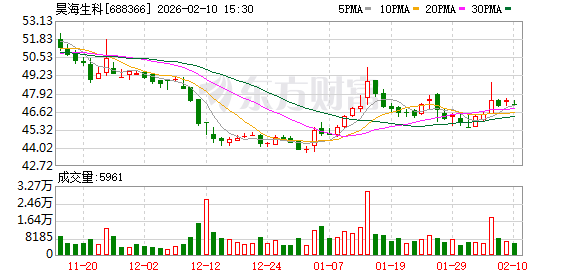
国家卫健委提醒:生活类美容机构无“轻医美”资质 别上当
Nan Fang Du Shi Bao· 2026-02-10 14:08
Core Viewpoint - The rapid development of the medical beauty industry, particularly "light medical beauty" practices, has raised concerns about health risks due to unqualified practitioners and illegal training programs [1][3] Group 1: Industry Concerns - "Light medical beauty" refers to non-surgical medical beauty projects conducted through injections, phototherapy, and biotechnology, which must be performed in qualified medical institutions by professional medical personnel [3] - There is a growing trend of unqualified businesses exploiting "appearance anxiety" to promote illegal practices, including unauthorized "light medical beauty crash courses" that lead to health risks for the public [1][3] Group 2: Regulatory Emphasis - Non-medical beauty institutions, such as beauty salons and nail shops, are strictly prohibited from offering "light medical beauty" services, emphasizing the importance of prioritizing health and safety over cost [3] - The promotion of "light medical beauty crash courses" often involves misleading marketing tactics that obscure qualifications and simplify techniques, leading to illegal medical practices and the issuance of fake training certificates [3]
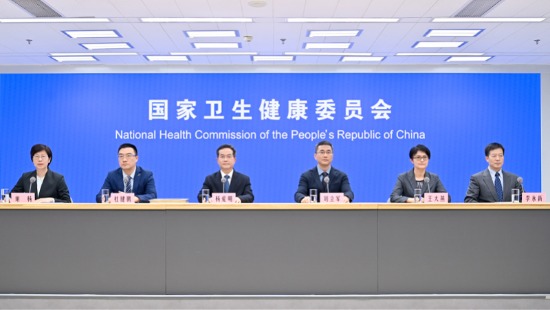
国家卫健委提示“轻医美”乱象:非法速成班、生活美容店暗藏健康风险
Bei Jing Shang Bao· 2026-02-10 10:32
Core Viewpoint - The National Health Commission has issued a clear warning regarding the "light medical beauty" industry, highlighting the risks associated with unqualified practitioners and illegal training programs that pose serious health threats to consumers [1][3][4]. Group 1: Industry Overview - "Light medical beauty" refers to non-surgical or minimally invasive medical beauty procedures aimed at achieving skin care, anti-aging, and body shaping effects, characterized by short recovery times and relatively low risks [3][4]. - The market for light medical beauty is rapidly growing, with an expected user base of 31.05 million in China by 2025. Among consumers, 46.02% prioritize "relatively controllable risks" when considering medical beauty projects, and light medical beauty accounts for 74.45% of the procedures they have undergone [3]. Group 2: Regulatory Concerns - The National Health Commission emphasizes that light medical beauty is a medical practice that must be conducted by licensed medical personnel in accredited medical institutions. It is strictly prohibited for lifestyle beauty salons, hair salons, and nail salons to offer such services [4]. - Illegal practices, such as "light medical beauty crash courses," mislead consumers by blurring the lines of qualifications and simplifying techniques, often leading to illegal medical practices, counterfeit training certificates, and the use of unapproved medical products [4]. Group 3: Public Health Recommendations - Experts at the press conference provided health protection advice related to flu prevention, spring health maintenance, and weight management, addressing public health concerns during the seasonal transition [6][7]. - Current flu activity is at a low level, with a downward trend in acute respiratory infections. The main circulating strain is the H3N2 subtype of the influenza virus [6].
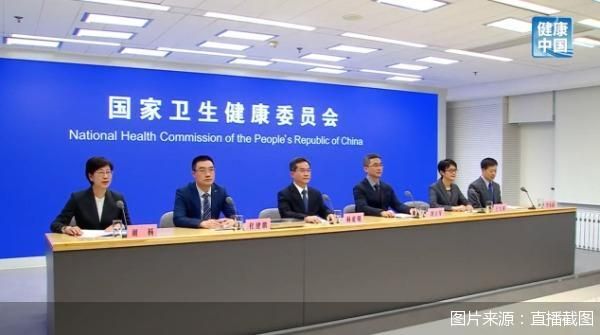
国家卫健委:严禁生活类美容机构开展“轻医美”项目
Bei Jing Shang Bao· 2026-02-10 08:32
Core Viewpoint - The National Health Commission of China has raised concerns about the "light medical beauty" industry, highlighting the risks associated with unqualified practitioners and illegal training programs [1] Industry Summary - The "light medical beauty" sector has rapidly developed, primarily involving laser and injectable treatments, attracting many consumers [1] - Unethical businesses exploit "appearance anxiety," concealing the risks of medical beauty procedures and conducting illegal "crash courses" for training [1] - Incidents of injury and disability have occurred due to unqualified individuals performing medical beauty procedures [1] Regulatory Emphasis - "Light medical beauty" refers to non-surgical medical beauty procedures conducted by qualified medical personnel in accredited medical institutions [1] - Non-medical establishments such as beauty salons, hairdressing shops, and nail salons are prohibited from offering "light medical beauty" services [1] Illegal Practices - "Crash courses" in medical beauty often misrepresent medical practices as lifestyle services, misleading consumers through vague qualifications and simplified techniques [1] - Common illegal activities include practicing medicine without a license, fraudulent training, illegal use of medical beauty products and devices, and issuing fake training certificates [1] - The National Health Commission advises the public to be wary of marketing phrases like "three-day crash course" and "zero foundation beginners welcome" [1]
国家卫健委:生活类美容机构、美发店、美甲店等严禁开展“轻医美”项目
Yang Shi Xin Wen· 2026-02-10 07:55
Core Viewpoint - The National Health Commission has raised concerns about the "light medical beauty" industry, highlighting the risks associated with unqualified practitioners and illegal training programs [1][2]. Group 1: Industry Overview - The "light medical beauty" sector has rapidly developed, primarily involving non-surgical procedures such as injections and laser treatments, attracting many consumers [1]. - Unqualified businesses exploit "appearance anxiety," concealing the risks of medical beauty procedures [1]. Group 2: Regulatory Warnings - "Light medical beauty" must be conducted in licensed medical institutions by qualified medical personnel, as it is fundamentally a medical practice [2]. - Non-medical establishments like beauty salons and nail shops are strictly prohibited from offering "light medical beauty" services [2]. Group 3: Illegal Practices - "Light medical beauty crash courses" misrepresent medical practices as lifestyle activities, often leading to illegal medical practices and the issuance of fake training certificates [2]. - Consumers are advised to be cautious of marketing phrases like "three-day crash course" or "zero foundation beginners welcome" [2].
美护板块进入击球区-如何挖掘个股机会
2026-02-10 03:24
Summary of Conference Call Records Industry Overview - The beauty and personal care sector is showing resilience after adjustments, with strong fundamentals and high historical valuation averages. The sector is expected to benefit from numerous new product launches and marketing activities in Q1 2026, particularly from companies like Proya and Betaini, as well as new materials approved in the medical beauty segment [1][2][3]. Key Points on Companies Proya - Proya's management has been adjusted, and new products are set to launch, with a high confidence level for revenue recovery. The current valuation is around 17 times earnings, significantly lower than the average cosmetics valuation of 25 times, indicating substantial room for valuation recovery [1][3]. - The company has successfully executed marketing strategies, particularly in the sunscreen category, achieving notable results even in off-peak seasons. The launch of upgraded product lines is expected to drive growth [4][5]. Betaini - Betaini has shown a clear turning point since Q4 of last year, with expected double-digit revenue growth and potentially higher profit growth. The new e-commerce head has driven high-quality growth in the main brand's e-commerce business [6]. - New brands like OXYNAT and Winona Baby, along with the acquisition of the Israeli beauty device brand Tripollar, are expected to contribute approximately 1 billion yuan in revenue this year, reducing reliance on a single brand [6]. Aimeike - Aimeike has recently obtained approval for botulinum products, which have significant growth potential. The company has established distribution channels that could lead to strong sales performance, similar to competitors that have achieved over 1 billion yuan in revenue from similar products [7]. Market Trends - The personal care industry has substantial room for growth in e-commerce penetration. Domestic companies are leveraging innovation to increase average transaction values and rapidly grow through high-leverage e-commerce channels. Notable performers include Ru Yuchen and Dengkang Oral Care [8]. - Smaller companies like Jieya, Yanjiang, and Nuobang are gaining attention as they are positioned to benefit from improved downstream demand, leading to performance growth [9]. Noteworthy Companies in the Hong Kong Market - Companies like Juzi, Shangmei, and Maogeping are highlighted for their resilience post-pandemic. Juzi and Shangmei have effectively managed public relations, maintaining brand strength and channel capabilities. Maogeping is recognized for its strong brand power and stable offline channels, despite a higher valuation [10][11]. Investment Outlook - The cosmetics industry is characterized by varying performances among companies. Brands with strong market presence and stable channels, like Maogeping, are expected to show less volatility and maintain growth potential in the long term [12]. This summary encapsulates the key insights from the conference call records, focusing on the beauty and personal care industry, specific company performances, and market trends.