
服装制造

Search documents
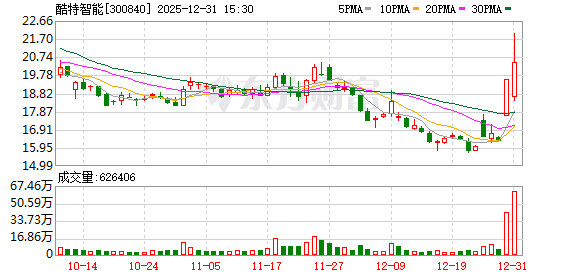
酷特智能12月31日龙虎榜数据
Zheng Quan Shi Bao Wang· 2025-12-31 09:16
Group 1 - The stock of Cooltech Intelligent increased by 4.55% with a turnover rate of 35.37% and a transaction volume of 1.276 billion yuan, showing a volatility of 19.53% [2] - The stock was listed on the Shenzhen Stock Exchange due to its turnover rate reaching 35.37%, with a net sell of 12.32 million yuan from the Shenzhen Stock Connect [2] - The top five trading departments accounted for a total transaction volume of 276 million yuan, with a buying amount of 93.06 million yuan and a selling amount of 182 million yuan, resulting in a net sell of 89.43 million yuan [2] Group 2 - The first major buying department was the Shenzhen Stock Connect, with a buying amount of 21.60 million yuan and a selling amount of 33.92 million yuan, leading to a net sell of 12.32 million yuan [2] - The main funds for the stock experienced a net outflow of 5.34 million yuan, with a net inflow of 22.77 million yuan from large orders and a net outflow of 28.11 million yuan from major funds [2] - Over the past five days, the main funds have seen a net inflow of 268 million yuan [2]


三大股指期货齐跌 美联储会议纪要公布在即 高盛力挺美国经济“软着陆”叙事
Zhi Tong Cai Jing· 2025-12-30 14:16
Market Movements - US stock index futures are all down, with Dow futures down 0.06%, S&P 500 futures down 0.07%, and Nasdaq futures down 0.10% [1] - European indices show positive movement, with Germany's DAX up 0.25%, UK's FTSE 100 up 0.35%, France's CAC40 up 0.29%, and the Euro Stoxx 50 up 0.46% [2][3] - WTI crude oil is up 0.34%, priced at $58.28 per barrel, while Brent crude is also up 0.34%, priced at $61.70 per barrel [3][4] Economic Insights - Goldman Sachs supports the narrative of a "soft landing" for the US economy, driven by the easing of tariff pressures, tax cuts, and interest rate reductions. They predict strong growth resilience extending into 2026, with economic growth expected to exceed market forecasts [5] - Bank of America CEO Brian Moynihan warns against excessive focus on the Federal Reserve, stating that the US economy is much larger than the Fed and should not be overly influenced by its rate adjustments [6] Debt Market - The ICE BofA MOVE index, which measures expected volatility in the bond market, has dropped significantly to around 59, the lowest since October 2021, and is on track for one of the steepest annual declines since 2009 [7] Oil Market - OPEC+ is expected to reaffirm its decision to pause production increases in the first quarter of next year due to signs of oversupply in the global oil market, with oil prices having dropped 17% this year [8] Company News - Meta has agreed to acquire AI startup Manus, which could enhance its AI infrastructure and product offerings as part of a broader $600 billion investment in AI [9] - Lululemon's founder Chip Wilson has initiated a proxy battle to nominate three independent directors to the board amid dissatisfaction with the company's strategic direction and a significant drop in stock price [10] - MicroStrategy has purchased $108.8 million worth of Bitcoin, increasing its total holdings to 672,497 Bitcoins, valued at approximately $50.4 billion [11] - Tesla has publicly disclosed a more pessimistic forecast for Q4 vehicle deliveries, estimating 422,850 units, a 15% decline year-over-year, compared to a market estimate of 445,061 units [12]

美股前瞻|三大股指期货齐跌 美联储会议纪要公布在即 高盛力挺美国经济“软着陆”叙事
智通财经网· 2025-12-30 13:29
Market Movements - US stock index futures are all down, with Dow futures down 0.06%, S&P 500 futures down 0.07%, and Nasdaq futures down 0.10% [1] - European indices show positive movement, with Germany's DAX up 0.25%, UK's FTSE 100 up 0.35%, France's CAC 40 up 0.29%, and the Euro Stoxx 50 up 0.46% [1] - WTI crude oil is up 0.34% at $58.28 per barrel, and Brent crude oil is also up 0.34% at $61.70 per barrel [1] Economic Outlook - Goldman Sachs supports the narrative of a "soft landing" for the US economy, driven by the easing of tariff headwinds, tax cuts, and interest rate reductions [2] - The firm predicts strong economic growth resilience in 2025, with growth expected to accelerate in 2026 due to favorable financial conditions and reduced inflationary pressures [2] - Despite recent stagnation in the non-farm employment market, factors such as AI data center construction and significant tax refunds are expected to boost economic momentum [2] Corporate Developments - Bank of America CEO Brian Moynihan warns against excessive focus on the Federal Reserve, stating that the US economy is much larger than the Fed's influence [3] - Moynihan emphasizes the need for an independent Federal Reserve, cautioning that political interference could lead to market repercussions [3] - Former President Trump hints at potentially dismissing current Fed Chair Jerome Powell, indicating he has a preferred successor but is not in a rush to announce [3] Bond Market Insights - The ICE BofA MOVE index, a key measure of bond market volatility, has dropped significantly to around 59, the lowest since October 2021 [4] - This decline is expected to result in one of the steepest annual drops since 2009, following the financial crisis [4] - A reduction in long-term debt supply by the US Treasury could enhance the price performance of long-term bonds in a low-volatility environment [4] Oil Market Dynamics - OPEC+ is expected to reaffirm its decision to pause production increases in the first quarter of next year due to signs of oversupply in the global oil market [5] - The group, led by Saudi Arabia and Russia, will hold a meeting on January 4 to review this decision [5] - Oil prices have fallen by 17% this year, marking the largest annual decline since 2020, amid increasing supply and slowing demand [5] Company-Specific News - Meta has agreed to acquire AI startup Manus, which could enhance its AI-driven commercial initiatives [7] - CEO Mark Zuckerberg has committed to investing $600 billion in US infrastructure projects over the next three years, primarily focused on AI [7] - Lululemon's founder Chip Wilson is initiating a proxy battle to nominate independent directors to the board amid dissatisfaction with the company's strategy [8] - Strategy has purchased $108.8 million worth of Bitcoin, increasing its total holdings to 672,497 Bitcoins valued at $50.4 billion [9] - Tesla has publicly disclosed a more pessimistic forecast for Q4 vehicle deliveries, estimating 422,850 units, a 15% decline year-over-year [10]


美股前瞻 | 三大股指期货齐跌 美联储会议纪要公布在即 高盛力挺美国经济“软着陆”叙事
智通财经网· 2025-12-30 12:02
Market Movements - US stock index futures are all down ahead of the market opening, with Dow futures down 0.06%, S&P 500 futures down 0.07%, and Nasdaq futures down 0.10% [1] - European indices show positive movement, with Germany's DAX up 0.25%, UK's FTSE 100 up 0.35%, France's CAC 40 up 0.29%, and the Euro Stoxx 50 up 0.46% [2][3] - WTI crude oil is up 0.34%, priced at $58.28 per barrel, while Brent crude oil is also up 0.34%, priced at $61.70 per barrel [3][4] Economic Insights - Goldman Sachs supports the narrative of a "soft landing" for the US economy, citing factors such as the easing of tariff headwinds, tax cuts, and interest rate reductions as drivers of growth. They predict strong economic resilience extending into 2026, with growth rates expected to exceed market forecasts [4] - Bank of America CEO Brian Moynihan warns against excessive focus on the Federal Reserve, stating that the US economy is much larger than the Fed and should not be overly influenced by its rate adjustments [5] Company News - Meta has agreed to acquire the AI startup Manus, which could enhance its AI infrastructure and product offerings. CEO Mark Zuckerberg has committed to investing $600 billion in US infrastructure projects over the next three years, primarily related to AI [8] - Lululemon's founder Chip Wilson has initiated a proxy fight to nominate three independent directors to the board, following a significant drop in the company's stock price and challenges in appealing to younger consumers [9] - Strategy has purchased $108.8 million worth of Bitcoin, increasing its total holdings to 672,497 Bitcoins, valued at approximately $50.4 billion [10] - Tesla has publicly disclosed a pessimistic forecast for Q4 vehicle deliveries, estimating 422,850 units, a 15% decline year-over-year, which is lower than market expectations [11]

民企显身手 奋进正当时|京津冀协同发展下,格雷时尚与热景生物的产业跃迁之路
Bei Jing Shang Bao· 2025-12-30 08:56
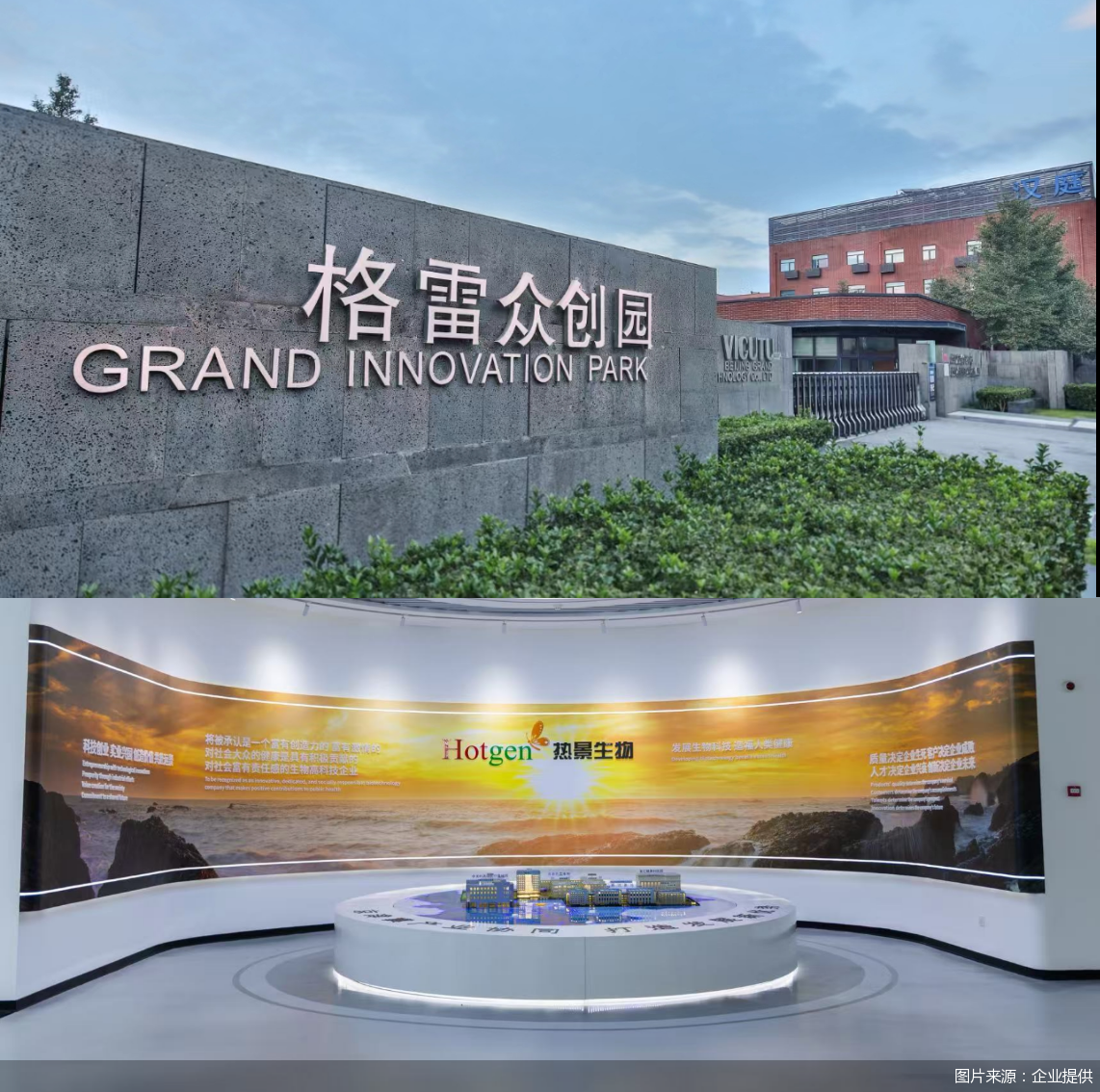
Core Insights - The article discusses the ongoing industrial upgrades in the Beijing-Tianjin-Hebei region, highlighting how local private enterprises are responding to national strategies through proactive layouts and collaborations [2] Group 1: Grey Fashion Technology Co., Ltd. - Grey Fashion relocated its production center to Hebei in 2015, investing 1.5 billion yuan to build a modern industrial park, which has led to a significant restructuring of its supply chain [3] - The company transformed its original production site in Beijing into an innovation incubator called "Grey Innovation Park," attracting over 170 enterprises and becoming a key platform for industrial upgrades and innovation [3][5] - Since 2017, Grey Fashion has invested over 35 million yuan in digital transformation, resulting in a significant increase in revenue from its high-end customization business, which grew from 30 million yuan to 100 million yuan [5] Group 2: Hotgen Biotech Co., Ltd. - Hotgen Biotech, established in 2005, has developed a clear growth path through the Beijing-Tianjin-Hebei collaborative development strategy, establishing a production base in Langfang in 2016 [6] - The Langfang base has become a crucial site for the production and commercialization of over 200 in vitro diagnostic products, significantly increasing the company's production capacity from millions to tens of millions [6] - Hotgen has expanded from diagnostics to innovative drugs, with over 100 diagnostic products and a focus on developing antibody and nucleic acid drugs, including a first-in-class drug for acute myocardial infarction [7]

中国香港服装生产商韦恩(DNJF.US)IPO定价5-7美元/股 拟筹资1500万美元
智通财经网· 2025-12-30 06:41
Core Viewpoint - Riverstone Holdings Limited has submitted an IPO application to list on the NASDAQ under the ticker "DNJF," aiming to raise $15 million by offering 2.5 million shares at a price range of $5 to $7 per share, which would value the company at $75 million at the midpoint of the proposed range [1] Company Overview - Riverstone is headquartered in Hong Kong and operates as a B2B and B2C fast fashion supply chain management service provider, offering comprehensive solutions including market trend analysis, product design, raw material procurement, production, quality control, and logistics management [1] - The company serves a diverse clientele primarily located in Australia, Mexico, the UK, and the US [1] - Riverstone has a manufacturing facility in China covering over 13,000 square meters, with a monthly production capacity of 600,000 garments [1] - The company also operates its own brand, DOUBLE CRAZY [1] Financial Performance - For the 12 months ending March 31, 2025, Riverstone is projected to achieve revenues of $46 million [1] - The IPO application was submitted confidentially on April 11, 2025, with Joseph Gunnar acting as the sole book-running manager for the transaction [1]
“工资涨了,干活更有劲了”
Xin Lang Cai Jing· 2025-12-28 20:28
Group 1 - The collective wage negotiation in the garment industry of Fucheng County, Hebei Province, has led to an increase in workers' wages, enhancing their motivation and job satisfaction [1] - The garment industry in Fucheng County employs over 2,000 workers, facing issues such as chaotic competition and high turnover rates due to low entry barriers and technical requirements [1] - A collective bargaining group was formed, consisting of worker representatives, enterprise representatives, and union staff, to address wage concerns and promote long-term development [1] Group 2 - The agreement stipulates that frontline workers' wages should not be less than 26 yuan/hour, with a piece rate of 5 yuan/item and an annual increase of 5% in base salary for seniority [2] - After six months of implementing the agreement, the average monthly wage of workers increased by nearly 300 yuan, and the industry experienced a 15% year-on-year growth in output value [2] - The local union plans to continue monitoring the implementation of the agreement and explore the possibility of applying this model to other labor-intensive industries in the region [2]
洞察新需求 激发创新力 专家学者探索民营经济焕新路径
Xin Hua Wang· 2025-12-25 12:52
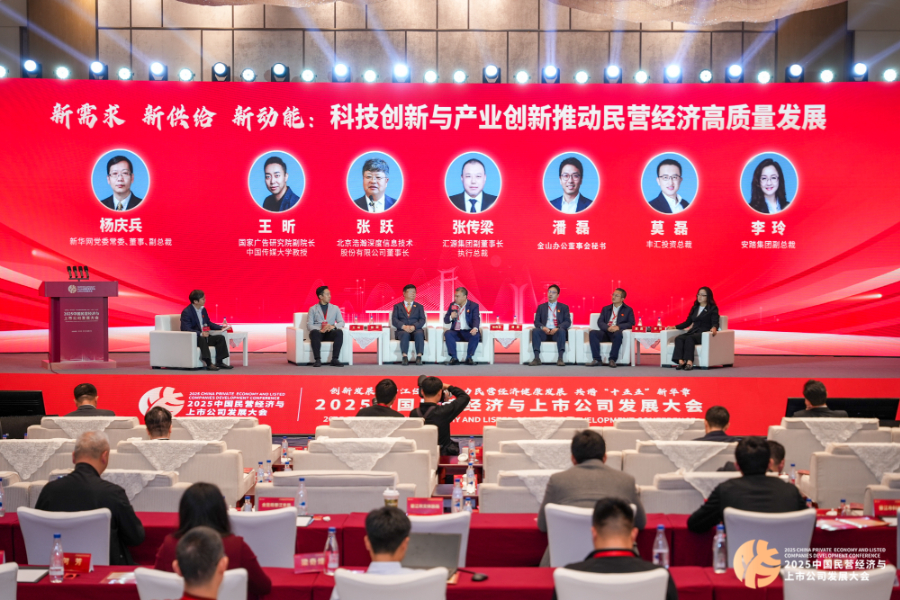
Core Insights - The 2025 China Private Economy and Listed Companies Development Conference focused on "New Demand, New Supply, New Momentum: Technological Innovation and Industrial Innovation Driving High-Quality Development of the Private Economy" [1] Group 1: New Demand and Development Momentum - Identifying and seizing new consumer demands is a key factor for development opportunities, with experts noting four significant changes in the current consumption market: a shift from cost-performance ratio to quality-price ratio, the rise of value-based consumption, the emergence of digital-integrated consumption, and changes in consumption structure with more segmented demographics [4] - Huiyuan Group's executive highlighted the increasing consumer demand for health, leading the company to develop a full industry chain from fruit cultivation to juice production to meet these needs [4] - Kingsoft Office emphasized the importance of addressing new user needs and pain points to empower enterprises for sustainable development [5] Group 2: Technological Innovation as Core Competitiveness - The current period presents a critical opportunity for the private economy to transform and enhance efficiency, with technological innovation being the core competitive advantage [6] - Acknowledgment of the resilience of private enterprises in China, as many continue to invest in R&D and technology transfer despite challenges [6] - Anta's vice president noted that the company has invested over 20 billion yuan in technological innovation over the past decade, achieving self-innovation and production capabilities [6] - The importance of creating a virtuous cycle of "technological innovation - industrial transformation - capital empowerment - re-innovation" to enhance the effectiveness of technological innovation and support industrial development was emphasized by industry leaders [6]
肥乡微工厂拓宽群众致富路
Xin Lang Cai Jing· 2025-12-24 22:53
Core Viewpoint - The development of micro-factories in Feixiang District is significantly enhancing local employment opportunities and boosting the economy through specialized production activities [1] Group 1: Micro-factory Development - The micro-factories in rural areas are thriving despite winter, focusing on unique products like rattan chairs, clothing, and coarse cloth, which provide local employment opportunities [1] - The rattan chair weaving industry in Jizetun Village has become a key income-generating sector, involving over 7,000 households across 34 villages, with a daily production of over 2,000 rattan products and an annual output value of 286 million yuan [1] Group 2: Economic Impact and Support - Feixiang District is leveraging micro-factories as a strategy to increase villagers' income and strengthen collective economies through policy support, resource allocation, and platform development [1] - In Suojiazai Village, five micro-factories have been established, providing flexible job positions and free skills training for different age groups, thereby facilitating business growth and collective benefits [1]
新城区产业数字化转型开新局
Xin Lang Cai Jing· 2025-12-24 19:52
Core Insights - The digital transformation of industrial enterprises in Hohhot's new district is making significant progress, with 18 companies initiating renovation projects and over 10 completing them, showcasing successful outcomes from companies like Xinglu Metal Structure, Weilang Clothing, and Huaifeng Technology [1][2] Group 1: Digital Transformation in Manufacturing - Xinglu Metal Structure's transformation highlights the shift from traditional manufacturing to smart manufacturing, achieving a product flatness quality rate increase from 85% to 98%, a 30% reduction in production cycle, and a 40% decrease in labor costs through the introduction of CNC intelligent production lines and industrial robots [3] - Weilang Clothing's digital transformation focuses on agile production, utilizing systems like Youxian U8+ and Yina MES to create a data flow from sales to production, reducing inventory turnover days from 95 to 53 and maintaining a product qualification rate of over 99.9% [4] Group 2: Role of Technology Service Providers - Huaifeng Technology exemplifies the integration of technical services with industry needs, developing solutions for the dairy industry that enhance production scheduling efficiency by 40% and reduce energy consumption by 18% through the deployment of smart sensing devices and edge computing gateways [4] - The success of these companies reflects a broader trend of traditional industries embracing digital transformation, supported by government and enterprise collaboration that fosters an innovative and supportive ecosystem for digital upgrades [4]