
锂离子电池制造

Search documents
权威发布|国民经济延续稳中有进发展态势
Ren Min Ri Bao· 2025-11-15 04:13
Core Viewpoint - The national economy in October 2023 continued to show a stable growth trend, with steady production demand, stable employment and prices, and ongoing transformation and upgrading [1] Economic Operation Overview - Production supply continued to grow, with agricultural production performing well and industrial production remaining stable, as evidenced by a 4.9% year-on-year increase in industrial added value in October [2] - Market sales expanded, with a 2.9% year-on-year increase in total retail sales of consumer goods in October, driven by consumption-boosting initiatives and holiday economic activities [2] Employment and Price Stability - The urban unemployment rate was 5.1% in October, marking a decline for two consecutive months [3] - Positive changes in prices were noted, with consumer prices turning from decline to increase and a narrowing decrease in industrial producer prices [3] Investment Structure and Potential - Fixed asset investment saw a year-on-year decline of 1.7% from January to October, with a 1.1% decrease in exports during the same period [4] - Despite the slowdown in investment growth, manufacturing investment increased by 2.7% year-on-year, accounting for 25.6% of total investment, up by 1.1 percentage points from the previous year [4] Outlook for the Year - There are favorable conditions for achieving the annual economic and social development goals, despite facing risks and challenges [5] - The economy has shown rapid growth this year, with stable employment and prices, laying a solid foundation for achieving annual targets [6] - The potential for demand continues to be released, with active market sales and a focus on strengthening domestic circulation [6]
国民经济延续稳中有进发展态势
Ren Min Ri Bao· 2025-11-15 02:09
Core Viewpoint - The national economy in October 2023 continued to show a stable growth trend, with steady production demand, stable employment and prices, and ongoing transformation and upgrading [1] Economic Operation Overview - Production supply continued to grow, with agricultural production performing well and industrial production remaining stable, as evidenced by a 4.9% year-on-year increase in industrial added value in October [2] - Market sales expanded, with a 2.9% year-on-year increase in total retail sales of consumer goods in October, driven by consumption-boosting initiatives and holiday economic activities [2] Employment and Price Stability - The urban unemployment rate was 5.1% in October, marking a decline for two consecutive months [3] - Positive changes in prices were noted, with consumer prices turning from decline to increase and a narrowing decline in producer prices; specific industries like lithium-ion battery manufacturing and photovoltaic equipment saw price increases of 0.2% and 0.6% respectively [3] Investment Structure and Potential - Fixed asset investment saw a year-on-year decline of 1.7% from January to October, with a 1.1% decrease in exports; however, investment in manufacturing grew by 2.7% during the same period, indicating an optimization in investment structure [4] - The manufacturing sector's investment accounted for 25.6% of total investment, up 1.1 percentage points from the previous year, highlighting the ongoing potential for investment growth in various sectors [4] Outlook for the Year - The economic environment is conducive to achieving annual development goals, despite facing risks and challenges; the long-term positive trends and support conditions for the economy remain unchanged [5] - The economy has shown rapid growth this year, with stable employment and prices, and a balanced international payment situation, laying a solid foundation for achieving annual targets [6] - Demand potential continues to be released, with active market sales in tourism, culture, sports, and online consumption, indicating a robust domestic market [6] - The cultivation of new productive forces is evident, with significant growth in smart product manufacturing and green material production [6] - Ongoing macro policies are effectively implemented, contributing to demand expansion and economic stability [6]
前10个月新需求不断扩大、新兴产业发展提速 我国经济转型升级态势持续
Jing Ji Ri Bao· 2025-11-15 01:35
Core Insights - The overall economic operation remains stable, with steady growth in production and demand, stable employment and prices, and ongoing transformation and upgrading of the economy [1][2][7] Economic Performance - In October, industrial production maintained stability, with the industrial added value of large enterprises increasing by 4.9% year-on-year [2] - The service sector's production index grew by 4.6% year-on-year, although the growth rate slightly declined due to a high base from the previous year [2] - Retail sales of consumer goods increased by 2.9% year-on-year in October, supported by holiday economic activities [2] Employment and Prices - The urban unemployment rate was 5.1% in October, marking a decrease for two consecutive months, with specific groups showing improved employment rates [2] - The consumer price index (CPI) turned from decline to growth in October, with the core CPI rising by 1.2% year-on-year, indicating a positive price trend [3] Structural Adjustments and New Growth Drivers - The economy is undergoing structural adjustments, with new growth drivers such as the digital economy and platform economy expanding rapidly [4][6] - The proportion of advanced manufacturing and modern services is increasing, with the added value of equipment manufacturing growing by 9.5% year-on-year [5] Future Outlook - The economic foundation remains strong, with favorable conditions for achieving annual targets, including a GDP growth of 5.2% year-on-year in the first three quarters [7][8] - The government is implementing proactive macro policies to stimulate demand and production, including a new policy financial tool worth 500 billion yuan [8]
国民经济延续稳中有进发展态势(权威发布)
Ren Min Ri Bao· 2025-11-14 22:03
Core Viewpoint - The national economy in October 2025 continued to show a stable growth trend, with steady production demand, stable employment and prices, and ongoing transformation and upgrading [1] Economic Operation Overview - Production supply continued to grow, with agricultural production performing well and industrial production remaining stable, as evidenced by a 4.9% year-on-year increase in industrial added value in October [2] - Market sales expanded, with a 2.9% year-on-year increase in total retail sales of consumer goods in October, driven by consumption-boosting initiatives and holiday economic activities [2] Employment and Price Stability - The urban surveyed unemployment rate in October was 5.1%, marking a decline for two consecutive months [3] - Positive changes in prices were noted, with consumer prices turning from decline to increase and a narrowing of the decline in industrial producer prices [3] Investment Structure and Potential - Fixed asset investment saw a year-on-year decline of 1.7% from January to October, with a 1.1% decrease in exports in October [4] - Despite the slowdown in investment growth, the structure is optimizing, particularly in manufacturing, which saw a 2.7% year-on-year increase in investment from January to October [4] Outlook for the Year - There are favorable conditions for achieving the annual economic and social development goals, despite existing risks and challenges [5] - The economy has laid a solid foundation for achieving annual targets, with stable growth, employment, and prices, as well as a balanced international payment situation [6] Demand and Production Capacity - Market sales are steadily expanding, with active tourism, cultural, sports, and online consumption [6] - New productive forces are being cultivated, with significant growth in smart product manufacturing, including a 54.7% year-on-year increase in smart unmanned aerial vehicle manufacturing [6] Macro Policy Effects - The implementation of more proactive macro policies has positively impacted demand expansion and production increase, contributing to economic stability [6] - The overall economic foundation remains strong, with multiple advantages and resilience, supporting continued positive development [6]
10月国民经济数据最新解读
2 1 Shi Ji Jing Ji Bao Dao· 2025-11-14 14:55
Core Insights - The economic indicators for October showed a downward trend due to factors such as last year's high base, deep adjustments in the real estate sector, and weak domestic demand [1][3][4] - Despite the challenges, there are positive signs in the economy, particularly in service retail sales and the manufacturing of high-tech products [1][4][9] - The need for stronger growth policies is increasing to counteract the current economic pressures and promote recovery [1][12][13] Economic Performance - In October, the industrial added value and service production index both recorded their lowest monthly growth rates of the year, with industrial added value growing by 4.9%, down 1.6 percentage points from the previous month, and service production index growing by 4.6%, down 1 percentage point [3][4] - Fixed asset investment from January to October decreased by 1.7%, with infrastructure investment down by 0.1% and real estate development investment down by 14.7% [5][11] - The total retail sales of consumer goods in October grew by 2.9%, marking the lowest monthly growth rate of the year [4][5] Sectoral Analysis - High-tech manufacturing sectors, such as equipment manufacturing, saw an increase of 8%, indicating a shift towards mid-to-high-end manufacturing [4][7] - Investment in high-tech fields, including new energy and artificial intelligence, is expanding, with aerospace and information services seeing significant growth rates of 19.7% and 32.7%, respectively [5][11] - The disparity between high-tech industries and traditional sectors is widening, with high-tech manufacturing and services showing robust growth while traditional sectors face challenges [7][12] Policy Implications - The introduction of 500 billion yuan in new policy financial tools and another 500 billion yuan in local debt limits is aimed at stabilizing the economy, although the effects are expected to take time to materialize [11][12] - There is a call for additional fiscal measures to support consumer spending and investment, particularly in the real estate sector, to prevent further declines [12][13] - The overall economic stability is seen as a foundation for achieving the annual growth target of around 5% [9][12]


基数抬升扰动下的10月经济:新动能加快塑造,政策持续加力
2 1 Shi Ji Jing Ji Bao Dao· 2025-11-14 12:52
Core Viewpoint - The economic indicators for October show a downward trend influenced by last year's high base, deep adjustments in the real estate sector, and weak domestic demand, although there are still positive signs in certain areas such as service retail growth and advancements in high-tech manufacturing [2][3][4]. Economic Indicators - In October, the industrial added value and service production index both recorded the lowest monthly growth rates of the year, with industrial added value growing by 4.9%, down 1.6 percentage points from the previous month, and service production growing by 4.6%, down 1 percentage point [3]. - The social retail sales growth rate for October was 2.9%, the lowest monthly growth rate of the year, with fixed asset investment (excluding rural households) declining by 1.7% year-on-year from January to October [4]. - The total import and export volume in October grew by 0.1%, with exports decreasing by 0.8% and imports increasing by 1.4%, reflecting a significant drop in growth compared to the previous month [5]. Policy Measures - A new policy package involving 500 billion yuan in new policy financial tools and 500 billion yuan in local debt limits has been introduced to stimulate investment and support local government finances [2][8]. - The effectiveness of these policies is expected to take time to materialize, with projections indicating significant impacts by the first quarter of 2026 [8][9]. Sectoral Performance - High-tech manufacturing sectors, such as equipment manufacturing and information technology services, continue to show robust growth, with equipment manufacturing value increasing by 8% and information technology services growing by 13% [3][4]. - Investment in high-tech sectors like aerospace and information services has seen substantial growth, with aerospace manufacturing investment increasing by 19.7% and information services by 32.7% from January to October [4]. Economic Outlook - Despite the downward pressure on economic indicators, achieving the annual growth target of around 5% remains likely, although there is a growing necessity for enhanced growth stabilization policies to address weak demand and the real estate market's challenges [9][10]. - Recommendations for policy adjustments include increasing fiscal spending, optimizing expenditure structures, and implementing further monetary easing to support economic recovery [10].
国家统计局:规范市场竞争显效 锂离子电池制造价格环比上涨
Nan Fang Du Shi Bao· 2025-11-14 05:47
Economic Overview - In October, the Consumer Price Index (CPI) turned from decline to increase, rising by 0.2% year-on-year, compared to a decrease of 0.3% in the previous month. The core CPI, excluding food and energy, increased by 1.2%, with the growth rate expanding by 0.2 percentage points from the previous month, marking six consecutive months of growth acceleration [1] - The Producer Price Index (PPI) decreased by 2.1% year-on-year in October, but the decline narrowed by 0.2 percentage points from the previous month, continuing a trend of three months of narrowing [1] Industry Performance - The prices in industries such as lithium-ion battery manufacturing and photovoltaic equipment manufacturing showed month-on-month increases of 0.2% and 0.6%, respectively, indicating a positive effect from the regulation of market competition [1] - The service sector's production index grew by 4.6% year-on-year in October, although the growth rate slowed compared to the previous month due to a higher base from the same period last year. However, the service sector's growth remains stable when viewed over two years and cumulative growth [1] Consumer Behavior - The holiday economy has had a significant impact, with retail sales of consumer goods continuing to grow. In October, the total retail sales of consumer goods increased by 2.9% year-on-year, with sales of products related to the trade-in of old goods maintaining rapid growth [2] - Retail sales of communication equipment and cultural office supplies increased by 23.2% and 13.5%, respectively, in the retail sector above designated size [2] - Increased travel during holidays has expanded consumption in tourism and cultural services, with service retail sales growing by 5.3% year-on-year from January to October, outpacing the growth rate of goods retail sales [2]
国家统计局:规范市场竞争显效,锂离子电池制造价格环比上涨
Nan Fang Du Shi Bao· 2025-11-14 05:44
Economic Overview - In October, the Consumer Price Index (CPI) turned from a decline to an increase, rising by 0.2% year-on-year, compared to a decrease of 0.3% in the previous month. The core CPI, excluding food and energy, increased by 1.2%, with the growth rate expanding by 0.2 percentage points from the previous month, marking six consecutive months of growth acceleration [1][3]. Producer Price Index (PPI) Trends - The Producer Price Index (PPI) saw a year-on-year decline of 2.1% in October, with the rate of decline narrowing by 0.2 percentage points from the previous month, continuing a trend of three months of narrowing declines. Prices in industries such as lithium-ion battery manufacturing and photovoltaic equipment manufacturing increased by 0.2% and 0.6% month-on-month, respectively [3]. Service Sector Performance - The service sector's production index grew by 4.6% year-on-year in October, although the growth rate slowed compared to the previous month due to a higher base from the same period last year. The growth in the service sector remains stable when viewed over two-year averages and cumulative growth. The combined impact of the National Day and Mid-Autumn Festival holidays accelerated growth in related services, with the accommodation and catering industry production index increasing by 3.9%, up 2.6 percentage points from the previous month [3]. Retail Sales Insights - The retail sales of consumer goods showed a year-on-year increase of 2.9% in October, supported by the holiday economy. Sales of goods related to the "old for new" consumption initiative maintained rapid growth. In October, retail sales of communication equipment and cultural office supplies increased by 23.2% and 13.5%, respectively. From January to October, service retail sales grew by 5.3%, outpacing the growth rate of goods retail sales [4].
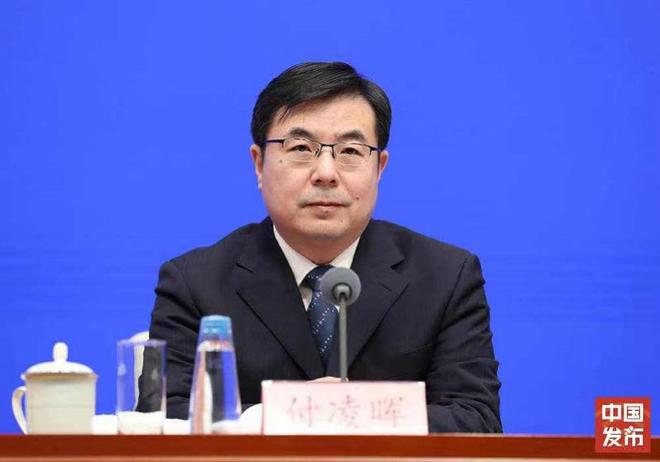
国家统计局:10月份国民经济延续稳中有进的发展态势
Yang Shi Wang· 2025-11-14 02:44
Economic Overview - The national economy continues to show a stable and progressive development trend, with steady growth in production and demand, stable employment and prices, and ongoing transformation and upgrading [1][4] Production and Supply - Agricultural production remains strong, with an increase in autumn grain area and yield, indicating a good harvest for the year. Industrial production is stable, with a 4.9% year-on-year increase in the added value of large-scale industries in October. The equipment manufacturing sector outperformed, growing by 8% [1][3] Market Sales - Retail sales of consumer goods increased by 2.9% year-on-year in October, driven by holiday economic activities. Notably, sales of communication equipment and cultural office supplies grew by 23.2% and 13.5%, respectively [2][3] Employment Situation - The urban survey unemployment rate decreased to 5.1% in October, down 0.1 percentage points from the previous month. The unemployment rate for migrant agricultural workers was 4.5%, indicating a stable employment situation overall [2][3] Price Trends - The Consumer Price Index (CPI) rose by 0.2% year-on-year in October, reversing a previous decline. The core CPI, excluding food and energy, increased by 1.2%, marking a continuous expansion in the growth rate [3] Transformation and Upgrading - High-tech manufacturing continues to grow, with a 7.2% year-on-year increase in added value for large-scale high-tech manufacturing in October. The export of high-tech products rose by 7.3% in the first ten months [3][4]
10月CPI和PPI点评:“投资于人”背景下预计核心CPI涨幅延续
Changjiang Securities· 2025-11-11 06:13
Report Industry Investment Rating No information provided in the document. Core View of the Report - In October 2025, CPI turned positive year-on-year for the first time this year, and PPI increased 0.1% month-on-month. Core CPI continued to rise, potentially driven by the "Investing in People" policy, supported by both service and industrial consumer prices. The drag from food and energy weakened. The prices of upstream extraction and processing and key manufacturing industries for capacity management in PPI stabilized and rebounded, with marginal improvement in the supply-demand relationship. The low-price environment continued to improve, but due to the holiday demand in October, the transmission from industrial products to consumer goods needed further observation. Prices were expected to continue a mild improvement, but the bond market had already priced in price expectations to a certain extent, so the impact of prices on the bond market within the year might be limited. The yield of the active 10-year Treasury bond (tax-free) was expected to decline to 1.65%-1.7%, and the yield of the taxable bond to 1.7%-1.75% [2]. Summary by Relevant Catalog Event Description - In October 2025, CPI rose 0.2% month-on-month and 0.2% year-on-year, higher than the consensus forecast of -0.05%. Core CPI rose 1.2% year-on-year, with the increase expanding for the sixth consecutive month. PPI increased 0.1% month-on-month, turning from flat in the previous month, and decreased 2.1% year-on-year, with the decline narrowing by 0.2 percentage points compared to the previous month, higher than the consensus forecast of -2.3% [6]. Event Review - **Core CPI Continued to Rise**: In October, core CPI rose 1.2% year-on-year, reaching a new high since March 2024. Service prices increased 0.8% year-on-year, with travel-related consumption strong and tourism prices rising 2.5% month-on-month above the seasonal level. Medical and household service prices rose 2.4% and 2.3% year-on-year respectively. Industrial consumer goods (excluding energy) prices continued to improve, rising 2.0% year-on-year. With the government emphasizing "Investing in People" policies, core CPI might maintain its resilience [10]. - **Food and Energy Drag Weakened, CPI Turned Positive Year-on-Year**: In October, CPI turned positive year-on-year to 0.2%, rising 0.2% month-on-month slightly above the seasonal level. Food prices decreased 2.9% year-on-year, but the decline narrowed by 1.5 percentage points compared to the previous month, with a 0.3% month-on-month increase stronger than the seasonal level. Energy prices decreased 2.4% year-on-year, and the drag on the overall CPI weakened compared to the previous month [10]. - **PPI Turned Positive Month-on-Month, Upstream and Key Manufacturing Prices Rebounded**: In October, PPI increased 0.1% month-on-month, the first positive growth this year, and the year-on-year decline narrowed to 2.1%, improving for the third consecutive month. Production material prices stabilized, with coal, non-ferrous metals and other upstream industries showing obvious price rebounds. Under the promotion of key industry capacity management, the year-on-year decline in prices of photovoltaic equipment, battery manufacturing, and automobile manufacturing narrowed [10]. - **High - end Manufacturing Showed Resilience, but Downstream Pressure Remained**: The prices of computer整机 manufacturing, lithium - ion battery manufacturing, and integrated circuit manufacturing all turned from decline to increase month-on-month. However, the prices of consumer durables and clothing remained weak, and traditional chemical and non-metallic product industries were still under pressure due to factors such as the decline in international oil prices and the adjustment of the real estate market [10]. - **Low - price Environment Improved, but Transmission Needed Observation**: The improvement in October data was partly driven by the temporary demand during the National Day and Mid - Autumn Festival holidays. Prices were expected to continue a mild improvement within the year. The bond market had already priced in price expectations to a certain extent, so the impact of prices on the bond market within the year might be limited [10].