
集成电路

Search documents
广州南沙立下“十五五”发展目标 力争工业总产值突破7000亿元
Nan Fang Ri Bao Wang Luo Ban· 2026-01-05 08:08
Core Insights - The event held in Nansha on January 4 recognized 30 private enterprises and 79 entrepreneurs for their contributions to the region's high-quality economic and social development [1] Group 1: Development Goals - Nansha aims to establish itself as a model area for Chinese-style modernization during the "15th Five-Year Plan" period, focusing on activating reform, opening up, and innovation [1][2] - The region plans to implement a "five-port linkage" development strategy, enhancing its role as a hub for international trade and aiming for an annual container throughput of 27 million TEUs during the "15th Five-Year Plan" [1][2] Group 2: Innovation and Industry - Nansha will accelerate the construction of major platforms like the Nansha Science City and the Hong Kong University of Science and Technology (Guangzhou) Innovation Zone, aiming to create a comprehensive innovation ecosystem [2] - The region will support the transformation and upgrading of traditional industries, promote the "Artificial Intelligence +" initiative, and foster emerging industries, targeting an industrial output value exceeding 700 billion yuan during the "15th Five-Year Plan" [2] Group 3: Talent Attraction - Nansha plans to implement the "Qing Chu Yu Nan" initiative to attract over 100,000 university graduates during the "15th Five-Year Plan," focusing on gathering innovative talent and supporting small and medium-sized enterprises [2] Group 4: Urban Development - The region aims to enhance its living environment by improving transportation, urban services, and integrating high-quality medical and educational resources, creating a desirable future city [3]
上海浦东:50个重点项目落地 十大硬核产业集群规划发布
Zhong Guo Xin Wen Wang· 2026-01-05 07:47
与此同时,浦东各产业集群将聚焦核心赛道提质增效,如集成电路坚持"设计引领、全链布局",生物医 药瞄准"源创首发、走向世界",智能网联汽车发力"整车带动、创新应用",同时联动特色载体实现辐射 周边区域的发展格局。 大会同步发布浦东2026年抓投资、优环境、促发展专项政策包,旨在实现从"输血式"扶持到"造血式"生 态培育的关键转型。政策包涵盖科技创新、小微双创、产业升级、金融护航、人才引智等多个专项,将 全面赋能企业内生增长动能。(完) (文章来源:中国新闻网) 值得关注的是,在会议现场,浦东新区科技和经济委员会正式发布《"十五五"浦东新区十大硬核产业集 群方案》(以下简称《方案》)。《方案》以培育壮大新质生产力为引领,明确将聚力打造十大硬核产业 集群,加快构建以三大先导产业为引领、先进制造业为骨干的现代化产业体系。 根据规划,浦东将推动集成电路、生物医药、智能网联汽车、软件信息服务业四大集群迈上5000亿元规 模,人工智能、智能终端两大集群冲刺2000亿元规模,民用航空、船舶海工、具身智能、新型能源四大 集群达成1000亿元规模。 中新网上海1月5日电 (记者李姝徵)2026年伊始,上海浦东聚焦投资与产业双驱动 ...
锚定新质生产力 20余省份差异化破局
Bei Jing Shang Bao· 2026-01-05 06:53
Core Viewpoint - The article emphasizes the importance of "new quality productivity" as a driving force for China's economic transformation, focusing on digitalization and green transition in traditional industries, while strategic emerging industries become growth engines for the future [1][5][8]. Group 1: New Quality Productivity - New quality productivity integrates technological innovation, industrial upgrading, and green transformation, serving as a core strategy for regions to break free from traditional paths and create competitive advantages [1][5]. - The "14th Five-Year Plan" and the "15th Five-Year Plan" highlight the need for localities to develop new quality productivity tailored to their unique resources and industrial foundations [1][5]. Group 2: Technological Innovation - Regions recognize the critical role of technological innovation in fostering new quality productivity, with plans to enhance innovation capabilities across various provinces [5][6]. - Beijing aims to strengthen independent innovation capabilities, targeting cutting-edge fields like artificial intelligence and quantum technology, while other provinces focus on specific technological advancements [5][6]. Group 3: Strategic Emerging Industries - The development of strategic emerging industries and future industries is a primary vehicle for building new quality productivity, with a focus on sectors like artificial intelligence, biomedicine, and new energy [6][7]. - Provinces like Guangdong and Anhui are actively creating large-scale industry clusters in these strategic sectors, moving away from a "big and complete" industrial approach to a more competitive and focused strategy [6][7]. Group 4: Traditional Industry Transformation - The transformation of traditional industries through intelligent and digital upgrades is seen as essential for revitalizing existing sectors and enhancing competitiveness [7][10]. - Provinces are implementing initiatives to leverage digital technologies for traditional industries, with a strong emphasis on green and low-carbon development [7][10]. Group 5: Regional Differentiation - The principle of "developing according to local conditions" is crucial for the differentiated development of new quality productivity, avoiding homogenization and encouraging unique regional paths [9][10]. - Eastern coastal provinces focus on high-end manufacturing and innovative industries, while central and western provinces leverage their resource advantages for industrial upgrades [9][10]. Group 6: Innovation Ecosystem - The article discusses the importance of creating a robust innovation ecosystem that connects technology, industry, and finance, with various provinces establishing high-level innovation platforms [14][15]. - Collaborative efforts between enterprises, educational institutions, and research organizations are emphasized to enhance the integration of education, technology, and talent [15][19]. Group 7: Future Industries - There is a strong focus on future industries such as low-altitude economy, quantum technology, and next-generation communication, which are seen as key areas for long-term growth and innovation [16][17]. - These future-oriented initiatives are expected to lay the groundwork for new growth points and ensure sustainable development over the next five years and beyond [16][17].


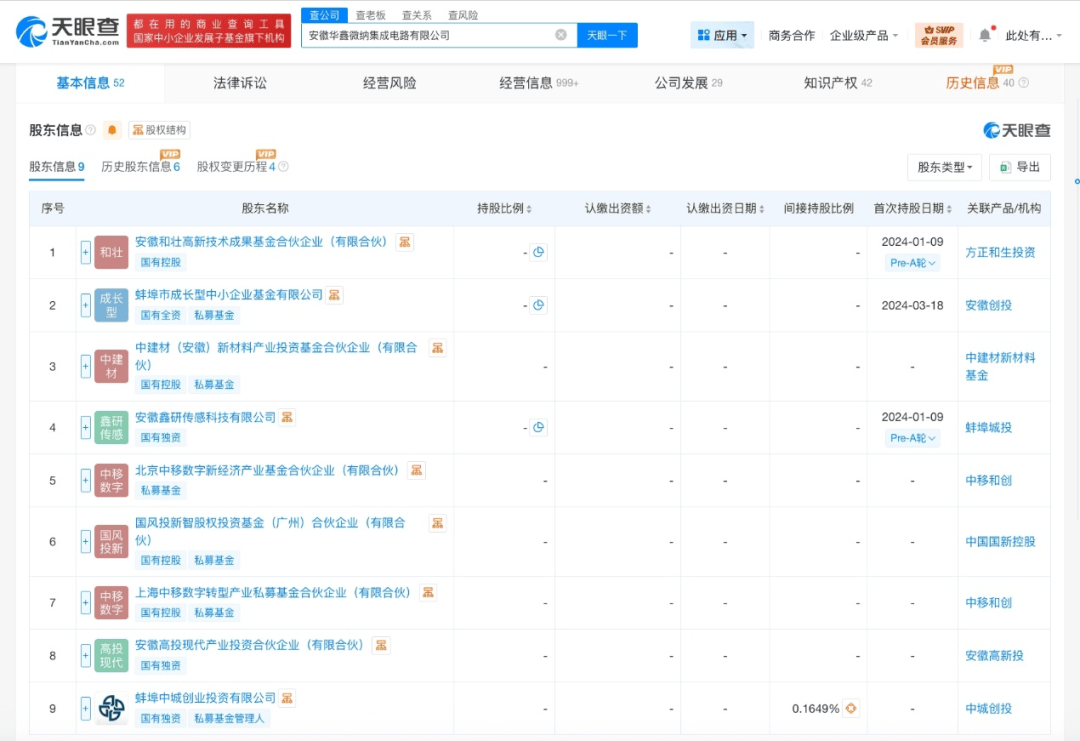
中国移动旗下基金入股MEMS晶圆制造商,下一个风口是?
Sou Hu Cai Jing· 2026-01-05 06:13
Core Viewpoint - Anhui Huaxin Micro-Nano Integrated Circuit Co., Ltd. has undergone significant changes in its shareholder structure and management, indicating a strategic shift in its operations and potential growth opportunities in the semiconductor industry [1]. Group 1: Company Overview - Anhui Huaxin Micro-Nano Integrated Circuit Co., Ltd. was established in March 2022 with a registered capital of 1 billion RMB [1]. - The company specializes in MEMS wafer manufacturing, producing products such as inertial sensors, pressure sensors, optical MEMS devices, environmental sensors, and inkjet print heads [1]. - Its products are primarily used in high-end equipment, automotive electronics, industrial control and instrumentation, petrochemicals, smart home applications, and consumer electronics [1]. Group 2: Shareholder Changes - Recent changes in shareholders include the exit of Chip (Shanghai) Integrated Circuit Technology Co., Ltd. and the addition of several new investors, including Beijing Zhongyi Digital New Economy Industry Fund Partnership and Shanghai Zhongyi Digital Transformation Industry Private Fund Partnership [1]. - The current shareholders also include Bengbu City Growth-type Small and Medium-sized Enterprise Fund Co., Ltd. and Anhui Xinyan Sensor Technology Co., Ltd. [1]. Group 3: Management Changes - Multiple high-level management changes have occurred alongside the shareholder restructuring, suggesting a potential shift in strategic direction for the company [1].

南京新年这场重要会议”释放“双新融合”强信号:发榜1.6亿求贤,冲刺万亿产业
Yang Zi Wan Bao Wang· 2026-01-05 05:31
Core Insights - Nanjing is accelerating the construction of a globally influential industrial technology innovation center as it enters the "14th Five-Year Plan" period, focusing on deep integration of technological and industrial innovation [1] Group 1: Strategic Focus Areas - The city will prioritize six key areas: optimizing layout for strategic technology, enhancing industrial clusters, advancing "Artificial Intelligence +", improving technology transfer efficiency, nurturing enterprises, and fostering a healthy ecosystem for integration of various chains [2] - Nanjing aims to invest more in human resources, reduce living costs for young talents, and create a more attractive policy environment to gather global intellectual resources [3] Group 2: Talent Policies - The new talent policy includes the "Nanjing Talent Recruitment Plan," which offers various subsidies for young talents, including living allowances of up to 100,000 yuan for graduates, depending on their degree [4] - The policy aims to alleviate economic pressures on young professionals and enhance the city's appeal as a destination for talent [4] Group 3: Technology Development Initiatives - Nanjing has announced 38 key technology challenges under the "Challenge-Driven Innovation" initiative, with a total investment of 520 million yuan and a specific funding of 160 million yuan for these projects [5] - The city is focusing on seven key industrial technology directions, including biomedicine and artificial intelligence, as part of its "1026" industrial system [5] Group 4: Industry Growth Projections - The software industry in Nanjing is projected to exceed 1 trillion yuan by 2025, marking it as the city's first trillion-level industrial landmark [6] - The smart grid industry is expected to reach 500 billion yuan, while new-generation information communication and integrated circuits are anticipated to maintain double-digit growth [7] Group 5: 6G Development Plans - Nanjing has launched the "6G City" action plan, aiming to achieve significant milestones in 6G technology by 2027, including the release of at least six major research outcomes and the establishment of over 100 new enterprises in the field [8]
让扎根一线的工程师有奔头有舞台
Bei Jing Ri Bao Ke Hu Duan· 2026-01-05 04:52
Core Viewpoint - The Beijing High-Level Innovation and Entrepreneurship Talent Symposium aims to promote the integration of education, technology, and talent development, aligning with the spirit of the 20th National Congress of the Communist Party of China [1][3]. Group 1: High-Level Talent Support Plan - The 2025 Beijing High-Level Innovation and Entrepreneurship Talent Support Plan (referred to as "High Talent Plan") was introduced, focusing on the implementation of measures to support high-level talent [1][2]. - The plan includes a video release of "Several Measures to Strengthen the Construction of an Excellent Engineer Team," which outlines 18 specific initiatives to provide comprehensive support for the development of engineers [3][4]. Group 2: Education and Industry Integration - The "Several Measures" emphasize the establishment of industry-education integration platforms in key sectors such as integrated circuits, artificial intelligence, biomedicine, and new energy, creating a collaborative mechanism among enterprises, universities, and research institutions [4][6]. - A "project-based" training model is promoted to align engineering education with industry needs, enhancing the practical skills of students through real-world projects [5][6]. Group 3: Evaluation and Career Development - The plan aims to break away from traditional evaluation methods that focus solely on papers, titles, and degrees, establishing a performance-based evaluation system to facilitate career development for engineers [6][7]. - A green channel for title evaluation will be created for high-level talents with unique skills and contributions, ensuring a smoother career progression [7]. Group 4: Talent Attraction and Retention - The "Several Measures" propose to enhance the political guidance and service connection for engineers, fostering a culture that values and respects talent through various initiatives [8]. - The plan includes a dedicated section for excellent engineers in the municipal talent program, innovating a "full-time + flexible" talent recruitment mechanism to attract high-level professionals to Beijing [8].
中国经济进入内需攻坚之年
Jin Rong Shi Bao· 2026-01-05 03:32
Group 1 - In the first half of 2025, China's economy achieved a growth rate of 5.3% due to proactive fiscal measures, effective trade-in policies, and strong export resilience. However, growth momentum slowed in the second half of the year as the effects of stimulus policies diminished and high base effects emerged [1] - The 2026 economic work is under close scrutiny as it marks the beginning of the 14th Five-Year Plan, with a focus on maintaining economic growth as a priority. The Central Economic Work Conference in December 2025 emphasized the need for policies that are not only active but also effective [1] - The 2026 macroeconomic policy will continue to adopt a "more proactive" stance while focusing on enhancing effectiveness, integrating existing and new policies, and increasing counter-cyclical and cross-cyclical adjustments [1] Group 2 - China's export performance in 2026 is expected to exceed market expectations, supported by market diversification and product structure upgrades. From January to November 2025, China's export value increased by 5.4% year-on-year, surpassing the levels of the same period in 2024 [2] - Despite a nearly 20% decline in exports to the United States, exports to emerging markets such as Africa (26.3%), ASEAN (13.7%), and India (11.9%) showed significant growth. The share of exports to Latin America, Africa, and India combined reached 17.5%, matching that of ASEAN [2] - The strong resilience in exports is attributed to stable global economic growth, ongoing fiscal expansion in the US and Europe, and the stabilization of US-China trade relations. Additionally, technological advancements driven by artificial intelligence are expected to support exports [3] Group 3 - Infrastructure investment is projected to rebound in 2026, driven by the commencement of major projects and financial support. From January to October 2025, broad infrastructure investment grew by 1.5% year-on-year, with new policy financial tools and local government debt limits set to enhance project funding [3] - The 14th Five-Year Plan emphasizes the importance of technology innovation and industrial upgrading in driving manufacturing investment. Manufacturing investment grew by 2.7% year-on-year from January to October 2025, with a focus on advanced manufacturing and strategic emerging industries [4][5] Group 4 - The Chinese consumer market is showing strong resilience, with retail sales of consumer goods increasing by 5.0% year-on-year in the first half of 2025, supported by policies promoting trade-in programs. However, growth slowed in the second half due to diminishing effects of these policies [6] - The "14th Five-Year Plan" highlights the importance of enhancing the consumption rate and the role of domestic demand in driving economic growth. There is a focus on whether policies to stimulate consumption will be strengthened in 2026 [6] - The balance between short-term growth stabilization and long-term development tasks is crucial for policy formulation in 2026, with an emphasis on stabilizing the real estate market and improving social security systems [7]
中芯国际AH股齐涨创逾2个月新高,获国家大基金大幅增持
Ge Long Hui A P P· 2026-01-05 03:28
MACD金叉信号形成,这些股涨势不错! 格隆汇1月5日|中芯国际AH股齐涨,其中,A股涨近6%报129.94元,H股一度涨超4%报78.3港元,均 创逾2个月新高。消息面上,港交所权益披露,中芯获被称为"国家大基金"的国家集成电路产业投资基 金,于去年12月29日以每股平均价74.2元人民币,增持逾3.57亿股,涉资约265.15亿元人民币。"国家大 基金"持有中芯股权由4.79%增加至9.25%,超过5%持股披露门槛。 ...

大动作!国产 EDA 龙头两则大新闻
是说芯语· 2026-01-05 03:28
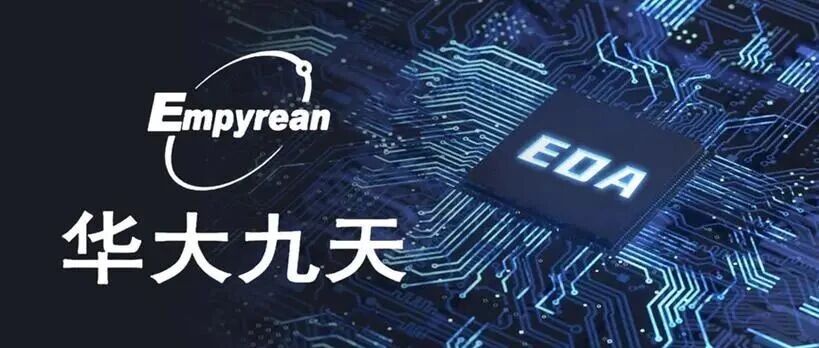
EDA素有"芯片之母"的称号,是集成电路产业实现自主可控的关键所在。最近,国产EDA龙头华大九天在重庆动作频频,先是拿下1446万元的混合信号 EDA软件项目订单,紧接着全资子公司也正式落地。 笔者认为:华大九天这次在重庆的布局,思路很清晰,先靠业务突破打开局面,再用资本扎根稳住脚跟。从中国招标投标公共服务平台的公示能看到,华 大九天中标了重庆一家集成电路设计公司的"混合信号集成电路EDA设计软件"项目,中标金额1446万元,资金都是企业自己筹备的。和政府主导的示范性 项目不一样,企业自己掏钱采购,更看重实际市场价值。这次招标聚焦模拟、数模混合、电源与可靠性这些核心设计环节,对EDA工具的精度、效率和 实际工程适配能力要求都不低。业内人士说,这类项目直接对接芯片设计和流片的全流程,采购标准比单纯的验证性应用高得多,这也说明华大九天的相 关产品,已经能实实在在支撑芯片研发了。 值得一提的是,现在国产EDA正处在从"能用"到"大家愿意批量买"的关键过渡期,华大九天在重庆的进展很有示范意义。对国产EDA产业来说,单笔订单 的金额不是最重要的,能不能走进真实的工程流程、被持续使用,才是判断它是否成熟的核心标准。随着重 ...

中芯国际A股涨近6%,H股一度涨超4%报78.3港元,均创2个月新高!国家大基金持有中芯股权由4.79%增加至9.25%
Ge Long Hui· 2026-01-05 03:27
格隆汇1月5日|中芯国际AH股齐涨,其中,A股涨近6%报129.94元,H股一度涨超4%报78.3港元,均 创逾2个月新高。消息面上,港交所权益披露,中芯获被称为"国家大基金"的国家集成电路产业投资基 金,于去年12月29日以每股平均价74.2元人民币,增持逾3.57亿股,涉资约265.15亿元人民币。"国家大 基金"持有中芯股权由4.79%增加至9.25%,超过5%持股披露门槛。 ...