
高技术制造业

Search documents
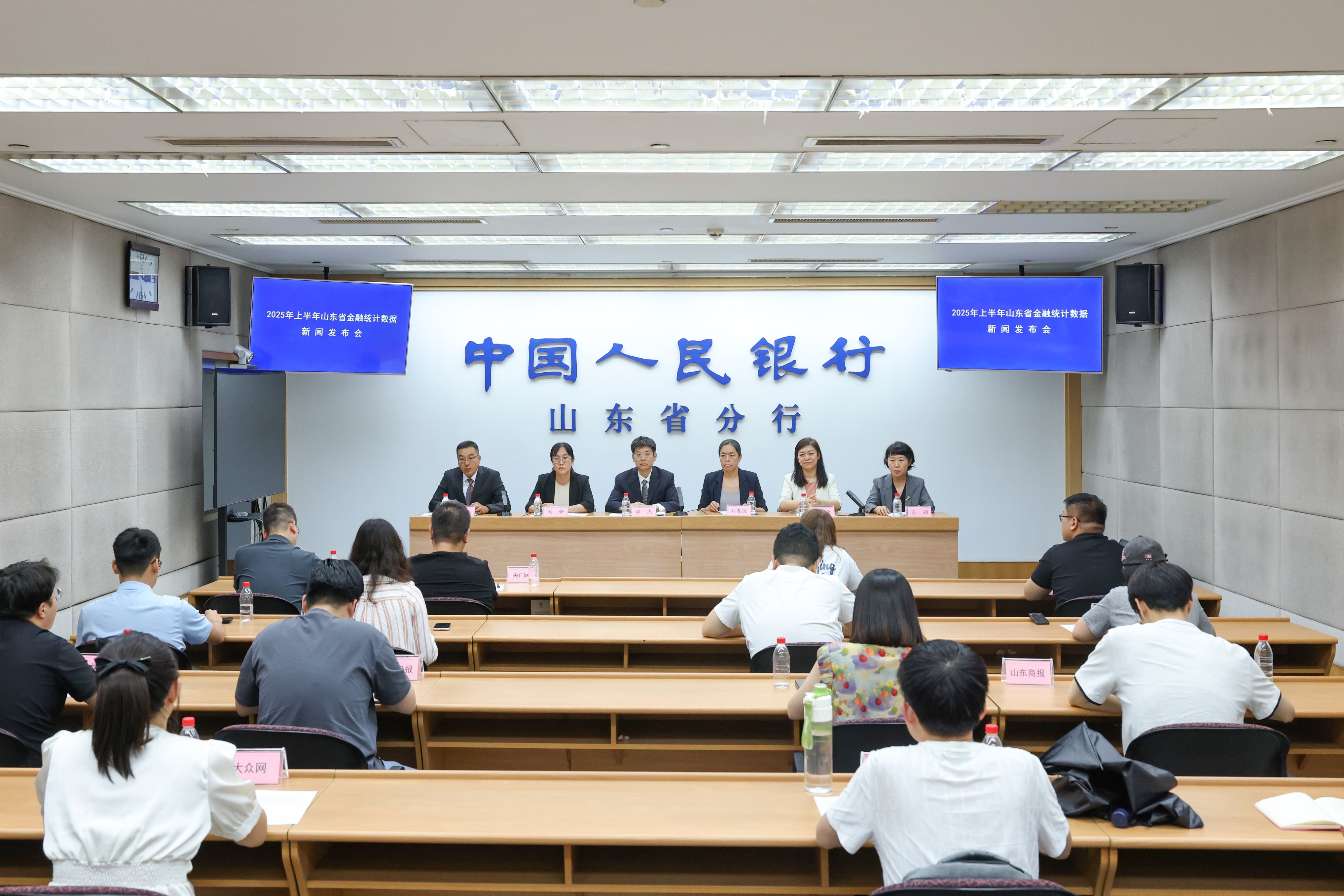
山东省已推动17家企业和机构在债券市场“科技板”发债227亿元
Qi Lu Wan Bao· 2025-07-25 10:18
Core Viewpoint - The People's Bank of China Shandong Branch is actively promoting the issuance of technology innovation bonds to support the financing needs of technology enterprises and enhance the province's financial ecosystem for innovation [1][4]. Group 1: Technology Innovation Bonds - As of now, 17 enterprises and institutions have successfully issued technology innovation bonds totaling 22.7 billion yuan in the interbank market, positioning Shandong among the top provinces in terms of issuance scale [1][5]. - The technology innovation bonds cover a wide range of issuers, including state-owned enterprises, private enterprises, equity investment institutions, and financial institutions, thereby supporting various sectors such as electronic information, new energy, new materials, high-end chemicals, and biomedicine [5][6]. - The bonds feature long maturities and low interest rates, with some institutions issuing bonds with terms of 5 to 10 years and a minimum issuance interest rate of 1.63%, while the weighted average interest rate is only 2% [5][6]. Group 2: Innovative Measures and Support - The issuance of technology innovation bonds includes several innovative aspects, such as flexible issuance methods, diverse funding uses, and rich credit enhancement measures to better match the financing needs of technology enterprises [4][6]. - The People's Bank has established risk-sharing tools for technology innovation bonds to support private enterprises and equity investment institutions, aiming to reduce issuance costs and improve success rates [4][6]. - Future efforts will focus on enhancing the promotion of technology innovation bonds, exploring better mechanisms for central-local credit enhancement, and striving for more entities to issue these bonds to optimize the innovation ecosystem in Shandong [6].

迎难而上稳中向好 中国经济半年报超预期
Zhong Guo Chan Ye Jing Ji Xin Xi Wang· 2025-07-25 00:09
"这是在二季度以来国际形势急剧变化、外部压力明显加大的情况下取得的成绩,是一份含金量非常高 的成绩单,充分展示了中国经济的抗压能力和强大韧性,为完成全年目标打下了较好基础。"7月15日, 在国务院新闻办公室举行的新闻发布会上,国家统计局副局长盛来运表示,上半年,我国经济顶住压 力、稳定增长,保持稳中有进、稳中向好的发展态势。 盛来运介绍,上半年,我国国民经济迎难而上、稳中向好,为完成全年目标打下了较好基础。同时,我 国多年来高质量发展大势和实践凝聚了共识、积累了新动能、推进了经济再平衡,提高了经济可持续发 展能力。我国宏观政策协同发力,将为经济稳定运行保驾护航。下半年,尽管存在外部环境的不确定性 和内部结构调整压力较大,但我国经济保持稳定增长仍有支撑,将继续保持稳中有进、稳中向好的发展 态势。 当日,中新社"国是直通车"同步举行2025年中经济形势分析会,多位经济学家围绕最新数据从宏观、消 费、外贸、金融等多个领域进行了解读。 "稳"增长有支撑 "进"步伐更坚定 盛来运表示,2025年以来,国际环境复杂多变、国际经贸秩序遭受重创,不稳定性、不确定性增加,面 对复杂局面,各地区各部门坚持统筹国内经济工作和国际经 ...
浙江上半年经济运行稳中有进
Zhong Guo Chan Ye Jing Ji Xin Xi Wang· 2025-07-24 22:13
Economic Overview - Zhejiang's GDP for the first half of 2023 reached 45,004 billion yuan, with a year-on-year growth of 5.8% [1] - The primary industry added value was 1,131 billion yuan, growing by 3.5%; the secondary industry added value was 16,952 billion yuan, increasing by 5.6%; the tertiary industry added value was 26,921 billion yuan, with a growth of 6% [1] Industrial Performance - Among 37 industrial sectors, 31 sectors experienced growth, resulting in an overall growth rate of 83.8% [2] - High-tech manufacturing, core digital economy manufacturing, and equipment manufacturing saw added value growth of 12.7%, 12%, and 11.1% respectively [2] - Production of high-value-added products such as industrial robots, lithium-ion batteries, laptops, and new energy vehicles increased by 85.7%, 65.2%, 47.3%, and 43.3% respectively [2] Service Sector and Consumption - The service sector's added value grew by 6%, with the information transmission, software, and IT services sector showing a strong growth of 9.3% [2] - Retail sales of consumer goods reached 18,979 billion yuan, marking a year-on-year increase of 5.3%, with significant growth in various categories such as home appliances and new energy vehicles [2] Investment and Employment - Fixed asset investment in Zhejiang increased by 1.4%, with notable growth in infrastructure and high-tech industries [3] - The average urban unemployment rate was 4.7%, with 588,000 new urban jobs created [3] - Per capita disposable income for residents was 37,813 yuan, reflecting a nominal growth of 5.1% year-on-year [3]
经济大省稳稳扛起“大梁”
Jing Ji Ri Bao· 2025-07-24 22:04
Core Insights - The exploration and achievements of major economic provinces in scale support, structural improvement, and momentum accumulation are crucial for observing the high-quality development of China's economy [1] Group 1: Economic Performance - In the first half of 2025, six major provinces contributed over 29.4 trillion yuan to the national economy, accounting for 44.6% of the total, with five provinces outpacing the national average growth rate [1][2] - Guangdong and Jiangsu remain in the "6 trillion yuan club," with GDPs of 68,725.4 billion yuan and 66,967.8 billion yuan respectively, showing growth rates of 4.2% and 5.7% [2] - Shandong and Zhejiang surpassed 50 billion yuan and 45 billion yuan in GDP, with growth rates of 5.6% and 5.8% respectively, while Sichuan and Henan are in a competitive race for the fifth position with GDPs of 31,918.2 billion yuan and 31,683.8 billion yuan, growing by 5.6% and 5.7% [2] Group 2: Innovation and Structural Transformation - Major economic provinces are leading in the integration of technological and industrial innovation, accelerating the transformation of old and new growth drivers, and fostering new productive forces [3] - The service sector is also experiencing a clear transformation, with modern services increasingly contributing to economic growth and a strong shift towards mid-to-high-end industrial structures [3] - In Zhejiang, high-tech manufacturing and digital economy sectors saw double-digit growth, while Jiangsu's equipment manufacturing sector has maintained a growth rate above the overall industrial average for 20 consecutive months [3] Group 3: Resilience and External Engagement - The vast domestic market serves as a strong safeguard against various risks, with major provinces actively boosting consumption and investment to stabilize employment and market expectations [4] - In the first half of the year, Sichuan's retail sales of household appliances grew by 20.2%, while Guangdong, as the largest foreign trade province, achieved a foreign trade volume of 4.55 trillion yuan, marking a 4% year-on-year increase [4] - Shandong's goods trade imports and exports grew by 6.8%, leading among the top six foreign trade provinces, with products exported to 242 countries and regions [4] Group 4: Future Outlook - Major economic provinces are expected to play a more significant role in driving national development, focusing on achieving annual targets and ensuring the successful completion of the 14th Five-Year Plan [5]
中三省上半年GDP超7.2万亿
第一财经· 2025-07-22 08:05
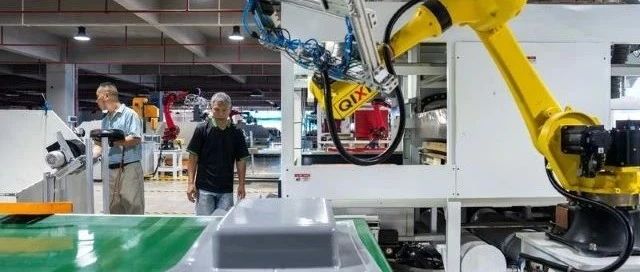
Core Viewpoint - The economic performance of the central provinces of Hunan, Hubei, and Jiangxi in the first half of the year shows significant growth, with a combined GDP of 72,528.71 billion yuan, an increase of 4,999.06 billion yuan compared to the same period last year, indicating a robust recovery and development potential in the region [1][2]. Economic Growth - Hubei's GDP reached 29,642.61 billion yuan, growing by 6.2%, surpassing the national average by 0.9 percentage points [1] - Hunan's GDP was 26,166.50 billion yuan, with a growth rate of 5.6%, while Jiangxi also grew by 5.6% to 16,719.6 billion yuan, both exceeding the national growth rate by 0.3 percentage points [1] Industrial Development - Hunan's high-tech industry investment increased by 6.3%, with high-tech manufacturing value-added growing by 13.7%, outpacing overall industrial growth by 5.5 percentage points [3] - Hubei's high-tech industry investment rose by 8.8%, with high-tech service investment surging by 24.6%, and high-tech manufacturing value-added increased by 14.4% [3] - Jiangxi's high-tech manufacturing value-added grew by 13.7%, driven by policies promoting equipment upgrades and automotive subsidies [4] Consumer Market - The total retail sales of consumer goods in the three provinces reached 29,560.44 billion yuan, with Hubei at 13,073.93 billion yuan (up 6.9%), Hunan at 10,391.81 billion yuan (up 6.2%), and Jiangxi at 6,094.7 billion yuan (up 5.3%) [6] - Hubei's per capita living consumption expenditure was 13,991 yuan, a 2.4% increase, reflecting a shift towards higher quality living and increased spending on health, culture, and entertainment [6] Foreign Trade - The central region's foreign trade growth rate reached 11.1%, significantly higher than the national average of 2.5% [10] - Hubei's exports of computers, mobile phones, and integrated circuits saw substantial growth, with lithium-ion battery exports increasing by 108.7% [11] - The establishment of logistics networks, such as the Ezhou Huahu International Airport, has improved logistics efficiency and contributed to the region's export growth [11][12]
中三省上半年GDP超7.2万亿,内需潜力不断释放
Di Yi Cai Jing· 2025-07-22 06:49
Economic Performance - The total retail sales of consumer goods in Hunan, Hubei, and Jiangxi provinces reached 29,560.44 billion yuan in the first half of the year, driven by various consumption-boosting policies [1][4] - The GDP of the "Central Triangle" formed by Hunan, Hubei, and Jiangxi reached 72,528.71 billion yuan, an increase of 4,999.06 billion yuan compared to the same period last year [1] Provincial Contributions - Hubei's GDP was 29,642.61 billion yuan, with a year-on-year growth of 6.2%, surpassing the national average by 0.9 percentage points [1] - Hunan's GDP was 26,166.50 billion yuan, with a growth rate of 5.6%, while Jiangxi's GDP was 16,719.6 billion yuan, also growing by 5.6% [1] Industrial Growth - Hunan's high-tech manufacturing sector saw a 13.7% increase in added value, outpacing overall industrial growth by 5.5 percentage points [2] - Hubei's high-tech manufacturing added value grew by 14.4%, with significant increases in the production of computers, smartphones, and lithium-ion batteries [2] - Jiangxi's high-tech manufacturing added value also rose by 13.7%, driven by policies promoting equipment upgrades and automotive replacements [2] Consumer Spending Trends - Hubei's retail sales reached 13,073.93 billion yuan, a 6.9% increase year-on-year, while Hunan and Jiangxi reported retail sales of 10,391.81 billion yuan and 6,094.7 billion yuan, growing by 6.2% and 5.3% respectively [4] - The per capita consumption expenditure in Hubei was 13,991 yuan, reflecting a 2.4% increase, with a notable rise in service consumption [4] Retail Sector Dynamics - In Hunan, sales of communication equipment surged by 71.6%, while home appliances and cultural office supplies grew by 55.2% and 35.1% respectively [6] - The retail sales of sports and entertainment products in Jiangxi increased by 6.2%, with cosmetics and bicycles seeing growth rates of 19.1% and 29.3% [5][6] Foreign Trade Performance - The overall foreign trade growth rate in the central region reached 11.1%, significantly higher than the national average of 2.5% [7] - Hubei's foreign trade saw a remarkable growth of 28.4%, with key exports including computers, mobile phones, and integrated circuits [7] Logistics and Infrastructure Development - The establishment of a multi-modal logistics network has improved logistics efficiency in the central region, with significant growth in imports and exports through the Ezhou Huahu International Airport [8] - The Nanchang International Land Port has facilitated international trade, with over 1,000 foreign trade trains dispatched in the first half of the year [8]
从5.5%增速看广西经济韧性
Guang Xi Ri Bao· 2025-07-22 01:56
Economic Overview - Guangxi's GDP growth rate reached 5.5% in the first half of the year, marking the highest value for the same period in nearly four years, indicating a positive trend in the overall economy [1][7] Three Economic Drivers - The three main economic drivers—consumption, investment, and foreign trade—are performing well, contributing to the stability of Guangxi's economy [2] - Consumer activity has increased significantly due to subsidy policies and promotional activities, leading to a sustained recovery in the consumption market [2] - Fixed asset investment has maintained growth, with industrial investment rising by 9.8%, supported by the acceleration of major projects [2] Industrial Performance - The industrial sector is a strong support for the economy, with significant growth in key areas such as electrical equipment, paper manufacturing, and new energy vehicles [3] - The industrial added value in Guangxi increased by 7.7% year-on-year, with manufacturing added value growing by 9.5% [3] - Manufacturing investment rose by 12.3% year-on-year, outpacing the national average by 4.8 percentage points, indicating robust industrial project development [3] New Productive Forces - The economic characteristics of Guangxi in the first half of the year can be summarized as "new," reflecting the accelerated development of new productive forces and the gathering of new momentum [4] - High-tech manufacturing in Guangxi grew at a rate several times that of ordinary industries, with high-tech manufacturing value added increasing by 29.6% [4][5] - The integration of artificial intelligence and manufacturing is advancing, with significant increases in the production of intelligent products [5] Improvement in Livelihood - A series of policies aimed at employment and consumption have been implemented, leading to stable growth in residents' income and increased consumer confidence [6] - Consumer participation in various promotional activities has surged, with over 581 million consumers engaging in trade-in programs, significantly boosting retail sales [6] Economic Resilience - The 5.5% growth rate is seen as a reflection of Guangxi's resilience and potential, especially in the context of increasing external pressures [7]
浙江工业经济向高向新向智发展成效显著
Ke Ji Ri Bao· 2025-07-22 00:48
Economic Overview - Zhejiang's GDP for the first half of 2025 reached 45,004 billion yuan, showing a year-on-year growth of 5.8% at constant prices [1][2] Industrial Development - The industrial economy in Zhejiang is improving in quality and efficiency, focusing on high-end, new, and intelligent development [1] - High-tech manufacturing, core digital economy industries, equipment manufacturing, and strategic emerging industries saw value-added growth of 12.7%, 12.0%, 11.1%, and 9.8% respectively, contributing to an overall increase in industrial value-added by 2.2%, 2.1%, 5.5%, and 3.5% [1] Innovation and R&D - From January to May, R&D expenses for large-scale enterprises in Zhejiang increased by 7.0%, outpacing revenue growth by 2.1%, with R&D expenses accounting for 3.08% of revenue, up by 0.06% year-on-year [1] - In key innovation corridors, the ratio of R&D expenses to revenue reached 3.84% [1] Intelligent Transformation - The revenue growth rate of core artificial intelligence enterprises in Zhejiang significantly outpaced that of large-scale enterprises, with strong sales in smart home appliances, wearable devices, and smartphones [2] Future Outlook - Zhejiang aims to enhance internal growth momentum and optimize industrial structure to contribute to national economic stability and growth [2]
5.7%里看韧性
Sou Hu Cai Jing· 2025-07-21 23:10
Economic Performance - Jiangsu's GDP grew by 5.7% year-on-year, surpassing the national average by 0.4 percentage points, indicating the province's economic resilience and vitality amid external pressures [1] - The province's total import and export value increased by 5.2% compared to the same period last year, outperforming the national growth rate by 2.3 percentage points, with significant contributions from the Belt and Road Initiative [2] Structural Adjustments and Innovations - High-tech industries accounted for 51.8% of the total industrial output value, reflecting a 0.4 percentage point increase from the first quarter, showcasing the shift towards high-quality development [3] - High-tech manufacturing grew by 11.8% year-on-year, contributing 2.7 percentage points to the overall industrial growth, demonstrating the effectiveness of Jiangsu's strategic focus on innovation and transformation [3] Socioeconomic Impact - The "Su Chao" sports events have positively influenced the economy, culture, and society, leading to a 14.4% increase in visitors from other regions and a 14.7% rise in tourism consumption, highlighting the broader impact of sports on urban image and community engagement [2] - Continuous technological and industrial innovation is driving economic resilience, with examples such as a digital workshop in Nanjing improving sample delivery efficiency by over 50% and the establishment of innovation platforms in Changzhou [3] Future Outlook - The 5.7% growth rate serves as a barometer for Jiangsu's economic resilience and a reflection of China's high-quality development trajectory, emphasizing the importance of proactive competitiveness in facing external uncertainties [4]
浙江上半年地区生产总值45004亿元 同比增长5.8%
Mei Ri Shang Bao· 2025-07-21 22:22
Economic Overview - Zhejiang's GDP for the first half of the year reached 45,004 billion yuan, with a year-on-year growth of 5.8% at constant prices [1] - The primary industry added value was 1,131 billion yuan, growing by 3.5%; the secondary industry added value was 16,952 billion yuan, growing by 5.6%; and the tertiary industry added value was 26,921 billion yuan, growing by 6.0% [1] Emerging Industries - The development of emerging industries in Zhejiang is characterized by three keywords: "high," "new," and "intelligent" [2] - High-tech manufacturing, digital economy core industries, and equipment manufacturing all maintained double-digit growth rates, significantly outpacing the overall industrial growth [2] - Investment in high-tech industries and digital economy core industries grew faster than total investment [2] Innovation and R&D - R&D expenditures for large-scale enterprises in both industrial and service sectors increased by 7.0% year-on-year, with R&D expenses accounting for 3.08% of operating income [3] - In key innovation corridors, R&D expenses as a percentage of operating income reached 3.84%, exceeding the average for large-scale industries by 0.67 percentage points [3] - Revenue growth in artificial intelligence core industries outpaced that of large-scale enterprises, with significant growth in computing services, data services, algorithm models, and smart terminals [3] Consumer Market - The total retail sales of consumer goods reached 18,979 billion yuan, with a year-on-year growth of 5.3%, accelerating by 0.8 percentage points compared to the first quarter [4] - The "old-for-new" consumption policy has led to significant growth in retail sales of home appliances, communication devices, and cultural office supplies, with increases of 84.5%, 70.6%, and 60.9% respectively [4] - Online sales through public networks grew by 27.4%, outpacing the overall retail sales growth by 22.1 percentage points [4] New Consumption Patterns - New consumption models are emerging rapidly, with quality consumption seeing accelerated growth; sports and entertainment goods retail sales increased by 57.6% [5] - Major events such as concerts and sports competitions have driven ticket sales and overall consumption, with over 150 million attendees at various events [5] - Cultural activities, including online games and performances, are stimulating new growth points in consumption, with significant attendance at themed exhibitions and performances [5]