传媒

Search documents
盈利与流动性共同驱动港股行情,AI、硬科技或仍是主线
Sou Hu Cai Jing· 2026-01-06 06:41
Group 1 - The core viewpoint of the article highlights the active performance of the Hong Kong technology sector, with notable gains in stocks such as SenseTime-W, JD Health, and others, indicating a positive market sentiment [1] - The macroeconomic context includes the Federal Reserve's decision to lower interest rates as indicated in the December 2025 meeting minutes, alongside a rise in China's composite PMI output index to 50.7%, reflecting an expansion in production activities [1][13] - The net inflow of southbound funds exceeded 18.7 billion HKD on the first trading day of the year, while foreign capital showed a decreasing trend in outflows, with passive foreign capital inflows into Hong Kong and Chinese concept stocks reaching 900 million USD [1][13] Group 2 - GF Securities notes that the recent rise in Hong Kong stocks is supported by fundamentals, with signs of structural recovery in profitability expected to strengthen from the second half of 2024 due to stabilizing domestic and external demand [1][16] - The article mentions that the Hong Kong technology index consists of 30 leading tech companies selected based on high market capitalization, R&D investment, and revenue growth, with a flexible sample adjustment mechanism to maintain competitiveness [4] - The top five constituents of the Hong Kong technology index include Tencent Holdings, Alibaba-W, and Xiaomi Group, with significant weightings of 15.46%, 14.54%, and 13.50% respectively, indicating a high concentration in the index [9][7]



A股市场大势研判:沪指十二连阳重返4000点迎开门红
Dongguan Securities· 2026-01-06 01:41
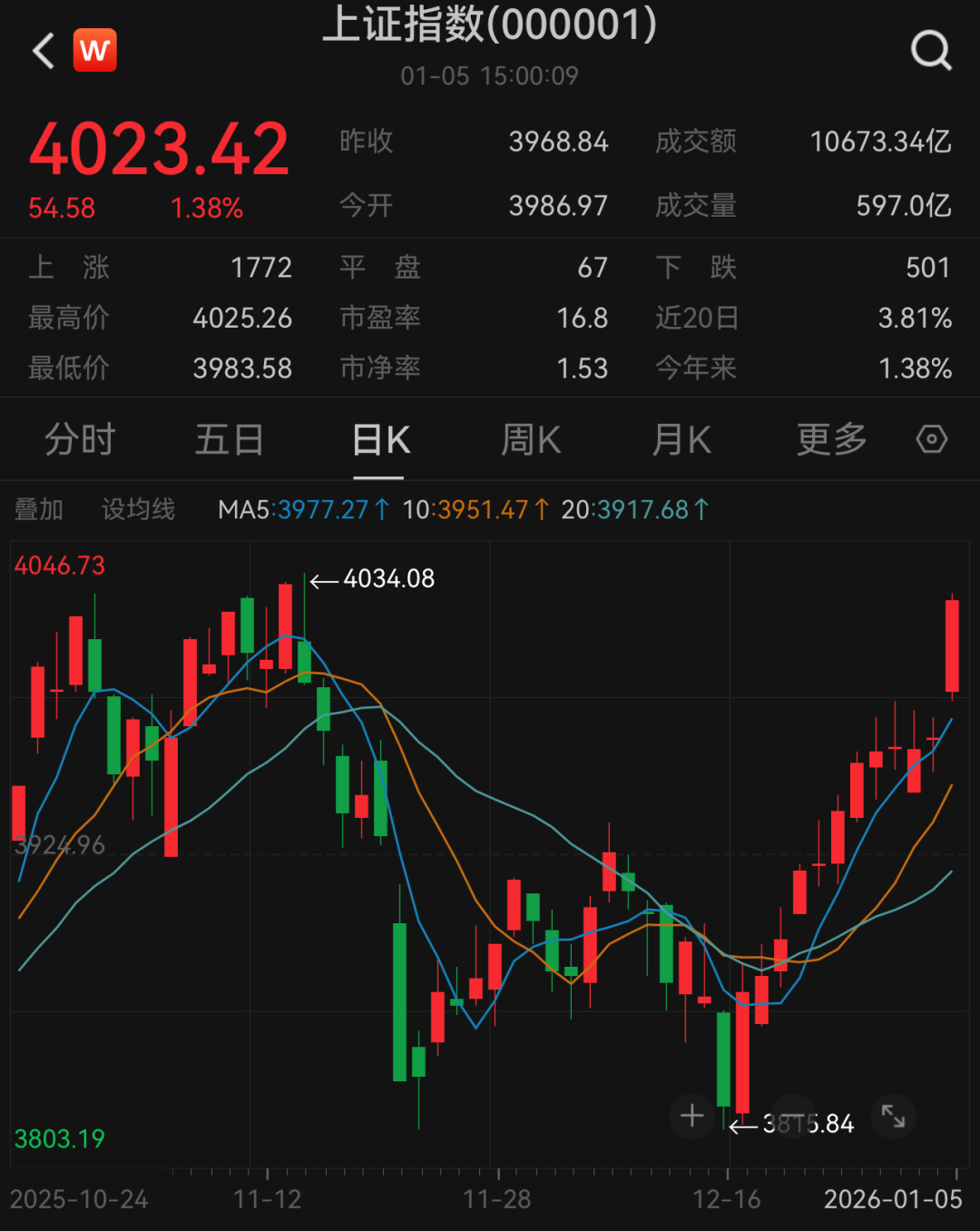
Market Overview - The Shanghai Composite Index has returned to above 4000 points, marking a twelve-day winning streak, with a closing increase of 1.38% [1][6] - The Shenzhen Component Index rose by 2.24%, while the ChiNext Index led the gains with a 2.85% increase [2][6] Sector Performance - The top-performing sectors included Media (4.12%), Pharmaceuticals (3.85%), Electronics (3.69%), Non-Bank Financials (3.14%), and Computers (2.71%) [3] - Conversely, the worst-performing sectors were Oil & Petrochemicals (-1.29%), Banks (-0.34%), Transportation (-0.30%), Retail (-0.17%), and Agriculture, Forestry, Animal Husbandry, and Fishery (0.00%) [3] Conceptual Sector Highlights - The leading conceptual sectors were Brain-Computer Interface (13.70%), Hyperbaric Oxygen Chamber (7.01%), Blood Oxygen Monitor (5.65%), and New Technology Stocks (5.19%) [3] - The lagging conceptual sectors included Hainan Free Trade Zone (-2.93%), Duty-Free Shops (-1.08%), Free Trade Ports (-0.94%), Pork (-0.28%), and Ride-Hailing (-0.05%) [3] Future Outlook - The market opened strong on the first trading day of 2026, with significant participation from over 4100 stocks rising, including 127 hitting the daily limit [6] - The manufacturing PMI showed a seasonal rebound, indicating improved supply and demand, while the construction PMI saw a significant month-on-month increase, suggesting a potential boost to the economy [6] - The report anticipates continued market liquidity and risk appetite improvement, supported by favorable domestic policies and a strengthening RMB, with a focus on sectors such as TMT, Finance, Machinery, Military, Power, and Nonferrous Metals for investment opportunities [6]
国泰海通策略首席方奕:2026年有望进入更全面牛市
Xin Lang Cai Jing· 2026-01-06 01:34
Core Viewpoint - The A-share market in 2025 experienced significant growth, with the Shanghai Composite Index reaching 3968.84 points, a cumulative increase of 18.41%, and the ChiNext Index rising by 49.57% to 3203.17 points, indicating a strong market performance and active trading environment [2][22]. Market Performance - The total market capitalization of A-shares surpassed 100 trillion yuan, with daily trading volumes exceeding 1 trillion yuan becoming the norm, leading to a total trading volume of over 400 trillion yuan for the year, a year-on-year increase of over 60% [2][22]. - The "slow bull market" characterized the A-share market, with various sectors such as computing hardware, controllable nuclear fusion, humanoid robots, and commercial aerospace showing strong performance [2][22]. 2026 Market Outlook - The chief strategist from Guotai Junan, Fang Yi, expressed optimism for the 2026 A-share spring market, predicting a "spring opening red" and emphasizing that the market is at the beginning of a significant development cycle [3][12]. - Fang Yi believes that the "transformation bull market" is far from over, with expectations for the Shanghai Composite Index to challenge the 2015 market peak, and a broader bull market is anticipated [3][26]. Investment Opportunities - Key investment areas for 2026 include emerging technologies, cyclical consumption, and large financial institutions, with a focus on technology, non-bank financials, and consumer sectors [3][12][34]. - The AI industry is highlighted as a significant investment opportunity, with expectations for continued growth despite discussions around potential bubbles, as the focus should be on future business model potential [3][18][38]. Valuation Insights - The overall valuation of A-shares is at historical average levels, with static PE ratios not being low, but with expectations for a rebound in earnings growth to 10.6% in 2026 [9][29]. - The valuation of cyclical sectors such as consumption and finance is currently low, presenting potential investment opportunities [10][30]. Capital Market Reforms - Recent reforms in the capital market have improved its investability and reduced volatility, encouraging long-term capital to enter the market [8][28]. - The breaking of "guaranteed returns" and the decline of high-yield, risk-free assets are expected to lead to a surge in asset management demand, marking a historical opportunity for the asset management industry [16][36]. Investment Strategy for Ordinary Investors - Ordinary investors are advised to focus on two types of assets: those with stability and monopoly, and those with new business opportunities, while avoiding chasing hot stocks and engaging in frequent trading [4][19][39]. - A shift towards quality strategies over the previous "barbell strategy" is recommended, emphasizing the importance of growth and the changing market dynamics [34].


【好文重读】为什么2026年的港股可以乐观看待?
Xin Lang Cai Jing· 2026-01-06 01:23
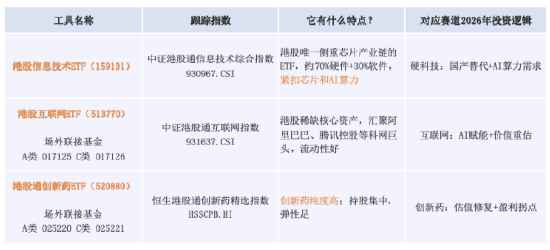
Core Viewpoint - The A-share market performed well in 2025, with the Shanghai Composite Index surpassing 4000 points and the total market capitalization exceeding 100 trillion yuan, indicating a "slow bull" market. The Hang Seng Index also saw a year-to-date increase of over 28% by December 29, 2025, despite fluctuations throughout the year. Major institutions like UBS, Standard Chartered, HSBC, and Guotai Junan remain optimistic, predicting the Hang Seng Index could exceed 30,000 points in 2026 [1][13][14]. Group 1: Factors Supporting Optimism for 2026 - The Hong Kong stock market possesses unique assets not found in the A-share market, particularly leading companies in technology, biomedicine, new economy, and the internet, which are essential for investors looking to benefit from China's industrial upgrade and new productive forces [1][15]. - Liquidity in the Hong Kong market is improving, with a record net inflow of southbound funds exceeding 1.4 trillion yuan this year, reflecting confidence from mainland investors. Additionally, global central banks' shift towards looser monetary policies is expected to attract more foreign capital back to the Hong Kong market [2][15]. - The valuation of Hong Kong stocks is considered attractive, with the Hang Seng Technology Index's price-to-earnings ratio at approximately 23 times, which is lower than the NASDAQ 100's 36 times and the A-share ChiNext's 41 times, indicating significant room for valuation recovery [2][15]. Group 2: Key Investment Directions for 2026 - The primary driver of the Hong Kong market's upward movement in 2025 was "valuation recovery," as market sentiment shifted from extreme pessimism to a return to reasonable value. The market is expected to evolve towards a more complex but healthier direction, focusing not only on valuation elasticity but also on actual performance improvements [3][16]. - Key sectors to watch include: - **Hard Technology**: This sector is crucial for China's industrial transformation, focusing on chips and high-end manufacturing, driven by AI demand and national strategies for self-sufficiency [3][16]. - **Internet**: Major internet companies have transitioned to stable profitability and high-quality development. The application of AI in business is expected to create new growth opportunities for these companies [4][17]. - **Innovative Pharmaceuticals**: This sector has shown significant growth, with the Hang Seng Hong Kong Stock Connect Innovative Drug Select Index rising 69.1% in 2025. The sector's logic for 2026 is solid, with many domestic innovative drug companies reaching commercialization and profitability [4][17]. Group 3: Investment Tools for Target Sectors - A set of ETFs has been identified to align with the discussed sectors: - **Hong Kong Information Technology ETF (159131)**: Focuses on the chip industry, with approximately 70% in hardware and 30% in software, targeting hard technology and AI demand [5][19]. - **Hong Kong Internet ETF (513770)**: Concentrates on core internet assets, including major players like Alibaba and Tencent, benefiting from AI advancements and potential value reassessment [5][22]. - **Hong Kong Innovative Drug ETF (520880)**: Targets high-growth biotech companies, emphasizing a concentrated portfolio with over 70% in top holdings, suitable for investors seeking high growth potential [5][24].
浙商证券浙商早知道-20260106
ZHESHANG SECURITIES· 2026-01-05 23:30
Market Overview - On January 5, the Shanghai Composite Index rose by 1.38%, the CSI 300 increased by 1.9%, the STAR 50 surged by 4.41%, the CSI 1000 climbed by 2.09%, the ChiNext Index went up by 2.85%, and the Hang Seng Index slightly increased by 0.03% [4][5] - The best-performing sectors on January 5 were Media (+4.12%), Pharmaceutical and Biological (+3.85%), Electronics (+3.69%), Non-Bank Financials (+3.14%), and Computers (+2.71%). The worst-performing sectors included Oil and Petrochemicals (-1.29%), Banks (-0.34%), Transportation (-0.3%), and Retail (-0.17%) [5] - The total trading volume for the A-share market on January 5 was 25,672 billion, with a net inflow of 18.723 billion HKD from southbound funds [5] Key Insights - The semiconductor equipment sector is expected to see a significant increase in capital expenditure and an acceleration in domestic production rates, leading to a positive outlook for orders in the semiconductor equipment segment [6][7] - Four major growth directions are highlighted: 1. AI-driven storage supercycle focusing on etching and thin-film equipment leaders 2. Dawn of domestic photolithography machine production, emphasizing core subsystems and components 3. Evolution of cutting-edge technologies, with ALD equipment entering a golden development period 4. Advanced packaging continuing the Moore's Law, with substantial room for equipment localization [7] - The driving factors include accelerated capital expenditure from domestic wafer fabs and higher-than-expected domestic production rates [7] Investment Opportunities - The year 2026 is anticipated to be a pivotal year for AI applications, marking the beginning of a significant growth phase in the sector [8] - The convergence of application, computing power, and capital is expected to trigger a "flywheel" effect in embodied intelligence [8]
12连阳创33年纪录!开启春季行情?最新解读
Zhong Guo Ji Jin Bao· 2026-01-05 22:53
Group 1 - A-shares experienced a strong start in 2026, with the Shanghai Composite Index rising above 4000 points and achieving a record 12 consecutive daily gains, the longest since March 1992 [1] - The market's trading volume surged to 2.57 trillion yuan, marking a two-month high, with sectors like media, pharmaceuticals, and electronics leading the gains [3][4] - Factors contributing to this "opening red" include a strong performance in the Hong Kong market during the New Year holiday, a rebound in China's manufacturing PMI, and a favorable exchange rate for the yuan attracting foreign capital [4][5] Group 2 - The expectation of a spring market rally is supported by positive external market trends and pre-holiday investments in technology stocks, with significant IPOs anticipated to catalyze the tech sector [5][6] - The upcoming earnings forecasts for 60% of listed companies by the end of January may drive further market momentum, particularly in high-growth industries [6] - The market is expected to transition from a phase of low trading volume to a rebound, with a shift in investment focus from defensive sectors to technology and manufacturing [6][8] Group 3 - Key investment areas include consumer electronics, AI, and cyclical sectors, with expectations for performance improvements driven by the AI industry and domestic computing power projects [10][11] - The outlook for the A-share market remains optimistic, with potential for further upward movement supported by macroeconomic policies and a favorable liquidity environment [8][9] - The emphasis on self-reliant technological innovation is seen as crucial for long-term growth, particularly in sectors like domestic computing power and commercial aerospace [11]
脑机接口板块领涨市场上证指数“十二连阳”
Zhong Guo Zheng Quan Bao· 2026-01-05 20:05
Core Viewpoint - The A-share market experienced a strong start in 2026, with all major indices rising and the total market capitalization surpassing 120 trillion yuan, marking a historical high [1][6]. Market Performance - On January 5, the Shanghai Composite Index, Shenzhen Component Index, ChiNext Index, and other indices saw increases of 1.38%, 2.24%, 2.85%, and 3.61% respectively, with the Shanghai Composite Index surpassing 4020 points [1][2]. - A total of 4185 stocks rose, with 127 hitting the daily limit, while 1168 stocks declined [2]. - The A-share market's trading volume reached 2.57 trillion yuan, an increase of 501.5 billion yuan from the previous trading day [2]. Sector Performance - The brain-computer interface sector saw significant gains, with companies like Sainuo Medical and Meihao Medical hitting the daily limit of 20% [2]. - Other strong-performing sectors included media, pharmaceuticals, and electronics, with respective increases of 4.12%, 3.85%, and 3.69% [2]. - The non-bank financial sector also rose over 3%, while sectors like oil and gas, banking, and transportation saw slight declines [2]. Funding and Investment Trends - The A-share market's financing balance increased by over 600 billion yuan in December 2025, with a notable rise in net inflows into over 2300 stocks on January 5 [1][3]. - As of December 31, 2025, the A-share margin trading balance reached 25.41 trillion yuan, marking a historical high [4]. - The electronic, defense, and machinery sectors saw significant net buying, while the computer and pharmaceutical sectors experienced net selling [4]. Optimism in Market Sentiment - Analysts noted a shift towards optimistic funding sentiment, with a continuous rise in the Shanghai Composite Index since mid-December 2025 [3][6]. - The market is expected to benefit from long-term capital inflows, particularly from insurance funds, and a favorable global liquidity environment [6][7]. - The upcoming spring market is anticipated to focus on consumption and growth as key themes [6][7].


年度5倍股、10倍股有何特征?五大维度挖掘2026年投资机会
Zheng Quan Shi Bao· 2026-01-05 18:45
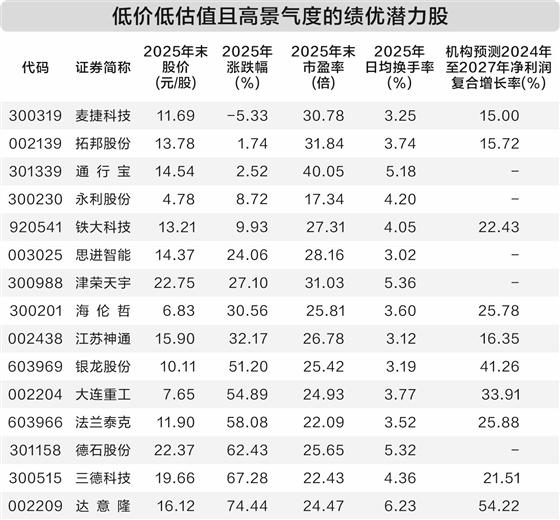
Core Insights - The A-share market has seen a resurgence of "10-bagger" stocks, defined as those with over 10 times annual growth, with two such stocks emerging in 2025, namely Upstream New Materials and Tianpu Co., which achieved annual growth rates of 1820.29% and 1645.35% respectively [1][2] Group 1: Characteristics of 10-Bagger Stocks - 10-bagger stocks typically exhibit three main catalysts: new stock attributes, high-quality company fundamentals, and external market catalysts [3][4] - New stock attributes are a significant feature, as seen with stocks like Zhongwen Online and Wantai Biological Pharmacy, which had substantial price increases shortly after their IPOs [3] - High-quality fundamentals include strong performance metrics and technological advantages, which support stock price increases [3] Group 2: Characteristics of 5-Bagger Stocks - From 2015 to 2025, 56 stocks achieved over 5 times annual growth, primarily concentrated in the TMT sector, with notable performance in electronics and basic chemicals [6][8] - 5-bagger stocks generally have lower price points compared to the overall A-share market, with an average closing price of 15.12 yuan per share in 2025, compared to nearly 20 yuan for all A-shares [7] - These stocks also demonstrate strong profitability and growth metrics, with many achieving compound annual growth rates in net profit exceeding 10% over three years [7] Group 3: Potential Future Stocks - A selection of 15 potential "dark horse" stocks for 2026 has been identified, focusing on TMT and basic chemical sectors, with low closing prices and favorable market conditions [9] - Among these, several stocks, including Yungli Co. and Hailun Zhe, have closing prices below 10 yuan and are expected to maintain strong operational performance [10] - The stocks also show high trading activity, with some exceeding a daily turnover rate of 5%, indicating strong investor interest [10]
年度5倍股、10倍股有何特征? 五大维度挖掘2026年投资机会
Zheng Quan Shi Bao· 2026-01-05 18:30
Core Insights - The A-share market is expected to see a resurgence of stocks with annual gains exceeding 10 times, known as "10-bagger" stocks, in 2025, with only 9 such stocks recorded from 2015 to 2025 [1] - The characteristics of these high-performing stocks include being newly listed, having strong company fundamentals, and benefiting from favorable external market conditions [2][3] Group 1: Characteristics of 10-bagger Stocks - The rarity of 10-bagger stocks is highlighted, with only 9 identified from 2015 to 2025, including notable performers like Upwind New Materials with a 1820.29% increase and Tianpu Co., Ltd. with a 1645.35% increase in 2025 [1] - Three main catalysts for 10-bagger stocks are identified: new stock attributes, excellent company quality, and external market catalysts such as high industry demand and acquisition benefits [2] - Among these catalysts, the company's strong fundamentals and external favorable conditions are deemed more critical than the new stock attribute [3] Group 2: Characteristics of 5-bagger Stocks - A total of 56 stocks with annual gains exceeding 5 times were identified from 2015 to 2025, with a concentration in the TMT (Technology, Media, and Telecommunications) sector [4] - These 5-bagger stocks typically exhibit low price characteristics, with an average closing price below the overall A-share market level [5] - The profitability and growth potential of 5-bagger stocks are generally superior, with significant compound annual growth rates in net profits compared to the overall A-share market [6] Group 3: Potential Stocks for 2026 - A list of 15 potential stocks for 2026 has been compiled based on specific criteria, including being in the TMT or related sectors, having a closing price below 25 yuan, and a low price-to-earnings ratio compared to their industry [7] - Among these potential stocks, several have shown strong performance indicators, such as high turnover rates and robust order books, indicating solid operational health [8] - The market performance of these stocks varies, with some underperforming in 2025 despite their potential, highlighting the need for careful stock selection [9]

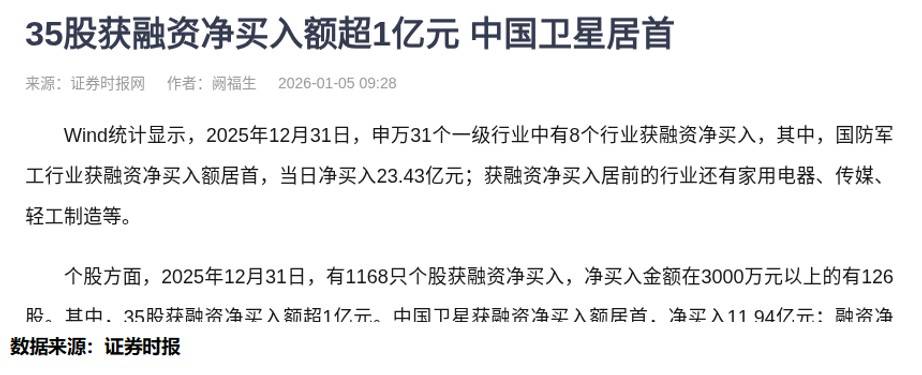
融资净买入居前 背后藏着什么秘密?
Sou Hu Cai Jing· 2026-01-05 15:24
Group 1 - On the last day of 2025, among the 31 primary industries, 8 experienced net financing inflows, with the defense and military industry attracting the most at 2.343 billion yuan, followed by household appliances and media [1] - A total of 1168 stocks received net financing, with 35 stocks exceeding 100 million yuan in net inflows, and China Satellite leading with 1.194 billion yuan [1] - The presence of net financing inflows does not guarantee stock price increases; the involvement of institutional investors is crucial to determine the sustainability of price movements [1][8] Group 2 - Investors often struggle to time their trades correctly, as relying solely on price movements can lead to misleading conclusions about market trends [3] - Institutional participation is indicated by trading volume; when institutional funds are active, stock prices may rebound, while a lack of institutional activity can lead to price declines [5] - Holding onto stocks without institutional support can result in losses, as seen in examples where stocks declined after institutional funds withdrew [7] Group 3 - Net financing inflows should be viewed as signals rather than definitive buy indicators; it is essential to assess whether institutional funds are actively participating in the stocks of interest [8] - For instance, while the defense and military industry saw significant net inflows, the actual involvement of institutional investors determines the potential for sustained price increases [8] - Understanding data and institutional activity is key to making stable investment decisions, rather than being swayed by superficial price movements [11]