资产管理

Search documents
Amundi 在 2025 年第三季度大幅减持 Strategy(MSTR)股票
Xin Lang Cai Jing· 2025-11-26 02:40
来源:市场资讯 吴说获悉,据 SEC 最新 13F 披露,欧洲最大资管公司 Amundi 在 2025 年第三季度大幅减持 Strategy (MSTR):季度净卖出 772,620 股,按当季价格估算价值约 1.35 亿美元;持仓从 Q2 的 255.66 万股降 至 178.39 万股,权重由 0.12% 降至 0.09%。 (来源:吴说) ...

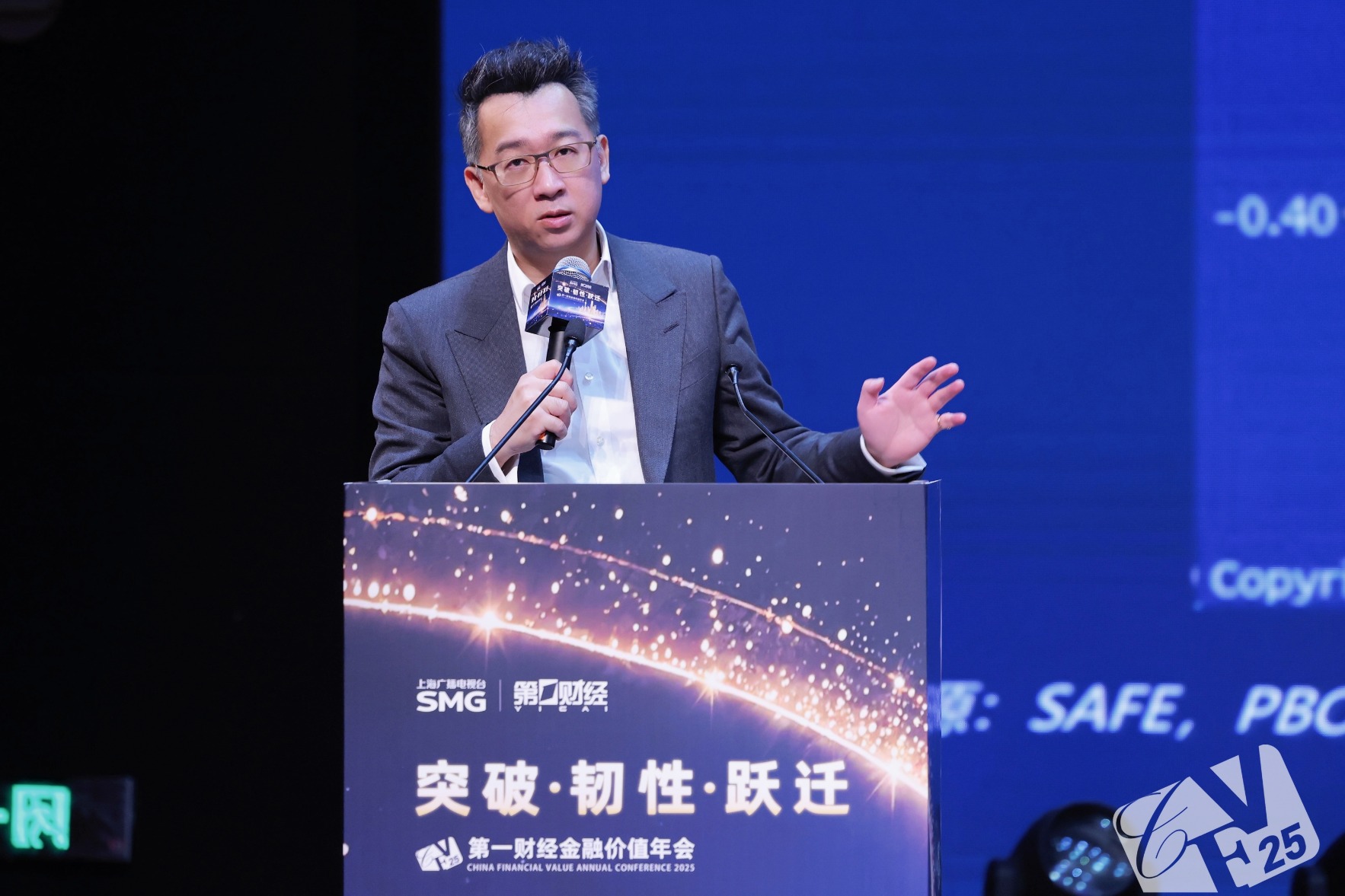
经济观察报副总编辑郭宏超:三大核心变革重塑资管行业生态
Sou Hu Cai Jing· 2025-11-26 02:36
Core Insights - The Chinese asset management industry, valued at 210 trillion yuan, is at a critical turning point for transformation and upgrading, influenced by a comprehensive pressure test over the past year [3][4]. Regulatory Framework - The regulatory framework is continuously improving, establishing a solid foundation for compliant development, with the gradual implementation of asset management regulations, personal pension systems, public fund fee reforms, and private fund industry standards [4][5]. Asset Structure - There is a deep restructuring of asset structures, injecting new momentum into industry development, as the trend of household wealth shifting towards financial assets is irreversible. Structural opportunities such as the expansion of the Beijing Stock Exchange, accelerated listings of innovative enterprises, normalized issuance of REITs, and a surge in green bond issuance are providing continuous liquidity to the asset side [4][5]. Investor Behavior - Investor behavior is becoming increasingly rational, with a focus on long-term and value investing principles penetrating market risk pricing and enhancing research capabilities to achieve sustainable wealth growth for clients [5]. Institutional Strategies - In a market environment characterized by low interest rates and asset scarcity, institutions need to build cross-cycle asset allocation capabilities and explore inclusive pension finance, positioning personal pension accounts as important service entry points for long-term client engagement [5]. Trust and Client Relationships - Rebuilding trust with clients is crucial; understanding client anxieties will enable firms to seize opportunities in the next industry cycle and earn long-term trust and commitment from clients [5].

资管协会更名开启行业协同新篇章
Zhong Guo Zheng Quan Bao· 2025-11-25 20:27
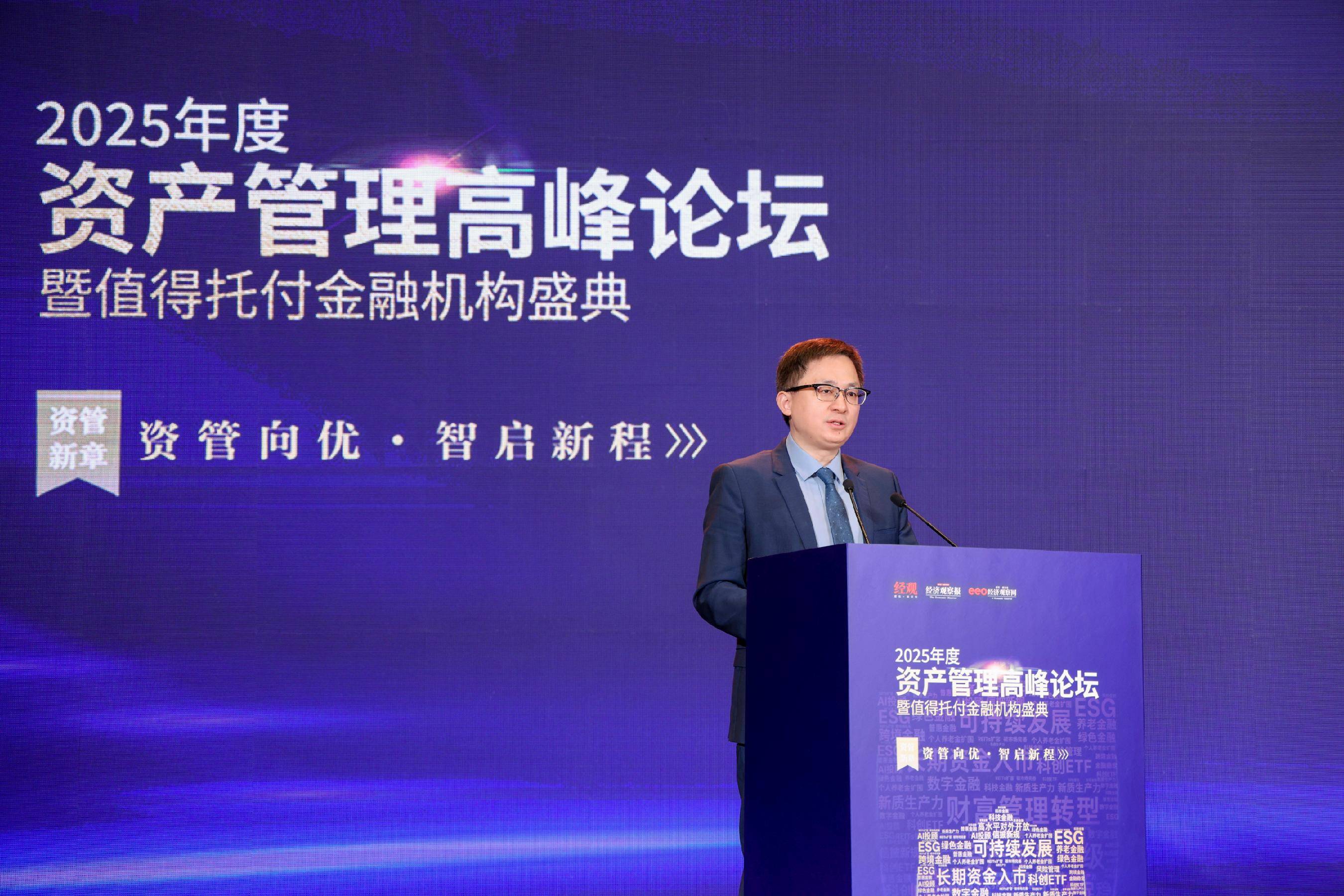
● 本报记者 程竹 吴杨 中国证券报记者近日发现,中国保险资产管理业协会官方微信公众号已正式更名为中国银行保险资产管 理业协会。早在今年8月,就有相关人士透露,协会已召集会员审议通过更名议案,10月完成工商信息 变更,目前协会网站尚未完成更名。 与此相应,银行理财公司融入统一行业自律体系也进入尾声。在全国32家银行理财公司中,已有30家成 为协会会员。在银行理财市场规模突破32万亿元的背景下,此次更名标志着资管行业将在统一的自律框 架下协同发展,有助于消除行业壁垒、规范信息披露并保护投资者权益。 官微更名落地 协会官微简介显示,中国银行保险资产管理业协会是由银行理财及保险资产管理行业自愿结成的全国 性、行业性、非营利性社会组织,接受国家金融监督管理总局和民政部的业务指导和监督管理,认真履 行自律、维权、协调、服务职能,发挥服务会员、辅助监管的作用,推动行业高质量发展。 此次更名并不突然。8月,某保险资管公司人士就曾透露,协会已召开会员审议表决会敲定更名事宜。 天眼查信息显示,10月协会完成工商信息变更,从法律层面完成主体身份更新。而近期协会官微名称切 换,或标志着更名工作步入收尾阶段。 会员扩容速度印证了行业 ...
转型不是“急就章” 十年挥就“时晴帖” 财通资管以多资产策略破局低利率时代
Shang Hai Zheng Quan Bao· 2025-11-25 18:14
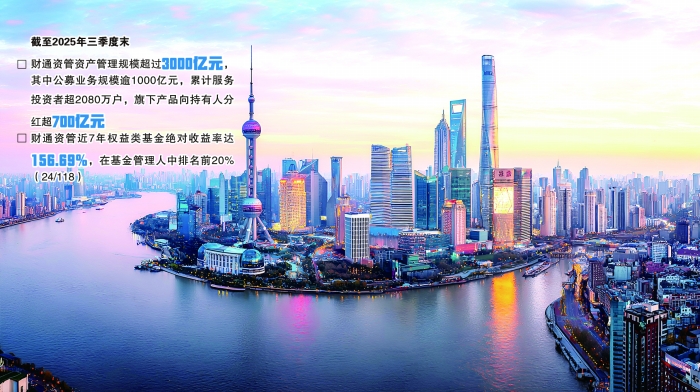
Core Viewpoint - The asset management industry is undergoing a profound restructuring of its return logic due to the continuous decline in global interest rates, prompting a shift from "single asset allocation" to "multi-asset allocation" strategies [2][3] Group 1: Business Strategy - The company adopts a dual-driven approach of "active management + risk control" to navigate the low interest rate environment, establishing a robust business structure with a focus on traditional investment research and development (R&D) alongside innovative financing services [2][3] - The business architecture consists of a main body focusing on fixed income, equity, quantitative, fund of funds (FOF), and derivatives, with two wings represented by asset-backed securities (ABS) and real estate investment trusts (REITs) [2][3] Group 2: Investment Strategy - The traditional bond coupon strategy is no longer sufficient to meet investor return demands, with the 10-year government bond yield stabilizing around 1.7%, necessitating a reconstruction of return logic [3] - The company has been systematically developing a multi-strategy product line since 2016, focusing on flexible private equity products to complement its multi-asset strategy [3][4] - The fixed income team is continuously iterating its capabilities and structure, expanding its focus to include innovative investments and international business [3][4] Group 3: Product Development - The company has designed a multi-strategy product system based on investor risk preferences, creating a gradient layout of low, medium, and high volatility products [4] - The fixed income multi-strategy toolbox has expanded from traditional investments to include quantitative strategies, derivatives, and cross-border assets [4] Group 4: Equity Investment - The company's public equity scale grew over 80% by the end of Q3 2025 compared to the beginning of the year, with significant institutional capital inflow [5] - The company focuses on investment themes aligned with national industrial upgrades, achieving top performance in technology, consumer, and healthcare sectors [5] Group 5: Transition to Asset Management - The company is transitioning from traditional investment banking services to asset management, emphasizing deep operational engagement to enhance asset value [6][7] - The company has issued approximately 180 billion in ABS, focusing on high-quality enterprises in Zhejiang province and sectors like green technology [6][8] Group 6: Competitive Advantage - The company emphasizes the importance of active management and risk control as core competitive strategies, with total assets under management exceeding 300 billion by Q3 2025 [8][9] - The company aims to build a sustainable investment culture, focusing on long-term trends and the necessary professional capabilities to navigate market fluctuations [9]
贝莱德比特币ETF单日成交突破80亿美元
Ge Long Hui· 2025-11-25 17:17
Core Insights - The trading volume of the iShares Bitcoin Trust (IBIT) reached a record high of $8 billion on November 21, contributing to a total market trading volume of Bitcoin ETFs of $11.5 billion, marking an all-time high [1] - Despite the high trading activity, IBIT experienced a net outflow of approximately $122 million on the same day, indicating a significant liquidity rotation rather than a sustained withdrawal of funds [1] - Bitcoin has seen a cumulative decline of about 24% in November, falling over 30% from its peak of approximately $126,000 earlier in the year, stabilizing around $84,000 [1] Group 1 - The unprecedented trading activity in Bitcoin ETFs reflects heightened interest from institutional investors amid market volatility [1] - The record trading volume coincided with a significant price correction in Bitcoin, highlighting the relationship between trading activity and price fluctuations [1] - The net outflow from IBIT suggests a dynamic market environment where liquidity is being actively managed by investors [1]

外资机构明年投资展望现共识:看好A股配置价值
Zheng Quan Ri Bao· 2025-11-25 16:17
本报记者 昌校宇 近日,多家外资机构相继发布了2026年投资展望。尽管各份报告的侧重点不同,但都一致提高了对中国市场的关注度,并 从宏观环境、资产估值、结构性机会等维度形成了一系列具有共性的判断。 联博基金预计,为在竞争中保持领先,全球企业将持续加码AI投入至少至2026年,这有望为相关企业的盈利增长提供可持 续的支撑。此外,AI技术在各行业的落地步伐也在加快。在此背景下,中国市场的AI赋能板块或仍具备配置价值。 联博基金市场策略负责人李长风建议关注A股市场中具备持续成长性的科技与新消费板块,他认为相关企业或直接受益于 创新驱动。 在固定收益领域,外资机构普遍看好新兴市场债券的长期配置价值。 外资机构普遍认为,全球经济正迈入新阶段,结构性转变将持续重塑资本流动与资产配置格局,新兴市场有望在这一环境 中获益,中国市场的相对吸引力将持续提升。 联博基金在题为《支撑2026年权益市场的主旋律未变》的市场评论中表示,"美联储货币政策将持续带动资金涌入包含中 国股市在内的新兴市场,此结构性趋势并未改变。" 高盛资产管理在题为《于复杂环境中捕捉新契机》的报告中提到,在美元走弱、油价回落以及美联储鸽派立场等多重宏观 条件支 ...
2025年阿布扎比金融周丨汇聚全球资本领军者 共话“重构资本网络”
Di Yi Cai Jing· 2025-11-25 15:20
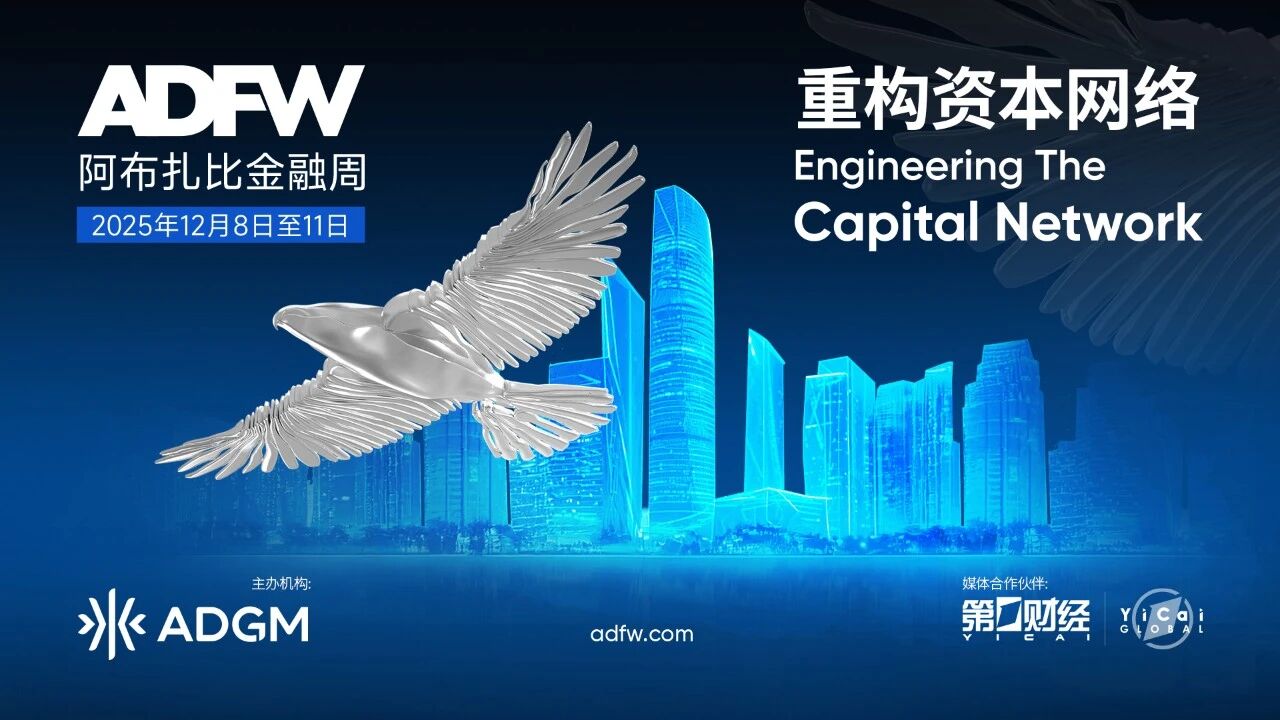
Core Insights - The Abu Dhabi Financial Week (ADFW) 2025 is set to be the largest since its inception, with over 750 world-class speakers and participation from leaders managing assets totaling over $62 trillion, equivalent to more than half of the global GDP [1][4] - The event will focus on the future of global finance, emphasizing the role of capital in accelerating infrastructure development and fostering sustainable growth [4][5] Group 1: Event Overview - The ADFW will take place from December 8 to 11, 2025, in Abu Dhabi, supported by the Crown Prince and the Abu Dhabi Executive Council [2] - The event will feature over 60 major activities and more than 300 thematic discussions [4] - Key speakers include executives from major global institutions such as Allianz, JPMorgan, Morgan Stanley, and the World Bank [1][4] Group 2: Themes and Discussions - The official theme "Reconstructing Capital Networks" will guide discussions on topics such as AI-driven financial innovation, global capital flows, and the evolution of regulatory paradigms [4] - The agenda includes significant forums like the "Global Market Summit" and "Abu Dhabi Asset Management Conference," focusing on macroeconomic forces and wealth distribution [5] - The closing day will highlight sustainability and ESG themes, featuring the "Abu Dhabi Sustainable Finance Forum" and discussions on financing pathways for a sustainable future [6]
“债券之王”冈拉克:美股市场深陷“狂热”,黄金是避风港
财富FORTUNE· 2025-11-25 13:14
Core Viewpoint - The current investment landscape is characterized by extreme speculation in the U.S. stock market, which is deemed unhealthy, with a strong emphasis on gold as a true asset class and a recommended allocation of around 15% in investment portfolios [2][3][4]. Group 1: Market Assessment - The U.S. stock market is described as one of the most unhealthy markets in the history of the speaker's career, with classic valuation metrics like price-to-earnings ratios and market capitalization ratios reaching unsustainable levels [2][3]. - The current enthusiasm for artificial intelligence is compared to past market frenzies, such as the electric power boom, suggesting that while transformative technologies can change the world, they often lead to overpricing of future earnings [3]. Group 2: Gold as an Investment - Gold is highlighted as a key asset in investment portfolios, with the speaker expressing a strong bullish outlook, stating it is now recognized as a legitimate asset class rather than just a refuge for survivalists or speculators [4][5]. - The performance of gold has been exceptional, being the best-performing asset this year and over the past 12 months, despite a recent consolidation phase [5]. Group 3: Portfolio Strategy - A significant reduction in exposure to traditional financial assets is recommended, with a shift away from the conventional 60/40 stock-bond allocation. The speaker suggests that stocks should not exceed 40% of the portfolio, and fixed income should only account for about 25% [6]. - The remaining portion of the portfolio should be allocated to tangible assets like gold and cash, reflecting a cautious approach given the high market valuations and potential economic risks [6].
在浅流动性里寻找真趋势——迈向2026年的多资产思维
经济观察报· 2025-11-25 13:11
Core Viewpoint - The article discusses the concept of "shallow liquidity," indicating a shift in global dollar liquidity from being extremely ample to merely sufficient, which can lead to significant volatility across various asset classes [4][6]. Group 1: Market Trends - In 2025, there is a notable disparity in asset performance, with silver and gold prices rising significantly, while major stock indices like the S&P 500 are experiencing declines [6]. - The market is currently witnessing a "shallow liquidity market," characterized by a rebound in U.S. and Hong Kong stocks, while funds are shifting from high-growth sectors to defensive sectors [7]. - Analysts suggest that this reflects a cross-asset deleveraging process, where funds are realigning based on price, interest rates, and leverage [8]. Group 2: Federal Reserve Dynamics - The Federal Reserve is experiencing internal divisions regarding potential interest rate cuts, with some officials advocating for a reduction while others prefer to maintain current rates [10]. - The uncertainty surrounding short-term interest rate paths is increasing, with market expectations fluctuating rapidly [11]. Group 3: Goldman Sachs Insights - Goldman Sachs' 2026 outlook emphasizes a multi-layered framework for investment, suggesting a shift from a U.S.-centric equity market to a more diversified global approach [13]. - The report highlights the importance of fixed income strategies, advocating for a return to duration management and credit differentiation in response to global inflation and growth disparities [14]. - Private equity and real estate are seen as areas where value creation will be prioritized over mere valuation stories, with a focus on operational improvements and technological enhancements [15]. Group 4: Investment Strategies for China - For Chinese investors, the focus should be on structural resilience amidst complexity, with an emphasis on value stocks and technology-driven consumption [17]. - Gold and precious metals are recommended as long-term assets for risk management, while fixed income investments are viewed as tools for stabilizing returns and hedging against volatility [18]. - The investment narrative is shifting towards building a resilient structure to navigate uncertainties rather than chasing fleeting opportunities [19].

洪灝:中国股市有基本面支撑 “第五浪”涨幅或超预期
Di Yi Cai Jing· 2025-11-25 11:28
Group 1 - The Chinese stock market is currently the best-performing market globally, with expectations of profit-taking pressure as the year ends. The upward trend is supported by the rising global status of Chinese companies [1] - There is a belief that the recent market rally lacks fundamental support; however, it is argued that the fundamentals have shifted from real estate to emerging industries such as new energy, semiconductors, and high-end manufacturing [1][6] - The ongoing recovery of industrial profits is expected to support the Shanghai Composite Index in reaching new highs, indicating that the anticipated "fifth wave" of the market has just begun, potentially exceeding general expectations [3][7] Group 2 - The past three years have seen deflationary pressures in China's upstream industries, which are now beginning to transmit to downstream sectors, manifesting in weak demand and increased competition [4] - Recent improvements in industrial metal prices and pork profit margins suggest that the deflationary pressures are easing, with expectations of a recovery in upstream prices and consumer sentiment in the next 3 to 6 months [5] - The contribution of real estate to GDP has decreased to around 10%, indicating a shift in the economic fundamentals, with strong performance expected from sectors outside of real estate, particularly in manufacturing and emerging technologies [6][7] Group 3 - Historical patterns indicate that each economic cycle in China lasts approximately 3 to 4 years, with the current economic indicators suggesting a return to relative cyclical highs [7] - The correlation between the Shanghai Composite Index and industrial profits suggests that as industrial profits recover, the index will continue to rise, with long-term trends indicating a steepening yield curve for long-term bonds [7] - The recent surge in precious metals prices, including gold and silver, signals significant historical changes in the economic landscape, with expectations that industrial metals will follow suit after the recent rally in gold prices [6]