
脑机接口

Search documents
国内首款!华山医院联合脑虎科技完成内置电池脑机接口人体植入
Di Yi Cai Jing· 2025-12-13 11:59
包括最新的全植入设备的首例植入在内,目前脑虎科技已经完成了54例脑机接口的人体植入,明年将完 成正式临床试验的注册,加速相关脑机接口产品的商业化上市进程。 12月13日,第一财经记者在中国神经科学学会脑机接口与交互分会年会上获悉,上海脑虎科技研发的一 款内置电池全植入脑机接口产品已于近期在复旦大学附属华山医院完成首例患者植入。 据记者了解,目前全球范围内掌握并验证内置电池全植入方案的公司数量极少,脑虎科技是除科技富豪 马斯克的脑机接口公司Neuralink之外,提供此类设备的首家中国公司,不仅填补了国内相关领域技术空 白,也标志着中国脑机接口技术跻身全球顶尖行列。 患者已经实现"意念操控" 复旦大学附属华山医院院长毛颖教授向第一财经记者介绍称,首例植入患者是在获得严格伦理审批的基 础上进行的。患者为一名肩部以下完全不能动的高位截瘫者。患者术后1天即转入普通病房,术后5天首 次开机便成功实现意念操控。经过系统训练,在标准测试中,其脑控解码速率达到5.2BPS,达到国际 大脑解码的顶尖水平。 陶虎还介绍称,包括最新的全植入设备的首例植入在内,目前脑虎科技已经完成了54例脑机接口的人体 植入,明年将完成正式临床试验 ...
中央经济工作会议后,市场如何表现?
Soochow Securities· 2025-12-13 11:08
Core Insights - The report indicates that the 2025 Central Economic Work Conference is more focused on "structural adjustment," suggesting a potential for a structural market trend in the upcoming year [4][6][26] - Historical patterns show that years emphasizing "stabilizing growth" typically lead to stronger market performance, favoring large-cap stocks over small-cap and value stocks over growth stocks [2][10] - Conversely, years focused on "structural adjustment" tend to exhibit market volatility, with large-cap stocks remaining flat while small-cap stocks weaken [2][10] Summary by Sections Historical Performance Post-Central Economic Work Conference - The report categorizes past conferences into two themes: "stabilizing growth" and "structural adjustment," with specific years identified for each theme [1][2] - Years with a "stabilizing growth" focus include 2014, 2018, 2019, 2021, 2022, and 2024, characterized by economic slowdowns and policies aimed at maintaining stability [1][2] - Years emphasizing "structural adjustment" include 2013, 2015, 2016, 2017, 2020, and 2023, where the focus was on addressing structural issues and risks [2] Market Behavior and Style Preferences - In "stabilizing growth" years, the market index typically strengthens, with large-cap stocks outperforming small-cap stocks and value stocks outperforming growth stocks [2][10] - In "structural adjustment" years, the market tends to be more volatile, with large-cap stocks showing flat performance and small-cap stocks declining [2][10] Industry Performance Insights - The report notes that the focus of the Central Economic Work Conference influences the following year's market trends, with specific industry policies guiding investment directions [3][4] - For instance, the emphasis on "innovation-driven" policies in 2012 led to a TMT boom in 2013, while the focus on "new consumption" and "new infrastructure" in 2018 shaped market trends in 2019 [3] 2025 Conference Insights - The 2025 conference highlights a "supply strong, demand weak" scenario, indicating a need to balance supply and demand dynamics [4][6] - The report suggests that monetary policy will prioritize economic stability and reasonable price recovery, which could lead to improved corporate profitability if inflation expectations rise [6] - Expanding domestic demand is a key focus, with policies aimed at increasing consumer income and stabilizing investment to counteract previous declines in fixed asset investment growth [6] Market Outlook and Sector Allocation - The report anticipates a structural market trend in 2025, with specific sectors recommended for investment, including AI applications, semiconductor, and renewable energy sectors [7] - The report emphasizes the importance of monitoring macroeconomic conditions and policy developments to inform investment strategies in the upcoming year [7]
36氪精选:修复瘫痪、增强常人,脑机接口会成未来人类「外挂」吗?
日经中文网· 2025-12-13 00:33
Core Viewpoint - The article discusses the emerging potential of brain-computer interfaces (BCIs) in consumer healthcare over the next five to ten years, highlighting significant advancements and investments in the field, particularly in the context of medical applications and the integration of AI technologies [5][10]. Group 1: Industry Developments - In mid-2025, notable advancements in BCIs include Neuralink's $650 million funding round, raising its valuation to $9 billion, and expanding its applications to include speech and vision restoration for patients [5]. - Synchron secured $200 million in Series D funding, while Paradromics received FDA approval for clinical trials focused on speech function restoration [6]. - Chinese companies like JieTi Medical are progressing steadily in clinical trials and product optimization under strict regulatory frameworks, with their invasive BCI systems entering the "green channel" for innovation review by the National Medical Products Administration [6][7]. Group 2: Applications and Future Prospects - BCIs are categorized into three main application areas: brain-controlled output (e.g., decoding movement intentions), neural modulation (e.g., deep brain stimulation for Parkinson's), and sensory reconstruction (e.g., restoring hearing and vision) [9]. - The clinical value of BCIs in treating diseases is expected to be validated within the next three to five years, improving patients' quality of life and work capabilities [10]. - The consumer healthcare aspect of BCIs is anticipated to emerge in the next five to ten years, transforming human-machine interaction and enhancing efficiency through direct brain control of devices [10]. Group 3: Technological Innovations - The second-generation high-throughput wireless BCI system developed by JieTi Medical features 256 electrode channels, expanding its application from motor control to language reconstruction [7]. - The implantation process involves minimally invasive techniques, allowing for stable signal collection from the brain with low latency, comparable to natural brain function [13]. - Accumulating single-cell data from BCIs is crucial for advancing neuroscience and enhancing product design, with the potential for significant breakthroughs in understanding brain functions [14][15]. Group 4: AI Integration and Future Implications - AI and algorithms are expected to play a vital role in processing complex brain data, with the potential to create foundational models that improve the performance of BCIs for new patients [17][18]. - The relationship between BCIs and AI is seen as a dynamic interplay, where human intentions can guide AI actions, leading to more sophisticated control of devices [18]. - The integration of BCIs could enable humans to exceed current physical capabilities, with examples showing that BCI users can achieve faster control speeds than average individuals [19][20]. Group 5: Ethical Considerations and Human-Machine Fusion - The development of BCIs is viewed as a necessary step towards deep human-machine integration, serving as a bridge for communication between humans and AI [20][21]. - Concerns about AI potentially evolving beyond human control highlight the importance of maintaining human agency in the development of these technologies [21].


每日投行/机构观点梳理(2025-12-12)
Jin Shi Shu Ju· 2025-12-12 14:31
Group 1 - Societe Generale has closed its short position on 10-year U.S. Treasuries after the Federal Reserve's interest rate cut, realizing profits from a trade initiated at a yield of 4.09% and closed at 4.15% [1] - Fitch Ratings expects the U.S. leveraged loan default rate to decline by 2026, predicting it will range between 4.5% and 5.0%, while high-yield bond defaults are expected to be between 2.5% and 3.0% [1] - Scotiabank believes the U.S. dollar bear market has just begun, forecasting a continued weakening of the dollar until 2026 and 2027 due to divergent central bank policies [1] Group 2 - Nomura forecasts that the USD/JPY exchange rate will weaken in 2026, with target prices of 155.00 in Q1, 150.00 in Q2, 145.00 in Q3, and 140.00 in Q4, influenced by domestic political pressure and narrowing interest rate differentials [2] - Jefferies sees strong appeal in the Japanese stock market before 2026, expecting a 13% increase in the Topix index driven by corporate reforms and political leadership [3] - ING suggests that while the euro is nearing a two-month high against the dollar, betting on European Central Bank rate hikes may be premature, with potential for the EUR/USD to rise to 1.18 by year-end [3] Group 3 - CICC indicates that the Central Economic Work Conference emphasizes quality and efficiency in China's economic policies, with a focus on addressing consumer, investment, and real estate concerns [5] - Dongfang Jincheng anticipates continued relaxation of housing purchase restrictions in 2026, aiming to stabilize the real estate market through various policy measures [5] - CITIC Securities expects new measures to address operational debt risks of financing platforms, indicating a broader approach to managing local government debt [6]
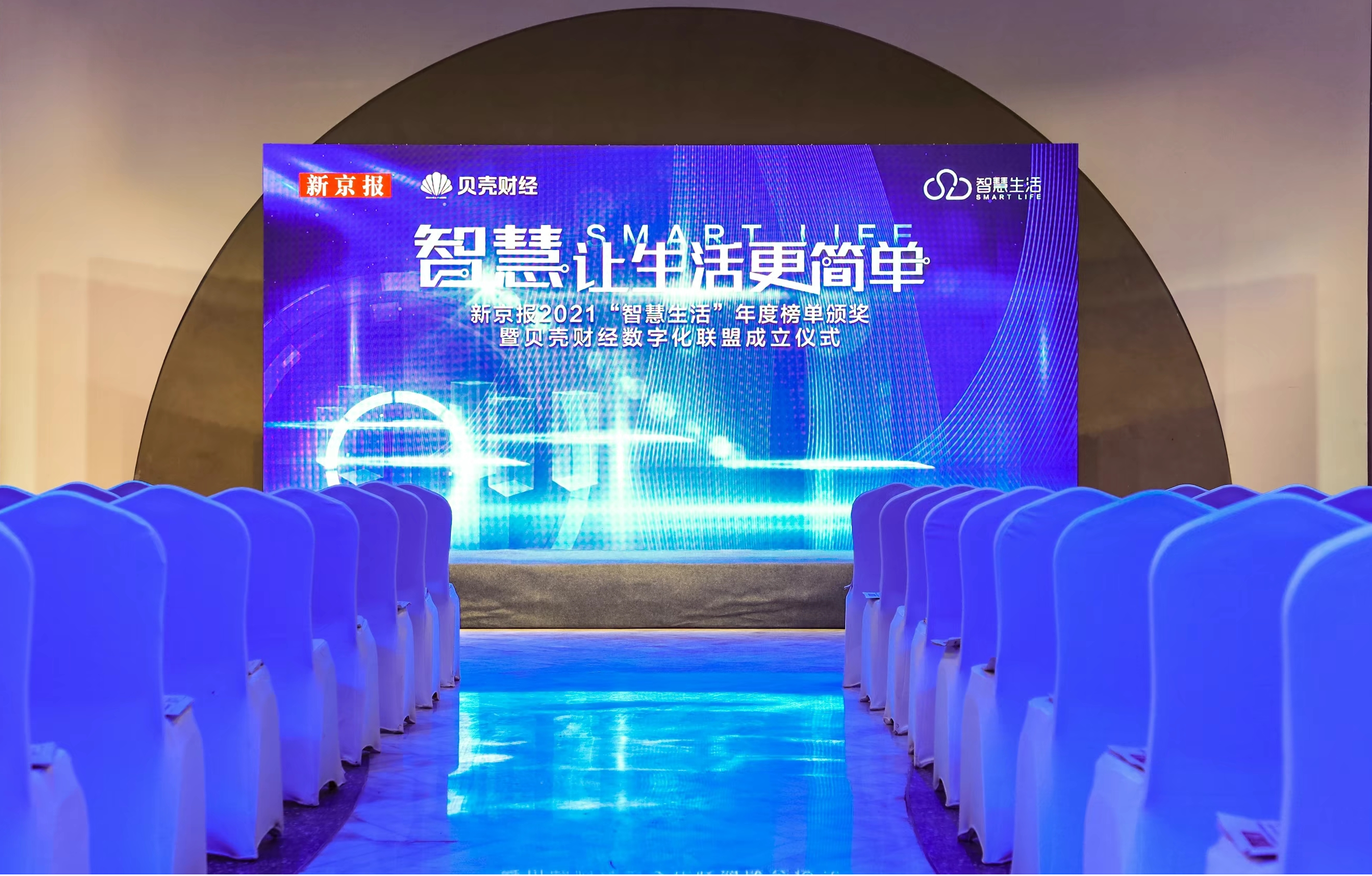
场景赋能生活,新京报2025“智慧生活”年度案例征集启动
Bei Ke Cai Jing· 2025-12-12 04:13
Core Insights - The emergence of AI and embodied intelligent robots reflects significant technological changes over the past year, highlighting the public's desire for a more human-like experience in the digital world [1] - The State Council's recent implementation opinions aim to accelerate the cultivation of scenarios and promote large-scale applications, linking technological breakthroughs with practical life improvements [3] - New consumption paradigms are emerging from these scenarios, with a deep integration of digital and physical economies, leading to a dual trend of rational upgrading and emotional resonance in the consumer market [4] Policy and Technological Integration - The implementation opinions from the State Council provide a clear framework for transforming laboratory technologies and policy blueprints into practical applications in daily life [3] - The focus on "scene applications" is emphasized as a key term, showcasing how policy benefits translate into visible conveniences in everyday life [3] Consumer Behavior Trends - The younger generation is characterized by a rejection of being labeled, balancing rational spending with a willingness to invest in personal interests and emotional values [4] - This dual approach reflects a shift in consumer behavior, where practicality meets emotional engagement in purchasing decisions [4] Annual Case Collection Initiative - The 2025 "Smart Life" annual case collection aims to explore the integration of technology and daily life, focusing on the practical value behind "scene applications" in various sectors [5] - The initiative will prioritize the effectiveness of implementation, inclusive value, and user experience, rewarding companies that adhere to quality standards and promote technology for good [7] Evaluation Process - The evaluation of the annual cases will involve a tripartite approach, including enterprise registration, expert scoring, and real user feedback, assessing innovation, practicality, inclusiveness, and social responsibility [8]
中信建投:在技术革新和政策红利催化下,国内脑机接口公司有望逐步实现商业化应用
Ge Long Hui· 2025-12-12 02:39
(责任编辑:王治强 HF013) 【免责声明】本文仅代表作者本人观点,与和讯网无关。和讯网站对文中陈述、观点判断保持中立,不对所包含内容 的准确性、可靠性或完整性提供任何明示或暗示的保证。请读者仅作参考,并请自行承担全部责任。邮箱: news_center@staff.hexun.com 中信建投研报认为,脑机接口产业链上中游的技术进步带来下游应用端不断突破,近年来国内外在 运动恢复、语言沟通、听力重建等医疗领域的研究不断出现里程碑式成果。国家层面和各地区推出多项 政策利好行业加速发展,近期国家医保局发文为脑机接口新技术价格单独立项,其进入临床应用的服务 收费路径已经铺好。在技术革新和政策红利催化下,国内脑机接口公司有望逐步实现商业化应用。 ...

A股指数涨跌不一:创业板指涨0.29%,贵金属、能源金属等板块涨幅居前
Feng Huang Wang Cai Jing· 2025-12-12 01:36
Market Overview - The three major indices opened mixed, with the Shanghai Composite Index down 0.10%, the Shenzhen Component Index up 0.21%, and the ChiNext Index up 0.29% [1] - The Shanghai Composite Index closed at 3869.41, with a decline of 0.10% and 923 gainers against 952 losers [2] - The Shenzhen Component Index closed at 13174.45, with an increase of 0.21% and 1162 gainers against 1225 losers [2] - The ChiNext Index closed at 3172.73, with a rise of 0.29% and 565 gainers against 612 losers [2] External Market - U.S. stock indices closed mixed, with the Dow Jones Industrial Average and S&P 500 reaching record highs, while the Nasdaq underperformed due to concerns over Oracle's earnings report [3] - The Dow rose by 646.26 points, or 1.34%, closing at 48704.01 points, while the Nasdaq fell by 60.30 points, or 0.25%, closing at 23593.86 points [3] Institutional Insights - CICC noted that the Central Economic Work Conference emphasized a focus on quality and efficiency, with a clear response to market concerns regarding consumption, investment, and real estate [4] - Industrial Securities highlighted that while risk prevention has been deprioritized, it remains a bottom line, with an emphasis on proactive debt management by local governments [5] - CITIC Securities indicated that advancements in brain-computer interface technology and supportive policies are paving the way for commercial applications in the industry [6] - Open Source Securities expressed strong optimism regarding investment opportunities in the commercial aerospace sector, highlighting the establishment of commercial aerospace companies and development plans [7] - China Galaxy Securities reported that the engineering machinery industry is expected to maintain a positive trend in both domestic and international sales, with significant growth in excavator sales [8]


券商晨会精华 | 全球SOFC进入加速扩产阶段
智通财经网· 2025-12-12 00:44
Group 1 - The domestic brain-computer interface companies are expected to gradually achieve commercialization due to technological advancements and supportive policies [2] - Recent milestones in medical research for rehabilitation, communication, and hearing restoration have been noted in the brain-computer interface sector [2] - The National Medical Insurance Administration has initiated a separate pricing project for new brain-computer interface technologies, paving the way for clinical application [2] Group 2 - The global Solid Oxide Fuel Cell (SOFC) market is entering an accelerated expansion phase, driven by power shortages in the U.S. and the need for reliable power supply in data centers [3] - SOFC's low redundancy configuration and power tracking advantages make it suitable for the fluctuating demands of data centers [3] - The Levelized Cost of Electricity (LCOE) for SOFC is approaching that of gas power generation, indicating potential cost advantages with further scale [3] Group 3 - The pulp and paper industry is expected to see continued excess profits for integrated pulp-paper leaders as demand gradually recovers [4] - The supply-demand dynamics for various paper types are changing, with the pulp-paper segment remaining relatively loose [4] - The production capacity for corrugated box paper has nearly concluded, which may lead to a recovery in capacity utilization and an upward adjustment in paper prices [4]


券商晨会精华:全球SOFC进入加速扩产阶段
Xin Lang Cai Jing· 2025-12-12 00:36
智通财经12月12日讯,市场昨日震荡调整,沪深两市成交额1.86万亿,较上一个交易日放量786亿。板 块方面,商业航天、次新股等板块涨幅居前,福建、房地产等板块跌幅居前。截至昨日收盘,沪指跌 0.7%,深成指跌1.27%,创业板指跌1.41%。 天风证券认为,受到电源建设周期及电网输电能力限制,美国电力紧缺给SOFC发展带来新机遇。数据 中心负荷波动极大,对供电可靠性要求极高。SOFC的低冗余配置、功率跟踪优势,使其更适配数据中 心需求。SOFCLCOE已接近燃气发电,天风证券认为随着规模化降本成本优势有望进一步体现。全球 SOFC进入加速扩产阶段。 中金公司:浆纸一体化龙头有望继续获得超额利润 中金公司发布造纸行业2026年展望称,展望2026年,消费需求仍在温和修复阶段,各类纸种供给变化各 异:浆纸系纸种供需仍然宽松,浆价成为行业补库、及去库关键推动力,浆纸一体化龙头有望继续获得 超额利润;箱板瓦楞纸产能已基本收尾,有望率先走出本轮供需失衡周期,迎来产能利用率修复,吨纸 价格中枢同比抬升的业绩修复行情。 中信建投:国内脑机接口公司有望逐步实现商业化应用 中信建投认为,脑机接口产业链上中游的技术进步带来下游 ...
国内脑机接口公司有望逐步实现商业化应用
Mei Ri Jing Ji Xin Wen· 2025-12-12 00:33
Group 1: Commercial Aerospace - The establishment of commercial aerospace companies and the three-year plan for commercial aerospace development highlight the government's emphasis on this sector [1] - China's commercial aerospace has begun to form a complete ecosystem covering upstream manufacturing, midstream launch and operation, and downstream application services, indicating significant investment opportunities [1] Group 2: Pulp and Paper Industry - CICC forecasts that the pulp and paper industry will see moderate recovery in consumer demand by 2026, with varying supply changes across different paper types [2] - The pulp-paper integrated leaders are expected to continue generating excess profits, as pulp prices become a key driver for inventory adjustments [2] - The production capacity for corrugated box paper has nearly concluded, which is likely to lead to improved capacity utilization and a recovery in paper prices [2] Group 3: Brain-Computer Interface - CITIC Securities reports that advancements in the midstream technology of the brain-computer interface industry are leading to breakthroughs in downstream applications [3] - Recent milestones in medical fields such as motor recovery, language communication, and hearing restoration have been achieved, supported by favorable policies at the national and regional levels [3] - The National Medical Insurance Administration has initiated a separate pricing project for new brain-computer interface technologies, paving the way for clinical application and service fee pathways [3]
