
电动汽车

Search documents
9月销量新高后,特斯拉上海工厂紧急爬产
Guo Ji Jin Rong Bao· 2025-10-15 03:42
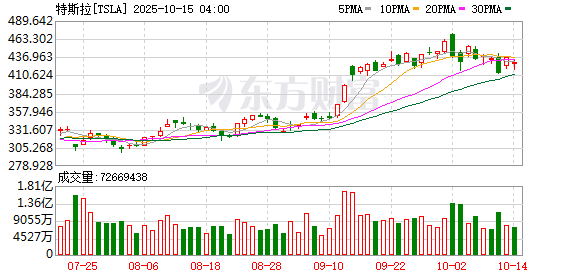
10月13日,特斯拉公司副总裁陶琳在社交媒体发文称,"这几天上海超级工厂已经开始了热火朝天的四 季度爬产。" 这一销量表现虽高于新势力车企,但从零跑的22.17万辆、理想的20.39万辆的销量来看,差距正持续缩 小。 感受到中国市场的压力,特斯拉迅速作出改变。产品策略调整与产能适配共同作用下,其销量表现在三 季度开始回暖,中国专属车型的推出成为关键催化剂。数据显示,8月上市的Model YL六座SUV瞄准家 庭用户需求,填补了此前的产品空白,9月上市后订单排期直接延至11月,单周销量最高突破4000辆。 产能端的及时响应进一步放大了产品效应。上海超级工厂自第二季度起逐步提升产能利用率,针对焕新 车型快速完成柔性生产切换,6周内即实现新车型产能爬坡,为8月后的销量增长提供了交付保障。 记者吴迪特约作者满新 (文章来源:国际金融报) 其表示,今年第三季度,特斯拉全球共交付了49.7万辆,创下季度交付新纪录,"四季度开始,上海工 厂的兄弟姐妹们正在抓紧拓产攻坚,满电冲刺,让国内和亚太的车主们尽早提车,工厂里方方面面也为 同事们做好了十足的保障和激励"。 作为特斯拉全球制造核心,上海超级工厂的产能一直在随着销量需求调 ...


为增长而出海:我们决定为出海企业做一件“笨事情”
吴晓波频道· 2025-10-15 03:37
Core Viewpoint - The Huashang Overseas Industry Alliance has rapidly developed since its establishment in 2024, gathering over 2,000 member companies and 200 professional service institutions, aiming to support Chinese enterprises in their overseas expansion through targeted strategies and community engagement [2][4][6]. Group 1: Overview of the Alliance - The alliance has published seven research reports and over 600 articles related to overseas expansion, and has organized nearly 50 offline events and over 50 live sessions to facilitate knowledge sharing among entrepreneurs [2][3]. - The alliance aims to assist Chinese companies in navigating the complexities of international markets, emphasizing the importance of adapting to diverse economic environments and cultural backgrounds [5][9]. Group 2: Strategic Initiatives - Starting in October, the alliance will launch a series of closed-door meetings titled "Going Overseas for Growth," focusing on specific countries, industries, and current trends to provide actionable insights for member companies [7][34]. - The meetings will be limited to 40 participants to foster intimate discussions and encourage sharing of experiences and challenges among attendees [10][11]. Group 3: Market Focus - The alliance recognizes that each international market presents unique challenges and opportunities, and emphasizes the need for companies to identify their niche within these markets [9]. - For instance, in Indonesia, successful companies like BYD have adopted a focused strategy in the electric vehicle sector, leveraging local resources to reduce costs significantly [9][21]. Group 4: Meeting Themes and Topics - Upcoming meetings will cover various themes, including: - Middle East market opportunities under the "2030 Vision" [19][20] - Navigating the complexities of the Indonesian market [21] - Strategies for entering the U.S. market amidst trade tensions [22] - Exploring the manufacturing advantages in Mexico [22] - The alliance plans to adjust the themes and locations of these meetings based on current events and member needs, ensuring relevance and responsiveness to market dynamics [22][34].

昔日“特斯拉劲敌” 国内最后一家直营门店也关了!上半年在华仅卖出69辆 公司1800亿元市值已蒸发
Mei Ri Jing Ji Xin Wen· 2025-10-14 16:56
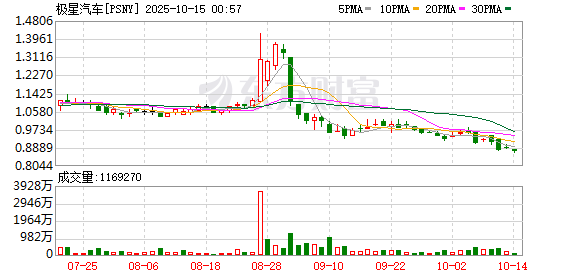
Core Insights - Polestar, once considered a strong competitor to Tesla, has closed its last physical store in China, located in Shanghai, as part of a strategic adjustment to better align with the rapidly changing consumer demands in the Chinese market [2][3] - The company's stock price has plummeted over 90% since its initial public offering, with a current market capitalization of approximately $1.87 billion [5][6] Company Strategy - Polestar is shifting to an online sales model, allowing consumers to access product information and complete purchases through digital channels [2] - The company has faced significant management turnover, with seven different leaders in the China region over eight years, and a complete overhaul of its global management team [6] Market Performance - In the first half of 2023, Polestar's sales in China were dismal, with only 69 vehicles sold, and zero deliveries in April and May [6] - In contrast, Polestar has seen growth in other global markets, with a 51.1% year-over-year increase in global sales, totaling over 30,000 vehicles in the first half of 2023 [6] Product Offering and Pricing - Polestar's pricing strategy has been inconsistent, with significant price reductions on models like the Polestar 2, which saw its price cut from 418,000 yuan to 298,000 yuan shortly after launch [4] - The latest model, Polestar 4, is priced starting at 299,900 yuan but lacks advanced features like lidar, leading to concerns about its market viability [5]

昔日“特斯拉劲敌”,国内最后一家直营门店也关了,公司1800亿元市值已蒸发
Mei Ri Jing Ji Xin Wen· 2025-10-14 13:43
Core Viewpoint - Polestar, once considered a strong competitor to Tesla, is undergoing significant strategic adjustments in China, including the closure of its last physical store in Shanghai, while shifting to an online sales model to adapt to the rapidly changing consumer demands in the market [1][2]. Group 1: Company Overview - Polestar is a Swedish electric vehicle brand founded in 2017 by Volvo and Geely, initially seen as a formidable rival to Tesla [2]. - The company went public in June 2022 through a merger with SPAC Gores Guggenheim, achieving a peak market capitalization of $27.629 billion [5][6]. Group 2: Market Performance - Polestar's stock price has plummeted over 90% since its IPO, currently trading at less than $1, with a market cap reduced to approximately $1.867 billion [7]. - The company has struggled with product positioning and pricing strategies, leading to poor sales performance, particularly in China, where only 69 vehicles were sold in the first half of 2023 [9][12]. Group 3: Strategic Adjustments - In response to ongoing challenges, Polestar has implemented cost management measures, including a hiring freeze and a 10% workforce reduction [9]. - The management team has experienced significant turnover, with seven different leaders in the China region over eight years and a complete overhaul of the global executive team [11]. Group 4: Global Sales Performance - Despite challenges in the Chinese market, Polestar has seen growth in other global markets, with a 51.1% year-over-year increase in global sales, totaling over 30,000 vehicles in the first half of 2023 [12]. - The cumulative global sales of Polestar 2 reached approximately 373,000 units, while Polestar 4 exceeded 231,000 units [12].
昔日“特斯拉劲敌”,国内最后一家直营门店也关了!上半年在华仅卖出69辆,公司1800亿元市值已蒸发
Mei Ri Jing Ji Xin Wen· 2025-10-14 12:49
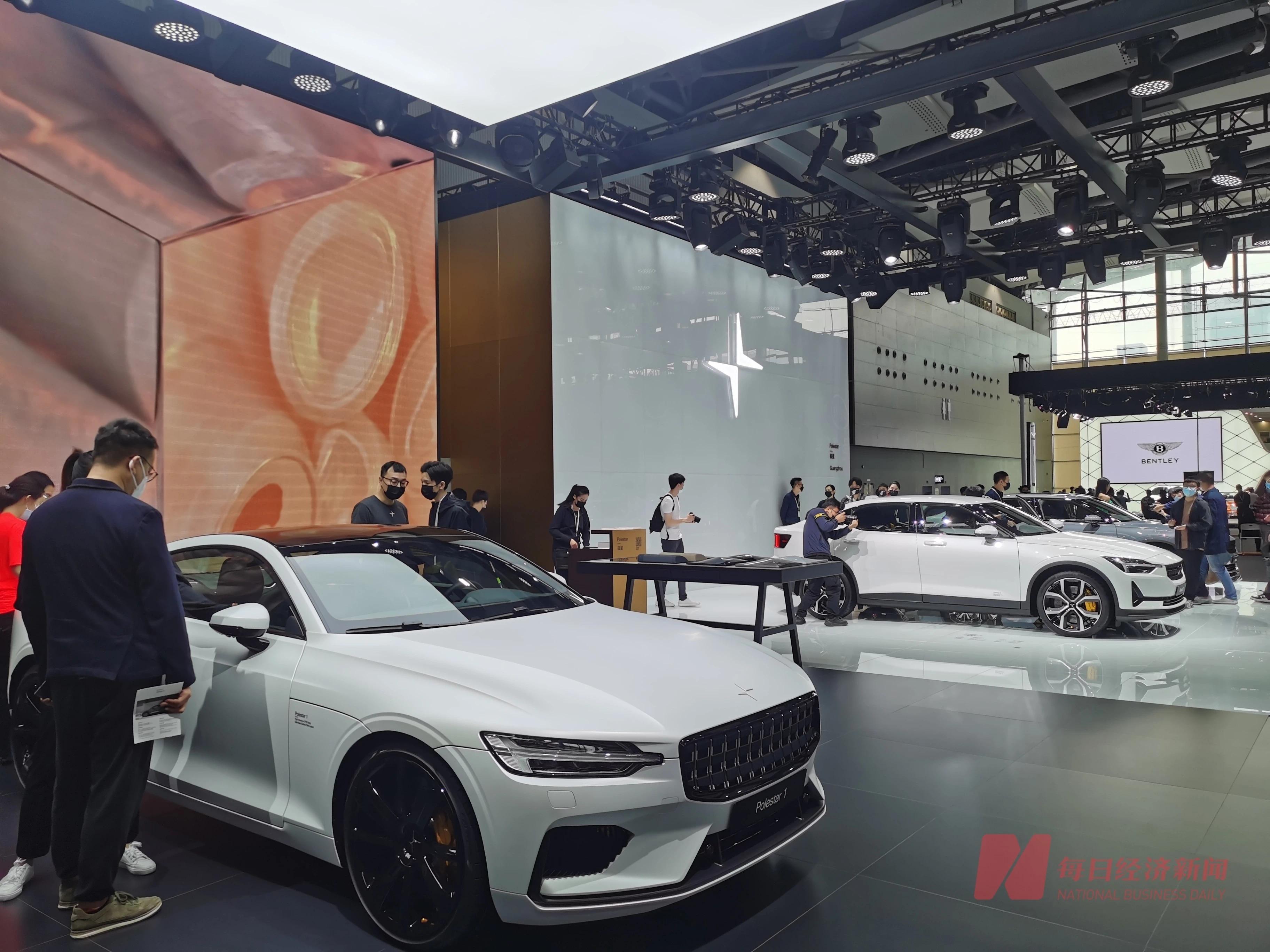
Core Insights - Polestar, once considered a strong competitor to Tesla, has closed its last direct sales store in China, located in Shanghai, as part of a strategic adjustment to better align with the rapidly changing consumer demands in the Chinese market [1][2] - The company's stock price has plummeted over 90% since its initial public offering, with a current market capitalization of approximately $1.867 billion, down from a peak of $27.629 billion [2][4] Company Performance - Polestar's sales in China have been dismal, with only 69 vehicles sold in the first half of 2025, and zero deliveries in April and May [6] - In contrast, Polestar has seen significant growth in other global markets, with total global sales exceeding 30,000 units in the first half of 2025, representing a year-on-year increase of 51.1% [7] Strategic Adjustments - The company is shifting to an online sales model, allowing consumers to access product information and complete purchases through digital channels [1] - Polestar has undergone significant management changes, with a complete overhaul of its global executive team, including the CEO, CFO, and COO [6] Product and Market Challenges - Polestar's product offerings have faced criticism for lacking competitive advantages and a dedicated electric vehicle platform, relying instead on Volvo's electric vehicle development [3] - The company has struggled with inconsistent pricing strategies, exemplified by the drastic price cuts of the Polestar 2, which left consumers with a negative perception [4]

中国持续领跑电动汽车和补能设施发展
中国能源报· 2025-10-14 11:53
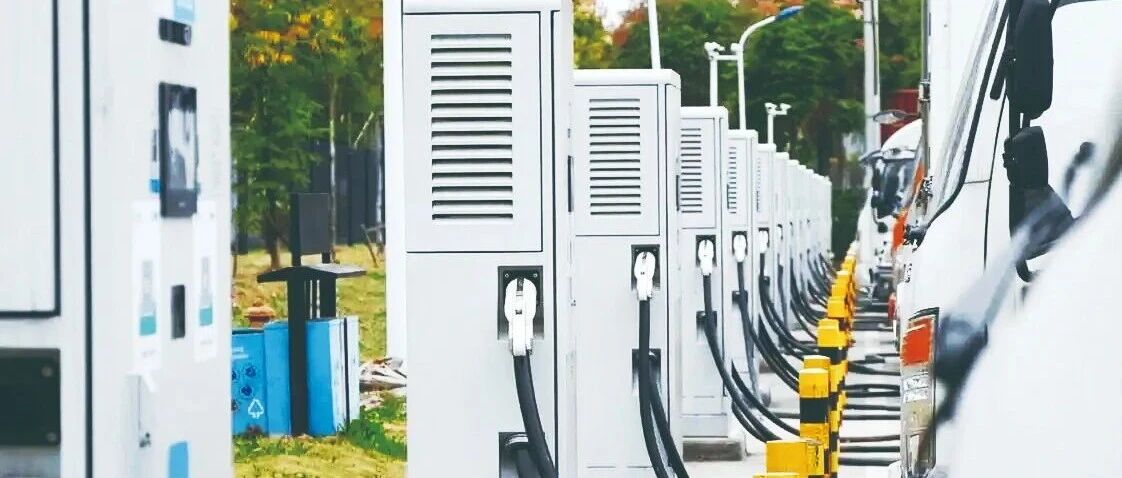
Core Insights - The article highlights the continuous growth of electric vehicle (EV) ownership in China, along with impressive development in charging infrastructure, maintaining its leading position in electrified transportation globally [3][5]. Group 1: Global Electric Vehicle Market Trends - According to Roland Berger's report, despite challenging market conditions, global EV usage and charging infrastructure showed steady growth, with overall sales penetration rate increasing from 20% in 2023 to 25% in 2024 [3]. - China's EV sales penetration rate is projected to rise from 36% in 2023 to 49% in 2024, solidifying its leadership in road transportation electrification [5]. - The Asia-Pacific region is dominated by China, contributing over 90% of EV sales, while other mature markets show minimal growth in penetration rates [5]. Group 2: Regional Performance - In North America, the U.S. EV sales penetration rate increased slightly from 10% in 2023 to 11% in 2024, while Canada rose from 9% to 15% [5]. - European performance is mixed, with Germany's penetration rate declining from 26% in 2023 to 22% in 2024 due to shrinking EV sales [6]. - The Middle East and North Africa are still in the early stages of electrification, with countries like Saudi Arabia and Qatar lagging behind [6]. Group 3: Charging Infrastructure Development - The global number of public charging stations grew by 33%, but the ratio of EVs to public charging stations slightly decreased due to faster growth in EV sales compared to infrastructure expansion [7]. - China maintains a high public charging station availability ratio, with 79% of respondents indicating increasing convenience in public charging [8]. - The total number of public charging stations is expected to exceed 5 million by the end of 2024, with over two-thirds of new stations located in China [8]. Group 4: Challenges in Charging Infrastructure - Key pain points for users include long charging times and insufficient infrastructure, with 47% of respondents dissatisfied with charging speed and 45% citing inadequate facilities [11]. - The report emphasizes the importance of home charging facilities, which slightly decreased from 87% in 2023 to 85% in 2024, primarily due to unsuitable living environments for installation [10]. - Public charging remains crucial, especially in areas with limited home charging options, highlighting the need for a user-friendly charging network globally [11].
China Hits Back at Trump’s Tariffs with Rare Earth Restrictions — Wipes Over $500M from Crypto Market
Yahoo Finance· 2025-10-14 11:45
Group 1: Export Controls and Market Impact - China has tightened export controls on rare earth magnets, leading to a $7 billion sell-off in cryptocurrencies and escalating tensions with the U.S. [1] - The new measures expand existing restrictions to five additional rare earth elements, requiring export approval for products containing more than 0.1% of Chinese-sourced rare earths [3][4] - China's rare earth exports fell by 31% in September, indicating a slowdown prior to the latest restrictions [5] Group 2: Industry Implications - With China controlling over 90% of global rare earth processing capacity, the new policy raises concerns about supply chain disruptions and increased production costs worldwide [4] - The review process for export licenses has become more stringent, with applications facing longer approval times and additional documentation requests [4][5] - The tightening of controls has already led to magnet shortages and temporary shutdowns at automotive plants earlier this year [5] Group 3: Government Responses - China's Ministry of Commerce defended the export controls as legitimate actions to refine the export management system and safeguard national security [6] - In response, President Trump announced a 100% tariff on all Chinese imports, accusing China of aggressive export tactics [7]
【快讯】每日快讯(2025年10月14日)
乘联分会· 2025-10-14 08:43
Domestic News - The Ministry of Industry and Information Technology plans to comprehensively enhance the intelligence and connectivity capabilities of automotive enterprises, raising production access thresholds and emphasizing cybersecurity and data security requirements [7] - In the first three quarters, the export share of domestic brand electric vehicles reached 59.5%, reflecting a significant increase compared to the previous year [8] - Starting November 1, the Ministry of Public Security will implement a fully digital process for new car registration, allowing users to complete the process without leaving home [9] - China has established the world's largest charging network, with 17.348 million charging facilities, equating to two charging stations for every five vehicles [10] - Seres Group has made significant progress in its listing process on the Hong Kong Stock Exchange, planning to issue up to 331 million shares [11] - XPeng Motors has begun exporting its MONA series to the Middle East and Africa, marking its expansion in overseas markets [12] - Tesla's Shanghai Gigafactory has initiated production capacity expansion for the fourth quarter of 2025 [13] - BYD's flagship store in South Africa has officially opened, indicating the company's growth in the African market [13] International News - The average price of new cars in the U.S. has surpassed $50,000 for the first time, driven by increased sales of luxury and electric vehicles [15] - The Manitoba provincial government in Canada is urging the federal government to eliminate the 100% tariff on Chinese electric vehicles, citing adverse effects on bilateral trade [16] - Renault plans to launch a new electric vehicle model priced below $20,000, leveraging advancements in battery technology to reduce production costs by 40% [17] - SK On is expanding its battery production facility in Georgia, USA, to include capabilities for both electric vehicle batteries and energy storage systems [18][19] Commercial Vehicles - Weishi Energy and the Brazilian Institute of Technology have announced a strategic partnership to promote the commercialization of hydrogen-powered heavy trucks in Brazil [20] - Dongfeng Commercial Vehicle has formed a strategic cooperation with Shijiazhuang Anruike to develop integrated vehicle and trailer solutions, promoting the use of clean energy [21] - The Remote Star Intelligent F3E has been launched in northern and eastern regions, addressing operational challenges faced by local users [22] - Shenzhen will implement a full ban on National III diesel trucks starting January 1, 2026, following previous restrictions [23]

中国期货每日简报-20251014
Zhong Xin Qi Huo· 2025-10-14 07:30
1. Report Industry Investment Rating No relevant content provided. 2. Core Viewpoints - On October 13, equity indices fell while CGB futures rose. Most commodities fell, with energy & chemicals performing weakly [2][10][13]. - China's exports increased by 7.1% and imports decreased by 0.2% in the first three quarters year-on-year [1][3][43][44]. - Gold may enter a high-level consolidation phase in the short term, and remains in a long-term bull market. Silver may continue its upward trend in the short term, and its mid-term price level is expected to move upward [21][22][23][24]. - Oil prices still show a downward trend. If tariff concerns do not improve, the short-term downward trend of oil prices is expected to continue; if tariff concerns ease or phased geopolitical risks emerge, oil prices will rebound accordingly, but the downward trend will still be hard to reverse [27][28][29]. - Glass prices are expected to mainly fluctuate in line with macroeconomic trends in the short term, and high inventories in the midstream and downstream sectors may suppress glass prices for forward-month contracts in the medium to long term [35][40]. 3. Summary by Directory 3.1 China Futures 3.1.1 Overview - On October 13, equity indices fell while CGB futures rose. Most commodities fell, with energy & chemicals performing weakly [10]. - The top three gainers of China's commodity futures are rapeseed, silver, and methanol, while the top three decliners are glass, LSFO, and synthetic rubber [11][12]. - Equity indices fell, with IF decreasing by 0.7%. CGB futures rose, among which TL increased by 0.4% [13]. 3.1.2 Daily Raise - Gold/Silver - On October 13, gold increased by 2.0% to 927.56 yuan/gram, and silver increased by 2.8% to 11531 yuan/kg [18][23]. - Gold may enter a high-level consolidation phase in the short term. In the long term, it remains in a long-term bull market. Silver may continue its upward trend in the short term, and its mid-term price level is expected to move upward [19][20][21][22][23][24]. 3.1.3 Daily Drop 3.1.3.1 Crude Oil - On October 13, crude oil decreased by 2.7% to 453.7 yuan/barrel. Oil prices still show a downward trend [27][29]. - Fundamental pressures persist, geopolitical support is marginally weakening, and macro risks are intensifying again. If tariff concerns do not improve, the short-term downward trend of oil prices is expected to continue; if tariff concerns ease or phased geopolitical risks emerge, oil prices will rebound accordingly, but the downward trend will still be hard to reverse [27][28][29]. 3.1.3.2 Glass - On October 13, glass decreased by 3.7% to 1179 yuan/ton [34][40][41]. - Short-term demand is seasonally recovering, but long-term demand lacks upward flexibility. Recently, industrial contradictions have been limited, and glass prices are expected to mainly fluctuate in line with macroeconomic trends. In the medium to long term, high inventories in the midstream and downstream sectors may suppress glass prices for forward-month contracts [35][40]. - The resumption of U.S. tariff hikes on China has a limited impact on glass supply and demand, but it may make the overall macro atmosphere relatively pessimistic, leading to a decline in the macro premium of glass futures prices [39][40]. 3.2 China News 3.2.1 Macro News - Canadian provincial governments call for the removal of tariffs on Chinese electric vehicles [43][44]. - China's goods trade import and export reached 33.61 trillion yuan in the first three quarters of this year, up 4% year-on-year. Among them, exports reached 19.95 trillion yuan, up 7.1% year-on-year; imports stood at 13.66 trillion yuan, down 0.2% year-on-year [43][44]. - The Dutch government will impose restrictive measures on Nexperia under Wingtech Technology, and China responds by opposing the overgeneralization of the concept of "national security" and discriminatory practices [43][44]. 3.2.2 Industry News - Multiple banks execute the first batch of cross-border bond repurchase transactions, with the trading volume on the first day reaching 5.8 billion yuan. The cross-border RMB repurchase market is expected to achieve steady growth in scale and activity, marking China's bond market moving towards a deeper "rule- and system-based" opening-up [45].
透视关键词看外贸做大体量、做强结构、锻造韧性
Yang Shi Wang· 2025-10-14 07:09
Core Insights - During the "14th Five-Year Plan" period, China's foreign trade has shown resilience and growth despite global challenges, with a focus on enhancing both domestic and international markets [1] Group 1: Trade Volume and Growth - The scale of China's goods trade has continuously expanded, surpassing $5 trillion and $6 trillion, projected to reach $6.16 trillion in 2024, a 32.4% increase from the end of the "13th Five-Year Plan" [1] - China has maintained its position as the world's largest trader for eight consecutive years [1] Group 2: Trade Structure and Quality - The export proportion of high-tech products in goods trade reached 18.2%, with exports of electric vehicles, lithium batteries, and photovoltaic products increasing by 2.6 times compared to 2020 [2] - Knowledge-intensive service trade is expected to grow by 38% compared to 2020, with digital delivery services seeing nearly a 40% increase [2] Group 3: Trade Partnerships and Diversification - ASEAN has been China's largest trading partner for five consecutive years, with China becoming a top three trading partner for over 150 countries and regions [2] - Trade with Belt and Road Initiative countries has exceeded 50% of China's total trade [2] Group 4: Supply Chain and Economic Support - China's foreign trade has seen improved flexibility in its industrial and supply chains, with events like the China International Import Expo serving as bridges for international economic cooperation [2] - China's foreign trade remains a significant contributor to global trade growth, supporting the recovery of the world economy [2]