
智能驾驶

Search documents
真金白银显担当!佑驾创新累计斥资超7300万港元回购股份
Ge Long Hui· 2026-01-26 14:16
值得关注的是,资本市场对佑驾创新的信心不止于公司回购。作为公司基石投资者,地平线机器人全资 子公司Horizon Together Holding Ltd.基于双方多年合作积淀,此前已在公开市场合计购入68.82万股H 股,用真金白眼彰显对佑驾创新未来发展前景及生态价值的看好。与此同时,公司核心股东此前已自愿 延长股份限售期,董事长及高管团队亦同步推出增持举措,形成信心传递组合拳。 2026年1月26日晚间,佑驾创新(2431.HK)发布公告,公司根据2025年5月23日股东周年大会授予的股份 回购授权,启动了总额不超过2亿港元的H股股份回购计划。 截至2026年1月26日,公司已通过香港联合交易所有限公司公开市场累计购回4,621,000股H股股份,总 金额约73,154,342港元。 董事会明确表示,当前H股股份成交价未充分反映公司的内在价值及实际业务前景,此次股份回购是基 于对公司长期发展的信心,有利于提升集团资本市场价值及股东回报能力,符合公司及全体股东的整体 利益。 在全球化战略上,佑驾创新亦加速进阶成功进入系统性、本地化的"出海2.0"新阶段。2026年伊始,佑 驾创新在海外市场连续落子:公司先是 ...
资讯日报:日元强劲反弹;金价首次升破每盎司5000美元-20260126
Guoxin Securities Hongkong· 2026-01-26 12:57
Market Overview - The Hang Seng Index closed at 26,750, up 0.45% for the day and 4.37% year-to-date[3] - The Nikkei 225 Index rose 0.29% to 53,847, with a year-to-date increase of 6.97%[3] - The S&P 500 Index ended at 6,916, with a slight increase of 0.03% and a year-to-date gain of 1.02%[3] Commodity and Currency Insights - Gold prices reached a historic high, surpassing $5,000 per ounce, driven by geopolitical tensions[13] - The Japanese yen rebounded strongly, with significant daily gains, as the market anticipates potential government intervention[13] Sector Performance - The commercial aerospace sector saw significant gains, with JunDa shares rising over 51% following the launch of six platforms aimed at accelerating satellite development[9] - The photovoltaic sector also performed well, with notable increases in stocks like KaiSheng New Energy (up 14.44%) and Xinyi Solar (up 11.15%) due to support from Tesla's CEO for solar energy development[9] U.S. Market Dynamics - The U.S. stock market showed mixed results, with the Nasdaq and S&P 500 slightly up, while the Dow Jones fell nearly 0.6%[9] - Notable individual stock movements included Goldman Sachs dropping nearly 4% and Nvidia rising 1.5%[10] Economic Indicators - Japan's core CPI for December 2025 rose 2.4%, aligning with expectations, while the manufacturing PMI for January 2026 increased to 51.5, indicating expansion[13]
佑驾创新斩获13亿元智驾定点,规模化量产再提速
Zheng Quan Shi Bao Wang· 2026-01-26 12:23
1月26日,佑驾创新(02431.HK)宣布,于近日新获某知名车企的项目定点通知,将为其面向国内及海 外市场的广泛车型开发并提供一系列先进的智能驾驶产品。 据悉,项目全生命周期订单总金额约为13亿元人民币,计划于2026年中正式启动量产。佑驾创新表示, 此次标志性项目定点验证了公司技术实力与产品可靠性,是公司在乘用车智能化领域的重大突破,也是 公司智能驾驶技术走向全球市场的关键一步。 据悉,该车企在中国市场拥有广泛的用户基础。官方数据显示,2025年其销量领跑市场,以超百万辆成 绩稳居行业头部阵营。佑驾创新获得行业头部车企认可,代表其产品在性能、可靠性及合规性上均达到 国际主流标准,具备服务全球市场的能力。而项目覆盖车型与市场范围广、全生命周期价值高,体现出 客户对公司创新研发与量产交付的信心。 当前,汽车智能化浪潮席卷全球,随着搭载智驾功能的车型加速推向市场,产业链上下游企业迎来新的 发展窗口。其中,具备技术、工程化与成本综合优势的头部智驾企业,将站在更广阔的国际市场,为智 能汽车产业的高质量发展贡献力量。作为产业出海浪潮的先行者,佑驾创新已在海外市场深度布局、多 点开花。 佑驾创新是国内首批助力整车厂通过 ...
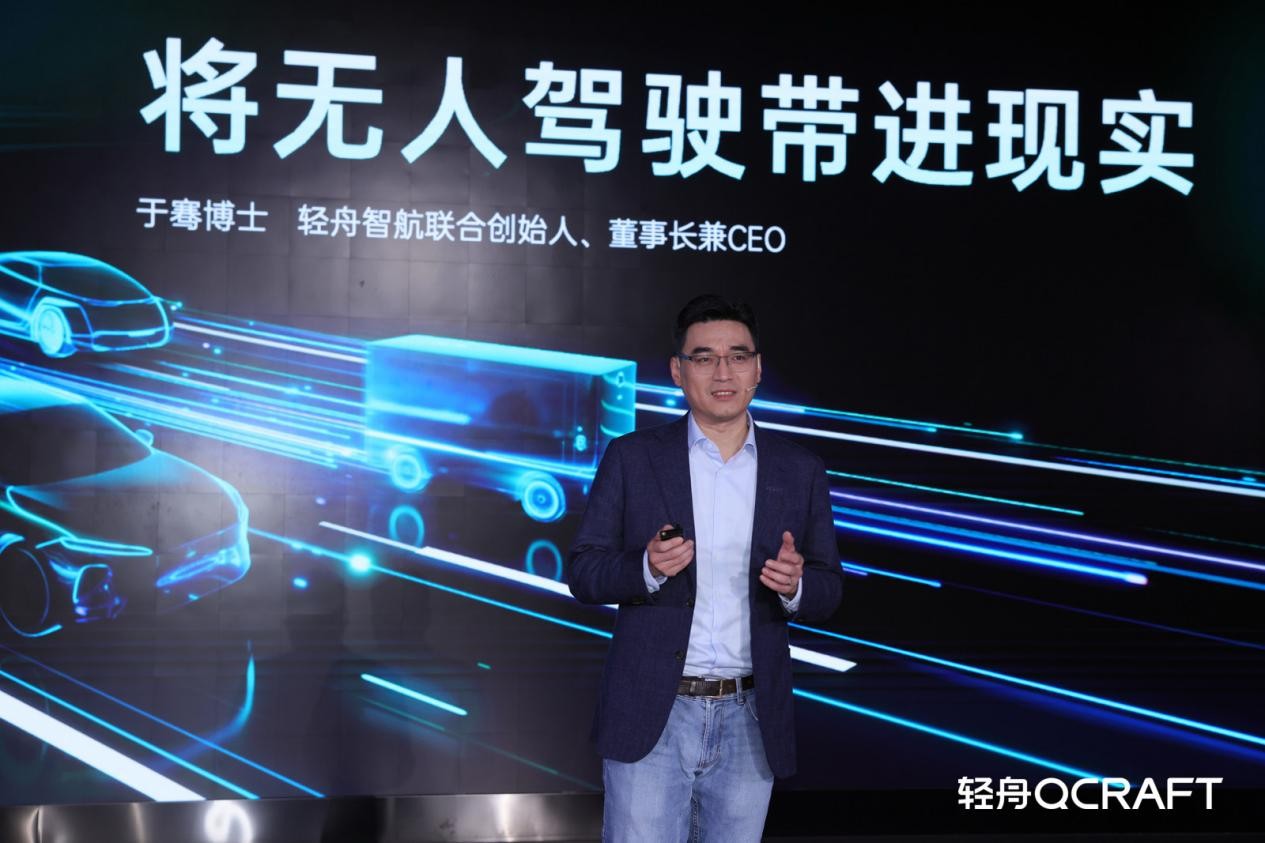
轻舟智航CEO于骞:智驾市场会留存4-5家企业|36氪专访
3 6 Ke· 2026-01-26 05:57
Core Insights - The autonomous driving industry is at a critical transition point, with a shift towards mass production and lower vehicle price segments while also pursuing advanced levels of automation like L3 and L4 [3][4] - The company, Lightyear, has survived previous industry eliminations by making strategic decisions that balance dependence and independence in partnerships with automakers and chip manufacturers [4][5] Company Strategy - Lightyear has transitioned from focusing on L4 capabilities to delivering L2 mass production software, becoming one of the first companies to relieve itself of the "technical burden" associated with L4 [3][4] - The company maintains a close yet independent relationship with automakers and chip manufacturers, allowing it to adapt to various platforms while developing its own algorithms and simulation tools [4][30] Market Position - Lightyear's passenger vehicle assistance systems have surpassed one million units in deployment, with expectations to exceed 50 models by 2026, nearly all featuring urban NOA capabilities [5][6] - The autonomous driving market is expected to retain 4-5 leading companies, similar to the engine or battery industries, rather than consolidating into a monopoly [6][37] Product Development - Lightyear plans to expand its L2 product offerings and increase investments in L4 technologies, including applications in unmanned logistics [6][44] - The company has outlined a product matrix with three tiers: Air, Pro, and Max, targeting various market segments and price points [9][12] Technological Focus - The company emphasizes an end-to-end solution that optimizes resource use for better user experience, avoiding unnecessary complexity in models and hardware [8][23] - Lightyear is exploring advanced technologies like VLA and world models, focusing on enhancing model generalization and virtual training capabilities [12][14] Industry Trends - The penetration rate of autonomous driving is currently below 5% but is projected to rise to 50% in the coming years, driven by the electrification of vehicles [35] - The trend of integrating autonomous driving features into lower-priced vehicles is expected to continue, making advanced safety and convenience features accessible to a broader audience [36]

佑驾创新获知名车企智能驾驶项目定点,订单金额超13亿元
Ju Chao Zi Xun· 2026-01-26 04:09
1月25日,佑驾创新发布公告,公司近期获得某知名车企的智能驾驶项目定点通知。根据该通知,佑驾创新将为该客户面向国内 及海外市场的广泛车型开发并提供一系列先进的智能驾驶产品。依据客户规划,上述项目预计全生命周期订单总金额约为人民 币超13亿元,计划于2026年中启动量产。 集团认为,此次合作将成为集团加速全球化战略落地的强劲引擎,助力构建国际化的业务版图。该项目将驱动集团技术持续迭 代升级,并加速其创新成果在全球范围内的应用与推广,对实现智能驾驶技术的全球普及具有重要战略意义。 佑驾创新在智能驾驶及车规级软硬件集成领域拥有深厚的技术积累和全栈自研能力。此次标志性的定点,强有力地验证了公司 智能驾驶一体化解决方案具备满足海内外标准的竞争力与国际化潜力,不仅体现了集团的技术实力与产品可靠性,更是集团在 乘用车智能化领域实现全球化拓展的关键一步。 ...
东吴证券:首予希迪智驾“买入”评级 深耕无人矿卡的智能驾驶平台型企业
Zhi Tong Cai Jing· 2026-01-26 02:59
东吴证券发布研报称,首次覆盖,给予希迪智驾(03881)"买入"评级。公司营业收入后续增长主要来自 无人矿卡订单持续放量,看好公司营收快速增长,归母净利润扭亏。预计公司2025-2027年营业总收入 分别为10.78亿元/20.00亿元/40.50亿元,同比增加162.90%/85.53%/102.47%;归母净利润分别为-2.69亿 元/1.03亿元/6.27亿元。公司是深耕无人矿卡行业的智能驾驶技术平台型公司,看好公司无人矿卡订单 放量+交付提速,盈利能力持续提升,增速优于行业。 东吴证券主要观点如下: 公司是国内领先的V2X智能交通方案提供商 公司的智能交通V2X产品及解决方案融合先进的感知技术、传感器融合算法、V2X通信功能及交通优化 算法,用以在交通参与者(包括行人、非机动车及网联汽车)与城市十字路口或道路的路侧基础设施之间 交换信息。此外,通过连接城市内的基础设施,V2X解决方案可对城市及高速公路交通进行智能预测与 决策。中国的V2X市场已经迎来爆发点。2024年,中国车路云一体化系统市场规模达20亿元;根据灼识 咨询预测,国内市场规模将在未来几年快速增长,于2030年达到人民币238亿元,202 ...

东吴证券:首予希迪智驾(03881)“买入”评级 深耕无人矿卡的智能驾驶平台型企业
智通财经网· 2026-01-26 02:58
智通财经APP获悉,东吴证券发布研报称,首次覆盖,给予希迪智驾(03881)"买入"评级。公司营业收入 后续增长主要来自无人矿卡订单持续放量,看好公司营收快速增长,归母净利润扭亏。预计公司2025- 2027年营业总收入分别为10.78亿元/20.00亿元/40.50亿元,同比增加162.90%/85.53%/102.47%;归母净利 润分别为-2.69亿元/1.03亿元/6.27亿元。公司是深耕无人矿卡行业的智能驾驶技术平台型公司,看好公 司无人矿卡订单放量+交付提速,盈利能力持续提升,增速优于行业。 东吴证券主要观点如下: 公司是国内领先的V2X智能交通方案提供商 公司的智能交通V2X产品及解决方案融合先进的感知技术、传感器融合算法、V2X通信功能及交通优化 算法,用以在交通参与者(包括行人、非机动车及网联汽车)与城市十字路口或道路的路侧基础设施之间 交换信息。此外,通过连接城市内的基础设施,V2X解决方案可对城市及高速公路交通进行智能预测与 决策。中国的V2X市场已经迎来爆发点。2024年,中国车路云一体化系统市场规模达20亿元;根据灼识 咨询预测,国内市场规模将在未来几年快速增长,于2030年达到人民 ...
佑驾创新盘初涨近5% 获13亿智能驾驶大单加速全球化战略落地
Xin Lang Cai Jing· 2026-01-26 01:50
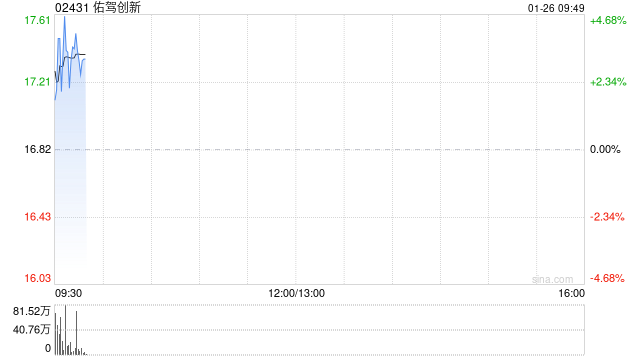
客户端 佑驾创新(02431)盘初涨近5%,截至发稿,股价上涨2.62%,现报17.26港元,成交额9092.95万港元。 1月25日,佑驾创新发布公告,集团近期新获某知名车企的项目定点通知,根据该通知,公司将为该客 户面向国内及海外市场的广泛车型开发并提供一系列先进的智能驾驶产品。依据该客户的规划,上述项 目预计全生命周期订单总金额约为人民币超13亿元,计划于2026年中启动量产。集团认为,此次合作, 将成为集团加速全球化战略落地的强劲引擎,助力集团构建国际化的业务版图。 浦银国际指出,2026年或成智驾供应商出海元年,并首次覆盖佑驾创新、德赛西威和知行科技。而其 中,佑驾创新是其在智驾Tier 1行业的首选。此次定点,不仅为佑驾创新带来可观的中长期订单预期, 更重要的是强化了其在全球智能驾驶产业链中的战略坐标。在行业加速洗牌背景下,能持续获得高质量 定点、并将技术能力稳定转化为量产成果的企业,将更有机会穿越周期。 佑驾创新(02431)盘初涨近5%,截至发稿,股价上涨2.62%,现报17.26港元,成交额9092.95万港元。 1月25日,佑驾创新发布公告,集团近期新获某知名车企的项目定点通知,根据该通知 ...
佑驾创新早盘涨近5% 获13亿智能驾驶大单 加速全球化战略落地
Zhi Tong Cai Jing· 2026-01-26 01:48
消息面上,1月25日,佑驾创新发布公告,集团近期新获某知名车企的项目定点通知,根据该通知,公 司将为该客户面向国内及海外市场的广泛车型开发并提供一系列先进的智能驾驶产品。依据该客户的规 划,上述项目预计全生命周期订单总金额约为人民币超13亿元,计划于2026年中启动量产。集团认为, 此次合作,将成为集团加速全球化战略落地的强劲引擎,助力集团构建国际化的业务版图。 浦银国际指出,2026年或成智驾供应商出海元年,并首次覆盖佑驾创新、德赛西威(002920)和知行科 技。而其中,佑驾创新是其在智驾Tier1行业的首选。此次定点,不仅为佑驾创新带来可观的中长期订 单预期,更重要的是强化了其在全球智能驾驶产业链中的战略坐标。在行业加速洗牌背景下,能持续获 得高质量定点、并将技术能力稳定转化为量产成果的企业,将更有机会穿越周期。 佑驾创新(02431)早盘涨近5%,截至发稿,涨4.04%,报17.43港元,成交额8478.55万港元。 ...
港股异动 | 佑驾创新(02431)早盘涨近5% 获13亿智能驾驶大单 加速全球化战略落地
智通财经网· 2026-01-26 01:45
智通财经APP获悉,佑驾创新(02431)早盘涨近5%,截至发稿,涨4.04%,报17.43港元,成交额8478.55 万港元。 浦银国际指出,2026年或成智驾供应商出海元年,并首次覆盖佑驾创新、德赛西威和知行科技。而其 中,佑驾创新是其在智驾Tier 1行业的首选。此次定点,不仅为佑驾创新带来可观的中长期订单预期, 更重要的是强化了其在全球智能驾驶产业链中的战略坐标。在行业加速洗牌背景下,能持续获得高质量 定点、并将技术能力稳定转化为量产成果的企业,将更有机会穿越周期。 消息面上,1月25日,佑驾创新发布公告,集团近期新获某知名车企的项目定点通知,根据该通知,公 司将为该客户面向国内及海外市场的广泛车型开发并提供一系列先进的智能驾驶产品。依据该客户的规 划,上述项目预计全生命周期订单总金额约为人民币超13亿元,计划于2026年中启动量产。集团认为, 此次合作,将成为集团加速全球化战略落地的强劲引擎,助力集团构建国际化的业务版图。 ...