
高科技

Search documents
南方科技大学讲席教授刘青松:探索教育科技人才 体制机制改革新路
Shen Zhen Shang Bao· 2025-06-14 16:52
Group 1 - The core viewpoint of the article emphasizes the integration of education, technology, and talent systems as a strategic consideration by the state, reflecting the need for a modernized approach to education in the context of high-tech-driven productivity [1][2] - The article discusses the evolution of higher education, highlighting the shift from traditional liberal arts education to research-oriented models, indicating that the current educational framework must adapt to meet contemporary demands [1] - The necessity for an integrated "industry-university-research" model is identified as an inevitable trend in modern education development, moving away from outdated educational paradigms [1] Group 2 - The article outlines the importance of balancing various aspects of talent cultivation and management, such as the balance between specialized knowledge and general education, ensuring that graduates are well-rounded and capable of taking on significant responsibilities [2] - It stresses the need for a balance between the breadth and depth of knowledge to prevent graduates from becoming overly specialized or lacking practical skills, which is crucial for evaluating the success of university education [2] - The ideal university is described as one that fosters students' broad perspectives, continuous learning, and solid foundational knowledge while encouraging student initiative and avoiding a high school-like educational model [2]
中美元首通话背后的美国困局与中国定力,特朗普阴招使尽,终服软
Sou Hu Cai Jing· 2025-06-10 02:10
2025年6月5日晚,一通横跨太平洋的电话再次牵动全球的神经。美国总统特朗普在北京的电话中与中方进行了一场备受关注的对话。通话结束后,特朗普在 社交媒体上特别强调:"美方欢迎中国留学生来美学习。"这句话看似普通,但在当前中美关系的背景下,却充满了深意,犹如一面白旗,宣告了美国此前对 中国科技人才围堵政策的彻底破产,同时暴露出特朗普政府在内外困境中不得不低头的尴尬局面。此通电话并非偶然寒暄,而是美国战略焦虑与中国战略定 力碰撞的必然结果。它标志着特朗普政府自5月12日中美在日内瓦达成暂时妥协后,始终未能履行承诺,反而在不断背信弃义中最终遭遇了碰壁。这一切的 背后,既有美国经济隐忧与内部撕裂的困境,也有中国凭借实力与智慧牢牢掌控着中美关系航向的鲜明印证。 一、日内瓦协议的"虚伪承诺"与美国的战略失信 回顾那一令人期待的"日内瓦时刻",2025年5月12日,中美在瑞士经过艰难谈判后发布了《中美日内瓦经贸会谈联合声明》。这份声明被双方称为"实质性进 展",其核心内容是大幅度降低互相加征的惩罚性关税:美方取消了91%的对华加征关税,中方也相应取消了91%的反制关税;同时,美方暂停了34%的"对 等关税"中的24%(为期 ...

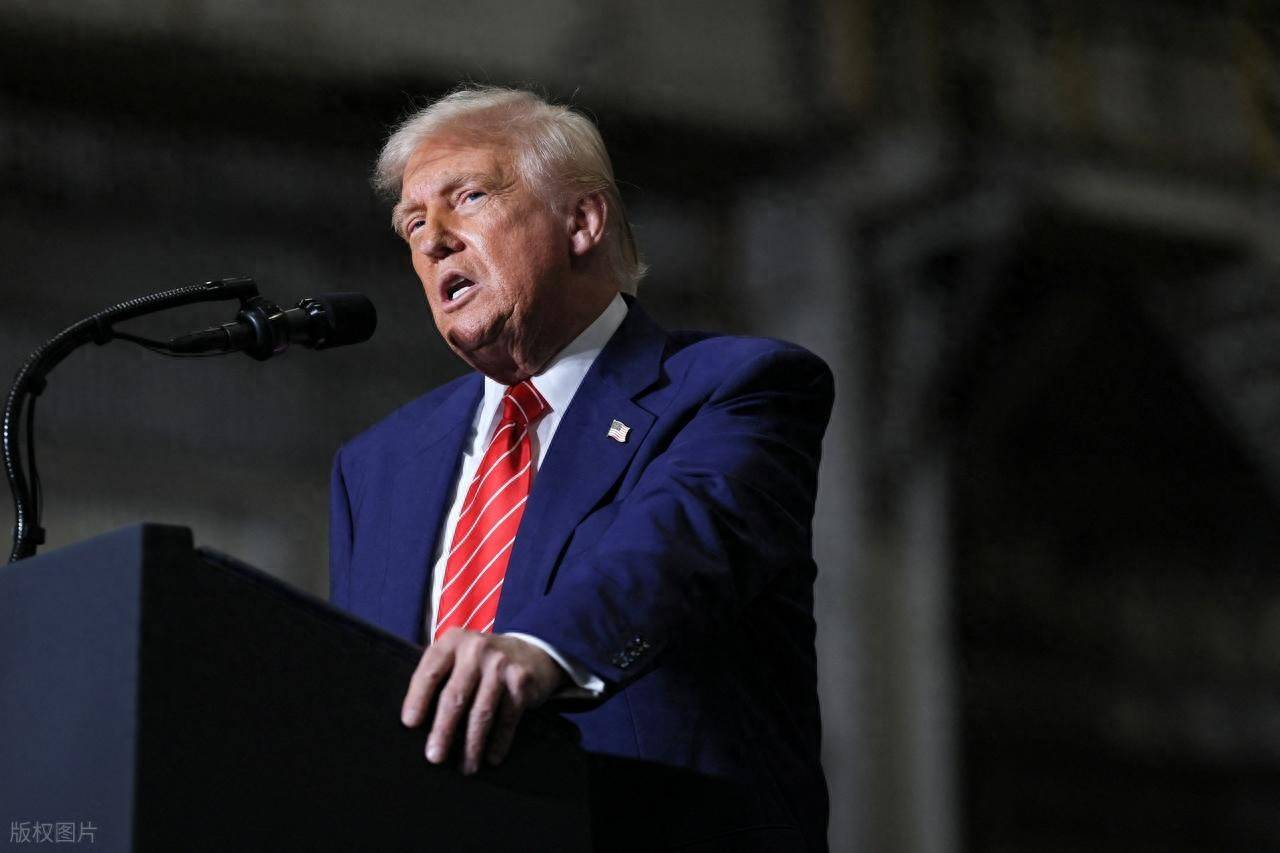
稀土,可能真的是美国的命门?不是我说的,是他们自己说的
Sou Hu Cai Jing· 2025-06-07 06:23
Core Viewpoint - The article highlights the critical importance of rare earth elements to the U.S. economy, particularly in the automotive and military sectors, and discusses the implications of China's control over these resources [1][3][5]. Group 1: U.S. Dependency on Rare Earths - Recent reports indicate that the U.S. has reached out to China, requesting a relaxation of restrictions on rare earth exports, signaling a state of urgency [3][5]. - Rare earths are essential for modern industries, including smartphones, automobiles, and military equipment, with China being the largest producer and supplier [5][7]. - The U.S. automotive industry has warned that a shortage of rare earths could lead to significant disruptions, potentially resulting in job losses and social instability [3][5][7]. Group 2: Strategic Implications - The U.S. has been attempting to diversify its supply chains and reduce reliance on China, but the strategic importance of rare earths has exposed vulnerabilities in its industrial base [7][9]. - The article suggests that the U.S. is in a weakened position, having to negotiate from a place of desperation rather than strength [9][12]. - China's control over rare earths serves as a strategic leverage point in global economic negotiations, compelling the U.S. to reconsider its approach to economic cooperation [12][13]. Group 3: Trust Issues and Future Considerations - Historical patterns indicate that the U.S. may not be a trustworthy partner, as it has previously reneged on trade agreements once its needs are met [10][12]. - The article warns against complacency regarding U.S. requests, emphasizing that any concessions could lead to future exploitation of China's position [12][13]. - It is crucial for China to maintain its strategic advantage in rare earths while ensuring effective management and protection of these resources [13].
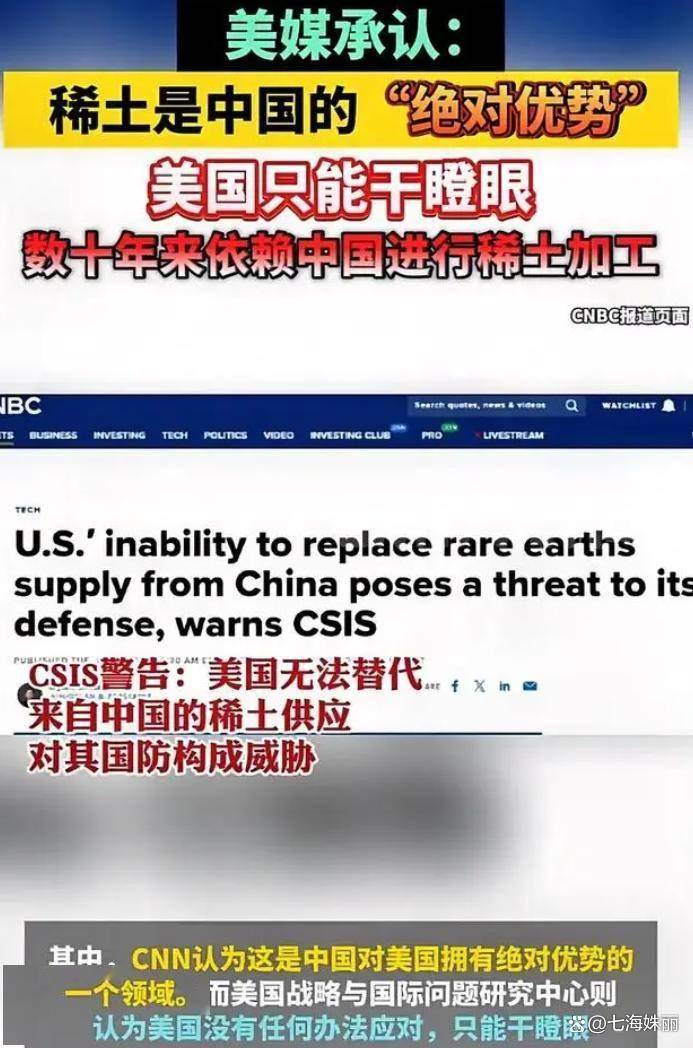
最后通牒!美国逼各国交出“关税方案”,否则美国经济就要崩盘
Sou Hu Cai Jing· 2025-06-04 17:25
Group 1 - The U.S. government is pushing for a "reciprocal tariff" policy, with a 90-day grace period ending soon, demanding trade partners submit proposals by June 4 or face punitive measures [1][3] - The urgency for tariff proposals stems from the U.S. facing significant debt pressure, with national debt exceeding $36 trillion, leading to attempts to increase fiscal revenue through tariffs [3][11] - Countries like China have shown a firm stance against U.S. tariff pressures, emphasizing the importance of equality and mutual benefit in international trade [5][15] Group 2 - Japan, having previously suffered from U.S. tariffs in the 1980s, is adopting a guerrilla strategy and has not easily compromised under U.S. pressure [7] - European nations and ASEAN countries are also resisting U.S. tariff demands, focusing on their own economic strategies and regional stability [7][15] - The U.S. is experiencing a sense of urgency as its key industries, such as automotive and aerospace, are heavily reliant on Chinese rare earth materials, which are crucial for their operations [11][15] Group 3 - The U.S. "reciprocal tariff" policy is characterized as a self-centered unilateral action that may protect some domestic industries but could lead to higher consumer prices and provoke retaliatory measures from other countries [13][15] - The political implications of U.S. tariff policies have drawn international discontent, undermining the principles of the World Trade Organization and potentially isolating the U.S. on the global stage [13][15] - The global economic landscape is shifting towards multipolarity, with emerging economies like China, Europe, and Japan gaining more influence, challenging U.S. economic hegemony [15][17] Group 4 - If the U.S. continues its unilateral and protectionist trade policies, its economic challenges may worsen, while other countries collaborate to promote a fairer global economy [17] - The U.S. must recognize that cooperation and mutual benefit are essential in a globalized world, rather than relying on tariffs to resolve issues [17]
孙波:90天关税调整期背后 出海企业有四个转型突围办法
Nan Fang Du Shi Bao· 2025-05-30 15:33
Core Viewpoint - The recent reduction of tariffs between China and the U.S. is seen as a significant easing of trade tensions, with 91% of tariffs being canceled and 24% suspended for 90 days, which may lead to a rebound in Chinese exports and alleviate cost pressures for global businesses [1] Group 1: Short-term and Long-term Impacts - The tariff adjustments are expected to relieve cost pressures for global enterprises and stabilize supply chains, potentially leading to a "revenge growth" in exports from China in the third quarter [1] - The 90-day period is viewed as a critical opportunity for businesses to navigate the tariff dispute and optimize their supply chains [1] Group 2: Strategies for Overseas Expansion - Companies are advised to diversify markets, decentralize supply chains, and promote localization to mitigate risks associated with tariffs [2] - Emphasis is placed on selecting countries with abundant labor and favorable tariff conditions while avoiding double taxation [2] Group 3: Support for Low-Profit Industries - Recommendations for low-profit sectors like hardware and textiles include technological upgrades, production relocation, and product diversification to mitigate risks [3] - Government support should focus on technological transformation and incentives for overseas expansion to reduce tariff risks [3] Group 4: Addressing "Technological Decoupling" - High-tech companies are encouraged to enhance core technology research and development, reduce reliance on foreign technology, and deepen industry cooperation [4] - Expanding domestic and friendly markets while adjusting supply chain layouts is crucial for long-term sustainability [4] Group 5: International Agreements and Regional Cooperation - High-standard agreements like CPTPP and RCEP are expected to accelerate the internationalization of Guangdong enterprises, particularly in production and service sectors [5] - The Guangdong-Hong Kong-Macao Greater Bay Area should leverage its advantages to integrate with ASEAN, enhancing logistics and reducing costs [5] Group 6: Supply Chain Resilience - Companies should focus on expanding domestic consumption, re-evaluating market positioning, and enhancing brand strength to build resilient supply chains [6] - Future trade tensions may center around tariff issues related to re-exported goods and high-tech products, with potential exemptions for certain sectors [6]
“逃离美元”的资本,A股该怎么接?
和讯· 2025-05-30 10:24
Core Viewpoint - The valuation advantage of the Chinese capital market is increasingly becoming a focal point for global investors, with A-shares and Hong Kong stocks currently at historically low valuation levels, providing attractive opportunities for investors to share in the growth dividends of quality Chinese enterprises [1][2]. Valuation Levels - The Shanghai Composite Index has a price-to-earnings (P/E) ratio of only 12.6 times, which is less than half of the S&P 500 index and significantly lower than other major international indices like the Nikkei 225 and the DAX [1]. - As of May 26, foreign ownership of A-shares reached 1,274.85 billion shares, with a market value of 2.33 trillion yuan, accounting for approximately 2.95% of the circulating A-share market value and 2.33% of the total market capitalization [2]. Foreign Capital Attraction - Despite the valuation advantages, the actual attraction of A-shares to foreign capital has not been as strong as expected, with the proportion of foreign capital in the A-share market declining [2]. - The need for improved institutional frameworks to protect investor interests and combat illegal activities is crucial for retaining foreign capital [4][17]. Market Dynamics - The ongoing trade tensions and the restructuring of global supply chains may influence foreign capital allocation towards Chinese assets, but the trend of capital flowing from the U.S. to A-shares and Hong Kong stocks is becoming more pronounced [8][9]. - The Chinese asset market is currently undergoing a correction from severe undervaluation towards a more reasonable valuation, with expectations of recovery in valuations throughout the year [5][9]. Policy and Market Measures - To stabilize foreign capital holdings, it is essential to enhance institutional frameworks and ensure investor protection, particularly against financial fraud and misconduct [17]. - The internationalization of the RMB is accelerating, with more countries opting for RMB settlements in trade with China, which could further promote capital market openness [14]. Investment Opportunities - The current valuation of A-shares and Hong Kong stocks is approximately one-third of that of U.S. stocks, indicating a favorable investment opportunity for international investors [18].
无锡威孚高科技集团股份有限公司 关于首次回购公司股份的公告
Zhong Guo Zheng Quan Bao - Zhong Zheng Wang· 2025-05-28 23:13
Core Viewpoint - The company has approved a share repurchase plan, intending to buy back a portion of its A-shares within a specified budget and timeframe [1]. Summary by Sections Share Repurchase Plan - The company plans to repurchase A-shares with a total fund amounting to no less than RMB 100 million and no more than RMB 150 million, with a maximum repurchase price of RMB 35 per share [1]. - The repurchase period will last for 12 months from the date of the annual general meeting where the plan was approved [1]. Initial Repurchase Details - On May 28, 2025, the company executed its first repurchase of 626,000 A-shares, representing 0.06% of the total share capital [1]. - The highest transaction price was RMB 19.97 per share, while the lowest was RMB 19.83 per share, with a total transaction amount of RMB 12,462,976 (excluding transaction fees) [1]. Compliance with Regulations - The company strictly adhered to the relevant regulations during the repurchase process, ensuring compliance with the Shenzhen Stock Exchange's guidelines [2][3]. - The company did not repurchase shares during periods that could significantly impact the trading price of its securities [2].

舱位荒背后的中国锚白银多空决战
Jin Tou Wang· 2025-05-28 02:33
今日周三(5月28日)亚盘时段,现货白银目前交投于33.33一线上方,今日开盘于33.33美元/盎司,截至 发稿,现货白银暂报33.26美元/盎司,上涨0.04%,最高触及33.38美元/盎司,最低下探33.19美元/盎 司,目前来看,现货白银盘内短线偏向震荡走势。 【要闻速递】 面对美企"抢购潮",上海的港口、货代及外贸企业却显得从容冷静,其底气在于中国制造在全球供应链 中的竞争力,让上海企业选择专心做好自己的事。 面对订单回升,外贸企业也表现淡定。有的企业表示,美国客户一直在与他们沟通,"暂停"只是权宜之 计,从未取消订单。这来源于美国客户对关税下降抱有预期,更在于他们对中国制造的产品难以割舍。 一些高科技企业和药企更是表示,即使面临关税壁垒,凭借其技术和产品优势,美国客户"加价也要 买",企业业务基本盘较为稳固。 中国制造的不可替代性,不仅在于价格优势,更在于包含创新的技术、稳定的品质、成熟的供应链以及 长期合作形成的深厚信任。这些因素,是中国企业从容穿越周期、抵御风险的重要依托。 【最新白银现货行情解析】 银价在触及两天低位后加速下行0.70%,但多头动能仍维持在50日均线上方。当前价格在32.77美 ...
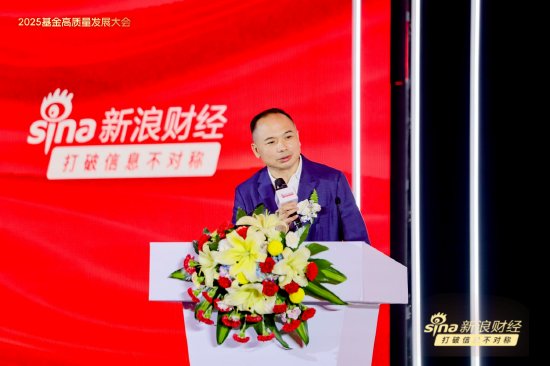
刘煜辉:如何在百年未有之大变局的惊涛骇浪立于不败之地?关键是“做好自己”(发言全文)
Xin Lang Ji Jin· 2025-05-24 03:34
Core Insights - The 2025 Fund High-Quality Development Conference was held in Shenzhen, focusing on new paths for the high-quality development of the fund industry [1] - Liu Yuhui, a member of the Chinese Chief Economist Forum, highlighted that current trade and tariff wars may indicate a shift in global order and balance [4][6] Economic Power Dynamics - The trade conflicts represent a final showdown between China's industrial power and the financial power of the US dollar, which were once aligned but have diverged significantly over the past 20 years [7] - By 2024, China's industrial manufacturing output is projected to account for 35% of global manufacturing, with expectations to rise to 45% by 2030 [7] - The technological density of China's supply chain is estimated to exceed 60%, as lower-end manufacturing has moved overseas to mitigate geopolitical risks [8] Currency and Trade Relationships - Increasingly, global economic activities are moving away from the US dollar, with examples including trade agreements between China and Saudi Arabia, and China and Brazil, utilizing currency swaps [9] - The US faces significant macroeconomic imbalances as a result of these shifts, threatening its ability to maintain economic stability [9][11] Inflation and Debt Issues - The US is experiencing severe debt imbalances, with a projected $12 trillion in interest payments this year, exacerbated by rising interest rates [12][13] - The high inflation rates in the US are leading to increased costs for foreign capital, further straining the US economy [11][12] Strategic Recommendations - China is positioned to leverage its strong industrial power and technological advancements to challenge the dominance of the US dollar [14] - The country aims to enhance openness, balance wealth distribution, and promote market-oriented reforms to solidify its economic advantages [15][16] - Investment strategies should focus on recognizing the ongoing strategic competition between China and the US, with gold being recommended as a stable asset during this period of transition [16][17]
国际工商界聚焦贸易投资:中国仍是关键所在
Zhong Guo Xin Wen Wang· 2025-05-23 08:18
Group 1: China's Role in Global Trade - China remains a key player in the global trade environment, as highlighted by various international organizations and business leaders at the 2025 Global Trade and Investment Promotion Summit [1] - The Chinese market is viewed as a significant opportunity for foreign investment, with 70% of Australian companies prioritizing China as an investment destination [2] - Chinese companies are recognized for their strengths in various technology sectors, attracting increasing interest from Japanese firms looking to collaborate [2] Group 2: Innovation and Technological Cooperation - Technological collaboration is a major focus of the summit, with emphasis on China's advancements in new technologies [3] - U.S. companies are encouraged to remain in China to leverage the ongoing market growth and innovation, particularly in the automotive sector [3] - Malaysia's businesses are set to collaborate with Chinese firms, benefiting from high-tech capabilities [3] Group 3: Confidence in Multilateralism - The summit participants reaffirmed their support for multilateralism, recognizing China's critical role in promoting cooperation and a win-win approach [4] - China is seen as a responsible participant in global trade, continuously opening its market and fostering a fair competitive environment amidst rising protectionism [4] - China's commitment to promoting globalization is viewed as essential for global stability [4]