
低空经济

Search documents
治理“内卷”并非不要竞争
Jing Ji Ri Bao· 2025-09-19 22:15
Core Viewpoint - The article emphasizes the need for a multi-faceted approach to address "involutionary" competition, advocating for a collaborative market environment that combines an effective market with proactive government intervention [1][2][3]. Group 1: Issues in the Low Altitude Economy - The recent action by the Beijing Civil Affairs Bureau to dismantle the "China Low Altitude Economy Alliance" is seen as a significant step towards regulating the low altitude industry and addressing "involutionary" competition [1]. - The low altitude economy is identified as a strategic emerging industry that has attracted considerable capital interest, but has also been subject to exploitation by organizations misrepresenting themselves as industry associations [1]. - The article highlights that many industries, including both emerging sectors like photovoltaics and traditional sectors like coking and landscaping, have faced similar issues of excessive competition and resource waste [1]. Group 2: Root Causes of Involutionary Competition - The persistence of "involutionary" competition is linked to resource misallocation and distorted market mechanisms, where companies focus on short-term gains through price wars rather than improving product quality [2]. - Local governments that create "policy depressions" without considering local industry foundations contribute to homogenized industry layouts and resource wastage [2]. - The inadequacy of market mechanisms fosters an environment conducive to "involutionary" competition, which can stifle innovation and sustainable development in industries [2]. Group 3: Strategies for Governance - To effectively govern "involutionary" competition, a combination of strategies is necessary, focusing on creating a synergistic market environment through unified national market construction and regulatory recognition [2][3]. - Improving the business environment requires reducing costs while increasing value, encouraging businesses to shift from price wars to innovation-driven growth [3]. - The governance approach has evolved from merely preventing "involutionary" competition to implementing systematic and legal measures to regulate low-price disorderly competition [3].
世界级长三角城市群 如何为未来城市打样?
2 1 Shi Ji Jing Ji Bao Dao· 2025-09-19 19:51
Core Viewpoint - The article emphasizes the development of the Yangtze River Delta (YRD) urban agglomeration as a world-class city cluster, highlighting its strategic importance in China's economic landscape and its potential for high-quality growth in various industries, including low-altitude economy and advanced manufacturing [1][6][15]. Group 1: Urban Agglomeration Development - The YRD urban agglomeration, centered around Shanghai, includes 27 cities across Jiangsu, Zhejiang, and Anhui provinces, showcasing a tightly connected network that enhances regional collaboration and competitiveness [5][7]. - Recent policies, such as the "Opinions on Promoting High-Quality Urban Development," support the YRD's goal of becoming a world-class city cluster, emphasizing integrated planning and cooperation among cities [1][7]. - The YRD has been recognized as a leading example of urban agglomeration development in China, with a focus on creating a unique model for city cluster growth [6][7]. Group 2: Transportation and Connectivity - The completion of the Jiaxing Airport and the expansion of high-speed rail significantly improve connectivity within the YRD, facilitating easier travel and fostering economic integration [1][12]. - By the end of 2024, the YRD's railway operating mileage is expected to exceed 15,000 kilometers, with over 7,700 kilometers dedicated to high-speed rail, enhancing daily passenger flow [12]. - The "Yangtze River Delta Super Ring High-Speed Railway" has commenced operations, further linking key cities and promoting regional economic collaboration [12]. Group 3: Industrial Collaboration - The YRD is home to multiple industrial clusters, particularly in sectors like new energy vehicles and aerospace, where cities collaborate rather than compete, creating interdependent supply chains [13][17]. - The region's focus on high-tech industries and strategic emerging sectors is evident, with significant investments in areas such as low-altitude economy and large aircraft manufacturing [16][17]. - The establishment of frameworks for cooperation, such as the "Yangtze River Delta Large Aircraft Industry Cluster Cooperation Framework Agreement," aims to enhance the region's competitiveness in global markets [17]. Group 4: Global Competitiveness - The YRD urban agglomeration is positioned as a key player in the global economy, with its development trajectory compared to other world-class city clusters like New York and Tokyo [15][16]. - The region's geographical advantages, including access to major ports like Shanghai and Ningbo-Zhoushan, facilitate international trade and economic interactions [16]. - The YRD's potential for growth is bolstered by China's vast consumer market and manufacturing capabilities, making it a critical area for future investment and development [15][16].
毕马威:国资国企发展低空经济正当时
Sou Hu Cai Jing· 2025-09-19 13:36
今天分享的是:毕马威:国资国企发展低空经济正当时 报告共计:44页 毕马威《国资国企发展低空经济正当时》核心内容总结 2024年是低空经济发展元年,在国家与地方政策推动下,低空经济成为战略新兴产业与新质生产力培育重点领域。截至2024年底,全国低空经济相关企业超 7.1万家,2024年新注册企业占比14%,产业潜力巨大。 国资国企在低空经济发展中承担重要责任。低空经济产业链长、技术融合难度大,且需长期资本投入,国资国企凭借技术创新、产业链整合及抗风险能力优 势,能发挥引领作用。例如八家央企组建创新联合体,西南某城投公司打造产业园并获多条试点航线。从企业分布看,175家相关上市公司中民企占比 67%,国企虽仅27%,但平均资产与营收分别是民企的12.7倍、13.3倍,且2022-2024年年均复合增长率达18.6%,增长韧性更强。 国资国企发展低空经济需多维度发力。差异化发展方面,要契合区域规划,如广州聚焦智能航空器、成都侧重工业无人机,同时加大核心技术攻关,填补运 营服务、场景应用等领域空白;集群式发展方面,多地布局产业园与产业基金,国资国企可通过建产业园、搭创新平台、设产业基金争当"链主",目前成德 绵自凉 ...

“智能汽车、具身机器人、低空经济”成新引擎,超60%供应链可复用 车百会张永伟:要用聚合思维推动三大产业实现融合协同发展
Mei Ri Jing Ji Xin Wen· 2025-09-19 12:52
Core Insights - The global market for integrated intelligent "three major components" is expected to exceed $200 billion by 2030, with China accounting for a significant share [1] - The three major components—smart vehicles, embodied robots, and low-altitude economy—are seen as key drivers for overseas expansion and economic growth [1] - The essence of integrated intelligence is defined as "technology sharing, interconnected supply chains, and application integration" [1] Industry Overview - Over 60% of the supply chains for smart vehicles, embodied robots, and low-altitude economy can be reused, which can significantly reduce hardware costs and enhance performance [1][2] - As of September 18, the cumulative sales of new energy vehicles in China have surpassed 40 million, maintaining the world's leading position for ten consecutive years [1] - Companies like GAC, Changan, and XPeng are actively exploring cross-industry innovations leveraging the automotive supply chain [2] Technological Developments - The electric aviation and automotive sectors share strong commonalities in technical foundations and supply chains, with aspirations for electric aviation to utilize 80% of the core supply chain from the automotive industry [2] - The cost challenges in the development of embodied robots stem from the lack of integration with the mature automotive supply chain [2] - The price of lidar sensors has dramatically decreased from 100,000 yuan in 2019 to approximately 800 yuan today, showcasing the benefits of scale in the automotive sector [2] Strategic Recommendations - There is a need to shift from a fragmented development approach to a more integrated strategy that emphasizes cross-industry collaboration [4] - Unified planning for application scenarios, infrastructure, and computing power systems is essential to avoid redundancy and resource waste [4] - Proactive policy design and regulatory frameworks are necessary to support innovative integration across these industries [4]


世界级长三角城市群,如何为未来城市打样?
2 1 Shi Ji Jing Ji Bao Dao· 2025-09-19 12:48
Core Viewpoint - The article emphasizes the development of the Yangtze River Delta (YRD) urban agglomeration as a world-class city cluster, highlighting its strategic importance in China's economic landscape and its potential for high-quality growth in various industries, including low-altitude economy and advanced manufacturing [1][3][20]. Group 1: Urban Agglomeration Development - The YRD urban agglomeration, centered around Shanghai, includes 27 cities across Jiangsu, Zhejiang, and Anhui provinces, and is positioned as a leader in China's urban development strategy [5][7]. - Recent policies, such as the "Opinions on Promoting High-Quality Urban Development," support the creation of world-class city clusters, with the YRD being a key focus area [1][7]. - The integration of transportation and industry within the YRD is crucial for enhancing competitiveness and fostering collaboration among cities [6][8]. Group 2: Transportation Infrastructure - The YRD has a robust transportation network, with over 15,000 kilometers of railway, including more than 7,700 kilometers of high-speed rail, facilitating efficient connectivity among cities [13]. - The launch of the "YRD Super Ring High-Speed Rail" enhances intercity travel, further promoting economic integration [13]. - High-speed rail is expected to play a pivotal role in linking cities of various sizes, not just major urban centers [13]. Group 3: Industry Collaboration - The YRD is home to significant industrial clusters, particularly in sectors like new energy vehicles and aerospace, with cities specializing in different aspects of production and innovation [14][20]. - The region's collaborative approach allows cities to leverage their unique strengths, such as Shanghai's R&D capabilities and Suzhou's manufacturing prowess, creating a symbiotic industrial ecosystem [16][21]. - The establishment of the C919 aircraft production framework exemplifies the cross-regional cooperation in advanced manufacturing, with a focus on building a competitive global supply chain [20][21]. Group 4: Global Competitiveness - The YRD urban agglomeration is recognized as one of the six world-class city clusters, but it still faces challenges in terms of economic development and global influence compared to its international counterparts [2][17]. - The region's geographical advantages, including access to major ports like Shanghai and Ningbo, enhance its global trade connectivity [19]. - The potential for growth in emerging sectors, such as low-altitude economy, is significant, with the need for strategic planning and collaboration among cities to maximize development opportunities [21].
规模升级、10万平米展区,2026国际低空经济博览会明年7月举行
Guo Ji Jin Rong Bao· 2025-09-19 12:15
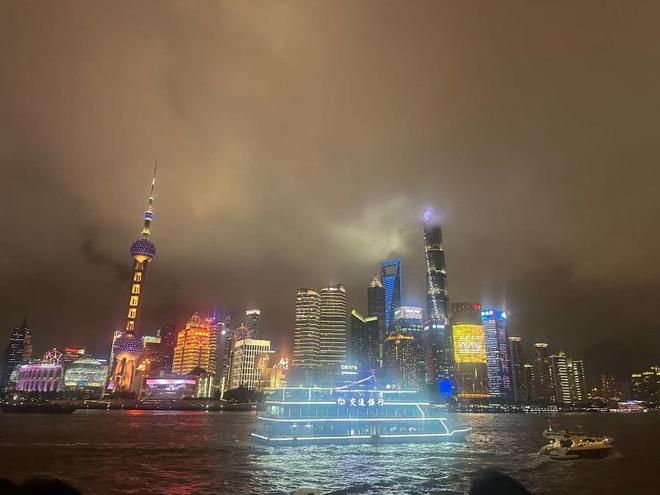
Core Viewpoint - The 2026 International Low Altitude Economy Expo will be held from July 22 to 25, 2026, in Shanghai, focusing on promoting high-quality development of the low altitude economy and driving the integration of the industry, application, and ecological chains [1][3]. Group 1: Event Overview - The expo aims to showcase new technologies, achievements, and directions in the low altitude economy, providing clear guidance for industry development [3]. - The exhibition area will cover 100,000 square meters, expanding on key exhibits such as low altitude vehicles and infrastructure, while also including new materials and electric power industries [3]. - The event will feature a main forum, multiple parallel forums, and various supporting activities, with an expected attendance of 100,000 visitors [3]. Group 2: International Collaboration - The expo will enhance its international influence by collaborating with organizations like the International Aircraft Owners and Pilots Association (AOPA) and the Royal Aeronautical Society of the UK [4]. - It will focus on engaging with target countries and regions in Southeast Asia and along the Belt and Road Initiative, promoting technical exchanges and project cooperation [4]. - The event aims to connect Chinese low altitude enterprises with global market resources, increasing their exposure and collaboration opportunities [4]. Group 3: Industry Impact - The 2025 International Low Altitude Economy Expo attracted nearly 300 exhibitors and over 55,200 visitors, showcasing a wide range of products including drones and eVTOLs [5]. - Significant business agreements were made during the 2025 expo, including a $1.75 billion deal for 500 eVTOLs, highlighting the event's role in commercial transformation [5]. - The expo serves as a platform for enhancing brand visibility and facilitating potential customer connections for exhibitors [5]. Group 4: Economic Significance - The low altitude economy is recognized as a strategic emerging industry and a key driver for high-quality economic development in the country [6]. - The 2026 expo will further solidify the strategic advantages of the low altitude economy and promote safe and healthy development [6]. - It aims to strengthen international exchanges and cooperation in the low altitude economy sector [6].
浙江德清新兴产业“长强枝” 传统产业“发新芽”
Zhong Guo Xin Wen Wang· 2025-09-19 11:31
Group 1: Project Development and Industrial Upgrading - The Zhejiang Jinlei high-grade soft magnetic material project in Deqing has completed the construction of a 75,000 square meter factory in just 120 days, with an expected annual output value of over 4 billion yuan [1] - Deqing has established a "Major Project Breakthrough Year" mechanism to promote technological and industrial innovation, ensuring a simultaneous increase in workload, physical output, and investment [1] - The Deqing area has attracted 53 companies related to the Internet of Vehicles, becoming a national pilot zone for this industry [1] Group 2: Low-altitude Economy and New Industries - The "General Aviation Manufacturing Town" in Deqing is leveraging resources from the Yangtze River Delta G60 Science and Technology Innovation Corridor to introduce various low-altitude economic activities, signing 10 key projects in the first half of the year [2] - Deqing has gathered 34 companies in the low-altitude industry, achieving comprehensive coverage of the industrial chain [2] - Traditional industries are undergoing transformation through new technologies, exemplified by Zhejiang Huilong New Materials, which produces low-carbon fibers from ocean-bound plastic waste, addressing high energy consumption and pollution issues in traditional dyeing methods [2] Group 3: Economic Growth and Resilience - From January to July 2025, the output value of the equipment manufacturing industry in Deqing increased by 16.3% year-on-year, demonstrating strong resilience and vitality in the industrial economy [2] - Deqing has successfully included 28 projects in the Zhejiang Province "Thousand Projects, Trillion Yuan" initiative, ranking first in Huzhou City, providing solid support for economic stability [2]
东莞出台“低空经济14条” 支持低空经济高质量发展
Guang Zhou Ri Bao· 2025-09-19 07:51
Core Insights - The low-altitude economy is a strategic emerging industry prioritized for development by the state, with Dongguan issuing measures to support its high-quality growth [1] - Dongguan has over 500 companies in the low-altitude industry chain, with around 80 core enterprises, indicating significant growth potential despite being in the early stages of industrial development [1] Summary by Sections Policy Measures - Dongguan's measures include four main areas: strengthening infrastructure support, adhering to scenario-driven development, promoting the formation of the industry chain, and cultivating a supportive environment [1] - The measures consist of 14 specific policies aimed at addressing existing challenges in the low-altitude economy [1] Financial Incentives - For projects with investment over 100 million yuan for complete machines and over 50 million yuan for components, a one-time subsidy of 10% of the actual investment is provided, capped at 10 million yuan per enterprise [2] - Maintenance and inspection projects can receive a subsidy of 20% of the annual service total, with a cap of 2 million yuan for the same entity [2] - New or expanded investments exceeding 50 million yuan in low-altitude economy enterprises can receive up to 1 million yuan in subsidies [2] Infrastructure and Development - Dongguan plans to establish low-altitude economic industrial clusters and designate demonstration parks, with financial support from both city and town levels for qualifying enterprises [2] - The measures include tiered rewards for aircraft certification, with eVTOL aircraft receiving up to 15 million yuan and various unmanned aerial vehicles receiving different amounts, capped at 30 million yuan per enterprise annually [2] Talent and Financial Support - Training institutions can receive a subsidy of 10% of training costs, with a maximum of 500,000 yuan per institution per year [2] - Financial institutions are encouraged to develop products supporting the low-altitude economy and to increase investment in this sector [2]
2026国际低空经济博览会将于明年7月在沪举行 观众预计达10万人次
Zheng Quan Shi Bao Wang· 2025-09-19 06:29
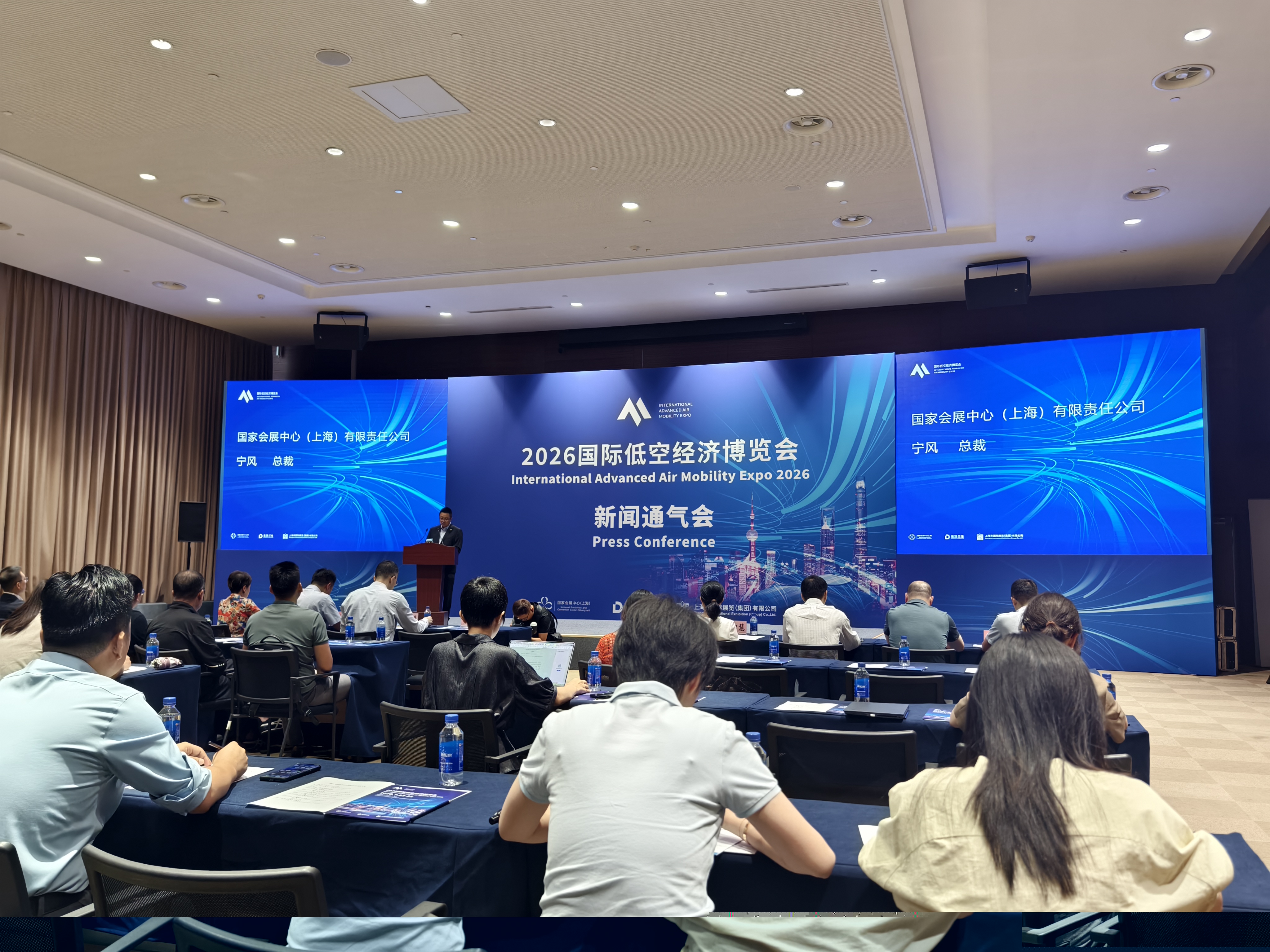
Group 1 - The 2026 International Low Altitude Economy Expo will be held from July 22 to 25, 2026, at the National Exhibition and Convention Center (Shanghai), with a theme of "Harnessing New Low Altitude Trends, Opening a New Chapter in the Economy" [1] - The exhibition area is planned to be 100,000 square meters, expanding beyond low-altitude aircraft and infrastructure to include new materials and three-electric industries [1] - The expo aims to create an international exchange platform, focusing on Southeast Asia and countries along the Belt and Road Initiative, and will invite international exhibitors, buyers, media, and government organizations [1] Group 2 - The 2025 International Low Altitude Economy Expo facilitated commercial transformation in the low-altitude sector, resulting in over 400 intended orders, including a $1.75 billion agreement for 500 eVTOLs with Volant Aviation and the Thai Pacific Group [2] - Nearly 300 companies participated in the 2025 expo, showcasing products such as drones, eVTOLs, flying cars, and low-altitude infrastructure, covering an exhibition area of 60,000 square meters and attracting over 55,200 visitors [2]
已闭幕的2025国际低空经济博览会 促成洽谈意向订单超400单
Xin Lang Cai Jing· 2025-09-19 06:05
Core Insights - The 2025 International Low Altitude Economy Expo has successfully facilitated commercial transformation in the low-altitude sector, resulting in over 400 intended orders [1] - Notable agreements include a procurement contract for 500 eVTOL aircraft between Volant Aviation and Thailand's Pan-Pacific Group, totaling $1.75 billion [1] - The expo attracted nearly 300 participating companies, showcasing products across the drone, eVTOL, flying car, and low-altitude infrastructure sectors, covering an exhibition area of 60,000 square meters and receiving over 55,200 visitors [1]