外卖

Search documents
外卖大战烧至海外:滴滴美团不能输的巴西市场
Sou Hu Cai Jing· 2025-08-21 09:40
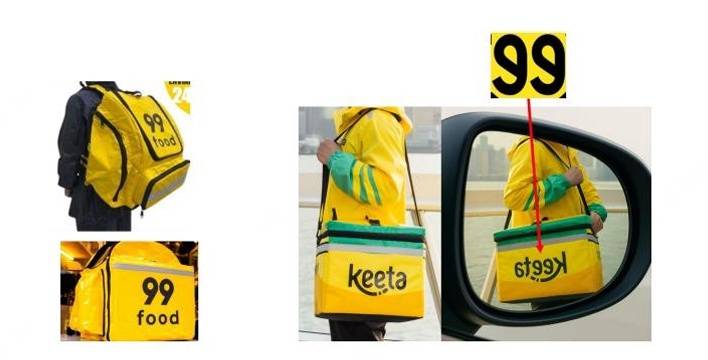
美团刚准备进入巴西市场,滴滴就将一纸诉讼递了过来。据媒体8月18日报道,滴滴出行旗下巴西外卖 业务99Food在巴西圣保罗一家法院起诉美团旗下的Keeta,指控其侵犯商标权和不正当竞争。 诉讼内容显示,99Food指控Keeta即将推出的品牌和商业服装在视觉元素上和99Food有许多相似之处, 如黄色、图形元素和字体样式,误导消费者产生不适当的联系,"被告试图'搭便车'99Food的成功",要 求Keeta更换标识。 而此前,8月14日美团Keeta在当地法院起诉99Food,指控其针对Keeta推行"二选一"违反竞争法。 7月,当地媒体报道99Food向商户针对Keeta进行二选一,据称向单个商户提供现金奖励以签订协议,明 确禁止商户与Keeta合作,但可以继续和iFood合作。 上述人士称,滴滴旗下99Food用了9亿雷亚尔(约合11.9亿元人民币),相当于其在巴西10亿雷亚尔投 资额的全部,对keeta进行排他性限制,平均每家连锁店拨款9000万雷亚尔。 (左图:滴滴旗下99Food 右图:美团旗下Keeta) 一接近美团方面人士告诉九派财经记者,5月份美团创始人王兴与巴西总统卢拉签订投资协议后,明确 ...


专打海外“同胞”,外卖巨头丢人丢到巴西了!
Jin Tou Wang· 2025-08-21 09:26
Core Viewpoint - The competition in the food delivery industry has shifted to Brazil, where two Chinese companies, 99food and keeta, are engaging in aggressive tactics against each other, reminiscent of domestic market practices, which may ultimately benefit the local leader, iFood [1][6]. Group 1: Market Context - Brazil has a population of over 200 million and a diverse economy, making it an attractive market for international companies, including those from China [1]. - The food delivery penetration rate in Brazil is only 30%, indicating significant growth potential compared to China's over 50% [2]. Group 2: Competitive Landscape - iFood, a local player, holds an 80% market share and has previously used aggressive tactics to eliminate competition, including a "choose one" strategy that forced 99food out of the market [2][6]. - The entry of both 99food and keeta into the Brazilian market has led to intense competition, with both companies employing aggressive strategies against each other [3]. Group 3: Aggressive Tactics - 99food has implemented several strategies to undermine keeta, including purchasing Google search keywords to redirect users to its platform, signing exclusive agreements with local restaurants, and filing lawsuits against keeta for alleged trademark infringement [4]. - Keeta has responded with its own legal actions, claiming that 99food's tactics constitute unfair competition [4]. Group 4: Implications for Chinese Companies - The ongoing competition between these two Chinese companies in Brazil reflects a troubling trend of replicating domestic cutthroat competition in international markets, which could harm the overall image of Chinese enterprises [6]. - The situation raises concerns about whether these companies are attempting to circumvent domestic regulatory pressures by engaging in aggressive tactics abroad [6][7].
京东股东「请客」吃外卖
Sou Hu Cai Jing· 2025-08-21 04:05
Core Viewpoint - Investors are concerned not just about the one-time profit decline but about the future profit growth prospects of JD.com [1] Group 1: Financial Performance - JD.com reported Q2 revenue of 356.7 billion yuan, a year-on-year increase of 22.4%, achieving the highest growth rate in nearly three years [2] - However, the net profit attributable to ordinary shareholders for Q2 was 6.2 billion yuan, a year-on-year decline of 50.8%, while Non-GAAP net profit was 7.4 billion yuan, down 49% [2] - Free cash flow for Q2 was 22 billion yuan, a significant drop of 55% compared to 49.6 billion yuan in the same period last year [4] - The overall marketing expenditure in Q2 reached 27 billion yuan, a year-on-year increase of 127.6%, with the marketing expense ratio rising from 4.1% to 7.6% [4] - Fulfillment costs in Q2 were 22.1 billion yuan, up 28.6%, with the fulfillment expense ratio increasing from 5.9% to 6.2% [5] Group 2: Strategic Initiatives - JD.com continues to invest in and subsidize its food delivery business, which has led to increased user traffic and engagement [7][10] - The core retail business generated revenue of 310.1 billion yuan in Q2, a year-on-year increase of 20.6%, while new business revenue from food delivery was 13.9 billion yuan, a substantial increase of 198.8% [7] - JD.com is actively expanding into new markets, including the launch of "Seven Fresh Kitchen" and plans to invest over 10 billion yuan to open 10,000 stores in three years [17][18] - The company is also pursuing international expansion, with a significant acquisition of CECONOMY for approximately 18.5 billion yuan, marking a major investment in the European market [24] Group 3: Market Position and Competition - JD.com is facing competition from established players like Meituan and Alibaba, as well as potential threats from short video platforms like Douyin [21][27] - The company aims to differentiate its food delivery model by focusing on food safety and quality, which may help it stand out in a crowded market [19][20] - JD.com's international strategy involves building local teams and sourcing locally, which contrasts with a cross-border e-commerce model [24]
美国白宫正式推出官方TikTok账号|首席资讯日报
首席商业评论· 2025-08-21 03:57
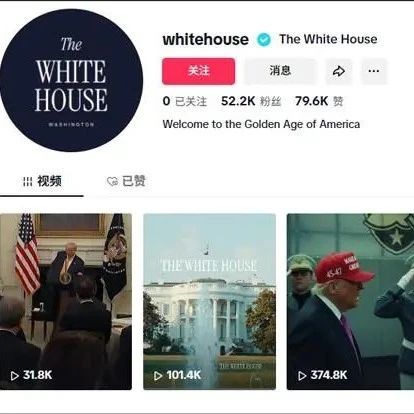
Group 1 - Ford and SK On's joint venture faces surplus in electric vehicle battery supply, indicating weakened demand for electric vehicles in the U.S. [3] - The U.S. White House has launched an official TikTok account, with the first video featuring various government officials [4] - Meituan's international delivery brand Keeta has launched in Qatar and plans to enter the Brazilian market in a few months [5][6] Group 2 - The China Coal Transportation and Marketing Association reported a slight increase in daily coal production in early August, with steady recovery in coal sales as market demand gradually releases [6][7] - Jack Ma visited Ant Forest after six years, emphasizing the importance of water resources for sustainable development and the significance of ecological restoration [8] - CITIC Securities believes the liquor industry is rapidly bottoming out, with leading companies likely to benefit from channel adjustments if consumer demand improves [9] Group 3 - Arm Holdings has reportedly hired Amazon's AI chip director to aid in its self-developed chip initiatives [10] - SF Express expects its profit attributable to shareholders for the first half of 2025 to grow by no less than 100% year-on-year, with revenue expected to increase by at least 45% [11] - Meta's CEO Mark Zuckerberg plans to further restructure the company's AI division, potentially increasing internal turbulence [12] Group 4 - The official website for the game "Black Myth: Wukong" has launched, with the developers expressing confidence in making refreshing changes while reflecting on past shortcomings [13] - A study indicates that the first-day price increase of U.S. IPOs is often underestimated, with evidence suggesting valuations may be undervalued by up to 40% [14] - Microsoft's Azure revenue is expected to exceed company forecasts due to increased demand for AI inference driven by the launch of GPT-5, with projections indicating AI business revenue could reach $42 billion by 2026 [14]
淘宝闪购逆袭美团,外卖行业变天了?
Hu Xiu· 2025-08-21 02:01
Core Insights - The takeaway from the article is that the competitive landscape in the food delivery industry is shifting, with Taobao Flash Sales achieving significant order volumes that surpass Meituan for the first time, indicating a potential change in market dynamics [1] Group 1 - In the second week of August, Taobao Flash Sales recorded over 100 million orders for three consecutive days [1] - On August 8th and 9th, the order numbers exceeded those of Meituan for the first time [1] - This development raises questions about the future of the food delivery industry and whether it is undergoing a significant transformation [1]
马云拿下茅台大单
Sou Hu Cai Jing· 2025-08-21 01:53
Core Viewpoint - Alibaba's Taobao Flash and Meituan Flash have both entered into deep collaborations with Kweichow Moutai, intensifying competition in the instant retail sector, particularly in high-end liquor delivery services [1][9][24]. Group 1: Collaboration Details - Kweichow Moutai has partnered with Taobao Flash to launch over 1,000 official stores under the "Moutai Aroma · Shared by Thousands" initiative, offering a "30-minute delivery" service for genuine Moutai products [1][8]. - Taobao Flash will integrate with Moutai's 270 experience centers and over 6,500 themed terminal stores nationwide, enhancing its high-end liquor offerings [8][24]. - Meituan Flash has also announced a similar partnership with Moutai, providing a comparable 30-minute delivery service for Moutai products [9][14]. Group 2: Competitive Landscape - The competition between Alibaba and Meituan is characterized by direct comparisons in store coverage and delivery efficiency, as both platforms aim to attract high-net-worth users and increase consumer traffic [14][24]. - Recent data indicates that Taobao Flash's daily order volume exceeded 100 million for three consecutive days, with a notable increase in market share over Meituan Flash, although Meituan still maintained a lead on certain days [23][24]. - Both companies are expanding their instant retail strategies, with Alibaba integrating its resources across various platforms and Meituan enhancing its logistics through partnerships with convenience store chains [17][19][30]. Group 3: Broader Industry Implications - The competition extends beyond high-end liquor, as both companies are actively engaging in various dimensions such as rider recruitment and membership systems, indicating a multi-faceted rivalry [24][30]. - The partnerships with Moutai serve as a significant indicator of the escalating competition in the instant retail market, which is crucial for both companies' long-term positioning in the trillion-dollar instant consumption market [24][30].



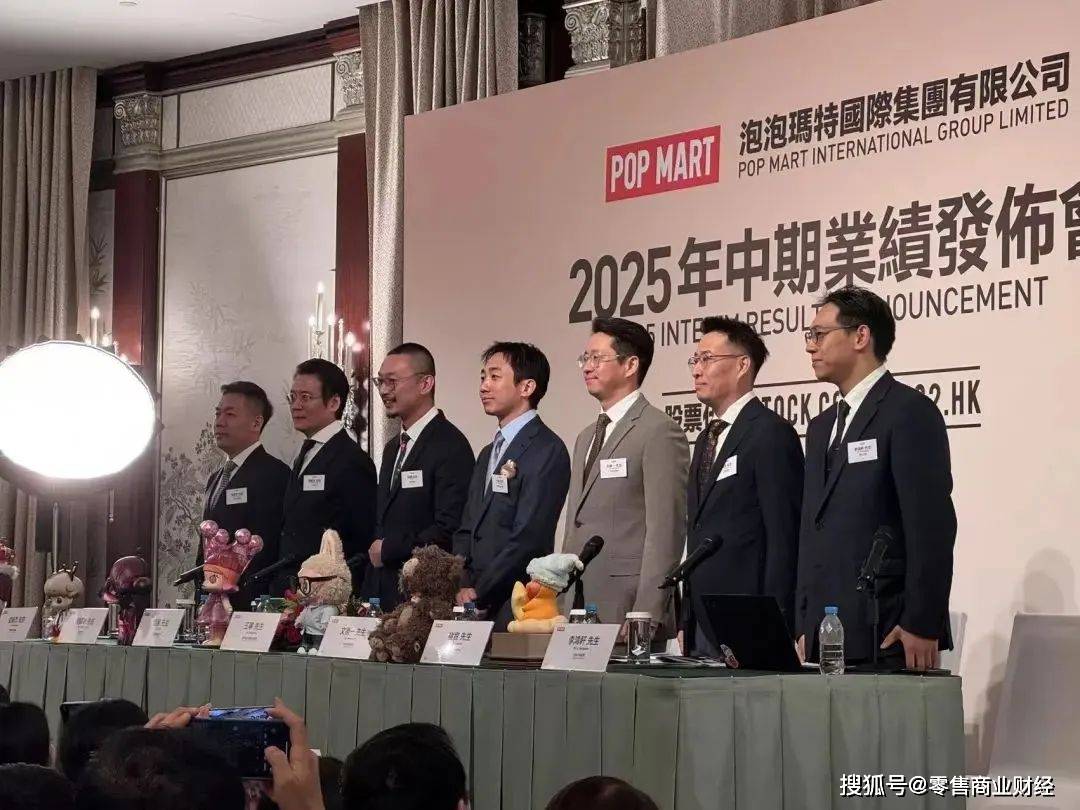
泡泡玛特王宁:今年营收300亿很轻松;Manus收入运行率达到9000万美元;钉钉否认或优化不主张加班高管丨邦早报
创业邦· 2025-08-21 00:08
Group 1 - The core viewpoint of the article highlights various companies' recent developments and market activities, indicating potential investment opportunities and industry trends [3][5][8][10][12][19][30][32]. Group 2 - Pop Mart has seen a stock price increase of over 7% after founder Wang Ning announced the upcoming release of a mini version of Labubu, projecting an easy revenue target of 30 billion RMB for the year [3]. - China FAW Group is rumored to be planning to acquire approximately 10% of Leap Motor's shares, with both companies remaining non-committal on the matter [5]. - Manus, an AI platform, reported a revenue run rate of 90 million USD, indicating strong growth potential [5]. - Intel's stock has surged by 28% this month, adding approximately 24 billion USD to its market capitalization, reaching its highest valuation since the internet bubble [8]. - Xiaomi's automotive division reported a revenue of 21.3 billion RMB in Q2, a year-on-year increase of 234%, with expectations of profitability in the second half of the year [8]. - NIO has taken legal action against accounts spreading false information about the brand, indicating a proactive approach to brand protection [10]. - ByteDance has denied rumors of collaborating with Chipone on AI chip development, clarifying its strategic direction [10]. - Geely has reassured customers that promised basic data services will remain unchanged, addressing concerns over service modifications [15]. - The Beijing AIGC audiovisual industry innovation center has been launched, aiming to enhance the production capabilities of audiovisual content through AI technology [16]. - Databricks has announced a valuation exceeding 100 billion USD as it seeks funding, reflecting the growing interest in AI data analysis platforms [19].


泡泡玛特王宁“今年营收300亿很轻松”;辛巴第五次退网
Sou Hu Cai Jing· 2025-08-20 23:47
Group 1: Pop Mart's Performance - Pop Mart reported a revenue of 13.88 billion yuan for the first half of 2025, representing a year-on-year increase of 204.4% [1] - The founder Wang Ning projected that the company's annual revenue could reach 30 billion yuan easily [1] - The Americas market showed remarkable growth with a staggering increase of 1142.3% [1] - Plush toys generated 6.14 billion yuan in revenue, surpassing the sales of figurines for the first time, with the LABUBU series contributing 34.7% to total revenue [1] - To address supply shortages, the production capacity for plush toys has been ramped up to 30 million units per month, a tenfold increase compared to the same period last year [1] Group 2: Xinba's Withdrawal from Live Streaming - Xinba announced his permanent exit from the live streaming industry for the fifth time, citing severe lung damage due to chronic bronchitis [3] - The Xin Xuan Group has faced multiple controversies regarding product quality, including issues with sanitary napkins and exaggerated claims about milk powder [3] - The public believes that the company must enhance quality control and rebuild trust following Xinba's departure [3] Group 3: Meituan's International Expansion - Meituan's international food delivery brand Keeta officially launched in Doha, Qatar, marking its second entry into the Middle East after Saudi Arabia [3] - The company plans to expand further into more Middle Eastern markets and aims to enter Brazil within a few months [3] Group 4: China Resources Beer Performance - China Resources Beer reported a revenue of 23.942 billion yuan for the first half of 2025, a year-on-year increase of 0.8% [14] - The company's net profit attributable to shareholders rose by 23% to 5.789 billion yuan [14] - The beer business generated 23.161 billion yuan in revenue, with a gross margin increase of 2.5 percentage points to 48.3% [14] Group 5: Three Squirrels New E-commerce Company - Three Squirrels has established a new e-commerce company focusing on the sale of agricultural products and maternal and infant goods [15] - The new company is wholly owned by Three Squirrels and aims to diversify its product offerings [15] Group 6: JD's Response to Market Expansion - JD responded to rumors about expanding its operations outside the Fifth Ring Road in Beijing, clarifying that there are no plans for such expansion [16] - The company is collaborating with existing community stores for its layout in the Beijing area [16] Group 7: LV's Beauty Store Launch - LV opened its first global beauty store in Nanjing, showcasing its strategic ambition in the Chinese market [17] - The store will feature a new beauty series, with global online pre-sales starting on August 25 [17] Group 8: Moutai's E-commerce Initiative - Moutai has partnered with Taobao Flash Sale to launch over 1,000 official stores, offering a "30-minute delivery" service for genuine Moutai products [19] - The initiative aims to connect Moutai's experience centers and over 6,500 themed terminal stores nationwide [19] Group 9: Cainiao's Supply Chain Collaboration - Cainiao has formed a deep supply chain partnership with the national brand Jianlibao, optimizing the direct-to-consumer model [20] - This collaboration aims to reduce logistics costs and enhance consumer experience, with plans to expand the model to Jianlibao's national production bases [20] Group 10: Meituan's Online Reservation Service - Meituan launched an online reservation service for restaurants ahead of the Qixi Festival, responding to increased demand for dining reservations [21] - The service includes a dynamic ranking of popular restaurants based on customer reviews and reservation trends [21]


多行业代表致敬城市骑士 饿了么推出职业保障升级计划
Zhong Guo Jing Ji Wang· 2025-08-20 14:23
Group 1 - The core idea of the articles revolves around the recognition and support for the delivery riders, now referred to as "urban knights," highlighting their contributions and the new identity associated with their profession [1][2] - On August 17, Ele.me's Taobao Flash Purchase announced the upgrade of all delivery riders to "urban knights," introducing new uniforms and a series of welfare measures to enhance their professional identity and recognition [1] - The "Urban Knights·Orange Initiative" was launched on August 18 by Alibaba and Ant Group, aimed at providing additional rewards and support for delivery riders, including special assistance for those in crisis and educational funding [2] Group 2 - A number of notable individuals from various professions participated in wearing the new urban knight uniforms to honor the delivery riders and advocate for their recognition [1] - The initiative includes honoring riders who have performed acts of bravery, with several riders already receiving the first batch of honorary knight uniforms [2] - The CEO of Ele.me emphasized the importance of treating riders with respect and dignity, reflecting on the challenges they face in their work [2]
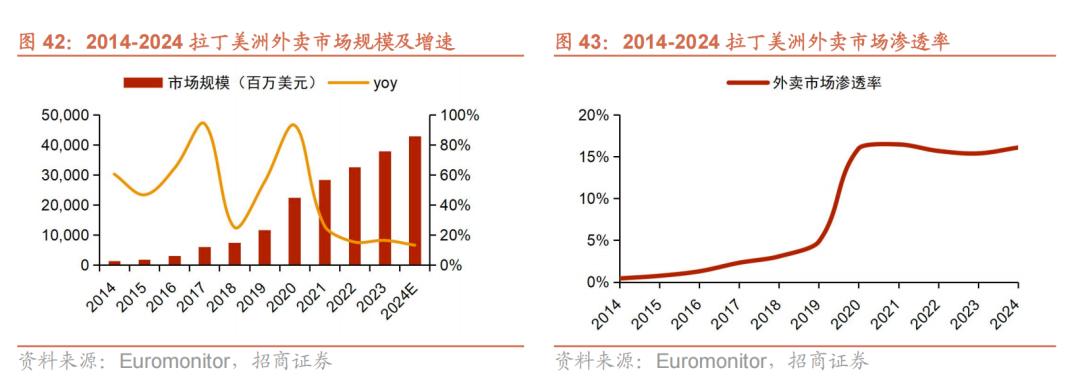
熟悉的 “二选一”,陌生的战场,美团告滴滴,把“中式内卷” 带到了巴西?
3 6 Ke· 2025-08-20 11:27
Group 1 - Meituan's international food delivery brand Keeta officially launched in Qatar, marking a significant expansion in the Middle East after Saudi Arabia [3] - In Brazil, Meituan's Keeta is in legal conflict with Didi's 99Food, which has been accused of anti-competitive practices [39][40] - The global food delivery market is projected to exceed $550 billion in 2024, with Latin America and the Middle East showing the highest growth rates [2] Group 2 - Qatar's population is approximately 3.05 million, with a GDP of $195.72 billion and a high per capita GDP of $71,600, indicating a strong potential for the food delivery market [11] - Talabat, owned by Delivery Hero, is the leading food delivery platform in Qatar, with a projected GMV of $7.4 billion in 2024, reflecting a 23% year-on-year growth [13] - In Brazil, the local platform iFood dominates the market with an 89% share, while Didi's 99Food has struggled to gain traction [21][35] Group 3 - Didi's strategy in Brazil includes a $176 million investment to restart its food delivery service, aiming to compete with established players like iFood [15] - The competitive landscape in Latin America is fragmented, with no single dominant player, providing opportunities for new entrants like Meituan and Didi [19][21] - Legal disputes between Keeta and 99Food highlight the intense competition in the Brazilian market, with both companies vying for market share against iFood [36][48] Group 4 - Didi's previous exit from the Brazilian market in 2022 was due to strong competition from iFood, which implemented a "choose one" strategy against Didi [35][39] - The ongoing legal battles and competitive strategies reflect a high-stakes environment for food delivery services in Brazil, reminiscent of domestic market dynamics [50]