
石油

Search documents
百利好晚盘分析:美国关税成主线 黄金震荡偏强势
Sou Hu Cai Jing· 2026-02-26 09:18
黄金方面: 近期原油价格仍将受地缘摩擦影响。若美国和伊朗达成共识,将挤压风险溢价,油价恐将逐步回落;若谈判破裂,则油价明显 存在进一步上行风险;最后,中东局势小范围升级,美国对伊朗采取针对性有限的打击,伊朗较为有限的报复,则油价存在短 暂脉冲的可能性比较大。 技术面:日线上,近期行情自高位回落且收阴线,短期需要警惕油价进一步下行风险。不过行情仍然处于20日均线上方运行, 多头略占优势。日内关注下方64.54美元一线支撑情况。 美国贸易政策缺乏稳定性以及美国与伊朗的关系较为紧张,对金银价格形成支撑。不过美国短期维持利率不变的前景又将限制 金价上涨空间,黄金价格隔夜维持相对高位震荡调整。 美国法院裁定特朗普关税政策违法之后,特朗普对全球10%新关税已经生效,并且计划提高至15%,同时考虑对6个行业加征新 一轮关税。这就意味着特朗普逆全球化的政策大概率将持续,美元信用缺失这个黄金牛市的核心驱动因素并没有改变,故而黄 金价格仍然存在进一步走高的机会。 百利好特约智昇研究资深分析师辰宇认为,当前黄金牛市核心驱动不变,金价有望维持偏强运行。不过美联储货币政策迎来空 窗期,短期金价上行空间恐将受限。 技术面:日线上,隔夜黄 ...


最高法院裁决搅局!印度会否“偷摸”买俄油?
Jin Shi Shu Ju· 2026-02-26 09:14
Core Viewpoint - Indian refiners are reducing their procurement of Russian oil due to uncertainty following a recent U.S. Supreme Court ruling that impacts a trade agreement aimed at lowering tariffs in exchange for halting Russian oil imports [1] Group 1: Current Procurement Status - Indian refiners are currently expected to import about 1.2 million barrels of Russian crude oil per day, the lowest level since November 2022, with predictions of further declines to 800,000 to 1 million barrels per day in March [2] - The recent withdrawal of Indian refiners has resulted in millions of barrels of Russian oil being stored on tankers or being shipped further to Singapore [2] Group 2: Price Dynamics - The discount for Russian Urals crude has widened to $15 to $20 per barrel below Brent crude, compared to a discount of around $10 in early February [2] Group 3: Future Supply Preparations - Indian Oil Corp. and Bharat Petroleum Corp. have recently purchased crude from the Middle East and issued tenders for April and May deliveries, indicating preparations for reduced Russian supply [2] - The stored Russian oil on tankers could provide a quick and cost-effective solution for Indian refiners if they receive approval from New Delhi [2]
原油、燃料油日报:美国EIA商业原油超大幅累库,油价承压下行-20260226
Tong Hui Qi Huo· 2026-02-26 08:15
Report Industry Investment Rating No relevant information provided. Core View of the Report The short - term crude oil price may be under pressure at a high level. The supply increase in the Middle East countries and the obvious signal of inventory accumulation in the United States are the main factors. If the geopolitical conflict escalates, the price has an upward risk; otherwise, the supply increase may lead to a moderate correction [5]. Summary by Directory 1. Daily Market Summary a. Crude Oil Futures Market Data Change Analysis - **主力合约与基差**: On February 25, 2026, the SC main futures price (488.3 yuan/barrel) dropped slightly by 5.0 yuan from the previous day (493.3 yuan/barrel), a decline of 1.01%. The WTI main contract (66.08 US dollars/barrel) and Brent main contract (71.01 US dollars/barrel) remained stable. The SC - Brent spread (0.1 US dollars/barrel) weakened significantly by 0.54 US dollars from the previous day (0.64 US dollars/barrel), a decline of 84.38%. The SC - WTI spread (5.03 US dollars/barrel) weakened by 0.54 US dollars from the previous day (5.57 US dollars/barrel), a decline of 9.69%. The Brent - WTI spread (4.93 US dollars/barrel) remained stable. The SC continuous - consecutive 3 spread (-1.3 yuan/barrel) weakened significantly by 2.5 yuan from the previous day (1.2 yuan/barrel), a decline of 208.33% [2]. b. Industry Chain Supply - Demand and Inventory Change Analysis - **Supply Side**: Saudi Arabia's oil export volume is expected to reach the highest level in nearly three years, indicating an increase in production by OPEC+ core members. Iran is accelerating the loading of oil tankers, which may push up short - term exports. Iraq's oil production is also steadily increasing. Overall, the supply side shows an increasing trend driven by OPEC+ production increase and geopolitical factors [3]. - **Demand Side**: Tensions between the US and Iran may indirectly affect refinery equipment and refined oil demand. The demand for refined oil products such as gasoline and diesel remains stable [3]. - **Inventory Side**: From February 14 - 20, 2026, the US commercial crude oil inventory excluding strategic reserves increased by 15.989 million barrels to 436 million barrels, an increase of 3.81%. The EIA Cushing crude oil inventory in Oklahoma was 881,000 barrels. The EIA strategic petroleum reserve inventory was 0 barrels. The EIA refined oil inventory was 252,000 barrels. The gasoline inventory decreased by 1.011 million barrels, and the heating oil inventory decreased by 119,000 barrels [4]. c. Price Trend Judgment The short - term crude oil price may be under pressure at a high level. The increase in production and export expansion in Middle Eastern countries put downward pressure on prices. The demand side is relatively stable, lacking strong driving forces. The overall increase in supply in the industry chain is dominant, and the US inventory accumulation signal is obvious. If the geopolitical conflict escalates, the price has an upward risk; otherwise, the supply increase may lead to a moderate correction [5]. 2. Industry Chain Price Monitoring a. Crude Oil - **Futures Prices**: On February 25, 2026, the SC futures price was 488.30 yuan/barrel, down 5.00 yuan from the previous day, a decline of 1.01%. The WTI and Brent futures prices remained unchanged at 66.08 US dollars/barrel and 71.01 US dollars/barrel respectively. - **Spot Prices**: Most spot prices remained unchanged, such as the OPEC basket price at 69.69 US dollars/barrel, Brent at 71.40 US dollars/barrel, etc. - **Spreads**: The SC - Brent spread weakened significantly, the SC - WTI spread also weakened, while the Brent - WTI spread remained stable. The SC continuous - consecutive 3 spread weakened significantly [7]. b. Fuel Oil - **Futures Prices**: The FU futures price increased slightly by 0.03%, while the LU futures price decreased by 1.21%. The NYMEX fuel oil price remained unchanged. - **Spot Prices**: Most spot prices remained unchanged. - **Spreads**: The China high - low sulfur spread decreased by 8.02%. Some spreads and inventory data also showed certain changes [8]. 3. Industry Dynamics and Interpretation a. Supply - On February 25, 2026, Saudi Arabia's oil export volume from its ports is expected to reach the highest level in nearly three years. Iran has been accelerating the loading of oil tankers in recent days, possibly in preparation for a potential US attack. Iraq's Kurdistan region's oil export volume is 20 - 210,000 barrels per day, and the total export volume exceeds 3.4 million barrels per day, with a target to increase to over 3.45 million barrels per day. The output of Iraq's West Qurna 2 oil field is expected to increase from 450,000 barrels per day to 750,000 - 800,000 barrels per day [9][10]. b. Market Information - Iraq's total oil revenue in January was 648.5 million US dollars. Due to the tense situation in the Middle East during the Spring Festival, the oil price fluctuated strongly. The market is concerned about the latest US - Iran peace talks. If the talks do not progress, the US may launch an attack, and the oil price has an upward risk; otherwise, the oil price will decline moderately [11]. 4. Industry Chain Data Charts The report includes multiple data charts such as WTI, Brent first - line contract prices and spreads, SC and WTI spread statistics, US crude oil weekly production, OPEC crude oil production, etc., with data sources from WIND, EIA, etc. [12][14][16]
【财经分析】大宗商品“轮动”序幕拉开?黄金之后 原油面临一场大考
Xin Hua Cai Jing· 2026-02-26 07:55
Group 1: Oil Price Trends - The international oil price has shown strong performance during the Spring Festival holiday due to the US-Iran conflict, but there is a prevailing bearish sentiment that oil prices may decline once geopolitical tensions ease [1][6] - Experts predict that if conflict erupts, oil prices could surge due to potential disruptions in oil transportation through the Strait of Hormuz, with possible impacts ranging from 500,000 to 14 million barrels per day depending on the situation [4][6] - Historical trends indicate that oil prices are influenced by multiple factors beyond supply and demand, with expectations for commodity prices to strengthen in a specific order, starting with gold and moving through industrial metals to oil and agricultural products [7][8] Group 2: Geopolitical Factors - The ongoing tensions in the Middle East, including the deployment of US military assets, are critical to the current oil market dynamics, with potential military actions by the US against Iran being a significant concern [2][3] - Analysts suggest that the US may escalate military actions against Iran, which could lead to severe repercussions, including personnel casualties and disruptions in global energy markets [3][4] - The potential for Iran to retaliate by closing the Strait of Hormuz could lead to panic-driven increases in global oil prices, further complicating the supply chain and inflationary pressures [3][4] Group 3: Supply and Demand Outlook - The US Energy Information Administration (EIA) and the International Energy Agency (IEA) project a global oil supply surplus of 3.05 million barrels per day and 3.73 million barrels per day for 2026, respectively, indicating a long-term bearish outlook for oil prices [6] - Despite the current geopolitical support for oil prices, the overall supply-demand balance suggests that prices may face downward pressure in the medium term as global demand for traditional energy sources declines [6][8] - The historical decline in capital investment in oil exploration over the past decade may constrain long-term global oil supply capabilities, potentially leading to price increases if geopolitical tensions ease and strategic stockpiling resumes [8]
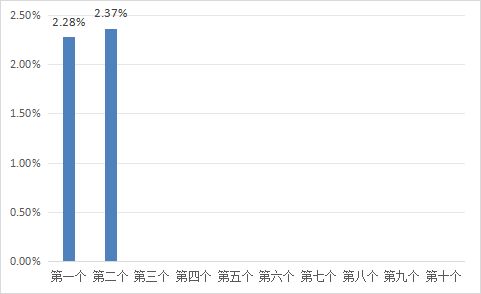
2月25日一揽子原油平均价格变化率为2.37%
Xin Lang Cai Jing· 2026-02-26 07:54
Group 1 - The average price change rate of a basket of crude oil was reported at 2.37% on February 25 [1] - Domestic gasoline and diesel prices are adjusted based on international crude oil price changes every 10 working days, with the adjustment effective at 24:00 on the announcement date [3] - The adjustment window for the current pricing cycle will open at 24:00 on March 9 [4]
高盛:油价已计入每桶 5–6 美元的伊朗风险溢价
Xin Lang Cai Jing· 2026-02-26 07:54
来源:滚动播报 高盛集团表示,油价中已包含美国可能袭击伊朗带来的每桶 5 至 6 美元风险溢价。包括尤利娅・格里斯 比在内的分析师在 2 月 25 日的报告中称,这一溢价,叠加全球主要定价中心库存下降,使得布伦特原 油价格维持在70 美元出头的水平。伊朗原油装载量已升至 2018 年以来最高,海上待售伊朗原油库存创 下纪录新高。高盛称,全球显性库存上周日均减少50 万桶,本月日均降幅达30 万桶。俄罗斯石油生产 也受到乌克兰袭击的压力。高盛还表示,沙特、巴西、尼日利亚、乌干达和美国的多个新项目将于今年 投产。沙特项目包括去年 12 月投产的贾富拉油气田,以及今年将投产的祖卢夫油田。该行重申预测: 布伦特原油价格将在今年第四季度跌至每桶 60 美元。 ...

【财经分析】大宗商品“轮动”序幕拉开?黄金之后,原油面临一场大考
Zhong Guo Jin Rong Xin Xi Wang· 2026-02-26 07:52
Core Viewpoint - The article discusses the strong performance of international oil prices during the Spring Festival holiday due to the US-Iran conflict, while also highlighting the prevailing bearish sentiment towards oil prices once geopolitical tensions subside, despite a generally optimistic outlook for commodities in 2026 [2] Geopolitical Tensions - The Middle East situation remains tense, with reports of US military deployments, including F-22 fighter jets and the USS Ford aircraft carrier, indicating a potential escalation in military presence in the region [3][4] Military Action Analysis - Analysts from the Atlantic Council outline three potential US military strategies against Iran: limited strikes targeting military and security forces, long-term weakening of Iran's military capabilities, and regime change through direct attacks on leadership [5][6][7] Market Reactions and Predictions - Short-term oil price movements are heavily influenced by geopolitical factors, with potential supply disruptions from conflict in the Strait of Hormuz being a significant concern. Analysts suggest that if conflict escalates, oil prices could surge, while a de-escalation could lead to a rapid decline in prices [8][9] Supply and Demand Outlook - Despite short-term support for oil prices from geopolitical tensions, many institutions predict a medium-term oversupply in the global oil market, with the US Energy Information Administration (EIA) and International Energy Agency (IEA) forecasting oversupply of 3.05 million barrels per day and 3.73 million barrels per day for 2026, respectively [9][10] Historical Context and Future Trends - Historical trends indicate that oil prices are influenced by multiple factors beyond supply and demand. Analysts expect a rotation in commodity strength leading up to 2026, with oil prices potentially impacting various sectors, including energy and agriculture [10][11] Current Market Conditions - Current market conditions show low US oil inventories and high refinery utilization rates, which provide some support for oil prices despite a generally oversupplied market. Analysts warn that geopolitical events could amplify upward price movements [11]

油价隐含每桶5至6美元的伊朗风险溢价,高盛重申布伦特年底将回落至60美元
Sou Hu Cai Jing· 2026-02-26 07:35
Group 1 - The core viewpoint of the articles highlights the significant impact of geopolitical factors on global oil pricing, particularly due to the ongoing tensions between the US and Iran, which has led to a risk premium of $5 to $6 per barrel in oil prices [1] - Goldman Sachs reports that the current Brent crude oil price is supported by a combination of the aforementioned risk premium and a notable decline in global inventories, with a daily average reduction of 500,000 barrels last week and a 300,000 barrels daily average decline since February [1] - The report also notes that Iran's oil loading has reached its highest level since 2018, with record-high offshore Iranian oil inventories, indicating potential significant disruptions to global supply if geopolitical conflicts escalate [1] Group 2 - On the supply side, Goldman Sachs indicates that Russian oil production is under pressure from ongoing attacks in Ukraine, adding to short-term supply uncertainties, while new production capacities are expected to come online in the medium term [2] - New projects in Saudi Arabia, Brazil, Nigeria, Uganda, and the US are set to launch this year, with Saudi Arabia's Jafurah gas field already in production since December and the Zuluf oil field expected to come online within the year [2] - Considering the evolving geopolitical risks and supply-demand dynamics, Goldman Sachs reaffirms its previous forecast that Brent crude oil prices will decline to $60 per barrel by the fourth quarter of this year [2]
基本面并未明显好转 原油盘中低位震荡运行
Jin Tou Wang· 2026-02-26 07:02
Core Viewpoint - The domestic energy futures market is experiencing a downward trend, particularly in crude oil prices, which are fluctuating around 490.4 yuan per barrel with a decline of approximately 1.21% [1][2]. Group 1: Market Performance - Crude oil futures opened at 490.4 yuan per barrel, with intraday fluctuations reaching a high of 491.4 yuan and a low of 482.4 yuan [1]. - The overall performance of the crude oil market is weak, indicating a bearish sentiment among traders [2]. Group 2: Geopolitical Factors - The upcoming third round of US-Iran negotiations is seen as a potential turning point, with both sides expressing optimism about reaching a diplomatic solution [2]. - Despite diplomatic efforts, the US has increased its military presence in the Middle East, marking the highest level of air power deployment since the Iraq War, contributing to geopolitical uncertainty [2]. Group 3: Supply and Demand Dynamics - The supply side remains oversupplied, with an OPEC+ meeting scheduled for March 1, where discussions about production increases are anticipated [2]. - The increase in EIA inventories has led to a decline in oil prices, and March may see a seasonal dip in processing demand, further complicating market conditions [2].
匈牙利总理欧尔班:乌克兰可能破坏匈牙利能源系统
Xin Jing Bao· 2026-02-26 06:17
Core Viewpoint - The interruption of oil supply through the "Friendship" pipeline to Hungary since January 27 is attributed to political reasons rather than technical failures, as stated by Orbán [1] Group 1: Pipeline Operations - No oil has been transported through the "Friendship" pipeline to Hungary since January 27 [1] - The Ukrainian segment of the "Friendship" pipeline has halted the delivery of Russian oil to Europe since January 27 [1] Group 2: Political Context - Hungary and Slovakia accuse Ukraine of delaying the restart of the pipeline, claiming it is a tactic to pressure Hungary into dropping its opposition to Ukraine's EU membership [1] - Orbán suggests that Ukraine may take further actions to disrupt the operation of Hungary's energy system [1]