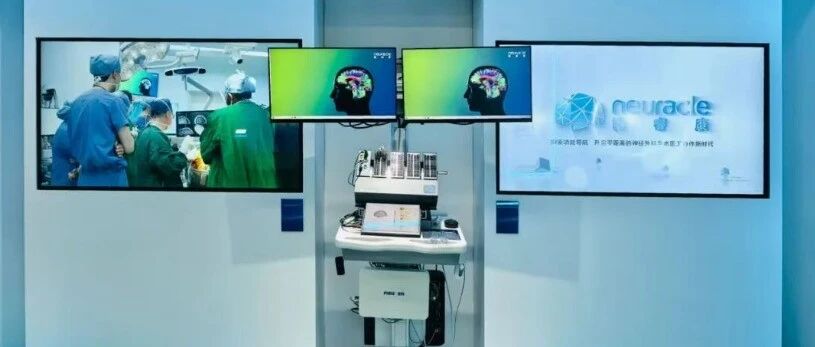
脑机接口

Search documents
A股节前最后一周!六大机构研判来了
Zhong Guo Zheng Quan Bao· 2026-02-08 15:02
Group 1: Market Outlook - The A-share market is expected to maintain a range-bound fluctuation before the Spring Festival, with a recommendation for balanced allocation [1][5] - After the Spring Festival, market focus may shift back to growth sectors with industrial catalysts and performance certainty, such as AI applications, high-end manufacturing, and new energy [1][5] Group 2: Commodity Market - International gold prices continue to experience wide fluctuations, with increased volatility suggesting that gold should be part of asset allocation rather than a speculative tool [1][9] - The People's Bank of China has increased its gold reserves for the 15th consecutive month, reaching 74.19 million ounces as of January 2026, with a month-on-month increase of 40,000 ounces [3] Group 3: Investment Strategies - Various institutions suggest focusing on three main areas: overvalued technology sectors, sectors with favorable economic conditions like energy storage and lithium battery chains, and commercial aerospace along with advanced technologies [6][7] - The market sentiment is expected to improve, with the "Spring Festival effect" potentially creating a favorable environment for holding stocks during the holiday [7] - There is an emphasis on cash flow certainty and sectors directly influenced by supply and demand, such as upstream resources and chemical price increases [8]
不做“马斯克”,中国科学家自研医疗级全植入式脑机接口
2 1 Shi Ji Jing Ji Bao Dao· 2026-02-08 14:32
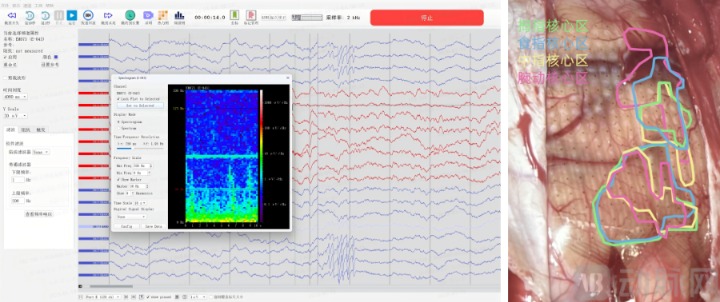
这位脑神经医学出身的科学家创业者直言不讳地指出,当前脑机接口领域存在着一种危险的认知偏差:把严肃的医疗技术包装 成消费级产品的故事。他表示,真正的医疗级脑机接口,遵循的是另一套逻辑:"我们服务的是人脑,不是机器人。" 医疗应当优先 马斯克在Neuralink的最新临床演示,一位瘫痪多年的患者,无需借助任何肢体动作,仅凭脑海中的意念,就能精准操控机械臂 举起水杯、敲击键盘,甚至流畅玩起电子游戏。 今年1月,埃隆·马斯克通过社交平台宣布,其创办的脑机接口公司Neuralink计划于2026年实现脑机接口设备的大规模量产,这一 表态迅速引爆了全球科技与资本市场。 "Neuralink把脑机接口带火了,但把这个方向带歪了。"深圳微灵医疗科技有限公司创始人、南方医科大学粤港澳大湾区脑科学 与类脑研究中心教授李骁健近日在接受南方财经记者采访时说。 微灵医疗高通量神经电生理采集系统采集电生理信号(左)手部精细运动任务功能图谱展示(右),企业供图 "刺入式电极会破坏脑组织,电极导针会压迫血管导致出血。"李骁健解释,这样会使健康的脑组织变成病灶,因为即使 Neuralink的电极线再细,其"缝纫机"的针头也一定会破坏脑组织。 ...

中国正在打破垄断世界的“美国梦”
虎嗅APP· 2026-02-08 13:37
Core Insights - The article highlights the growing significance of technology and innovation outside Silicon Valley, particularly in the context of the Web Summit held in Doha, Qatar, which attracted over 30,000 attendees, including startups and investors [6][10]. Group 1: Event Overview - The Web Summit in Doha gathered 30,274 participants, including 1,637 startups and 931 investors, showcasing a diverse range of technological innovations [6]. - The event emphasized the importance of connections and collaborations among global entrepreneurs, moving away from the traditional Silicon Valley narrative [7][8]. Group 2: Investment Trends - Middle Eastern investors, particularly the Qatar Investment Authority (QIA) with assets of approximately $580 billion, are showing a strong preference for localized collaborations that align with their strategic goals [10]. - The establishment of Qatar's national AI company, Qai, indicates a significant investment in AI infrastructure and systems, further highlighting the region's focus on technological advancement [12]. Group 3: Company Highlights - GenEditBio, a gene editing company founded by Zhu Tian, aims to address local healthcare needs in the Middle East, particularly genetic diseases prevalent due to regional customs [11]. - Bizlysis, led by Liu Xiaobin, is leveraging AI to enhance supply chain efficiency in Qatar, addressing vulnerabilities exposed by traditional shipping methods [15][18]. - Brainthink, a company specializing in non-invasive brain-computer interface technology, is attracting interest from Middle Eastern investors due to its innovative applications in mental health monitoring [22]. Group 4: Global Innovation Landscape - The article discusses how emerging markets are adopting and adapting innovations that have previously been seen in China, indicating a shift in the global technology narrative [25][30]. - Various startups from different countries are presenting solutions that mirror successful models from China, showcasing a trend of shared innovation across borders [26][31]. Group 5: Conclusion - The narrative presented at the Web Summit reflects a broader and more inclusive view of technological progress, where innovations from various regions are recognized and valued equally [35].

IPO周报 | 卓正医疗登陆港交所;天仪研究院、博睿康启动A股IPO
IPO早知道· 2026-02-08 13:20
Group 1: IPO Overview - Zhuozheng Medical Holdings Limited (Zhuozheng Medical) was listed on the Hong Kong Stock Exchange on February 6, 2026, under the stock code "2677" [3] - The IPO raised a total of HKD 284 million by issuing 4,750,000 shares, with a subscription rate of 2730.73 times for the Hong Kong public offering and 5.79 times for the international offering [3] - Zhuozheng Medical's cornerstone investors include notable figures and companies such as He Xiaopeng, CEO of Xiaopeng Motors, and leading firms in the AI sector [4] Group 2: Company Performance - Zhuozheng Medical focuses on the high-end medical service market, targeting affluent consumers who prefer personalized healthcare [4] - The company ranked first and second among private high-end comprehensive medical service institutions in China based on the number of cities covered and patient visits projected for 2024 [4] - Revenue figures for Zhuozheng Medical from 2022 to 2024 are as follows: CNY 473 million, CNY 690 million, and CNY 959 million, with a compound annual growth rate (CAGR) of 42.2% [4] - Gross profit for the same period was CNY 44 million, CNY 134 million, and CNY 226 million, with a CAGR of 126.7% [4] - The company achieved profitability in 2024, with an adjusted net profit of approximately CNY 10.45 million in the first eight months of 2025 [4] Group 3: North Star Life - North Star Life Technology Co., Ltd. (North Star Life) was listed on the Shanghai Stock Exchange's Sci-Tech Innovation Board on February 5, 2026, under the stock code "688712.SH" [6] - North Star Life specializes in innovative medical devices for cardiovascular disease diagnosis and treatment, having launched 11 products and having 6 in development as of September 30, 2025 [6][8] - The company's core products include the IVUS system and FFR system, both of which are recognized as leading innovations in China [7] Group 4: LuKe Technology - LuKe Technology (Beijing) Co., Ltd. (LuKe Technology) submitted its prospectus for listing on the Hong Kong Stock Exchange on February 6, 2026 [10] - Established in 2014, LuKe Technology focuses on smart locks and home security solutions, leading the market in China with a 5.8% share in 2024 [11] - The company reported revenues of CNY 1.015 billion in 2023 and CNY 1.086 billion in 2024, with a projected increase in revenue for the first three quarters of 2025 [11] Group 5: Tianyi Space Technology - Tianyi Space Technology Co., Ltd. (Tianyi Research Institute) signed a counseling agreement to initiate its A-share IPO process on January 27, 2026 [14] - The company has successfully launched 38 satellites, filling a gap in China's commercial SAR satellite market [15] - Tianyi's services include high-quality SAR data for various applications, contributing to disaster prevention and infrastructure monitoring [15] Group 6: BoRuiKang Technology - BoRuiKang Technology (Shanghai) Co., Ltd. (BoRuiKang) initiated its IPO process on the Sci-Tech Innovation Board on February 4, 2026 [18] - The company specializes in brain-machine interface technology and has successfully conducted surgeries using its product, NEO, in multiple hospitals [19] - BoRuiKang has received significant investments from various venture capital firms and aims to enhance its product capabilities in future iterations [19]

每周研选 | 持股还是持币?
Sou Hu Cai Jing· 2026-02-08 13:13
Core Viewpoint - The A-share market is experiencing fluctuations and adjustments ahead of the upcoming Spring Festival, with discussions on whether to hold stocks or cash during the holiday. Investors are concerned about external risks during the long holiday, while others fear missing out on potential gains post-holiday, known as the "red envelope market" [11]. Group 1: Investment Strategies - Dongwu Securities recommends holding stocks during the holiday, suggesting that the factors currently suppressing the market may weaken, leading to a potential rebound starting next week, with a focus on overvalued technology sectors such as semiconductor equipment and cloud computing [12]. - Guosen Securities supports holding stocks, citing historical data showing a high probability of market gains before and after the Spring Festival, with the Shanghai Composite Index having an 81% chance of rising in the week before the holiday [13]. - Huachuang Securities believes the current market adjustment may have reached its limit, advising investors to focus on high-dividend stocks and sectors with strong performance support [14]. - China Galaxy Securities suggests a cautious approach of "lightly holding stocks," balancing the risks of pre-holiday market adjustments with the potential for post-holiday gains [16]. - Huajin Securities indicates that the spring market is not over, with expectations for improved economic and profit forecasts during the holiday [17]. Group 2: Market Trends and Predictions - Shenyin Wanguo Securities notes that the market's overall profitability has returned to historical mid-high levels, and a second phase of upward movement may begin after identifying the lower limit of the current fluctuation range [15]. - CITIC Securities emphasizes the need to maintain a "resource + traditional manufacturing" base amid increasing global market uncertainties, suggesting that the Chinese capital market is transitioning towards quality improvement and efficiency [18]. - GF Securities highlights that February and the period around the Spring Festival are historically strong for market movements, with small-cap stocks showing a 100% probability of rising from the Spring Festival to March [19]. - Zhongtai Securities points out that high-dividend stocks currently offer more attractive yields than long-term bonds, with a potential shift in market style towards more stable, high-dividend sectors post-holiday [21]. Group 3: Sector Focus - The focus on cyclical stocks is emphasized by Founder Securities, which notes that improvements in the Producer Price Index (PPI) could drive excess returns in cyclical stocks, suggesting that sectors like power and machinery also present good investment opportunities [23].
春节前最后一个交易周!持币观望,还是持股过节?券商发声
证券时报· 2026-02-08 12:56
Core Viewpoint - The article discusses the strategies for investors in the last trading week before the Spring Festival, highlighting the mainstream recommendation of "holding stocks over the holiday" based on historical "Spring Festival effect" analysis and current economic expectations [1][5]. Market Trends and Historical Analysis - A-shares typically exhibit a "calendar effect" around the Spring Festival, characterized by "volume contraction before the festival and expansion afterward" [2][3]. - Historical data indicates that market volume usually starts to decline from T-8 days (T being the day of the festival), with significant volume drop observed around February 4, 2026, where trading amounts fell below 2.5 trillion yuan [2]. - The market tends to rebound in the last five trading days before the festival, with a clear upward trend often continuing until about T+6 days after the festival [2]. Fund Behavior and Market Dynamics - The "down then up" pattern of the index is attributed to risk-averse behavior of funds during the holiday, leading to a temporary market decline before a rebound as investors anticipate the "Spring Festival effect" [3]. - The rotation of large-cap and small-cap stocks is notable, with large-cap stocks performing better before the festival and small-cap stocks gaining an advantage afterward [3][4]. Investment Strategies and Recommendations - Multiple brokerage firms suggest a balanced approach to investment, emphasizing "stable allocation" before the festival and a focus on growth and industry trends afterward [8]. - Specific sectors such as low-volatility, high-dividend stocks in banking and consumer sectors are expected to attract funds during the pre-festival period [8]. - The technology sector remains a long-term consensus for investment, with a focus on AI applications, high-end manufacturing, and new energy post-festival [8]. Sector Focus and Future Outlook - Analysts recommend monitoring sectors that may experience marginal changes during the festival, including humanoid robots, AI industry chains, and gaming [9]. - The overall sentiment suggests that the market may see renewed upward momentum post-festival, driven by improved economic and profit expectations, as well as a favorable liquidity environment [6][7].

“十五五”期间瞄准智能终端、商业航天、低空经济等新赛道 上海将再造万亿级产业新增量
Jie Fang Ri Bao· 2026-02-08 03:26
Economic Development and Growth Targets - Shanghai's GDP is projected to reach 5.67 trillion yuan by 2025, with a growth rate of 5.4% compared to the previous year, achieving annual and "14th Five-Year" economic growth targets [2] - The GDP growth target for 2023 is set at around 5%, focusing on expanding effective demand and promoting consumption and investment [2] Foreign Investment and Trade - By the end of last year, Shanghai had recognized 1,076 regional headquarters of multinational companies and 636 foreign R&D centers, with over 6,300 new foreign enterprises expected to be established by 2025, marking a 6.8% year-on-year increase [3] - The foreign trade import and export scale is anticipated to exceed 4.5 trillion yuan by 2025, with a 19.8% growth in contracted foreign investment [3] Industrial Development and Innovation - Shanghai's industrial output value surpassed 4 trillion yuan last year, with plans to target new sectors such as smart terminals and commercial aerospace during the "15th Five-Year" period [4] - The city aims to increase R&D expenditure to about 4.5% of GDP by 2025, with a focus on enhancing basic research investment from 7.9% to around 12% [4] Employment and Skills Development - Shanghai plans to create over 600,000 new jobs by 2026, with a focus on supporting youth employment and addressing the impact of AI on job markets through "AI + employment" initiatives [6] - The city will host the 48th World Skills Competition to promote new skills and enhance vocational training aligned with industry needs [6] Elderly Care and Community Services - Shanghai has established 122 smart elderly care facilities, aiming to enhance technology-driven services and community care [7] - The city has introduced guidelines for building senior-friendly shopping environments, which have been well-received by the elderly community [7]
重大突破,关键性能提升数百倍!多只概念股已砸出“深坑”
Xin Lang Cai Jing· 2026-02-08 00:58
Core Viewpoint - Brain-computer interfaces (BCIs) are emerging as a disruptive technology that integrates life sciences, information technology, and artificial intelligence, becoming a strategic high ground for major countries competing for future industrial leadership [1] Industry Developments - The research team from Northwestern Polytechnical University has made significant advancements in implantable brain-computer interfaces, moving from science fiction concepts to real-world applications, including controlling mechanical arms and precise diagnosis of neurological diseases like Parkinson's [2][3] - The team has developed a three-dimensional conical carbon-based flexible cortical electrode array that addresses core challenges in the industry, such as brain tissue damage and poor biocompatibility, and has successfully completed the first international technology verification in a space environment [3][4] Market Trends - The BCI market in China is projected to reach 3.2 billion yuan in 2024, with a year-on-year growth of 18.8%, and is expected to grow to 5.58 billion yuan by 2027, reflecting a growth rate of 20% [10] - Various regions in China are actively competing in the BCI sector, with initiatives like the "Action Plan for Accelerating the Innovation and Development of Brain-Computer Interfaces in Beijing (2025-2030)" and the establishment of the "Brain Intelligence World" industrial cluster in Shanghai [7][9] Company Performance - Several BCI concept stocks have experienced significant pullbacks, with 14 stocks declining over 20% from their year-to-date highs, including Haige Communication and Prit [11][12] - Haige Communication is expected to report a net loss of 700 million to 790 million yuan in 2025, impacted by client adjustments and reduced revenue [13] - Companies like Beilu Pharmaceutical and Lepu Medical are projected to see substantial net profit growth in 2025, with Beilu's expected profit ranging from 87 million to 130 million yuan, reflecting a growth of 537.28% to 852.26% [14][15]
脑机接口,重大突破!
证券时报· 2026-02-07 13:12
Core Viewpoint - The article highlights significant advancements in brain-machine interface (BMI) technology in China, showcasing breakthroughs in flexible electrode arrays and clinical applications, indicating a growing investment interest and market potential in this field [1][4][6]. Group 1: Technological Breakthroughs - A research team from Northwestern Polytechnical University has developed a three-dimensional conical carbon-based flexible cortical electrode array, addressing key issues such as brain tissue damage and poor biocompatibility, and achieving international space environment technology validation [1]. - The electrode shows hundreds of times improvement in key performance metrics compared to traditional metal electrodes, ensuring long-term safety and stability for clinical applications [1]. - The article notes that 2025 is referred to as the "year of the brain-machine interface" in China, with multiple clinical trials and innovations being reported [2]. Group 2: Investment and Market Growth - Investment enthusiasm in the BMI sector has surged, with 24 financing events recorded from January to November 2025, marking a 30% year-on-year increase, and total financing exceeding 10 billion yuan over the past five years [4]. - The "14th Five-Year Plan" has identified brain-machine interfaces as one of six future industries, indicating a strategic focus on this technology as a new engine for economic growth [4]. - The BMI market in China was valued at 3.2 billion yuan in 2024, with an 18.8% year-on-year growth, projected to reach 5.58 billion yuan by 2027, reflecting a 20% growth rate [6]. Group 3: Clinical Applications and Innovations - Ming Vision Brain Machine Technology has introduced an implantable BMI visual reconstruction system, offering new possibilities for visually impaired patients [5]. - The second invasive BMI clinical trial has achieved significant progress, transitioning from 2D screen control to 3D physical world interaction [5]. - Shanghai Brain Tiger Technology has successfully completed the first clinical trial of a fully implanted, wireless, and functional BMI product, emphasizing the technology's potential to connect life and hope [5]. Group 4: Stock Market Performance - Several BMI-related stocks have experienced significant declines, with 14 stocks showing over a 20% drop from their highs, including HaiGe Communication and PuLiTe [6][7]. - In terms of profit forecasts for 2025, nine BMI-related stocks are expected to see net profit growth, with notable increases for companies like BeiLu Pharmaceutical and LePu Medical [8].

博睿康冲击IPO,“脑机接口第一股”竞速
机器人大讲堂· 2026-02-07 13:00
2026年2月,上海证监局IPO辅导备案系统迎来一家备受瞩目的公司—— 博睿康技术(上海)股份有限公司 。这家专注于脑机接口技术的高科技企业正式启动科创板上市进程,由中信证券担任辅导机构。 | 辅导协议签署 | 2026年2月4日 | | --- | --- | | 居 间 | | | ਥ | 导 机 构 中信证券股份有限公司 | | 律师 事 务 所 北京市通商律师事务所 | | | 会计师事务所 | 天健会计师事务所(特殊普通合伙) | 几乎与此同时,彭博社报道称,另一家脑机接口企业强脑科技已以保密形式递交港股IPO申请。一时间,"中 国脑机接口第一股"的归属引发市场广泛关注。 清华实验室走出的产业化征程 01. 2023年10月,首都医科大学宣武医院的手术室内,一场特殊手术正在进行。博睿康研发的NEO脑机接口系统 被植入一名患者体内,成为 中国首例微创植入式脑机接口临床手术。 博睿康成立于2011年11月,最初注册于常州,于2025年迁至上海并完成更名。公司的核心团队源于清华大学 生物医学工程学院神经工程实验室,该实验室在脑机接口领域长期保持国际前沿水平。 创始人胥红来与联合创始人黄肖山均出身于清华大学 ...