
生物医药

Search documents
锚定“十五五”,浦东科创赋能上海策源升级
Guo Ji Jin Rong Bao· 2026-01-21 05:36
Core Insights - The release of the "Suggestions for Formulating the 15th Five-Year Plan for National Economic and Social Development of Shanghai" marks the beginning of a new development phase for Shanghai, with a focus on enhancing technological innovation capabilities [1] - The establishment of the Pudong Capital Investment and Operation Co., Ltd. with a registered capital of 10 billion yuan serves as a specialized platform for state-owned capital operation, aligning with the plan's emphasis on resource integration and industrial empowerment [1][2] Opportunities and Challenges - **Opportunities**: The plan identifies three core opportunities for Pudong, including the elevation of innovation capabilities, empowerment of industrial ecosystems, and breakthroughs in institutional innovation [2][3] - **Challenges**: Pudong faces internal structural shortcomings and external competitive pressures, necessitating effective responses through the operationalization of Pudong Capital [4][5] Action Requirements - The plan outlines three rigid requirements for Pudong's innovation efforts: strengthening the core engine of the international technology innovation center, achieving decisive progress in key industries, and optimizing the innovation ecosystem [5][6] Next Steps for Pudong's Innovation Work - **Platform Support**: Enhance the innovation platform system to support Shanghai's technological innovation, focusing on integrating research and testing capabilities [8] - **Industry Focus**: Concentrate on overcoming challenges in key industries such as integrated circuits and high-end pharmaceuticals, while fostering new growth areas like quantum technology [9] - **Institutional Innovation**: Implement regulatory innovations to reduce transaction costs for innovation enterprises and enhance the overall innovation service efficiency [10] - **Collaboration Enhancement**: Strengthen internal and external collaborative innovation networks to integrate Shanghai's innovation resources into a global framework [12]
贝达药业:公司目前持有翰思艾泰4.72%股份
Mei Ri Jing Ji Xin Wen· 2026-01-21 05:11
Core Viewpoint - Bidafarma has invested in Hanshi Aitai, becoming one of its significant shareholders, and is inquiring about the innovative directions and achievements of Hanshi Aitai, as well as potential collaborations in technology and sales [1] Group 1: Company Overview - Hanshi Aitai Biopharmaceutical Technology (Wuhan) Co., Ltd. is an innovative biotech company focused on structural biology, translational medicine, and clinical development [1] - The company has established a product pipeline centered on self-innovated drugs targeting tumors and immune diseases [1] Group 2: Technological Innovations - Hanshi Aitai has developed a globally patented high-affinity, long half-life antibody screening platform [1] - The company has also created an innovative technology platform for tumor-targeted Geographical Positioning Small molecule-Antibody (GPSmAb) [1] Group 3: Shareholding and Future Collaborations - Bidafarma currently holds a 4.72% stake in Hanshi Aitai [1] - Any significant future collaborations will be disclosed in accordance with legal regulations [1]
三大先导产业增加值同比增长9.6%!上海工业经济动能强劲
Xin Lang Cai Jing· 2026-01-21 04:46
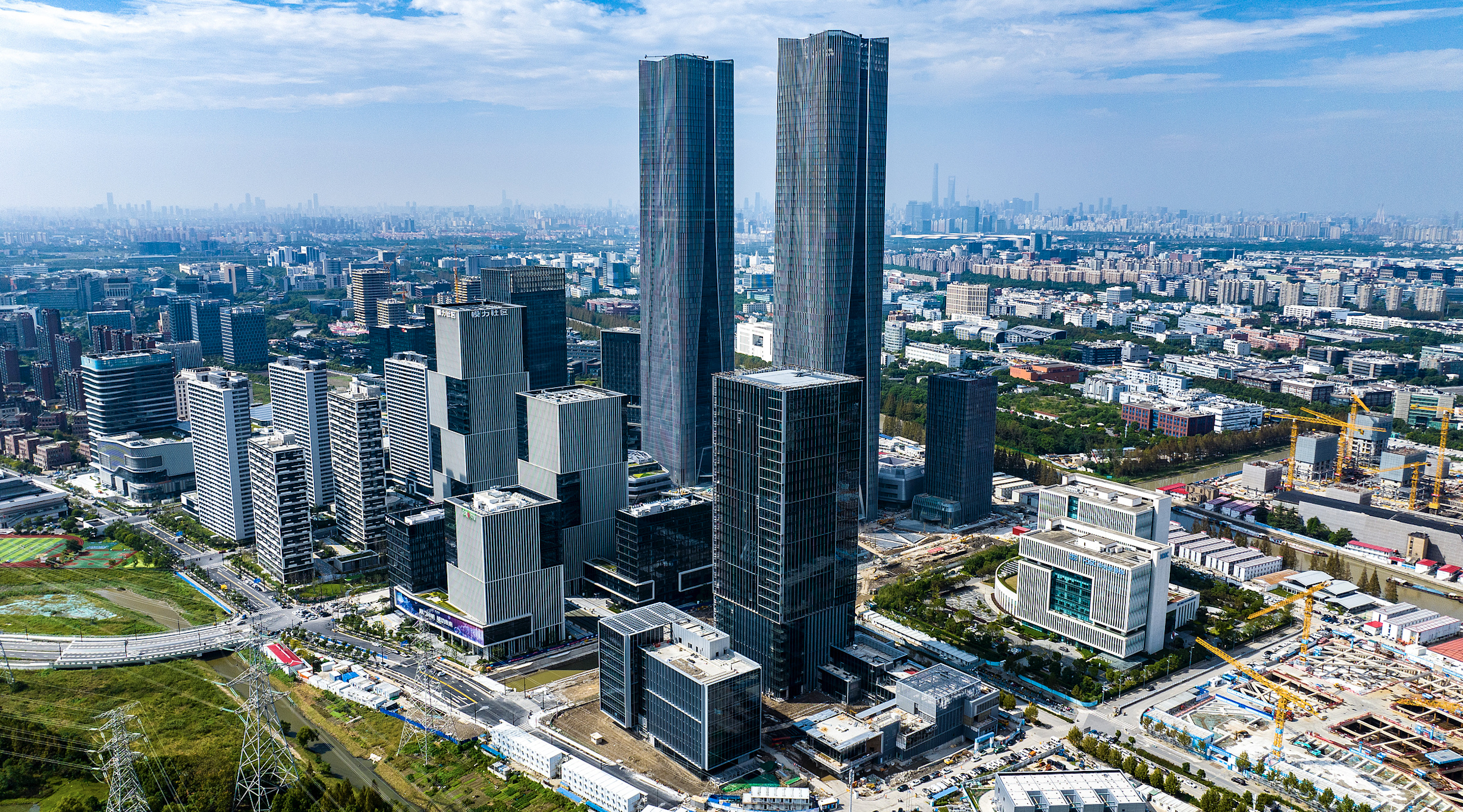
Core Insights - The economic performance of Shanghai in 2025 shows a year-on-year industrial value-added growth of 5.0% and a total industrial output value growth of 4.6% [2][5] - Strategic emerging industries in Shanghai are projected to grow by 6.5%, increasing their share of the total industrial output value to 45% in 2025, up from 43.6% in 2024 [2][5] - The three leading industries in Shanghai are expected to see a manufacturing output growth of 9.6%, with integrated circuit manufacturing growing by 15.1% and artificial intelligence manufacturing by 13.6% [2][5] Industrial Growth - The total output value of Shanghai's strategic emerging industries is expected to grow by 6.5% in 2025, with the new energy industry growing by 12.9% and high-end equipment industry by 11.1% [2][5] - The "14th Five-Year Plan" emphasizes that this period is crucial for Shanghai's comprehensive development and transformation [2][5] Policy Initiatives - The "14th Five-Year Plan" suggests accelerating the development of three leading industries, enhancing the capabilities and manufacturing levels of integrated circuit equipment, and promoting breakthroughs across the entire industrial chain [4][7] - The plan also focuses on advancing artificial intelligence innovations and improving the development of high-performance computing chips and intelligent technology [4][7] - Shanghai's traditional manufacturing sector will concentrate on product value enhancement, efficiency improvement, and structural optimization to transition from a following position to a leading one [4][7]

对话六位投资大佬:2026年,他们打算这样花钱
Xin Lang Cai Jing· 2026-01-21 04:39
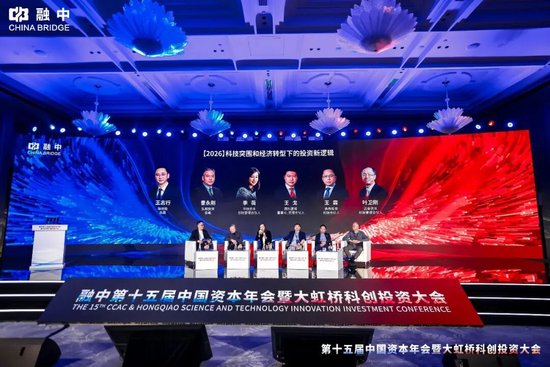
Core Insights - The equity investment industry is entering a "refinement period" characterized by a return to cognition and capability reshaping, with long-term capital expanding and patient capital becoming a core force supporting technological innovation [3][41] - Investment institutions are focusing on hard technology and strategic emerging industries, deepening their layouts and uncovering value [3][41] - The conference aims to create an efficient ecosystem that integrates investors and enterprises, promoting the full-chain integration of the investment industry [3][41] Group 1: Institutional Positioning and Core Advantages - The forum features prominent figures from leading investment institutions, emphasizing their long-term commitment and sensitivity to cyclical and structural changes [5][42] - 弘毅投资 has shifted its focus to early-stage technology investments, aligning with national policies and industry trends, while also managing a significant real estate investment business [7][8] - 华映资本 has a strong emphasis on early-stage investments, with over 80% of its investments concentrated in this phase, particularly in AI and related fields [10][11] Group 2: Investment Strategies and Opportunities - Investment strategies for 2026 will focus on AI, biomedicine, and gene technology, with a recognition of the need for a forward-looking perspective on how AI will reshape industries [19][20] - The importance of early-stage investments is highlighted, with institutions planning to deepen their engagement in sectors like semiconductors and artificial intelligence [15][22] - 鼎晖投资 emphasizes a dual structure of traditional PE and VGC, focusing on both acquisition investments and innovative growth funds in hard technology sectors [13][14] Group 3: Balancing Policy Guidance and Investment Returns - The concept of "patient capital" is discussed, with a distinction between "active patience" and "passive patience," emphasizing the need for a proactive approach to long-term investments [32][36] - The balance between policy direction and market logic is crucial, with a focus on finding projects that align with both government strategies and market demands [33][34] - The need for a diversified capital structure to support long-term investments in hard technology is emphasized, highlighting the role of various capital sources [32][33]
20cm速递|创业板医药ETF国泰(159377)涨超1.3%,替代与政策支持成关键动力
Mei Ri Jing Ji Xin Wen· 2026-01-21 04:35
Group 1 - The core viewpoint emphasizes that future investments in the pharmaceutical sector should focus on the intrinsic logic of clinical value [1] - The pharmaceutical and biotechnology sectors are driven by innovation (overseas expansion, AI, new technologies), performance validation, policy dividends, and the spring market effect, with a short-term focus on innovative drugs and CXO [1] - High elasticity sub-themes include AI healthcare/AI pharmaceuticals, brain-computer interfaces, and small nucleic acid drugs, while the innovative drug industry chain and innovative medical devices are viewed positively [1] Group 2 - In the innovative medical device sector, there is optimism regarding the upgrade of high-end medical devices and high-value consumables [1] - With the global return to a rate-cutting cycle and structural policy shifts domestically, medical insurance negotiations support innovative drugs, and centralized procurement stabilizes industry profitability [1] - The valuation of the pharmaceutical sector is expected to steadily recover from the first quarter of 2025, with a clear trend of industrial quality improvement and enhanced international competitiveness [1] Group 3 - The Guotai ETF (159377) tracks the innovative pharmaceutical index (399275), which has a daily price fluctuation limit of 20% [1] - This index focuses on the innovative biopharmaceutical field, selecting listed companies involved in biotechnology, pharmaceuticals, and related medical services to reflect the overall performance of innovative biopharmaceutical securities [1]

21健讯Daily | 恒瑞医药:收到药物临床试验批准通知书;英矽智能:与衡泰生物达成超5亿港元合作
2 1 Shi Ji Jing Ji Bao Dao· 2026-01-21 04:10
Policy Developments - The National Healthcare Security Administration has issued a guideline for the pricing of surgical and treatment auxiliary operations, focusing on medical technology innovations such as robotic surgery and 3D printing, establishing 37 pricing items and guiding the transition from traditional to precision medicine [2] Drug and Device Approvals - Bailitianheng's drug application for iza-bren, a first-in-class EGFR×HER3 dual antibody ADC for treating recurrent or metastatic esophageal squamous cell carcinoma, has been accepted and prioritized for review by the National Medical Products Administration [4] - Heng Rui Medicine has received clinical trial approval for SHR-9839, a humanized antibody for advanced solid tumors, and HRS-4642, a KRAS G12D inhibitor [5] - Fosun Pharma's subsidiary has been approved to conduct clinical trials for HLX701 in combination with chemotherapy for advanced colorectal cancer [6] Capital Market Activities - InnoCare Pharma has entered a collaboration agreement with Shenzhen Hengtai Biotechnology for the ISM8969 project, a new NLRP3 inhibitor for CNS diseases, with a potential total payment of up to $66 million [8][9] - Zhejiang Dejin Bio completed a multi-million A round financing to advance its core product, a recombinant botulinum toxin, and for international expansion [10] Industry Developments - Ant Group's Antifor has launched a DeepSearch feature on its PC platform to assist medical professionals with literature searches and clinical diagnosis [12] - Guangzhou's political advisor has proposed a plan to develop the brain-computer interface industry, aligning with national strategies and leveraging local resources [13] Shareholder Actions - Meihua Medical announced that shareholders plan to reduce their holdings by up to 2.51% of total shares due to personal financial needs [15] - Kain Technology has voluntarily withdrawn its drug registration application for a new hepatitis B indication, which will impact its 2025 profits [16]

纳斯达克摘牌后,美国OTC市场成中企赴美上市新选择
Sou Hu Cai Jing· 2026-01-21 04:08
Core Viewpoint - The recent delisting of SPACs associated with Chinese companies has halted their plans for U.S. listings, highlighting the risks of the SPAC model and the unique value of the OTC market [1] Group 1: SPAC Delisting and Its Implications - Nasdaq delisted 13 securities on January 13, including three SPACs (Four Leaf, DT Cloud, AlphaTime) linked to Chinese companies, transferring them to the OTC market [1] - The delisting exposes the vulnerabilities of the SPAC model, particularly the reliance on the SPAC's continued listing status [4] - The case of Xiaoyu Tidata illustrates that even with stable business operations, a SPAC's delisting can abruptly halt the entire listing process [4] Group 2: Regulatory Changes and Challenges - New Nasdaq regulations effective January 17, 2026, will raise the minimum public float market value requirement from $5 million to $15 million and mandate that SPAC mergers must raise at least $25 million in public funds [4] - These regulatory changes create significant barriers for many small and medium-sized enterprises [4] Group 3: Advantages of the OTC Market - The OTC market offers a crucial buffer, allowing SPACs to continue merger transactions even after delisting from the main board [5] - OTC has lower financial requirements, with no strict profitability criteria and minimal annual fees ranging from a few thousand to $20,000 [6] - The listing process on the OTC market can be completed in 3-6 months, significantly faster than the 12-24 months required for a Nasdaq IPO [7] Group 4: Structured Compliance and Growth Opportunities - The OTC market features a four-tier compliance structure, catering to different stages of company development [8] - Companies already listed on domestic boards can issue ADRs on OTCQX without meeting stringent SEC registration requirements, facilitating exposure to U.S. investors [9] - The OTC market serves as a "golden stepping stone" for companies aiming to transition to Nasdaq or NYSE, with approximately 15% of Nasdaq-listed companies having previously grown on the OTC market [10] Group 5: Diverse Financing Options - The OTC market supports various financing methods, including private placements and convertible bonds, which are particularly suitable for light-asset companies in technology and biomedicine [11] - Companies can leverage the OTC market to access global financing while providing liquidity options for early investors [11] - The current delisting trend reinforces the need for Chinese companies to consider paths beyond the main board for U.S. listings [11]
上海三大先导产业引领工业发展
第一财经· 2026-01-21 03:13
Core Viewpoint - The economic performance of Shanghai in 2025 shows a positive trend in emerging industries, with a GDP growth of 5.4% and significant increases in industrial output and investment [3][4]. Economic Performance - In 2025, Shanghai's GDP reached 56,708.71 billion yuan, reflecting a year-on-year growth of 5.4% at constant prices [3]. - The industrial added value in Shanghai grew by 5.0%, with the total industrial output value increasing by 4.6% [3]. - Key sectors such as railway, shipbuilding, aerospace, and other transportation equipment manufacturing saw a remarkable growth of 15.8% [3]. Investment Trends - Fixed asset investment in Shanghai's industrial sector rose by 20.0%, significantly outpacing the overall fixed asset investment growth rate by 15.4 percentage points [3]. - The three leading industries in Shanghai's manufacturing sector achieved a year-on-year output growth of 9.6%, surpassing 2 trillion yuan in total scale [4]. Emerging Industries - The integrated circuit manufacturing sector experienced a growth of 15.1%, while artificial intelligence manufacturing grew by 13.6% in 2025 [4]. - Strategic emerging industries in Shanghai saw a 6.5% increase in output, with the new energy sector growing by 12.9% and high-end equipment manufacturing by 11.1% [4]. Industrial Strategy - Shanghai aims to enhance its industrial structure by focusing on advanced manufacturing, with a modern industrial system framework of "2+3+6+6" [5]. - The three leading industries identified are integrated circuits, biomedicine, and artificial intelligence, which are expected to drive industrial development during the 14th Five-Year Plan period [5]. AI Industry Developments - In a recent month, five AI companies in Shanghai went public, indicating a robust growth trajectory in the AI sector [5]. - Shanghai's local AI company, Xiyu Technology, became the fastest AI company globally to reach IPO status, highlighting the rapid development in this field [5]. Integrated Circuit Industry - Shanghai has established a comprehensive integrated circuit industry chain, excelling in chip design, manufacturing, and testing, with 35 listed companies on the Sci-Tech Innovation Board [7]. - The city is a leader in chip design and manufacturing, with advancements in packaging and high-end equipment materials supporting the growth of AI chip enterprises [7].
山东:2025年机电产品出口1.06万亿元,首次迈上万亿台阶
Zhong Guo Fa Zhan Wang· 2026-01-21 03:12
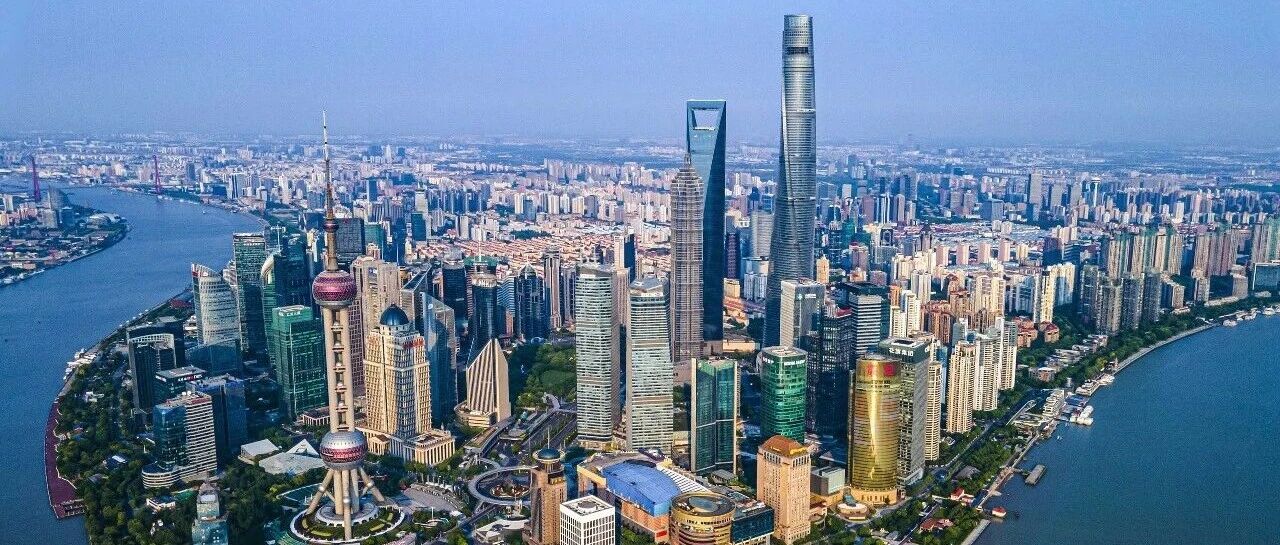
Core Insights - Shandong province is focusing on industrial economic development as a key strategy, aiming for a significant increase in industrial product exports by 2025, targeting 1.97 trillion yuan with a growth rate of 4.4% [1] - The province is emphasizing high-end, intelligent, and digital transformation in manufacturing, with notable growth projections for various sectors, including a 47% increase in high-end equipment exports [1] - Key industrial clusters such as steel, non-ferrous metals, and petrochemicals are expected to see substantial improvements, with specific export growth rates projected for steel, aluminum, and refined oil products [2] Industrial Development - By 2025, Shandong aims to export industrial products worth 1.97 trillion yuan, with machinery and electrical products expected to reach 1.06 trillion yuan, marking an 8.7% growth [1] - High-end equipment exports are projected to reach 108.96 billion yuan, growing by 47%, while electronic information exports are expected to grow by 30% [1] - The province is implementing policies to enhance production capabilities and streamline customs processes for biopharmaceuticals and medical instruments [1] Key Industry Clusters - Major industries such as steel, non-ferrous metals, and petrochemicals are set to improve quality and efficiency, with steel, aluminum, and refined oil exports projected to grow by 3.3%, 7%, and 29.5% respectively by 2025 [2] - Shandong has 105 categories of electromechanical products that rank first in national export value, with certain products like diesel trucks and concrete mixers accounting for over 10% of global exports [2] - The province's strategy is shifting towards a comprehensive competitive advantage in technology, brand, quality, and service, with over one-third of electromechanical product exports being self-branded [2] Green Trade Initiatives - Shandong's "new three samples" products are expected to see a 37% increase in exports by 2025, with electric vehicle exports projected to grow by 126% [2] - Customs is enhancing responses to green trade barriers and integrating various data sources to support carbon emission calculations and facilitate green cross-border trade [2]
海南子公司获“高新技术种子企业”认证,九芝堂深耕创新领域
Quan Jing Wang· 2026-01-21 02:58
展望未来,海南九芝堂药业将继续坚守创新初心,不断筑牢技术壁垒,以特色生物医药产业发展为重要 抓手,既要守护好海南珍贵的南药黎药文化遗产,也要为海南自贸港高新技术产业升级、热带特色高效 农业与生物医药产业深度融合发展贡献积极力量,书写"科技赋能特色产业"的发展新篇章。 作为承载"中华老字号"深厚底蕴的企业,九芝堂始终坚守创新驱动发展战略,在医药研发、产业升级等 多个领域持续突破,取得一系列关键性进展,为公司未来增长拓展了广阔空间。 近日,九芝堂全资子公司海南九芝堂药业顺利通过海南省科学技术厅"高新技术种子企业"认证,正式跻 身海南省高新技术"精英行动"企业体系,成为海南自贸港科技创新领域重点培育的后备力量。据悉,高 新技术种子企业是海南省为加快构建现代产业体系、助推自贸港高质量发展而遴选的核心培育对象,堪 称全省高新技术产业发展的"潜力标杆"。此次海南九芝堂药业成功入选,不仅是省级主管部门对公司在 创新开发领域不懈努力与丰硕成果的高度认可,更为企业高质量发展注入了强劲动力。 海南九芝堂药业始终以"传承南药黎药文化、创新发展医药产业"为核心使命,在特色药用资源开发领域 持续深耕。针对裸花紫珠等海南特色南药黎药品种 ...
