教育服务

Search documents
学大教育: 深圳市他山企业管理咨询有限公司关于学大(厦门)教育科技集团股份有限公司2023年限制性股票激励计划首次授予第二个解除限售期、预留授予第一个解除限售条件成就及回购注销事项的独立财务顾问报告
Zheng Quan Zhi Xing· 2025-06-24 17:47
Core Viewpoint - The report outlines the independent financial advisory services provided by Shenzhen Tashan Consulting Co., Ltd. for Xueda (Xiamen) Education Technology Group Co., Ltd.'s 2023 restricted stock incentive plan, detailing the completion of necessary procedures and the fulfillment of conditions for the lifting of restrictions on stock grants [2][5][6]. Group 1: Incentive Plan Procedures - On June 9, 2023, the company held its 10th Board of Directors' seventh meeting, approving the draft of the 2023 restricted stock incentive plan and related proposals [2]. - The company conducted internal announcements regarding the incentive plan from June 10 to June 21, 2023, with no objections received [2]. - The first grant of restricted stock was completed on July 26, 2023, and the second lifting of restrictions is set for July 28, 2025 [4][7]. Group 2: Lifting of Restrictions - The second lifting of restrictions for the first grant of restricted stock requires the company to meet specific performance conditions, including achieving a net profit of no less than 130 million yuan for the years 2023-2024 [4][5]. - As of the report date, 378 individuals are eligible for the lifting of restrictions, with a total of 1,207,200 shares available for release, representing 0.99% of the company's total share capital [5][6]. Group 3: Reserved Grants - The first lifting of restrictions for reserved grants will occur on June 30, 2025, contingent upon the company achieving a net profit of no less than 80 million yuan in 2024 [6]. - A total of 229 individuals are eligible for the lifting of restrictions on reserved grants, with 534,850 shares available, accounting for 0.44% of the company's total share capital [6]. Group 4: Buyback and Cancellation - The company will buy back and cancel shares from 15 individuals who have left the company, with the buyback price calculated based on the grant price plus interest [6][8]. - The total amount involved in the buyback of shares is 2,375,502 yuan, sourced from the company's own funds [8]. Group 5: Conclusion - The independent financial advisor concludes that all necessary procedures and disclosure obligations have been fulfilled regarding the lifting of restrictions and the buyback of shares, in compliance with relevant regulations [8].

学大教育: 关于学大(厦门)教育科技集团股份有限公司解除限售及回购注销的法律意见书
Zheng Quan Zhi Xing· 2025-06-24 17:47
Core Viewpoint - The legal opinion letter confirms the achievement of conditions for the second unlock period of the restricted stock incentive plan and the repurchase of certain restricted stocks due to the departure of some incentive targets [4][19]. Group 1: Unlock Conditions - The second unlock period for the initially granted restricted stocks is set to begin on July 28, 2025, after the completion of the initial grant registration on July 26, 2023 [4]. - The conditions for unlocking the restricted stocks include the company not having any adverse audit reports and meeting specific performance targets, such as achieving a net profit of no less than 130 million yuan in 2023 [4][5]. - A total of 378 eligible incentive targets can unlock 1,207,200 shares, which represents 30% of the total granted shares [9][10]. Group 2: Repurchase of Restricted Stocks - The company plans to repurchase a total of 164,700 shares of restricted stocks due to the departure of 15 incentive targets from the initial grant and 12 from the reserved grant [14][16]. - The repurchase price for the initially granted restricted stocks is set at 14.46 yuan per share, while the reserved grant is priced at 14.26 yuan per share, with a total repurchase amount of 2,375,502 yuan [15][16]. - After the repurchase and cancellation, the total number of shares will decrease by 164,700 shares, which will not significantly impact the company's financial status or operational results [16][19].
高考社会认知调研报告
艾瑞咨询· 2025-06-24 13:33
Core Insights - The decision-making process regarding the college entrance examination (Gaokao) is undergoing significant changes, with a shift towards rational subject selection based on employment prospects and the rising appeal of interdisciplinary fields like AI [1][2] - There is a substantial market potential for post-Gaokao consumption, particularly in tourism and electronic products, as students prepare for their summer activities [1][12] - The channels for information acquisition are diversifying, with a notable reliance on school teachers and official platforms, while the willingness to pay for volunteer filling services is high, indicating a new market opportunity [1][14][19] Group 1: Subject Selection - Current high school graduates prioritize employment prospects (39.33%) over personal interest (29.67%) when choosing subjects, with engineering (16.67%), economics (14%), and management (12%) being the most popular fields [4][11] - Among former students, 90.33% would consider different subjects if given another chance, with a strong interest in interdisciplinary fields like AI and big data [7][8] - The shift in focus from interest to employment prospects reflects a maturation in decision-making and the pressures of reality [11] Group 2: Post-Gaokao Consumption - After the Gaokao, 68% of students plan to travel, 66.33% wish to relax, and 66% intend to learn new skills, indicating a diverse range of activities [12] - The budget for these activities shows that 40.33% of students plan to spend between 1,001 and 3,000 yuan, while 32.67% plan to spend between 3,001 and 5,000 yuan, with major expenditures on tourism (77.82%), entertainment (63.82%), and electronics (62.46%) [12] Group 3: Information Acquisition - The main sources of information for filling out college applications are school teachers (45.67%) and official platforms (45.33%), with significant input from short video/live streaming platforms and consulting agencies [14][18] - There is a demand for personalized and data-driven information, with 55.5% of respondents preferring real evaluations from current students or graduates [14] Group 4: Willingness to Pay for Services - There is a notable willingness to pay for college application services, with 24.5% of respondents "very willing" to pay and 56.17% "willing depending on the situation," indicating a strong market potential [19][22] - The willingness to pay differs significantly between current and former students, with 38% of current students willing to pay compared to only 11% of former students [19] Group 5: AI Tools for Application Filling - AI tools for college application filling are gaining attention, with 28.17% of respondents supporting their use as efficient information integration tools, though 58.67% remain cautious [23] - The acceptance of AI tools is higher among current students (40%) compared to former students (16%), highlighting a generational divide in trust and usage [23] Group 6: Recognition of Gaokao's Importance - The Gaokao is still viewed as a critical life milestone, with 90.84% of respondents considering it "very important" or "important," and 86% believing it to be "fair" or "relatively fair" [26][27] - The primary support for exam preparation comes from school teachers (66.17%) and parents (49.33%), emphasizing the role of family and educational institutions in this process [27]

香港恒生指数收涨2.06% 恒生科技指数涨2.14%
news flash· 2025-06-24 08:12
Group 1 - The Hang Seng Index rose by 2.06%, while the Hang Seng Tech Index increased by 2.14% [1] - Chinese brokerage stocks experienced significant gains, with Hongye Futures rising over 15%, and China Silver and Guolian Minsheng both increasing by over 8% [1] - New Oriental saw an increase of over 8%, and UBTECH rose by over 6% [1] Group 2 - China Merchants Energy fell by over 9%, and China Nuclear International declined by over 6% [1]
屯昌:让企业站上高质量发展“C位”
Hai Nan Ri Bao· 2025-06-24 02:19
Core Insights - The article emphasizes the strategic industrial layout of "one park, three areas, and two centers" in TunCheng, aiming to enhance the business environment and support high-quality development for enterprises [1][7]. Group 1: Project Development and Investment - The newly built Shizhou Comprehensive High School in TunCheng can accommodate 1,600 students and was completed in just over a year, showcasing efficient project execution [1]. - The Dayaoling Quarry project, with a planned investment of 34.66 billion yuan, aims to achieve dual production in mining and processing by the end of this year, highlighting the collaboration of four central and local enterprises [1][7]. - The TunCheng Datong Industrial Park, covering over 6,000 acres, has seen the establishment of an environmental equipment manufacturing plant that holds over ten patents, indicating a focus on innovation and sustainable development [2]. Group 2: Business Environment and Services - TunCheng has implemented a simplified approval process, reducing the time for obtaining construction permits by nearly five months, which facilitates quicker project initiation [2][5]. - The county has introduced a "Tunchang Help" initiative, appointing 136 policy specialists to provide tailored consulting services to enterprises, enhancing support for business operations [5]. - The government has adopted a "no disturbance" policy to minimize unnecessary interference with businesses, aiming to create a conducive environment for investment and growth [6]. Group 3: Economic Development and Future Plans - TunCheng is focusing on enhancing product variety, quality, and branding, with several local enterprises like Tianzhihong Food and Tianyue Municipal making significant progress [3]. - The Dayaoling Quarry project is expected to produce 9.9 million tons of aggregates annually upon completion, contributing to the local economy and establishing a benchmark for green mining practices [7]. - In April, TunCheng signed 12 projects at the 2025 Hainan Free Trade Port Global Industry Investment Conference, with a total planned investment of 3.75 billion yuan, indicating strong momentum in attracting investment [8].
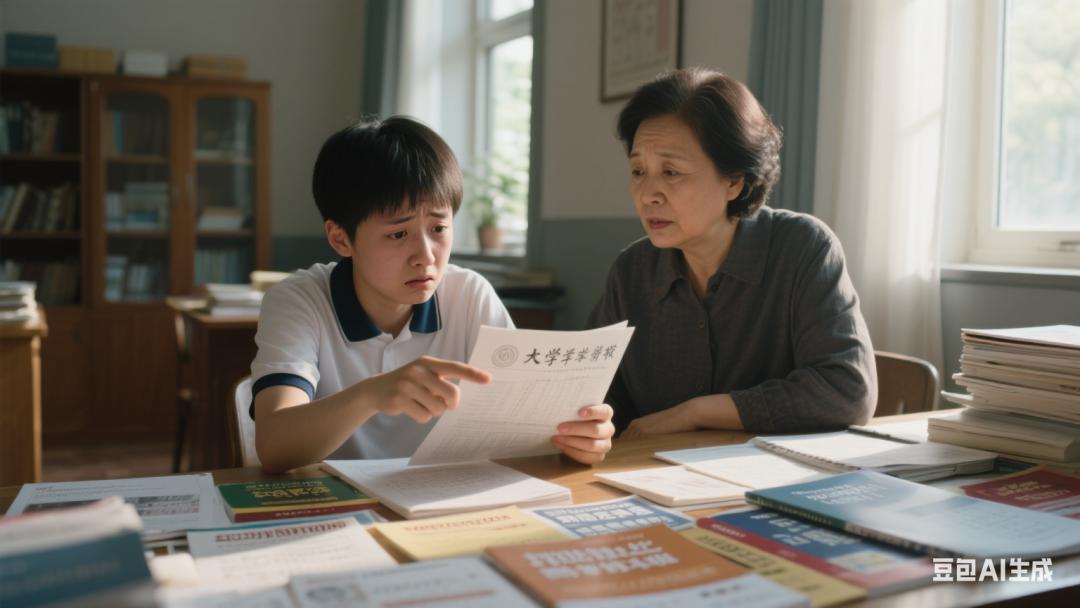
高考AI填志愿“平替”张雪峰,靠谱吗?
3 6 Ke· 2025-06-24 00:50
Core Viewpoint - The article discusses the challenges faced by the 13.35 million candidates in the 2025 national college entrance examination (Gaokao) regarding school and major selection, highlighting the increasing reliance on AI tools and high-priced consulting services for assistance in the decision-making process [1][2][20]. Group 1: AI Tools in College Admission - Over 10 million users utilized AI admission assistants on June 25 last year, indicating a significant demand for AI tools in the college admission process [4][20]. - AI tools can quickly generate recommendations for universities and majors based on candidates' scores and preferences, making them a popular choice among students and parents [7][21]. - Major internet companies like Quark, Baidu, and QQ Browser have launched AI admission assistance products, while various data service companies offer paid AI tools ranging from 98 to 980 yuan [7][8]. Group 2: Traditional Consulting Services - Traditional consulting services, such as those offered by Zhang Xuefeng, have seen high demand, with services priced at 11,999 to 17,999 yuan selling out quickly [10][11]. - The industry is characterized by a mix of experienced and inexperienced consultants, leading to concerns about the quality of advice provided [11][20]. - The New Oriental's college admission services charge between 6,590 and 7,500 yuan, depending on the number of consultations included [11]. Group 3: Complexity of the New Admission System - The new college admission system has increased complexity, with candidates facing more choices and requirements based on their selected subjects [14][16]. - The number of parallel admission choices has risen to 45, with some provinces allowing over 80 choices, complicating the decision-making process for candidates [16][18]. - The extensive resources available for candidates, such as admission guides and directories, can be overwhelming, prompting many to seek assistance from AI tools or consulting services [18][20]. Group 4: Limitations of AI Tools - While AI tools provide quick and comprehensive recommendations, they are not infallible and can yield varying results based on different data sources and algorithms [24][26]. - Users are advised to treat AI as a supplementary tool rather than a sole decision-making resource, emphasizing the importance of cross-referencing multiple AI systems [26][27]. - The article suggests that candidates should also engage with alumni and gather insights about their target schools to make informed decisions [27][30].
2024年生活服务业连锁TOP100营收规模近3200亿元
Bei Jing Shang Bao· 2025-06-23 11:27
Core Insights - The "Top 100 Chain Enterprises in the Life Service Industry" report for 2024 shows a revenue scale of 319.47 billion yuan, representing a 7.5% increase from 2023 [1] - The total number of stores reached 252,000, marking a 27.9% growth compared to the previous year [1] - Online sales proportion increased from 22% in 2023 to 37.3% in 2024 [1] Revenue and Store Growth - The life service industry encompasses eight sectors, including hotel accommodation, automotive aftermarket, household services, beauty services, health services, leisure and entertainment, and education services [1] - The average rent cost for surveyed enterprises rose by 5% in 2024 [2] - 43% of enterprises reported an increase in net profit, down from 69% in the previous year [2] Employment and Consumer Trends - Employment numbers grew by 20% in 2024 compared to 2023, with flexible employment rising to an average of 15.7% [2] - 48% of enterprises experienced an increase in customer foot traffic, a decrease from 66% in 2023 [1][2] - 33% of enterprises reported stable customer foot traffic, up from 16% the previous year [2] Future Expectations - 86% of enterprises plan to continue expanding their store presence in 2025, down from 97% in 2024 [2] - Approximately 85% of enterprises expect revenue growth in 2025, a decline from 94% in 2024 [2] - The total number of new stores in county areas is projected to exceed 39,000 in 2025, up from over 33,000 in 2024 [2]



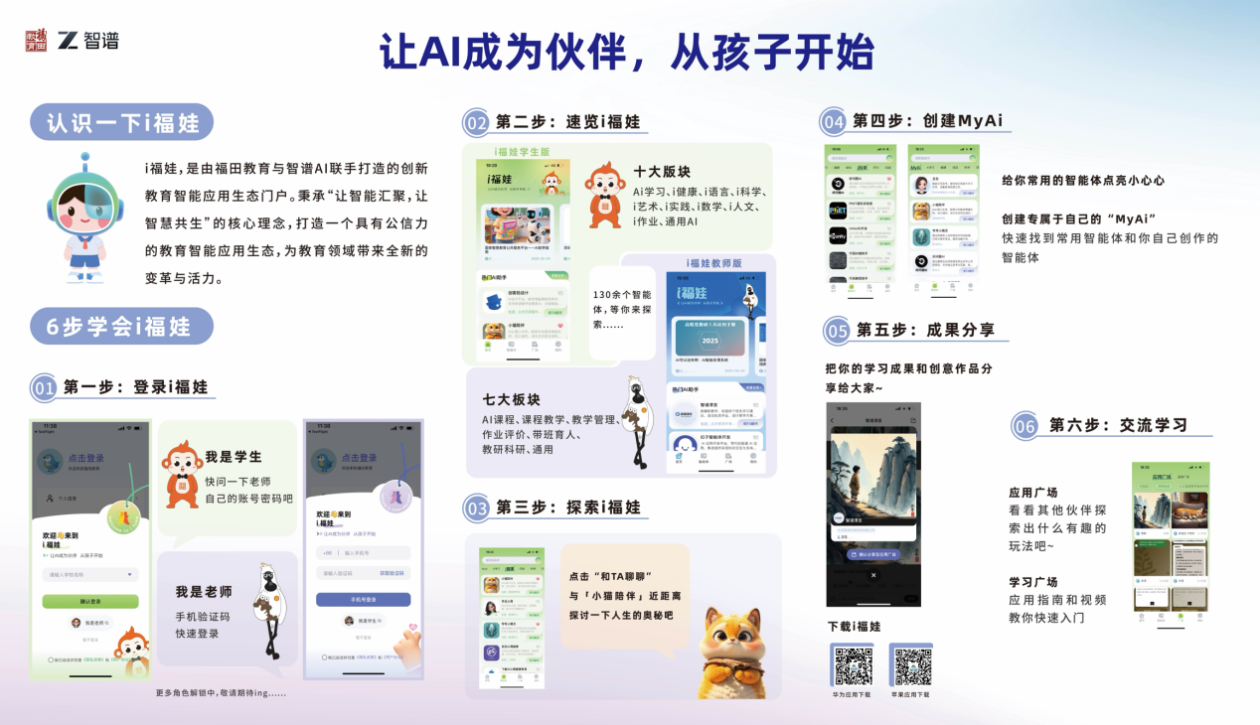
智谱AI携手福田区教育局 打造全国首个中小学教育智能应用生态门户“i福娃”
Huan Qiu Wang· 2025-06-23 10:14
Core Insights - The strategic partnership between Zhiyu AI and the Shenzhen Futian District Education Bureau has led to the launch of "iFuwawa," the first intelligent application ecosystem tailored for primary and secondary education in China [1][7] - The platform integrates over 50 educational AI entities across six domains, creating a comprehensive AI service system that supports the digital transformation of K12 education [1][7] Group 1: Platform Features - "iFuwawa" serves as a core engine with Zhiyu Qingyan, which boasts exceptional Chinese understanding and interaction capabilities, incorporating over 100 specialized AI entities [3] - The platform includes tools like the "Hongling Huashi Chinese Learning Assistant" for generating poetry analyses and the "Story Creation Assistant" to help students build narrative frameworks [3] Group 2: Educational Empowerment - The platform significantly reduces teachers' workloads by providing intelligent lesson preparation and assignment analysis tools, while students benefit from dedicated AI companions like "Little Cat" for emotional support [4] - The "iFuwawa Smart Learning Room" has been implemented at Hongling Shenkang School, allowing students to explore poetry and engage in interdisciplinary projects [4] Group 3: Regulatory Framework - The Futian District Education Bureau has released the "Shenzhen Futian District Primary and Secondary School Artificial Intelligence Application Standards (Trial)," which complements Zhiyu AI's technology to ensure ethical application in education [6] Group 4: Future Directions - The "iFuwawa" ecosystem has achieved its initial construction goals, featuring both teacher and student versions, and aims to explore differentiated paths for "AI + Education" nationwide [7] - This initiative marks a significant shift in the application of AI in basic education, transitioning from tool empowerment to ecosystem construction, addressing challenges like resource equity and innovative teaching methods [7]
聚焦教育数字化转型前沿 乐群实验举行高规格教研盛会
Nan Fang Du Shi Bao· 2025-06-23 07:02
Core Insights - The event focused on the digital transformation of education and the restructuring of classroom ecosystems, highlighting the integration of Gen AI technology in optimizing classroom behaviors and teaching reforms [1][2][4] Group 1: Event Overview - The event was hosted by the Shenzhen Yantian District Education Science Research Institute and held at Lequn Experimental Primary School, attracting numerous education experts, leaders, and teachers [1] - The agenda included various presentations and practical demonstrations showcasing the latest concepts and practices in educational digital transformation [2][4] Group 2: Key Presentations - Professor Dong Yan from Beijing Normal University discussed strategies for optimizing teacher-student interactions in the context of digital transformation, emphasizing the shift of teachers from knowledge transmitters to facilitators [2] - Professor Lin Xiaofan from South China Normal University presented on the three major transformations required for Gen AI-driven classrooms, focusing on evidence-based approaches and collaborative models [2][3] Group 3: Practical Applications - Principal Zeng Huanzuo of Lequn Experimental Primary School introduced a "three-dimensional linkage" model for restructuring competency-oriented curricula, utilizing AI tools for interdisciplinary teaching [3] - Various classroom examples were presented, including a Chinese language lesson on cultural symbols, an art lesson on composition techniques, and a physical education lesson using AI for real-time feedback on jump rope techniques [3] Group 4: Expert Insights - Zhao Mingren, Dean of the Bay Area Education Research Institute at Shenzhen University, emphasized the empowering role of AI in teaching across five dimensions: resource development, design optimization, interaction enhancement, precise evaluation, and innovative research [4] - The event concluded with a summary highlighting the achievements and future prospects of evidence-based teaching and the need for continuous improvement in classroom ecosystems [4]
智通决策参考︱港股随事态而变 中东局势主要影响海运石油黄金
Zhi Tong Cai Jing· 2025-06-23 01:32
Group 1: Market Impact - The ongoing Middle East conflict and lack of expected positive outcomes from the Lujiazui Forum have negatively impacted the Hong Kong stock market, with the Hang Seng Index continuing to adjust [1] - International average shipping rates have increased by 12%, with some high-risk routes experiencing rate hikes of up to 2.5 times, indicating a potential continued interest in shipping stocks [1] - The market is closely monitoring Iran's responses, with scenarios ranging from negotiations to escalated military actions, which will influence the Hong Kong stock market's performance [1] Group 2: Oil and Shipping Sector - The oil production of CNOOC reached 189 million barrels in the first quarter, a year-on-year increase of 6%, with expectations of a reserve replacement rate of 130% this year [3][4] - CNOOC's capital expenditure is projected to be around 130 billion yuan, with 60% allocated to development, which is expected to drive production growth [3] - The cost of oil production varies, with onshore fields costing $27-30 per barrel, while deepwater fields cost $43 per barrel, indicating a focus on cost management in production [3] Group 3: Financial Management - CNOOC has significantly reduced its interest-bearing debt, with a current debt ratio of 28%, below the industry average, and plans to maintain a certain level of new debt to enhance domestic resource replacement [4] - The company holds over 200 billion yuan in cash but lacks ideal investment channels, with a 5% increase in dividend payout ratio, maintaining a stable return to shareholders [5] Group 4: Education Sector - New Oriental is set to launch its first AI product on June 24, indicating a trend of AI integration in the education sector, which is expected to accelerate market share growth and data accumulation [6] - The application of AI in education is anticipated to optimize teaching processes and enhance personalized learning experiences, potentially reshaping educational methodologies [6] - The competitive landscape may shift as education companies leverage AI to improve product offerings, posing challenges for smaller institutions [6]