
茶饮

Search documents
平台“补贴战” 火了新茶饮 多家茶饮品牌门店爆单股价飙升
Shen Zhen Shang Bao· 2025-07-09 16:34
Core Viewpoint - The recent "takeout subsidy war" initiated by Alibaba and Meituan has significantly boosted the new tea beverage consumption across the country, leading to a surge in stock prices of tea beverage companies in the Hong Kong market [1][2]. Group 1: Market Impact - The introduction of various no-threshold coupons such as "25 yuan off 21 yuan" and "25 yuan off 20 yuan" has ignited a consumption boom in new tea beverages [1]. - As of July 8, 2023, tea beverage stocks saw notable increases, with Cha Bai Dao rising by 5.82% to 11.28 HKD, Nayuki's Tea increasing by 2.53% to 1.62 HKD, and Gu Ming up by 0.36% to 27.7 HKD [1]. - The stock prices of tea beverage brands remained high, with Gu Ming rising by 2.17% to 28.30 HKD and Mi Xue Group increasing by 0.74% to 543.00 HKD as of July 9, 2023 [1]. Group 2: Operational Dynamics - Many tea beverage brands experienced a "surge in orders," with Nayuki reporting multiple stores facing "explosive order" situations, particularly in cities like Shenzhen [2]. - The "takeout war" has positioned tea and coffee consumption as major beneficiaries due to their high frequency, low average transaction value, and stable preparation processes [2]. - Supply chain efficiency has become a core competitive factor, with leading brands like Heytea and Cha Bai Dao leveraging digital supply chain technologies to reduce waste, while smaller brands struggle with technological capabilities [2].
“一天三顿不超过10元”有人把冰箱塞成奶茶仓库……网友:什么时候结束啊(越久越好)
Sou Hu Cai Jing· 2025-07-09 15:27
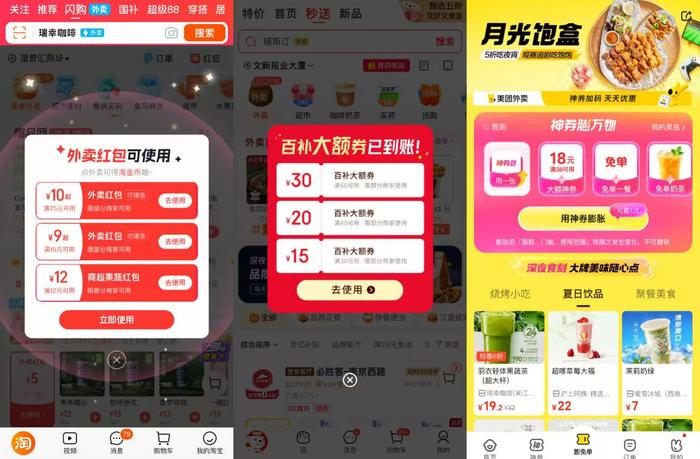
一杯奶茶到手只需0.5元 "外卖大战的输家已定,是我。"一位网友说道。在连续点了5天外卖后,他打趣道自己像猪一样已经可以"出栏"了。 上周以来,外卖平台补贴大战和天气一样火爆:持续不断的大额外卖券突然频频被塞到用户账户中,"满18减18""满25减22""一天三顿不超过10元",甚至 0元吃喝也不是不可能。有人为了不辜负红包优惠,"一天喝了两杯奶茶""都不做饭了,昨天点了三餐外卖"…… 更重要的是,外卖优惠活动跨平台,从淘宝到美团,消费者逛完一家再逛另一家。以至于在社交媒体上,网友们不是在比拼薅到了多少"羊毛",就是在总 结如何薅到更多"羊毛"。 平台通过巨额补贴令商家"爆单",重点是让越来越多的消费者加入即时零售的消费模式中,迅速扩大即时零售规模。更重要的是,平台的"羊毛"消费者还 能薅多久? 外卖平台优惠券"狂欢" 此次美团与阿里的外卖"大战",茶饮咖啡类依然是红包"补贴"的重点,大量且大额的外卖红包券。其中包括"满25减24""满15减15""满22减18"等多张无门 槛的外卖券。 | 商品费用 | | | | --- | --- | --- | | | | 9进商家粉丝群 | | 浓抹黑珍珠 神抢手 ...

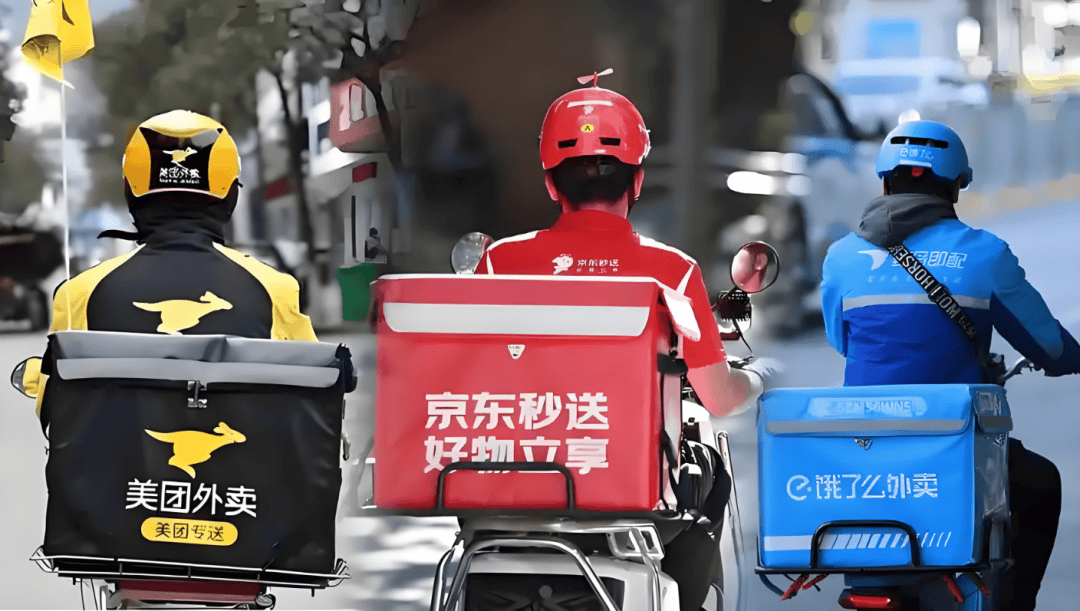
外卖大战的订单冲爆咖啡奶茶店
Xin Lang Cai Jing· 2025-07-09 13:20
Core Insights - The ongoing subsidy war in the food delivery sector is reshaping consumer expectations for low prices, with some referring to it as a "benefit of the era" for the post-2000 generation [1] - Major platforms like Meituan, Taobao Flash Sale, and Ele.me are significantly increasing their daily order volumes, with Meituan surpassing 1.2 billion orders and Taobao Flash Sale exceeding 80 million [1][3] - The competition is intensifying, with Taobao Flash Sale and JD's delivery service announcing substantial subsidy plans, including 50 billion yuan for merchants and consumers over the next year [1] Delivery Platform Performance - Meituan's daily orders have exceeded 1 billion, while Taobao Flash Sale and Ele.me reported over 80 million daily orders, indicating strong consumer engagement with subsidies [1] - JD's delivery service has achieved over 2.5 million daily orders within four months of launch, showcasing rapid growth in the sector [1] Impact on Beverage Brands - The beverage sector, particularly tea and coffee shops, is experiencing significant growth due to subsidies, with order volumes in cities like Nanjing and Suzhou increasing by 200% and 233% respectively [3][4] - Popular beverage brands are now offering products at drastically reduced prices, with discounts reaching up to 55% compared to regular store prices [3] Sales Growth and Records - Brands like Yihe Tang have reported record-breaking sales, with daily revenues surpassing 27 million yuan on Meituan and total weekend sales exceeding 63 million yuan [5] - The rapid increase in orders has led to some brands experiencing a surge in sales, with Yihe Tang's performance exceeding previous peak periods [5] Operational Challenges - The sudden influx of orders poses operational challenges for brands, including staffing shortages and increased pressure on service quality [10][12] - While some brands benefit from increased sales, the profit margins are squeezed due to the high costs associated with delivery platforms [13] Long-term Implications - The intense competition and price wars may lead to unsustainable practices in the long run, with brands facing pressure to maintain low prices [16] - The trend of declining average meal prices is evident, with a reported 10.2% decrease in average dining prices expected in 2024 [16]




外卖大战!奶茶店“爆单” 六家上市茶饮企业谁更赚钱?
天天基金网· 2025-07-09 11:46
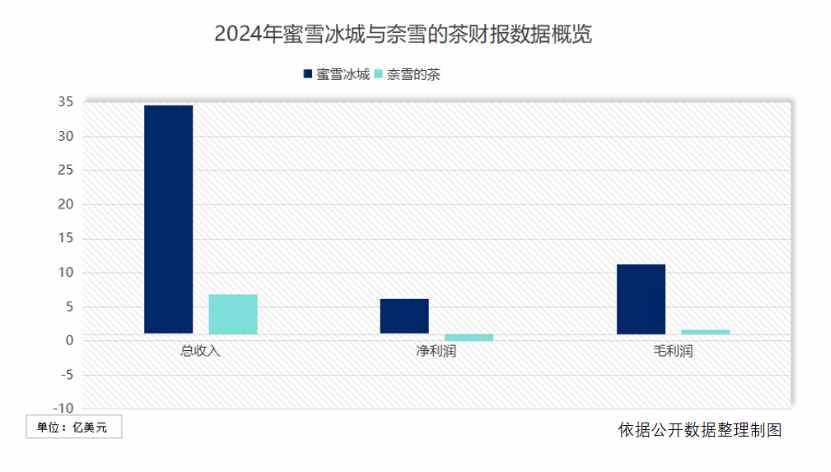
近期 京东 、阿里、美团外卖纷纷加大补贴力度,外卖大战白热化态势明显。 7月8日下午, 京东 黑板报宣布, 京东 外卖正式上线4个月,已有近200个餐饮品牌在京东 外卖上销量突破百万。瑞幸、库迪、蜜雪冰城等成为京东外卖上首批销量破亿品牌, 霸王茶 姬 、 古茗 、塔斯汀、华莱士等超10个品牌销量破千万,肯德基、 麦当劳 、 海底捞 、 星 巴克 、汉堡王、 小菜园 、南城香、鱼你在一起、袁记云饺、紫燕百味鸡等品牌上线后销量 快速突破百万。 在这场即时零售巨头战争中,奶茶这枚"棋子"成最直接的受益者。论价格,大部分正餐商家 不参与活动,且很多品质连锁店的客单价要远高于二十多元的门槛;而一杯奶茶十多块钱, 如果单杯凑不到最低消费可以点两杯,或者加几元钱小料凑单。其次,夏季是茶饮消费旺 季,本就具备高频属性,一张满减券往往"引爆"成倍销量,补贴效果立竿见影。 如今,平台补贴成为茶饮市场营收增长的重要抓手,而现制茶饮行业呈现高度连锁化,截至 2024年末,蜜雪冰城全球门店总数达到4.6万家, 古茗 、 沪上阿姨 、 奈雪的茶 、 茶百道 、 霸王茶姬 门店分别为9914家、9176家、1798家、8395家、6440 ...


茶咖日报|茶颜悦色官宣出海计划,以线上零售试水北美市场
Guan Cha Zhe Wang· 2025-07-09 10:33
Group 1 - Cha Yan Yue Se announces its overseas expansion plan, starting with online retail in the North American market [1] - The company will launch six online stores on platforms such as Shopify, Amazon, TikTok, Walmart, Weee, and Yami, with over 40 products including snacks, tea sets, and cultural merchandise [1] - The brand emphasizes the need for a deeper understanding of the overseas market and aims for standardized product quality and services through online retail as a practical approach [1] Group 2 - Tianye Innovation Co., Ltd. and its chairman, Yao Jiuzhi, received disciplinary action from the Beijing Stock Exchange for financial reporting violations [2] - The company revised its profit figures significantly, with total profit adjusted from 34.08 million to 14.21 million, and net profit from 28.59 million to 9.65 million [2] - Tianye Innovation is a key supplier of raw juice for well-known tea brands such as Nayuki Tea and Mixue Ice Cream, providing a one-stop solution of "products + formulas + services" [2] Group 3 - Ba Wang Cha Ji plans to officially enter the Philippine market in August, opening three stores in the Metro Manila area [3] - The brand is currently hosting a pop-up event in the Philippines, allowing visitors to sample its popular Jasmine Green Milk Tea for free [3] Group 4 - Starbucks is working to eliminate the use of canola oil in its food offerings in the U.S. and will introduce avocado oil for cooking eggs [4] - The company is undergoing a brand transformation aimed at reversing declining sales by introducing healthier menu options [4] - Starbucks CEO Brian Niccol stated that the company will align its food offerings with U.S. government health priorities, which are focused on reducing the use of soybean and canola oils [4]

茶颜悦色:从新茶饮到零售创新出海的品牌升维之路
智通财经网· 2025-07-09 04:42
Core Viewpoint - The tea beverage industry in Hong Kong is experiencing a stark contrast between two companies, Nayuki and Mixue, highlighting the strategic choices of "scale efficiency" versus "brand value" in a highly competitive market [1][3]. Group 1: Financial Performance Comparison - Nayuki reported a record loss of 900 million yuan for the fiscal year 2024, with its stock price plummeting 93.6% from its IPO peak of 18.9 HKD to 1.1 HKD [1]. - In contrast, Mixue achieved a net profit of 4.45 billion yuan for the same period, with its stock price increasing from the IPO price of 202 HKD to 514 HKD, marking a growth of 2.5 to 3 times [1]. Group 2: Industry Dynamics - The tea beverage sector is facing homogenization due to over 550,000 new-style tea shops in China, leading to a dilution of brand differentiation and pressure on profitability for franchise-based brands [3]. - Tea Yan Yue Se's recent announcement to enter the North American market via e-commerce has sparked discussions on whether cross-border retail could be a new path for the tea industry amidst intense competition [3]. Group 3: Brand Strategy and Innovation - Tea Yan Yue Se has established a unique brand identity through "strong innovation + high quality + deep content," focusing on direct sales to enhance product strength and brand appeal [4][5]. - The brand has successfully created a cultural consumption scene in Changsha, becoming a local landmark and attracting significant foot traffic from tourists [4]. Group 4: Retail Expansion and E-commerce - Since 2020, Tea Yan Yue Se has developed a retail product line, focusing on high-frequency repurchase categories like tea and snacks, which has become a key growth driver for the brand [8]. - The brand has launched over 500 SKUs, with e-commerce sales reaching over 100 million yuan in 2024, reflecting a 12-fold year-on-year increase, significantly outperforming Mixue's sales [8]. Group 5: International Market Strategy - Tea Yan Yue Se's entry into the North American market is driven by a dual strategy of "visual content interaction + innovative high-quality product value," leveraging its direct sales model to minimize costs [9][10]. - The North American food retail market is projected to grow significantly, with online food retail expected to reach approximately 90 billion USD by 2023, presenting a favorable environment for Tea Yan Yue Se's expansion [12]. Group 6: Conclusion - The tea beverage industry is transitioning from a focus on "product output" to "consumer value output," with Tea Yan Yue Se's unique approach combining retail and emotional interaction positioning it well for future growth [12][15].
Parvus增持开云股份;Le Coq Sportif被收购;老佛爷百货任命CEO
Sou Hu Cai Jing· 2025-07-09 04:00
Investment Dynamics - UK hedge fund Parvus has increased its stake in Kering to 5% [1] Financing Dynamics - UK affordable luxury brand Rise & Fall has completed a new funding round totaling £4 million, with £1.4 million from Wealth Club, aimed at supporting its five-year growth strategy [6] - Rise & Fall has achieved annual revenue growth of 100% since its inception three years ago, enhancing its brand appeal [6] Acquisition Dynamics - French-Swiss entrepreneur Dan Mamane has successfully acquired the sports brand Le Coq Sportif, which has faced operational challenges and filed for bankruptcy protection in 2024 [9] Listing Dynamics - Tea brand Hu Shang Ayi announced plans to implement an H-share full circulation plan, converting up to 35,255,992 domestic unlisted shares into H-shares, representing approximately 33.51% of its total issued share capital [11] Brand Dynamics - LV Beauté is set to open its first store in Nanjing, China, featuring a range of high-end beauty products, marking LVMH's accelerated expansion in the Chinese beauty market [13] - The French regulatory authority DGCCRF has fined SHEIN €40 million for misleading promotional practices, highlighting the need for compliance and transparency in the fast fashion sector [16][17] - Dior has expanded its collaboration with UNESCO through the "Women Dior" program, providing guidance to 2,500 women from 140 countries [20] Personnel Dynamics - Isabel Marant has appointed Sophie Condroyer as the new Chief Marketing Officer, bringing over 17 years of experience in the fashion and luxury industry [21] - LVMH has appointed Michael Burke as the Chairman and CEO of its Americas division to enhance its business presence in North and South America [24] - Galeries Lafayette has appointed Arthur Lemoine as the new CEO, marking a new growth phase for the company [27]

国泰海通晨报-20250709
Haitong Securities· 2025-07-09 02:47
Group 1: Coal Industry - The introduction of the "430, 531" policies is expected to reduce the profitability of new energy projects, leading to a slowdown in new energy development after a surge in installations in early 2025, with a potential demand turning point for thermal coal expected around 2027 [2][5][6] - The rapid growth of new energy installations has significantly pressured thermal power demand, with the share of thermal power generation capacity decreasing from 66.75% in 2015 to 43.88% in 2024 [4] - The report recommends leading companies in the coal sector, including Shaanxi Coal and Chemical Industry, Jinkong Energy, China Shenhua, and others, as they are expected to benefit from the easing of pressure on thermal coal [3] Group 2: Beverage Industry - The tea beverage industry is experiencing high demand driven by competition in the takeaway market and the introduction of new product categories, with a forecasted revenue growth of 16% in 2025 [7][8] - The company anticipates a double-digit profit growth in the first half of 2025, with a significant increase in product launches and improvements in supply chain efficiency [8] - The competitive landscape is improving as price wars in the tea beverage sector have begun to stabilize, benefiting brand players [7] Group 3: Stablecoin Industry - The stablecoin market is projected to expand significantly, with potential growth to $3.5 trillion driven by applications in crypto asset trading, cross-border payments, consumer payments, and traditional capital markets [14][15] - Circle, a leading stablecoin issuer, is focusing on building an ecosystem around its USDC stablecoin, which has shown strong revenue growth but faces challenges related to profit margins and regulatory uncertainties [15][14] Group 4: Robotics Industry - The tactile sensor market is expected to see substantial growth, with the potential for a trillion-dollar market as humanoid robots become more prevalent [16][19] - The report highlights the importance of tactile sensors in the development of humanoid robots, indicating a significant market opportunity as production scales increase [19][16] - Various technological routes in tactile sensing are being explored, with a focus on integrating multiple technologies to overcome performance and cost barriers [17][19]
社服行业2025年度中期投资策略:驭势而进,韧守云开:聚焦服务消费崛起
Changjiang Securities· 2025-07-09 01:36
Group 1 - The report emphasizes that service consumption has become a core strategy for expanding domestic demand in 2025, with significant potential for growth in China compared to developed economies like the US and Japan [4][8][28] - The report highlights that China's per capita GDP has surpassed $10,000, marking a critical window for the rapid development of service consumption, particularly in entertainment and leisure sectors [4][30][32] - Key measures to boost service consumption include increasing residents' income, enhancing leisure time, and encouraging high-quality service supply [4][8][28] Group 2 - The tea beverage industry is identified as having substantial growth potential, with a rational increase in store numbers and a shift towards emotional value for consumers, particularly among younger demographics [9] - The restaurant industry is expected to see steady growth, with a focus on government subsidies and an increase in chain operations, indicating a structural differentiation between mass and high-end markets [10] - Meituan is noted for its strategic investments in ecosystem development, maintaining a competitive edge despite short-term market fluctuations [11] Group 3 - The education sector is experiencing a concentration of market share among high-quality institutions, driven by regulatory changes and a persistent demand for K12 education [12] - The human resources industry is undergoing structural recovery, with a focus on AI applications to enhance efficiency and reduce costs [13] - The tourism sector is benefiting from policy-driven support and accelerated industry consolidation, with a notable increase in domestic travel demand [14] Group 4 - The hotel industry is facing a slowdown in supply growth, with leading hotel groups adjusting their operations to maintain competitive performance [14] - The duty-free sector is showing signs of recovery, with a stabilization in average transaction values and a narrowing decline in sales, supported by product diversification and new channel expansions [15]






【机构策略】A股市场再现结构性轮动格局
Zheng Quan Shi Bao Wang· 2025-07-09 01:23
Group 1 - The A-share market is experiencing a structural rotation, with the ChiNext index leading gains and the Shanghai Composite Index approaching 3500 points, indicating a shift from defensive banking sectors to aggressive technology and photovoltaic sectors [1] - Market sentiment has improved, with the Shanghai Composite Index recovering from a short-term consolidation around 3400 points, driven by multiple factors that have restored upward momentum [1] - The technology sector shows signs of stabilization and recovery after a period of adjustment, leading to a relatively optimistic outlook for the A-share market [1] Group 2 - The summer of 2025 is projected to be one of the hottest in nearly a decade, with temperatures in China expected to exceed historical highs, prompting early pricing adjustments by investors [2] - Benefiting sectors from the anticipated high temperatures include the electricity chain, food and beverage, sun protection and heat prevention products, and the air conditioning supply chain [2] - The electricity sector is expected to see increased demand due to high temperatures, while the food and beverage sector may benefit from seasonal consumption patterns, although excessive rainfall could pose risks [2]