医美

Search documents
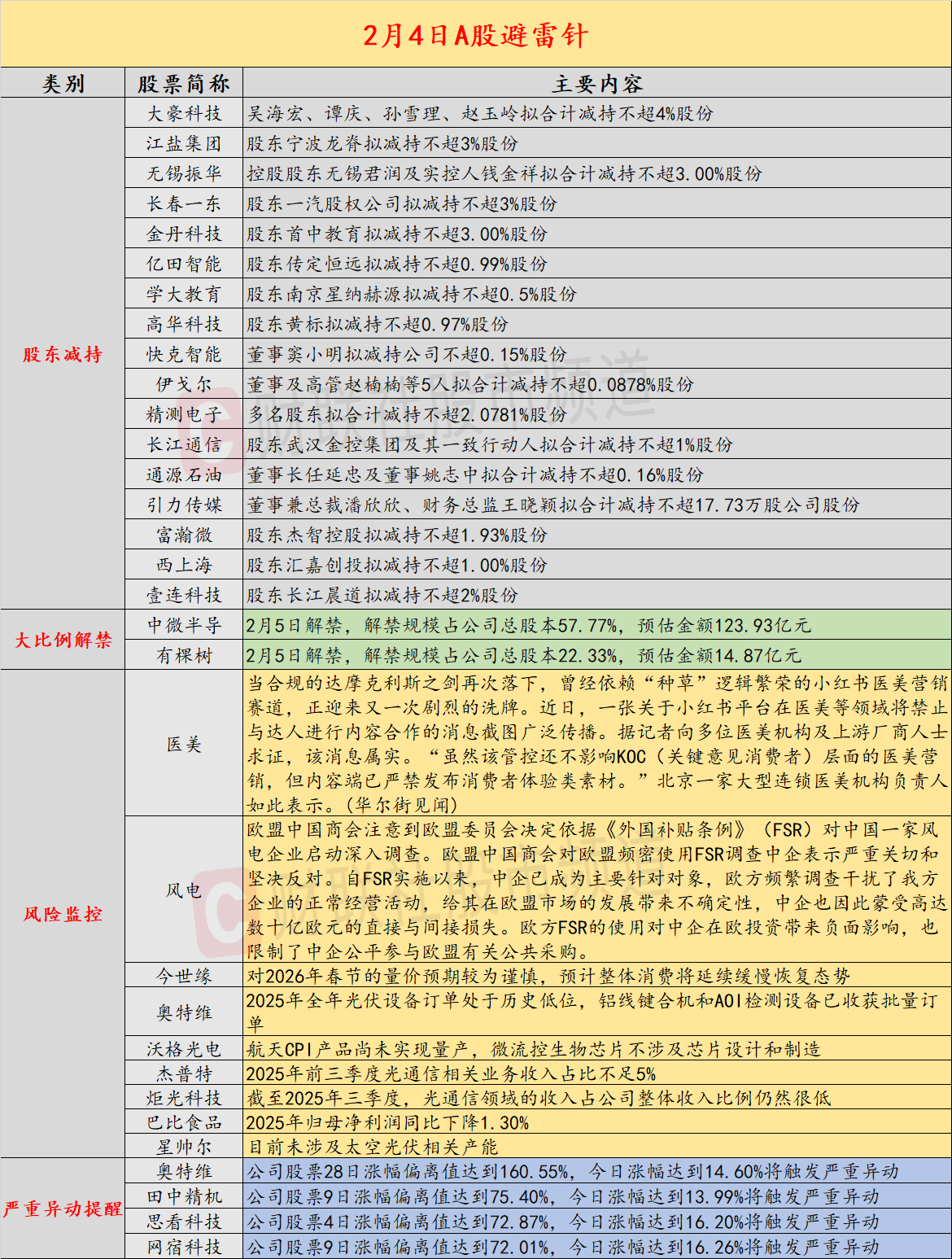
13度闪耀IMCAS,修丽可以「整全美学」重塑全球科学护肤坐标
FBeauty未来迹· 2026-02-05 04:06
Core Viewpoint - The article emphasizes the need for an integrated solution in the skincare and medical aesthetics industry that transcends geographical and disciplinary boundaries, based on evidence-based medicine, to meet the personalized anti-aging demands of consumers [3]. Summary by Sections Industry Trends - The skincare market is experiencing intensified competition, leading to confusion among consumers regarding the authenticity of terms like "antioxidant" and "anti-glycation" [3]. - The medical aesthetics sector is criticized for focusing on short-term results rather than long-term management, highlighting a need for systematic integration of treatments [3]. IMCAS 2026 Conference Highlights - The IMCAS 2026 conference, known as the "Oscars of the medical aesthetics industry," showcased the latest advancements in holistic skincare, particularly focusing on the neuro-aging mechanism and the P-TIOX anti-wrinkle essence [4][6]. - The conference featured a theme forum titled "Holistic Skincare: East Meets West," which brought together top experts from seven countries to discuss the integration of diverse practices in skincare [8][10]. Holistic Skincare Concept - The core value of holistic skincare is to transcend single treatment techniques by integrating prevention, treatment, and long-term maintenance into personalized solutions based on evidence-based medicine [10]. - Experts emphasized that consumers are increasingly valuing the comfort of the treatment process and long-term skin health, which holistic skincare addresses by incorporating clinically validated products into treatment cycles [10]. Research and Clinical Evidence - The article highlights the importance of rigorous clinical research and evidence in establishing the efficacy of skincare products, with a focus on the P-TIOX anti-wrinkle essence, which has shown significant results in clinical studies [28][30]. - The P-TIOX essence is noted for its ability to simulate the anti-wrinkle mechanism of botulinum toxin while addressing its limitations, thus providing visible improvements in dynamic and static wrinkles [28][34]. Global Collaboration and Knowledge Sharing - The conference facilitated discussions on building a sustainable industry ecosystem centered around patient long-term skin health and safety, with a strong emphasis on evidence-based clinical practices [14]. - The company is committed to fostering a collaborative environment where global expertise and local practices can enhance the implementation of holistic skincare solutions [17][27]. Future Directions - The article concludes that the industry is shifting from a focus on immediate results to a more sustainable approach that prioritizes long-term health and personalized management, marking a significant evolution in the medical aesthetics landscape [44][45].

A股午评:三大指数跌幅均超1%,大消费板块逆势走强,银行及算力租赁板块回暖,贵金属概念股重挫
Jin Rong Jie· 2026-02-05 03:45
2月5日,A股三大股指集体走低,创业板指跌幅一度扩大至2%,市场情绪略显低迷。截止午盘,沪指 跌42.29点,跌幅1.03%报4059.91点,深成指下跌255.95点,跌幅1.81%报13900.33点,创业板指下跌 64.24点,跌幅1.94%报3247.27点,沪深两市半日成交额1.45万亿,较上个交易日缩量1682亿,全市场超 3600只个股下跌。 盘面热点较为杂乱,大消费(核心股)板块大涨,食品饮料、零售、影视(核心股)院线方向涨幅居 前,横店影视6天5板,杭州解百2连板,安记食品、海欣食品、金逸影视涨停。阿里概念局部异动,新 华都直线涨停。算力(核心股)租赁概念回暖,二六三封涨停。银行板块逆势拉升,厦门银行涨超 6%。下跌方面,贵金属概念集体大跌,湖南白银跌停。算力硬件概念持续下挫,德科立、太辰光跌超 10%。 热门板块表现分化 存储芯片等算力(核心股)硬件股持续低迷: 存储芯片、光模块等算力(核心股)硬件股成为市场下跌的"重灾区"。炬光科技跌近10%,长飞光纤跌 逾8%,天通股份、亨通光电、罗博特科、德科立等纷纷跟跌,跌幅居前。 消息面上,美国软件板块周三遭遇2022年以来最严重的抛售,这场由软 ...
医美化妆品1月月报:美丽田园发布盈喜公告,美护迎来上市潮,半亩花田与HBN母公司均递表港交所-20260205
KAIYUAN SECURITIES· 2026-02-05 03:14
Investment Rating - The industry investment rating is "Positive" (maintained) [1] Core Insights - The report highlights the strong performance of the medical beauty and cosmetics sectors, with significant growth potential driven by consumer demand for emotional value and safety in products [8][50] - Key companies in the medical beauty sector include Meili Tianyuan Medical Health, which is expanding through acquisitions and strong operational strategies, and in the cosmetics sector, brands like HBN and Banmu Huatian are leading with innovative product offerings and market strategies [8][24][34] Summary by Sections Market Review - The beauty and personal care index rose by 0.44% in January, ranking 24th among all sectors, underperforming the overall market [14][15] - Notable stock performances in January included SiHuan Pharmaceutical (+28.5%) and Yonghe Medical (+22.7%) in the medical beauty sector, while Yiwan Yichuang (+50.8%) and Ruoyu Chen (+8.1%) led in cosmetics [5][15] Medical Beauty - The approval of a new composite solution by Juzhi Biotechnology marks a significant advancement in the field, showcasing the company's R&D capabilities [6][19] - Meili Tianyuan announced a positive earnings forecast, projecting revenues of at least 3 billion yuan for 2025, reflecting a growth of over 16% year-on-year [22] Cosmetics - Banmu Huatian's parent company has filed for an IPO, aiming to leverage its strong market position in body care products [24] - HBN, a leading domestic skincare brand, has also submitted its IPO application, highlighting its innovative product lines and strong sales performance [34] Investment Recommendations - The report recommends focusing on high-quality companies in the medical beauty and cosmetics sectors that cater to emotional consumption trends, with specific mentions of Meili Tianyuan, Aimeike, and Ruoyu Chen among others [8][49] - In cosmetics, brands like Maogeping and Porlaia are highlighted for their strong market positions and innovative strategies [50][52]
与凯恩斯共进思想午餐:普通人如何抓住十年一遇的财富潮?
Sou Hu Cai Jing· 2026-02-05 02:57
Core Insights - The article discusses the investment strategies and market predictions for 2026, emphasizing the importance of rational decision-making amidst market noise [2] Group 1: Macroeconomic Trends - The new Federal Reserve chair is expected to initiate two interest rate cuts in the first half of 2026, with a possibility of a third cut later in the year, which will significantly alter global capital flows [6] - A weaker US dollar is anticipated, leading to a stronger Chinese yuan, with projections suggesting the yuan could surpass 6.5 against the dollar by 2026 [7] Group 2: Market Predictions - The A-share market is expected to experience a "balanced bull market" in 2026, driven by liquidity, profit improvements, and policy support [9] - Key sectors to watch include emerging industries such as integrated circuits, new displays, and biomedicine, which are set to receive policy and funding support [9] Group 3: Investment Strategies - Investors are advised to focus on "dividend assets" that provide stable returns and valuation recovery, particularly in sectors like banking, insurance, and energy [10] - The overarching investment strategy for 2026 is to align with liquidity easing, follow policy and industry trends, and maintain a balanced portfolio to navigate market fluctuations [11]

港股异动 | 巨子生物(02367)盘中涨超8% 全球首个注射用重组胶原蛋白和透明质酸钠复合溶液获批
智通财经网· 2026-02-05 02:40
Group 1 - The core viewpoint of the article highlights that Giant Bio (02367) has seen a significant stock price increase, with a rise of over 8% during trading, currently at 34.4 HKD and a trading volume of 256 million HKD [1] - Giant Bio recently announced the approval of its "recombinant type I α1 collagen and sodium hyaluronate composite solution" as a Class III medical device, marking it as the world's first implant product aimed at improving cheek smoothness [1] - CICC expresses optimism regarding the product's approval, which is expected to further expand the company's aesthetic medicine product matrix and validate its leading technological research and development capabilities [1] Group 2 - The long-term outlook from CICC suggests that the company's research and development strength, brand recognition, and team cohesion remain solid [1] - As the cosmetics market recovers and the contribution from aesthetic medicine increases, CICC recommends paying attention to investment opportunities in the company [1]
万元童颜针降至999元
第一财经· 2026-02-04 14:15
Core Viewpoint - The era of upstream medical beauty supply chain manufacturers relying solely on price control to maintain high profits may be coming to an end, indicating a significant shift in the industry's development logic [2][4]. Group 1: Industry Dynamics - New Oxygen has reached cooperation agreements with 14 upstream manufacturers, including major players like Allergan and Huaxi Biological, marking a pause in the pricing power battle that dominated the previous year [3]. - The medical beauty industry is experiencing a restructuring of power dynamics between upstream and downstream players, suggesting a transformation in the overall industry landscape [4]. Group 2: Pricing Strategies - New Oxygen's founder, Jin Xing, aims to lower the prices of medical beauty projects, citing high operational costs and supplier pricing as key factors for the inflated prices in China compared to countries like South Korea [6]. - The introduction of the "Miracle Tongyan 1.0" project by New Oxygen, priced at 4,999 yuan per unit, significantly undercuts the traditional market price of over 10,000 yuan, leading to backlash from suppliers [6][7]. - The pricing strategy continued to evolve with the launch of "Miracle Tongyan 3.0," which further reduced the price to 2,999 yuan, setting a new low in the industry [7]. Group 3: Supplier Relationships - Despite previous conflicts, some suppliers have reconciled with New Oxygen, indicating a shift in relationships as the market dynamics change [9]. - New Oxygen's purchasing power has increased, allowing it to negotiate better prices with suppliers, as it has established a significant presence with 50 stores across 16 cities by the end of 2025 [11]. Group 4: Market Supply and Demand - The balance of pricing power is shifting towards buyers, with an increase in the number of suppliers and products available, leading to a more competitive market environment [11][14]. - The regulatory environment is improving, with a significant increase in the number of medical beauty device registrations, which is expected to further enhance supply [13]. Group 5: Future Outlook - The medical beauty industry is transitioning from a phase of rapid, unregulated growth to a more structured and value-focused era, emphasizing the importance of quality over price competition [14][16]. - New Oxygen faces challenges in maintaining its scale while achieving profitability and balancing relationships with suppliers, which will be crucial for its successful transformation [15].

万元童颜针降至999元背后 :供需反转,医美企业向供应商要回定价权
Xin Lang Cai Jing· 2026-02-04 13:51
Core Viewpoint - The era where upstream medical beauty supply chain manufacturers rely solely on price control to maintain high profits may be coming to an end, as evidenced by recent collaborations between New Oxygen and 14 upstream manufacturers, including major players like Sota, Allergan, Aimeike, Huaxi Biology, Jinbo Biology, and Sihuan Pharmaceutical [1] Group 1 - New Oxygen has reached agreements with 14 upstream manufacturers, indicating a shift in the dynamics of the medical beauty industry [1] - Previous conflicts over pricing between New Oxygen and several suppliers, which even led to supply disruptions, appear to have been temporarily resolved with these new partnerships [1] - Industry insiders believe that this collaboration reflects a restructuring of power between upstream and downstream players in the medical beauty sector, signaling a significant change in the industry's development logic [1]
万元童颜针降至999元背后:供需反转,医美企业向供应商要回定价权
Di Yi Cai Jing· 2026-02-04 13:41
Core Viewpoint - The Chinese medical beauty industry is transitioning from chaotic growth to a more regulated, rational, and value-focused era [1][11] Group 1: Industry Dynamics - The era of upstream medical beauty suppliers relying solely on price control to maintain high profits is likely over, as evidenced by recent collaborations between New Oxygen and 14 upstream manufacturers [2] - The pricing power dynamics within the industry are shifting, with New Oxygen gaining leverage to negotiate prices due to its expanding network of stores [7] - The rapid development of the medical beauty industry has led to improved policy approval efficiency, resulting in a significant increase in the number of approved products [9] Group 2: Pricing Strategies - New Oxygen's founder, Jin Xing, aims to lower the prices of medical beauty projects, challenging the traditional high-price system that has persisted in the industry [3] - The introduction of New Oxygen's "Miracle Youth Needle" project at a price of 4,999 yuan per unit significantly undercuts the established market price, leading to backlash from suppliers [4] - The company has continued to innovate with pricing strategies, launching further iterations of its youth needle products at even lower prices, such as 2,999 yuan and 999 yuan [4] Group 3: Supplier Relationships - Despite previous conflicts, some brands that had publicly opposed New Oxygen have recently reconciled and entered into partnerships, indicating a shift in industry relationships [5] - New Oxygen's purchasing volume has reached significant levels, with some suppliers relying on the company for a substantial portion of their sales, fostering stable partnerships [9] Group 4: Future Outlook - The medical beauty industry is moving towards a model that emphasizes value over price competition, as the previous pricing wars have disrupted the long-standing pricing power of upstream manufacturers [10] - New Oxygen plans to expand its store presence significantly in key cities, aiming for a total of at least 35 new stores in 2026 [8] - The company remains optimistic about the future, believing that increased supply and improved technology will lead to more affordable services for consumers [8]
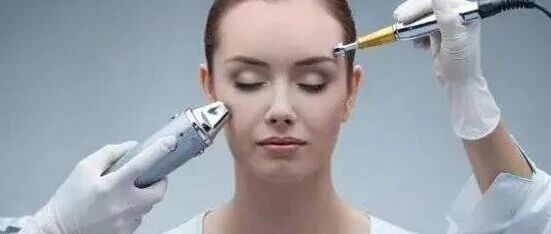
爱美客:股票价格波动受多重因素综合影响
Zheng Quan Ri Bao· 2026-02-04 13:41
Group 1 - The core viewpoint of the article highlights that the stock price fluctuations of the company are influenced by multiple factors, including macroeconomic environment, market sentiment, industry cycles, and capital flows, leading to significant uncertainty [2] - The company emphasizes its commitment to focusing on its core business development and aims to enhance operational performance through optimized business strategies [2] - The company intends to implement practical measures to improve its operational results, allowing the stock price to better reflect the company's value [2]

2月4日投资避雷针:这只白酒股对投资者表示 对可能成为“史上最冷春节”有心理预期
Xin Lang Cai Jing· 2026-02-04 00:25
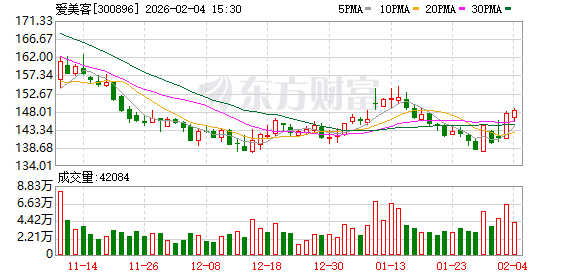
Economic Information - Xiaohongshu platform will prohibit content collaboration with influencers in the medical beauty sector, marking a significant shift in marketing strategies within this industry [2] - In January, the expected recovery in the scale of bank wealth management products did not materialize, with a reported decline of 114.2 billion yuan in total scale, indicating a challenging start to the year for the sector [2][3] Company Alerts - Jinshiyuan anticipates a continued slow recovery in overall consumption, with expectations for a potentially "coldest Spring Festival" [6] - Aotwei reports that its orders for photovoltaic equipment in 2025 are at historical lows, although it has received bulk orders for aluminum wire bonding machines and AOI testing equipment [6] - Multiple companies, including Dahu Technology and Jiangyan Group, have announced plans to reduce shareholdings by up to 4% and 3% respectively [9] Overseas Alerts - The US stock market saw a collective decline, with the Dow Jones down 0.34%, Nasdaq down 1.43%, and S&P 500 down 0.83%, indicating a downturn in popular tech stocks [5] - Indonesian miners have suspended spot coal exports due to a government-imposed production cut plan, which could reduce output by 40% to 70% compared to 2025 levels [7]