
超市零售

Search documents
山姆光环黯淡,国民超市永辉等如何乘势赢得消费者心?
Sou Hu Cai Jing· 2025-07-26 10:29
Group 1 - The core viewpoint is that Chinese consumers are experiencing a significant shift in their perception of Sam's Club, driven by a deep reflection on brand recognition rather than a decline in product quality or service experience [1] - Sam's Club has faced criticism due to the introduction of products like Orion, which has been accused of having double standards and high sugar content, leading consumers to view this as damaging to the brand's image [1] - Issues regarding product freshness, unclear production dates, and lack of transparency in ingredient lists have further exacerbated the trust crisis among consumers [1] Group 2 - Domestic supermarkets such as Pang Donglai and Yonghui have capitalized on this opportunity by offering services and products that are more aligned with consumer needs, including commitments to not sell overnight meat [2] - These local supermarkets provide various convenient services, such as on-site seafood processing and free product handling, enhancing customer satisfaction [2] Group 3 - The crisis at Sam's Club extends beyond product quality and service, as the reduction in member benefits has led to strong consumer dissatisfaction [4] - The decline in membership perks, from previously offered discounts on premium products to almost no benefits, has made consumers feel neglected [4] - Sam's Club's strategy of large packaging has not resonated with the needs of smaller Chinese households, and its attempts to penetrate lower-tier markets have not been executed effectively [4] Group 4 - There is a growing trend among Chinese consumers to move away from blind admiration for foreign brands, adopting a more rational approach to brand differentiation [5] - The crisis faced by Sam's Club serves as a reminder that brands must not overlook consumer needs and changing perceptions in an increasingly competitive market [5]

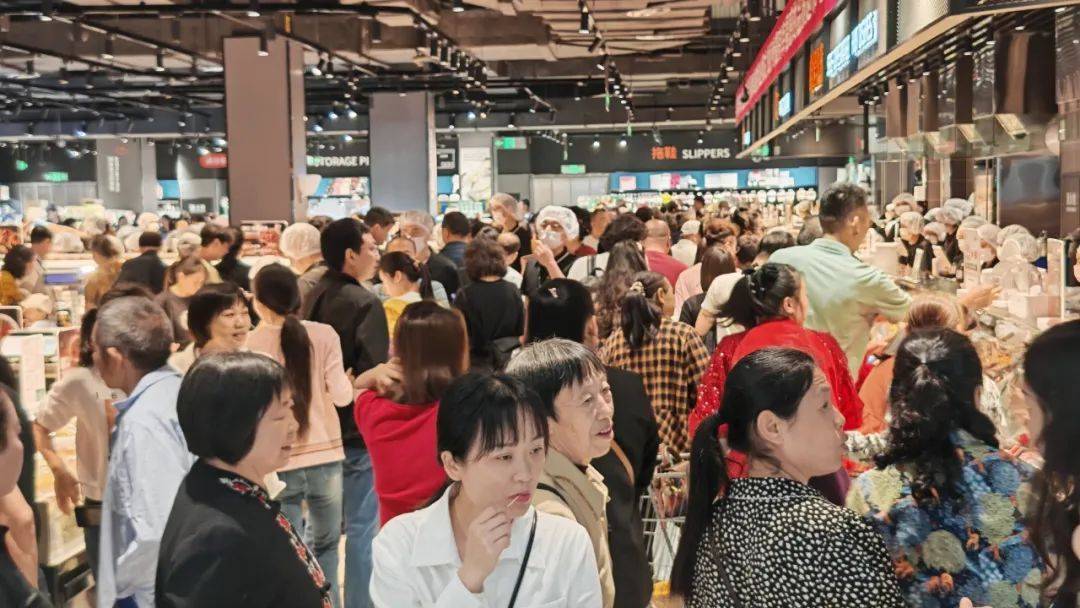
传统商超掘金折扣业态
Bei Jing Ri Bao Ke Hu Duan· 2025-07-25 20:47
Core Viewpoint - The rise of hard discount retailing is driven by rational consumer behavior and intense competition in supply chain efficiency, with companies like Wumart entering the market alongside established players like Hema and Jiajiayue [1] Group 1: Company Developments - Wumart has launched its first six hard discount stores named "Wumart Super Value" in Beijing, marking its entry into the community hard discount market [1] - The new stores have significantly reduced their product offerings to under 1,300 items, which is only 15% of the typical Wumart hypermarket, focusing on fresh produce, meats, and baked goods [2] - Wumart's hard discount stores emphasize low pricing rather than promotional discounts, with notable price reductions on various products, such as a 120g facial cleanser reduced from 34.99 yuan to 29.8 yuan [2] - Over 60% of the products in Wumart's hard discount stores are private label items, which are priced competitively, such as 1-liter non-GMO soybean milk at 5.9 yuan [2][3] - Wumart plans to open 25 additional "Wumart Super Value" stores in Beijing within the year, aiming for higher turnover efficiency and reduced operational costs through streamlined supply chain processes [3] Group 2: Industry Trends - The hard discount format is not new, originating from international brands like Aldi, which has successfully expanded in China, achieving a sales growth of 100% to 2 billion yuan in 2024 [4] - Domestic competitors are also entering the hard discount space, with Hema and Jiajiayue launching their own discount formats to leverage their supply chains and reduce costs [4] - E-commerce platforms are also exploring the hard discount model, with Meituan planning to open its first hard discount store "Happy Monkey" in Beijing and Hangzhou [5] Group 3: Market Challenges - The rise of hard discount stores reflects a shift in consumer behavior towards value and quality over brand loyalty, necessitating improved supply chain management from retailers [6] - Maintaining high quality at low prices poses significant challenges for hard discount retailers, as any failure in product quality can quickly erode customer trust [7] - The market has seen failures, such as the abrupt closure of discount operator Biyide, which struggled with operational management and market demand despite initial funding [7]
开价185亿,刘强东竞买德国超市
21世纪经济报道· 2025-07-25 14:58
Core Viewpoint - Liu Qiangdong is accelerating JD's international expansion through potential acquisitions, including Ceconomy and Hong Kong's Jia Bao supermarket, to tap into larger market opportunities as domestic e-commerce growth plateaus [1][16]. Group 1: Ceconomy Acquisition - Ceconomy, a leading European electronics retailer, is in talks with JD for a potential acquisition, with Liu proposing a price of €4.6 per share, representing a 22.7% premium over its recent closing price [1][3]. - Ceconomy has a market capitalization of €2 billion (approximately ¥170 billion) and operates over 1,000 stores across Europe, including brands like MediaMarkt and Saturn [3][12]. - The company reported a 4% year-on-year increase in sales revenue for the first half of 2024, totaling €12.8 billion, with an adjusted EBIT margin of 2.3% [6][8]. Group 2: Hong Kong Jia Bao Acquisition - JD is also set to acquire Hong Kong's Jia Bao supermarket, which has 90 stores and specializes in frozen poultry, seafood, and groceries [19][21]. - This acquisition is expected to leverage JD's supply chain advantages to enhance local operations and meet consumer demands more effectively [20][21]. - JD has previously invested significantly in the Hong Kong market, indicating a strategic focus on this region [23]. Group 3: International Expansion Strategy - Liu Qiangdong has shifted his perspective on internationalization, emphasizing its importance for JD's future and planning to build local teams in overseas markets [29][36]. - JD's international strategy focuses on leveraging its supply chain capabilities, with over 2,000 employees abroad and plans to introduce 1,000 Chinese brands to international markets [37][38]. - The company has established a logistics infrastructure in Europe, with over 100 warehouses and a management area exceeding 1 million square meters, aiming for operational readiness by the end of 2025 [37].


经开区首家“胖永辉”开业 永辉调改门店达143家
Bei Jing Shang Bao· 2025-07-25 14:04
Core Insights - Yonghui Supermarket has officially opened its first store in Beijing Economic and Technological Development Area after a self-adjustment inspired by "learning from Pang Donglai" [1] - The store aims to cater to family consumption characteristics and seasonal demands by increasing the proportion of ready-to-eat meals and optimizing cold chain delivery [1][2] - Yonghui has a strategic goal to complete the renovation of 200 stores nationwide by September 30, 2025, with a current total of 143 adjusted stores [2] Group 1 - The newly opened Yonghui store in Yinhai Huanyu Fang focuses on fresh produce management and ready-to-eat food to meet the convenience needs of families [1] - The store has enhanced its fresh produce section, featuring seasonal bestsellers like watermelons and peaches, and implements a "468 freshness management" principle for cut fruit [1] - The store layout has been redesigned to improve visibility and customer flow by removing mandatory traffic lines and lowering shelf heights [1][2] Group 2 - Service adjustments include free slicing and grinding services in the meat and poultry section, and a "drain and weigh, oxygenation for freshness" standard in the seafood section [2] - The store includes a temporary pet area and facilities such as drinking water and microwaves in the resting area [2] - Upcoming renovations are planned for several other Yonghui locations, with openings scheduled between July and September [2]

山姆品质滤镜破碎,国民超市永辉乘势崛起
Sou Hu Cai Jing· 2025-07-25 13:56
Core Insights - Recent changes in Chinese consumers' attitudes towards the international retail brand Sam's Club are not due to direct declines in product quality or service experience, but rather a profound awakening in consumer perception [1] - The crisis faced by Sam's Club reflects a shift in consumer behavior, moving away from blind admiration for foreign brands towards a more rational evaluation of brand differences [4] Group 1: Sam's Club Challenges - Sam's Club's reputation for high-quality products has been tarnished by controversies, including the introduction of the criticized Orion products, leading to widespread consumer dissatisfaction [1] - Issues such as product freshness, unclear production dates, and non-transparent ingredient lists have further exacerbated the trust crisis among consumers [1] - The reduction in membership benefits has also caused discontent, with consumers feeling that the value of the membership has diminished significantly over time [4] Group 2: Competitor Advantages - Domestic supermarkets like Pang Donglai and Yonghui are perceived as more relatable and consumer-friendly, emphasizing strict quality control and superior service experiences [2] - These local supermarkets have implemented commitments such as "no overnight meat sales" to cater to Chinese consumers' preferences for fresh ingredients [2] - By focusing on localized operations and consumer needs, these competitors have successfully built strong relationships with consumers, contrasting with Sam's Club's struggles [4]
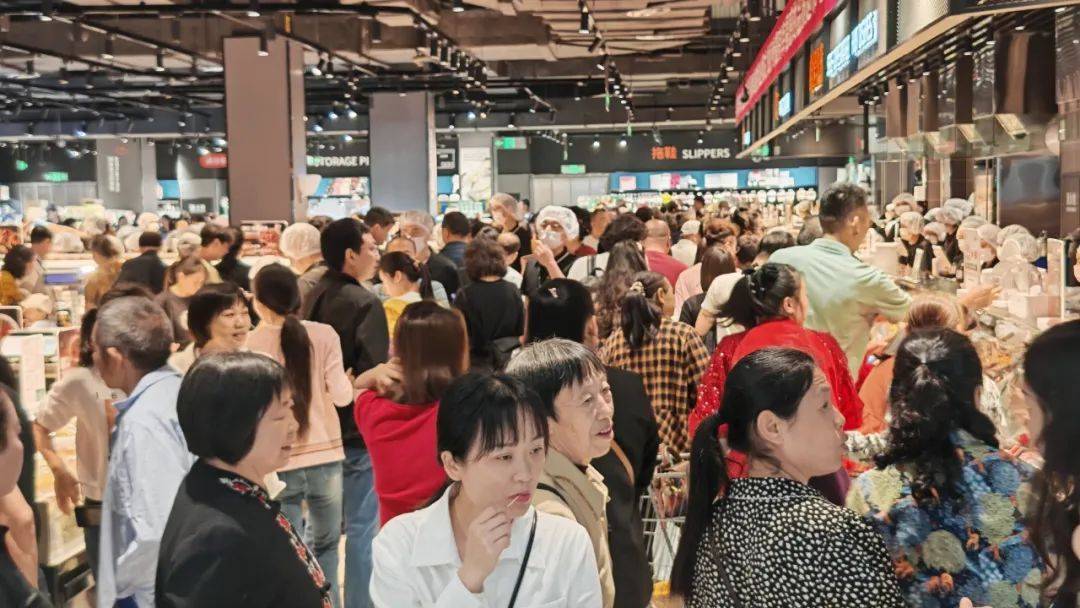
“胖改”之后,物美再开硬折扣店
Jing Ji Guan Cha Wang· 2025-07-25 12:29
Core Insights - Wumart Group has launched its hard discount store "Wumart Super Value" with the first six locations in Beijing, aiming to open 25 stores by the end of 2025 [2][4] - The company is adopting a cost-cutting strategy by simplifying SKU, reducing operational and packaging costs, and focusing on six key product categories [2][3] - Wumart Super Value plans to enhance its private label offerings, targeting over 60% of its product range to be private label items [3][4] Company Strategy - The project operates independently while leveraging Wumart Group's existing supply chain for some backend operations [4] - The store design emphasizes efficiency with a limited product selection of under 1,300 SKUs, which is expected to improve turnover rates and reduce inventory costs [2][4] - Employee count per store is limited to around 20, utilizing a job rotation system to optimize labor costs [2] Industry Context - The hard discount retail format is gaining traction in the industry, with competitors like Meituan and Aldi expanding their presence in China [4][5] - The traditional hypermarket model is facing challenges due to the rise of online shopping and new retail formats, prompting companies like Wumart to explore new growth avenues [5] - The 2024 China Supermarket Top 100 report indicates that Wumart Group's sales reached 57.897 billion yuan, ranking fifth with a year-on-year growth of 2.4% [4][5]
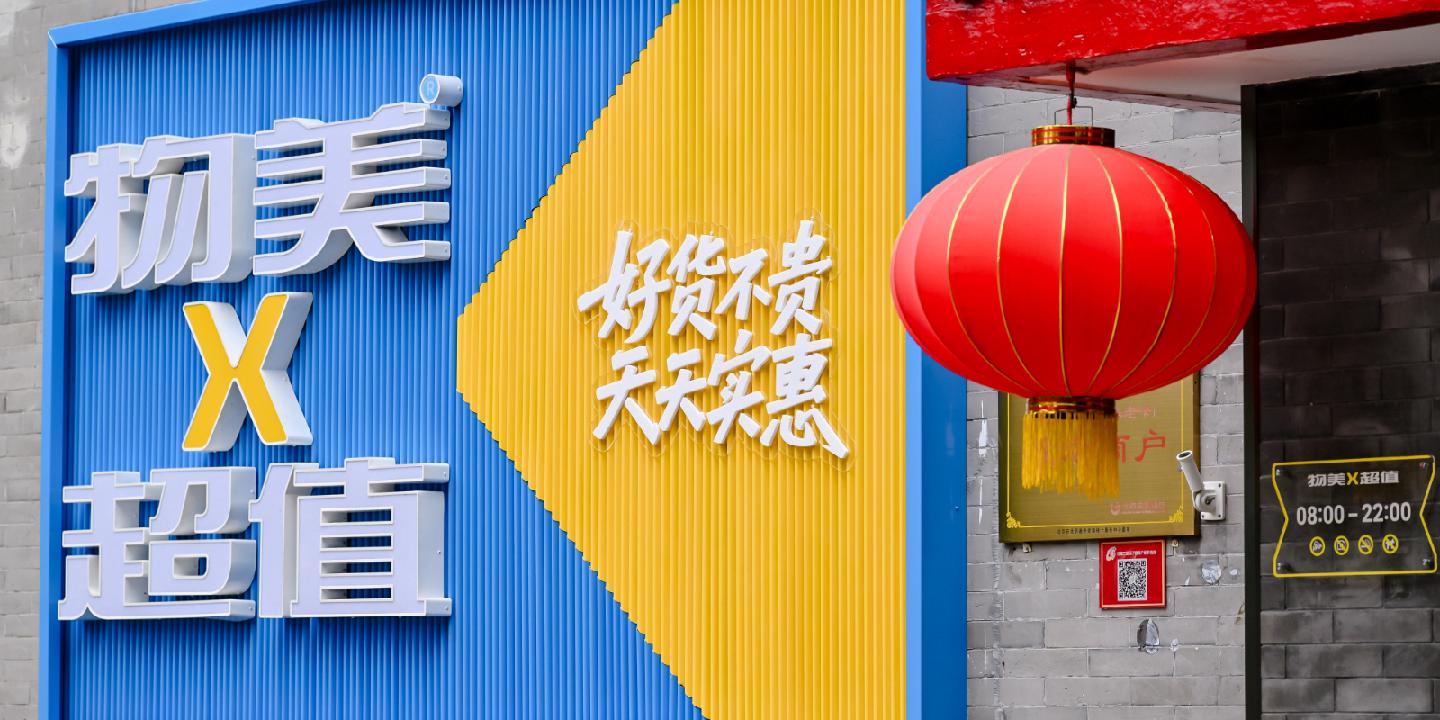
北京这6家新店火了!60%自有品牌,蔬果肉蛋天天实惠
Sou Hu Cai Jing· 2025-07-25 09:03
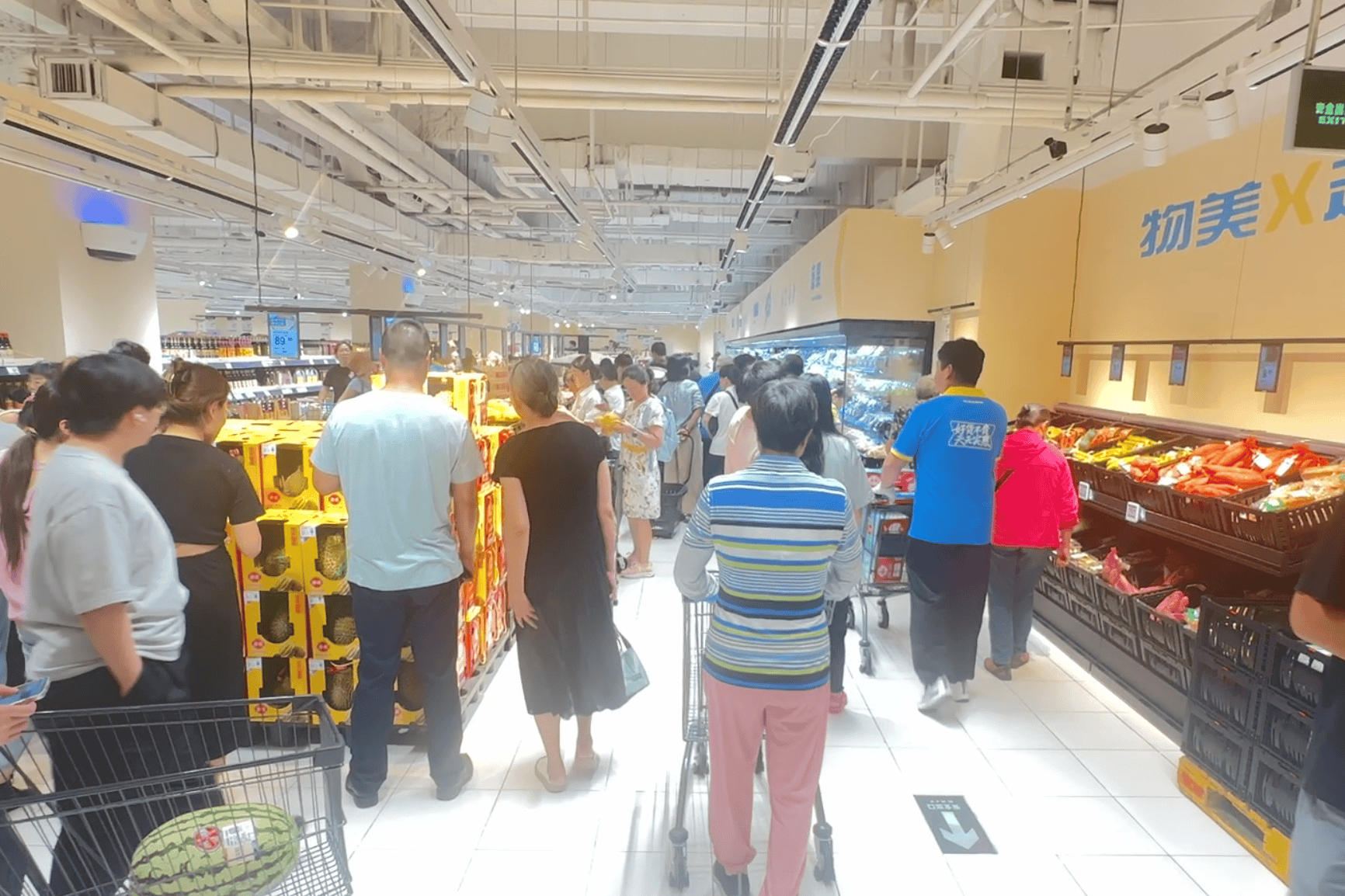
Core Insights - Wumart Group has officially opened six value discount stores in five major areas of Beijing, attracting a significant number of consumers on the opening day [1] - The stores feature a total of 1,300 product categories, with a focus on high-quality goods and efficient operations, including direct box display methods to reduce labor costs [3] - The introduction of freshly baked products, such as rotisserie chicken and European-quality bread, highlights the store's commitment to quality at competitive prices [3] Group 1 - The opening day saw positive consumer feedback on the quality and affordability of fresh produce, meat, and baked goods, indicating a successful launch [5] - Wumart's strategy to maintain high quality and low prices is centered around focusing on consumer necessities and selecting high inventory, high turnover products [5] - Over 60% of the 1,300 product categories are private label brands, which helps reduce operational costs and inventory pressure through a streamlined product strategy [5] Group 2 - The company aims to reshape the consumer experience in Beijing through a hard discount model, leveraging supply chain upgrades and cost structure optimization [5] - Wumart Group plans to continue driving innovation to meet the increasing quality consumption demands of consumers in the retail sector [5]
美团再造“快乐猴”,线下零售叫板盒马七鲜奥乐齐
3 6 Ke· 2025-07-25 08:29
Core Insights - Meituan's first "Happy Monkey" supermarket is set to open in Hangzhou by the end of August, with plans to establish 10 stores by 2025 and a long-term goal of 1,000 stores in major cities like Hangzhou, Shanghai, Beijing, and Guangzhou [1][3] - The supermarket will focus on "hard discount retail," positioning itself against competitors like Hema NB, with initial store sizes ranging from 800 to 1,000 square meters [1][3] - This marks Meituan's renewed attempt in offline retail after the failure of its previous venture, Xiaoxiang Fresh, which closed all stores in 2020 due to poor site selection and cost control [1][3] Business Strategy - The leadership of Happy Monkey includes experienced personnel from Meituan's previous retail initiatives, ensuring a strong operational foundation [4] - The hard discount model emphasizes high self-owned brand sales, potentially exceeding 50%, which enhances market pricing power and profit margins [5][6] - Happy Monkey aims to leverage Meituan's supply chain advantages, focusing on direct sourcing from farms to offer competitive pricing on fresh produce [10][11] Market Positioning - Happy Monkey differentiates itself by offering a streamlined selection of around 1,200 SKUs, focusing on high-frequency essential items, which allows for cost reduction through centralized purchasing [10][13] - The supermarket targets the lower-tier markets in first and second-tier cities, avoiding high-end shopping districts, thus creating a competitive edge against Hema and Aldi [13][16] - The pricing strategy aims to provide 15%-30% lower prices on fresh products compared to other retail brands, appealing to price-sensitive consumers [10][13] Competitive Landscape - Happy Monkey's entry poses a threat to established players like Hema and Aldi, prompting them to adjust their promotional strategies in response [13][16] - Meituan's extensive delivery network of 8 million riders positions Happy Monkey to offer rapid delivery services, enhancing its competitive advantage in the instant retail space [19][21] - The supermarket's model is designed to complement Meituan's existing online services, creating a dual-channel approach that integrates online and offline retail [17][23] Future Outlook - The success of Happy Monkey will depend on its ability to maintain low prices while ensuring quality, which is critical for capturing market share in the competitive hard discount sector [23] - Meituan's strategy to utilize its existing resources and infrastructure aims to fill gaps in its offline retail presence, potentially reshaping the traditional retail landscape [23]

零售行业积极调整线下门店 物美集团进入折扣店领域
Zheng Quan Ri Bao Wang· 2025-07-25 07:01
Group 1 - The core viewpoint of the article highlights the innovative approach of traditional retail companies, particularly through the launch of the new discount store format by Wumart Group, which aims to revitalize consumer spending in Beijing [1][2] - Wumart's new discount store model features over 60% of its products as private label items, which reduces marketing costs and enhances operational efficiency by using direct-to-shelf packaging [1][2] - The store's product selection is optimized, with a focus on essential categories such as fresh produce and groceries, limiting the total number of items to under 1,300 to streamline operations and reduce costs [2][3] Group 2 - The competitive advantage of discount stores is rooted in supply chain optimization and the ability to leverage private label products, shifting the retail landscape from price competition to ecosystem competition [2][3] - The establishment of dedicated operational teams for discount stores reflects a strategic response to consumer segmentation and efficiency demands, which may intensify industry competition and consolidation in the short term [3] - Long-term implications suggest a transformation in the retail sector from scale expansion to value creation, with future winners being those who can balance low prices with quality and efficiency [3]
大润发宣传标语被指“内涵”山姆!客服称系个别门店营销举措
Nan Fang Du Shi Bao· 2025-07-25 06:34
Core Viewpoint - The controversy surrounding the marketing strategies of RT-Mart, which some perceive as targeting Sam's Club, has sparked discussions among consumers and prompted official responses from both companies [1] Group 1: RT-Mart's Marketing Strategy - RT-Mart has been accused of using promotional slogans that imply competition with Sam's Club, such as "similar membership store products" and "we are cheaper" [1] - Official customer service from RT-Mart clarified that these slogans are specific to individual stores and not part of a company-wide marketing strategy, denying any intention to target Sam's Club [1] - The company stated that it does not manage individual store promotions but will record consumer feedback for potential action regarding the slogans [1] Group 2: Sam's Club's Product Offering - Sam's Club has faced backlash from members for stocking various brands, including Good Friend, Panpan, Xu Fu Ji, and Liu Liu Mei, leading to trending discussions on social media [1] - In response to member concerns, Sam's Club confirmed that some products are currently out of stock, while Liu Liu Mei products remain available for sale [1] - The company indicated that member feedback will be considered in future product selection strategies [1]