智能手机

Search documents
价格猛涨,有产品一个月涨102%,多家手机厂商已暂缓采购,部分库存不足三周!分析师称“低端机恐做多亏多”,涨价背后竟是因为AI?
Mei Ri Jing Ji Xin Wen· 2025-11-18 06:26
Core Viewpoint - The global memory chip industry has experienced a significant price surge since the second half of 2025, particularly in the fourth quarter, with DDR5 memory prices doubling within a month, impacting smartphone manufacturers' procurement strategies [1][2][3]. Group 1: Price Surge and Impact on Smartphone Manufacturers - The price of DDR5 16Gb memory chips rose from $7.68 to $15.5 in just one month, marking a 102% increase, while DDR4 16Gb saw a rise of over 92% [1]. - Major smartphone manufacturers like Xiaomi, OPPO, and vivo have paused their memory chip purchases due to high price increases, with some DRAM inventories dropping below three weeks [1][2]. - The contract prices for LP4X/5X memory chips increased by 40% and UFS prices by 25% to 30% in the fourth quarter compared to the previous quarter [2]. Group 2: Supply Chain Dynamics and AI Demand - The demand for memory chips has surged due to the AI boom, with AI servers requiring significantly more DRAM and NAND than standard servers, leading to a supply shortage [3]. - North American cloud service providers have increased their procurement needs for the upcoming year, contributing to a projected supply gap in memory chips [3][4]. Group 3: Cost Implications and Manufacturer Strategies - The DRAM contract prices increased by over 75% year-on-year in the fourth quarter, raising the overall BOM cost for smartphones by an estimated 8% to 10% [4]. - Smartphone manufacturers are responding to rising costs by slightly increasing prices and strategically reducing memory configurations in their products [5]. - The low-end smartphone market may face significant challenges, with potential production losses as manufacturers shift focus to mid-to-high-end models [7]. Group 4: Financial Performance of Companies - Transsion Holdings reported a revenue of 49.543 billion yuan for the first three quarters of 2025, a slight decline of 3.3%, with a net profit drop of 44.97% attributed to rising supply chain costs [8]. - Analysts predict that Transsion's profitability will be pressured by memory price increases and market competition, but adjustments in product pricing may help restore profitability [9].





iPhone上的「药丸」终于要消失了,3D人脸进化将迎终局?
3 6 Ke· 2025-11-18 04:07
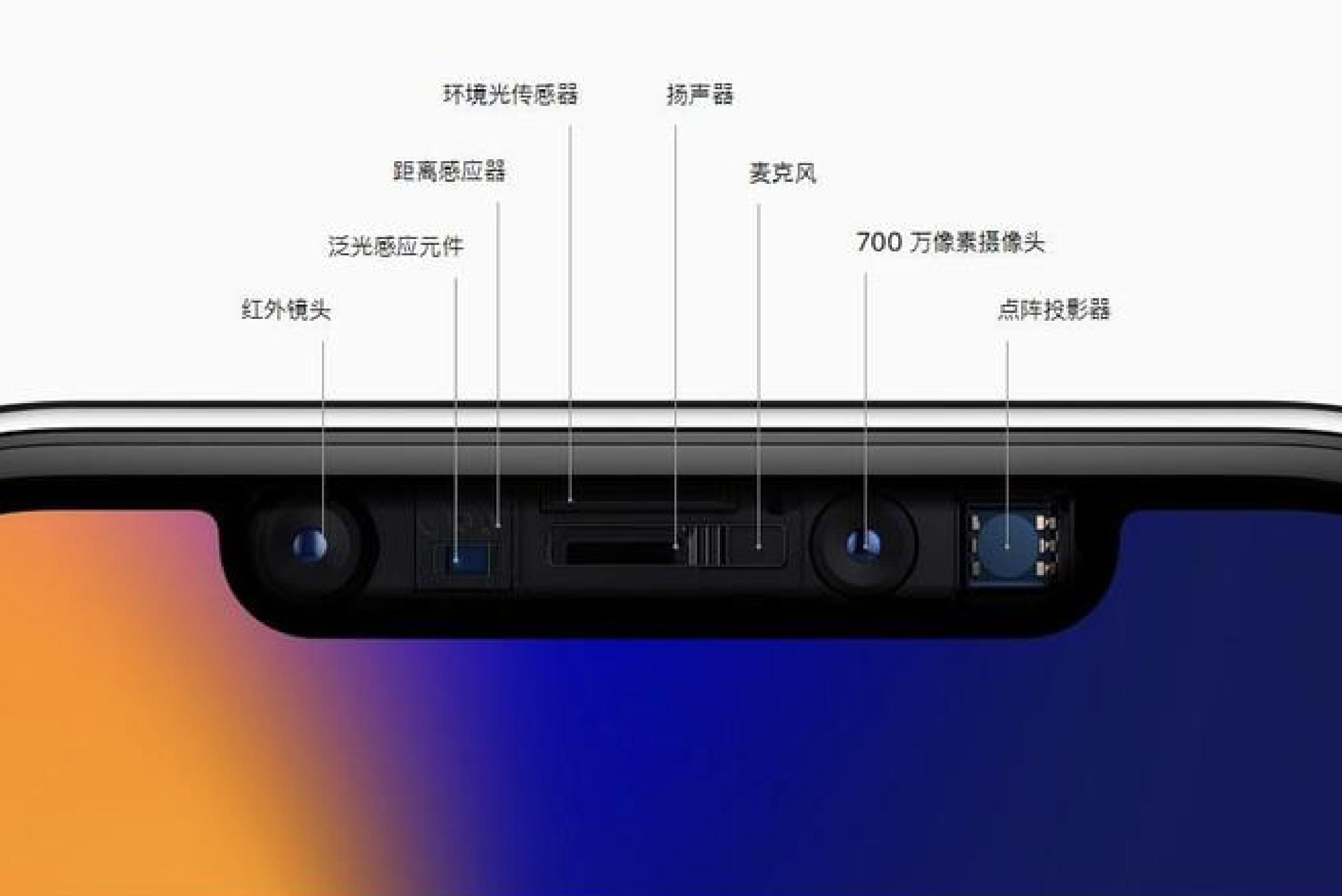
Core Insights - The article discusses the evolution of iPhone design and technology, particularly focusing on the transition from the "notch" to a "true full-screen" design with under-display 3D facial recognition technology expected by 2027 [5][7][29] Group 1: iPhone Design Evolution - The iPhone X established a foundational design framework for future models with its "full-screen" design and "3D facial recognition" technology [1][9] - The transition from the "notch" to the "pill" shape has been gradual, with ongoing efforts to achieve a perfect full-screen design [3][5] - By 2027, Apple aims to eliminate the "pill" entirely, integrating the entire 3D facial recognition system beneath the display [5][7] Group 2: 3D Facial Recognition Technology - 3D facial recognition technology has not been widely adopted across the industry, with only a few manufacturers like Apple, Huawei, and Honor utilizing it in their flagship models [12][15] - The high cost and complexity of 3D facial recognition systems limit their use to premium devices, as seen with Huawei's Mate 70 Pro series [15][19] - Other manufacturers have opted for alternative biometric technologies, such as 2D facial recognition and side-mounted fingerprint sensors, due to cost considerations [12][15] Group 3: Market Trends and Future Prospects - The article highlights that achieving a true full-screen design is technically feasible, but maintaining high display quality and camera performance remains a challenge [19][22] - Companies like Nubia and Red Magic have made significant advancements in true full-screen technology, achieving better display and camera integration [21][22] - The integration of under-display cameras and 3D facial recognition technology is expected to mature, leading to a potential market explosion for these devices in the future [31]

华为新款折叠屏结构CT图曝光
Jing Ji Guan Cha Wang· 2025-11-18 03:33
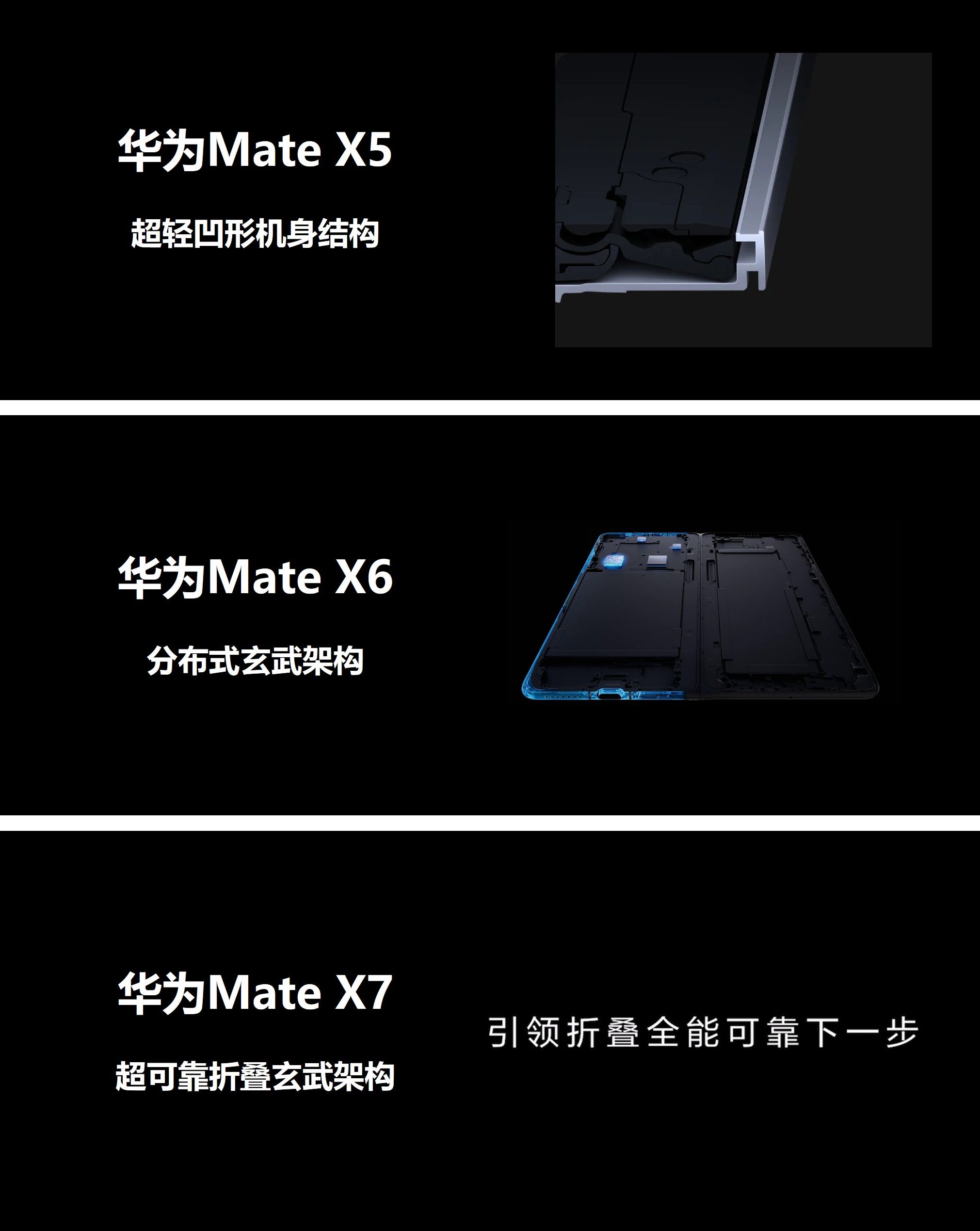
11月18日上午,#华为新款折叠屏结构CT图曝光#。根据华为终端发布的两支视频显示,华为Mate X7搭载全新的超可靠折叠玄武结构问世,将为消费者带来 更安心、更可靠的使用体验。视频显示,华为Mate X7在日常使用场景下,具有抗冲击、抗跌落、抗热水等能力。而根据其实验室视频曝光的测试画面,可 以看出华为Mate X7或将拥有IPX9级抗热水能力,进一步提升了折叠屏手机的可靠性标准。#华为MateX7搭载全新玄武架构#。同时视频中动态CT测试的画 面也让关注折叠屏产品的消费者猜测,在架构方面华为Mate X7将带来新的惊喜。 华为Mate X7 超可靠折叠玄武架构 引 ...
股价自高点跳水近三成,小米为何从尖子生跌成“科指垫底”?
Jin Shi Shu Ju· 2025-11-18 03:13
Core Viewpoint - Xiaomi Group has rapidly declined from being a market favorite to one of the worst-performing Chinese tech stocks, facing challenges in the smartphone and electric vehicle markets, making short-term recovery difficult [1] Group 1: Financial Performance and Market Position - Xiaomi is expected to report its slowest revenue growth since 2023, raising concerns among investors [1] - The company's stock has dropped nearly 30% since its peak in September, ranking among the largest declines in the Hang Seng Tech Index [1] - The average target price for Xiaomi's stock has been reduced by over 8% since its August high, making it the third-largest downward adjustment in the Hang Seng Tech Index, following Meituan and Li Auto [2] Group 2: Cost Pressures and Profitability - Rising storage chip prices are anticipated to erode Xiaomi's smartphone profit margins, with mobile DRAM contract prices increasing by 21% in October, the highest level since July 2022 [1] - Analysts indicate that the ongoing "super cycle" in storage chips will pressure profit margins for companies like Xiaomi, as these costs cannot be fully passed on to consumers [2] Group 3: Electric Vehicle Business - Xiaomi is focused on increasing electric vehicle delivery volumes, with a goal of achieving profitability in this sector by the end of the year [2] - Concerns exist regarding the potential impact of the gradual withdrawal of government subsidies on the overall automotive market [2] Group 4: Investor Sentiment and Stock Valuation - Despite the stock's decline, its valuation has become more attractive, with a projected future price-to-earnings ratio of approximately 19 times, half of its early-year peak [2] - Domestic investors have been increasing their positions in Xiaomi, with net purchases for thirteen consecutive days through the trading link mechanism [2] - The short-selling ratio of Xiaomi's stock has risen from a low of 0.4% in July to nearly 0.7%, driven by concerns over safety, factory delays, and insufficient electric vehicle demand despite recent promotions [2]
存储芯片价格上涨,低端手机市场可能面临做多亏多局面
Mei Ri Jing Ji Xin Wen· 2025-11-18 02:05
Core Viewpoint - The global memory chip industry has experienced a significant price surge since the second half of 2025, particularly in the fourth quarter, with DDR5 memory prices doubling within a month, impacting smartphone manufacturers' procurement strategies [1][3]. Price Surge and Impact - DDR5 16Gb memory prices rose from $7.68 to $15.5 in one month, marking a 102% increase, while DDR4 16Gb saw a price increase of over 92% [1]. - Major manufacturers like Samsung, SK Hynix, and Micron have paused quotes due to rapid price increases, leading to smartphone companies delaying storage chip purchases [1][2]. - The fourth quarter DRAM contract prices increased by 75% year-on-year, with low-power DRAM prices rising by 40% and UFS prices by 25% to 30% [3][4]. Supply Chain Dynamics - The demand for memory chips is driven by AI, with AI servers requiring significantly more DRAM and NAND than traditional servers, leading to a structural shift in production focus towards higher-margin products [3][4]. - Smartphone manufacturers are facing supply shortages, with many having inventory levels below two months, and some DRAM stocks dropping to three weeks [1][3]. Manufacturer Strategies - Smartphone manufacturers are adjusting their strategies by slightly increasing prices and reducing memory configurations to manage costs, such as downgrading RAM from 16GB to 12GB [5]. - The low-end smartphone market is expected to face more significant challenges, with potential production bottlenecks and increased pressure on hardware profit margins [6]. Financial Performance - Transsion Holdings reported a revenue of 49.543 billion yuan for the first three quarters of 2025, a slight decline of 3.3%, with net profit dropping by 44.97% due to competitive pressures and supply chain costs [7]. - The company is actively responding to rising storage chip prices through price adjustments and product structure changes [7]. Future Outlook - TrendForce has revised its forecast for global smartphone production in 2026 from a 0.1% increase to a 2% decrease, indicating potential further downward adjustments if supply-demand imbalances worsen [7]. - Predictions suggest that while price increases may moderate in the first half of next year, the smartphone industry will continue to face high-pressure conditions for at least a couple more quarters [8].
存储芯片价格飙升 手机厂商集体承压:低端机陷做多亏多困境 新机恐难逃涨价命运
Mei Ri Jing Ji Xin Wen· 2025-11-17 15:44
Core Insights - The global memory chip industry has experienced a rare price surge since the second half of 2025, with significant increases in prices for DDR5 and DDR4 memory chips, leading to a 102% increase for DDR5 16Gb chips in just one month [1] - Major smartphone manufacturers are facing pressure due to the rapid price increases, with many halting storage chip purchases as they evaluate the impact of nearly 50% price hikes from suppliers [1][2] - The price of DRAM contracts has risen by 75% year-on-year in the fourth quarter, driven by increased demand from AI applications, which require significantly more memory than traditional servers [3][4] Industry Overview - The price of LP4X/5X memory chips has increased by 40% and UFS contract prices by 25% to 30% in the fourth quarter compared to the previous quarter [2] - The supply of LPDDR and other DRAM types for smartphones is under continuous pressure, leading to expectations of further price increases [4] - The overall BOM cost for devices is projected to rise by 5% to 7% next year due to ongoing increases in DRAM and NAND Flash prices [4] Company Strategies - Smartphone manufacturers are adopting strategies of slight price increases and reducing memory configurations to manage costs, such as downgrading RAM from 16GB to 12GB [5] - Companies are likely to strategically reduce the proportion of entry-level models in their product mix, focusing more on mid-to-high-end models that can better absorb cost increases [6] - Transsion Holdings reported a revenue of 49.543 billion yuan in the first three quarters of 2025, a slight decline, with net profit down by 44.97%, attributing the drop to market competition and supply chain costs [7] Market Predictions - The smartphone industry is expected to face high-pressure conditions for at least one or two more quarters, with potential adjustments in production forecasts due to supply-demand imbalances [8]
OPPO Reno15系列发布 首发“出圈实况拼图”
Zheng Quan Shi Bao Wang· 2025-11-17 13:23
Core Insights - OPPO officially launched the Reno15 series on November 17, featuring the ColorOS 16 operating system [1] - The new series supports cross-ecosystem connectivity with Apple devices [1] - It introduces a unique feature called "out-of-the-box live mosaic" and supports AI real-time dialogue in various scenarios such as shopping, park visits, and museum tours [1]
三大股指期货齐涨 英伟达及零售业财报考验牛市信念
Zhi Tong Cai Jing· 2025-11-17 12:00
Market Movements - US stock index futures are all up ahead of the market opening on November 17, with Dow futures up 0.12%, S&P 500 futures up 0.33%, and Nasdaq futures up 0.58% [1] - European indices show mixed results, with Germany's DAX down 0.49%, UK's FTSE 100 unchanged, France's CAC 40 down 0.28%, and the Euro Stoxx 50 down 0.57% [2][3] - WTI crude oil is down 0.07% at $59.91 per barrel, while Brent crude oil is down 0.12% at $64.31 per barrel [3][4] Market News - The upcoming week is critical for US stocks, with key earnings reports from Nvidia and Walmart, as well as the delayed September employment report, expected to set the trading tone for the remainder of the year [5] - Morgan Stanley's chief US equity strategist predicts a 16% increase in the S&P 500 index over the next year, reaching approximately 7,800 points by the end of 2026, supported by strong corporate earnings [6] - Wall Street strategists advise investors to remain steadfast amid recent volatility in tech stocks, emphasizing that the long-term AI investment narrative remains intact [7] Company-Specific News - Nvidia has faced significant sell-offs, with Peter Thiel's fund completely exiting its position in the company, following similar actions by SoftBank and Bridgewater [9][10] - Apple plans to change its iPhone release schedule to twice a year starting in 2026, aiming to alleviate pressure on engineering and marketing teams [10] - Sohu reported Q3 total revenue of $180 million, a 19% year-over-year increase, with a net profit of $9 million [11] - Xpeng Motors achieved a gross margin of 20.1% in Q3, with total revenue of RMB 20.38 billion ($2.54 billion), marking a 101.8% year-over-year increase [12] - Warburg Pincus and Permira are in talks to acquire Clearwater Analytics, with the stock rising nearly 12% in pre-market trading [13] Economic Data and Events - Key economic data releases include the US November New York Fed Manufacturing Index and a discussion led by Minneapolis Fed President Neel Kashkari [14]


存储器价格攀升,2026年全球智能手机及笔电生产出货预期下调
WitsView睿智显示· 2025-11-17 07:24
Core Viewpoint - The global market is expected to face uncertainties in 2026, with inflation impacting consumer market performance and a strong upward cycle in memory prices leading to increased overall costs and potential price hikes for end products, which may further affect consumer demand [2]. Group 1: Smartphone Market - TrendForce has revised down its production shipment forecasts for global smartphones in 2026 from a growth of 0.1% to a decline of 2% due to rising memory costs [2]. - The price increase in DRAM is expected to raise the BOM cost of smartphones by approximately 8-10% in 2025, with overall BOM costs projected to increase by 5-7% in the following year [3]. - Smaller smartphone brands may struggle to secure resources due to tight memory supply, potentially leading to a market reshuffle favoring larger players [4]. Group 2: Laptop Market - The laptop market is anticipated to face dual pressures of cost and demand in 2026, with memory components expected to account for over 20% of the BOM cost due to significant price increases [5]. - If brands pass on costs to consumers, laptop prices may rise by 5-15%, which could dampen demand, particularly in the low-end market where price sensitivity is high [5]. - The mid-range market may see a slowdown in replacement cycles as both corporate and household users extend the lifespan of their devices [5]. Group 3: Monitor Market - The monitor market, which typically uses smaller capacity memory, is less directly impacted by price increases; however, it may suffer indirectly if PC retail prices rise significantly, leading to a forecasted decline in annual shipments from a slight increase of 0.1% to a decrease of 0.4% [6]. Group 4: BOM Cost Analysis - For different market segments, the BOM cost increase from Q1 2025 to Q3 2026 is projected at 12% for high-end and mid-range products, and 10% for low-end products, with DRAM and SSD components making up 23%, 21%, and 20% of the BOM cost respectively [8].

华为Mate 80,马上开启预订!
新华网财经· 2025-11-17 06:44
Core Viewpoint - Huawei is set to hold a product launch event on November 25, where it will unveil the Mate 80 series, Mate X7, and several other new products, highlighting its ongoing innovation in the high-end smartphone market [1][4]. Group 1: Product Launch and Innovations - The Huawei Mate series has consistently introduced impressive technological innovations with each iteration since its inception [3]. - The upcoming Mate 80 series is expected to bring significant upgrades in performance, imaging, and innovative technologies, including the introduction of the Mate 80 Pro Max [7]. - Pre-orders for the Mate 80 series will begin on November 17, with various color options available across multiple sales channels [4]. Group 2: Market Performance and Trends - According to Counterpoint, smartphone sales in China are projected to decline by 2.7% year-on-year in Q3 2025, with the Mate 70 series experiencing lower sales due to the limitations of the Harmony OS ecosystem [4]. - The foldable smartphone market in China saw a shipment volume of 2.63 million units in Q3 2025, representing a year-on-year growth of 17.8%, with Huawei holding nearly 70% market share [10]. - Global shipments of foldable smartphones are expected to reach 70 million units by 2027, with a compound annual growth rate exceeding 40%, indicating a strong growth trajectory for this segment [11].