
信息服务

Search documents
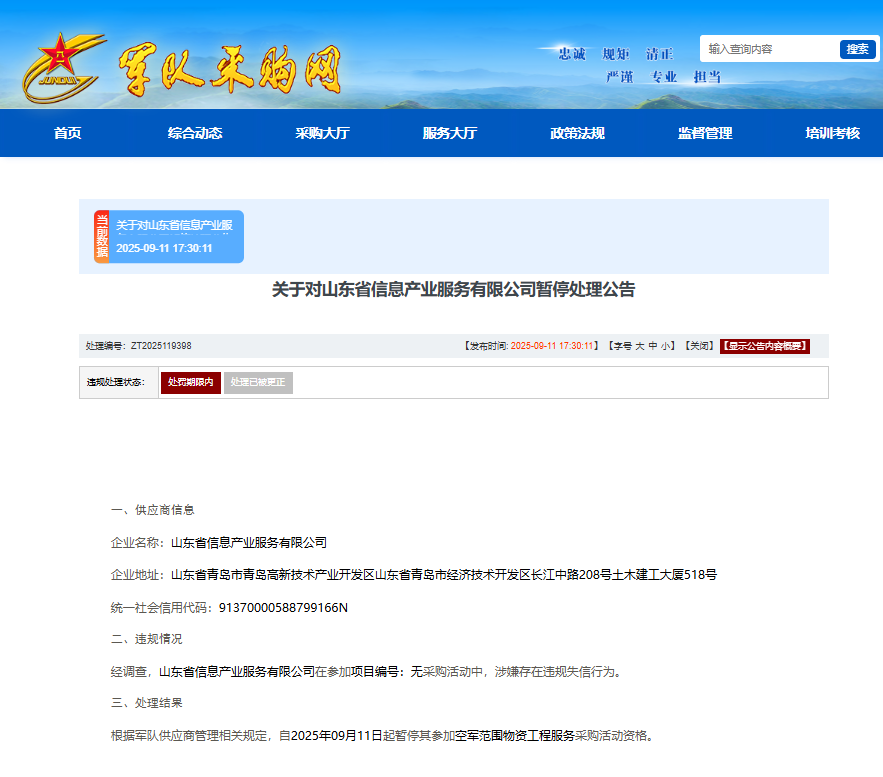
山东省信息产业服务有限公司涉嫌违规失信被空军暂停采购资格
Qi Lu Wan Bao· 2025-09-12 00:58
近日,军队采购网发布关于对山东省信息产业服务有限公司暂停处理公告。 经调查,山东省信息产业服务有限公司在参加项目编号:无采购活动中,涉嫌存在违规失信行为。 根据军队供应商管理相关规定,自2025年09月11日起暂停其参加空军范围物资工程服务采购活动资格。 新闻热线电话0531-85193242 公开信息显示,山东省信息产业服务有限公司成立于2012年01月10日,法定代表人张志华,股东为中国通信服务股份有限公司 (中国通信服务 00552.HK)。 ...

Clarivate (NYSE:CLVT) 2025 Conference Transcript
2025-09-11 16:52
Summary of Clarivate's Conference Call Company Overview - **Company**: Clarivate - **Key Executives**: Matti Shem Tov (CEO), Jonathan Collins (CFO) Industry and Strategic Focus - **Industry**: Information and analytics services, particularly in academic, government, and life sciences sectors - **Core Strategy**: Value Creation Plan with four pillars aimed at transforming the business model and enhancing shareholder value Key Points from the Conference Call 1. Value Creation Plan - **Pillar 1: Transition to Subscription Model** - Phasing out transactional sales in favor of subscription models - Current revenue mix: 88% subscription, aiming for 90% over time [6][4][3] - Phasing out print books and transactional e-books by June 2026 [4] - New subscription products introduced: ProQuest e-books and digital collections [5] 2. Sales Execution Improvement - **Pillar 2: Enhancing Sales Execution** - Changes implemented in sales organization leading to improved retention rates and sales momentum [8][10] - New talent acquisition, including a Senior Vice President for Sales in Life Science [9] 3. Product Innovation - **Pillar 3: Focus on Product Innovation** - Emphasis on AI integration across product lines, including GenAI and agentic AI capabilities [11][12] - Development of new products like Web of Science Research Intelligence, expected to launch in May 2026 [16][27] - AI enablement of existing products to enhance customer retention and attract new customers [13][14] 4. Portfolio Rationalization - **Pillar 4: Strategic Review of Non-Core Assets** - Ongoing review to identify non-core assets for potential divestiture to enhance shareholder value [19][20] 5. Organic Revenue Growth - **Target for Growth**: Aligning with market growth rates of 3-5% across segments [21][22] - **Segments**: Academic & Government (A&G), Intellectual Property (IP), Life Sciences - **Life Sciences Growth**: Strong demand in R&D, particularly for Cortellis product line [30][32] 6. Market Dynamics - **Healthcare Market**: Sustainable growth expected due to advancements in personalized medicine and AI integration [32][34] - **IP Segment**: Increased patent activity and AI-driven solutions like MacRisk and Derwent products [36][37] 7. Financial Performance and Margins - **EBITDA Margins**: Expected contraction to 41% due to disposals, with potential for recovery post-disposal [41][42] - **Margin Expansion**: Anticipated improvement as organic growth resumes, with a target of 2-3% growth leading to margin expansion [45] 8. Capital Allocation - **Balance Sheet Management**: Current gross leverage at 4.3 times; plans for debt paydown and share buybacks while maintaining flexibility [46] 9. Additional Insights - **Customer Engagement**: Focus on enhancing customer collaboration and engagement through innovative products [24][25] - **AI Cost Management**: Internal AI development is more economical compared to third-party vendors [17] Conclusion Clarivate is actively pursuing a transformation strategy focused on subscription models, product innovation, and enhancing sales execution, with a clear goal of driving organic revenue growth and improving shareholder value. The company is well-positioned to capitalize on market opportunities, particularly in the life sciences and IP sectors, while managing its financial health and capital allocation effectively.

【西街观察】科技赋能 智“会”未来
Bei Jing Shang Bao· 2025-09-11 15:29
Core Viewpoint - The 2025 Service Trade Fair aims to showcase innovations in digitalization, intelligence, and sustainability within the service trade sector, focusing on areas such as artificial intelligence, healthcare, and smart logistics [1][2]. Group 1: Technological Integration - The fair emphasizes the importance of technology in enhancing the event experience, with telecommunications, computing, and information services being key sectors [1]. - AIGC interaction and XR immersive experiences are introduced, transforming attendees from mere spectators to active participants [1][2]. - The event features various robots and AI applications, such as digital human guides and food-making robots, which enhance service efficiency and interactivity [2]. Group 2: Experience and Engagement - The fair is designed to create an engaging environment that meets the supply and demand relationship between attendees and services [2]. - The success of high-value exhibitions will increasingly depend on how they are presented, focusing on providing deep, creative engagement opportunities for participants [2][3]. - The physical space of the exhibition is limited, necessitating a resilient and replicable smart exhibition model that lowers the cognitive barriers for attendees [3]. Group 3: Paradigm Shift - The integration of technology in organizing the fair represents a significant paradigm shift rather than just an upgrade of methods [3]. - The Service Trade Fair itself serves as a benchmark for service delivery, showcasing the potential of technology in transforming service trade [3].
聚焦“两区”建设 北京朝阳区新设外资企业2398家 形成87项制度创新成果
Zhong Guo Jing Ji Wang· 2025-09-11 05:09
Group 1: Overview of Chaoyang District's Development - The "Two Zones" initiative in Chaoyang District has led to the implementation of over 150 pilot reform policies and the establishment of 109 innovative projects, making it a leading area in Beijing for reform and innovation [1][2] - Chaoyang District has attracted a total of 4,473 projects under the "Two Zones" initiative, with 2,644 projects already operational, and has the highest expected foreign investment in the city [1] - From January to July this year, the district's total import and export value reached 723.93 billion yuan, accounting for 39.8% of the city's total, with actual foreign investment of 1.3 billion USD, representing 43.7% of the city's total [1] Group 2: Financial Sector Development - The number of financial institutions in Chaoyang District has surpassed 1,800, with nearly 400 being foreign (joint venture) institutions, which constitutes about 65% of the city's total [2] - The district has established 16 specialized banks and the first specialized securities and insurance institutions in the city's free trade zone, leading the city in this regard [2] - The financial sector in Chaoyang achieved a value-added of 87.71 billion yuan in the first half of the year, reflecting a year-on-year growth of 14.1% [2] Group 3: Digital Economy and Cultural Sector - Chaoyang District is home to nearly 700 companies in the artificial intelligence industry and over 1,400 companies in the metaverse sector, contributing significantly to the digital economy [2] - The information service industry has become the second-largest pillar of the district's economy, contributing 49.4% to the district's revenue growth from January to August [2] - The district is also promoting cultural exports and has established the first AIGC audiovisual industry innovation center in the city, with several cultural enterprises accelerating their internationalization [3] Group 4: Future Development Plans - Chaoyang District aims to continue promoting institutional openness and create a world-class business environment to enhance global resource allocation capabilities [3] - The district plans to accelerate the construction of a modern industrial system and strengthen the demonstration and leadership of key parks, promoting differentiated and collaborative development [3] - The district is committed to contributing to high-quality development in the capital and the broader context of national openness [3]

朝阳“两区”建设交出亮眼成绩单
Bei Jing Qing Nian Bao· 2025-09-10 17:51
Group 1 - The 2025 China International Service Trade Fair (CIFTIS) commenced on September 13, 2023, and will last until September 14, 2023, showcasing the achievements of Chaoyang District in service trade and reform initiatives over the past five years [1] - Chaoyang District has implemented over 150 pilot reform policies, resulting in 87 institutional innovations and 15 original reform measures promoted nationwide, leading to the establishment of 2,398 new foreign-funded enterprises, accounting for 28.4% of the city's total [1] - The financial sector in Chaoyang has seen significant growth, with the number of financial institutions exceeding 1,800, including nearly 400 foreign (joint venture) institutions, representing about 65% of the city's total [1] Group 2 - The traditional advantage of Chaoyang District lies in the business service industry, with over 50,000 commercial service institutions established, contributing to a 6.4% growth in leasing and business service revenue in 2024, which accounts for approximately 40% of the city's total [2] - The Beijing CBD is focusing on the construction of an international legal and business integration demonstration zone, enhancing the quality and efficiency of legal service supply in Chaoyang District [2] - Chaoyang District is actively participating in the construction of an international technology innovation center, with nearly 700 companies in the artificial intelligence industry and over 1,400 companies in the metaverse sector [2] Group 3 - The "Two Zones" initiative has been advanced through the Free Trade Zone Chaoyang Group and Zhongguancun Chaoyang Park, with the Free Trade Zone ranking first among 21 key parks in the city [3] - Zhongguancun Chaoyang Park is focusing on building a comprehensive industrial ecosystem with over 20 specialized parks, aiming to become a core area for artificial intelligence innovation and an international hub for innovation and entrepreneurship [3]
首都民营经济政策宣讲服务进海淀,民企代表很“解渴”
Sou Hu Cai Jing· 2025-09-10 13:04
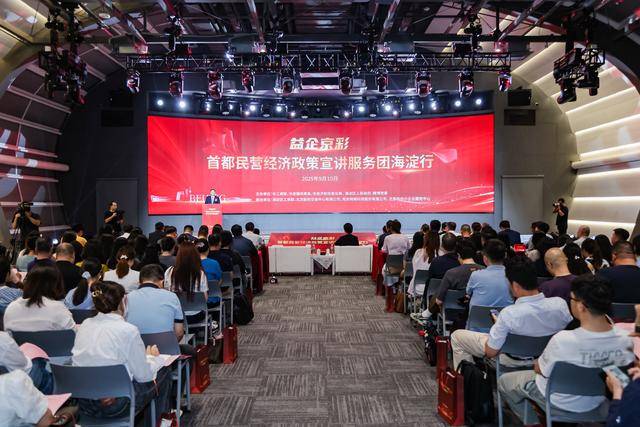
"很'解渴'!"一家来自信息服务行业的民企代表说,相比企业自己钻研政策文件,现场解读很接地气。 哪些政策对企业最有用,怎么能享受政策红利,都很贴近企业的发展实际。 "解渴"的惠企政策、优质的服务资源、新鲜的创业经验……9月10日,"益企京彩"首都民营经济政策宣 讲服务团海淀行在用友软件园举行。政策精准解读、企业家现身说法,宣讲活动打通政策落地的"最后 一公里",让企业听得懂、用得上、用得好,为企业发展赋能增效。 北京民营经济发展迅速。记者从活动现场获悉,截至今年一季度,北京民营经济市场主体超250万户, 其中私营企业204.68万户、个体户45.58万户,是全市经济微观基础的最大主体,吸纳六成左右的就业, 贡献超过30%的地区生产总值。 9月10日,"益企京彩"首都民营经济政策宣讲服务团海淀行在用友软件园举行。 民企发展离不开资金支持,北京股权交易中心详细解读北京"专精特新"专板的融资奖励政策时,告诉企 业如何申报"真金白银",如何利用好多层次资本市场发展自身。参会民企有相当一部分属于未来产业, 市经信局现场"拆解"最新推出的未来产业投入增长机制,编制政策有何考虑,重点措施都有哪些,一一 帮企业"划重点"。海 ...
地方经济增长动力从何而来?
申万宏源研究· 2025-09-03 09:22
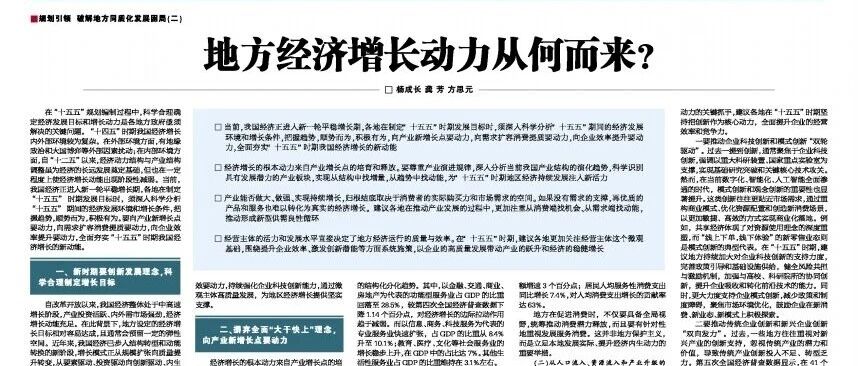
Core Viewpoint - The article emphasizes the need for local governments to scientifically analyze the economic development environment and growth conditions during the "14th Five-Year Plan" period, focusing on identifying new growth points in industries, expanding consumption, and improving enterprise efficiency to ensure sustainable economic growth in China [4][5][6]. Group 1: Economic Growth and Development Goals - The economic growth in China is transitioning from high-speed to stable growth, necessitating a shift in how local governments set growth targets during the "14th Five-Year Plan" [5][6]. - The contribution of consumption to GDP has increased, with its share rising from 50% at the end of the "11th Five-Year Plan" to 57% by the end of the "14th Five-Year Plan" [7]. - Local governments should set realistic growth targets based on local resources, industry foundations, and development realities, ensuring that these targets are both feasible and positively guiding [8][9]. Group 2: Industry Development and Structural Changes - The service sector has become a core driver of economic growth, with its contribution to GDP increasing from approximately 45% during the "11th Five-Year Plan" to 60% currently [10][11]. - Local governments are encouraged to focus on the service industry, especially in lower-tier cities, to enhance employment and improve living standards [11][12]. - The industrial structure is shifting, with traditional industries declining while high-end manufacturing is on the rise, necessitating targeted policies to support these transitions [12][13]. Group 3: Consumption as a Growth Driver - The article highlights the importance of consumer purchasing power and market demand as fundamental to economic growth, advocating for a focus on consumption-driven growth [16][17]. - Service consumption is identified as having a more direct impact on local economies compared to goods consumption, which often benefits external regions [17][18]. - The growth of service consumption is expected to continue, with a projected increase in service retail sales by 6.2% in 2024, outpacing goods retail sales [18][19]. Group 4: Innovation and Enterprise Development - The vitality and development level of enterprises directly influence the quality and efficiency of local economic operations, making enterprise development a priority [21][22]. - Local governments should promote both technological and model innovations within enterprises to enhance efficiency and competitiveness [23][24]. - There is a need for tailored policies that consider regional characteristics to boost the innovation capabilities of enterprises across different areas [25][26].
洛阳出台服务业发展方案!设立总规模10亿元天使投资基金
Sou Hu Cai Jing· 2025-09-02 02:52
Core Viewpoint - The Luoyang Municipal Government has issued a plan to accelerate the high-quality development of the service industry, aiming for significant growth in various sectors by 2025 and 2027, with a focus on innovation, financing, and enhancing service quality [1][6]. Summary by Sections Overall Requirements - The plan aligns with provincial policies to enhance service industry development, emphasizing the integration of local conditions and clear action plans to ensure effective implementation [5][6]. Work Measures - The strategy includes promoting specialized and high-end development in productive services, enhancing logistics, technology services, and modern finance, while also focusing on improving living services and public service capabilities [7][8]. Financial Support - A comprehensive financial service system will be established, focusing on equity investment and various financing methods to support the entire lifecycle of enterprises, particularly small and micro businesses [1][7][12]. Encouragement of New Business Models - The plan encourages the expansion of new financing models and the establishment of risk investment funds to support early-stage service enterprises and new business formats [3][12]. Development of E-commerce and New Retail - The plan aims to grow platform economies, including live-streaming and cross-border e-commerce, and to encourage the establishment of flagship stores for well-known brands [4][10]. Public Service Enhancement - The initiative includes improving public services such as healthcare and childcare, and enhancing community services to meet diverse and high-quality living demands [8][9]. Consumption Expansion - The plan focuses on expanding service consumption by promoting new consumption scenarios and upgrading traditional commerce, including the development of cultural and tourism services [9][10]. Support for Key Enterprises - The government will implement a support system for key enterprises, ensuring that policies reach them effectively and that investment projects progress swiftly [11][12]. Infrastructure and Project Support - Major service industry projects with investments over 50 million yuan will be prioritized, with mechanisms in place to ensure rapid project advancement [13][14]. Organizational Assurance - A dedicated working group will be established to oversee the implementation of the service industry development plan, ensuring coordination among various departments and stakeholders [15][16].
PMI指数回升释放经济扩张积极信号
2 1 Shi Ji Jing Ji Bao Dao· 2025-09-01 22:46
Group 1 - The Purchasing Managers' Index (PMI) for manufacturing, non-manufacturing business activity index, and comprehensive PMI output index all showed recovery in August, indicating that the Chinese economy maintains overall expansion despite complex external conditions [1] - Manufacturing PMI slightly increased, with production index remaining in the expansion zone for four consecutive months, reflecting a continuous acceleration in manufacturing activities [1] - The service sector's business activity index rose to 50.5%, the highest level this year, indicating a significant recovery in service sector sentiment, driven by increased consumer activity during the summer [2] Group 2 - The high-tech manufacturing PMI and equipment manufacturing PMI were reported at 51.9% and 50.5% respectively, significantly above the overall level, showcasing the potential of new growth drivers in the economy [3] - The recovery in manufacturing and service sectors is supported by effective policy measures, including tax incentives and R&D expense deductions, creating a favorable environment for high-tech manufacturing [3] - The construction sector's business activity index declined, reflecting both seasonal factors and the slow recovery in related industries such as real estate [3] Group 3 - Macro policies need to focus on precision and continuity to sustain economic stability, with an emphasis on tax reductions and financing support for small and medium-sized enterprises [4] - The release of the "Opinions on Promoting High-Quality Urban Development" by the Central Committee of the Communist Party and the State Council aims to activate existing resources and support the real estate sector, promoting a positive interaction between urban development and economic transformation [4]
国家发展改革委回应当前经济热点:坚定不移实施扩大内需战略
Jing Ji Ri Bao· 2025-08-30 04:14
Economic Overview - In July, China's retail sales of consumer goods increased by 3.7% year-on-year, with overall growth of about 5% in the first seven months [1] - Fixed asset investment grew by 1.6% year-on-year in the first seven months, with actual growth between 4% and 5% after adjusting for price factors [1] - Investment in high-end industries such as aerospace and equipment manufacturing, computer and office equipment manufacturing, and information services saw significant increases of 33.9%, 16%, and 32.8% respectively [1] Consumption and Investment Strategies - The government aims to boost consumption and investment by focusing on key projects that meet development needs and public expectations [2] - A mechanism will be established to encourage private enterprises to participate in major national projects, with minimum shareholding requirements for private investments in significant sectors like railways and nuclear power [2] - The construction bidding market is highlighted as a crucial part of the unified national market, with private enterprises winning 76% of the projects in the engineering construction sector [2] Artificial Intelligence Initiatives - The State Council has issued an opinion on implementing the "Artificial Intelligence+" initiative, focusing on six major actions including technology development and global cooperation [3] - The National Development and Reform Commission emphasizes the need for a systematic approach to implement the "Artificial Intelligence+" initiative, utilizing various policies and funding mechanisms [3][4] - The initiative will require a gradual implementation strategy, considering factors such as technology maturity and industry development [4]