
农产品种植

Search documents
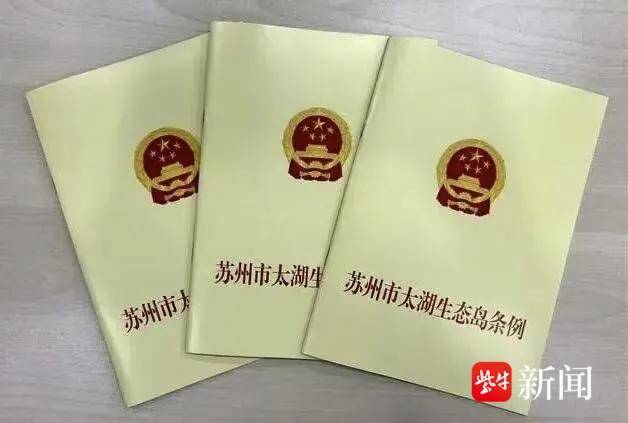
加快农业农村现代化 扎实推进乡村全面振兴——访农业农村部党组书记、部长韩俊
Jing Ji Ri Bao· 2025-12-29 22:36
Core Viewpoint - The article emphasizes the strategic importance of accelerating agricultural and rural modernization as a key component of China's overall modernization efforts, particularly during the 14th Five-Year Plan period [2][3]. Group 1: Significance of Agricultural and Rural Modernization - Agricultural and rural modernization is a major task for building a modern socialist country, as it directly impacts the overall progress and quality of China's modernization goals [2]. - It serves as a foundational support to address various risks and challenges, stabilizing the agricultural sector to ensure food security and economic stability amid external uncertainties [2]. - The modernization of agriculture and rural areas is essential for meeting the people's needs for a better life, as it relates to both economic and political stability [3]. Group 2: Current Conditions and Achievements - Since the 18th National Congress, significant progress has been made in agricultural modernization and rural revitalization, including stable grain production at over 1.3 trillion jin (approximately 650 million tons) annually, with a record high of 14,298 billion jin this year [4]. - The achievements in poverty alleviation have been consolidated, with over 30 million people employed in poverty-stricken areas, and the establishment of a monitoring and support system to prevent a return to poverty [4][5]. - Agricultural modernization has advanced significantly, with a contribution rate of agricultural science and technology exceeding 64%, and a mechanization rate of 76.7% for major crops [5]. Group 3: Strategic Tasks for Implementation - The 14th Five-Year Plan outlines several strategic tasks to ensure the implementation of agricultural and rural modernization, including enhancing agricultural production capacity and quality, and establishing a robust food security framework [8]. - A mechanism for preventing poverty and ensuring sustainable development is to be established, focusing on targeted support for underdeveloped areas and maintaining stability in post-poverty alleviation policies [9]. - Efforts will be made to improve rural living conditions and infrastructure, ensuring that rural areas are equipped with modern amenities and services [10]. Group 4: Policy and Support Mechanisms - The article highlights the need for a multi-faceted investment approach to support rural revitalization, including financial, social, and governmental participation [11]. - Policies will be strengthened to ensure the stability of land contracts and support the development of new agricultural business entities, enhancing the overall agricultural operating system [11]. - The importance of agricultural support policies, including price, subsidy, and insurance mechanisms, is emphasized to maintain reasonable prices for key agricultural products and incentivize farmers [11].
南华浩淞大豆气象分析报告:巴西产区进入营养生长阶段,阿根廷关注降雨情况
Nan Hua Qi Huo· 2025-12-29 13:11
1. Report Industry Investment Rating - No relevant content found 2. Core Viewpoints of the Report - The overall soybean planting in Brazil and Argentina is progressing well, but attention should be paid to the rainfall in Argentina in the next two weeks [1][2][15][39] 3. Summary by Related Catalogs 3.1 Brazil's Meteorological Situation - Brazil's national soybean sowing progress has reached 97.6%, and the crops are generally in good growth, gradually recovering from the negative impact of uneven rainfall in December [1][15] - In the central region, it has entered the vegetative growth stage, and the replanted areas in the east and south are at the historical average level [1][15] - In Mato Grosso and Mato Grosso do Sul, continuous rainfall is conducive to most areas entering the reproductive growth stage and showing good yield potential [1][15] - In Goiás, the planting work is nearing completion, the rainfall has returned to normal, and the problems of soil moisture shortage and uneven growth have been alleviated [1][15] - In Minas Gerais, sowing is basically completed, but excessive rainfall in some areas has delayed the fertilization progress [1][16] - In Paraná, about one - third of the area has entered the grain - filling stage, and most crops are growing well [1][16] - In Rio Grande do Sul, effective precipitation has alleviated the previous soil moisture shortage and created favorable conditions for the germination of areas sown in early December [1][16] 3.2 Argentina's Meteorological Situation - Argentina's sowing progress has increased by 8.2% week - on - week to 75.5%, with a good rate of 99% and a water sufficiency rate of 96% [2][39] - The first - sown soybeans have entered the late growth stage, and the planting in the northern Pampas agricultural area continues. Recent significant rainfall in the northeast is beneficial for soil moisture recovery [2][39] - About 10% of the planted area has entered the vegetative growth stage, mainly in the central and southern regions, with sufficient soil moisture [2][39] - The second - season soybean planting has completed 57.9%, and the central and southern regions are progressing well. However, there may be a decrease in rainfall in the next two weeks, so rainfall needs to be continuously monitored [2][39] 3.3 International Soybean Annual Focus Points - January: U.S. soybean exports, South American production, global soybean ending stocks, and Chinese imports [57] - February: U.S. exports, Chinese imports, Chinese stocks, and (planting intention forecast) [57] - March: Brazilian exports, South American production, and U.S. sown area [57] - April: South American production, U.S. sown area, and Brazilian exports [57] - May: U.S. and Chinese sown areas, and Brazilian exports [57] - June: U.S. yield per unit area and Brazilian exports [57] - July - September: U.S. yield per unit area [57] - October: U.S. yield per unit area, production, and South American planting area [57] - November - December: U.S. production, South American planting area, and U.S. exports [57] 3.4 Soybean Growth Cycle and Weather Requirements - Planting period: The average daily temperature of the 5 - cm soil layer at the beginning of sowing should reach 10 - 12°C. After germination, the suitable temperature for seedling growth is 15 - 25°C, and the moisture should be maintained at 60% - 70%. Disaster risks include floods and extreme drought [65] - Blooming period: The suitable temperature is 20 - 28°C, and the soil water content should be 70% - 80%. Disaster risks include floods, droughts, etc. [65] - Growth period: The suitable temperature is 21 - 23°C, and the soil field water - holding capacity should be about 70%. Disaster risks include heatwaves, droughts, and pests [65] - Harvest period: The suitable temperature is 15 - 25°C, the air relative humidity should be 50% - 60%, and the soil moisture should be about 40% - 50% of the field water - holding capacity. Disaster risks include continuous rainfall and storms [65]

“翡翠尖儿”的山海之旅
Xin Lang Cai Jing· 2025-12-28 22:35
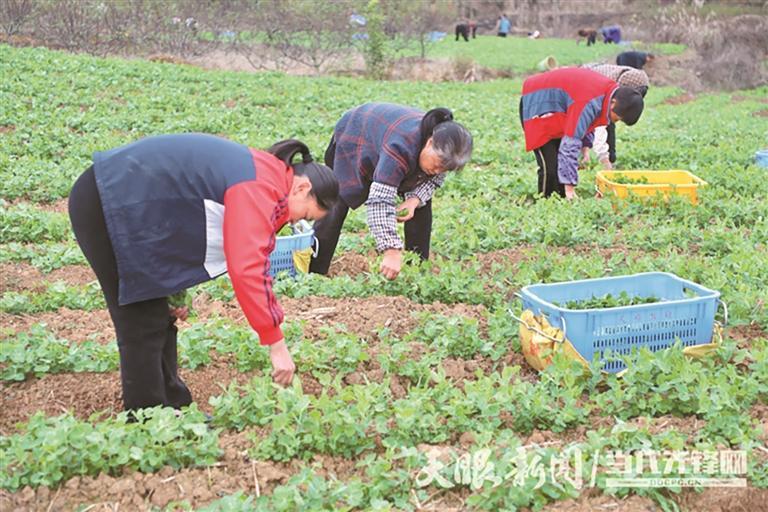
Group 1 - The company, Guizhou Yishao Agricultural Co., Ltd., is engaged in "order agriculture," specifically cultivating pea shoots tailored for the Guangdong-Hong Kong-Macao Greater Bay Area market, with an expected gross income of approximately 6 million yuan from 600,000 jin of pea shoots this year [2] - The cultivation area for pea shoots is 400 mu, and the company has established a supply chain that ensures the produce reaches the market within about 48 hours after harvest [3] - The company is implementing a crop rotation model of "pea shoots + sorghum/rice," which enhances soil fertility and increases overall agricultural productivity, leading to doubled economic benefits [3] Group 2 - The harvesting of pea shoots provides significant income opportunities for local villagers, with individuals earning around 70 to 80 yuan per day during the harvest season [2] - The company has a strategic plan for future crop cycles, indicating a commitment to sustainable agricultural practices and maximizing land use efficiency [3] - The fresh produce is quickly processed and packaged for distribution, highlighting the importance of logistics in the agricultural supply chain [3]

[回眸“十四五”·高质量发展这五年]“辣子哥”的致富路越跑越宽
Xin Lang Cai Jing· 2025-12-27 22:49
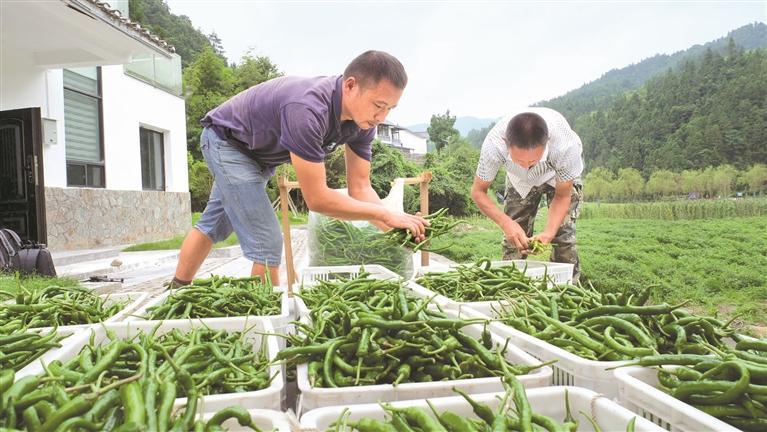
转自:贵州日报 尹熊飞在农户家收辣椒。 黎福慧 摄 贵州日报天眼新闻记者 万芬 记者走进冬日雨后初霁的铜仁市江口县德旺乡坝梅村,踏入农村经纪人尹熊飞的院子,三辆车整齐排列—— 面包车、小型轻卡车、货车,格外引人注目。 尹熊飞敏锐察觉到辣椒市场需求大、销路稳定,便回家试种10亩地。然而,理想与现实碰撞,首战便遭遇挫 折。由于缺乏种植经验,对市场行情判断失误,当年10亩辣椒不仅没赚钱,还亏了2万元。但他并未气 馁:"虽然亏了,但我心里反而有底了——这证明辣椒这条路走得通,只是我还差'火候'。" 2021年春,尹熊飞一头扎进印江、江口两县的农贸市场,精心筛选出适合本地市场的优质辣椒种。种子问题 解决后,新难题接踵而至:大面积种植需要人力,可村里老人虽会种地却不会用农机。"我发现村民们犁地 不会用机械,于是想出和他们互换劳务的方法。"尹熊飞笑着说,这种互利互助的方式,不仅拉近了邻里距 离,更让种植面积和效率双双提升。 当年夏天,尹熊飞的10亩辣椒经受住了市场考验,卖出5万元。"市场对了,销路畅了,村民们也都主动上门 来找我了。" 2022年,在他的带动下,村里30户农户跟着种植了100亩辣椒。辣椒成熟季,尹熊飞每天挨 ...
玉米类市场周报:进口玉米成交较好,提振盘面震荡收涨-20251226
Rui Da Qi Huo· 2025-12-26 08:56
进口玉米成交较好 提振盘面震荡收涨 研究员:许方莉 期货从业资格号F3073708 期货投资咨询从业证书号 Z0017638 取 更 多 资 讯 联系电话:0595-86778969 关 注 我 们 获 业 务 咨 询 添 加 客 服 瑞达期货研究院 「2025.12.26」 玉米类市场周报 目录 1、周度要点小结 2、期现市场 3、产业情况 4、期权市场分析 「 周度要点小结」 总结及策略建议 3 Ø 玉米: Ø 行情回顾:本周玉米期货震荡上涨。主力2603合约收盘价为2222元/吨,较上周+30元/吨。 Ø 行情展望:美玉米步入出口旺季,阶段性供应压力较高。不过,美玉米出口状况良好,且USDA将 2025/26年度美玉米结转库存预测值从上月的21.54亿蒲式耳下调至20.29亿蒲式耳,低于分析师预 期的21.24亿蒲式耳,对美玉米价格有所支撑。国内方面,东北产区今年售粮进度同比偏快,粮质 整体较好,基层种植户售粮意向一般,火运发运量明显减少,下游需求支撑不足,粮点及烘干塔 随行出货为主,上量较为有限,成交情况不理想。受畜禽养殖行情不景气。饲料企业补库积极性 减弱,深加工企业库存水平相对安全,对高价玉米接受 ...

棉花(纱)市场周报-20251226
Rui Da Qi Huo· 2025-12-26 08:56
瑞达期货研究院 「2025.12.26」 棉花(纱)市场周报 研究员:王翠冰 期货从业资格号F03139616 期货投资咨询从业证Z0021556 关 注 微信客 服 号 目录 1、周度要点小结 2、期现市场 3、产业情况 4、期权及股市关联市场 「 周度要点小结」 行情回顾:本周郑棉主力2601合约价格上涨,周度涨幅约3.71%。 行情展望:据美国农业部(USDA)报告显示,12月11日止当周,2025/26年度美国陆 地棉出口销售净增30.47万包,较前周增加99%,较前四周均值增加95%。2025/26 年度美国陆地棉出口装运量13.44万包,较前周增加32%,较前4周平均水平增加 17%。当周美国棉花出口签约量、装运量环比均增加。国内市场:供应端,虽然当 前产量较大,且全国棉花公检量已接近600万吨,但2026年国内外植棉面积有望下 调预期升温,加之籽棉收购成本固化也提供较强支撑。需求端,新疆纱厂订单充足, 高支纱相对紧缺,纺织开机率高于去年同期,企业按需补库。另外中美关税缓和利 好纺织品出口,11月棉纱进口同比大增,外销需求支撑较强,短期棉价延续反弹态 势。 未来交易提示: 业务咨询 添加客服 1、 ...
江西万载:小百合撬动大产业
新华网财经· 2025-12-26 02:59
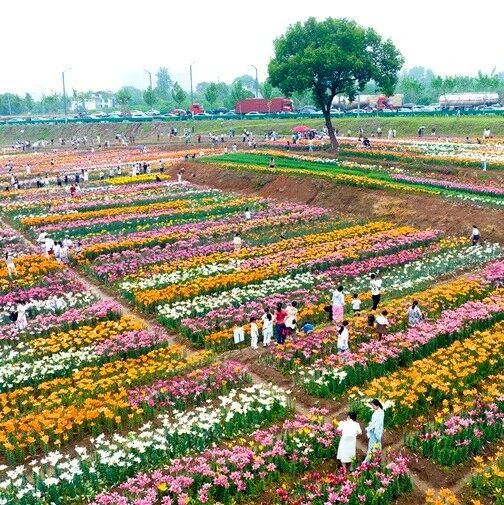
Core Viewpoint - The article highlights the development of the lily industry in Wanzai County, Jiangxi Province, focusing on resource endowment and the establishment of a full industrial chain to upgrade the lily industry through various measures such as element assurance, production supply, brand creation, and sales circulation [1]. Group 1: Industry Development - Wanzai is one of the three major lily production areas in China, with a cultivation history of over 500 years. However, issues such as toxic bulbs, continuous cropping obstacles, and low yield have hindered the development of the lily industry [2]. - In 2022, Wanzai County collaborated with the Chinese Academy of Agricultural Sciences to establish a virus-free breeding laboratory for Longya lily, innovating techniques for breeding, high-yield cultivation, and overcoming continuous cropping obstacles [2]. - By 2024, the average weight of lily bulbs reached 0.24 kg, and the yield per mu increased from 1,000 kg to 1,900 kg [2]. Group 2: Technological Innovations - The virus-free breeding process enhances disease resistance and overall yield of lilies, as explained by the head of Wanzai Woqi Ecological Agriculture Development Co., Ltd. [3]. - Soil disinfection technology has been implemented to eliminate harmful bacteria, fungi, and viruses, allowing for increased production and income [2]. Group 3: Product Development and Economic Impact - Wanzai registered the "Longya Lily" geographical indication trademark in 2009, establishing a full industrial chain from farm to table [6]. - The county has developed over 30 deep-processed products, including lily powder, lily pastries, lily beverages, and dried lily slices [6]. - Currently, the planting area for Wanzai lilies exceeds 6,000 mu, benefiting over 2,000 households with an average annual income increase of 50,000 yuan, and the total industrial chain output value has surpassed 300 million yuan [7].
日度策略参考-20251226
Guo Mao Qi Huo· 2025-12-26 02:36
Report Industry Investment Ratings - Bullish: Carbonate Lithium, BR Rubber [1] - Bearish: Palm Oil, Soybean Meal, Rapeseed Oil [1] - Neutral (Oscillating): Stock Index, Treasury Bonds, Copper, Aluminum, Alumina, Zinc, Nickel, Stainless Steel, Tin, Gold, Platinum, Industrial Silicon, Polysilicon, Rebar, Hot Rolled Coil, Iron Ore, Ferroalloy, Glass, Coke, Coking Coal, Cotton, Sugar, Piglets, Pulp, Logs, Live Pigs, Crude Oil, Bitumen, MEG, Short - Fiber, Styrene, Propylene, Butadiene, Ethylene, Propylene Oxide, Chlor - Alkali, LPG, Container Shipping to Europe [1][2] Core Views - The stock index is expected to remain strong in the short - term after breaking through the previous shock range, while the bond futures are affected by asset shortage and weak economy but face interest - rate risks in the short - term [1]. - Metal prices are mainly affected by macro - sentiment, industrial fundamentals, and policy factors. For example, nickel and stainless - steel prices are influenced by Indonesian policies, and tin prices are affected by industry initiatives and geopolitical situations [1]. - In the energy and chemical sector, factors such as OPEC+ policies, supply - demand relationships, and cost changes affect prices. For instance, BR rubber is supported by cost and market sentiment, and PTA benefits from strong PX prices and high polyester consumption [1]. - Agricultural product prices are affected by factors such as production expectations, supply - demand relationships, and weather conditions. For example, palm oil has a bearish outlook due to supply expectations, and cotton is in a state of "supported but no drive" [1]. Summary by Categories Stock Index and Bonds - Stock Index: The market sentiment and liquidity are in good condition. The index broke through the previous shock range and is expected to remain strong in the short - term [1]. - Treasury Bonds: Asset shortage and weak economy are favorable, but the central bank has warned of interest - rate risks in the short - term. Attention should be paid to the Bank of Japan's interest - rate decision [1]. Metals - Copper: The industrial situation is weak, and the macro - sentiment is volatile, resulting in high - level oscillations [1]. - Aluminum: The driving force in the electrolytic aluminum industry is limited, and the macro - sentiment is volatile, leading to price oscillations [1]. - Alumina: The domestic fundamentals are weak, and the price remains low in the short - term [1]. - Zinc: The fundamentals have improved, the cost center has moved up, and the negative factors have basically been realized. The price is expected to oscillate strongly as market risk appetite improves [1]. - Nickel: Global nickel inventory is high, but supply concerns have led to a recent sharp rebound in Shanghai nickel. The Indonesian policy has not been implemented but is difficult to disprove. The price may oscillate strongly in the short - term, and the long - term supply of primary nickel is in surplus [1]. - Stainless Steel: The raw material price has stabilized, the social inventory has decreased slightly, and steel mills have increased production cuts in December. The futures price is expected to oscillate strongly in the short - term [1]. - Tin: Affected by the industry initiative, the price oscillates weakly in the short - term. Considering the tense situation in Congo - Kinshasa and the improved market risk appetite, low - buying opportunities are recommended [1]. - Gold: After reaching a record high, it may oscillate at a high level in the short - term due to strong US economic data and weakened interest - rate cut expectations [1]. - Platinum: The domestic futures price has a large premium over the spot and foreign markets, and the market is expected to be volatile. Rational participation is recommended [1]. Energy and Chemicals - Crude Oil: Affected by OPEC+ policies, the Russia - Ukraine peace agreement, and US sanctions on Venezuela, the short - term supply - demand contradiction is not prominent [1]. - Bitumen: It follows crude oil in the short - term. The supply of Marey crude oil is sufficient, and the profit is relatively high [1]. - BR Rubber: The transaction has improved, the cost has increased, and the market sentiment is strong due to rumors of a factory shutdown [1]. - PTA: The PX price is strong, the PTA device operates at a high load, and the polyester consumption is high [1]. - MEG: Supply - side news has stimulated a rebound, and the polyester downstream demand is better than expected [1]. - Styrene: The cost has some support, the market sentiment has improved slightly, but the inventory is high [1]. Agricultural Products - Palm Oil: High - frequency data has improved, but the supply in the producing areas is expected to be loose. Rebound selling is recommended [1]. - Cotton: It is currently in a state of "supported but no drive". Attention should be paid to policies, planting intentions, and weather conditions in the future [1]. - Sugar: There is a global surplus and an increase in domestic supply. The short - term fundamentals lack continuous drive [1]. - Piglets: Affected by weather and supply - demand relationships, the price is expected to oscillate weakly in the short - term, with limited decline [1]. - Soybean Meal: There is a risk of selling pressure due to high - yield expectations, and the price is affected by reserve rumors [1]. - Pulp: Affected by weak demand and strong supply expectations, unilateral investment is recommended to be on the sidelines, and 1 - 5 reverse spreads can be considered [1]. - Logs: Affected by external quotes and spot price declines, the 01 contract is expected to oscillate weakly [1]. - Live Pigs: The supply is yet to be fully released, and the price is affected by demand support and inventory [1].
全国6席、全省唯一!苏州吴中“两山”转化实践获农业农村部全国推介
Yang Zi Wan Bao Wang· 2025-12-25 09:00
Core Viewpoint - The "China Rural Sustainable Development Report (2015-2024)" highlights innovative practices in ecological and agricultural transformation, with Wu Zhong District representing Jiangsu Province as a successful case in promoting common prosperity through ecological initiatives [1] Group 1: Institutional Framework - Wu Zhong District has established Jiangsu Province's first special regulation for islands, the "Suzhou Taihu Ecological Island Regulation," creating a comprehensive institutional framework for ecological protection [2] - The framework includes "1 regulation + 2 planning lists + 2 compensation assessment mechanisms," ensuring legal support for ecological protection efforts [2] Group 2: Ecological Compensation Mechanism - Wu Zhong District has developed a comprehensive ecological compensation mechanism covering "mountains, waters, forests, fields, lakes, and grass," introducing diverse methods such as "labor compensation" to benefit protectors [4] - The district has conducted ecological product value accounting, estimating the GEP of Jinting Town's ecological island at 5.6 billion, providing measurable value to ecological benefits [4] Group 3: Industrial Ecology - The district promotes ecological transformation in agriculture, implementing organic fertilizer usage and "dual control" of fertilizers and pesticides, resulting in a significant reduction in nitrogen and phosphorus pollution [5] - The introduction of smart agricultural technologies has led to a 44% reduction in average costs per mu and increased yields, showcasing the shift from experience-driven to data-driven farming [5] Group 4: Ecological Industrialization - Wu Zhong District aims to convert ecological advantages into developmental benefits, enhancing the economic value of its beautiful landscapes [7] - The district successfully increased the brand value of "Dongting Mountain Biluochun" from 6.153 billion to 10.508 billion, boosting the market competitiveness of its agricultural products [8] Group 5: Agricultural and Tourism Integration - The integration of agriculture, culture, and tourism is a key strategy for ecological industrialization, with nearly 1,400 leisure agriculture entities and 498 registered tourism homestays [8] - The district's initiatives have attracted over 200,000 visitors in single events, generating tourism revenue exceeding 10 million, fostering a development model that enhances agriculture through tourism [8] Group 6: Economic Growth and Common Prosperity - The innovative "order agriculture + shareholding cooperation" model has increased the average income of over 20,000 tea farmers from 4,000 to 12,000 [9] - The total assets of village collectives in the district have reached 20.6 billion, with an average income of 1.83 million per village, indicating a widening path towards common prosperity [9] - Wu Zhong District plans to continue deepening ecological value transformation and promote rural revitalization as a model for sustainable development [9]
潘帕斯草原地区存在干旱风险 晚籼稻主力合约一动不动
Jin Tou Wang· 2025-12-25 02:59
Group 1 - The core viewpoint of the news indicates that the main contract for late indica rice futures remains stable at 2535.00 yuan/ton as of December 25 [1] Group 2 - A report from an institution forecasts Argentina's corn production for the 2025/26 season to be 54.1 million tons, a 1% decrease from the previous estimate, with a range between 46.8 million and 59.9 million tons due to drought risks in the Pampas region [2] - As of December 23, Argentina has completed 81% of its total corn planting progress, slightly behind last year's 82% [3] - In the United States, 50% of major corn-producing states are expected to experience temperatures below normal levels in the next 6-10 days, while 50% of the areas are likely to see precipitation close to normal levels [3]