
操作系统

Search documents
开源鸿蒙代码规模已超1.3亿行;智元机器人完成新一轮融资|数智早参
Mei Ri Jing Ji Xin Wen· 2025-05-25 23:01
Group 1 - The open-source HarmonyOS has exceeded 130 million lines of code, with over 8,600 contributors and more than 1,100 compatible software and hardware products across various industries [1] - The open-source model promotes collaboration and innovation, breaking traditional technology monopolies and enabling a collective effort in the development of autonomous operating systems [1] Group 2 - Zhiyuan Robotics has completed a new round of financing, with JD Technology and Shanghai Embodied Intelligence Fund becoming new shareholders [2] - The Shanghai Embodied Intelligence Fund, established in April 2025, focuses on investments in the embodied intelligence industry chain [2] - The development of the embodied intelligence industry requires collaboration among government policies, capital support, corporate innovation, and market cultivation [2] Group 3 - NVIDIA plans to launch a new AI chip for the Chinese market based on the Blackwell architecture, with prices significantly lower than the previous H20 chip, expected to start mass production in June [3] - The new AI processor is priced between $6,500 and $8,000, indicating a potentially lower specification and simplified manufacturing process compared to the H20 [3] - The Chinese semiconductor industry is poised for new development opportunities driven by external pressures and market demand, necessitating ongoing efforts in technological innovation and market expansion [3]


捷报频传!中国科技仿佛进入了“井喷期”
Bei Jing Ri Bao Ke Hu Duan· 2025-05-23 23:43
Group 1 - Xiaomi officially launched its self-developed 3nm mobile SoC chip "Xuanjie O1" on May 22, marking it as the fourth company globally to release a self-developed 3nm chip after Apple, Qualcomm, and MediaTek [1][3][7] - The release of "Xuanjie O1" signifies a critical step for China's chip industry, transitioning from "following" to "leading" in high-end chip development, and showcases the country's growing self-design capabilities [10][7] - The recent advancements in Chinese technology, including breakthroughs in domestic chips and operating systems, indicate a shift from "technology following" to "standard leading," with significant releases from companies like Huawei and Xiaomi [3][7] Group 2 - Huawei's CloudMatrix 384, unveiled on May 16, introduces a new AI computing infrastructure, enhancing processing efficiency and breaking traditional GPU limitations [5][10] - The launch of Huawei's Harmony OS laptops further solidifies its ecosystem, establishing Harmony OS as a competitive operating system alongside Windows and MacOS [7][10] - The successful test flight of the domestically developed C919 aircraft on May 18 marks a significant milestone in China's aviation industry, breaking the previous monopoly held by Airbus and Boeing [12][10] Group 3 - The AG600 "Kunlong" amphibious aircraft's successful test flight on May 18 demonstrates China's advancements in multi-purpose aircraft, crucial for disaster response and emergency rescue [14][10] - The introduction of the "Ji Xiang Fang Zhou" hospital ship enhances China's maritime medical capabilities, aligning with international standards and improving emergency response [24][26] - The emergence of various advanced technologies in both civilian and military sectors reflects a broader trend of technological accumulation leading to significant breakthroughs in China's strategic capabilities [30][10]

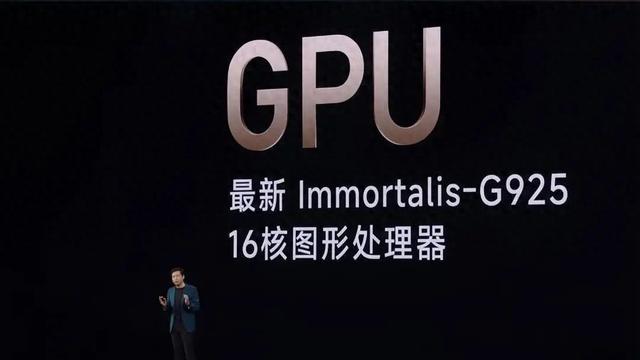
2025年鸿蒙生态全场景流量分析报告
艾瑞咨询· 2025-05-23 09:42
Core Insights - The article discusses the evolution of the internet traffic ecosystem and the development trends of the HarmonyOS ecosystem, highlighting the challenges faced by the mobile internet and the transformative potential of HarmonyOS in creating a new traffic ecosystem [1][5][7]. Internet Traffic Ecosystem - The mobile internet is experiencing a growth bottleneck, with a compound growth rate of only 0.08% in the number of independent devices over the past five years, indicating a saturation of the market and a decline in user dividends [7]. - The current traffic distribution model is limited by ecological fragmentation and technical bottlenecks, necessitating a shift towards a more integrated and efficient traffic ecosystem [10][11]. HarmonyOS Development Trends - HarmonyOS is positioned as a key player in the next-generation traffic ecosystem, leveraging its distributed architecture to facilitate seamless communication across multiple devices and enhance user experience [19][22]. - The ecosystem's core capabilities include full-scene coverage across multiple devices and AI-driven efficiency improvements, which are essential for creating a smart and interconnected user experience [25][30]. Advantages of HarmonyOS Ecosystem - HarmonyOS has emerged as the third-largest mobile operating system globally, providing a competitive alternative to Android and iOS, and is recognized for its unique technological advantages [28]. - The ecosystem's distributed architecture allows for the integration of various traffic sources, creating a comprehensive commercial monetization loop [30]. - HarmonyOS emphasizes security with the highest industry standards, enhancing user trust and experience [37]. User Insights - The user base of HarmonyOS primarily consists of young to middle-aged professionals, predominantly male, with a high level of education and income, indicating strong purchasing power and a preference for high-quality products [60][62]. - Users exhibit a high acceptance of online advertising, with nearly 70% open to it, and a significant portion likely to make purchases after viewing ads [75][76]. Marketing Solutions - The article outlines various marketing solutions tailored for different industries, including automotive, luxury goods, health, and food and beverage, leveraging the capabilities of the HarmonyOS ecosystem to enhance brand visibility and consumer engagement [95][99][103][105].

美国禁令成“神助攻”?中国芯片逆袭打破美国“卡脖子”魔咒
Xin Lang Cai Jing· 2025-05-23 05:26
Group 1 - The recent U.S. ban on Huawei's Ascend AI chips has shown a pattern of inconsistent policy, initially declaring global use of Huawei chips illegal, then shifting to a "risk warning" shortly after, reflecting confusion in U.S. strategy and highlighting China's resilience in technology [1][3] - Despite the U.S. tech war, China has not been significantly hindered; instead, it has made strides in technology, with Huawei's Ascend chips performing competitively at 40% of the price of international counterparts, and countries like Saudi Arabia and the UAE purchasing them [3][5] - Chinese companies like Xiaomi have developed 3nm chips, achieving top-tier design capabilities, while advancements in domestic operating systems, electric vehicles, and large model technologies are emerging as new global options [3][5] Group 2 - The U.S. blockade appears counterproductive, with companies like NVIDIA projected to lose $15 billion due to the ban, leading to complaints that the U.S. is ceding market share to China [5] - The underlying issue is the underestimation of China's innovative capacity, as restrictions have inadvertently spurred the development of alternatives, such as Huawei's backup plans and advancements in 3D stacking technology [5][7] - China's response to U.S. attempts to ban Huawei's chips has been assertive, warning that any organization or individual assisting U.S. measures will be held accountable, undermining the legitimacy of U.S. legal claims [7][8] Group 3 - The ongoing competition can be likened to building walls versus creating bridges, with China's technological advancements illuminating a path of diverse coexistence [8] - The narrative of innovation suggests that true progress cannot be stifled, as it is rooted in market demand and thrives on open collaboration, ultimately flourishing through resilience in adversity [8]
鸿蒙折叠电脑官网预约量超10万
第一财经· 2025-05-22 06:08
Core Viewpoint - Huawei's HarmonyOS is becoming a key factor for the company's market breakthrough, especially with the launch of new devices like the Nova series and HarmonyOS-powered computers, indicating a significant penetration into the mainstream consumer market [3][10]. Group 1: Product Launch and Market Response - The pre-order volume for HarmonyOS computers has reached nearly 140,000, with over 100,000 for the HarmonyOS foldable computer priced from 23,999 yuan [3]. - The inventory for the Nova series smartphones is double that of the previous generation, suggesting optimistic sales prospects [3]. - Huawei's CEO of Terminal BG, He Gang, emphasized the importance of differentiated experiences in attracting users to the new system [4]. Group 2: AI Integration and Development Strategy - Huawei has established a strategic project named "543" to develop competitive flagship smartphones, focusing on integrating AI capabilities into HarmonyOS [5]. - The AI assistant, Xiaoyi, is evolving to become an integral part of HarmonyOS, enhancing user interaction through advanced language models and emotional recognition [6]. - As of the end of last year, over 20,000 native HarmonyOS applications and services have been launched, with a target of reaching 100,000 applications to meet consumer demand [6]. Group 3: Market Position and Future Outlook - Huawei's market share in the Chinese smartphone market reached 19.4% in Q1, driven by strong demand for the Nova 13 and flagship Pura 70 series [10]. - HarmonyOS has surpassed Apple's iOS in market share for four consecutive quarters, reaching 19% in Q4 2024, while Android holds 64% [10]. - The future growth of HarmonyOS will depend on maintaining a production scale of several tens of millions of units annually to support its overseas ecosystem [10].
开物成务,大咖品读《鸿蒙开物:终端操作系统破晓之路》
Sou Hu Cai Jing· 2025-05-16 07:20
Core Insights - The launch of the book "Hongmeng Kaiwu: The Dawn of Terminal Operating Systems" marks a significant milestone in the narrative of China's technological advancements, particularly in the context of the Hongmeng operating system's development from inception to its current state [2][36] - The book serves as a comprehensive account of Huawei's journey in creating the Hongmeng operating system, highlighting the challenges faced and the innovative strategies employed to overcome them [10][50] Group 1 - The book details the evolution of the Hongmeng operating system, portraying it as a monumental case study of a company transforming from weakness to strength [5][10] - It emphasizes Huawei's philosophy of "survival" leading to "thrive," showcasing the company's resilience in the face of external pressures [8][50] - The narrative includes insights from over 100 interviews with key figures involved in the Hongmeng project, providing a rich historical context and valuable lessons for the industry [10][45] Group 2 - The book illustrates how the Hongmeng operating system represents a strategic response to the global technological landscape, particularly in light of U.S. sanctions against Huawei [19][39] - It discusses the importance of building a robust ecosystem around the operating system, which is crucial for its success in the consumer market [19][30] - The narrative positions Hongmeng as a symbol of China's shift from being a follower in technology to becoming a leader, offering a unique perspective on innovation and ecosystem development [16][36] Group 3 - The book is described as a significant contribution to understanding the dynamics of technological innovation in China, akin to the historical significance of "two bombs and one satellite" [42] - It highlights the need for openness and caution against extreme nationalism in the context of technological advancement [42] - The publication is expected to inspire industry peers to engage in the ongoing technological revolution represented by Hongmeng [16][36]
方兴东、徐玮| 三分天下有其一:NEXT之后的next
Guan Cha Zhe Wang· 2025-05-15 01:10
Core Insights - Huawei's future remains uncertain, with CEO Ren Zhengfei expressing a crisis awareness regarding the company's survival amidst competition from other Chinese firms that are not under sanctions and possess superior chip capabilities [2] - The development of the HarmonyOS is seen as a strategic move to compete globally against Android and iOS, with the goal of establishing a significant presence in the operating system market [2][3] Group 1: HarmonyOS Development and Strategy - HarmonyOS is positioned as a collaborative ecosystem that requires participation from various industries, emphasizing a symbiotic relationship rather than a hierarchical one [4][6] - The ecosystem's growth is not solely Huawei's responsibility; it calls for contributions from developers, government, and enterprises to create a robust native ecosystem [4][6] - The ambition is to achieve a market share where HarmonyOS competes alongside iOS and Android, with a vision of "one-third of the market" [17] Group 2: Technological Challenges and Opportunities - The lack of core technologies such as operating systems and processors in China has hindered the establishment of a comprehensive industrial ecosystem [3][7] - The emergence of HarmonyOS is seen as a critical step in addressing the technological gap between China and Western countries, particularly in foundational technologies [7][8] - The development of HarmonyOS is not just a Huawei initiative but a broader movement for China's technological independence and resilience against geopolitical challenges [8][9] Group 3: Educational and Industrial Impact - HarmonyOS has been integrated into educational curricula, marking a significant shift in how technology is taught in Chinese universities [11][12] - The collaboration between educational institutions and industry is fostering a new generation of talent equipped to contribute to the HarmonyOS ecosystem [12] - The advancements in HarmonyOS are expected to drive innovation across various sectors, including transportation and smart devices, showcasing its practical applications [13][14] Group 4: Market Position and Global Strategy - Huawei's strategy includes solidifying its domestic market presence before expanding internationally, particularly in light of challenges in the U.S. market [19][22] - The company aims to create a unique identity for HarmonyOS that resonates with users who appreciate Chinese culture and technology, differentiating it from Western applications [22] - The future of HarmonyOS hinges on maintaining a balance between domestic growth and international aspirations, with a focus on building a sustainable ecosystem [22][23]
0511脱水研报
2025-05-12 01:48
今日研报内容: 【本文来自持牌证券机构,不代表平台观点,请独立判断和决策】 摘要: 1、光模块:本轮光模块板块自5月初以来强势反弹,重新出现了主流资金的回归。国盛证券 研报从产品迭代节奏、CPO技术定位、无源器件、行业格局等多角度再度梳理板块机会,板 块估值与基本面双修复,正值布局良机。 2、人形机器人:国泰海通证券研报指出,触觉是实现灵巧操作的关键,也是人形机器人泛化 落地的核心支撑。除人形机器人之外,触觉传感能力已在仓储机械臂中率先落地应用,将加 速触觉传感器行业的发展。 3、鸿蒙:华为将于5月19日下午正式发布搭载鸿蒙操作系统的"鸿蒙电脑",PC市场重要潜力 叠加信创产业发展大趋势,国产化生态有望加速。 祛魅后的真成长,光模块板块估值与基本面或将 双修复;远不止于人形机器人,这一部件已在机 械臂中批量应用——0511脱水研报 2025/05/11 19:42 4、白酒:浙商证券认为25Q1酒企业绩企稳,顺利度过压力测试,头部酒企韧性强。白酒板 块当前仍处低位,或为此轮调整周期底部区间,优选品牌势能较强、库存更早出清、目标增 速合理的酒企。 正文: 1、祛魅后的真成长!光模块板块估值与基本面或将双修复 国 ...





华为兑现了五年前的阳谋
虎嗅APP· 2025-05-10 03:05
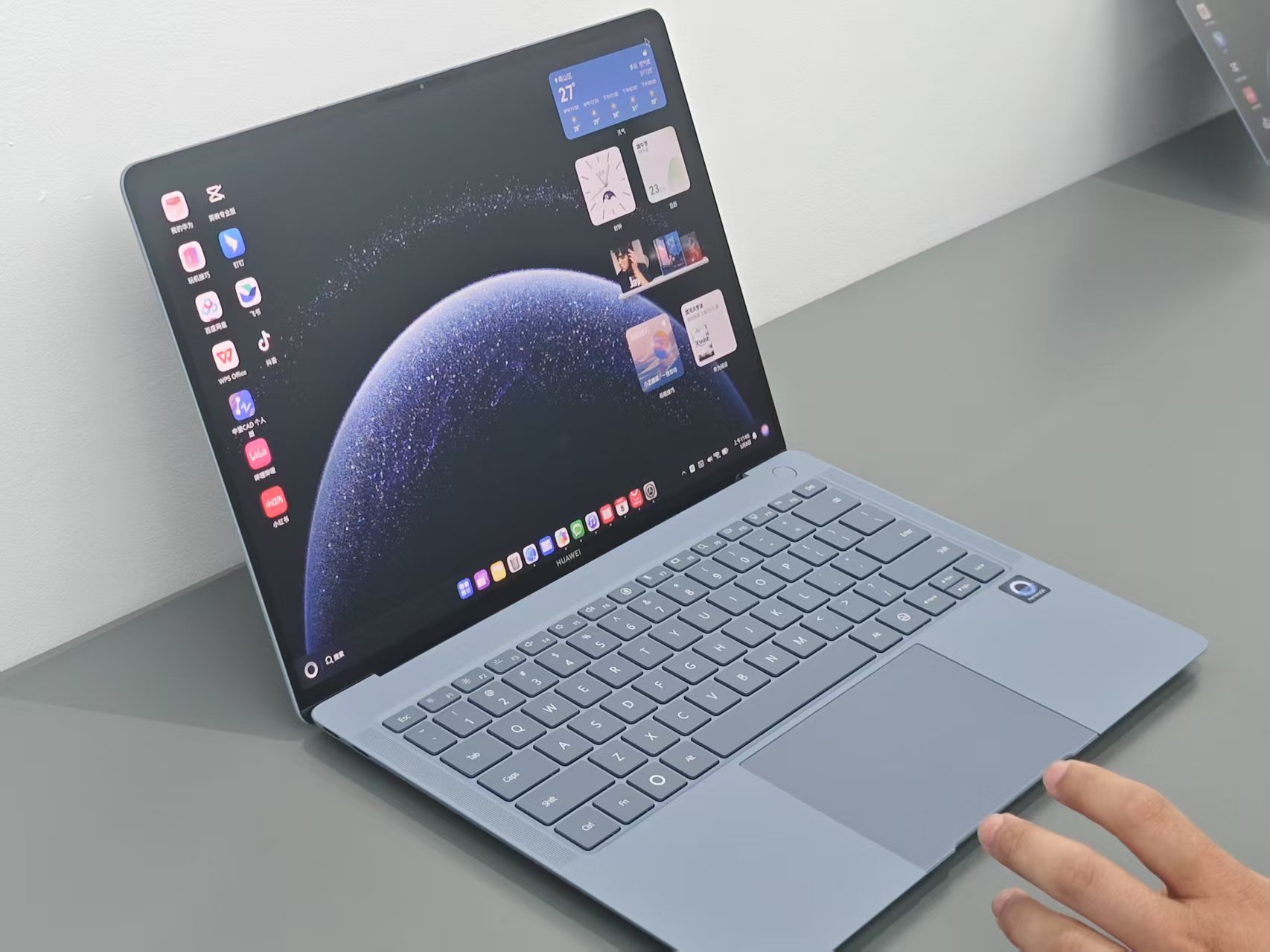
Core Viewpoint - The article discusses Huawei's launch of the HarmonyOS on PCs, highlighting the challenges it faces in competing with the entrenched dominance of Windows in the operating system market [3][4][9]. Group 1: Market Position and Strategy - Huawei has achieved a 11% market share in China's PC market with 4.3 million units shipped in 2024, ranking second [5]. - The push for HarmonyOS PCs is driven by the need for a consistent user experience across devices, especially after the transition of mobile and IoT devices to HarmonyOS [6][7]. - The HarmonyOS PC aims to fill a gap in the domestic "Xinchuang" (信创) product market, which focuses on self-sufficiency in technology to avoid external risks [9][12]. Group 2: Product Features and Development - The HarmonyOS PC has been developed over five years with over 10,000 engineers and 2,700 core patents [7]. - The initial product, Matebook Pro, features a user interface that combines elements from both Windows and HarmonyOS mobile systems, aiming for a more streamlined user experience [14][17]. - Huawei has adapted 300 applications for the HarmonyOS PC, with over 2,000 more in the pipeline, although it still faces a significant gap compared to the millions of applications available on Windows [19][21]. Group 3: Competitive Advantages and Challenges - The native AI capabilities of HarmonyOS may provide a competitive edge, as Windows struggles to integrate AI due to its legacy code and system complexity [26][28]. - The article notes that while HarmonyOS PCs are positioned to capture the government and enterprise market, competing in the consumer market against Windows will be a long-term challenge, potentially taking five to ten years [34][36]. - User habits established over decades with Windows present a significant barrier to adoption for HarmonyOS PCs [37]. Group 4: Long-term Outlook - Despite the challenges, the long-term potential for HarmonyOS PCs is promising, especially given the 900 million users of HarmonyOS across smartphones and IoT devices since its launch in 2019 [38].

影响市场重大事件:华为哈勃入股具身智能机器人研发商千寻智能;首款鸿蒙电脑正式亮相,国产操作系统在个人电脑领域实现重要突破
Mei Ri Jing Ji Xin Wen· 2025-05-08 22:58
Group 1 - Huawei's Hubble Technology has invested in Qianxun Intelligent, a company focused on embodied intelligence and humanoid robot technology [1] - The first HarmonyOS computer has been unveiled, marking a significant breakthrough for domestic operating systems in the PC sector, with over 2,000 applications expected to be supported by the end of the year [2] - The Ministry of Commerce emphasizes the need to enhance consumption through AI integration and the development of AI consumer brands [3] Group 2 - The National Development and Reform Commission (NDRC) plans to launch high-quality projects with a total investment of approximately 3 trillion yuan in key sectors such as transportation and energy [4] - The Ministry of Commerce aims to expand service consumption and improve service supply to meet diverse consumer needs [5] - The Ministry of Commerce expresses willingness to collaborate with other countries to promote the healthy and sustainable development of cross-border e-commerce [6] Group 3 - The Ministry of Commerce projects that the sales volume of old-for-new consumer goods will exceed 1.3 trillion yuan in 2024, contributing to consumption recovery [7] - The government is expanding support for the replacement of digital products and household appliances, increasing the budget for long-term special bonds to 300 billion yuan [8] - The Financial Regulatory Bureau has issued 12.6 trillion yuan in loans to small and micro enterprises, with an average interest rate of 3.66% [9] Group 4 - The NDRC is accelerating the implementation of supporting systems for the Private Economy Promotion Law, with several measures already in place [10] - Roche has announced an investment of 2.04 billion yuan to establish a biopharmaceutical production base in Shanghai, aimed at enhancing local supply chain and production capabilities [11]