
商业航天

Search documents
商业航天行业深度系列(一):以第一性原理推演中国商业航天降本革命
Shanghai Aijian Securities· 2026-01-21 10:19
Investment Rating - The report rates the industry as "stronger than the market" [1] Core Insights - The report concludes that 2026 will mark a turning point for China's commercial aerospace industry, with a shift from state-driven missions to market-driven profitability, driven by the deployment of low-orbit satellite constellations and advancements in reusable rocket technology [1][6] - The commercial rocket launch service market in China is projected to grow from 10.26 billion yuan in 2025 to 47.39 billion yuan by 2030, with a CAGR of approximately 35.8% [1][12] - The report emphasizes that the core components of rocket launch services are engines (54%) and structural components (24%), which together account for 78% of the value in the launch service segment [1][12] Summary by Sections Industry Overview - The commercial aerospace industry is defined as activities that provide aerospace products and services through social capital investment under national policy guidance, including the R&D, manufacturing, launch, and operation of spacecraft and rockets [6][7] - The global aerospace economy is expected to reach $612 billion by 2024, with commercial aerospace revenues accounting for approximately $480 billion, representing about 78% of the total [6][7] Market Dynamics - The demand for satellite launches is expected to surge as China enters a concentrated deployment phase for low-orbit satellite constellations, with over 200,000 satellites planned for deployment [18][19] - The report highlights that the competition for low-orbit frequency resources is intensifying, necessitating faster deployment of satellite constellations [19][21] Cost Structure and Efficiency - The report breaks down the cost structure of rockets, indicating that engines and structural components dominate the value chain [1][12] - It outlines a pathway for reducing launch costs, projecting that the unit cost of launching payloads could decrease significantly as technology advances [1][12] Investment Recommendations - The report suggests focusing on companies involved in key segments such as propulsion systems, satellite communication systems, materials and structural components, and testing and validation services [2][4] - Specific companies to watch include 应流股份 (603308), 斯瑞新材 (688102), and 上海瀚讯 (300762), among others [2][4]


星辰大海:马斯克六大产业链映射
Huachuang Securities· 2026-01-21 10:07
Group 1: Commercial Space Industry - SpaceX - SpaceX is reshaping the cost structure of space launches through reusable rocket technology, with a potential IPO in 2026 valued at $1.5 trillion, aiming to raise over $30 billion [20] - In 2023, SpaceX achieved breakeven, with projected revenue of $15.5 billion in 2025, and plans to produce 10,000 Starship spacecraft annually, boosting its supply chain [20] Group 2: Autonomous Driving - Tesla's Full Self-Driving (FSD) technology is transitioning from an assistive tool to a reliable autonomous workforce, with the Robotaxi fleet expected to grow from 200 vehicles in 2025 to 1,000 in 2026 [2] - The commercialization of autonomous driving is accelerating as the industry approaches a critical inflection point [2] Group 3: Robotics - The third generation of Tesla's Optimus robot is set to be released in Q1 2026, with mass production expected by the end of the year, presenting significant growth opportunities for core suppliers [3] Group 4: Artificial Intelligence - xAI completed a Series E funding round in January, raising $20 billion from major investors like NVIDIA and Cisco, and is a crucial part of Musk's cross-industry collaborative network [4] - xAI leverages real-time data from social media and Tesla to train large models, with potential support from SpaceX's Starlink for computational needs, creating a closed-loop ecosystem [4] Group 5: Brain-Computer Interface - Neuralink plans to begin large-scale production of brain-computer interface devices within the year, focusing on simplifying surgical procedures to lower application barriers [5] Group 6: Underground Tunnel Network - The Boring Company aims to alleviate urban traffic congestion by constructing extensive underground tunnel networks, reducing construction costs and time, and promoting the development of underground transportation systems [6]
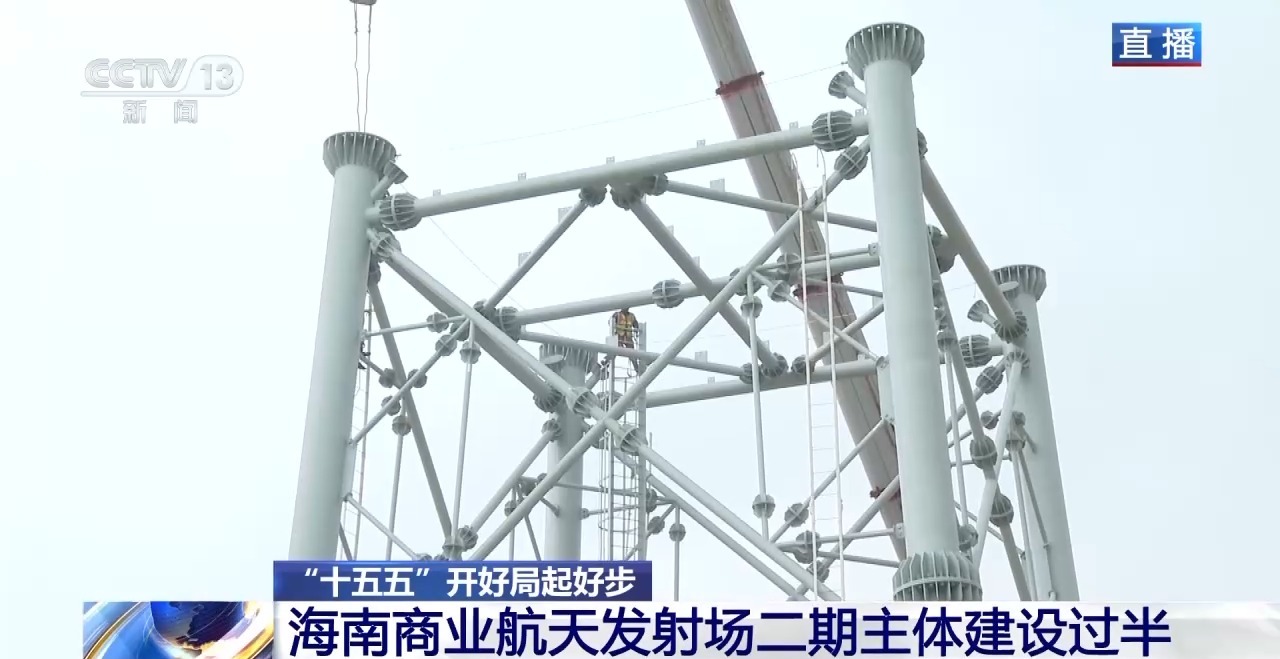
海南商业航天发射场二期主体建设过半
Yang Shi Xin Wen· 2026-01-21 09:15
Core Viewpoint - The innovation power of China's commercial aerospace is continuously gathering, extending from the aerospace industry chain to key technology breakthroughs, with all technological and industrial achievements being validated at the country's commercial launch sites [1]. Group 1: Launch Site Construction - The construction of the 3rd and 4th launch pads in the second phase of the launch site is currently the main project, with over half of the construction completed [2]. - The lightning protection towers for the new launch pads have reached a height of 20 meters, and the number of towers has been reduced from four to three, making the design more economical while maintaining functionality [2]. - The important protective facility, the drainage channel, is taking shape, forming a vertical angle with the vertical foundation pit [4]. Group 2: Water Tower and Facilities - A significant facility, the water tower, is being constructed between the 3rd and 4th launch pads, combining two towers into one to save costs and shorten construction time [6]. - The dual launch pad construction is over half complete, with equipment installation and debugging expected to begin after the Spring Festival [8]. Group 3: Strategic Location and Transportation - The launch site is located in Wenchang, Hainan, at a latitude of 19 degrees north, allowing rockets to utilize the Earth's rotation for increased initial speed [9]. - The proximity of the two launch pads to the sea facilitates maritime transport, reducing transportation costs for materials and enhancing launch capacity [12]. Group 4: Recovery System and Future Development - The company is actively exploring a maritime recovery system for rockets, which includes one command and control ship and two recovery ships, enhancing recovery efficiency and protecting the landing area [12]. - The second phase of the project aims to create an industrial cluster through "integration of production and city," covering the entire process from rocket testing to launch command, with over half of the progress completed [14]. - Hainan has identified commercial aerospace as one of its three future industries, implementing multiple policies to support the development of a comprehensive industrial chain and a trillion-yuan industry cluster [16].

机构:商业航天有望迎来“政策+技术+资本”三重共振
Zheng Quan Shi Bao Wang· 2026-01-21 08:59
Group 1 - The core viewpoint is that China's commercial space industry is experiencing rapid development, with projections for 2025 indicating 50 launches, accounting for 54% of the total national space launches [1] - In 2025, commercial rockets are expected to complete 25 launches, and the Hainan commercial space launch site will have conducted 9 launches, totaling 10 since its establishment [1] - A total of 311 commercial satellites are projected to be placed into orbit, representing 84% of the total satellites launched in China [1] Group 2 - The commercial space industry is entering a golden era driven by both demand and supply, with recommendations to focus on structural component suppliers such as Aerospace Power, Srey New Materials, and others [1] - In satellite manufacturing, the focus is on low Earth orbit satellites and related infrastructure, with suggested companies including China Satellite and Aerospace Electronics [1] - The upstream and midstream sectors, particularly subsystems and materials supporting satellite mass production, are expected to benefit first, with companies like Zhenlei Technology and Guangwei Composites highlighted [1] Group 3 - In 2026, the domestic commercial space sector is anticipated to experience a "triple resonance" of policy, technology, and capital, making it highly promising [2] - Beneficiary companies in the rocket industry chain include Aerospace Power, Western Materials, and others [2] - In the satellite industry and space computing, recommended companies include Zhongke Xingtou, Aerospace Hongtu, and several others [2]




鹤壁:星箭俱备 生态自成
He Nan Ri Bao· 2026-01-21 08:41
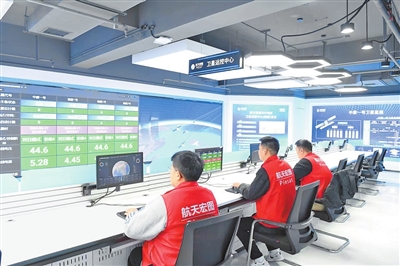
Group 1 - The core idea of the articles highlights the transformation of Hebi into a hub for satellite manufacturing and space technology, showcasing its journey from a resource-based city to a center for aerospace innovation [1][5] - The Henan Aerospace Hub, set to begin construction in 2024, will serve as a core facility for satellite measurement and control, featuring a network for real-time monitoring and data processing of satellites [1][2] - The "Nüwa Constellation" project aims to launch a total of 114 satellites in two phases, with 13 already in orbit, providing critical data for agriculture, environmental monitoring, and urban governance [2][4] Group 2 - The Tianzhang Satellite Manufacturing Base, expected to be operational in 2024, will have the capacity to produce 100 satellites under 500 kg annually, marking a significant advancement in Hebi's commercial aerospace industry [2][4] - The Aerospace Rocket Assembly and Manufacturing Base, launched in November 2022, will produce 20 medium-sized launch vehicles per year, representing a breakthrough in the commercial rocket assembly sector in Henan [4] - Over the past five years, Hebi has attracted more than 40 companies in the aerospace industry, creating a comprehensive ecosystem that spans satellite manufacturing, rocket support, and data services [5]
公司问答丨国光电气:公司霍尔电推进器核心部件产品已实现批量供应 近年来保持快速增长 在同类产品中展现出较强的市场竞争力
Ge Long Hui A P P· 2026-01-21 08:38
国光电气回复称,公司霍尔电推进器核心部件产品已实现批量供应,近年来保持快速增长,在同类产品 中展现出较强的市场竞争力,整体优势显著。目前,公司与国内多家知名科研院所及相关企业建立了稳 定的配套合作关系,并深度参与了星网GW星座、千帆星座等国家级低轨卫星网络建设。未来,公司将 紧跟商业航天发展趋势,以霍尔电推进器核心部件为着力点,加大研发投入,优化产品设计,提高产品 的可靠性和使用寿命,降低成本。同时,公司将积极巩固并深化与国内各电推进总体单位的合作,在保 障现有业务稳步增长的基础上,拓展更多市场机会与合作客户,持续巩固在商业航天电推部件领域的市 场地位。 格隆汇1月21日|有投资者在互动平台向国光电气提问:卫星的在轨推进主流技术是霍尔电推,公司的 霍尔电推产品在该领域处于什么地位,和国内的哪些卫星企业建立了合作关系?未来在这个产品方向有 什么规划? ...

金鹰基金杨刚:市场正切换向盈利与估值双轮驱动的下半场
Xin Lang Cai Jing· 2026-01-21 08:35
Core Insights - The current market environment in 2026 differs significantly from 2015, with the recent rise to 4100 points driven by solid industrial foundations and profit support rather than just liquidity and risk appetite [1][5][6] - Opportunities in the market are emerging from accelerated global AI capital expenditure, with Chinese companies actively participating in various segments of the AI industry chain [1][6] - The ongoing geopolitical tensions, abundant liquidity, and economic recovery are contributing to rising prices of upstream resources, creating new investment opportunities [1][6] Market Dynamics - The A-share market is transitioning from a phase primarily driven by liquidity and risk appetite to one where both profits and valuations are expected to drive growth [2][7] - Recent increases in retail investor participation have led to heightened market sentiment, necessitating regulatory measures to ensure stability [2][7] - Short-term market corrections may occur due to over-exuberance, but patience and careful stock selection are advised for investors [2][7] Sector Focus - Continued attention is recommended for sectors such as AI computing power, semiconductors, and export-oriented industries like non-ferrous metals, electric grid equipment, and engineering machinery [2][7] - In the context of inflationary pressures, sectors like innovative pharmaceuticals and non-bank financials are suggested for consideration [2][7] Thematic Investment Opportunities - AI applications and commercial aerospace are highlighted as attractive investment themes, particularly after recent adjustments that may have alleviated short-term overheating [3][8] - The commercial aerospace sector, supported by strong policy backing and macro narratives like SpaceX, is expected to see continued upward momentum [3][8] - High-risk investors are encouraged to identify quality leaders within these sectors during periods of adjustment for long-term gains [3][8]
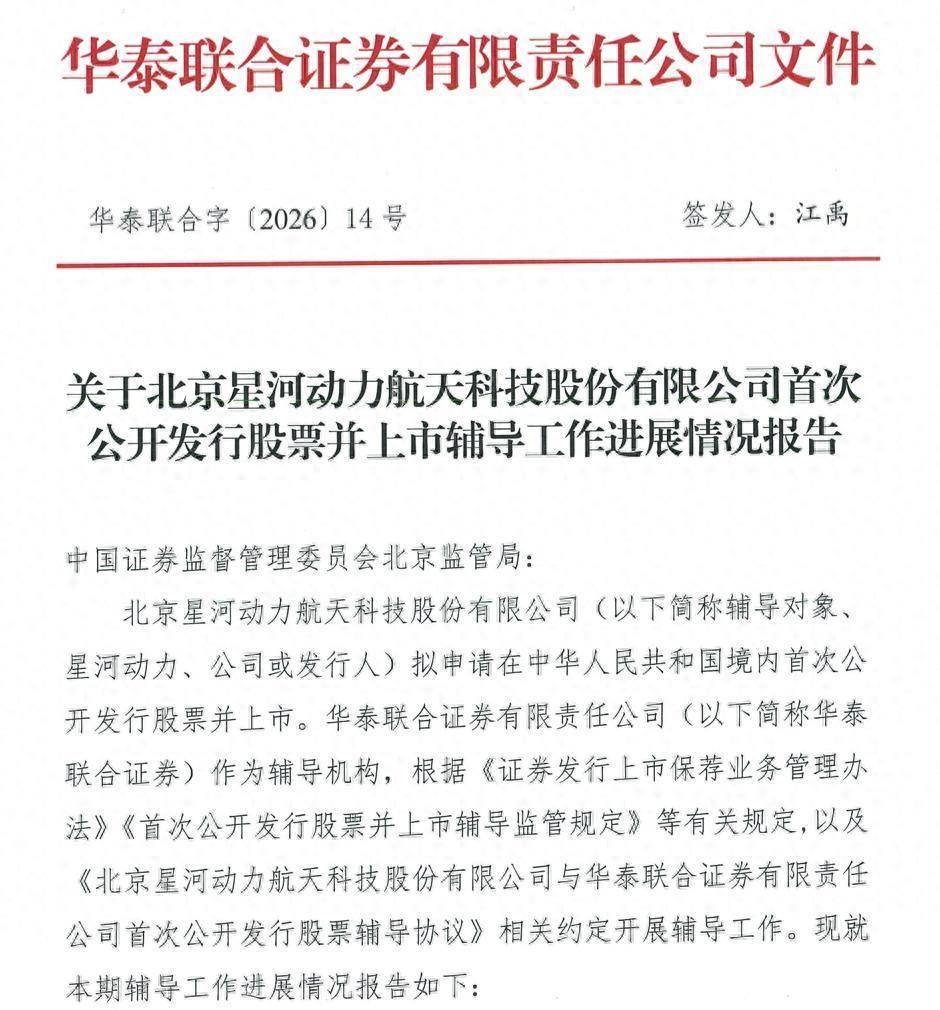
商业航天加速!三家企业更新IPO进展,星河动力可重复使用火箭发动机试车成功
Sou Hu Cai Jing· 2026-01-21 08:11
1月21日消息,北京星河动力航天科技股份有限公司(以下简称"星河动力")、星际荣耀航天科技集团股份有限公司(以下简称"星际荣耀")、江苏天兵航 天科技股份有限公司(以下简称"天兵科技")三家商业航天企业更新IPO辅导进展。 瑞财经 吴文婷商业航天IPO加速。 中信证券股份有限公司文件 中信证券〔2026〕71号 关于星际荣耀航天科技集团股份有限公司 首次公开发行股票并上市辅导工作进展情 况报告(第二十二期) 中国证券监督管理委员会北京监管局: 星际荣耀航天科技集团股份有限公司(曾用名"北京星 际荣耀空间科技股份有限公司",以下简称"星际荣耀"、"辅 导对象"、"公司")拟申请在中华人民共和国境内首次公开发 行股票并在科创板上市,天风证券股份有限公司、中信证券 股份有限公司(以下简称"辅导机构")作为辅导机构,根据 《证券发行上市保荐业务管理办法》《首次公开发行股票并 据了解,星河动力于2025年10月23日启动IPO辅导,辅导机构为华泰联合证券。 星河动力成立于2018年,是国内首家实现火箭量产、高密度发射并实现商业化的民营商业火箭企业。 星际荣耀于2020年12月24日启动IPO辅导,拟登陆科创板,辅导机构 ...
2025年度商业航天发射达50次 入轨商业卫星311颗
Yang Shi Xin Wen· 2026-01-21 08:10
Group 1 - The core viewpoint of the article highlights the rapid development of China's commercial space industry in 2025, with significant achievements in satellite launches and reusable rocket technology [1] Group 2 - A total of 50 launches were completed in 2025, accounting for 54% of China's total space launches for the year [1] - Commercial launch vehicles conducted 25 launches, while the Hainan commercial space launch site was utilized for 9 launches, totaling 10 since its establishment [1] - 311 commercial satellites were successfully placed into orbit, representing 84% of the total satellites launched by China in the same year [1] - The technology for reusable launch vehicles saw accelerated breakthroughs, with the successful maiden flight of the Zhuque-3 reusable rocket, achieving key technology validations [1]
国光电气(688776.SH):深度参与了星网GW星座、千帆星座等国家级低轨卫星网络建设
Ge Long Hui· 2026-01-21 08:00
格隆汇1月21日丨国光电气(688776.SH)在投资者互动平台表示,公司霍尔电推进器核心部件产品已实现 批量供应,近年来保持快速增长,在同类产品中展现出较强的市场竞争力,整体优势显著。目前,公司 与国内多家知名科研院所及相关企业建立了稳定的配套合作关系,并深度参与了星网GW星座、千帆星 座等国家级低轨卫星网络建设。 未来,公司将紧跟商业航天发展趋势,以霍尔电推进器核心部件为着 力点,加大研发投入,优化产品设计,提高产品的可靠性和使用寿命,降低成本。同时,公司将积极巩 固并深化与国内各电推进总体单位的合作,在保障现有业务稳步增长的基础上,拓展更多市场机会与合 作客户,持续巩固在商业航天电推部件领域的市场地位。 ...