
商业零售

Search documents
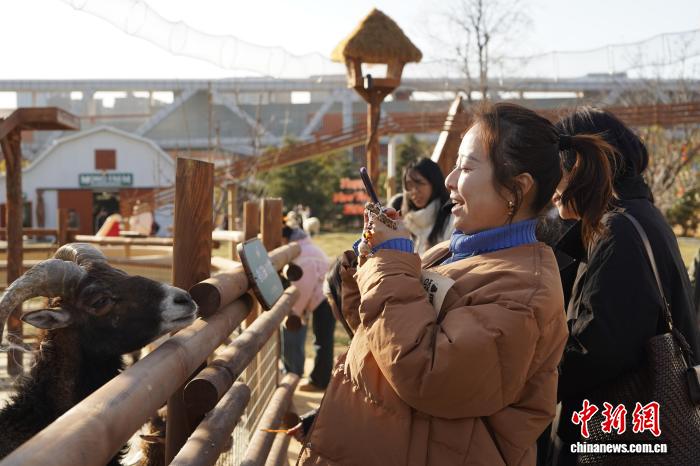
“萌宠+购物” 郑州再现体验式消费新场景
Zhong Guo Xin Wen Wang· 2026-01-10 12:35
Core Insights - Zhengzhou has been selected as a pilot city for new consumption formats and scenarios, indicating a shift towards innovative consumer experiences [3][4] - The opening of the MOMO PARK urban park aims to create a "pet + shopping" experience, featuring over 20 types of animals for consumer interaction [3] - The project is designed to enhance emotional companionship and leisure socialization, aligning with the trend of experiential consumption in urban settings [3] Group 1 - Zhengzhou has seen the emergence of various new consumption scenarios, such as creative street districts and cultural commercial areas [3] - The MOMO PARK project will officially open on January 18, featuring a pet paradise and interactive experiences with animals like capybaras and black swans [3] - The park aims to integrate natural scenes into consumer spaces, creating a composite area for pet interaction, nature experiences, and light socialization [3] Group 2 - The project is expected to enhance the local commercial ecosystem by linking with nearby wholesale centers and shopping parks, thus enriching the shopping and leisure experience [3] - The initiative targets the emotional and social needs of urban consumers, reflecting a growing trend towards micro-vacations and experiential consumption [3][4] - The Vice President of the China Commercial Economic Association emphasizes that these new consumption scenarios effectively meet the demands of younger consumers [4]

中兴商业(000715.SZ):2023年员工持股计划实施完毕
Ge Long Hui A P P· 2026-01-09 12:47
Core Viewpoint - ZTE Commercial (000715.SZ) has completed the sale and non-trading transfer of all shares held under its 2023 employee stock ownership plan, totaling 14,156,529 shares [1] Group 1 - The company sold a total of 14,156,529 shares under the employee stock ownership plan, with 10,441,859 shares sold through centralized bidding and 3,714,670 shares transferred via non-trading methods [1] - The company adhered strictly to market trading rules during the implementation period and complied with regulations from the China Securities Regulatory Commission and Shenzhen Stock Exchange regarding trading during sensitive information periods [1] - There were no instances of insider trading during the execution of the employee stock ownership plan [1]

百联股份:目前未涉及商业航天业务
Mei Ri Jing Ji Xin Wen· 2026-01-09 09:28
Core Viewpoint - The company, Bailian Group, confirmed that it is not currently involved in the commercial space industry and focuses on core businesses such as department stores, shopping centers, chain supermarkets, and outlet malls [1]. Group 1 - An investor inquired whether the company plans to expand into the commercial space sector by establishing retail stores in outer space [1]. - Bailian Group's core business areas include department stores, shopping centers, chain supermarkets, and outlet malls [1].

北京海淀聚焦养老服务升级等重点领域 今年计划建设不少于10家“海淀食堂”
Xin Lang Cai Jing· 2026-01-08 22:04
Group 1: Commercial Consumption Enhancement - In 2026, Haidian District will focus on improving commercial consumption quality, upgrading elderly care services, and enhancing cultural tourism quality [1] - The district plans to accelerate the renovation of commercial spaces, including the Century Jinyuan shopping center, and create smart business districts [2] - Haidian aims to attract high-profile flagship stores and promote diverse integration of culture, commerce, and tourism to enhance consumer experiences [2] Group 2: Elderly Care Services - Haidian District plans to establish at least 10 "Haidian Canteens" by 2026, enhancing service networks and operational effectiveness in elderly care [3] - By 2025, the district will add 65 elderly meal service points, increasing the total to 293, with 87 additional enterprises applying to join the elderly meal service alliance [3] - Since August 2023, over 5 million elderly meal service instances have been recorded in Haidian [3] Group 3: Tourism Development - Haidian District will support the creation of the national 5A-level tourist attraction at Xiangshan Park, which is ready for inspection after two years of preparation [5] - In the first half of 2026, Haidian will release measures for high-quality cultural and tourism development, focusing on major projects, consumer scenarios, and the integration of various industries [5][6] - The district aims to enhance the quality and layout of museums, encouraging social investment in the museum sector to improve cultural service offerings [6]
未来五年力争经济总量迈上两万亿元
Xin Lang Cai Jing· 2026-01-08 16:56
Core Viewpoint - Hefei aims to significantly enhance its economic, technological, and comprehensive strength over the next five years, targeting a total economic output of 2 trillion yuan and improved living standards by 2035 [1] Group 1: Economic Development - Hefei plans to reduce urban-rural income disparities and achieve a total economic output of 1 trillion yuan in all districts [6] - The city will implement a "11655" comprehensive transportation construction plan to enhance connectivity and support economic growth [7] Group 2: Scientific and Technological Innovation - Hefei will focus on innovation-driven development, establishing itself as an internationally influential science and technology center [2] - The city aims to build a compact fusion energy experimental device and promote commercial applications of fusion energy [2] Group 3: Environmental Improvement - The water quality of Chaohu Lake is expected to improve, reaching a Class III standard, while major pollutants will be reduced [3] - Hefei will implement comprehensive governance of Chaohu Lake and promote sustainable environmental practices [4] Group 4: Urban Development and Consumer Market - Hefei plans to create three international landmark business districts and enhance its urban commercial ecosystem [5] - The city will leverage foreign tourism policies to expand inbound consumption and improve local retail environments [5]
大动作!翌耀科技启动上市辅导,复星系再拓资本版图
Bei Jing Shang Bao· 2026-01-08 14:05
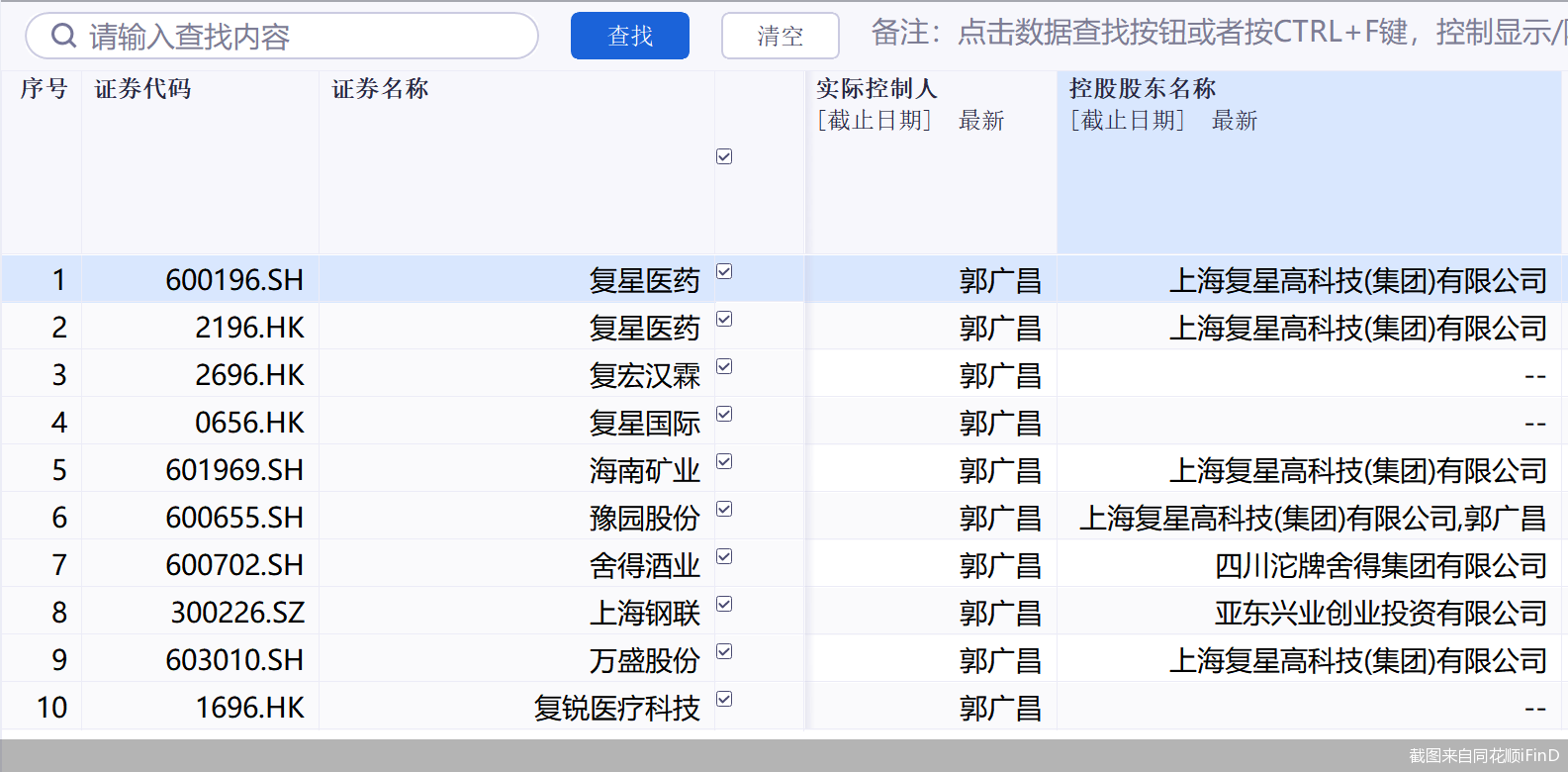
Group 1 - The core point of the article is that Fosun International is expanding its capital footprint by pushing its subsidiary, Shanghai Yiyao Technology Co., Ltd., towards an IPO in the A-share market, which would mark another addition to its portfolio of listed companies [1][3] - Fosun has developed into an innovative global family consumption industry group over more than 30 years, focusing on a happiness ecosystem centered around health, happiness, and wealth [1][4] - As of now, Fosun controls six A-share listed companies and four Hong Kong-listed companies, with four of the A-share companies having a market capitalization exceeding 10 billion [1][6] Group 2 - The financial performance of Fosun's listed companies shows significant divergence, with six companies reporting a decline in net profit, reflecting operational pressures in certain sectors [1][8] - In the first three quarters of 2025, among the six A-share companies, Shanghai Steel Union reported the highest revenue of approximately 57.32 billion, while the net profit of several companies, including Yuyuan and Hainan Mining, saw a year-on-year decline [8][9] - Fosun's strategic focus is shifting from diversified expansion to deepening its core sectors, particularly in health and intelligent manufacturing, as indicated by its efforts to optimize cash flow and enhance capital efficiency [7]
直通区两会|世纪金源将加快提升改造 打造智慧商圈
Xin Lang Cai Jing· 2026-01-08 11:46
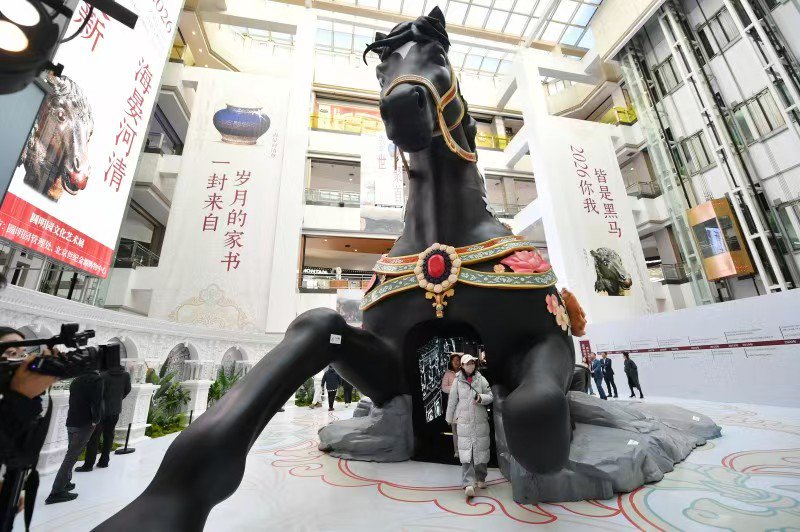
Group 1 - In 2026, Haidian District will enhance commercial space quality and efficiency, creating smart business circles and accelerating the renovation of commercial entities like Shiji Jinyuan [1] - The district aims to optimize consumer supply by attracting high-level flagship stores and promoting global launches [1] - There will be a focus on integrating culture, commerce, tourism, and sports to facilitate the construction of consumption scenarios [1] Group 2 - By 2025, Haidian District will coordinate urban renewal funds to support the upgrade of business circles and 15-minute living circles, further enriching commercial supply [3] - Last year, 24 new 15-minute living circles were established, achieving full coverage of streets and towns, with an excellent rate ranking second in the city [3] - The district will support large commercial events for brands like Xiaomi and Audi at Wukesong Huaxi, and collaborate with local streets to boost economic indicators in the business sector [3] Group 3 - The opening of new commercial spaces such as Daluocheng, Fanghua Li, and Dinghao Commercial Street will further release high-quality consumption space in Haidian District [3] - In 2025, 81 flagship stores are expected to open in the district, with two recognized as launch centers [3] - The renovation of Shuang'an Shopping Mall and the opening of various projects, including 1733 Valley Food Collection and Shizhi Bang, will enhance the local dining scene, with 18 restaurants listed in the Beijing station of the popular dining awards [3]
文脉与潮流双IP加持 2026年长沙将新增多个特色商业地标
Chang Sha Wan Bao· 2026-01-08 10:36
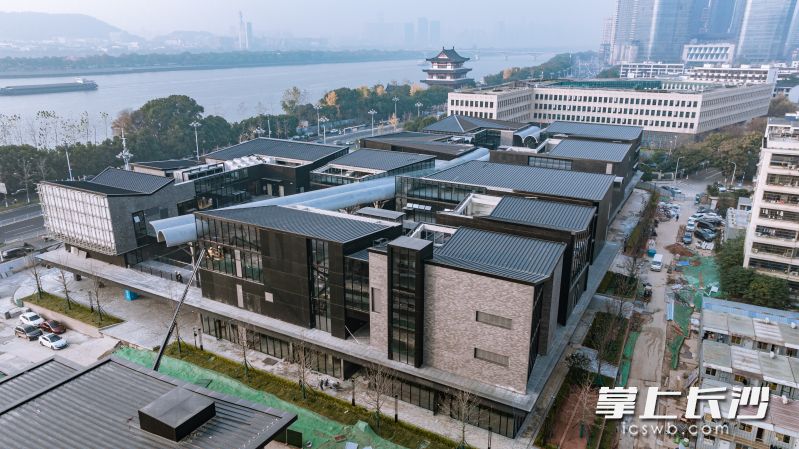
Core Insights - The commercial landscape of Changsha is set to undergo significant upgrades by 2026, introducing a variety of unique projects that enhance consumer experiences through cultural empowerment and innovative scenarios [1][5] Group 1: Core Business District Upgrades - The new "non-standard commercial" art district, Bixiang Chuxiang, is nearing completion and is expected to open in Q2 2026, featuring a total construction area of 47,500 square meters [1][3] - Bixiang Chuxiang will preserve historical sites and integrate cultural nodes, aiming to create an immersive tourism experience while introducing 40% unique flagship stores [3] - The TX Changsha | Young Power Center, also in the Wuyi business district, will adopt a "curation + retail" model and is expected to open in late Q2 2026, focusing on dynamic cultural exhibitions and collaborations [3][5] Group 2: Quality Commercial Facilities and Upgrades - Longhu Changsha Kaifu Tianjie, with a total area of 120,000 square meters, is set to fill the quality commercial gap in the Kaifu district by September 2026, featuring over 300 brands, half of which will be city or regional firsts [5][7] - Longhu Xinyao Tianjie, also set to open in November 2026, will cover 130,000 square meters and aims to redefine the commercial landscape in the southern region of Changsha [7] - The renovation of Hisense Plaza into MAYA·AI Future City is expected to open by the end of 2026, focusing on a tech-driven immersive cultural tourism experience [7][9] Group 3: Existing Space Upgrades - The micro-renovation of Aimin Lane will harmonize new tea shops and cafes with artistic spaces, while the 233 Art Community will transform old factories into cultural consumption scenes [9] - These upgrades aim to balance local culture with tourist appeal, enhancing the overall commercial atmosphere in Changsha [9] - Industry experts predict that by 2026, Changsha's commercial sector will enter a new phase focused on experiential offerings, with projects deeply connected to local cultural IPs [9]
广西贺州消费市场持续向好
Zhong Guo Jing Ji Wang· 2026-01-08 07:46
Group 1 - The core viewpoint of the articles highlights the development of the night economy in Hezhou, particularly through the Far East City, which has been recognized as one of the top ten "night fire" characteristic districts in Guangxi by 2025 [1] - Far East City has created a comprehensive night consumption ecosystem featuring "night banquets, night shopping, night tours, and night entertainment," which has significantly boosted nighttime consumer activity [1] - In 2025, Far East City is expected to host over 500 events, generating a consumption amount of 1.1 billion yuan and creating over 1,000 job opportunities, with a consumer satisfaction rate of 98% [1] Group 2 - The rising consumer enthusiasm in Hezhou is supported by a series of promotional policies, including the "Enjoy Hezhou" consumption promotion brand, which organizes themed activities around holidays and major events [2] - In 2025, Hezhou's initiatives included integrating over 5 million yuan of financial resources to conduct 8 online promotional activities and distributing over 120,000 consumption vouchers, leading to an increase in retail sales by over 90 million yuan [2] - The city has also implemented a "trade-in" promotion for consumer goods, conducting 60 special events and processing over 170,000 subsidy applications, resulting in 220 million yuan in subsidies and boosting transaction volumes for over 800 businesses by more than 1.3 billion yuan [2]
拱墅锚定三大坐标勇当“排头兵”
Hang Zhou Ri Bao· 2026-01-08 03:24
数字新城,蕴藏着最大的跃升潜力。此次全会将人工智能定为破局的关键变量,聚力打造"中国算 谷"。凭借DeepSeek、捷配、托普云农、润达医疗等大模型部落,和"两朵云"算力枢纽优势,拱墅将构 建"一轴一核两翼六融合"的产业格局,加快打造人工智能产业新标杆。 这源于清晰的产业布局:拱墅锚定商贸服务、数字经济、生命健康、电竞文娱、新制造"1+4"主赛 道,推动动能加速转换,智慧网谷、北部软件园等平台串珠成链,DeepSeek、华东医药等领军企业扎 根生长。作为浙江商贸的"心脏",拱墅的消费魅力持续绽放。大武林、大和平、大运河、新天地四大商 圈活力澎湃,杭州中心等地标崛起,恒隆广场竣备在即,夜经济、潮经济、首发经济、青春经济绘就了 繁华不息的都市图景。 运河明珠,则是拱墅最鲜明的亮丽底色。以习近平总书记考察运河综保工程20周年为新起点,拱墅 将续写大运河保护传承利用的新篇章,通过活态传承历史文化遗产、迭代发展"文创+数创"、加快文商 旅体融合发展、深化"拱墅优礼"文明新实践,进一步扩大"来杭州,走大运(河)"影响力。 在经历了夯实基础、立柱架梁的五年奋斗后,如何以更加昂扬的姿态迈入厚积成势、全面突破的新 发展阶段?记 ...