
数字金融

Search documents
2025年维信金科中期业绩:持续夯实数字金融生态,战略升级驱动高质量发展
Ge Long Hui· 2025-08-25 15:41
Core Viewpoint - Vcredit Holdings (2003.HK) reported a strong performance in the first half of 2025, with total revenue of 2.5 billion RMB, a year-on-year increase of 43.8%, and a net profit of 216 million RMB, up 79.5% from the previous year, reflecting resilient growth through core business focus and operational improvements [1] Group 1: Financial Performance - Total revenue for the first half of 2025 reached 2.5 billion RMB, representing a 43.8% year-on-year growth [1] - Net profit was recorded at 216 million RMB, showing a significant increase of 79.5% compared to the same period last year [1] - The board proposed an interim dividend of 0.05 HKD per share to reward shareholders for their long-term trust and support [1] Group 2: Business Strategy and Operations - The company focused on enhancing risk control and operational efficiency, adjusting its business strategy to strengthen resilience and consolidate its business structure [2] - As of June 30, 2025, the total number of registered users in mainland China reached 167 million, a year-on-year increase of 11.7% [2] - Vcredit facilitated loans amounting to 38 billion RMB in the first half of 2025, assisting 12.4 million people in obtaining credit services [2] Group 3: Technological Innovation - Research and development expenses increased by 2.6% to 58.5 million RMB in the first half of 2025, with a focus on applying artificial intelligence across various business scenarios [4] - The "Hummingbird" 2.0 platform upgrade significantly improved risk identification accuracy and response efficiency [4] - The company established a multi-agent collaboration system to enhance operational efficiency and business outcomes through real-time user intent recognition [4] Group 4: Social Responsibility and Sustainability - Vcredit released its 2024 ESG report, marking the seventh consecutive year of disclosing its commitment to sustainable development [6] - The company established a Consumer Rights Protection Committee and focused on enhancing consumer protection capabilities as a core strategy [6] - Vcredit engaged in social initiatives, donating over 20,000 books to 100 rural primary schools across 23 provinces in China [7] Group 5: Future Outlook - The CEO emphasized the commitment to prudent risk management and operational excellence while integrating advanced technologies like AI into core business strategies [7]
大洋集团Web 4.0战略转型 深度开拓三大万亿赛道
Zhong Guo Jin Rong Xin Xi Wang· 2025-08-25 03:28
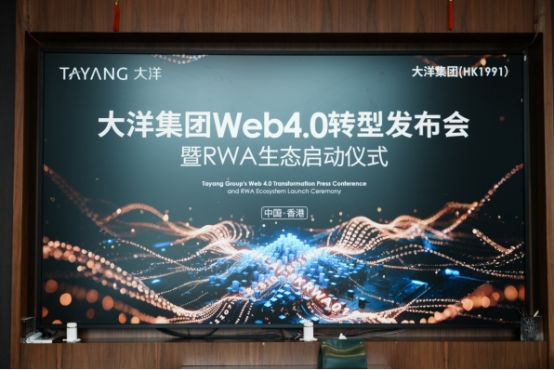
Core Viewpoint - The company has officially launched its Web 4.0 transformation blueprint and RWA ecosystem, emphasizing that Web 4.0 represents not only a technological evolution but also an ecological reconstruction [1][3]. Group 1: Strategic Transformation - The company is initiating a comprehensive strategic transformation towards Web 4.0, focusing on three core drivers: artificial intelligence (AI), Real World Asset (RWA) tokenization, and the Hong Kong policy ecosystem [3]. - The strategic framework is built on three pillars: Data Standardization, Asset Tokenization, and Transnational Value, aiming to facilitate intelligent asset management and global circulation through AI digital humans in education, gaming, and healthcare sectors [3][4]. Group 2: Sector-Specific Applications - In the education sector, AI digital human technology will generate personalized content, enabling the RWA of research outcomes for knowledge asset sharing and stable cash flow [4]. - The gaming sector will leverage AI digital human technology to enhance immersion, tokenizing virtual assets to build a metaverse economy [4]. - In the healthcare sector, AI digital human medical assistants will integrate health data and service assets into RWA, improving user experience and generating capital returns [4]. Group 3: Revenue Streams - The company anticipates generating four types of revenue from its AI initiatives: income from AI digital human traffic, one-stop financing consulting for SMEs involving AI and RWA, transaction fees related to RWA trading, and multilingual AI customer service and marketing outsourcing fees [4]. Group 4: RWA Development and Opportunities - RWA aims to convert traditional assets into digital assets using blockchain technology, addressing issues like liquidity, high financing thresholds, and matching supply and demand in the real economy [6]. - RWA aligns with the strategic direction of developing the digital economy, enhancing asset allocation efficiency, and supporting the construction of a transparent and resilient capital market [6]. - RWA can also provide financial innovation tools for initiatives like rural revitalization and carbon neutrality, directing social capital towards green industries and agriculture [6]. Group 5: Progress and Collaborations - The company has successfully launched its RWA underlying asset operation platform, marking a significant step in the RWA ecosystem [7]. - A strategic cooperation agreement has been signed with the Shenzhen Artificial Intelligence Industry Association to establish various centers and funds, enhancing the company's AI digital human and application landscape [7]. - The company has pre-released a guide on RWA tokenization, providing practical insights and best practices for the industry [7]. Group 6: Future Outlook - The company aims to leverage its 18 years of listing experience to connect global capital and technological innovation, focusing on sustainable and expandable digital economic systems in the education, gaming, and healthcare sectors [8]. - The goal is to become a leading enterprise in the Asia-Pacific region in both AI and RWA sectors, contributing to high-quality global digital economic development [8].

香港首发企业代币化票据 山高控股冲刺“AI算力+数据资产”构建
Zheng Quan Shi Bao Wang· 2025-08-22 07:57
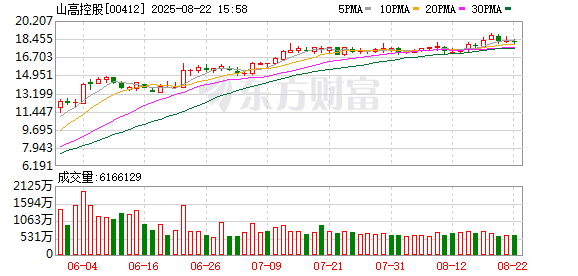
Group 1 - The core viewpoint of the news is that Shankao Holdings has successfully issued Hong Kong's first corporate note tokenization product, marking a significant step towards the digitalization of the Hong Kong bond market [2] - The total amount of the tokenized corporate note issued by Shankao Holdings is $40 million, deployed on the HashKey Chain platform [2] - Tokenization is highlighted as a key focus in financial innovation, involving the mapping of real-world assets (RWA) such as government bonds, loans, and real estate into programmable digital assets on the blockchain [2] Group 2 - Following the enactment of the Stablecoin Regulation on August 1, Hong Kong has become the first jurisdiction globally to establish a comprehensive regulatory framework for stablecoins [2] - A week after the regulation, the world's first RWA registration platform was launched, aimed at facilitating the entire process of data, asset, and financialization for RWA tokenization [2] - Shankao Holdings aims to leverage this regulatory environment to push more of its quality assets onto the blockchain, viewing the $40 million issuance as a strategic move rather than just a financing effort [3] Group 3 - Shankao Holdings has developed a dual-circulation strategy combining "computing integration" with an AI ecosystem, focusing on AI computing power and green energy as core assets [3] - The company holds a strategic stake in Century Internet, with an operational capacity of 573 MW in IDC and over 50,000 city-based cabinets [3] - Shankao Holdings manages a total installed capacity of 4.7 GW in green energy, generating over 6.5 billion kWh annually, and possesses numerous green power certificates with on-chain trading value [3] Group 4 - The company is accelerating its layout towards a digital economy ecosystem that integrates "AI computing power, data assets, and application scenarios" [4] - Shankao Holdings aims to provide the foundational support of green electricity and computing power while unlocking the potential value of data assets and empowering upper-layer application scenarios [4]
东南亚电商巨头Sea财报公布!美股大涨近20%
贝塔投资智库· 2025-08-22 04:00
Core Viewpoint - Sea, the Southeast Asian e-commerce giant, reported a record high revenue of $5.3 billion for Q2 2025, marking a significant year-on-year growth of 38.2%, surpassing market expectations of $5.12 billion. This is the strongest revenue growth for Sea in the past 12 quarters, driven by the synergy of its three main business segments: e-commerce, digital finance, and digital entertainment [1][3]. Financial Performance - Gross profit increased by 52.1% to $2.4 billion, with a gross margin improvement to 45.3% from 39.8% in the same period last year [3]. - Net profit soared to $414 million, a 418% increase from $79.9 million year-on-year, achieving the best quarterly profit in history. Diluted earnings per share rose to $0.65, a 364% increase, but fell short of analyst expectations of $0.99 [3]. - Adjusted EBITDA reached $760 million, up 71% year-on-year, with an adjusted EBITDA margin of 15.3%, a historical high [3]. Main Business Segments - E-commerce segment Shopee generated $3.8 billion in revenue, a 33.7% year-on-year increase, with adjusted EBITDA of $227.7 million, marking a historic turnaround from a loss of $9.2 million in the same period last year [4]. - Digital finance service Monee became the fastest-growing segment, with total revenue of $882.8 million, a 70% increase year-on-year. Adjusted EBITDA reached $255.3 million, up 55% [7]. - Digital entertainment segment Garena reported revenue of $559.1 million, a 28.4% increase year-on-year, with adjusted EBITDA of $368.2 million, up 21.6% [9]. Strategic Direction - Sea's management announced a strategic shift to prioritize growth while maintaining profitability, indicating the company has successfully transitioned from a restructuring phase to a new stage of growth and profitability [10]. - The company plans to establish 10 automated sorting centers in Southeast Asia by the end of 2025, aiming to increase the proportion of two-day delivery orders from 45% to 60% and reduce logistics costs by 10% [11]. Market Outlook - Following the earnings report, several analysts raised their target prices for Sea, with Macquarie initiating coverage with a "Buy" rating and a target price of $219.9, while Citigroup raised its target price to $206 [12]. - Despite short-term challenges such as competition from TikTok Shop and currency fluctuations, the long-term growth potential remains strong, with e-commerce penetration in Southeast Asia at only 6.5% compared to 27% in China [13].

RWA:数实融合时代下数字金融的创新探索与实践|金融与科技
清华金融评论· 2025-08-21 09:32
Core Viewpoint - The article emphasizes the significance of Real World Assets (RWA) in linking physical assets with digital assets, facilitating the digital transformation of the real economy and innovation in financial services. It highlights Hong Kong's pioneering role in RWA practices, creating opportunities for mainland Chinese enterprises to utilize offshore financial centers for RWA token issuance [4][10]. Summary by Sections RWA Overview - RWA represents a new asset form that connects tangible and intangible assets from the real world to the digital realm through blockchain technology, enabling more transparent, efficient, and secure asset management and transactions in the digital economy [4][6]. Advantages of RWA - **Transparency and Trust**: RWA ensures asset authenticity and compliance, enhancing investor confidence through real-time tracking of asset operations and returns via blockchain technology [7]. - **Liquidity Improvement**: RWA tokens can be traded globally, overcoming geographical and procedural limitations, thus significantly enhancing asset liquidity and market participation [7]. - **Cost Reduction**: By minimizing intermediary roles and automating processes, RWA reduces transaction costs and increases financing efficiency [7]. - **Risk Management**: RWA leverages blockchain's characteristics for real-time data recording, improving risk assessment and management through smart contracts [8]. Disadvantages of RWA - **Regulatory Gaps**: The legal framework surrounding RWA is still developing, leading to potential disputes regarding asset ownership and transaction rules [9]. - **Technical Risks**: RWA's reliance on blockchain and smart contracts introduces security vulnerabilities, including potential network attacks and coding errors [9]. - **Valuation Challenges**: The diversity of RWA types complicates standardized valuation methods, making accurate asset pricing difficult [9]. - **Market Awareness**: RWA's recognition and acceptance in financial markets remain low, which may hinder market depth and trading activity [9]. Case Studies - **RWA in Renewable Energy**: Companies like Langxin Group and Xiexin Energy are utilizing RWA tokens for financing renewable energy projects, enhancing asset management efficiency and reducing operational risks [11][12]. - **Agricultural RWA Model**: The Malu Grape project explores RWA financing through agricultural data assets, ensuring transparency and traceability while complying with existing regulations [13][15].
捷利交易宝拟与博雷顿、GCH就RWA全球发行建成战略合作
Zhi Tong Cai Jing· 2025-08-20 13:40
Core Viewpoint - The collaboration between Jieli Trading Treasure, Boreton Technology, and Golden Continent Holdings aims to establish a strategic partnership for the global issuance of Real World Assets (RWA) [1][2] Group 1: Strategic Collaboration - The three parties plan to sign a Strategic Cooperation Agreement to enhance their capabilities in RWA issuance [1] - Boreton is a high-tech enterprise in the new energy engineering machinery sector, possessing valuable underlying assets such as new energy equipment operating rights and green carbon reduction assets [1] - GCH's subsidiary holds licenses for virtual asset trading and compliance, enabling RWA issuance [1] Group 2: Core Cooperation Areas - The collaboration focuses on three main areas: tokenization of RWA, building a compliant Web3 payment system, and facilitating digital asset issuance and circulation under Hong Kong's regulatory framework [2] - RWA tokenization will involve packaging Boreton's new energy equipment operating rights and green carbon reduction assets into auditable on-chain financial products [2] - The partnership aims to create a complete link for asset tokenization, issuance, and trading, enhancing the efficiency of payment settlements within Boreton's business ecosystem [2] Group 3: Market Position and Future Prospects - The collaboration is expected to leverage the strengths of all three parties, integrating Boreton's green asset base, GCH's compliance capabilities, and Jieli's underwriting advantages [2] - This strategic partnership is positioned to enhance the company's market position in Hong Kong's digital finance sector and create potential long-term value for shareholders [2]
捷利交易宝(08017)拟与博雷顿、GCH就RWA全球发行建成战略合作
智通财经网· 2025-08-20 13:23
Core Viewpoint - The company is entering a strategic partnership with Boreton Technology Co., Ltd. and Golden Continent Holdings Limited to globally issue Real World Assets (RWA) through a collaborative agreement [1][2]. Group 1: Strategic Collaboration - The three parties plan to sign a Strategic Cooperation Agreement to enhance their capabilities in RWA issuance [1]. - Boreton is a high-tech enterprise in the new energy engineering machinery sector, possessing valuable underlying assets such as operational revenue rights and green carbon reduction assets [1]. - GCH's subsidiary holds licenses for virtual asset trading and compliance, enabling RWA issuance [1]. Group 2: Core Cooperation Areas - The collaboration focuses on three main areas: tokenization of RWA, establishment of a compliant Web3 payment system, and digital asset issuance and circulation under Hong Kong's regulatory framework [2]. - RWA tokenization will involve packaging Boreton's operational revenue rights and green carbon reduction assets into auditable on-chain financial products [2]. - The partnership aims to create a complete link for asset tokenization, issuance, and trading, enhancing the efficiency of payment settlements within Boreton's business ecosystem [2]. Group 3: Market Positioning and Future Prospects - The collaboration is expected to leverage the strengths of all three parties, combining Boreton's green asset base, GCH's compliance capabilities, and the underwriting advantages of TradeGo Markets Limited [2]. - This initiative is aligned with the growing acceptance of digital currencies and decentralized finance, positioning the company to explore innovative services in RWA tokenization and digital asset funds [2]. - The partnership aims to enhance the company's market position in Hong Kong's digital finance sector and create potential long-term value for shareholders [2].
聚焦数字金融创新发展与安全实践 第二届CCF中国数字金融大会在沪举行
Zhong Guo Xin Wen Wang· 2025-08-18 16:08
中新网上海8月18日电 (记者许婧)8月15日至17日,第二届CCF中国数字金融大会在上海举行。 大会发布《上海财经大学数字金融成果2025蓝皮书》和《2025中国金融科技专利技术白皮书》。上海财 经大学信息管理与工程学院院长黄海量介绍,蓝皮书系统总结学校在财经大模型、人才培养等领域的创 新成果,未来将每年发布,持续推动产学研合作。复旦大学金融科技研究院副院长吕智慧解读专利技术 白皮书,通过专利大数据分析为行业技术路径提供数据支撑。 大会主旨论坛聚焦数字金融政策、技术和产业实践前沿,分论坛共探学科与产业融合。刘元春在主旨论 坛作《稳定币若干问题研究》报告,从全球战略、技术风险等维度解析其双刃剑效应,提出中国需把握 战略主动、技术攻坚、监管协同三大原则。香港理工大学人工智能高等研究院院长杨强作《联邦师生大 模型》报告,国泰海通证券首席信息官俞枫博士作《AI大模型—企业数字化转型新动力》报告。 在圆桌论坛环节,与会嘉宾就"大模型如何重构数字金融的智能基座"展开了讨论和分享。 本届大会由中国计算机学会(CCF)主办,上海财经大学、同济大学联合承办,聚焦数字金融创新发展与 安全实践,搭建学术、产业、政策融合交流平台。 ...
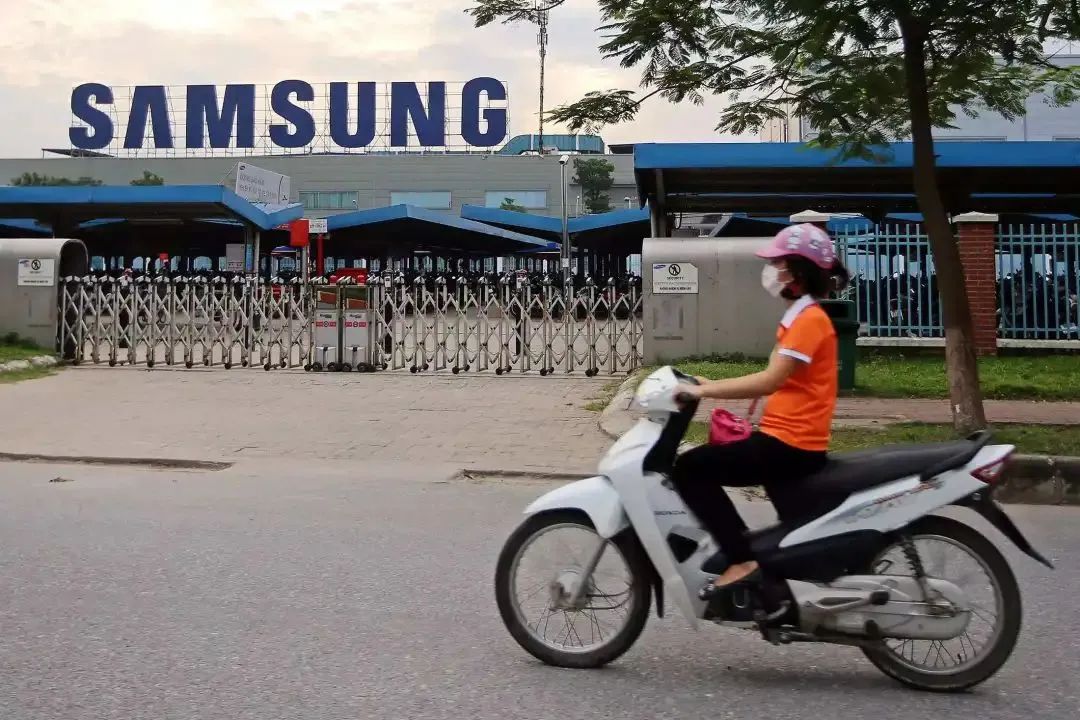
越南数字经济,前景为何不妙?
3 6 Ke· 2025-08-15 11:36
Core Insights - Vietnam's rapid economic growth over the past 40 years has transformed it from a poor nation to a rising manufacturing hub, with ambitions for a digital economy [1] - However, challenges such as talent shortages, demographic shifts, and institutional constraints pose significant risks to its digital transformation efforts [1] Economic Development - Post-war Vietnam faced severe economic challenges, including hyperinflation and widespread poverty, until the "Doi Moi" reforms in 1986 legalized private enterprise and introduced market mechanisms [2][4] - Since the reforms, Vietnam has experienced robust economic growth, with GDP growth rates consistently above 5% since 2010, and per capita GDP rising from $230 in 1985 to $4,700 in 2024 [4] Foreign Investment and Trade - Vietnam has become a key destination for foreign investment, particularly in electronics, apparel, and home appliances, benefiting from trade agreements and its strategic location [5][6] - The country's export volume has increased eightfold from 2007 to 2024, reaching $385 billion, significantly outpacing regional competitors [5] Digital Economy Strategy - The Vietnamese government has prioritized digital transformation, aiming for the digital economy to account for 20% of GDP by 2025 and 30% by 2030, focusing on sectors like digital finance and AI [10][12] - The government is actively attracting tech talent and fostering a startup ecosystem, with cities like Ho Chi Minh City and Hanoi emerging as innovation hubs [12][14] Challenges in Talent and Demographics - Vietnam faces a talent gap, particularly in engineering and technology, with a projected shortfall of skilled workers in the semiconductor industry by 2030 [16] - The country is also approaching a demographic turning point, with a declining youth population that could hinder digital product demand and innovation [17][19] Institutional Constraints - The digital infrastructure is largely state-controlled, which may limit market dynamism and innovation in the tech sector [15][19] - Issues such as unstable electricity supply and opaque regulations for cross-border data and e-commerce further complicate the digital landscape [20] Conclusion - Vietnam's economic trajectory has been shaped by its ability to attract foreign investment and integrate into global supply chains, but the transition to a digital economy will require overcoming significant human capital and institutional challenges [20]
逼空行情下的投资机遇:稳定币概念股Mercurity Fintech(MFH.US)
智通财经网· 2025-08-15 11:14
Core Viewpoint - The article discusses the investment opportunities arising from the short squeeze phenomenon in the U.S. stock market, particularly focusing on the digital financial technology group Mercurity Fintech (MFH.US) and the growing interest in stablecoins as a hot sector for bullish investors [1][2]. Group 1: Market Conditions - The U.S. stock market is experiencing a short squeeze, with small-cap stocks gaining significant attention [2]. - Goldman Sachs reported that short interest in the Russell 2000 index reached $16 billion in July, one of the highest levels since 2021 [2]. - The current short squeeze is primarily affecting small-cap stocks with high short interest and low float, leading to increased borrowing costs [2][3]. Group 2: Mercurity Fintech (MFH) Developments - MFH announced the cancellation of its planned equity issuance due to market conditions and challenges, which resulted in a significant stock price increase of 22.73% on the announcement day [1][3]. - The cancellation of the equity issuance is seen as beneficial for investors, as it avoids dilution of shares and enhances potential returns [1][3]. - MFH's current short interest stands at 1.815 million shares, representing 4.43% of its float, with borrowing costs at 30%, indicating a favorable environment for a short squeeze [3]. Group 3: Long-term Value and Strategic Initiatives - MFH is positioned for long-term value growth driven by the maturation of blockchain technology and the legalization of stablecoins, which is expected to enhance market valuations [4][5]. - The company plans to accelerate its blockchain initiatives, including an $800 million fundraising plan for establishing a long-term Bitcoin reserve and a $200 million equity credit agreement with Solana Ventures [4][5]. - The board of MFH has approved a share repurchase plan of up to $10 million over the next 12 months, reflecting management's commitment to enhancing shareholder value [5].
