外卖
Search documents
陈伟星:AI不能当强盗, 外卖大战是对线下商业的大屠杀
Tai Mei Ti A P P· 2025-07-28 02:51
Group 1 - The discussion highlights the cultural shift in values among younger generations, emphasizing the importance of moral values and the impact of wealth on societal behavior [2][4][7] - The concept of "creating" versus "robbing" in business models is explored, with a critique of platforms that exploit users rather than empower them [4][5][6] - The role of AI in disrupting traditional economic structures is examined, suggesting that ethical considerations must guide its development to ensure it serves humanity positively [5][6][29] Group 2 - The importance of community and relationships in fostering a healthy business environment is stressed, with a focus on trust and collaboration [6][24][35] - The conversation touches on the historical context of Chinese philosophy and its relevance to modern business practices, advocating for a balance between profit and social responsibility [7][50][53] - The need for a shift in focus from short-term gains to long-term value creation is emphasized, suggesting that true success comes from contributing positively to society [28][42][49]
中国思考-反内卷,药引与根治
2025-07-28 01:42
Summary of Key Points from the Conference Call Industry Overview - The report discusses the concept of "anti-involution" in the context of China's economic landscape, particularly focusing on the supply-side challenges that are more complex compared to the previous cycle from 2015 to 2018 [2][3]. Core Insights and Arguments 1. **Policy Signals**: There is a notable increase in policy signals regarding "anti-involution," with comparisons made to the supply-side reform 1.0 period. The current challenges differ significantly from those faced between 2015 and 2018 due to changes in industry competition and macroeconomic conditions [2][3]. 2. **Structural Reforms Needed**: To achieve lasting results in anti-involution, there is a consensus on the necessity for deeper structural reforms, including adjustments to local incentive mechanisms and tax reforms aimed at rebalancing towards consumption [3][10]. 3. **Recent Government Actions**: - On July 16, the State Council emphasized a combination of short-term and long-term measures to regulate competition in the new energy vehicle sector. - On July 18, the State Administration for Market Regulation held discussions with major food delivery platforms. - The Ministry of Industry and Information Technology announced supply-side reforms in ten key industries, including non-ferrous metals and petrochemicals [7]. 4. **Market Signals Ignored**: The report highlights that part of the competition's involution is due to ignored market signals, leading to continued capacity expansion despite falling prices [10]. 5. **Historical Context**: The report draws parallels between the current economic situation and past experiences, noting that anti-involution will not be a quick fix. The GDP deflator index has been negative for nine consecutive quarters since Q2 2023, indicating entrenched deflationary pressures [11]. 6. **Capacity Utilization and Industry Dynamics**: The report notes that the current overcapacity is largely in emerging industries, with 50-90% of capacity owned by the private sector, making administrative capacity reduction more challenging compared to the previous cycle [11][19]. 7. **Potential for Mergers and Acquisitions**: There is an expectation for large enterprises in the polysilicon industry to form acquisition funds to consolidate smaller firms, although execution remains uncertain due to declining demand and high inventory levels [12]. 8. **Gradual Progress Expected**: The report suggests that while some upstream industries may see moderate consolidation, the urgency for adjustment is lower compared to previous reforms [17][20]. 9. **Reform Timing and Delays**: The implementation of formal plans for capacity reduction may experience delays of 3-8 months, reflecting the complexities of the current economic environment compared to the 2015-2018 period [20]. Other Important Insights - **Demand Recovery Limitations**: The report indicates that the cyclical growth may fluctuate at lower levels due to debt and demographic challenges, with limited upside for demand recovery without decisive stimulus measures [18]. - **Need for Comprehensive Policy Mix**: The optimal policy combination would involve more aggressive demand rebalancing measures alongside faster structural reforms to achieve sustainable re-inflation [24]. - **Caution Against Overly Aggressive Measures**: The report warns that overly aggressive capacity reduction without sufficient demand support could lead to deeper deflation after a brief improvement in prices [24]. This summary encapsulates the key points discussed in the conference call, providing insights into the current state of the industry and the anticipated direction of policy and economic reforms in China.
内卷式竞争没有赢家 外卖补贴大战敲响ESG警钟
Zhong Guo Zheng Quan Bao· 2025-07-27 21:07
Core Viewpoint - The subsidy war among food delivery platforms is reaching its end due to regulatory intervention, highlighting the need for sustainable innovation and service capability competition rather than price wars [1][4][5] Group 1: Impact on Restaurants - Many restaurants are experiencing reduced dine-in orders as consumers prefer cheaper delivery options, leading to a decline in overall profitability [1][2] - The financial burden of subsidies has increased significantly for small and medium-sized restaurants, with some facing unsustainable costs due to high promotional expenses from platforms [2][3] - The negative impact of low-price competition is evident, as restaurants struggle to maintain profitability while still covering operational costs such as rent and labor [3][4] Group 2: Regulatory Changes - The newly revised Anti-Unfair Competition Law, effective from October 15, aims to regulate chaotic competition and prevent platforms from forcing merchants to sell below cost [6][7] - Regulatory bodies are actively engaging with major platforms to ensure compliance with laws and promote fair competition within the food service industry [4][5] Group 3: ESG Considerations - The subsidy war has exposed significant shortcomings in platforms' ESG responsibilities, affecting the entire industry ecosystem and raising concerns about food safety and quality [4][8] - Experts emphasize the need for platforms to balance the interests of merchants, consumers, and delivery personnel as part of their ESG commitments [8][9] - The environmental impact of increased packaging waste from delivery services is a growing concern, necessitating a shift towards sustainable practices [8][9] Group 4: Future Directions - Platforms are encouraged to move away from low-price competition and focus on innovative business models that support small merchants and community values [8][9] - There is a call for enhanced regulatory frameworks to ensure fair practices and transparency in platform operations, particularly regarding algorithmic decision-making [9]
(经济观察)中国多方发力整治“内卷式”竞争
Zhong Guo Xin Wen Wang· 2025-07-27 12:34
Group 1 - The call to address "involution" competition is becoming more widespread, with multiple government departments and industry associations advocating against it, expanding from sectors like solar energy and electric vehicles to include e-commerce and food delivery industries [1] - The focus of addressing "involution" competition is increasingly concentrated on common issues such as disorderly competition, severe homogenization, and low-price competition within industries, as well as local government behaviors that lead to unfair competition and project redundancy [1][2] Group 2 - The policy mechanisms to combat "involution" competition are becoming more refined, with recent amendments to laws such as the Anti-Unfair Competition Law and the Price Law draft targeting low-price disorderly competition, which will enhance the legal regulatory framework [2] - Experts highlight that a significant cause of "involution" is the imbalance between supply and demand, necessitating coordinated efforts on both sides, including support for technological innovation and improved market access to prevent excessive entry and low-quality competition [3] - Strengthening market regulation and creating a cleaner competitive environment are essential for consumer confidence, with recent laws aimed at promoting fair competition and protecting rights, which will encourage private sector investment [3]
商贸零售行业周报:永辉公布自有品牌规划,美团饿了么有新动向-20250727
SINOLINK SECURITIES· 2025-07-27 07:30
Investment Rating - The industry investment rating is "Buy" (maintained) [1] Core Insights - Yonghui Supermarket announced a detailed private brand plan, aiming to increase the number of private brand products from 60 to 500 and penetration rate from 5% to 40% by 2029 [11][12] - The offline retail sector is seeing steady progress in store renovations, with 143 out of 523 stores (27.34%) already renovated as of July 25 [11] - Online retail competition remains intense, with expectations of subsidy wars continuing until the end of summer, potentially leading to a recovery in order sizes post-subsidy [11][18] Summary by Sections 1. Core Insights and Company Dynamics - Yonghui's private brand plan includes developing 2 products with over 1 billion in sales by 2026 and 15 such products by 2029 [11] - The online retail sector is expected to see a shift in competition dynamics, with Meituan likely regaining market share after the subsidy wars [11][18] 2. Industry Data Tracking - In the second week of July, the overall GMV for Tmall and JD.com decreased by 14.24% year-on-year [20] - The top five categories in terms of growth were toys, consumer electronics, home appliances, maternal and infant products, and pet supplies [20] 3. Market Review - From July 21 to July 25, the Shanghai Composite Index rose by 1.67%, while the retail sector (Shenwan) increased by 2.65%, ranking third among nine major consumption sectors [3][30] - Notable stock performers included Dalian Friendship and Lion Head Shares, with significant gains [3][29] 4. Investment Recommendations - Yonghui Supermarket is recommended for its transformation towards a selective retail model, which is expected to have long-term growth potential in the post-consumption era [32] - Meituan is viewed positively for its established barriers in user perception, rider management, and merchant relationships, despite competitive pressures from JD.com [34]
外卖大战正酣,酒业影响几何?
Sou Hu Cai Jing· 2025-07-26 13:18
Group 1 - The core viewpoint of the articles revolves around the ongoing competition among food delivery platforms like Ele.me, Meituan, and JD.com, which has intensified as they offer substantial subsidies to attract new users, leading to a significant increase in delivery volumes during the summer months [1][10] - The market regulatory authority has intervened by urging these platforms to engage in rational competition, indicating a need for a balance between aggressive marketing strategies and sustainable business practices [1][10] - The rise in food delivery is closely linked to changing consumer habits, particularly among younger demographics, who are increasingly relying on delivery services for convenience [6][10] Group 2 - The integration of alcohol sales with food delivery services is being examined, with experts suggesting that the rise in food delivery may not significantly impact traditional alcohol consumption patterns, particularly for white spirits, which are typically consumed in more formal social settings [3][5] - The primary consumers of food delivery services are younger individuals, urban professionals, and single people, while traditional alcohol consumers tend to be older males and business professionals, indicating a demographic mismatch [5][9] - The food delivery market is projected to reach a scale of 500 billion yuan by 2025, with a user base exceeding 553 million, reflecting a broadening acceptance of delivery services across various age groups [10][12] Group 3 - The articles highlight the need for the alcohol industry to adapt to new consumption scenarios created by the food delivery boom, suggesting that innovative product offerings and marketing strategies are essential for capturing this evolving market [12] - The trend of online food ordering is becoming a significant channel for restaurant consumption, with over 90% of consumers expressing greater acceptance of food delivery compared to two years ago [10][12] - The expansion of food delivery services into diverse product categories beyond traditional food items, such as clothing and cosmetics, indicates a shift in consumer behavior towards instant gratification and convenience [5][10]
100观察|京东、美团公布外卖升级路径:谁能打赢舌尖上的“认知战”?
Mei Ri Jing Ji Xin Wen· 2025-07-26 03:45
Group 1: Strategic Initiatives - JD Group officially launched the "Dish Partner" recruitment plan, investing 1 billion yuan to find partners for 1,000 signature dishes [1][4] - Meituan's "Pin Hao Fan" initiated the "Ten Thousand Brands" plan, aiming to provide support for 10,000 well-known restaurant brands [1][6] Group 2: Market Dynamics - The competition in the food delivery market is shifting from price wars to deeper strategic battles, influenced by recent regulatory actions against malicious price competition [1] - Both JD and Meituan face unique challenges: JD must balance its significant investment with profitability needs, while Meituan needs to enhance integration efficiency among multiple brands [1] Group 3: Company Performance - BYD celebrated the rollout of its 13 millionth new energy vehicle, becoming the first company to reach this milestone globally [3] - BYD's high-end brand, Yangwang, has delivered over 10,000 units, indicating progress in its premium market strategy [3] Group 4: Leadership Changes - Shanghai Electric appointed Hu Xupeng as the new company secretary and Qiu Jiayou as vice president, with a focus on professional backgrounds [7] - Gu Yu was elected as the chairman of Yanghe Co., amid a challenging performance period for the company [8] Group 5: Collaborations - Changan Automobile and Haier Group signed a strategic cooperation agreement to explore new automotive products and personalized modification services [9]
不敢不参加!餐饮老板自曝外卖补贴大战的无奈与焦虑
第一财经· 2025-07-25 14:44
Core Viewpoint - The article discusses the recent surge in competition among food and beverage businesses due to aggressive discounting strategies by major e-commerce platforms, leading to both increased order volumes and challenges for some merchants [1][2]. Group 1: Market Dynamics - Major e-commerce platforms have initiated a "super Saturday" event, resulting in unprecedented levels of subsidies for food delivery services, including promotions like "0 yuan purchase" [1]. - Consumers have benefited from these promotions, enjoying significant discounts, while delivery platforms report record-high order volumes [1]. - Some merchants have experienced a dramatic increase in orders and delivery personnel earnings, but others face declining profits and operational challenges, such as unclaimed "0 yuan purchase" items and slow service [1]. Group 2: Competitive Landscape - The intense competition has led to lower prices and reduced profit margins, compelling many businesses to participate in subsidy wars due to their high dependency on delivery platforms [1]. - Some food and beverage companies have opted out of the subsidy competition, either because they have a lower reliance on delivery services or possess strong direct sales capabilities [1]. - The ongoing delivery wars are also seen as a strategy for instant retail to capture market share, potentially impacting physical retail operations [1]. Group 3: Industry Response - In response to the competitive pressures, local restaurant associations and culinary organizations have begun issuing statements urging delivery platforms to cease "involutionary" competition and promote a healthier, more sustainable development of the food service industry [2].
二次约谈,10月外卖大战或谢幕?美团京东淘宝为何烧钱也要让你点进来
3 6 Ke· 2025-07-25 11:30
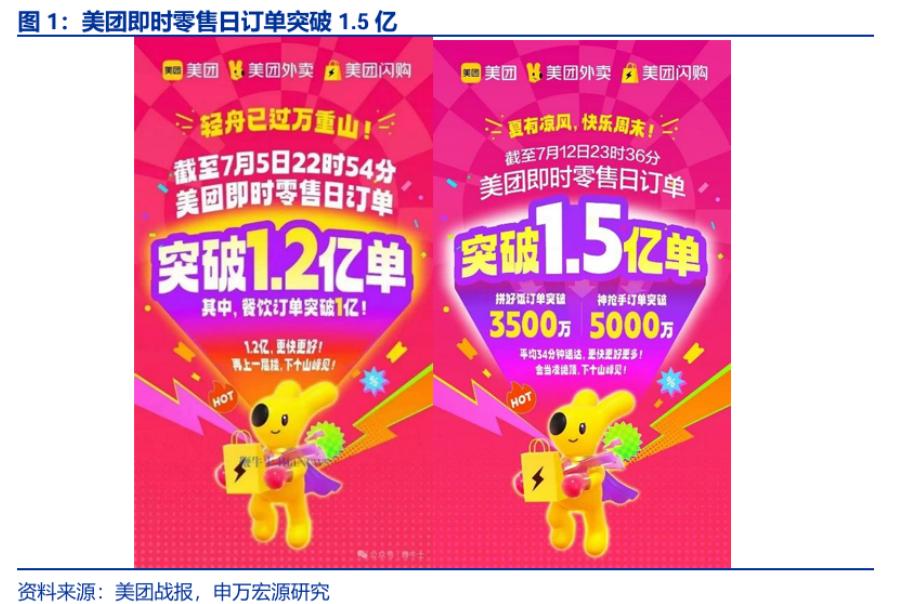
Core Viewpoint - The new Anti-Unfair Competition Law will take effect in October 2025, prohibiting platforms from passing more than 70% of subsidy costs onto merchants, with violators facing fines up to 5 million yuan. This regulation marks a significant shift in the ongoing subsidy war among major food delivery platforms, which is now seen as a capital consumption battle with a deadline [1][13][24]. Group 1: Background and Market Dynamics - JD.com entered the food delivery market with a "0 commission + 10 billion subsidies + full insurance for riders" strategy in February 2025, prompting competitors like Meituan and Ele.me to engage in a subsidy war [3]. - By April 2025, Ele.me initiated a subsidy program exceeding 10 billion yuan, while Alibaba upgraded its Taobao platform to include a flash purchase feature, investing 50 billion yuan in subsidies to reclaim market share [3][6]. - The competition intensified, with Meituan and Ele.me launching aggressive promotional campaigns, leading to a significant drop in average order value from 30 yuan to 15 yuan, despite a surge in daily orders [13][19]. Group 2: Regulatory Actions - The State Administration for Market Regulation (SAMR) held two rounds of talks with major platforms, addressing issues like unfair competition and rider rights. The first meeting on May 13, 2025, focused on broad issues, while the second on July 18 targeted specific problems related to subsidy practices [9][15][17]. - The new law will enforce stricter regulations on promotional activities, aiming to eliminate irrational competition and ensure a healthier ecosystem for consumers, merchants, and riders [15][24]. Group 3: Financial Implications and Market Strategies - Goldman Sachs predicts that the three major platforms could incur losses of up to 90 billion yuan in the coming months due to ongoing subsidy wars [1]. - Meituan reported a peak of 1.5 billion daily orders, while Ele.me's flash purchase service reached around 800 million daily orders, indicating a fierce competition for market share [20][23]. - The platforms are using capital to secure user bases, with JD.com focusing on quality delivery and supply chain efficiency, while Meituan and Ele.me leverage high-frequency user engagement to drive sales in higher-margin categories [19][20]. Group 4: Future Outlook - As the new Anti-Unfair Competition Law comes into effect, the intensity of subsidies is expected to decline, leading to a shift towards efficiency and differentiated competition among platforms [24]. - The future winners in the food delivery market will be those who can convert delivery efficiency into merchant profits and foster brand loyalty among users, emphasizing long-term sustainability over short-term capital expenditure [24].
外卖大战正酣,抖音何故缺席?
3 6 Ke· 2025-07-25 10:12
Core Viewpoint - The takeaway from the article is the ongoing competition in the food delivery sector, particularly focusing on Meituan and Douyin's contrasting strategies in the local lifestyle services market, with Douyin opting for a more cautious approach after previous attempts in food delivery [1][5][10]. Group 1: Competition Dynamics - The food delivery industry has seen intense competition, evolving from a "hundred团大战" to a three-way battle, with Meituan being a long-standing player facing challenges from new entrants like Douyin [1]. - Douyin has previously scaled back its food delivery efforts, indicating a misalignment with its platform's core business model, while continuing to invest in its in-store services [1][5]. - Recent regulatory scrutiny has prompted major food delivery platforms to adhere to legal standards and engage in rational competition [1][5]. Group 2: Douyin's Strategy - Douyin's past attempts to enter the food delivery market included launching the "Xindong Takeaway" mini-program, which was later discontinued due to poor feedback [4][5]. - The platform has shifted its focus to in-store services, leveraging its content-driven approach to attract users and drive sales through group buying [10][12]. - Douyin's "随心团" business model allows users to purchase group coupons that can be redeemed either in-store or for delivery, effectively merging its in-store and delivery services [10][12]. Group 3: Market Positioning - Meituan's food delivery business operates on thin profit margins, with a net profit margin of around 4%, making it less attractive for Douyin, which prefers high-efficiency revenue models [9][10]. - Douyin's user engagement metrics significantly outperform Meituan, with Douyin's monthly active users (MAU) reaching 763 million compared to Meituan's 454 million [9]. - The strategic focus for Douyin remains on enhancing its in-store services, which are more profitable and align better with its operational strengths [10][12]. Group 4: Future Outlook - The competition between Meituan and Douyin is expected to evolve into a more normalized rivalry, with both platforms prioritizing operational efficiency over sheer transaction volume [10][15]. - Douyin is exploring innovative solutions, such as the AI product "探饭," to enhance user experience and streamline its service offerings [13]. - The overall landscape of local lifestyle services is shifting, with Douyin aiming to refine its group buying strategies while maintaining a cautious stance on direct food delivery competition [16][17].