外卖

Search documents
美团驰援3万件救灾物资 已陆续送达北京强降雨受灾地区
Cai Jing Wang· 2025-07-30 00:00
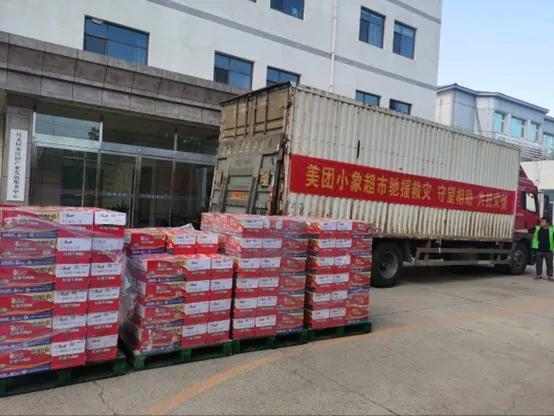
Group 1 - Recent heavy rainfall in Beijing has led to flooding and geological disasters, prompting the city to issue a red rainstorm warning and activate a level one emergency response for flood control [1] - Meituan Public Welfare Foundation, in collaboration with One Foundation, has initiated an emergency response mechanism to assist severely affected areas such as Miyun and Huairou, providing transitional housing, sanitation kits, and heavy equipment for disaster recovery [1] - Meituan has committed to donating 5 million yuan for post-disaster reconstruction efforts in the affected regions [1] Group 2 - Meituan Xiaoxiang Supermarket has urgently dispatched over 25,000 items, including self-heating pots, bottled water, instant noodles, and ham sausages, to support residents in disaster-stricken areas [3] - Meituan Medical Health has coordinated with partners to send 160 stretchers and over 2,000 medical supplies to support disaster relief and medical care for affected communities [5][6] Group 3 - Meituan Travel has implemented protective measures for hotel, attraction, and vacation bookings affected by the heavy rain, offering free cancellations and refunds, and providing risk alerts on the Meituan app [8] - The company has established a special task force for flood relief in North China and will continue to monitor the disaster situation while cooperating with relevant authorities for rescue and recovery efforts [8]


外卖大战局中人
Zhong Guo Qing Nian Bao· 2025-07-29 22:34
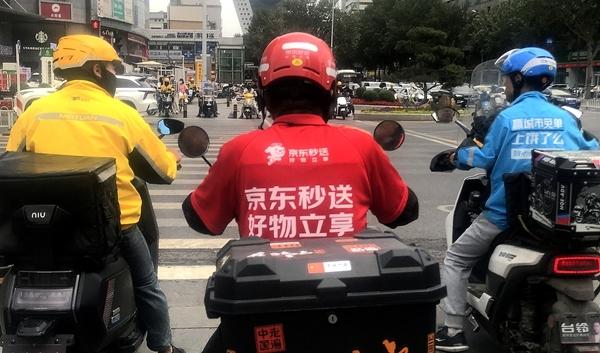
内卷毫无意义,还会受伤——这是数月来,外卖平台、商家、餐饮协会等,在这场商战中渐渐形成的共 识,但似乎没有参与方能真正停下来。 在市场监管总局约谈饿了么、美团、京东要求其"理性参与竞争"一周之后,7月的最后一个周末,中青报·中 青网记者发现,"0元购""满18.8元减18.8元"等补贴活动,已从各平台首页消失。不过,大额补贴仍在,许多 消费者依旧在疯狂"薅羊毛"。 在不断创纪录的日订单背后,一个个或大或小的商家成为这场"对弈"的"棋子"。不少餐饮商家对中青报·中 青网记者表示,近期补贴多由商家承担大头,他们不想参与,又不得不参与。 "近期三家平台的价格战,是典型的低价'内卷式竞争'。"中国连锁经营协会会长彭建真告诉记者,这扭曲了 商品价格体系,还严重影响到实体零售、餐饮的生存空间,尤其是中小规模的连锁企业、餐饮堂食业务 等。 日订单创纪录,骑手和消费者在笑 这场外卖大战从今年春天就已打响,至今持续数月。 这是外卖在中国正式诞生的第17年。2月11日,一家有27年历史的电商公司京东决定入局外卖。这让在外卖 市场占7成份额的美团感受到压力,原本占据3成的饿了么,也有些慌张。起初,这是一场骑手争夺战,但 很快交锋就 ...


美团海外CEO接受巴西权威媒体采访,说了些啥
Sou Hu Cai Jing· 2025-07-29 09:55
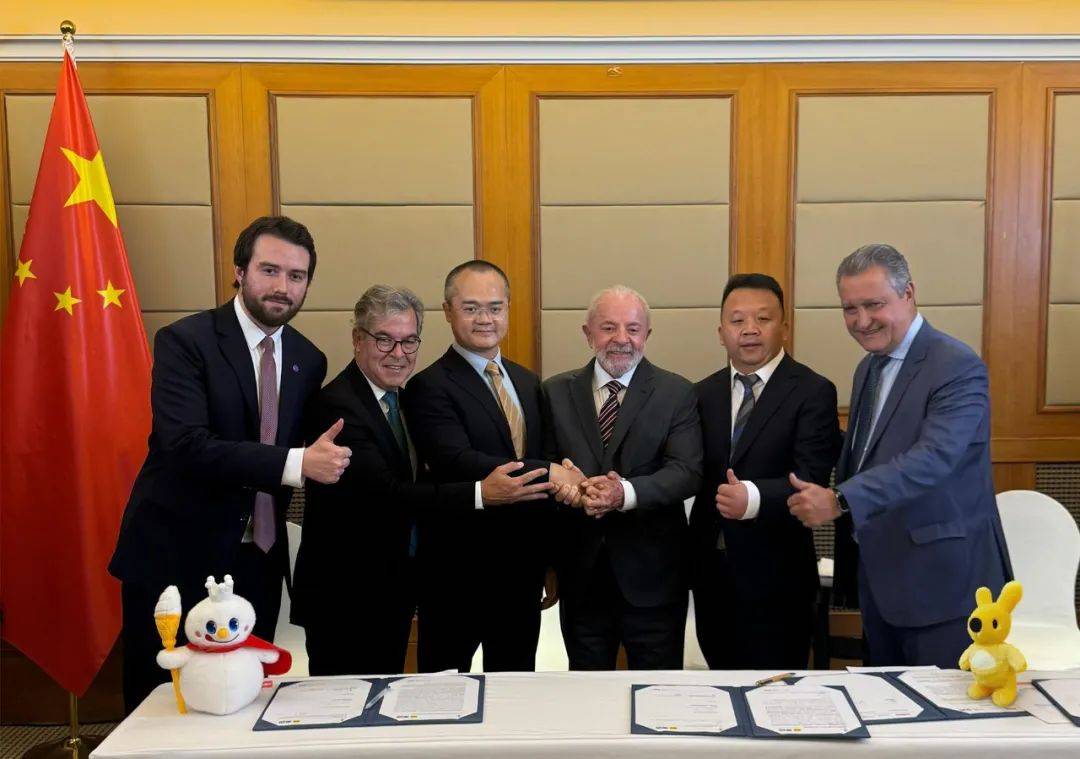
Group 1 - Meituan plans to invest $1 billion in Brazil over the next five years to support the local development of its delivery service, Keeta [1] - The Brazilian food delivery market is dominated by iFood, which holds 90% market share, presenting significant challenges for Meituan [3] - The Brazilian food delivery market is valued at $12 billion and is growing at a rate of 20% annually, making it an attractive opportunity for Meituan [6] Group 2 - Keeta aims to differentiate itself from iFood by avoiding exclusive contracts with restaurants and instead focusing on reasonable commissions and quality service [6] - Meituan has over 1,000 algorithm experts and a data model that optimizes order distribution and rider management, which can be applied in Brazil [7] - The $1 billion investment will be used to develop digital tools, marketing resources, and establish a logistics network with over 100,000 riders, aiming to cover 1,000 major cities in five years [7] Group 3 - Keeta is exploring the use of drones for delivery, having experience with over 1 million drone or autonomous delivery instances, although local regulations currently restrict this [7] - The active number of delivery riders in Brazil is estimated to be less than 1 million, with iFood having fewer than 500,000 active riders [7] - Keeta plans to enter 15 metropolitan areas by June 2026, focusing solely on food delivery, with potential future expansions into fresh produce and pharmaceuticals [7]
2025世界500强出炉,外卖三巨头美团阿里京东排名齐升
Xin Lang Ke Ji· 2025-07-29 09:33
Group 1 - The core viewpoint of the article highlights the rising rankings of the three major food delivery giants, Meituan, Alibaba, and JD.com, in the 2025 Fortune Global 500 list [1] - JD.com improved its ranking by 3 positions, now at 44th place, with a revenue of $161.0554 billion [1] - Alibaba's ranking increased by 7 positions to 63rd, with a revenue of $138.065 billion [1] - Meituan's ranking rose by 57 positions, landing at 327th, with a revenue of $46.92 billion [1]

蒋凡再造一个“美团”?
虎嗅APP· 2025-07-29 09:23
Core Viewpoint - The article discusses the intense competition between Meituan and Alibaba's Taobao Flash Purchase, highlighting the strategic maneuvers and market dynamics at play in the food delivery and instant retail sectors [3][58]. Group 1: Market Dynamics - The fierce competition in the food delivery market has led to significant financial investments, with Meituan's core business operator Wang Puzhong calling for a "ceasefire" after a 25 billion yuan battle [3][5]. - Despite the cessation of reckless subsidies, promotional activities continue, with users still able to access substantial discounts on delivery apps [5][23]. - Instant retail is projected to exceed 1 trillion yuan in scale this year, with a forecast of surpassing 2 trillion yuan in the next five years, driven by major players like Meituan, JD.com, and Douyin [14][15]. Group 2: Strategic Moves - Alibaba's strategy appears to focus on defensive maneuvers rather than directly surpassing Meituan, aiming to protect its e-commerce base from encroachment [8][9]. - The launch of Taobao Flash Purchase is seen as a way to preemptively counter Meituan's expansion into e-commerce, with Alibaba emphasizing a unique branding strategy to capture user attention [18][19]. - Meituan's response to Alibaba's aggressive moves includes a "bloodletting plan," utilizing high-value coupons and promotions to maintain its market position [45][49]. Group 3: User Engagement and Experience - User engagement metrics have surged across platforms, with JD.com reporting an increase of 20.73 million daily active users, and Taobao surpassing 200 million daily active users [23]. - The article notes that while Taobao Flash Purchase has seen rapid order growth, it struggles with user experience issues, such as limited merchant recommendations and a less flexible interface compared to Meituan [28][32]. - The sustainability of high order volumes driven by subsidies is questioned, as the influx of "bargain hunters" may not translate into long-term customer loyalty [37][56]. Group 4: Financial Implications - The financial implications of the subsidy wars are significant, with Alibaba reportedly spending 231.8 billion yuan on subsidies in a short period [49][50]. - The article suggests that while high order volumes can be achieved through aggressive marketing, the long-term profitability of such strategies remains uncertain, especially as operational costs rise [36][56]. - Meituan's ability to maintain a competitive edge may hinge on its operational efficiency and technological infrastructure, which are currently under strain from the high volume of orders [53][54].

世界500强排行榜揭晓,外卖三巨头中美团排名靠后
Xin Lang Ke Ji· 2025-07-29 09:12
责任编辑:李思阳 京东集团营收为1610.554 亿美元,阿里巴巴营收为 1380.65 亿美元,美团营收为469.2 亿美元。 7月29日,2025年《财富》世界500强排行榜揭晓。目前,外卖大战愈演愈烈,世界500强榜单中,外卖 三巨头美团、阿里、京东中,京东集团的排名比去年上升3位,位居第44位;阿里巴巴排名上升7位,位 居63位;美团的排名上升57位,位居第327位。 ...
沙特,去中东捡钱的第一站
投中网· 2025-07-29 06:48
Core Viewpoint - Saudi Arabia is undergoing significant transformation driven by the "Vision 2030" initiative, which aims to diversify its economy and enhance social vibrancy, creating new opportunities for foreign investments, particularly from Chinese companies [5][6][9]. Group 1: Economic Transformation - The Saudi government is actively encouraging foreign capital to enter emerging industries, leading to a surge in foreign enterprises entering the market [6]. - The mobile gaming market in the Middle East is projected to grow at a rate of 4.8% from Q1 2024 to Q2 2025, outpacing the overall global mobile gaming market growth [10]. - Saudi users exhibit a high willingness to pay, with average user spending being twice that of American users and five times that of Chinese users, making it an attractive market for global gaming companies [10]. Group 2: Market Dynamics - Chinese companies are increasingly viewing Saudi Arabia as a primary entry point into the Middle Eastern market [7]. - The local food delivery market is highly competitive, with Chinese firms like Meituan's Keeta entering and rapidly gaining market share through aggressive pricing and service improvements [14][15]. - Keeta achieved a 10% market share within five months of entering the Saudi market, significantly reducing delivery times and costs compared to local competitors [15]. Group 3: Consumer Behavior - The Saudi population is predominantly young, with over 70% under the age of 35 and an internet penetration rate of 99% as of 2023, leading to rapid digital economic growth [12]. - The local consumer market is characterized by high spending power, with a notable acceptance of premium pricing for imported goods, indicating a lucrative opportunity for foreign brands [17][20]. - The evolving social landscape, including increased female participation in the workforce and changing consumer habits, is reshaping the retail and e-commerce sectors [21][22]. Group 4: Technological Advancements - Saudi Arabia is investing heavily in advanced technologies such as autonomous driving and artificial intelligence, positioning itself as a testing ground for these innovations [18]. - The logistics and delivery sectors are also seeing significant advancements, with companies like JD.com launching efficient delivery services in the region [16].

互联网烧钱,餐饮老板流血丨消费参考+
2 1 Shi Ji Jing Ji Bao Dao· 2025-07-28 13:24
外卖大战正成为减肥路上的最大阻碍,2块钱喝杯饮料,甚至曾出现"0元购"。 在海量补贴推动下,外卖单量猛涨。但这也代表着,餐饮价格战进一步加剧。而主动权,并不在餐饮老 板手里。 他们正被迫卷入更残酷的价格战。 今天,我们就来聊下,餐饮老板是如何"失去"定价权的。 大家好,我是小贺,欢迎收看本期消费参考。 此刻,外卖大战持续打响中。 统计显示,近3个月,仅京东、阿里两家平台就在外卖市场投入800亿元补贴。巨额补贴下,"0元购"不 再成为梦想。互联网巨头,再一次承包起网友们的"饭碗"。 受此推动,中国外卖行业的单日总单量已经从年初的1亿单增长至约2.5亿单。 但是,疯狂的外卖大战,对餐饮老板们来说不全是好消息。他们正在被迫参与,代价是走向亏损。 本来,餐饮价格战就已经很严峻了。 今年一季度,太二、怂火锅、九毛九、肯德基、必胜客等知名餐饮品牌,客单价继续下滑。美团数据显 示,2024年,在人均价位在百元以上的餐厅中,超过80%的商户客单价下滑。 受价格战影响,呷哺呷哺亏损继续扩大。久谦中台数据显示,2024年闭店数攀升至409万家,闭店率 61.2%。 而外卖大战,则让餐饮价格战走向相对"失控"局面。 有头部茶饮品牌 ...
外卖平台下场「开店」,凭什么「圈粉」餐饮企业大品牌?
3 6 Ke· 2025-07-28 12:28
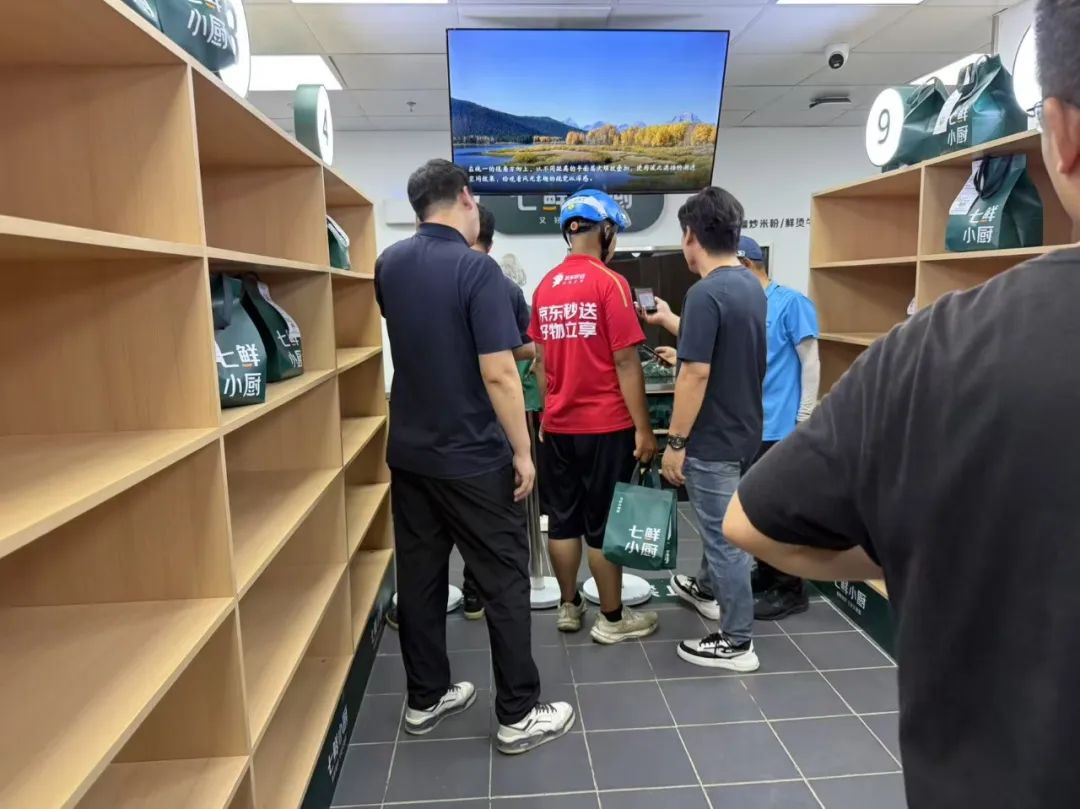
Core Insights - JD.com has launched a new offline food delivery initiative called "Qixian Xiaochu" while previously announcing its withdrawal from online delivery subsidies, indicating a strategic shift towards offline operations [1][12] - The competition in the food delivery industry is extending from online platforms to offline stores, with both JD.com and Meituan entering the market with their respective models [3][10] - The partnership model for food items at Qixian Xiaochu offers significant incentives for restaurants, including a guaranteed minimum revenue share, which is attracting many businesses to participate [7][12] Company Strategies - JD.com has invested 1 billion yuan to recruit 1,000 signature dish partners for its Qixian Xiaochu platform, aiming to establish over 10,000 stores nationwide within three years [1][12] - Meituan's "Raccoon Canteen" has already opened ten locations in Beijing, showcasing a competitive landscape where both companies are vying for market share in offline food delivery [3][13] - The operational models of Qixian Xiaochu and Raccoon Canteen differ significantly, with JD.com taking on more operational responsibilities while Meituan allows merchants to maintain control over their supply chains [10][11] Market Dynamics - The shift towards offline food delivery is driven by the need for enhanced brand visibility, customer acquisition, and user retention, as food delivery is a high-frequency consumption scenario [13][16] - Both companies are leveraging their supply chain advantages to create a more integrated ecosystem, with JD.com focusing on fresh food supply chains and Meituan enhancing food quality through transparent operations [14][16] - The competitive landscape may lead to increased pressure on related industries, as the entry of these platforms into the offline market could disrupt existing business models [16]
产业与市场丨平台经济要从规模扩张迈向合规、创新发展
Sou Hu Cai Jing· 2025-07-28 08:42
Core Insights - The Chinese government is accelerating efforts to address bottlenecks in domestic circulation, emphasizing the importance of platform economy for expanding domestic demand, stabilizing employment, and enhancing people's livelihoods [1][2] - Recent discussions with major platform companies like Ele.me, Meituan, and JD.com highlight the need for compliance with laws and regulations, promoting a win-win ecosystem for consumers, merchants, delivery riders, and platform enterprises [1][4] - The platform economy is rapidly growing, with top listed platform companies generating a total revenue of 3.6 trillion yuan in 2023, marking a 12.7% year-on-year increase [2][4] Group 1: Platform Economy Development - The platform economy is crucial for empowering the real economy and developing new productive forces, with a focus on creating a fair and orderly development environment [1][2] - The recent surge in competition among food delivery platforms reflects a traditional growth strategy reliant on subsidies, which poses risks of unhealthy competition and profit erosion [4][6] - Regulatory measures are being implemented to ensure compliance and promote sustainable practices among platform companies, including the revision of antitrust laws and the introduction of guidelines for healthy platform development [4][5] Group 2: Compliance and Innovation - The government has introduced new regulations aimed at enhancing compliance within the platform economy, requiring companies to elevate their legal awareness and management systems [5][6] - Companies are encouraged to focus on technological, model, and service innovations to improve supply chain efficiency and user experience, moving away from unsustainable subsidy-driven growth [6][10] - The emphasis on compliance is seen as essential for building trust and achieving sustainable development within the platform economy [6][10] Group 3: Employment and Social Security - Major platforms are beginning to provide social security benefits for gig workers, such as delivery riders, reflecting a shift towards better labor rights and protections [18][22] - The trend of platforms offering social insurance is expected to enhance job stability and improve service quality, addressing long-standing issues of labor rights in the gig economy [18][22] - The government is advocating for a comprehensive social security system for flexible and new employment forms, aiming to cover a growing workforce of over 200 million flexible workers [19][20]