茶饮

Search documents
奶茶原料为什么越来越“邪门”了?
FBIF食品饮料创新· 2025-05-20 00:18
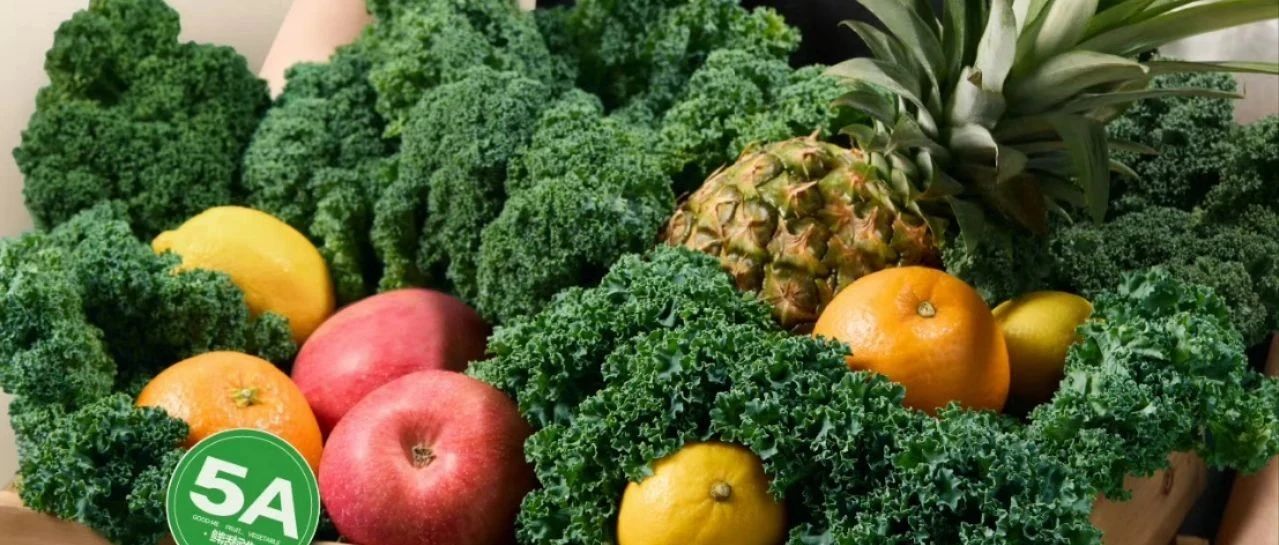
Core Viewpoint - The article discusses the rise of kale as a "superfood" in the beverage industry, particularly in China, driven by marketing strategies from tea brands that transformed it from a little-known ornamental plant to a popular ingredient in drinks [4][6][16]. Group 1: Kale's Transformation - Initially, kale was considered an ornamental plant with no known edible records, but by 2025, it became a sought-after "superfood" with numerous health benefits attributed to it, such as antioxidant properties and potential cancer-fighting capabilities [4][5]. - The price of kale surged dramatically, with its acquisition price increasing from 0.8 yuan per pound in 2024 to 3.5 yuan per pound in 2025, marking a rise of over 300% [5][6]. - The domestic market share of kale shifted from 5% to 55% as tea brands began to source it for their products, indicating a significant change in consumer demand [7]. Group 2: Marketing Strategies - Tea brands adopted a marketing strategy that combined novelty, taste adjustment, and health benefits to promote kale, similar to the successful marketing tactics used in the West [16][20]. - The launch of "Champion Slimming Bottle" by Heytea during the Paris Olympics linked kale to health and fitness, leveraging athlete endorsements to enhance its appeal [21][22]. - The health narrative around kale was emphasized, with products marketed as "superfoods" and backed by nutritional reports, appealing to consumers' desire for healthier beverage options [25][26]. Group 3: Industry Trends - The trend of utilizing niche ingredients like kale has been observed across the beverage industry, with various brands successfully launching products featuring unique ingredients to create buzz and drive sales [28][29]. - The article highlights that the beverage industry is characterized by high competition and product homogeneity, making the discovery of niche ingredients a necessary strategy for brands to differentiate themselves [36]. - In 2024, major tea brands introduced over 2,600 new products, indicating a continuous effort to innovate and attract consumers through new flavors and ingredients [38].

茶咖日报|茶饮行业迎涨价潮:头部品牌新品价格上调1-3元
Guan Cha Zhe Wang· 2025-05-19 13:09
Group 1: Industry Trends - The takeaway beverage industry is experiencing a resurgence driven by aggressive subsidy campaigns from major delivery platforms like JD.com, Meituan, and Ele.me, leading to a significant increase in daily order volumes [1] - As of May 7, 2023, Kudi Coffee's cumulative sales on JD.com exceeded 40 million orders, while Nayuki's Tea saw a year-on-year order volume increase of over 200% on Ele.me [1] - New registrations of tea beverage companies are predominantly occurring in third-tier cities, contributing 22.42% to the total new registrations this year [1] Group 2: Market Dynamics - New tea beverage brands are now responsible for nearly 10% of China's total tea production, indicating their deep integration into the tea industry [2] - The top new tea brands, such as Heytea and Mijia Ice City, have reached significant market valuations, with four brands qualifying for the Hu Run China 500 list [2] - The tea beverage market is witnessing a price increase trend, with leading brands raising prices by 1-3 RMB for new products, reflecting a shift from price competition to value competition [4][5] Group 3: Company Performance - Cha Bai Dao's stock surged by over 18%, driven by strong sales performance during the May Day holiday, with some stores reporting sales increases of up to 3000% [3] - The company has seen a 50% increase in overall sales during the holiday period, with significant growth in both domestic and international markets [3] - Cha Bai Dao's same-store sales have shown double-digit growth since April, with a year-on-year increase of over 20% from May 1 to 14 [3] Group 4: Consumer Behavior - Despite price increases, new product sales remain strong, indicating consumer willingness to pay for quality upgrades [5] - The rising costs of raw materials, including fruits and dairy, have prompted brands to raise prices while simultaneously launching high-value new products [5] - The industry is expected to evolve towards a dual-track model of "premiumization" and "cost-effectiveness," with brands needing to innovate continuously to maintain competitiveness [5]
业绩捷报频传!奈雪 Green 大仟里新店火爆出圈,再成“现象级”门店
Cai Jing Wang· 2025-05-19 10:15
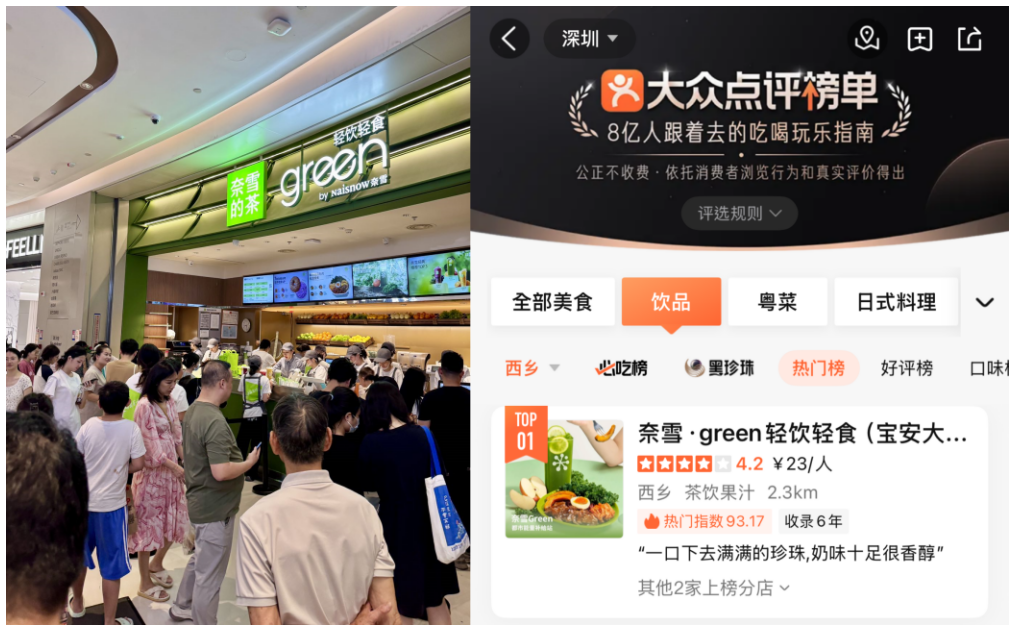
Core Insights - The opening of Nai Xue's second Green store in Shenzhen has generated significant consumer interest, with long queues and over a thousand real-time orders on the first day [1][3] - The store quickly topped the beverage rankings on popular review platforms, indicating a strong market response to its product offerings [1][8] - A recent promotional "flash purchase" campaign led to a more than 200% year-on-year increase in order volume within 24 hours, showcasing the effectiveness of innovative marketing strategies [1][10] Group 1: Store Performance - The Nai Xue Green store at Dajianli achieved over 12 million yuan in sales within three days of opening, reflecting its popularity and high consumer demand [8] - The store's menu features a range of light meals and beverages, including popular items like the "Slim Green Bottle" and "Energy Bowl," which have received positive feedback from customers [3][6] - The successful launch of the Dajianli store is part of a broader strategy to expand the Green store format across major cities, with 31 locations already established in key urban areas [10] Group 2: Consumer Trends - Social media discussions around the Green store's opening have surged, with consumers sharing tips and experiences, particularly praising the bagel offerings [4][6] - The trend towards health-conscious consumption is evident, as products featuring superfoods and balanced nutrition are gaining traction among consumers [10] - The recent sales data indicates a significant increase in overall orders during the May Day holiday, with some stores experiencing a more than 300% increase compared to the pre-holiday period [9]
四个河南男人,掏空中产钱包
创业邦· 2025-05-19 10:15
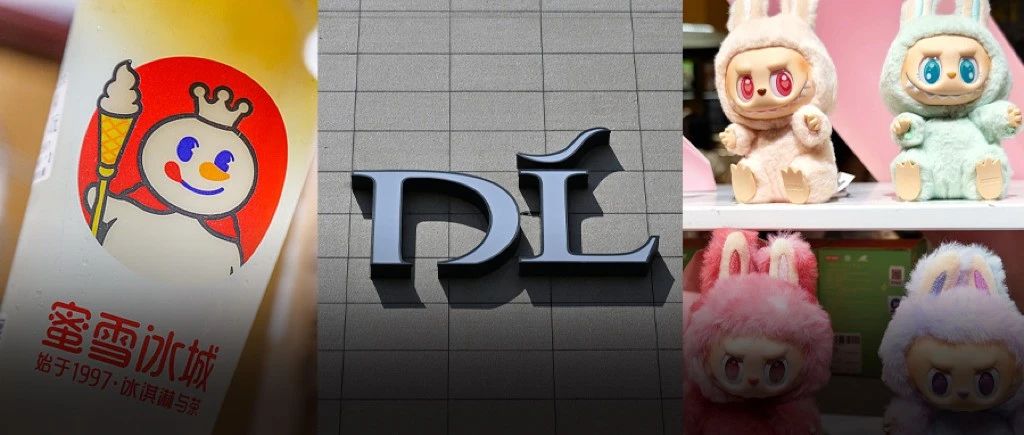
Core Viewpoint - The article discusses the success of three consumer brands from Henan, namely Mixue Ice City, Pop Mart, and Pang Donglai, highlighting their unique business models and the founders' backgrounds, which resonate with current consumer sentiments and trends [4][5][8]. Group 1: Company Performance and Market Trends - Mixue Ice City went public in March 2023, experiencing a stock price surge of 30% on its debut, rising from an IPO price of 202.5 HKD to 456 HKD within two months, making its founders billionaires [5][26]. - Pop Mart, founded by Wang Ning, initially faced challenges post-IPO in 2020 but has recently rebounded, with its stock price reaching nearly 200 HKD, driven by the popularity of its IP Labubu [5][27]. - Pang Donglai has gained attention for its employee welfare policies, which resonate with consumers seeking a sense of community and support during tough economic times [8][29]. Group 2: Founders' Background and Business Philosophy - The founders of these brands share humble beginnings in Henan, which influences their business strategies and understanding of consumer needs [9][15]. - Zhang Hongchao and Zhang Hongfu of Mixue Ice City emphasize affordability, catering to a demographic that values low-cost options during economic downturns [8][19]. - Wang Ning of Pop Mart focuses on creating a joyful shopping experience rather than just selling products, appealing to adult consumers seeking comfort in collectibles [9][19]. Group 3: Business Models and Strategies - Mixue Ice City has rapidly expanded into Southeast Asia, with over 550 stores in Vietnam and Indonesia by early 2022, aiming to provide affordable beverages globally [26][28]. - Pop Mart has adopted an aggressive global expansion strategy, opening stores in major international cities like New York and Paris, focusing on high-traffic areas to attract diverse consumers [27][28]. - Pang Donglai remains focused on the domestic market, with a significant portion of its products being self-branded, projecting a sales increase from 20 billion to 60 billion in proprietary goods by 2024 [29].

市值缩水 亏损不断 奈雪“改头换面”能否破局?
Xi Niu Cai Jing· 2025-05-19 09:03
Group 1 - The core viewpoint of the articles revolves around Naixue's rebranding efforts as part of its internationalization strategy, simplifying its name from "Naixue's Tea" to "Naixue" and introducing a new logo [2] - Naixue's new branding aims to integrate nature, art, and imagination while emphasizing its commitment to health transformation, although consumer reactions are mixed, with some questioning the effectiveness of the changes [2] - The company has faced challenges in international markets, having previously closed stores in Singapore and Japan, indicating that acceptance of its "East meets West" brand image remains uncertain [2] Group 2 - Naixue is attempting to find new growth points through a health-oriented transformation, launching products like the "Daily 500 Fruit and Vegetable Bottle" and opening 30 "Green" stores in major cities [3] - Despite ambitious transformation plans, Naixue has struggled to create standout products, with frequent name changes potentially undermining brand recognition in a highly competitive tea beverage market [3] - The success of Naixue's rebranding and transformation efforts will depend on the strength of its product offerings, as mere cosmetic changes may not lead to lasting success [3]

行业周报:蜜雪冰城、古茗4月加速开店,618国货品牌势能向上
KAIYUAN SECURITIES· 2025-05-19 02:20
Investment Rating - The investment rating for the social services industry is "Positive" (maintained) [1] Core Insights - The social services sector has shown a decline in performance, with the A-share social service index underperforming the market, ranking 27th among 31 primary industries [8] - The tea beverage industry is experiencing significant growth, with major players like Mixue Ice City and Gu Ming rapidly expanding their store numbers [44][48] - The beauty sector is witnessing a rise in domestic brands, with strong performance during the 618 shopping festival, indicating a shift towards local products [56][57] Summary by Relevant Sections 1. Trend in Toy Industry - In April 2025, online sales in the toy and animation category reached 1.314 billion yuan, marking a 48% year-on-year increase [16] - The blind box and ACG peripheral products showed strong growth, with sales increasing by 105% and 116% respectively [17][21] 2. Tea Beverage Industry - As of April 2025, there are 486,000 tea beverage stores in operation, with a net increase of 7,600 stores in the first four months of the year [44][48] - Major brands like Mixue Ice City and Gu Ming have significantly increased their store counts, with Mixue reaching 38,337 stores [51] 3. Education Sector - Youdao reported a revenue of 1.3 billion yuan in Q1 2025, a decrease of 6.72% year-on-year, but achieved a record operating profit of 104 million yuan, up 247.7% [52][54] - The company is focusing on AI-driven educational services, which have shown promising growth [52] 4. Beauty Industry - The 618 shopping festival saw a strong performance from domestic beauty brands, with significant sales growth compared to previous years [56][57] - The hair care market is experiencing steady growth, particularly through online channels, with Douyin becoming a major contributor [56]




茶饮推新集体上涨1~3元,释放了什么信号?
3 6 Ke· 2025-05-19 00:45
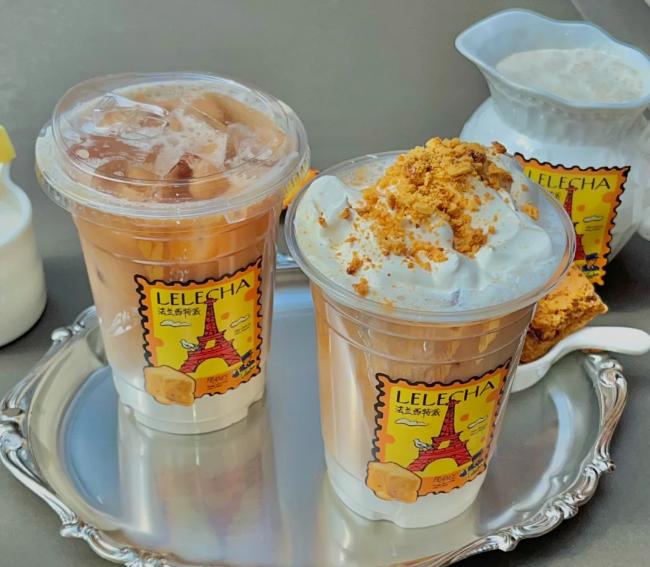
Core Insights - The tea beverage industry is experiencing a subtle price increase, with many brands raising new product prices by 1 to 3 yuan compared to the same period last year, and over half of new products from brands like Heytea and Nayuki priced above 20 yuan [1][2][5] - The shift in pricing strategy reflects a broader trend away from price wars towards a focus on product value and quality [5][20] Price Trends - Heytea has introduced several new products priced over 20 yuan, with the average price of new products rising from 17-19 yuan last year to 23 yuan this year [1] - Nayuki launched 15 new products in the first four months of this year, with 10 priced above 20 yuan, marking a 20.5% increase from the previous year [1] - Lele Tea's average product price increased by 4.9% from 18.3 yuan to 19.2 yuan, with more products priced above 20 yuan compared to last year [1] Competitive Dynamics - The price increase is driven by multiple factors, including a shift from low-price competition to sustainable value competition among brands [5][20] - Brands are focusing on product differentiation and quality, with Heytea and Nayuki emphasizing unique experiences and health-oriented products [8][12] - The industry is moving towards a "precision farming era," where the focus is on product quality and consumer experience rather than aggressive pricing strategies [20][22] Consumer Expectations - Consumers are increasingly prioritizing quality over price, seeking better ingredients and healthier options [12][14] - Successful high-priced products, such as Heytea's 22 yuan drink, demonstrate that consumers are willing to pay more for perceived value [14] - The demand for high-quality ingredients and unique experiences is reshaping consumer behavior in the tea beverage market [12][14] Supply Chain and Cost Factors - The supply chain dynamics are changing, with many leading brands reaching their cost limits and facing rising raw material prices [15][17] - Key ingredients like coconut and coffee have seen significant price increases, impacting overall cost structures for beverage companies [17] - Brands are exploring ways to enhance product value through creative offerings and unique experiences to justify higher prices [19][22]

加配高景气新消费,重视红利资产防御
SINOLINK SECURITIES· 2025-05-18 14:13
Group 1: Consumption Strategy and Investment Recommendations - The report recommends focusing on high-growth new consumption sectors, dividend defensive stocks, and traditional companies transitioning to new consumption [3][13] - High-growth new consumption opportunities include new tobacco products, beauty care, trendy toys, pet products, and tea beverages [3][13] - Dividend defensive stocks are prioritized due to unclear policy signals and ongoing domestic demand impacts, with a focus on white goods [3][13] Group 2: Macroeconomic and Midstream Consumption Tracking - In April, the domestic CPI remained stable with a slight decrease of 0.1% year-on-year, while core CPI increased by 0.5% [4][14] - April's export growth reached 8.1% year-on-year, marking the highest since 2022, although it showed signs of slowing due to a decrease in home appliance exports [4][16] Group 3: Home Appliances - In April, the overall retail sales of home appliances increased by 21.8% online and 18.6% offline, with the national subsidy for 11 major categories growing by 18.2% [7][28] - Specific categories showed varied performance: air conditioners up 34.8%, refrigerators up 1.0%, and washing machines up 10.8% online [7][28][29] Group 4: Light Industry Manufacturing - The new tobacco sector is experiencing upward momentum, with clear growth trends in the HNB industry and potential market share gains for companies like Smoore International [7][30] - The trendy toy market remains robust, with GMV growth of 109% in April year-on-year, driven by new company entries and innovative operational strategies [7][30] Group 5: Textile and Apparel - The easing of US tariffs is expected to boost export and domestic demand, with a focus on new consumption and brands with unique advantages [7][33][37] - The textile manufacturing sector is seeing a recovery in client confidence following tariff reductions, which may lead to increased orders and improved domestic factory utilization [7][37] Group 6: Social Services - The tea beverage sector is benefiting from improved same-store sales and competitive dynamics in the takeaway market, with expectations for further growth [7][35] - Hotel performance showed strong leisure demand during the May holiday, although business travel remains weak [7][35] Group 7: Retail and E-commerce - The competitive landscape in the takeaway market is evolving, with regulatory pressures on major platforms like Meituan and JD, although the overall competition remains intense [7][36] - Meituan's initiatives in instant retail and national subsidies are expected to impact JD's core categories significantly [7][38]
四个河南男人,掏空中产钱包
36氪· 2025-05-18 10:56
Core Viewpoint - The article discusses the success of three consumer brands from Henan: Mixue Ice City, Pop Mart, and Pang Donglai, highlighting their unique business models and the founders' backgrounds, which resonate with current consumer sentiments in China [3][5][12]. Group 1: Company Overview - Mixue Ice City went public in Hong Kong in March 2023, with its stock price soaring from the IPO price of 202.5 HKD to 456 HKD within two months, making its founders billionaires [8][10]. - Pop Mart, founded by Wang Ning, initially struggled after its 2020 IPO but has recently rebounded, with its stock price reaching nearly 200 HKD, driven by popular IPs like Labubu [9][12]. - Pang Donglai has gained popularity by creating a supermarket chain that emphasizes employee welfare and community engagement, becoming a spiritual symbol for many consumers [12][15]. Group 2: Founders' Backgrounds - The founders of these brands, all from Henan, share humble beginnings and a deep understanding of consumer needs, which has contributed to their success [4][20]. - Zhang Hongchao and Zhang Hongfu of Mixue Ice City grew up in poverty, which influenced their pricing strategy to cater to budget-conscious consumers [11][27]. - Wang Ning of Pop Mart and Yu Donglai of Pang Donglai also have backgrounds that reflect resilience and adaptability, with experiences that shaped their business philosophies [20][22]. Group 3: Market Positioning and Strategy - Mixue Ice City focuses on affordability, appealing to consumers during economic downturns, which has led to its rapid growth and expansion into Southeast Asia, with over 550 stores in Vietnam and Indonesia by early 2022 [29][32]. - Pop Mart targets high-end markets in major cities globally, with a strategy that encourages bold expansion into key international locations like New York and Paris [33][34]. - Pang Donglai maintains a strong local presence in Henan while expanding its private label products, projecting a significant increase in sales from 20 billion to 60 billion in 2024 [36][37].
月销700万杯!今夏第一个爆品,古茗、益禾堂都在卖
3 6 Ke· 2025-05-18 04:18
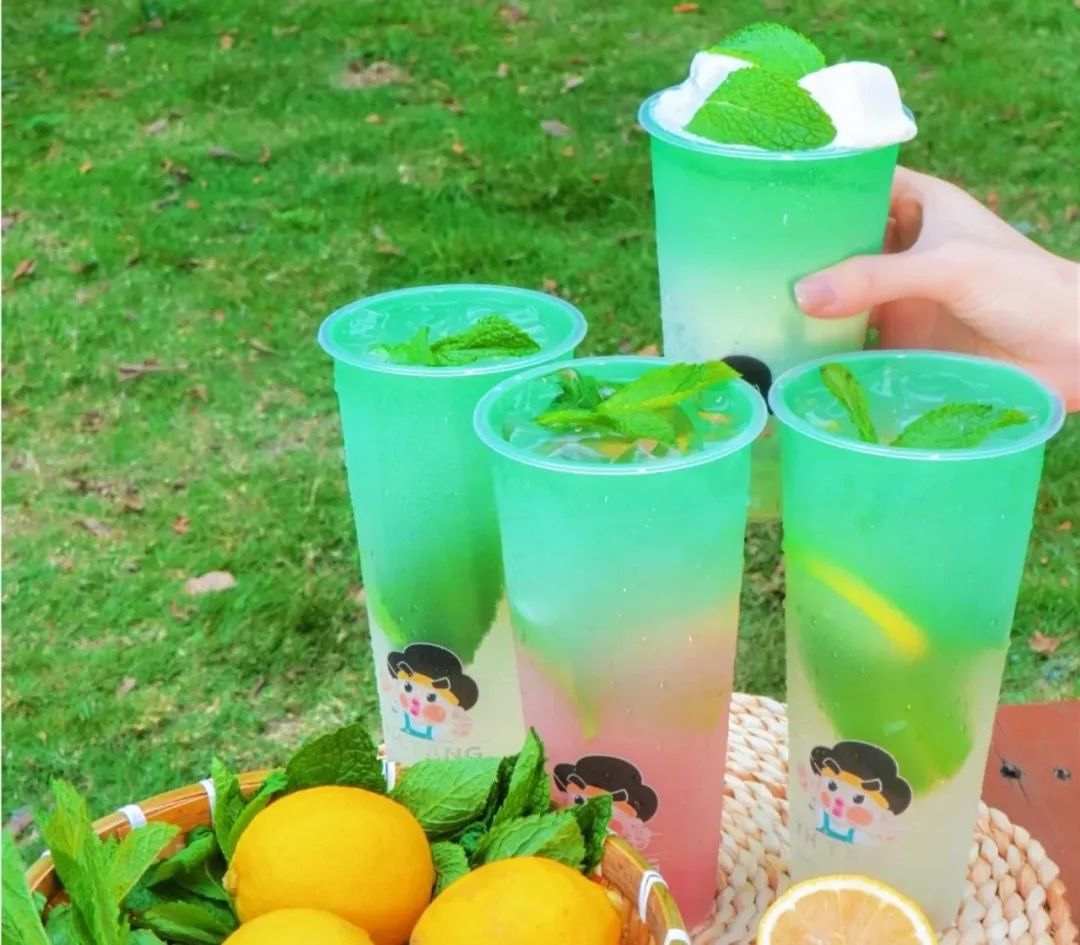
Core Viewpoint - The popularity of lemon water has surged this summer, with major brands like Yihotang and Guming innovating their offerings to capture consumer interest, leading to significant sales growth [1][2][4]. Group 1: Sales Performance - Yihotang's new mint lemon water, priced at 5 yuan, sold over 700 million cups within a month, becoming the top-selling item in stores [4]. - Guming launched a new plum lemon water in May, priced from 7.9 yuan, which also gained unexpected popularity among consumers [6]. - Social media engagement around lemon water has increased, with over 800,000 related posts, indicating a strong consumer trend [2]. Group 2: Product Innovation - Brands are introducing new flavors and ingredients to lemon water, such as mint and plum, enhancing its appeal and refreshing taste [8][10]. - The visual presentation of these drinks has also been emphasized, with vibrant colors and garnishes attracting consumers to share on social media [10]. - Incorporating "super plants" like kale and bitter melon into lemon water has added health benefits and diversified flavor profiles [12][14]. Group 3: Market Dynamics - The lemon water market is highly competitive, with established players like Mixue selling over 10 billion cups annually, generating over 4 billion yuan in revenue [15]. - Brands are focusing on balancing classic flavors with innovative twists to attract consumers, as seen in the use of different lemon varieties and additional flavor elements [18][20]. - Pricing strategies are crucial, with many consumers viewing lemon water as a high-value summer beverage, necessitating brands to offer competitive pricing while ensuring quality [21][23]. Group 4: Future Opportunities - The industry is exploring micro-innovations to keep classic products like lemon water relevant, suggesting that small changes can lead to significant market impact [24]. - There is potential for further innovation by integrating health and wellness trends into lemon water offerings, appealing to a broader consumer base [20].