餐饮

Search documents
北京将获批3亿资金开展“有奖发票”活动!2月中旬启动…
Bei Jing Shang Bao· 2026-01-25 04:53
Core Viewpoint - The "Prize Invoice" pilot program in Beijing is a key initiative aimed at stimulating consumer spending and enhancing market vitality [2][3][4] Group 1: Program Details - The "Prize Invoice" activity will launch in mid-February with a budget of up to 300 million yuan from central government subsidies for a six-month trial [2] - The program covers eight consumer sectors: retail, dining, accommodation, cultural arts, entertainment, tourism, sports, and residential services [2][3] - Consumers can participate by uploading invoices of 100 yuan or more for a chance to win cash prizes ranging from 10 to 800 yuan, which will be returned to their payment channels [2][3] Group 2: Objectives and Impact - The initiative aims to boost consumer willingness to spend and enhance the sense of gain among consumers, thereby stimulating demand [3] - The pilot program is part of a broader strategy to invigorate consumption and create a favorable market atmosphere in Beijing [3][4] - The program aligns with national goals to strengthen domestic markets and promote high-quality business development during the 14th Five-Year Plan [4] Group 3: Market Trends - Beijing's consumer market is steadily growing, with a projected 1.6% increase in total market consumption in 2025 compared to the previous year [4] - The city has seen significant improvements in consumption structure and vitality, with 1,068 new brand stores opened in 2025 and various initiatives to enhance consumer experiences [4]
试点6个月!深圳等50个城市入选
Sou Hu Cai Jing· 2026-01-25 03:56
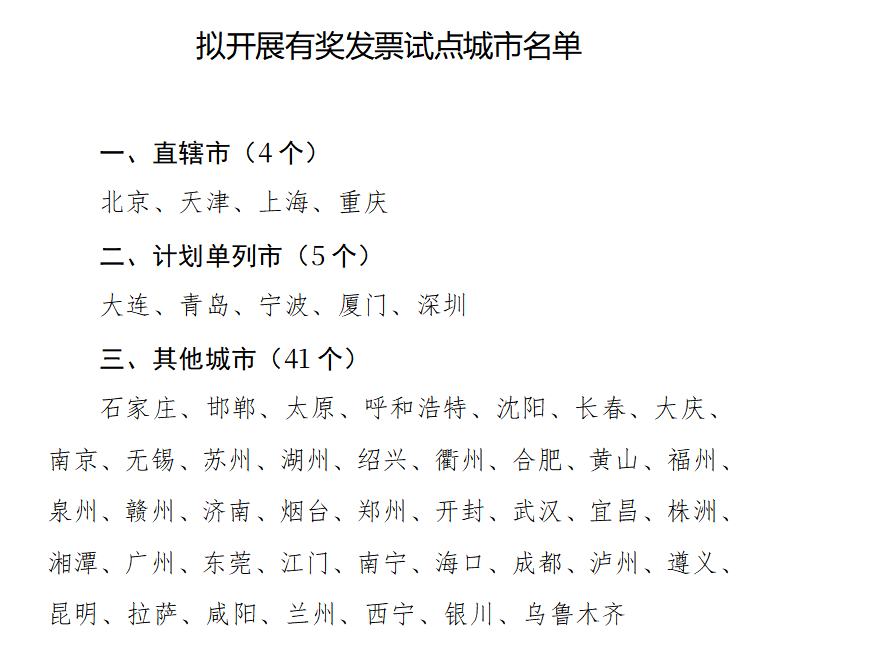
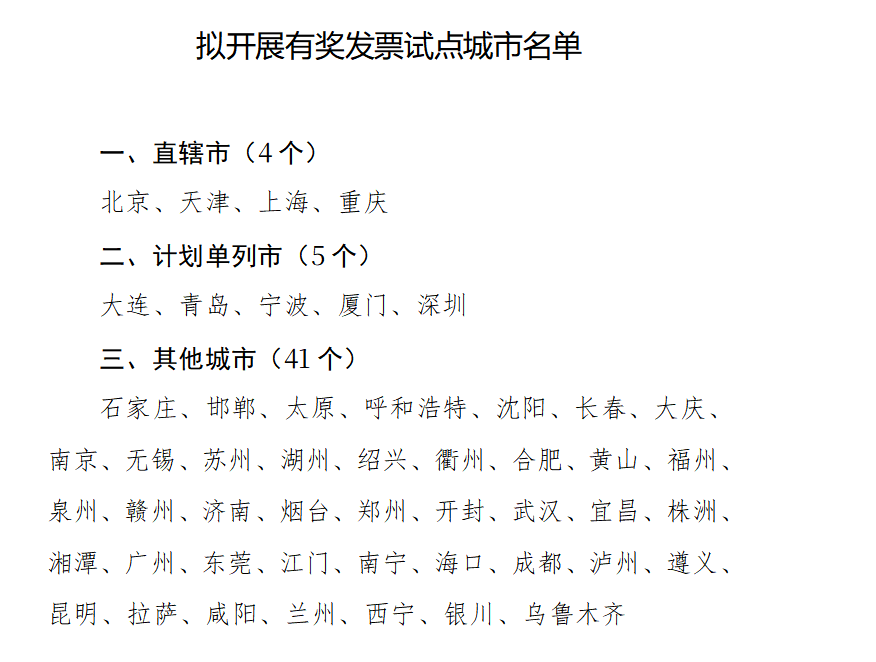
1月23日,商务部、财政部、国家税务总局对外公示拟开展有奖发票试点城市名单,包括北京、上海、深圳等50个城市入 选。 图片来源 / 国家税务总局网站 为进一步激发消费需求,释放消费潜力,三部门于2025年12月底发布通知称,将支持50个左右城市开展有奖发票试点工作, 政策实施期为6个月。近期,三部门组织开展了有奖发票试点城市评审工作。这一评审结果公示期为2026年1月23日至2026年 2月2日。 据介绍,试点城市对个人消费者以本人名义向零售、餐饮、住宿、文化艺术、娱乐、旅游、体育、居民服务业等行业的经营 主体购买商品和服务,且取得的票面金额在一定额度以上的发票组织抽奖。中央财政将对试点城市分档安排奖补资金。 三部门有关负责人此前表示,此次出台的有奖发票试点政策着重从需求端发力,鼓励居民消费并取得发票后参与抽奖。试点 政策覆盖日常消费主要场景,如购物、外出就餐、旅游住宿、文体活动、生活服务等,与居民"衣食住行"密切相关。 ...

传统街巷变身潮流时尚地标 各地拓展消费新业态激发“消费地图”焕新升级
Yang Shi Wang· 2026-01-25 03:04
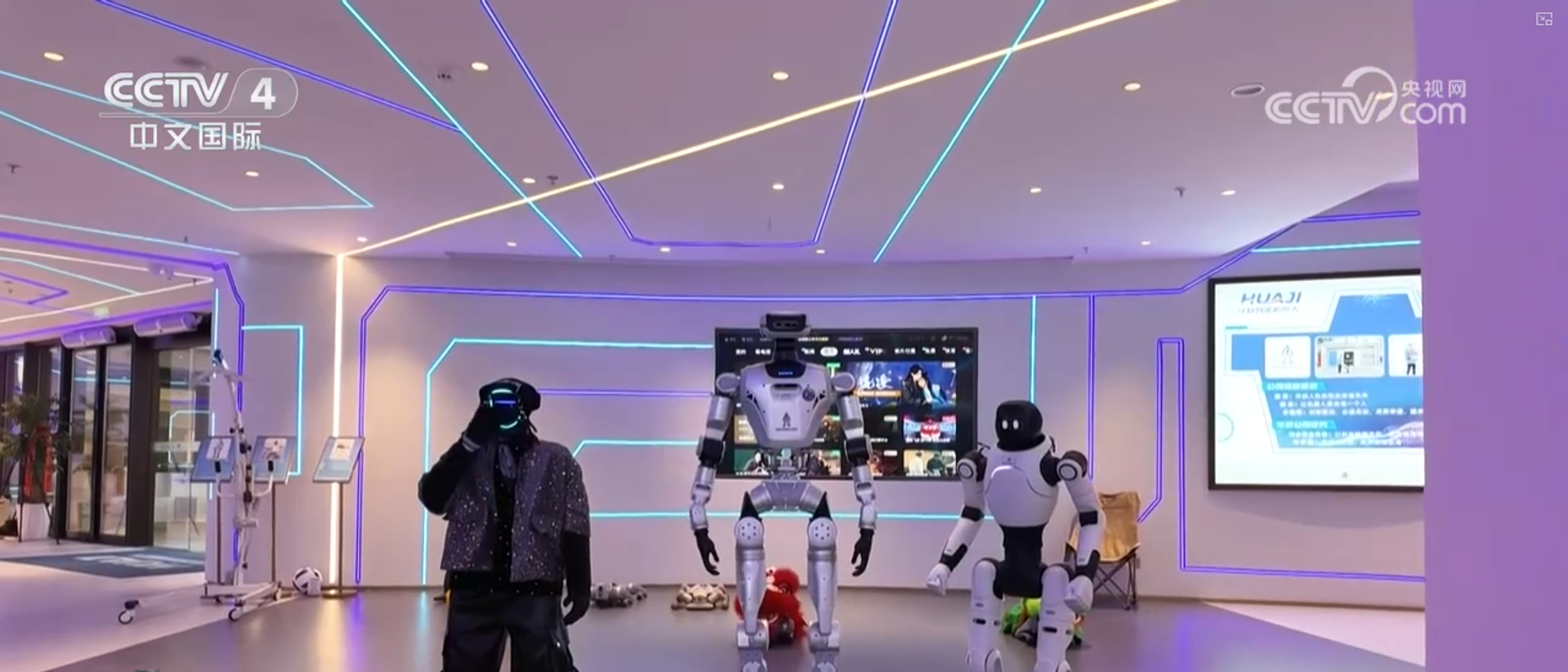
Core Viewpoint - In 2026, various regions in China are intensifying efforts to cultivate the "first launch economy," continuously enriching and expanding new business formats and scenarios to stimulate consumer vitality [1] Group 1: New Business Formats and Scenarios - Guizhou's first robot 6S store has opened in Guiyang, showcasing over a hundred cutting-edge service and educational robots, allowing citizens to experience the functionality and industry trends of robotics [3] - Inner Mongolia is enhancing the development of experiential new business formats, with a new sports park in Hohhot attracting many citizens, combining shopping with sports and leisure experiences [5] - Hebei is focusing on ten sectors including dining, culture, and exhibitions, creating 28 multi-format consumption scenarios to continuously stimulate the vitality of the first launch economy [8] Group 2: Policy Support and Incentives - In Xi'an, Shaanxi is exploring an innovative model of "intangible cultural heritage + shopping malls + districts," planning to introduce a number of first stores from the Northwest and nationwide, with over 80% of new trendy brands being first stores in the Xiaozhai business district [6] - Shanghai is implementing store renovations and product upgrades for many first and flagship stores, transforming traditional streets into trendy landmarks, and will introduce special support policies to accelerate the development of the first launch economy [10][12]
跨境出海周度市场观察-20260125
Ai Rui Zi Xun· 2026-01-25 03:01
Industry Trends - In 2026, companies will focus on localized operations and technology-driven overseas warehouse systems, particularly in the U.S. market, enhancing operational efficiency through "micro-headquarters" that integrate marketing, customer service, and supply chain[1] - By 2025, 44% of Chinese companies have developed detailed plans for the Middle East, with 40% achieving profitability, indicating a shift from rapid expansion to meticulous cultivation in this market[2] - AI is reshaping marketing strategies, with over 70% penetration in influencer marketing and precise targeting, significantly improving brand exposure and sales[4] - The Chinese robotics industry is transitioning from product export to brand globalization, with a 54.9% increase in industrial robot exports in the first three quarters of 2025[4] Brand Dynamics - Alibaba's AliExpress aims to enhance brand globalization through overseas warehouse services, targeting a tenfold increase in GMV for participating merchants[13] - Pop Mart's overseas revenue surged from 137 million yuan to 5.593 billion yuan in four years, attributed to a shift from a distributor model to direct sales and the implementation of a cloud ERP system[14] - Jitu Express reported a 300 billion package volume in 2025, with overseas business accounting for nearly 30% of total operations, driven by a 67.8% growth in Southeast Asia[16] - The pet brand Vetreska achieved over $30 million in sales in two years by targeting North American middle-class consumers and utilizing localized marketing strategies[18]



成都等50城拟开展有奖发票试点 吃顿饭可能不花钱还“小赚一笔”
Sou Hu Cai Jing· 2026-01-25 02:44
而根据此前通知,50个试点城市自行确定中奖发票最低票面额度(不低于100元)、中奖比例和奖项设 置,及时兑付补贴资金。单张发票奖项金额原则上不超过800元。这也就意味着,吃顿饭的发票如果中 奖,可能最后不花钱还"小赚一笔"。 同时,按照此前财税部门规定,个人取得单张有奖发票奖金所得不超过800元(含800元)的,暂免征收 个人所得税。所以上述50个试点城市发票中奖上限原则上定在800元以下,老百姓中奖后还可以不用缴 纳个税。 编辑: 文博雅 责编: 张烁 记者1月24日获悉,商务部、财政部、税务总局日前对外公示拟开展有奖发票试点城市名单,成都入 选。 据悉,三部门于2025年12月底发布通知称,将支持50个左右城市开展有奖发票试点工作,政策实施期为 6个月。近期,三部门组织开展了有奖发票试点城市评审工作。 有奖发票试点城市对个人消费者以本人名义向零售、餐饮、住宿、文化艺术、娱乐、旅游、体育、居民 服务业等行业的经营主体购买商品和服务,且取得的票面金额在一定额度以上的发票组织抽奖。中央财 政将对试点城市分档安排奖补资金。 ...
视频丨各地加大力度培育首发经济 持续激发消费活力
Yang Shi Xin Wen Ke Hu Duan· 2026-01-25 02:14
Group 1 - The new year sees various regions intensifying efforts to cultivate the "first launch economy," continuously enriching and expanding new business formats to stimulate consumer vitality [2] - Guizhou's first robot 6S store has opened in Guiyang, showcasing over a hundred cutting-edge service and educational robots, with plans to introduce more than 100 first stores this year [4] - Inner Mongolia is enhancing the development of experiential new business formats, with over 20 new brand flagship and concept stores planned in Baotou this year [6] Group 2 - Shaanxi is exploring an innovative model combining "intangible cultural heritage + shopping malls + districts," with over 80% of new trendy brand stores in Xi'an's Xiaozhai business circle [8] - Hebei is focusing on ten sectors including dining and culture, creating 28 multi-format consumption scenarios to continuously invigorate the first launch economy [10] - Shanghai is transforming traditional streets into trendy landmarks, with plans to introduce international food brands and support policies for new consumption formats and experiences [12][14]
有奖发票试点城市,深圳入选!
Xin Lang Cai Jing· 2026-01-25 01:47
Core Viewpoint - The Ministry of Commerce, Ministry of Finance, and State Taxation Administration announced a pilot program for prize invoices in approximately 50 cities, including major cities like Beijing, Shanghai, and Shenzhen, aimed at stimulating consumer demand and enhancing spending potential [1][3]. Group 1: Pilot Program Details - The pilot program will be implemented for a duration of six months, starting from the announcement made on December 31, 2025 [3]. - The evaluation results for the selected pilot cities will be publicly available from January 23, 2026, to February 2, 2026 [3]. - The program will allow consumers to participate in a lottery by obtaining invoices for purchases made in various sectors, including retail, dining, accommodation, cultural activities, entertainment, tourism, sports, and residential services, provided the invoice amount exceeds a certain threshold [3]. Group 2: Financial Support and Objectives - Central government funding will be allocated to the pilot cities based on a tiered system to support the initiative [3]. - The policy is designed to focus on the demand side, encouraging residents to spend and participate in the lottery after obtaining invoices [3]. - The pilot program targets essential consumer activities closely related to daily life, such as shopping, dining out, travel, cultural events, and everyday services [3].
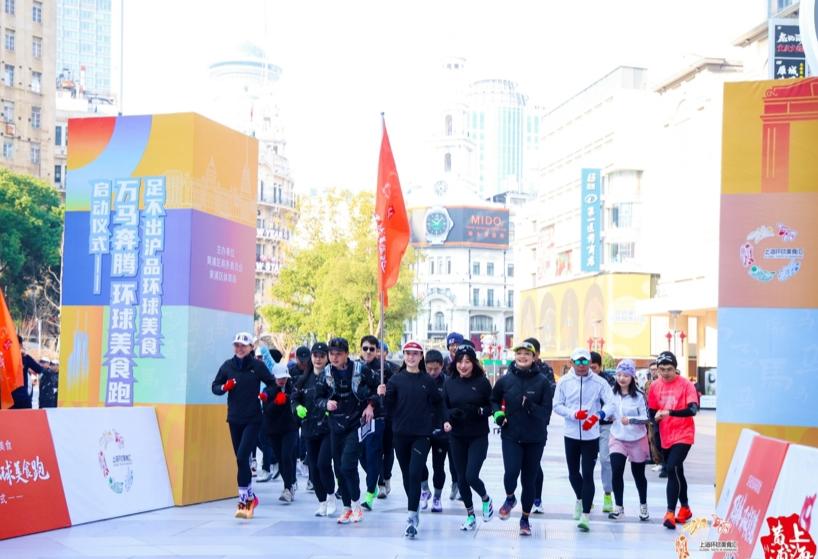
16公里串联“最上海”烟火与滋味 黄浦“万马奔腾·环球美食跑”将发放六轮餐饮消费券
Jie Fang Ri Bao· 2026-01-25 01:41
Core Viewpoint - The "Galloping Horse: Global Food Run" event in Huangpu District aims to promote local cuisine and tourism while enhancing consumer engagement through a unique running route that connects key city landmarks [1][4]. Group 1: Event Overview - The "Galloping Horse: Global Food Run" took place on January 24, featuring a 16-kilometer route that highlights Huangpu's culinary and tourism offerings [1][3]. - The event included a running team of 160 participants and a cycling team of 60, traversing through major areas such as the Bund, Nanjing Road, and People's Square [1]. Group 2: Route Design and Inspiration - The route design was inspired by the natural curve where Suzhou River meets Huangpu River, resembling a galloping horse on the map [1]. - The route connects various culinary landmarks, including the historic international restaurant area and local delicacies, creating a vibrant urban exploration experience [1]. Group 3: Promotional Activities - Huangpu District will distribute six rounds of dining coupons from January 24 to March 5, offering discounts of 20 yuan for every 100 yuan spent at participating restaurants [2]. - An online interaction campaign on Xiaohongshu encourages users to share their experiences along the route, with opportunities to win prizes for popular posts [2]. Group 4: Strategic Importance - The event aligns with Shanghai's initiative to establish itself as an international food capital, enhancing regional food brand development and stimulating the local economy [4]. - By integrating fitness, culinary experiences, and urban exploration, the event aims to boost consumer confidence and market activity in the district [4].
各地加大力度培育首发经济 持续激发消费活力
Yang Shi Xin Wen Ke Hu Duan· 2026-01-25 01:32
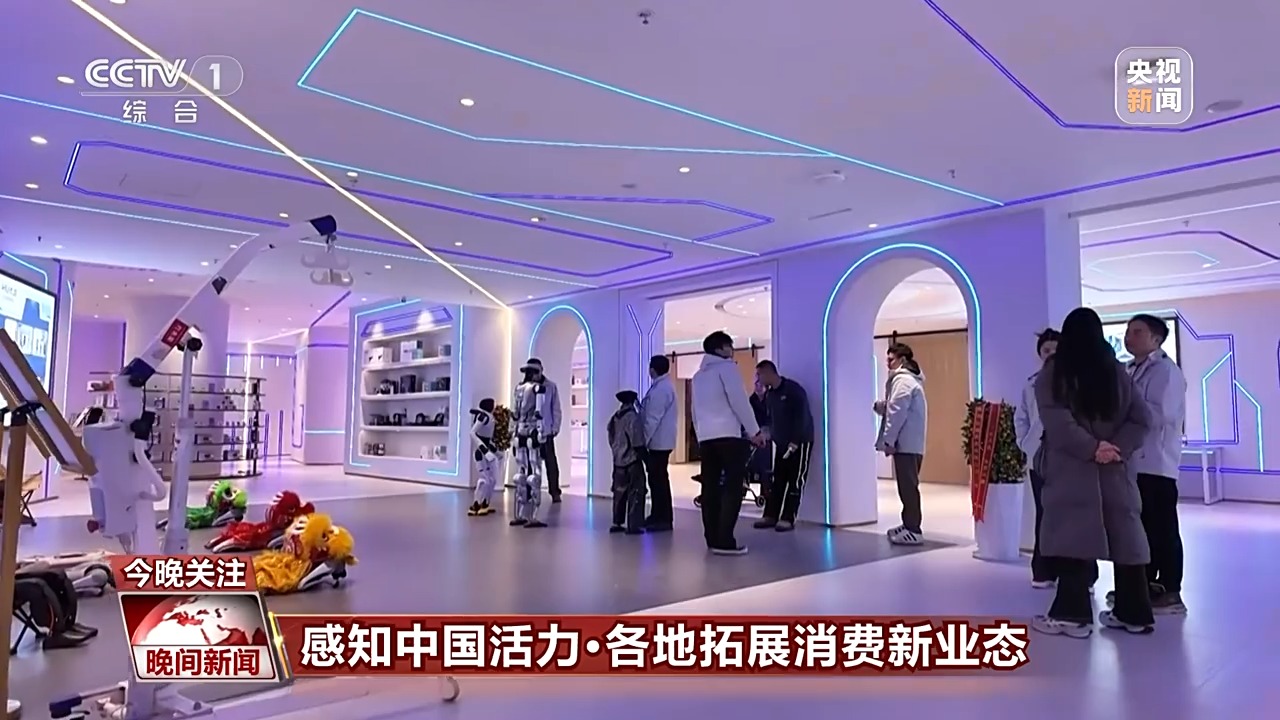
进入新一年,内蒙古加大了拓展体验新业态、丰富新场景的力度。在呼和浩特,商圈内新打造的运动公园吸引了众多市民,这里不仅可以购物,还融合了运 动休闲体验新空间。在包头,今年将新增20家以上各类品牌首店、旗舰店、创新概念店。日前,这家园艺生活主题馆内蒙古首店落地,1600多个植物品种, 吸引市民游客前来休闲打卡。 新开年,各地加大力度培育首发经济,不断丰富拓展新业态,持续激发消费活力。 日前,贵州首家机器人6S店在贵阳向市民开放,这里集展示、销售、售后、培训于一体,上百种国内前沿服务、教育类机器人集中展出,让市民直观感受 机器人的服务功能与行业发展趋势。今年,贵阳将大力布局数据标注、AI智能、大模型等,计划新引进首店100家以上。 今年,陕西探索"非遗+商场+街区"的创新模式,计划引进一批西北首店、全国首店落地。在西安小寨商圈,新品潮牌等首店占比超过了80%,当地还给予商 家设计自主权,同时叠加落户奖励、装修补助等政策,吸引更多首店入驻。 今年,河北围绕餐饮、文化、美食、会展等十大领域,打造商圈步行街、体育赛事、康养旅游等28个多业态融合消费场景,持续激发首发经济活力。 新开年,上海的不少首店、旗舰店结合本地特色, ...
消费复苏需要一场差异化创新
Sou Hu Cai Jing· 2026-01-25 01:32
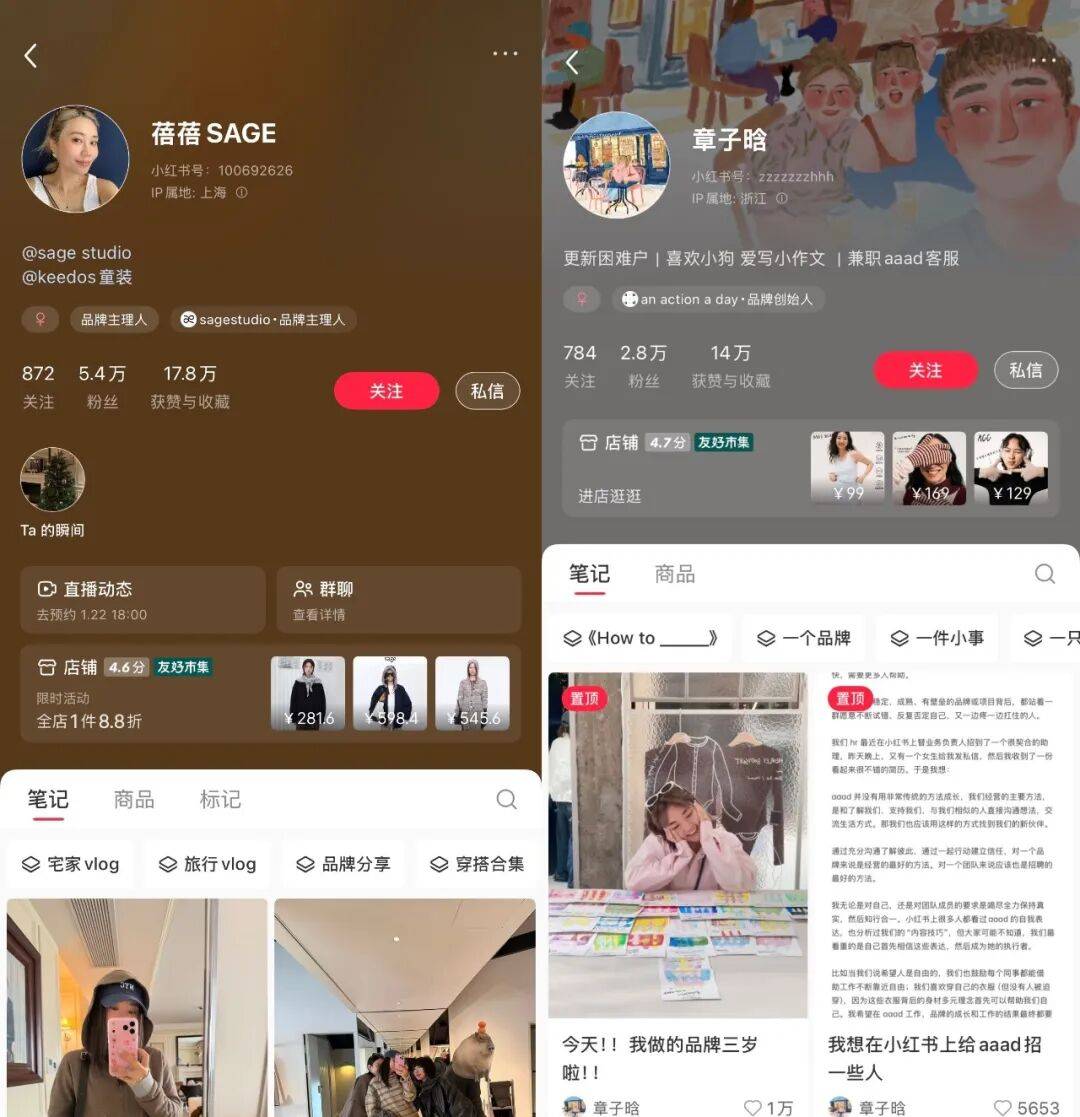
Core Insights - The article discusses the evolving consumer sentiment towards authenticity and emotional value in the market, highlighting a shift from superficial branding to genuine, relatable experiences [1][2][3] Group 1: Brand Expression and Authenticity - The trend of "humanized" brand expression is emerging, where real dialogue replaces scripted marketing, with founders and employees becoming vital carriers of brand values [1][4][5] - Consumers are increasingly discerning, able to differentiate between brands that genuinely believe in their values and those that merely use them for marketing purposes, as illustrated by the backlash against brands like "始祖鸟" [4][5] - The rise of social media platforms allows founders to engage directly with consumers, fostering a sense of community and trust [5][7] Group 2: Local Cultural Renaissance - There is a resurgence of local flavors and cultural heritage, with consumers seeking experiential tourism and local products, as evidenced by a 1493% increase in searches for "贵州深度游" [11][14] - The concept of "bistro" has been localized in China, leading to the emergence of various regional bistros that cater to consumer preferences for local cuisine [12][14] - Local cultural elements are being integrated into mainstream commercial settings, enhancing the value of local products and crafts [16] Group 3: Return to Offline Experiences - The trend of returning to offline experiences is driven by a desire for social interaction and immersive experiences, with events like concerts and pop-up activities gaining popularity [17][18] - Brands are increasingly opening flagship stores that offer unique experiences, moving beyond traditional retail to create engaging environments [18][20] - The shift back to offline is also a response to the saturation of online content and the need for differentiated experiences that cannot be replicated online [22] Group 4: Non-standard Commercialization and Community Business - The non-standard commercial sector is facing challenges, with discussions around its sustainability and the need for unique, engaging experiences to attract consumers [23][24] - Successful non-standard commercial ventures often rely on tourism and local cultural appeal, as seen in cities like Bangkok [24][26] - Community-oriented businesses are emerging as a bright spot in the market, focusing on stable user bases and localized offerings [30][31] Group 5: Opportunities for Small Brands - The current market environment presents opportunities for small and medium-sized brands to thrive by focusing on differentiation and emotional value [31] - The rise of niche brands that cater to specific consumer interests and preferences is expected, as consumers increasingly seek personalized and authentic experiences [31]