
数码

Search documents
2026年山西消费品以旧换新活动启动
Yang Guang Wang· 2026-01-05 06:28
Core Viewpoint - Shanxi Province has launched a subsidy program for vehicle scrapping, replacement, and the exchange of old household appliances and digital products, effective from January 1, 2026, until December 31, 2026 [1] Group 1: Automotive Sector - The vehicle trade-in program will follow principles of "coordinated funding, public lottery, and orderly implementation," with monthly registration and lottery draws for consumers holding eligible old vehicles [1] - The first registration date for the vehicle trade-in program is tentatively set for January 9 [1] Group 2: Home Appliances and Digital Products - The subsidy for home appliances and digital products will be implemented based on "coordinated funding and limited implementation," using a first-come, first-served basis for qualification [1] - Consumers can redeem subsidies through consumption vouchers, with qualification platforms gradually opening from January 9 [1] Group 3: Additional Information - Specific subsidy standards and application processes for vehicles, home appliances, and digital products can be found in notifications from the Ministry of Commerce or on the Shanxi Provincial Department of Commerce's official website [1]
2026国补首批资金落地,带动元旦消费开门红
21世纪经济报道· 2026-01-05 05:26
记者丨 凌晨 编辑丨陈洁 2026年"两新"政策发布之后,元旦提振消费的力度进一步加大。 2025年12月30日,国家发展改革委和财政部联合对外发布《关于2026年实施大规模设备更新 和消费品以旧换新政策的通知》(以下简称《通知》),提出在汽车报废更新、汽车置换更 新、家电、数码和智能产品等领域,实施消费品以旧换新政策。 近日,国家发展改革委会同财政部,已向地方提前下达2026年第一批625亿元超长期特别国债 支持消费品以旧换新资金计划。 2026年元旦,消费品以旧换新政策的落地情况如何?21世纪经济报道记者走访西安市区线下门 店获悉,自2026年1月1日以来,位于西安的大部分线下门店,已启动最新的"国补"政策。 "我们目前主要补贴品类是电视、冰箱、洗衣机等,除了部分厨电机器不参与补贴外,基本都 有千元左右的补贴。"西安市北大明宫钻石店商家对21世纪经济报道记者表示。 2025年12月10日—11日在北京召开的中央经济工作会议提出,优化"两新"政策实施。清理消 费领域不合理限制措施,释放服务消费潜力。 12月底发布的《通知》,明确继续支持汽车、家电、数码和智能产品等重点商品的以旧换新。 为满足元旦、春节消费需 ...

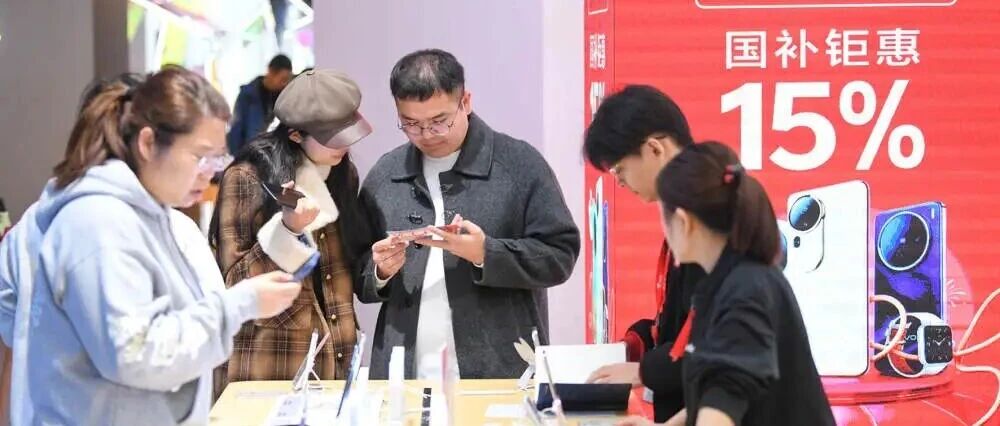
七部门部署消费品以旧换新
Mei Ri Jing Ji Xin Wen· 2026-01-05 05:05
近日,商务部消费促进司负责人就《关于提质增效实施2026年消费品以旧换新政策的通知》(以下简称 《通知》)进行解读。 该负责人表示,2026年继续实施汽车、家电、手机等数码产品等传统领域补贴政策,在保持政策总体延 续稳定基础上,适当优化补贴品类和标准。同时,将补贴范围扩大至智能终端等新兴领域,培育壮大消 费新动能,带动新技术、新装备、新产业发展。 每经记者 张怀水 每经编辑 陈星 补贴标准为上述产品扣除各环节优惠后最终销售价格的15%,每人每类可补贴1件,其中,家电产品每 件补贴不超过1500元,数码和智能产品每件补贴不超过500元。 张建平向《每日经济新闻》记者表示,家电属于耐用品,在经过前几年以旧换新之后会有一定的使用周 期,所以产品类别也需要适时调整。"平板、智能手表、智能眼镜等产品都是当前消费热点,市场需求 大、消费动力强,将这些产品补充进来,能够更好地激发消费潜力。" 给予地方更多自主空间 《每日经济新闻》记者注意到,《通知》要求,给予地方更多自主空间。对地方安排的配套资金,若用 于支持全国统一的四个领域,补贴品类、补贴标准、组织实施方式等需按照全国统一要求执行。 《每日经济新闻》记者梳理发现,近期 ...
锐财经丨新一轮“国补”政策落地
Ren Min Ri Bao Hai Wai Ban· 2026-01-05 03:18
人民日报海外版记者 李婕 刚刚过去的2026年元旦假期,消费市场在政策红利中迎来"开门红"。 为满足元旦、春节消费需求,2026年第一批625亿元超长期特别国债支持消费品以旧换新资金计划 已经向地方下达。随着汽车、家电及数码和智能产品以旧换新政策落地,叠加元旦假期因素,多地线下 门店人气攀升、销售火热,消费市场迎来开年首波消费热潮。 提升重点消费品"得补率" "新年第一天就享受到'国补'。""家电换新,一件最多能补1500元,再叠加店铺优惠,价格相当划 算。""观望已久的智能眼镜进入补贴范围,时机再好不过。"新年伊始,许多消费者趁着"国补"果断出 手,将心仪之物收入囊中。 2026年消费品以旧换新政策有哪些特点? 开年首日,"国补"政策落地,为消费市场注入满满活力。"元旦期间到店顾客明显增加,消费者大 多会主动询问产品能否享受'国补',先看能效标识,再比较功能价格成为新消费习惯。"北京一家电门 店负责人说。记者走访北京多家数码产品门店发现,店内人气火爆,AI手机及智能手环、智能眼镜等 智能穿戴产品热度很高,消费者问询、试用络绎不绝,在部分热门品牌和主打产品前还排起了队伍。 近日,商务部等7部门联合印发《关于提 ...
中国2025年以旧换新政策取得显著成效 带动相关商品销售额超2.6万亿
Chang Jiang Shang Bao· 2026-01-05 00:04
Core Insights - The consumption upgrade policy in China has significantly boosted sales, with over 2.6 trillion yuan in sales related to the old-for-new program in 2025, benefiting more than 360 million people [2][3] Group 1: Policy Implementation and Impact - The old-for-new policy has been effective since its full implementation in September 2024, with over 480 million direct subsidies issued to consumers [5][6] - The policy has led to substantial sales in various categories: over 11.5 million cars, 129 million home appliances, 91 million digital products, and 12 million home renovation items were sold under this initiative [2][3] - The retail sales of consumer goods increased by 4.0% year-on-year in the first 11 months of 2025, with the old-for-new program contributing over 1 percentage point to this growth [4] Group 2: Product Categories and Consumer Behavior - In the automotive sector, nearly 60% of the old-for-new vehicles were new energy vehicles, with their market share exceeding 50% for nine consecutive months [4] - In home appliances, over 90% of the products sold under the old-for-new program were of first-level energy efficiency [4] - The program has encouraged consumers to experience shopping in stores, leading to a 30% increase in sales for nearby businesses in areas with concentrated old-for-new appliance stores [6] Group 3: Future Developments - In 2026, the subsidy structure will be optimized, transitioning from fixed subsidies to a percentage of the vehicle price, with maximum subsidies of 20,000 yuan for scrapping and 15,000 yuan for replacement [7] - The scope of supported appliances will expand to include six major categories, enhancing the effectiveness of the subsidies [7] - New categories such as smart glasses will be added to the subsidy program, targeting fast-growing consumer technology sectors [7]
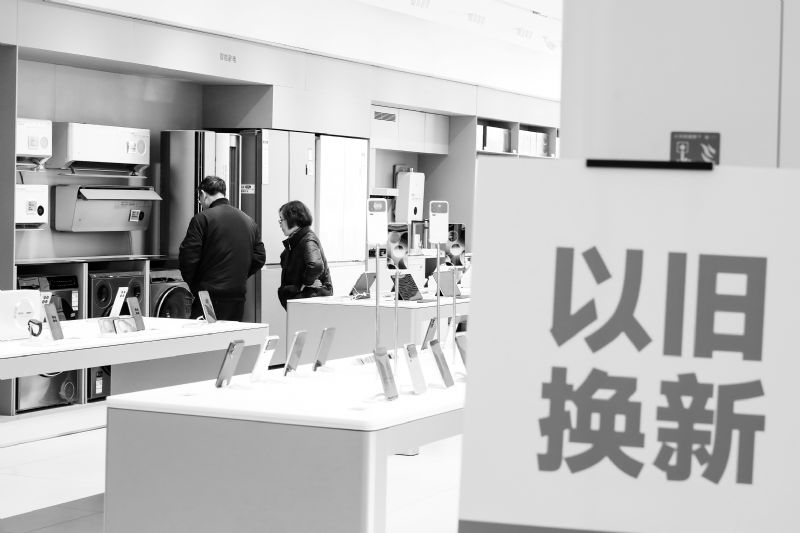
中经评论:把“国补”资金用在刀刃上
Jing Ji Ri Bao· 2026-01-04 23:59
Core Viewpoint - The government is optimizing the policy design and implementation of the "Two New" policy for 2026, focusing on boosting consumer spending and enhancing domestic demand through effective fiscal measures [1]. Group 1: Policy Implementation and Impact - In 2025, the "old-for-new" consumption policy led to sales exceeding 2.6 trillion yuan, benefiting over 360 million people, demonstrating significant market recovery and consumer satisfaction [1]. - The retail sales of consumer goods increased by 4% year-on-year in the first eleven months of 2025, with the "old-for-new" policy contributing over 1 percentage point to this growth [1]. - The central economic work conference emphasized the continuation of proactive fiscal policies in 2026, with a focus on domestic demand and market strength [1]. Group 2: Policy Optimization - The "old-for-new" policy has been refined in 2026, focusing on key consumer goods such as refrigerators, washing machines, televisions, air conditioners, computers, and water heaters, while expanding subsidies for digital and smart products [2]. - The optimization aims to enhance the effectiveness of fiscal spending by targeting high-impact consumer goods and improving the overall implementation mechanism [2]. - Measures are in place to combat fraudulent claims and ensure that subsidies are effectively distributed [2]. Group 3: Financial Coordination and Support - The government plans to ensure balanced and orderly use of funds, with 62.5 billion yuan allocated for the first batch of 2026 to support the "old-for-new" policy during peak consumption periods [3]. - A coordinated approach between fiscal and monetary policies is emphasized to enhance the effectiveness of consumption-boosting measures [3]. - The collaboration between fiscal and financial policies aims to lower credit costs and increase the coverage of support measures, thereby stimulating consumer demand [3].
“政策升级+美食出圈”点燃消费热情 元旦消费市场写下亮眼开篇
Zhen Jiang Ri Bao· 2026-01-04 23:35
元旦当天同步启动的以旧换新政策,成为拉动消费的"强引擎"。家电以旧换新聚焦6类一级能效/水 效产品,数码产品拓展为"数码和智能产品",智能眼镜首次被纳入补贴;汽车补贴更从定额改为按车价 比例发放,新能源车报废更新最高补贴12%、置换更新补贴8%,实打实的优惠让消费者买单更爽快。 政策红利迅速转化为消费热情。元旦假期,全市200余家家电和数码商品门店相继上线以旧换新活 动。部分家电卖场元旦期间顺势推出叠加优惠,首日销售额同比暴涨50%以上,尽显政策红利与消费潜 力。 全域联动,各市、区商务部门花式出招,让元旦消费热潮遍布全城。京口区"京喜大市口·畅购过暖 冬"活动精彩纷呈,宴春、鼎大祥、元致亨、镇江的醋店等本土品牌齐聚八佰伴打造跨年市集,民俗表 演与交响音乐会带来中西合璧的跨年表演;苏宁广场随机街舞、跨年灯光秀、激光秀倒计时、零点敲钟 等跨年活动人气爆棚。根据商家数据统计,八佰伴跨年当日客流量同比增长33%;苏宁广场客流超11万 人次,创全年新高,销售额同比增长11%。 同时,市商务局联合市财政局、人行镇江分行、市税务局举办的"购在镇江·全城抽大奖"活动第一 期也在火热进行中。带动综合体、超市元旦假期销售额增长 ...
新一轮“国补”政策落地
Xin Hua Wang· 2026-01-04 23:29
Core Viewpoint - The 2026 first batch of 625 billion yuan funding plan has been issued to support the consumption market through a new round of "national subsidies" policy, aimed at stimulating consumer spending during the New Year and Spring Festival [3][4]. Group 1: Policy Implementation - The 2026 consumption goods replacement policy has been launched, with a focus on enhancing the "subsidy rate" for key consumer goods, including digital and smart products [5][6]. - The policy aims to provide direct financial benefits to consumers, with the central government continuing to allocate long-term special bonds to support the implementation of the replacement policy [7][8]. - The policy has been effective since its full implementation in September 2024, with over 480 million subsidies issued to consumers, promoting the adoption of green, low-carbon, and smart products [7][8]. Group 2: Market Impact - The New Year holiday saw a significant increase in consumer foot traffic, with a 110% rise in store visits nationwide, and sales of home appliances and 3C products (computers, communications, and consumer electronics) experiencing substantial growth [4][8]. - Specific sales figures during the holiday included a 170% increase in mobile phone sales and a 115% increase in smart watch sales, indicating a strong consumer response to the subsidy program [4][8]. Group 3: Policy Features - The 2026 policy emphasizes a combination of improving people's livelihoods and promoting consumption, with a focus on ensuring that subsidies reach consumers effectively [6][7]. - The policy will continue to support subsidies for automobiles, home appliances, and digital products while expanding the scope to include emerging fields such as smart devices [7][8]. - The government will enhance the management of the subsidy program, addressing issues such as fraudulent claims and ensuring efficient fund distribution and usage [8][9].

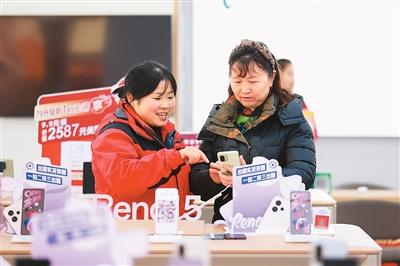
2026“国补”首批资金落地 新政撬动元旦消费开门红
2 1 Shi Ji Jing Ji Bao Dao· 2026-01-04 23:13
Core Viewpoint - The implementation of the "old for new" policy in 2026 aims to boost consumer spending, particularly in the automotive and home appliance sectors, with significant financial support from the government [1][4][14]. Policy Implementation - The National Development and Reform Commission (NDRC) and the Ministry of Finance announced a funding plan of 62.5 billion yuan to support the "old for new" policy, which includes subsidies for automobiles, home appliances, and digital products [1][4][15]. - The policy was officially launched on January 1, 2026, coinciding with the New Year holiday, to stimulate consumer demand [1][5][19]. Consumer Response - In Xi'an, most offline stores have begun to implement the new subsidy policy, offering around 1,000 yuan in subsidies for various products, including televisions and refrigerators [1][6][20]. - Data from Su Ning and other retailers indicate a significant increase in foot traffic and sales, with a 110% increase in customer visits and a substantial rise in sales of energy-efficient appliances [6][20][25]. Regional Impact - The "old for new" policy has been positively received in regions like Hebei, Henan, and Sichuan, where sales of home appliances and digital products surged, with Hebei reporting a 1.3-fold increase in sales compared to the previous year [7][8][22]. - The policy's effects are amplified by the holiday season, leading to increased consumer spending across various regions [8][22]. Subsidy Details - The 2026 policy features more precise coverage, focusing on automobiles, home appliances, and smart products, with specific subsidy amounts based on product categories [9][23]. - For automobiles, the subsidy for scrapping and replacing vehicles is capped at 20,000 yuan, with specific percentages for new energy and fuel vehicles [9][23]. Market Trends - The new policy is expected to accelerate the demand for high-efficiency and technologically advanced products in the home appliance and digital sectors, creating growth opportunities for manufacturers [10][24]. - The emphasis on energy efficiency and sustainability is likely to drive innovation and upgrades in the electronics and home appliance industries [11][25]. Regulatory Measures - The government has implemented strict measures to prevent fraud and ensure the proper distribution of subsidies, enhancing the policy's effectiveness and consumer trust [12][26].
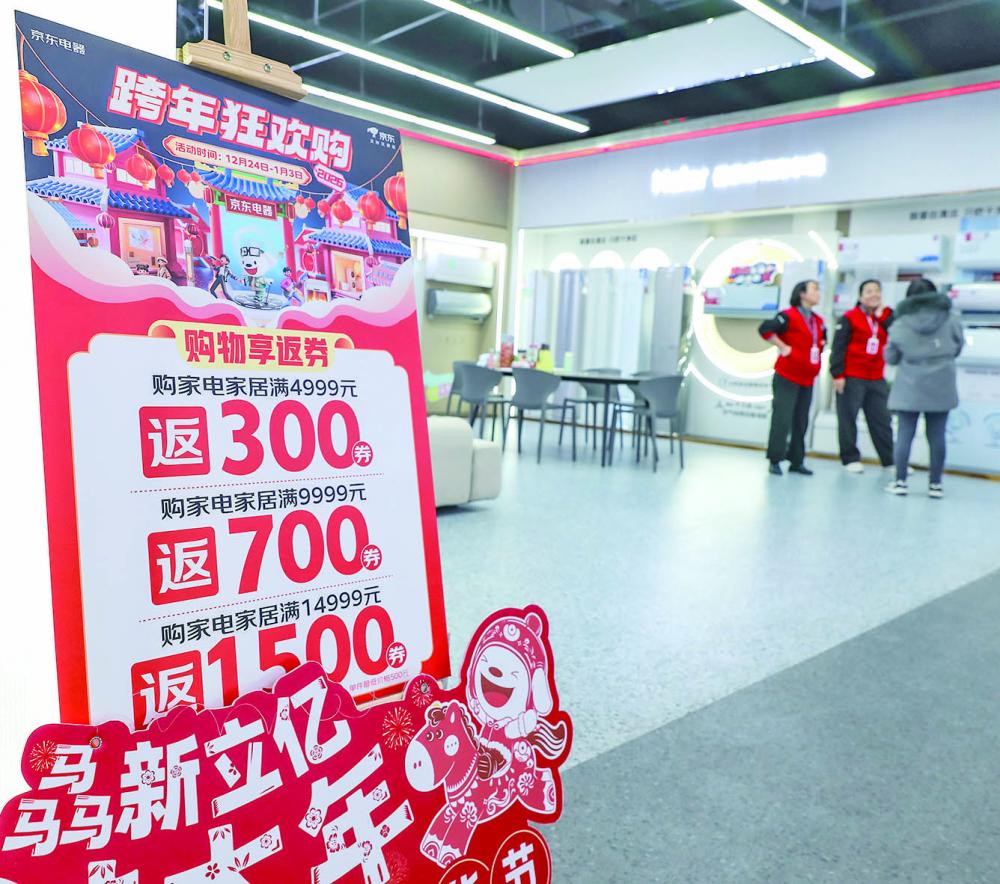
2026年河北接续开展消费品以旧换新工作
Xin Lang Cai Jing· 2026-01-04 23:12
Group 1 - The core viewpoint of the article is that Hebei Province will continue its old-for-new consumption policy in 2026, covering four main areas: automobile scrapping and replacement, home appliance upgrades, and the purchase of digital and smart products, with subsidies to promote green consumption and industrial upgrades [1] Group 2 - In the automotive sector, consumers who scrap eligible old vehicles and purchase new energy passenger cars or fuel passenger cars with an engine size of 2.0 liters or less can receive a one-time subsidy of up to 20,000 yuan. Those who sell old cars and buy new ones can receive a maximum subsidy of 15,000 yuan. Each consumer is limited to one subsidy for either scrapping or replacing a vehicle [1] Group 3 - For home appliances and digital products, consumers purchasing energy-efficient appliances such as refrigerators and washing machines can receive a subsidy of 15% of the sales price, with a maximum of 1,500 yuan per item. For mobile phones and tablets priced under 6,000 yuan, a similar 15% subsidy applies, with a maximum of 500 yuan per item [1] Group 4 - To ensure the orderly implementation of the old-for-new policy, the subsidy funds will be managed according to an annual total control and monthly allocation principle. The subsidies will operate on a "first come, first served" basis, and consumers who do not claim their subsidies in a given month can apply in subsequent months [1] Group 5 - Relevant departments will establish a collaborative regulatory mechanism to strengthen oversight of subsidy fund usage and market behavior, with strict measures against fraudulent claims and violations to maintain a fair and orderly market environment [2]