
燃气轮机

Search documents
AI“电老虎”撞上电网“老骨头”:美国缺电搅动全球资本市场
Mei Ri Jing Ji Xin Wen· 2025-11-21 14:43
Core Insights - The frequent power outages in Seattle highlight a significant issue in the U.S. energy infrastructure, raising concerns about the reliability of electricity supply in a technologically advanced nation [2][4] - Microsoft CEO Satya Nadella acknowledged that the company has a surplus of GPUs that remain unused due to power shortages, illustrating the impact of energy constraints on tech companies [2][4] - The rise of AI is identified as a major factor contributing to the increased demand for electricity, with AI models consuming vast amounts of energy, leading to a strain on the existing power grid [2][4] Energy Infrastructure Challenges - The U.S. power grid is aging, with a rating of C+ from the American Society of Civil Engineers (ASCE), and 70% of transformers exceeding their 25-year design life [4] - The North American Electric Reliability Corporation (NERC) reports that the reserve margin for the U.S. power grid is only 20%, indicating insufficient capacity to handle surges in demand [4] - AI data centers exhibit "pulse-like" energy consumption patterns, causing significant voltage fluctuations that the current grid design cannot accommodate, increasing the risk of blackouts [4][8] Projected Energy Demand - The U.S. Energy Information Administration (EIA) projects that the average outage duration for U.S. users will reach 662.6 minutes in 2024, an increase of 80.74% year-over-year [4] - In Virginia and Texas, average outage durations are expected to be 962.1 minutes and 1614.3 minutes, respectively, with year-over-year increases of 228.59% and 176.85% [4] Investment Opportunities - The EIA forecasts that global data center electricity demand will reach 945 terawatt-hours by 2030, accounting for nearly 3% of global electricity consumption, more than doubling from 2024 [5] - Major tech companies are increasing capital expenditures significantly, with UBS predicting global AI-related capital spending to rise to $4.23 trillion this year and potentially reach $13 trillion by 2030, with a compound annual growth rate (CAGR) of 25% [9][10] Strategic Solutions - Four potential pathways to address the energy crisis include: 1. Gas turbines for rapid local power generation [11] 2. Energy storage systems to stabilize supply [13][15] 3. Nuclear power for large-scale, low-carbon energy [17][21] 4. Global migration of computing power to regions with abundant energy resources, such as the Middle East [22][24] Market Dynamics - The demand for gas turbines is increasing globally, with companies like General Electric and Siemens Energy reporting significant orders related to data center projects [11][12] - The U.S. faces a supply-demand gap in energy storage, with local production meeting only about 25% of market needs, prompting a wave of investment and innovation in energy infrastructure [15][16] - UBS emphasizes that the future of AI development is heavily reliant on energy infrastructure, suggesting that substantial investments in energy systems are essential for the successful deployment of AI technologies [9][26]





20cm速递|关注创业板新能源ETF国泰(159387)投资机会,储能需求强劲与扩产预期并存
Mei Ri Jing Ji Xin Wen· 2025-11-21 04:01
Group 1 - The energy storage industry is experiencing strong demand growth, with global energy storage cell shipments reaching 410.45 GWh in the first three quarters of 2025, representing a year-on-year increase of 98.5% [1] - Lithium battery equipment companies show a lack of willingness to expand capacity due to ongoing industry downturns, leading to expectations of increased order volumes and prices in the coming year [1] - Leading battery companies maintain high capacity utilization rates, while the release cycle for new capacity is relatively long [1] Group 2 - The gas turbine sector is witnessing a surge in global demand driven by AI, resulting in significant supply chain pressures and ample opportunities for domestic component substitution [1] - The Guotai New Energy ETF (159387) tracks the Innovation Energy Index (399266), which has a daily fluctuation of 20%, reflecting the performance of listed companies in renewable energy, electric vehicles, and energy storage technologies [1] - The constituent stocks of the index exhibit significant growth potential and technological innovation, effectively representing industry trends and market dynamics [1]

订单排至3年后!AI数据中心引燃全球燃机需求,中国产业链企业分羹
第一财经· 2025-11-20 14:48
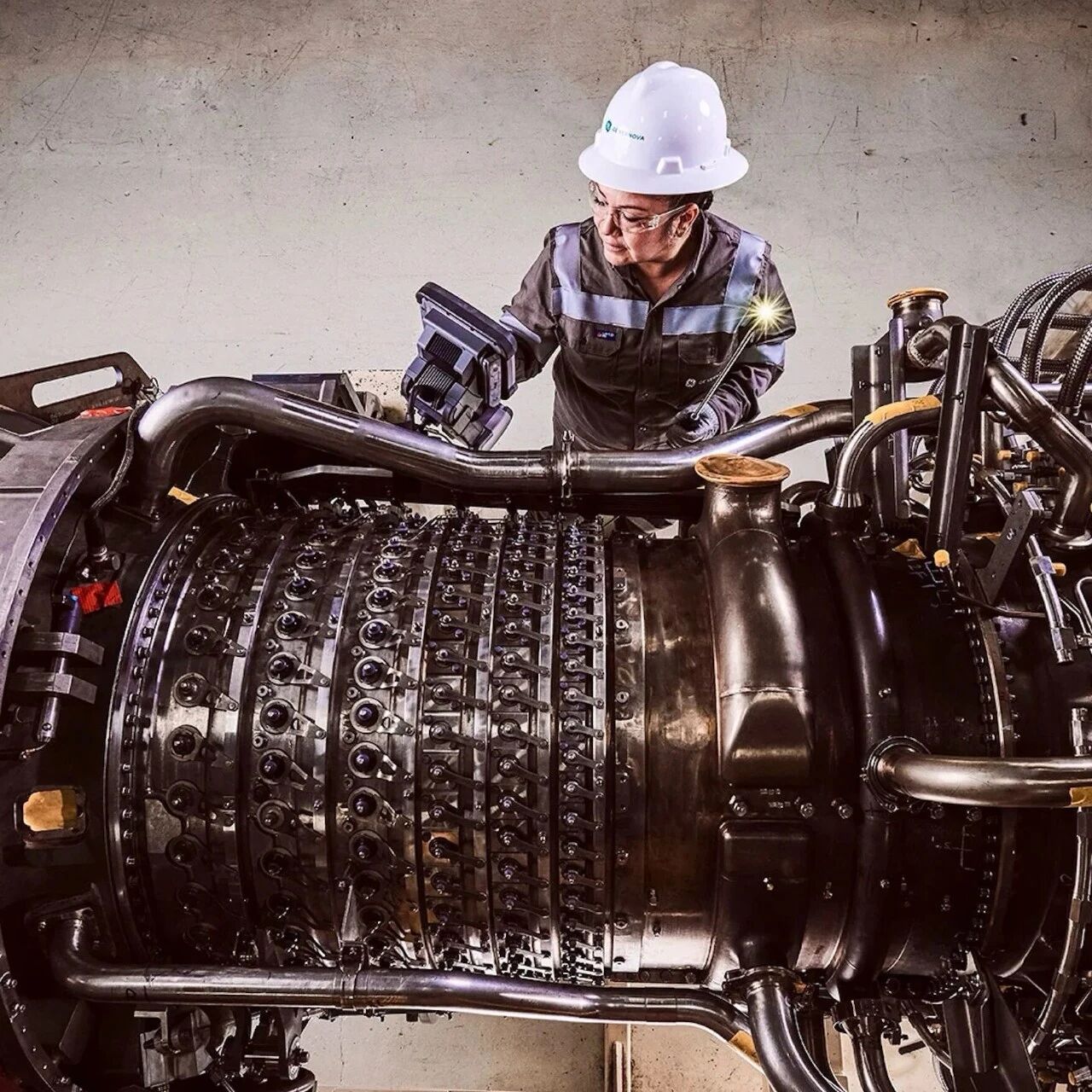
2025.11. 20 本文字数:1575,阅读时长大约3分钟 作者 | 第一财经 郭霁莹 全球燃气轮机市场正迎来历史性爆发。GE Vernova(通用电气能源业务板块)、西门子能源、三菱重工等全球巨头均呈订单加速、产能紧张态势。 2025财年,西门子能源未交付订单量再创新高,达1380亿欧元,公司上半年燃气轮机新订单中约六成来自数据中心;GE Vernova去年新增燃气轮机订 单20.2GW,同比增长112.6%,公司当前积压订单已排至2028年;三菱重工则计划在未来两年内将燃机产能提高一倍。 需求爆发源于北美地区电力供需矛盾持续激化,其中AI(人工智能)数据中心快速扩张是催化剂。美国能源部数据显示,2023年美国数据中心耗电 176TWh,占总电力需求4.4%;预计到2028年耗电量将增至325TWh-580TWh,占美国电力需求比重升至6.7%-12%。产业端动作进一步印证了这一趋 势,据彭博一致性预期,北美头部四家云厂商今年总资本开支(含融资租赁)将达3620亿美元,同比增长58.5%,2026年仍将保持约30%的高增速。 供给端,北美电力电网老化严重,大批老旧煤电、气电项目退役,而传统气电项目建设周 ...
订单排至3年后!AI数据中心引燃全球燃机需求 中国产业链企业分羹
Di Yi Cai Jing· 2025-11-20 13:34
Group 1 - The global gas turbine market is experiencing a historic surge, with major players like GE Vernova, Siemens Energy, and Mitsubishi Heavy Industries seeing accelerated orders and tight production capacity [1] - Siemens Energy's unfulfilled order volume reached a record high of €138 billion for FY2025, with approximately 60% of new gas turbine orders in the first half coming from data centers [1] - GE Vernova added 20.2 GW in new gas turbine orders last year, a year-on-year increase of 112.6%, with current backlog extending to 2028 [1] Group 2 - The demand surge is driven by escalating power supply-demand conflicts in North America, particularly due to the rapid expansion of AI data centers [1][2] - The U.S. Department of Energy reported that data centers consumed 176 TWh of electricity in 2023, accounting for 4.4% of total electricity demand, with projections of consumption rising to between 325 TWh and 580 TWh by 2028 [1] - North America's top four cloud providers are expected to have total capital expenditures of $362 billion this year, a year-on-year increase of 58.5% [1] Group 3 - The aging power grid in North America and the retirement of many old coal and gas projects are exacerbating the power supply-demand imbalance, with a projected annual power load increase of over 30 GW in the next five years [2] - Gas-fired power generation is seen as the optimal solution to alleviate power supply-demand conflicts, given its high thermal efficiency, quick start-up, short construction cycle, stable power output, low cost, and relative cleanliness [2] - Bloomberg New Energy Finance predicts that the new gas-fired power generation capacity in the U.S. will reach 16.8 GW from 2026 to 2031 [2] Group 4 - The high industry prosperity is reflected in the Chinese capital market, with significant stock price increases for gas turbine concept stocks [2] - Companies like Yingliu Technology and Weichai Power have seen substantial stock price gains, with Yingliu Technology's stock rising over 150% this year [2] Group 5 - Chinese companies are deeply integrated into the global supply chain, with Yingliu Technology being the exclusive supplier of Siemens Energy's H-class blades in China [3] - The trend of hydrogen co-firing is emerging in the gas turbine industry, which can reduce carbon emissions and stabilize natural gas price fluctuations [3] - The increasing penetration of renewable energy and the large-scale application of green hydrogen in China may drive demand for hydrogen co-firing gas turbines, enhancing their share in the power supply [3]
订单排至3年后!AI数据中心引燃全球燃机需求,中国产业链企业分羹
Di Yi Cai Jing· 2025-11-20 13:24
Group 1 - The global gas turbine market is experiencing a historic surge, with major players like GE Vernova, Siemens Energy, and Mitsubishi Heavy Industries seeing accelerated orders and tight production capacity [1] - Siemens Energy's unfulfilled order backlog reached a record high of €138 billion for FY2025, with approximately 60% of new gas turbine orders in the first half coming from data centers [1] - GE Vernova added 20.2 GW of new gas turbine orders last year, a year-on-year increase of 112.6%, with current backlog extending to 2028 [1] - Mitsubishi Heavy Industries plans to double its gas turbine production capacity within the next two years [1] Group 2 - The demand surge is driven by the escalating power supply-demand imbalance in North America, particularly due to the rapid expansion of AI data centers [2] - In 2023, U.S. data centers consumed 176 TWh of electricity, accounting for 4.4% of total power demand, with projections indicating consumption could rise to 325 TWh-580 TWh by 2028, increasing its share to 6.7%-12% [2] - North American cloud providers are expected to have a total capital expenditure of $362 billion this year, a year-on-year increase of 58.5%, maintaining a high growth rate of around 30% through 2026 [1][2] Group 3 - The aging power grid in North America and the retirement of many old coal and gas projects create a short-term challenge in alleviating the power supply-demand imbalance [2] - Gas-fired power generation is seen as the optimal solution to address this imbalance, with gas turbines offering high thermal efficiency, quick start-up, short construction periods, stable power output, low costs, and relatively clean energy [2] - The construction cost of gas power plants in the U.S. has surged by approximately 50% over the past three years, reflecting growing demand and tight supply of gas turbines [2] Group 4 - The high industry growth is also reflected in the Chinese capital market, with significant stock price increases for gas turbine-related companies [5] - Companies like Yingliu Technology and Weichai Power have seen substantial stock price gains, indicating a deep integration of the Chinese supply chain with international giants [5] - Key domestic suppliers are expected to benefit from the opportunity to enter the global supply chain, particularly in high-value components like turbine blades and core parts [5] Group 5 - Hydrogen combustion is emerging as a development trend in the gas turbine industry, with the potential to reduce carbon emissions and mitigate natural gas price volatility [6] - Collaborations between gas turbine manufacturers and Chinese power companies are underway to explore hydrogen combustion technologies [6] - The increasing penetration of renewable energy and the anticipated arrival of the green hydrogen era may drive demand for hydrogen-blended gas turbines, enhancing their role in China's power supply [6]




投资者提问:近期美国燃机龙头GEV发布三季报,其披露燃机积压订单62GW,...
Xin Lang Cai Jing· 2025-11-18 03:47
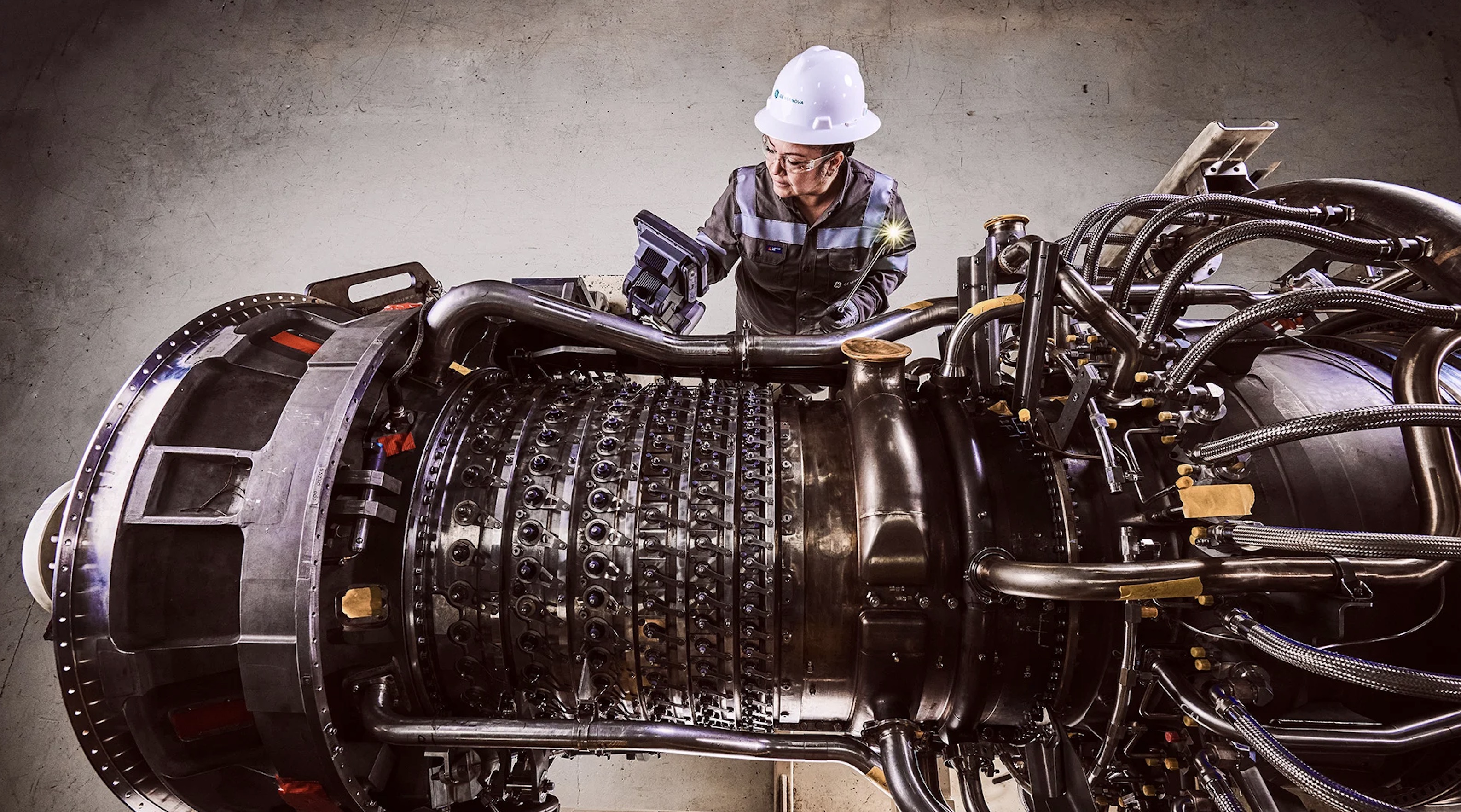
Core Viewpoint - GEV, a leading gas turbine manufacturer in the U.S., reported a backlog of 62 GW for the third quarter, with expectations to reach 70 GW by the end of the year, which is over four times its current production capacity [1] Group 1: Company Performance - GEV plans to expand its production capacity to 20 GW annually by the third quarter of 2026, representing an increase of over 50% [1] - Due to severe supply-demand imbalances, GEV's gas turbine prices are expected to rise starting in the fourth quarter of 2024, and the company is currently in an upward pricing trend [1] Group 2: Market Dynamics - The pricing of the company's HRSG (Heat Recovery Steam Generator) products will be adjusted based on market supply and demand conditions [1] - The company has multiple potential customers in its Vietnam base undergoing preliminary factory inspection processes [1]
中金 | 产业出海系列:北美缺电,哪些中国企业有望受益?
中金点睛· 2025-11-17 00:08
Group 1: North America's Electricity Shortage - North America is facing significant electricity shortages driven by increased demand from AI expansion, manufacturing changes, and electrification, with a notable rise in electricity consumption growth [2] - The rapid growth of data centers, particularly due to partnerships like that of OpenAI and NVIDIA, is expected to contribute to a substantial increase in electricity demand, with a projected capital expenditure growth of 58.5% for major cloud providers by 2025 [2] - The aging power grid and the retirement of old coal and gas projects exacerbate the supply-demand imbalance, with a forecasted annual electricity load increase of over 30GW in the next five years, primarily from data centers [2] Group 2: Impact on Electricity Prices and Corporate Costs - The electricity shortage has led to a 6% increase in average retail electricity prices in the U.S. compared to the previous year, with some regions attributing this rise to the construction of data centers [3] - Rising electricity costs may pressure corporate profitability, necessitating vigilance regarding cost transmission effects on operations [3] - The U.S. government plans to invest hundreds of billions in nuclear power to address the electricity gap created by AI developments, with a goal of constructing ten large nuclear reactors by 2030 [3][4] Group 3: Beneficial Industries in China - The systemic electricity shortage in North America is expected to benefit several Chinese industries, including machinery, power equipment, photovoltaic energy, and non-ferrous metals, as demand is likely to increase due to the electricity gap [4] - Gas turbines are anticipated to be the primary new power source in the short term, with solid oxide fuel cells (SOFC), photovoltaics, and energy storage serving as supplementary solutions [4] Group 4: Opportunities in Equipment and Technology - Major global manufacturers like GE, Siemens, and Mitsubishi are expanding production to meet the demand for gas turbines driven by AI data center construction [5] - The North American power grid requires significant upgrades, with a projected transformer supply gap of up to 66% from 2024 to 2027, presenting opportunities for Chinese manufacturers [6] - Energy storage solutions are expected to become standard for AI data centers, with potential for increased demand in North America [7] Group 5: Emerging Technologies and Renewable Energy - High Voltage Direct Current (HVDC) systems and Solid State Transformers (SST) are seen as future solutions for the power needs of modern AI factories, with NVIDIA pushing for an upgrade to 800V HVDC systems by 2027 [8] - The demand for photovoltaic energy is expected to rise significantly due to the retirement of old power sources and the long construction timelines for new gas and nuclear plants [9] - The construction of new transmission networks in North America will increase the demand for aluminum, which is widely used in power transmission, potentially boosting the profitability of the electrolytic aluminum industry [10]

机构论后市丨短期内市场或维持宽幅震荡;关注“涨价扩散”行情
Di Yi Cai Jing· 2025-11-16 09:49
Market Outlook - The A-share market is expected to maintain a wide range of fluctuations in the short term, with the overall direction still in a bull market [2] - Short-term market may lack strong catalysts, leading to a focus on defensive and consumer sectors, while mid-term attention shifts to TMT and advanced manufacturing sectors [2] Price Increase Trends - The market is currently experiencing a "price increase diffusion" trend, particularly in the energy storage industry, with significant price rises in upstream and midstream materials due to supply-demand mismatches and growing storage demand [3] - The energy storage market is becoming a new growth direction for the lithium battery sector, with high configuration value in the tight links of the entire industry chain [3] AI Sector Insights - The AI sector continues to show strong demand, but there are notable supply shortages; focus should be on storage chips, gas turbines, SOFC batteries, solid-state transformers, and energy storage [4] - The AI demand remains robust, but the supply side issues need to be addressed, suggesting a wait for new catalysts in the AI market [4] Aviation Industry - The supply-demand dynamics in the aviation sector are improving, with expectations of reduced supply growth and improved ticket prices due to high passenger load factors [5] - The industry is projected to significantly reduce losses in Q4 2025, with profit elasticity expected to be released in 2026 [5] Gold Market - The liquidity crisis is easing, leading to a recovery in gold prices as short-term pressures are alleviated [6] - Following the end of the U.S. government shutdown, key economic data will be disclosed, allowing the Federal Reserve to reassess the economic situation, supporting a mid-term bullish outlook for gold [6]
看好工业母机、深冷装备和燃气轮机
SINOLINK SECURITIES· 2025-11-16 08:42
Investment Rating - The report does not explicitly state an investment rating for the industry but suggests a focus on specific companies for investment opportunities [11]. Core Insights - The report highlights the increasing tension in Sino-Japanese relations, suggesting a need for China to focus on self-sufficiency in industrial machinery, particularly in core components like CNC systems and lead screws [5][23]. - The deep cooling equipment sector is experiencing significant growth, with a notable increase in new orders for leading companies, indicating a favorable environment for Chinese firms to expand internationally [5][24]. - Siemens Energy has reported a substantial increase in gas turbine orders, which bodes well for domestic suppliers like Yingliu, suggesting a robust demand for turbine blades [5][24]. - The report categorizes various segments of the machinery industry, indicating differing levels of economic performance, with general machinery under pressure, while engineering machinery is accelerating upward [5][25][47]. Summary by Sections 1. Stock Portfolio - Recommended stocks include Huazhong CNC, Zhongtai Co., and Yingliu [11]. 2. Market Review - The SW Machinery Equipment Index fell by 2.22% in the last week, ranking 28th among 31 sectors, while it has risen by 31.88% year-to-date, ranking 7th [13][17]. 3. Core Insights Update - The report emphasizes the need for China to develop self-sufficiency in industrial machinery due to geopolitical tensions, and it identifies key companies to watch in this context [5][23]. - The deep cooling equipment sector is highlighted for its growth potential, with significant order increases reported by leading firms [5][24]. - The gas turbine market is also noted for its high demand, particularly benefiting companies like Yingliu [5][24]. 4. Key Data Tracking 4.1 General Machinery - The general machinery sector is under pressure, with the PMI at 49.0%, indicating contraction [25]. 4.2 Engineering Machinery - The engineering machinery sector is showing signs of recovery, with excavator sales increasing by 7.8% year-on-year [35]. 4.3 Railway Equipment - The railway equipment sector is experiencing steady growth, with fixed asset investment maintaining around 6% [47]. 4.4 Shipbuilding - The shipbuilding sector is seeing a slowdown, with new ship price indices indicating a decline [48]. 4.5 Oilfield Equipment - The oilfield equipment sector is stabilizing at the bottom, with ongoing high demand in the Middle East [50]. 4.6 Industrial Gases - The industrial gases sector is expected to benefit from improved steel profitability and increased downstream activity [56]. 4.7 Gas Turbines - The gas turbine sector is experiencing robust growth, with significant new orders reported [58].


东吴证券:产业化加速利好锂电设备商 持续推荐燃气轮机、液冷设备等AI设备
Zhi Tong Cai Jing· 2025-11-16 08:12
Group 1: Solid-State Battery Equipment - The Ministry of Industry and Information Technology is currently conducting a mid-term review, and it is expected that leading manufacturers will soon initiate equipment bidding for pilot production lines [1][2] - Solid-state batteries are still in the pilot production stage, primarily utilizing hundred-megawatt-level pilot lines, with dry processing technology as the main focus, creating new demand for equipment [2] - Investment recommendations include solid-state battery equipment suppliers such as XianDao Intelligent, laser welding equipment manufacturers like LianYing Laser, and others [2] Group 2: Gas Turbine Market - The expansion of AI data centers is driving an increase in electricity demand, necessitating reliable and stable power sources [3] - Major players in the global gas turbine market include Siemens, GE, Mitsubishi Heavy Industries, and Caterpillar, with significant potential for domestic brand substitution [3] - Companies such as Jereh, Haomai Technology, Yingliu, and Liande are highlighted as beneficiaries of this trend due to their existing partnerships and product offerings [3] Group 3: Liquid Cooling Technology - AI computing capital expenditures (CAPEX) are accelerating, with significant growth expected in the shipment of GB200/300 racks [4] - Liquid cooling technology is essential for addressing heat dissipation challenges in data centers, offering advantages such as low energy consumption and reduced total cost of ownership (TCO) [4] - The domestic supply chain is gradually entering the market, with companies like Yingwei and Hongsheng being recommended for their roles in liquid cooling solutions [5]
