电动汽车

Search documents
荣膺权威年度车奖项,一台电动车如何建立信任标杆?
36氪· 2026-01-30 13:35
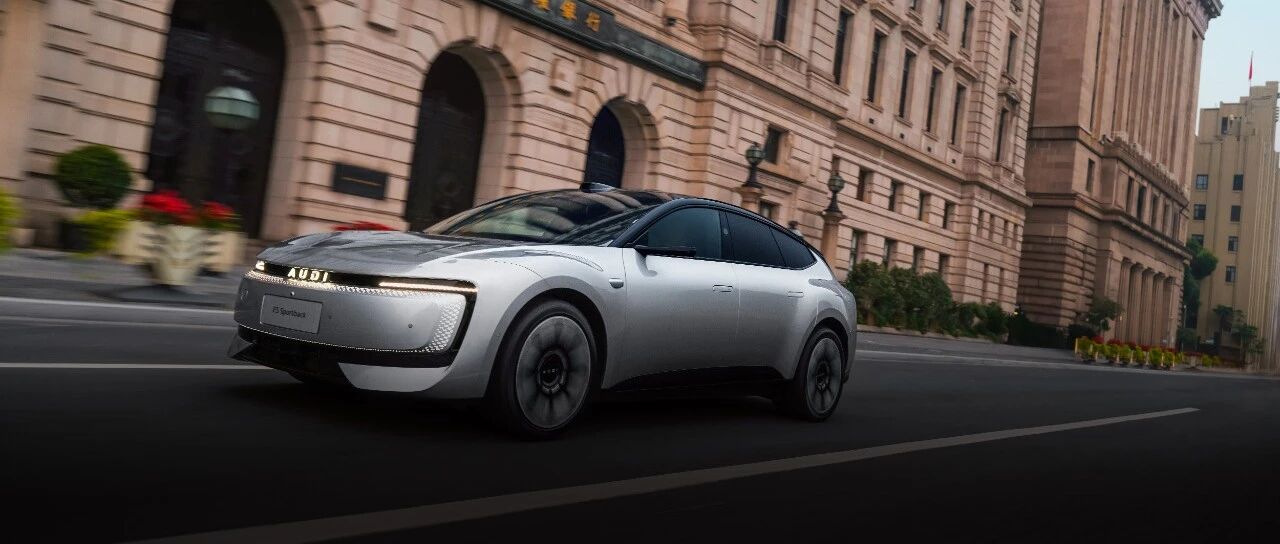
当一台车能够在极严苛的使用场景中 反复验证这一点,它的价值本身就已经成立。 电动车市场已经不再缺少看起来很强的产品。更快的加速、更大的屏幕、更复杂的功能,几乎已经成为这个时代的默认配置。 但当这些指标被不断刷新,一个更现实的问题被推到台前: 当环境变得复杂、条件不再理想,一台车还能不能保持稳定、可控、可信? 在这样的语境下,行业评选与用户投票的意义显得愈发有价值。 近期,奥迪 E5 Sportback 在多个年度车评选体系中获得关注与认可:先斩获专业评审主导的 CCOY"2026 中国年度车 " 大奖,后又在全民参与为机制的 微博年度车评选中,连续斩获 2025 微博年度车型( Weibo Car of the Year )、 2025 微博年度影响力车型( 2025 Weibo Annual Influential Vehicle )两项大奖。 左右滑动查看更多 不同的评价体系指向的是同一个问题: 在一众新势力与豪华纯电产品中,为什么是奥迪 E5 Sportback ? 行业进入电动化时代 车的信任如何建立? 在电动化时代,汽车信任的基础正在发生变化。 过去,人们判断一台车是否可靠,往往看发动机、变速箱等成 ...

稳中求进每月看丨奋楫开局新潮涌——1月全国各地经济社会发展观察
Xin Hua Wang· 2026-01-30 13:29
Group 1: Economic Development and Policy Initiatives - Local governments are finalizing their development plans for the year, focusing on high-quality growth and laying a solid foundation for the "14th Five-Year Plan" [3][6][8] - Key areas of focus include technological innovation, emerging pillar industries, and modern industrial systems, as highlighted in various local government work reports [8][9] - New regulations aimed at benefiting the public and enterprises are being implemented, reflecting a strong commitment to stable growth and improving livelihoods [12][14] Group 2: Consumer Trends and Economic Activity - The winter season has seen a surge in consumption driven by the ice and snow economy and festive activities, showcasing the potential and vitality of consumer spending [15][20][22] - Various regions are innovating "ice and snow+" consumption scenarios and launching diverse initiatives to promote high-quality development in the ice and snow economy and holiday economy [18][21][22] - Events such as the "2026 National Online New Year Goods Festival" and local promotional activities are enhancing consumer engagement and driving sales [21][22] Group 3: Response to Adverse Weather Conditions - Multiple cold waves have impacted various regions, increasing pressure on heating, supply, and transportation, prompting a coordinated response from relevant departments [23][26][28] - New technologies and methods are being employed to ensure the warmth and safety of residents during harsh weather, including remote monitoring and emergency response measures [26][28][29] - Local authorities are actively managing transportation and energy supply challenges, ensuring that essential services remain operational despite adverse conditions [28][29]
马斯克要开一家宇宙公司,开启“拼拼模式”
3 6 Ke· 2026-01-30 12:56
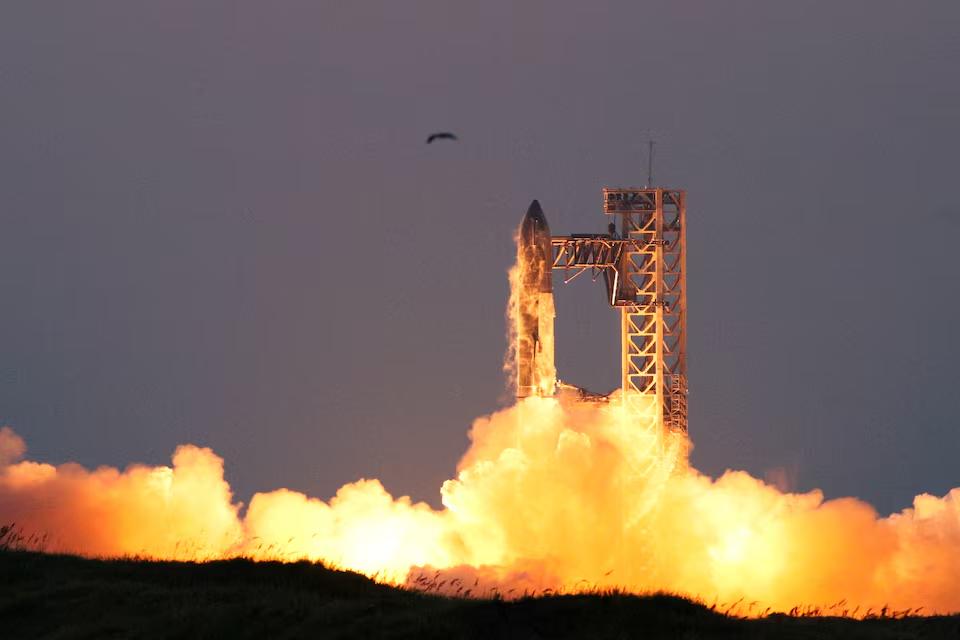
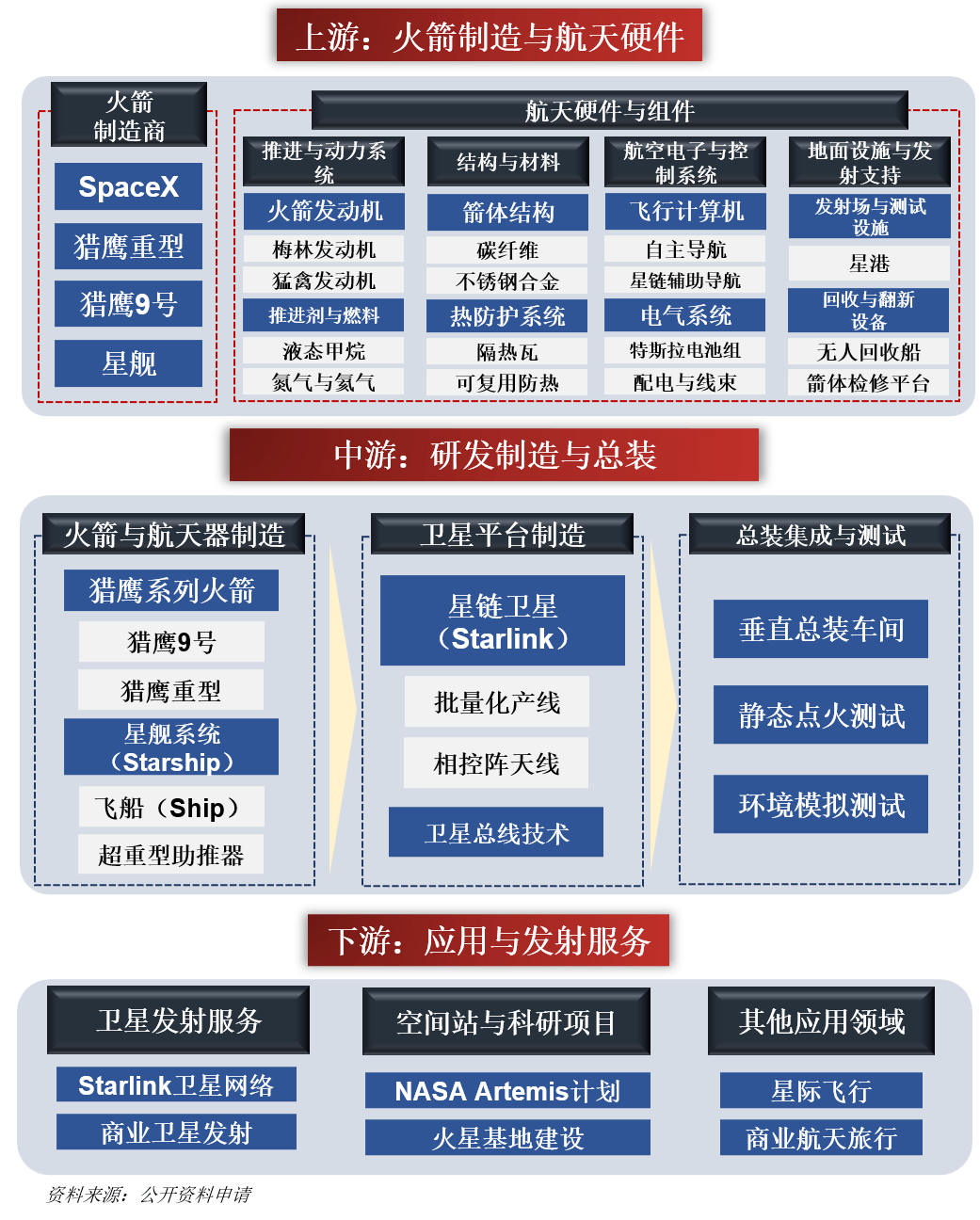
一则消息,在华尔街与硅谷同时引爆。 1月30日消息,埃隆·马斯克正在酝酿一场前所未有的商业重组:据外媒报道,他旗下的火箭制造商SpaceX正考虑与AI初创公司xAI合并, 甚至电动汽车巨头特斯拉也可能被纳入这个庞大的版图。 这不是简单的资本运作。行业分析师指出,马斯克试图将火箭、星链卫星、社交媒体平台X、聊天机器人Grok,甚至自动驾驶、人形机 器人等技术,全部"装到一个口袋",是一场高维度的战略重组,一旦成功,将彻底改写科技产业的权力版图。 消息传出后,特斯拉股价在盘后交易中迅速拉升,涨幅一度触及4.5%,全球资本的目光也将聚焦于SpaceX那场预计估值超过万亿美元、 史上最大规模的首次公开募股(IPO)。 在OpenAI、谷歌、亚马逊等对手环伺的AI军备竞赛中,马斯克为何选择在IPO前夜按下这个"红色按钮"?如若这几大业务板图合并,将 带来哪些深远的影响? 01 马斯克的"星系舰队":各自为战,AI竞赛倒逼整合 要理解这场豪赌的底层逻辑,需要先看清马斯克商业帝国的真实处境。 马斯克所构建的商业版图,旗下核心公司均在各自领域内达到了统治或颠覆性地位,且呈现出高度垂直整合的特征: 毕竟,AI竞争的本质,是一场 ...

【Space X】全产业链!一天吃透马斯克的“商业帝国”
Sou Hu Cai Jing· 2026-01-30 12:30
Core Insights - SpaceX has evolved through four key stages: initial struggle, technological breakthroughs, ecosystem development, and mature expansion, leading to its current dominance in the space industry [3][4]. Stage Summaries - **Initial Stage (2002-2008)**: SpaceX faced bankruptcy after three failed Falcon 1 launches but secured a $1.6 billion contract with NASA after a successful fourth launch in 2008, marking a turnaround [3]. - **Technological Breakthrough Stage (2008-2015)**: The Falcon 9 became the main rocket, achieving land recovery of the first stage booster in 2015, significantly reducing launch costs to $15-20 million [4]. - **Ecosystem Development Stage (2015-2020)**: SpaceX initiated the Starlink and Starship projects, transitioning from a rocket service provider to a space infrastructure company, with Starlink becoming the largest low Earth orbit satellite constellation [4]. - **Mature Expansion Stage (2020-Present)**: By 2023, SpaceX captured nearly 90% of U.S. orbital launch tasks and confirmed plans for an IPO with a valuation exceeding $100 billion [4]. Revenue Breakdown - SpaceX's core business is divided into two main segments, with Starlink emerging as the primary growth driver. By 2025, Starlink is expected to add over 4.6 million active users, generating $13-15 billion in revenue, accounting for 60-65% of total revenue [7][8]. - The revenue forecast for 2024 and 2025 across different business segments is as follows: - Starlink: $7-11 billion (2024), $13-15 billion (2025) [12] - Launch Services: $2.5-4 billion (2024), $5-7 billion (2025) [12] - Government and Defense Contracts: $1.2-1.8 billion (2024), $2-2.3 billion (2025) [12] - Starship Early Ecosystem and New Business: $0.2-0.4 billion (2024), $0.5-0.8 billion (2025) [12] Core Business Operations - SpaceX possesses advanced production, testing, and launch facilities, maintaining control over critical processes unlike NASA's outsourcing model [4][13]. - The Falcon series includes Falcon 1, Falcon 9, and Falcon Heavy, with Falcon 9 being the most frequently launched rocket globally [13][15]. Competitive Advantages - SpaceX's engine technology, particularly the Raptor engine, has undergone three generations of improvements, enhancing reliability and reducing costs through 3D printing [18][21]. - The company holds a dominant position in the global launch market, with Falcon 9 expected to conduct 165 launches in 2025, representing 97% of its total launches [22]. Business Model - SpaceX's business model focuses on creating a self-sustaining ecosystem, where rocket launches serve as a strategic foundation for scaling space services and interstellar exploration [38]. - The company offers two pricing models for launches: a full launch package at $69.85 million and a rideshare option for small satellites starting at $325,000 [40][41]. Future Projections - Launch volume predictions indicate Falcon 9 will maintain high launch frequency, while Starship is expected to accelerate commercialization with projected launches increasing significantly from 5 in 2026 to 150 by 2028 [42].
马斯克三大公司SpaceX、特斯拉和xAI传合并谈判
Sou Hu Cai Jing· 2026-01-30 12:18
SpaceX和xAI的公司代表尚未公开讨论这种可能性。不过,最新的文件显示,1月21日在内华达州成立 了两个新的企业实体,分别名为K2 Merger Sub Inc.和K2 Merger Sub 2 LLC。这表明马斯克正在为所有 选择保持开放态度。 无论哪种方案都有其优势。SpaceX和xAI公司的合并可能允许xAI将其数据中心部署到太空中,这是马 斯克曾表示希望实现的目标。SpaceX与特斯拉的合并可能会将电动汽车制造商的储能业务与太空数据 中心的构想结合起来。 这两种选择——以及三家公司的全面整合——都符合马斯克最近的言论和行动,即整合或至少在公司间 共享资源。据《华尔街日报》报道,去年SpaceX同意向xAI投资20亿美元,而本周早些时候,同样由马 斯克领导的特斯拉也透露向这家AI初创公司投资了20亿美元。 去年,xAI收购了X,马斯克表示这笔交易对xAI的估值为800亿美元,对X的估值为330亿美元。成立于 2002年的SpaceX据报道启动了二级市场销售,估值达到8000亿美元,使其成为美国最有价值的私人公 司。 最近《金融时报》的一份报告显示,马斯克希望在6月份让SpaceX上市。不过,马斯克的 ...
特斯拉:SpaceX合并传闻不足以让我保持看涨态度
美股研究社· 2026-01-30 11:13
Core Viewpoint - Tesla's Q4 2025 earnings report exceeded market expectations in revenue and earnings per share, but the overall financial performance showed weakness, leading analysts to downgrade the stock rating from "Buy" to "Hold" [2][3][31] Financial Performance Summary - Tesla reported Q4 2025 revenue of $24.9 billion, surpassing expectations by $140 million, but experienced a year-over-year revenue decline of 3.1% and a 17% drop in non-GAAP earnings per share [10] - Operating cash flow decreased by 21% year-over-year, and free cash flow fell by 30% to $1.42 billion [11] - The core automotive business revenue plummeted by 11% to $17.693 billion, while energy production and storage revenue grew by 25% to $3.837 billion, and services and other revenue increased by 18% to $3.371 billion [11] Business Outlook - Analysts express concerns about the declining automotive business, which saw a 10% year-over-year revenue drop for 2025, significantly worse than General Motors' 1.3% decline [12] - Tesla plans to phase out the Model S and Model X to focus on the production of the Optimus robot, indicating a shift in priorities [13][14] - The company aims to maintain a significant automotive business scale, with Model 3 and Model Y expected to account for 96.7% of production in 2025 [15][16] Future Investments - Tesla is expected to invest over $20 billion in capital expenditures in 2026, a significant increase from $8.527 billion in 2025, focusing on six new factories and AI infrastructure [17][18] - The development of the Optimus robot and Robotaxi projects is seen as a strategic move, with the potential for substantial future growth [17][18] Robotaxi and Optimus Developments - Tesla's Robotaxi service began operations in Austin in December 2025, with plans to expand to seven major cities by mid-2026 [21][22] - The company is optimistic about the potential of the Optimus robot, with plans for mass production by the end of 2026 [19][20] Valuation Concerns - Tesla's valuation remains high, with a static P/E ratio of 249 and a free cash flow yield of approximately 222 times, reflecting market expectations of future growth rather than current performance [25][26] - The global Robotaxi market is projected to grow significantly, with a compound annual growth rate of 52.54% from 2025 to 2034, highlighting the potential for Tesla's future business [25][26] Market Sentiment - Despite the ongoing upward trend in Tesla's stock price, recent performance indicates investor caution, as the stock fell 3.45% following the earnings report [28] - Analysts recommend waiting for more evidence of the Robotaxi's operational viability before making further investment decisions [31]
未来10年,这18个赛道将带来48万亿美元收入
创业家· 2026-01-30 10:18
Core Insights - McKinsey's report identifies 18 industry sectors likely to reshape the global business landscape, predicting revenues of $29 trillion to $48 trillion by 2040, contributing 18-34% to global GDP growth [2] E-commerce - By 2040, e-commerce's share of global retail revenue is expected to rise to 27%-38% from approximately 20% currently [3] - Growth drivers include market expansion in developing countries and new product categories in developed nations, such as healthcare and emotionally valuable products [4] - Significant investments are anticipated in customer acquisition and last-mile delivery across e-commerce platforms [5] Electric Vehicles - Electric vehicles (EVs) are projected to exceed 50% of global passenger car sales by 2040 [6] - Breakthroughs in battery technology and smart algorithms will significantly influence this sector, prompting increased R&D investments from both EV manufacturers and traditional automakers [7] Cloud Services - The demand for higher storage and computing capabilities is driven by a more interconnected world and the need for AI products requiring substantial computing power [9] - The cloud services industry experienced a 17% compound annual growth rate from 2005 to 2020, with similar growth expected in the coming decades [10] Semiconductors - The semiconductor industry is forecasted to grow at a compound annual growth rate of 6%-8% over the next decade, driven by demand in computing, data storage, automotive, communication, and industrial electronics [11] AI Software Services - The rapid development of AI has led to its classification as a distinct sector, with increasing usage of AI assistants [12] - Companies in the AI space are engaged in a competitive race to develop advanced foundational models and applications [13] Digital Advertising - Digital advertising is expanding in value globally, fueled by an increasing number of internet users and more time spent online [14] - Continuous algorithm improvements enhance platforms' abilities to target customers and track advertising costs, although competition for user attention necessitates higher investments in engaging content [15] Streaming Video - Investment in customer acquisition and content production is rising, prompting streaming platforms to seek new revenue models [17] - Developing countries are expected to contribute to growth in subscription and advertising revenues, with projections indicating over 1 billion households subscribing to long-form video services by 2040 [18] Shared Autonomous Vehicles - The advent of autonomous driving technology may reduce the necessity for personal vehicle ownership, with shared autonomous vehicles projected to account for 25%-51% of shared mobility revenue by 2040 [19][20] Space Economy - The world is on the brink of entering a space economy era, with advancements in reusable rocket technology changing the aerospace industry [21][22] Cybersecurity - Cybercrime caused approximately $950 billion in direct economic losses in 2020, with indirect losses potentially reaching $4-6 trillion [24] - Increasing awareness of cybersecurity has led companies to invest more in enhancing their security measures [25] Batteries - Significant advancements in battery technology have tripled energy density over the past few decades, driven by the global energy transition [26] - By 2040, electric vehicles are expected to account for over 80% of the battery market [28] Video Games - By 2030, an estimated 40% of the global population may become video game players, with mobile and cloud gaming driving market growth [30] - Free-to-play games are generating substantial revenue, and budgets for AAA games are increasing, with 2025 budgets reaching $200 million [32] Robotics - The integration of AI with robotics is creating significant expectations for humanoid robots, which are anticipated to become "ultimate intelligent agents" [33][34] Industrial and Consumer Biotechnology - Breakthroughs in gene editing and other technologies are accelerating the application of biotechnology in agriculture, alternative proteins, consumer products, and bio-materials [37] Modular Construction - Modular construction methods, which involve prefabricating building modules for on-site assembly, can significantly enhance construction efficiency [38] Nuclear Fission Power - The development of safer, smaller modular reactors presents opportunities to supplement renewable energy sources [39] Air Traffic - Electric vertical takeoff and landing vehicles and delivery drones are expected to drive significant technological changes in air traffic [41] Obesity Treatment Drugs - The prevalence of obesity is projected to rise from 15% in 2020 to 24% by 2035, indicating a potential market for effective weight loss products [43]

豪掷200亿美金,特斯拉悄悄开始新一轮「创业」
3 6 Ke· 2026-01-30 10:15
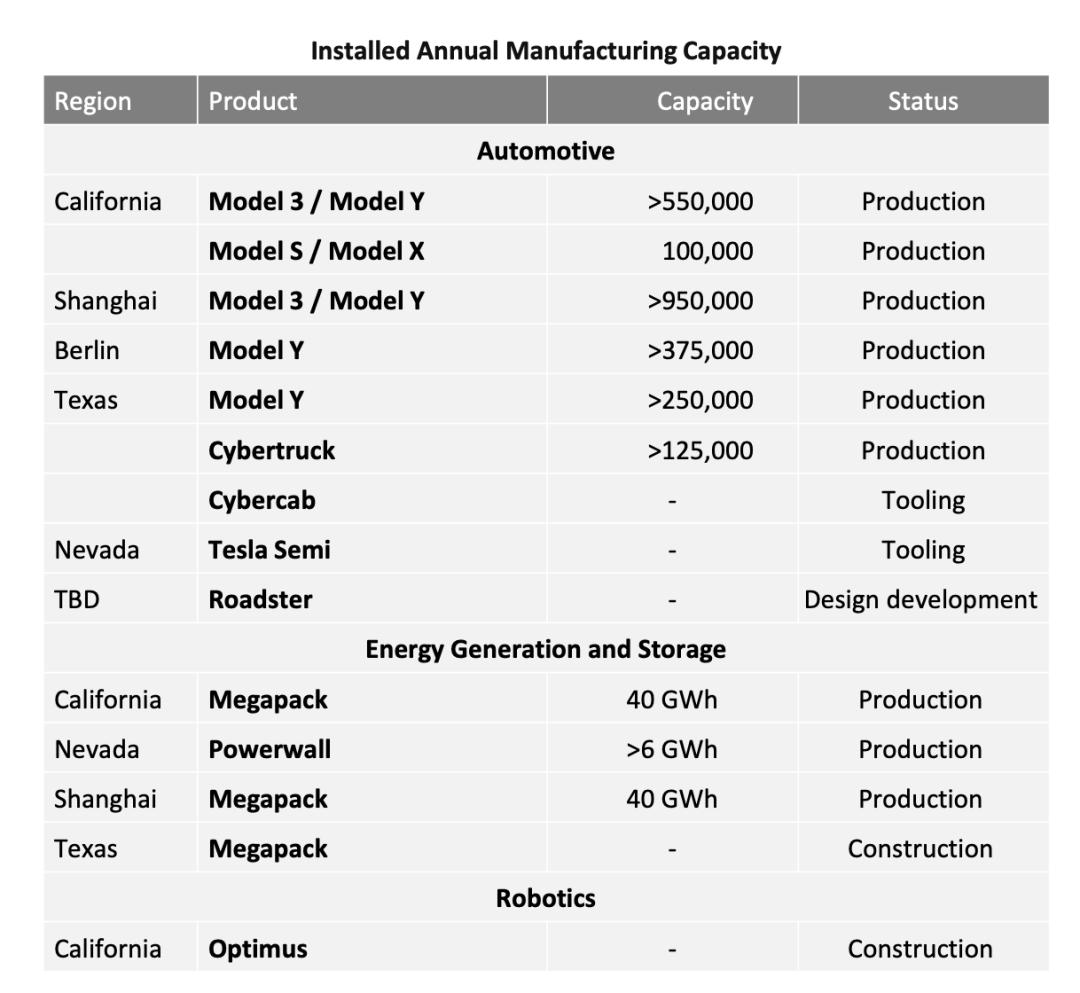
特斯拉正迈入一个有趣的「过渡期」里。 一方面,它们的汽车业务连续两年下跌:刚刚过去的 2025 年,特斯拉整体交付量减少 15.3 万辆,汽车营收同比缩水 10%。全球纯电汽车的销冠位置正式 被比亚迪取代,未来可能还会进一步拉大差距。 但另一方面,马斯克本人似乎对这种下跌并不担忧。在谈到 2026 年规划时,他不仅忽略了几乎所有和卖车有关的话题,反而宣布了一笔高达 200 亿美元 的资本支出规划。这笔支出,将用在包括人形机器人 Optimus、无人车 Cybercab 等在内的六条全新生产线,以及和模型训练有关的算力建设上。 特斯拉目前的产能规划 | 图源:业绩报告 彭博社估算,在汽车业务增长停滞的情况下,预计 2026 年特斯拉的账上将减少 60 亿美元。 多年以来,外界对马斯克宣传的「特斯拉是一家 AI 公司」褒贬不一。争议很大程度在于他关于自动驾驶、机器人的各种承诺不断跳票,市场始终没有看 到相对完整清晰的商业模式。这一次,在这 200 亿美元的资本计划里,马斯克显然透露了更多关于如何实现梦想的「路径」和「线索」。 当全球车企的主流叙事已经收敛到关于决赛圈争夺的时候,擅长反共识的特斯拉,已经悄然进入了一 ...

伯镭科技获比亚迪1亿元战略投资
Zheng Quan Ri Bao Zhi Sheng· 2026-01-30 09:42
Core Insights - Shanghai Borai Intelligent Technology Co., Ltd. has received a strategic investment of 100 million yuan from BYD Company Limited to enhance its research and development, expand intelligent production capacity, accelerate domestic and international market expansion, and deepen industrial ecosystem cooperation [1] Group 1 - The investment will leverage BYD's expertise in electric vehicles, particularly in battery and electronic control technology, combined with Borai's specialization in intelligent mining vehicles and unmanned scenarios, creating potential for collaboration in technology development and supply chain optimization [1] - Borai Technology, founded in 2015 in Shanghai, focuses on the low-carbon and unmanned transformation of global mining [1] - The company has developed a comprehensive technology loop featuring "L4 unmanned driving + unmanned battery swapping + intelligent scheduling," providing economically viable zero-carbon transformation solutions for traditional mining [1]

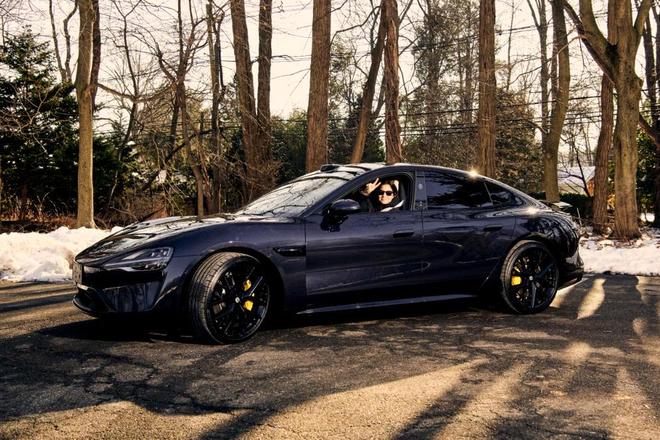
一封来自美国的“情书”:开了中国电车,再也不想美国车
Guan Cha Zhe Wang· 2026-01-30 07:38
Core Viewpoint - The article highlights the growing competitiveness of Chinese electric vehicles (EVs) in the global market, particularly emphasizing the Xiaomi SU7 Max as a standout model that impresses even American automotive experts [1][3][14]. Group 1: Performance and Features of Xiaomi SU7 Max - The Xiaomi SU7 Max is praised for its long battery range of 810 kilometers on a single charge, which exceeds expectations compared to competitors like the Ford Mustang Mach-E [12]. - The vehicle features a large 16.1-inch touchscreen running Xiaomi's HyperOS, integrating various applications and functionalities, enhancing the user experience [6][8]. - The car's driving comfort is noted to be superior, with smoother braking, steering, and acceleration compared to other models like the Ford Mustang Mach-E [11][9]. Group 2: Market Position and Competitive Landscape - Chinese EV manufacturers, including Xiaomi, BYD, and Geely, are recognized for their competitive pricing, often several thousand dollars lower than Western counterparts, and for their advanced digital integration [3][14]. - Ford's CEO acknowledges that Chinese manufacturers like Xiaomi pose a significant challenge to traditional American automakers, indicating a shift in the competitive landscape [3][14]. - There is optimism regarding the potential entry of Chinese EVs into the U.S. market, with indications that barriers such as tariffs may not last long, allowing for future production in the U.S. [14][15]. Group 3: Consumer Sentiment and Future Outlook - The article reflects a positive sentiment towards the Xiaomi SU7 Max, with experts expressing a desire for American consumers to experience the vehicle [4][15]. - Analysts suggest that once the barriers to entry are lifted, Chinese manufacturers will rapidly expand into the U.S. market, potentially within the next two years [14].