电动汽车

Search documents
中国科技龙头崛起正当时 Global X中国核心科技ETF聚焦七大科技赛道
Zhi Tong Cai Jing· 2025-07-31 04:03
Group 1 - The Global X China Core Technology ETF has officially launched on the Hong Kong Stock Exchange, providing investors with a tool to diversify risks in technology stock investments, focusing on seven high-growth technology sectors and 30 leading Chinese technology companies [1] - The ETF tracks the Future Asset China Technology 30 Index, which includes the top 30 companies in China with potential global competitiveness, with an average market capitalization of $65 billion [1] - The top five sectors represented in the ETF are biotechnology (22%), semiconductors (17%), consumer electronics (17%), electric vehicles (15%), and batteries (9%) [1] Group 2 - China's manufacturing sector has rapidly expanded, now accounting for 30% of global manufacturing, ranking first in the world, with high-tech manufacturing growth outpacing traditional manufacturing [2] - In 2024, China's total R&D expenditure reached 3.6 trillion RMB, a year-on-year increase of 8.3%, maintaining its position as the second-largest globally [2] - Key industries such as semiconductors, renewable energy, and artificial intelligence are national strategic priorities, with domestic companies achieving technological independence and gaining a foothold in global markets [2] Group 3 - The rise of China's technology industry is expected to continue, with upgrades in high-end manufacturing, increased R&D investment, and deeper globalization [3] - The core technology sectors defined by the ETF are crucial for China's self-reliance in high-end technology, including biotechnology, semiconductors, electric vehicles, batteries, medical technology, robotics, consumer electronics, solar energy, and software [3] - The investment strategy of the Global X China Core Technology ETF focuses on 30 leading domestic companies, characterized by broad growth prospects, high R&D spending ratios, and attractive valuation advantages [3]
中国科技龙头崛起正当时 Global X中国核心科技ETF(03448)聚焦七大科技赛道
智通财经网· 2025-07-31 03:59
Group 1 - The Global X China Core Technology ETF (03448) has officially launched on the Hong Kong Stock Exchange, providing investors with a tool to diversify risks in technology stock investments, focusing on seven high-growth technology sectors and 30 leading Chinese technology companies [1] - The ETF tracks the Future Asset China Technology 30 Index, which includes the top 30 companies in China with potential global competitiveness, with an average market capitalization of $65 billion [1] - The top five sectors represented in the ETF are biotechnology (22%), semiconductors (17%), consumer electronics (17%), electric vehicles (15%), and batteries (9%) [1] Group 2 - Over the past few decades, China's manufacturing scale has rapidly expanded, now accounting for 30% of global manufacturing, ranking first in the world [2] - High-tech manufacturing has outpaced traditional manufacturing, indicating China's advancement in the global value chain [2] - In 2024, China's total R&D expenditure reached 3.6 trillion RMB, a year-on-year increase of 8.3%, maintaining its position as the second-largest globally [2] Group 3 - The rise of China's technology industry is expected to continue, with upgrades in high-end manufacturing, increased R&D investment, and deeper globalization [3] - The core technology sectors defined by the ETF are crucial for China's self-reliance in high-end technology and include biotechnology, semiconductors, electric vehicles, batteries, medical technology, robotics, consumer electronics, solar energy, and software [3] - The leading Chinese technology companies are anticipated to significantly increase their domestic market share while becoming global leaders [3]
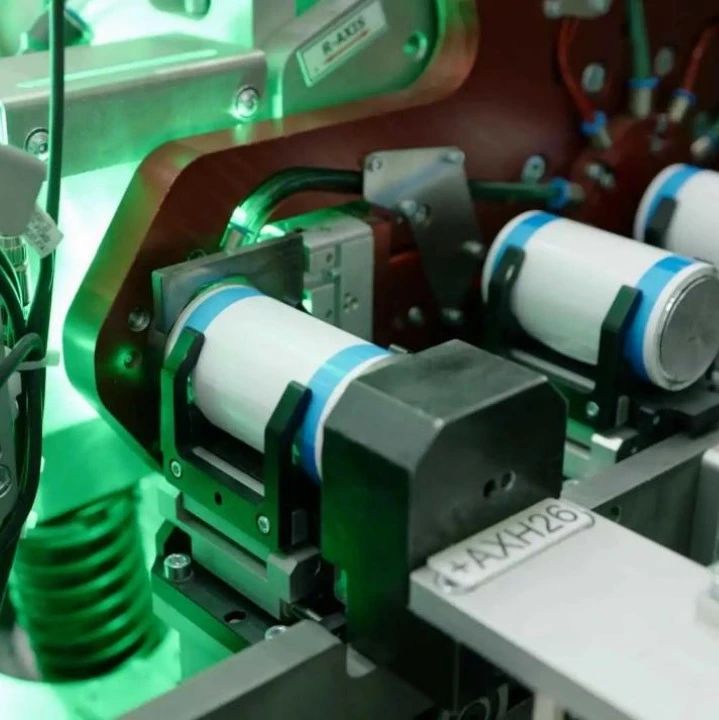
还要等固态电池上车吗
汽车商业评论· 2025-07-30 23:06
Core Viewpoint - The article discusses advancements in electric vehicle (EV) battery technology, particularly focusing on lithium-ion and solid-state batteries, highlighting ongoing improvements and potential future developments in energy density, charging speed, and overall performance [2][5][16]. Group 1: Lithium-Ion Battery Developments - Tesla's Vice President of Vehicle Engineering, Lars Moravy, emphasizes that lithium-ion and lithium iron phosphate batteries have significant room for improvement, particularly in energy density and performance [2]. - Continuous enhancements in lithium-ion battery technology are expected, with an estimated annual improvement of about 3% in energy density and charging speed [16]. - Tesla has consistently upgraded its battery specifications over the years, with the range of its Model S increasing from 265 miles in 2012 to approximately 415 miles today [16]. Group 2: Solid-State Battery Innovations - Volkswagen Group has invested over $260 million in solid-state battery startup QuantumScape, aiming for commercial production by 2025 [5]. - Solid-state batteries theoretically offer 2 to 3 times the energy density of traditional lithium-ion batteries, potentially enabling vehicles to achieve over 500 miles of range on a single charge [7]. - Current solid-state battery energy density is around 305 Wh/kg, only slightly higher than lithium-ion batteries, which range from 200 to 300 Wh/kg [9]. Group 3: Industry Trends and Future Outlook - Major automotive manufacturers, including Toyota and Ford, are investing heavily in solid-state battery technology, with plans for commercialization by the end of the decade [10][18]. - Companies like Samsung SDI and LG Chem are also focusing on solid-state technology due to its potential to dominate the EV market [11]. - Despite the promise of solid-state batteries, challenges remain, including higher production costs and the complexity of manufacturing solid electrolytes [12].


福建新能源车加速“出海” 上半年对共建“一带一路”国家出口35.5亿元
Zhong Guo Chan Ye Jing Ji Xin Xi Wang· 2025-07-30 22:17
Core Insights - The new energy industry is experiencing a golden development period driven by the "dual carbon" strategy, with significant growth in electric vehicle exports from Fujian Province [1][2] Group 1: Electric Vehicle Export Growth - In the first half of 2025, Fujian Province exported 29,000 electric vehicles, a year-on-year increase of 50.7%, valued at 4.03 billion yuan, up 59.3% [1] - Exports to Belt and Road Initiative countries reached 3.55 billion yuan, growing by 56.2%, accounting for 88.1% of the total electric vehicle export value from Fujian [1] - Private enterprises led the growth in electric vehicle exports, with exports totaling 2.89 billion yuan, a 75.5% increase, representing 71.7% of the total export value [1] Group 2: Company Performance and Innovations - Yundu Company has focused on core technology innovation and product updates, launching models like Yudo3 and AIR, and has exported to over 20 countries and regions [2] - The company exported over 2,000 electric vehicles in the first half of the year, with an expected total of 5,000 to 6,000 units for the entire year [1][2] - The customs authority has implemented tailored clearance solutions, significantly shortening clearance times and enhancing competitiveness for Yundu Company [2]
中国电动汽车在印尼市场持续热销
Ren Min Ri Bao· 2025-07-30 22:12
在印度尼西亚雅加达,当地居民鲁迪熟练地坐进自己的五菱缤果电动汽车,准备去上班。"这是我买的 第二辆电动汽车了。"鲁迪一边调整后视镜,一边笑着说,"当初选车最看重的就是性价比。比了好几个 品牌,还是中国电动汽车在性能和续航上更出色,售后也靠谱,修车不麻烦。" 路上车辆渐多,缤果车身形小巧,在车流中灵活穿梭。鲁迪指了指中控屏幕上显示的续航数字,"满电 能跑约400公里,市区通勤完全够用。我每天上下班来回70多公里,加上跑业务,一个月大概跑2000公 里。" 他回忆起之前的燃油车,"油费一个月得三四百万印尼盾(1美元约合16385印尼盾);现在用电动汽 车,每月电费顶多几十万印尼盾,差不多是原来的1/10,省下来的可不少。"前不久,他刚把旧的燃油 车卖掉,还在考虑入手另一款中国品牌电动汽车,"现在我推荐朋友们也买,真的是实用又划算。" 当前,五菱、奇瑞、比亚迪等中国品牌电动汽车在印尼市场持续热销。凭借价格亲民、性能优越、外观 时尚等优势,中国电动汽车赢得了越来越多当地消费者的青睐。根据印尼汽车工业协会的数据,今年上 半年,印尼市场纯电动汽车销量达到35749辆,同比增长267%,中国品牌占到九成以上。该协会的统计 ...

中国电动汽车在印尼市场持续热销 上半年纯电动汽车销量中九成以上为中国品牌
Ren Min Ri Bao· 2025-07-30 21:57
Group 1 - The core viewpoint of the articles highlights the growing popularity of Chinese electric vehicles (EVs) in Indonesia, driven by their affordability, superior performance, and stylish designs, leading to a significant increase in sales [1][2] - In the first half of the year, Indonesia's pure electric vehicle sales reached 35,749 units, marking a 267% year-on-year increase, with Chinese brands accounting for over 90% of the market [1] - BYD is projected to sell 15,000 electric vehicles in Indonesia in 2024, maintaining a strong growth trajectory with over 8,000 units sold in the first quarter of 2025 [1] Group 2 - Geely has successfully completed the trial production of its first pure electric SUV at its factory in Indonesia, with mass production expected in the third quarter and an annual capacity of 20,000 units [2] - Yadea plans to establish a super factory in Indonesia with an annual capacity of 3 million electric motorcycles, expected to be fully operational by 2026 [2] - Several Chinese companies are actively contributing to the development of Indonesia's electric vehicle supply chain, including CATL's battery and energy storage project and Chery's collaboration with local training centers [2]

7月31日电,巴西将电动和混合动力汽车关税征收时间从2028年7月提前至2027年1月。
news flash· 2025-07-30 19:30
Core Viewpoint - Brazil has advanced the tariff imposition on electric and hybrid vehicles from July 2028 to January 2027 [1] Group 1 - The decision reflects Brazil's commitment to promoting electric and hybrid vehicle adoption [1] - The new timeline may impact the automotive industry, particularly manufacturers of electric and hybrid vehicles [1] - This change could influence market dynamics and competitive strategies within the automotive sector in Brazil [1]
“中国电动汽车帮助尼泊尔改善空气质量,为发展中国家带来新希望”
Guan Cha Zhe Wang· 2025-07-30 12:28
Group 1 - The electric vehicle market in Nepal has experienced explosive growth, with 76% of imported electric vehicles in the fiscal year 2023-2024 coming from China [1] - The Nepalese government is actively promoting the transition to electric vehicles to reduce reliance on imported fossil fuels and improve air quality, with electric vehicles accounting for 76% of all passenger car sales and 50% of light commercial vehicle sales in the past year [1][3] - The Nepalese Customs data indicates that nearly 70% of electric vehicles imported last year were from China, highlighting the significant role of Chinese manufacturers in this market [1] Group 2 - Following a dispute with India in 2015, Nepal's oil imports decreased sharply, prompting the government to invest heavily in hydropower and electrical infrastructure to provide affordable, pollution-free electricity [3] - To encourage electric vehicle adoption, the Nepalese government implemented various incentives, including a total tax rate of 40% for electric vehicles compared to 180% for fuel vehicles [3] - The Nepal Electricity Authority has established 62 charging stations, and the government has allowed anyone to build charging facilities while significantly reducing tariffs on imported charging equipment [3][4] Group 3 - Many businesses in Nepal, including hotels and restaurants, have begun installing charging stations, indicating a growing acceptance of electric vehicles [4] - Initially skeptical, car dealers in Nepal have recognized the potential of electric vehicles, with one dealer reporting a significant increase in sales after the introduction of models suited for Nepal's terrain [5] - The competitive pricing of Chinese electric vehicles is making it difficult for Indian manufacturers to compete, as noted by local dealers [5] Group 4 - Despite the growth in electric vehicle adoption, many Nepalese still rely on inexpensive motorcycles and gasoline or diesel buses, indicating a need for more electric buses to address air pollution [7] - The Nepalese government has allocated approximately $22 million for the purchase of electric buses, with state-owned company Sajha Yatayat operating 41 new energy buses in the past two years [7] - Nepal's approach to electric vehicle adoption contrasts with the policies of the US and EU, which are attempting to curb the Chinese electric vehicle industry, offering a hopeful model for developing countries seeking economic growth while avoiding severe pollution [7]


可再生能源vs化石燃料,谁将主导未来?
天天基金网· 2025-07-30 11:30
Core Viewpoint - The article highlights the contrasting paths of China and the United States in the renewable energy sector, with China leading significantly in renewable energy capacity and technology while the U.S. continues to invest heavily in fossil fuels [1][3][7]. Renewable Energy Capacity - In 2024, China's total power generation is projected to reach 10,073 TWh, compared to the U.S. at 4,387 TWh, showcasing China's dominance in renewable energy projects [1][3]. - China's renewable energy accounts for 34% of its total power generation, while the U.S. stands at 24% [1][3]. - Specific renewable energy capacities show China leading in solar (834 TWh vs. 303 TWh), wind (992 TWh vs. 453 TWh), hydro (1354 TWh vs. 236 TWh), and biomass (208 TWh vs. 47 TWh) [2]. Electric Vehicle Market - China exported electric vehicles worth $38 billion in the previous year, three times more than Tesla's annual exports of approximately $12 billion [4]. - The market share of electric vehicles in China has surpassed 50% and is expected to exceed 60% by the end of the year [6]. - The U.S. electric vehicle market is hindered by low charging infrastructure and unstable subsidy policies, while China is rapidly expanding its charging network [4][6]. Battery Technology - China dominates the lithium-ion battery market, with exports reaching $65 billion, which is 22 times that of the U.S. [4][6]. - The article emphasizes that the country with battery manufacturing capabilities will gain significant economic and geopolitical advantages, with China currently being the only winner in this domain [6]. Policy and Strategic Direction - The U.S. is focusing on reviving fossil fuel industries, while China is committed to renewable energy development, as evidenced by significant investments in solar, wind, and hydro projects [3][7]. - Historical patterns show that U.S. energy policies have fluctuated with political changes, while China maintains a consistent long-term strategy for renewable energy [8][10]. Global Influence - China is expanding its influence in the global renewable energy market by investing in projects across various countries, including Hungary, Saudi Arabia, and Indonesia [10]. - The article notes that most countries are not following the U.S. fossil fuel path, instead opting for renewable energy investments, which aligns with China's growing global influence [10].

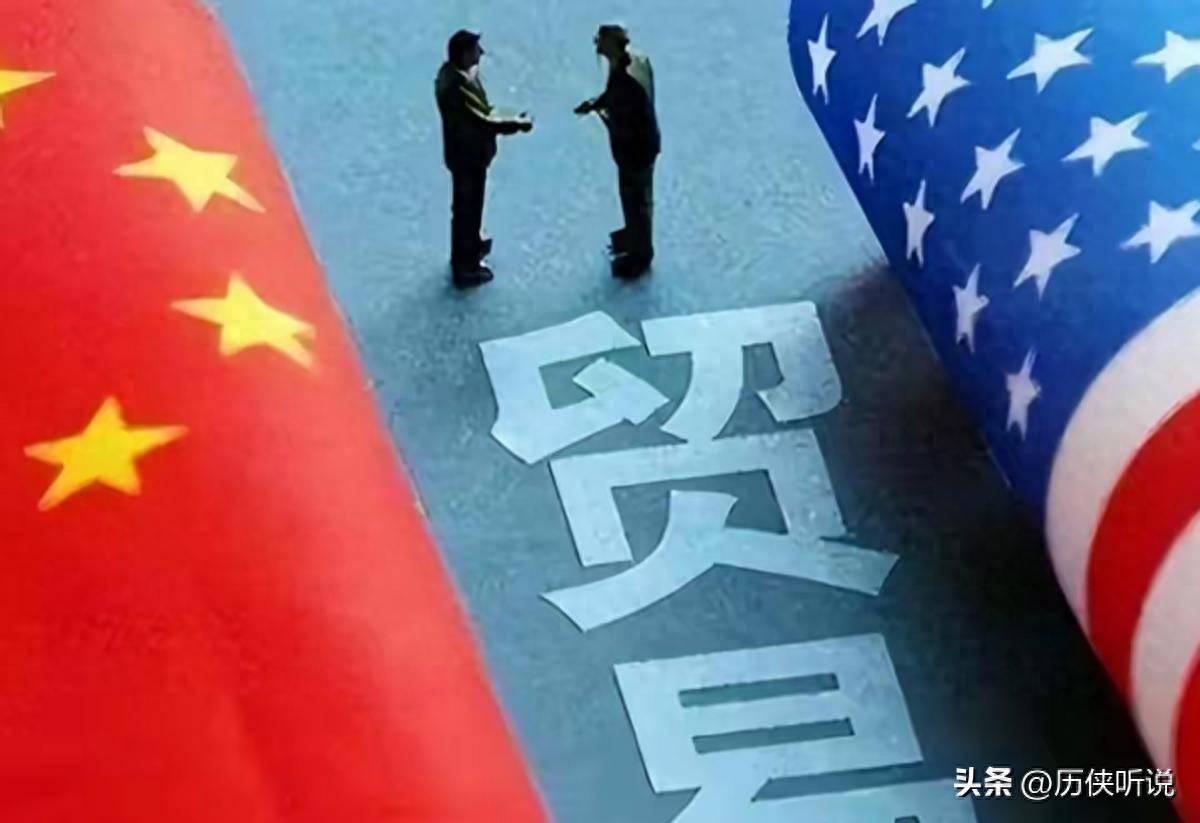
中美投资博弈:美在华有7万家企业,总投超1.2万亿美元,中国呢?
Sou Hu Cai Jing· 2025-07-30 10:21
Group 1 - The core viewpoint highlights the deepening economic cooperation between China and the United States since the establishment of diplomatic relations in 1978, with over 70,000 American companies investing more than $1.2 trillion in China [1][3][31] - American companies have successfully penetrated the Chinese market, with an average operational duration of 37 years, benefiting from China's gradual market opening and favorable policies [3][5][7] - Major American brands like Walmart, Coca-Cola, and McDonald's have established significant market shares in China, driven by the rise of the middle class and increased consumer demand [5][10] Group 2 - American companies have positioned themselves in the mid-to-high-end consumer market, aligning with Chinese consumers' pursuit of quality living, supported by favorable government policies for foreign investment [7][10] - Apple's success in China is attributed not only to its technological leadership but also to its brand influence, which has made it a cultural symbol [9][10] - Tesla has achieved remarkable success in China, selling record numbers of electric vehicles and receiving government support, indicating a strong investment strategy in the Chinese market [12][10] Group 3 - In contrast, Chinese companies face significant challenges in the U.S. market, encountering policy restrictions and market barriers despite their global competitiveness [14][31] - The U.S. government has imposed restrictions on Chinese firms like Huawei, citing national security concerns, which has severely impacted their operations in the U.S. [16][21] - Chinese companies often struggle with cultural differences and market adaptation in the U.S., leading to difficulties in brand recognition and consumer acceptance [23][21] Group 4 - Despite challenges in the U.S. market, Chinese companies are exploring opportunities in Europe and Asia, where market demand is growing and relatively stable [25][27] - Chinese electric vehicle manufacturers are expanding into Europe, establishing sales and service networks in major cities [27][31] - Collaboration with local partners is a strategy employed by Chinese firms to penetrate the U.S. market, leveraging local resources and brand influence [27][29] Group 5 - Continuous technological innovation remains a core competitive advantage for Chinese companies, with firms like Huawei and ByteDance establishing strong technological barriers [29][31] - Brand building is increasingly recognized as crucial for Chinese companies to succeed globally, with a focus on cross-cultural marketing to meet global consumer needs [29][31] - The contrasting investment experiences of American and Chinese companies in their respective markets underscore the different challenges and opportunities they face [31][32]