饮料

Search documents
中国经济预期向好 外资投资意愿加强
Zhong Guo Qing Nian Bao· 2025-08-05 03:40
Group 1 - More than 10 foreign financial institutions and international investment banks have raised their economic growth forecasts for China following the release of Q2 economic data [1] - Goldman Sachs maintains an overweight rating on the Chinese market, predicting an 11% potential upside for the MSCI China Index over the next 12 months [1] - Global sovereign wealth funds show a significant increase in investment willingness towards China, with 59% of surveyed funds prioritizing China as a key market [1] Group 2 - Honeywell's China president highlighted the continuous optimization of China's business environment, emphasizing government support for enterprise development [2] - The CEO of Thailand's Tsingtao Group noted that China's policy certainty is a driving force for foreign investment, contrasting it with the uncertainties faced in Europe and the U.S. [3] - As of July 15, South Korean investors have accumulated over $5.4 billion in trading volume in the Chinese stock market, making it their second-largest overseas investment destination [3] Group 3 - Bridgewater's onshore China fund recorded a 5.8% return in Q2, with a total return of 13.6% for the first half of the year, leading to an increase in their allocation to Chinese stocks [4]
再论新消费的投资节奏与方向
2025-08-05 03:20
Summary of Key Points from Conference Call Records Industry Overview - The new consumption sector in China has shown strong performance in the first half of 2025, with leading companies like Pop Mart and Lao Pu achieving significant revenue and profit growth exceeding 100% compared to the previous year. However, their stock market performance has not met expectations due to high market forecasts and profit-taking activities [2][3] - The Chinese consumer market is currently the second largest globally, accounting for 70%-80% of the U.S. market when calculated at exchange rates, and is the largest when measured by purchasing power. The market is transitioning from growth to a focus on quality and efficiency, creating structural investment opportunities [5] Key Insights and Recommendations - The new consumption sector is expected to maintain strong growth in the second half of 2025 and into 2026, with a focus on companies with brand, product, or channel advantages. The sector is projected to see mid-single-digit growth in retail sales [1][6] - Macro policies, such as infrastructure investments and childcare subsidies, are anticipated to boost consumer confidence and demand, particularly in the dairy and infant formula sectors. Companies like Yili, Mengniu, and Modern Dairy are recommended for investment [8][9] - The beverage industry remains stable, with companies like Nongfu Spring and Dongpeng maintaining market share. New product trends include health-focused water and high-concentration juices [10] Sector-Specific Insights Dairy Industry - The dairy sector is expected to reach a supply-demand balance by 2026, with recommendations for leading companies in both dairy products and upstream livestock sectors [9] Beverage Industry - The beverage sector is characterized by strong fundamentals, with Nongfu Spring recovering market share and Dongpeng leading in functional drinks. New product trends are emerging, including health-oriented beverages [10] Snack Industry - The snack sector is experiencing a valuation adjustment, but new product launches and channel expansions are expected to drive growth. Companies like Yanjinpuzi and Weilong are highlighted as key players [12][13] Alcohol Industry - The liquor sector is seeing a resurgence in sentiment due to recent policy changes and infrastructure investments. The sector is still in a destocking phase, but valuations are considered low, making it a good time to invest in high-end brands like Moutai and Luzhou Laojiao [18] Pet Economy - The pet economy sector is experiencing a pullback, but companies like Zhongchong and Guibao are expected to benefit from long-term trends such as increasing pet ownership and spending [16][17] Beauty and Personal Care - The beauty sector has faced challenges, with a negative growth rate in retail sales for cosmetics. However, some brands are showing resilience, and new product launches are expected to accelerate in the third quarter [28] Medical Aesthetics - The medical aesthetics industry is seeing significant advancements, with new products and technologies being approved. The demand for light medical procedures continues to drive growth [29][30] Conclusion - The new consumption sector in China presents numerous investment opportunities, particularly in companies that can leverage brand strength and innovative products. Macro policies are expected to further stimulate demand across various sectors, making it a favorable environment for long-term investments.
东鹏饮料20250802
2025-08-05 03:15
Summary of Dongpeng Beverage Conference Call Company Overview - Dongpeng Beverage reported a revenue of 10.7 billion RMB in the first half of 2025, a year-on-year increase of 36% [2] - The net profit attributable to shareholders reached 2.4 billion RMB, growing by 37% year-on-year, indicating improved corporate governance [2] Core Product Performance - Dongpeng Special Drink, the core product, accounts for approximately 90% of total revenue [2] - The 500ml Golden Lemon Special Drink ranks among the top three single beverage sales in China [2] - Dongpeng Special Drink's sales volume has surpassed Red Bull, securing the second position in sales revenue [5] Industry Insights - The energy drink market is projected to grow from 6.7 billion RMB in 2010 to 62 billion RMB in 2024, with a compound annual growth rate (CAGR) of 17% [6] - The energy drink segment is the fastest-growing sub-sector within the soft drink industry, now accounting for about 5% of the market [6] Market Potential - The energy drink market has significant growth potential, with an expected increase of nearly 9 times from 2010 to 2024 [6] - If per capita consumption in China reaches levels similar to Thailand, the industry size could increase by over 120% [9] Pricing and Marketing Strategy - Dongpeng Special Drink has successfully utilized differentiated packaging and pricing strategies, such as launching PET bottles and a 500ml golden bottle priced at 5 RMB, lower than Red Bull's 250ml price of 6 RMB [7] - Digital marketing and channel profit support have been crucial for promoting Dongpeng Special Drink [7] Future Growth Projections - The upper limit for Dongpeng Special Drink's market size is estimated at around 25 billion RMB, with potential for further growth based on international consumption comparisons [8] - In 2024, Dongpeng's market share in the energy drink sector is expected to be approximately 3.35%, with rapid expansion anticipated [10] Electrolyte Water Market - The electrolyte water market is projected to reach 55 billion RMB in 2024, with a five-year CAGR of about 10%, expected to hit 100 billion RMB by 2029 [3] - Dongpeng's "Water Supply" product is expected to generate 1.5 billion RMB in revenue in 2024, with a target of exceeding 3 billion RMB in 2025 [3] Product Development and Diversification - Dongpeng has launched new products such as coconut juice and cocktails, with a focus on high cost-performance to cater to consumer needs [15] - The company is adopting a dual development strategy, both vertically and horizontally, to expand its product offerings [18] Brand and Channel Development - Dongpeng is enhancing brand visibility through partnerships with sports events and media platforms, while expanding its distribution network, which has reached 3,200 distributors and 4.2 million retail outlets [19][21] - The company is progressing well in its national expansion, with significant growth in regions outside Guangdong [20] Production Capacity and Global Expansion - Dongpeng has 13 planned production bases, with 9 already completed and 4 under construction to meet growing demand [22] - The company is exploring international markets, having entered countries like Vietnam and Malaysia, and is focusing on localizing products to fit consumer preferences [23] Financial Forecast - Revenue is expected to grow by 30%, 25%, and 23% from 2025 to 2027, with net profit growth of 35%, 29%, and 24% respectively [24] - The current market correction is viewed as a buying opportunity, maintaining a buy investment rating [24]

宗馥莉去哪了?
投资界· 2025-08-05 03:15
Core Viewpoint - The article discusses the challenges faced by Zong Fuli, the new leader of Wahaha, following the death of her father, Zong Qinghou, and the subsequent family inheritance disputes, highlighting employee dissatisfaction and management style differences [5][10][15]. Group 1: Management Challenges - Zong Fuli has not been seen at the company for over a month, leading to speculation about her whereabouts and management style [6][8]. - Employee dissatisfaction has risen due to significant reforms and layoffs initiated by Zong Fuli, contrasting with her father's management style [7][12]. - A large number of employees and distributors have expressed grievances regarding Zong Fuli's management, citing unrealistic tasks and financial losses [7][20]. Group 2: Employee and Distributor Reactions - Over 600 sales personnel protested at the company headquarters seeking answers from Zong Fuli regarding their grievances [7]. - Distributors have reported financial strain and dissatisfaction with the new management approach, claiming that their operational costs have increased without adequate support [7][20]. - Many employees have experienced drastic salary reductions, with some reporting monthly wages dropping to as low as 1 yuan or even incurring debts to the company [12][21]. Group 3: Strategic Changes - Zong Fuli has implemented a series of strategic changes, including the restructuring of the sales team and the integration of smaller distributors into larger ones [11][19]. - The company has shifted its focus towards a more data-driven management approach, moving away from the previous relationship-based model established by Zong Qinghou [15][16]. - Despite the internal turmoil, the production lines at Wahaha continue to operate normally, indicating that the company is still functioning despite external pressures [11][21]. Group 4: Market Performance - There are indications that Wahaha's sales performance has declined in 2023 compared to the previous year, with reports of negative growth in several regions [21]. - The company has not launched any new products since Zong Fuli took over, which raises concerns about its market competitiveness [17][19]. - The restructuring efforts have led to increased pressure on remaining sales personnel, with many facing demotions or warnings due to underperformance [21].


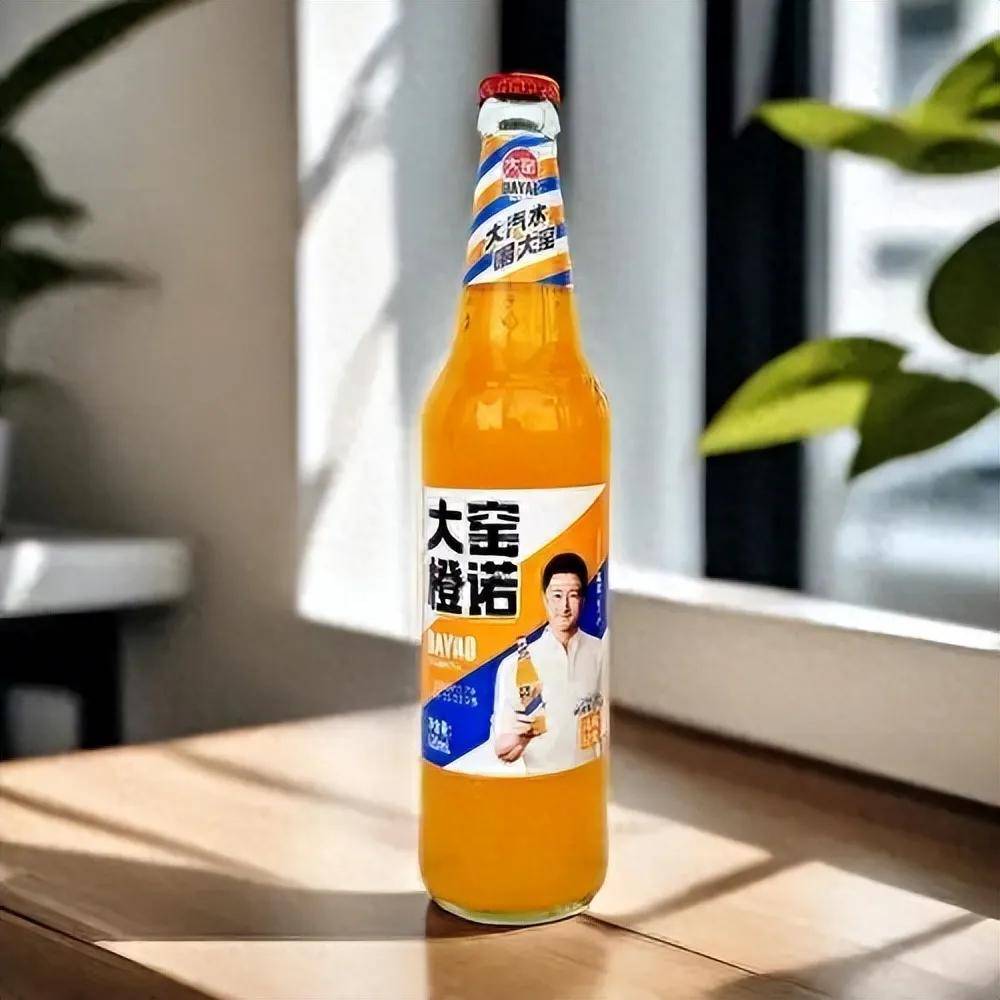
32亿中国饮料巨头“大窑”,终被“卖身”美国资本,老板套现离场
Sou Hu Cai Jing· 2025-08-05 03:13
Core Insights - The acquisition of the Chinese beverage brand "Dayao" by the American private equity firm KKR marks a significant shift in the brand's control and strategy, highlighting the intersection of capital and brand history [2][3][15] - Dayao, once a symbol of grassroots entrepreneurship, achieved remarkable success with annual sales of 3.2 billion, but faced challenges from emerging health-conscious brands and rising operational costs [3][11][14] Group 1: Acquisition Details - KKR, known for its substantial capital and global market influence, has acquired Dayao, which opens doors to the Chinese lower-tier market for the firm [2][3] - The acquisition has been approved by the Chongqing Market Supervision Administration, indicating a smooth transition of ownership [3] Group 2: Brand Strategy and Market Position - Dayao's unique market strategy focused on under-served segments, such as local dining establishments, allowing it to compete effectively against international giants like Coca-Cola and Sprite [6][10] - The brand's pricing strategy, offering higher profit margins for restaurant owners, contributed to its rapid growth and national presence [9][10] Group 3: Challenges and Market Dynamics - The beverage market has evolved, with new brands like Yuanqi Forest and Dongfang Shuye capturing the health-conscious demographic, while Dayao's traditional high-sugar products fall out of favor [11][13] - Dayao's reliance on glass bottle packaging has increased operational costs, limiting its expansion into southern and first-tier cities where competition is fierce [14] Group 4: Future Implications - KKR's investment is expected to enhance Dayao's supply chain, cost control, and brand internationalization, but may also lead to significant changes in product formulation and packaging to align with health trends [16][18] - The balance between capital-driven efficiency and consumer sentiment towards the brand's original identity poses a challenge for Dayao's future [19][21]
宗馥莉“输了”?炸出互联网最大骗局!
Xin Lang Cai Jing· 2025-08-04 17:15
Core Viewpoint - The recent legal battle over the inheritance of Wahaha has sparked significant public interest, with the initial court ruling being misinterpreted as a definitive loss for Zong Fuli, the daughter of the founder, Zong Qinghou. However, this ruling is merely a tactical maneuver in a larger legal strategy, and the true resolution of the inheritance dispute is yet to come [2][4][5]. Group 1: Legal Proceedings - The Hong Kong High Court issued a non-judicial injunction preventing Zong Fuli from withdrawing or transferring any assets from her HSBC account until the outcome of the litigation in mainland China [5][6]. - The court's ruling is fundamentally an asset preservation order, safeguarding $1.8 billion while awaiting the final judgment from the mainland courts [6][8]. - The ultimate decision regarding the inheritance will depend on the outcomes of the ongoing legal proceedings in mainland China, where Zong Fuli holds significant advantages due to two legally notarized wills from her father [8][9]. Group 2: Inheritance Dispute - The focal point of the inheritance dispute involves a $2.1 billion trust fund established for Zong Qinghou's three non-marital children, with each child entitled to $700 million, but only the interest can be accessed [10][14]. - Zong Fuli has argued that the trust's assets are limited to the interest generated, not the principal itself, and has taken a firm stance against any actions that could harm her interests [15][16]. - The conflict escalated when Zong Fuli transferred $1.1 million from the account to pay for equipment, which the other claimants viewed as an "intentional encroachment on the inheritance" [14][19]. Group 3: Brand Impact - The inheritance dispute has severely impacted Wahaha's brand image, which has been built over decades, as the public perception of Zong Qinghou as a patriotic entrepreneur has been tarnished [17][22]. - Following the public revelation of the inheritance battle, Wahaha's sales on e-commerce platforms plummeted by nearly 50%, with daily sales dropping from 10,000-12,000 units to 5,000-7,500 units [19][20]. - The brand's marketing strategy has been disrupted, with a significant reduction in live-stream sales and a growing concern among distributors about the company's future [20][24]. Group 4: Public Perception and Media - The media portrayal of the legal battle has simplified complex legal issues into sensational headlines, leading to a distorted public understanding of the situation [26][30]. - Zong Fuli's adept crisis management has garnered public sympathy, but the underlying issues of family legacy and corporate governance remain critical challenges for Wahaha [27][30]. - The ongoing narrative surrounding the inheritance dispute highlights the fragility of brand reputation in the face of personal and familial controversies, emphasizing that market performance ultimately dictates corporate success [31][32].

食品饮料健康新标识出炉
Zhong Guo Chan Ye Jing Ji Xin Xi Wang· 2025-08-04 11:30
Core Viewpoint - Chinese consumers are increasingly becoming "nutrition detectives," reshaping food consumption logic by focusing on nutritional content and making informed choices based on new labeling standards introduced by the Chinese Nutrition Society [1][2]. Group 1: New Labeling Standards - The Chinese Nutrition Society has launched the "Smart Choice" label for pre-packaged foods, simplifying complex nutritional data into an intuitive "√" mark, allowing consumers to quickly identify products with lower oil, salt, and sugar content [1][2]. - The "Smart Choice" label is based on dietary guidelines and aims to promote healthier food options by encouraging manufacturers to reduce sugar, fat, and sodium levels in their products [1][2]. Group 2: Consumer Impact - The new labeling system significantly lowers the understanding threshold for consumers, acting as a health compass that helps them select healthier products efficiently [2]. - This initiative aligns with the fast-paced lifestyle of consumers, enhancing their purchasing decision-making efficiency and trust in beverage products [2]. Group 3: Industry Implications - The introduction of the "Smart Choice" label is expected to drive a transformation in the beverage industry towards healthier options, as traditional high-sugar drinks lose market share [3]. - Brands that quickly adapt to health trends and innovate will be better positioned to compete in the evolving market landscape, as seen with brands like "脉动" (Mizone), which has already embraced low-sugar offerings [3].
食品饮料行业周报(25年第31周):行业进入中报业绩期,关注板块结构性机会-20250804
Guoxin Securities· 2025-08-04 07:44
Investment Rating - The investment rating for the food and beverage industry is "Outperform the Market" [4][5][76]. Core Views - The industry is entering the mid-year performance reporting period, with a focus on structural opportunities within the sector [10]. - In the liquor segment, there is a slight decline in high-end liquor prices during the off-season, and attention is drawn to mid-year performance [10][11]. - The beer and beverage sectors are entering a peak season, with stable performance from leading companies in basic condiments [13][18]. - The report emphasizes the importance of consumer engagement and market health for liquor companies, with a shift towards internationalization and youth-oriented strategies [12][10]. Summary by Sections Liquor - The liquor sector saw a 2.4% decline this week, with high-end liquor prices slightly dropping [12][11]. - Key companies are focusing on cultural engagement and market health, with initiatives like the opening of cultural experience centers by Kweichow Moutai [10]. - Recommended stocks include Kweichow Moutai, Shanxi Fenjiu, and Wuliangye, which have demonstrated strong risk resilience [12][10]. Consumer Goods - The beer sector is experiencing a slight decrease in fund holdings, with Yanjing Beer seeing an increase in its fund holding ratio [13]. - The snack sector has seen a significant increase in fund holdings, particularly in companies like Yanjing and Wancheng Group [14]. - The condiment sector is expected to perform steadily, with a focus on mid-year performance windows [15]. Frozen Foods - Companies are actively developing new products during the off-season, with a long-term benefit from industrialization [16]. - Recommended companies include Anjijia and Qianwei Central Kitchen, which are focusing on stable operations and product innovation [16]. Dairy Products - The dairy sector is expected to see a gradual recovery in demand, with supply adjustments leading to improved conditions in 2025 [17]. - The report suggests positioning in leading dairy companies that have a safety margin in valuations [17]. Beverages - The beverage sector is entering a peak season, with significant performance differentiation among leading companies [18]. - Recommended stocks include Nongfu Spring and Dongpeng Beverage, which are accelerating national expansion and platform development [18].




食品饮料周报(25年第31周):行业进入中报业绩期,关注板块结构性机会-20250804
Guoxin Securities· 2025-08-04 03:37
Investment Rating - The investment rating for the food and beverage industry is "Outperform the Market" [4][5][80]. Core Views - The industry is entering the mid-year performance reporting period, with a focus on structural opportunities within the sector [11]. - The liquor segment is experiencing slight price declines for high-end products during the off-season, with attention on mid-year performance [12][13]. - The beer and beverage sectors are entering a peak season, with stable performance from leading companies in basic condiments [14][15]. - The report emphasizes the importance of consumer engagement and market health for liquor companies, with a shift towards internationalization and youth-oriented strategies [13][19]. Summary by Sections Liquor - The high-end liquor prices have slightly decreased, with a focus on mid-year performance [11]. - Major companies like Kweichow Moutai and Wuliangye are expanding their cultural and consumer engagement strategies [11][12]. - The report suggests three investment themes: resilient market leaders, companies showing digital transformation benefits, and those with market share growth potential [13]. Consumer Goods - The beer sector is seeing a slight decrease in fund holdings, with a focus on Yanjing Beer for internal reforms [14]. - The snack sector has seen an increase in fund holdings, particularly in Yanjing and Wancheng Group [15]. - The condiment sector is expected to perform steadily, with a focus on mid-year performance windows [16]. Frozen Foods - Companies are actively developing new products during the off-season, benefiting from industrialization trends [17]. Dairy Products - The dairy sector is experiencing a stable recovery in demand, with supply adjustments leading to improved conditions for 2025 [18]. Beverages - The beverage sector is entering a peak season, with significant performance differentiation among leading companies [19].
宗馥莉去哪了?
首席商业评论· 2025-08-03 05:50
Core Viewpoint - The article discusses the challenges faced by Zong Fuli, the new leader of Wahaha, following the death of her father, Zong Qinghou, and the subsequent family inheritance disputes, highlighting employee dissatisfaction and management style differences [4][6][10]. Group 1: Management Challenges - Zong Fuli has been absent from the company for over a month, leading to speculation about her whereabouts and management style [4][6]. - Employee dissatisfaction has risen due to significant reforms and layoffs initiated by Zong Fuli, contrasting sharply with her father's management approach [6][12]. - A lawsuit involving over a thousand employees regarding stock buyback issues has intensified the internal conflict within Wahaha [7][8]. Group 2: Employee and Distributor Sentiment - Many employees and distributors express frustration with Zong Fuli's management, citing unrealistic sales targets and financial strain due to reduced reimbursements [7][8][12]. - Distributors report significant losses and operational challenges, feeling neglected by the new management [8][22]. - The restructuring efforts have led to a substantial reduction in the sales workforce, with many employees experiencing drastic salary cuts [13][24]. Group 3: Strategic Changes - Zong Fuli aims to modernize Wahaha's management structure, focusing on data-driven decision-making rather than the previous relationship-based approach [15][16]. - The company has not launched new products since Zong Fuli took over, indicating a pause in innovation while she implements structural changes [18][20]. - Wahaha is shifting its sales strategy to gain better control over distribution channels, which has met resistance from existing distributors [20][22]. Group 4: Financial Performance and Future Outlook - Despite the turmoil, Wahaha's production lines continue to operate normally, suggesting that internal operations remain stable [10][12]. - There are indications of declining sales performance in certain regions, raising concerns about the company's future under Zong Fuli's leadership [23][24]. - The lack of transparency regarding sales data has led to speculation about the company's performance and employee morale [24].