
饮料

Search documents
沪市消费类上市公司“花式出招” 打造多元服务消费体验
Zheng Quan Ri Bao Zhi Sheng· 2025-07-31 12:37
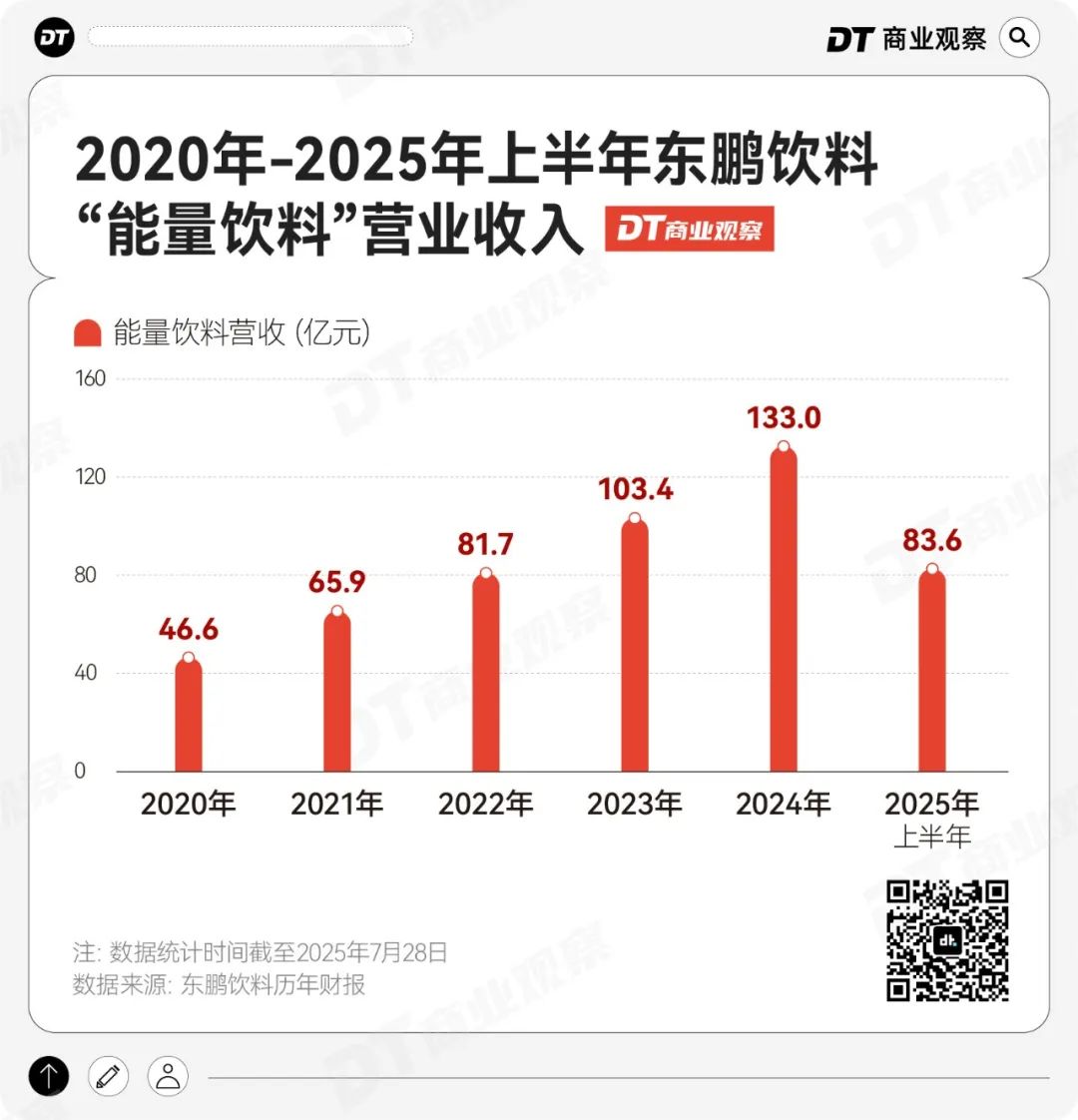
Core Viewpoint - The meeting of the Central Political Bureau emphasized the need to effectively release domestic demand potential, leading to a focus on long-term consumption potential by consumer-listed companies [1] Group 1: Consumer Companies' Strategies - A number of consumer companies in the Shanghai market are planning to leverage policy support and the trend of consumption recovery to create diverse and integrated service consumption experiences [1] - Zhejiang Xiangyuan Cultural Tourism Co., Ltd. aims to drive service consumption growth through a combination of cultural IP, tourism, and technology, projecting a net profit of 90 million to 97 million yuan for the first half of the year, representing a year-on-year increase of 51.44% to 63.22% [3] - Huangshan Tourism Development Co., Ltd. plans to establish a wholly-owned subsidiary and participate in bidding for state-owned land use rights to enhance its tourism product offerings, focusing on new market exploration and project development [3] Group 2: Innovation in Consumption Scenarios - Dongpeng Beverage Group reported a revenue of 10.737 billion yuan for the first half of the year, a year-on-year increase of 36.37%, and a net profit of 2.375 billion yuan, up 37.22% [4] - The company has implemented various innovative measures to expand new consumption scenarios, including sponsoring major sports events to diversify its market reach [4] - Shanghai Bailian Group's collaboration with Bilibili for a themed event significantly boosted foot traffic and sales, with a 31% increase in sales during the event period [5]
娃哈哈到底是谁的?
创业邦· 2025-07-31 10:42
Core Viewpoint - Wahaha is a complex and sophisticated system of asset management and profit distribution, with a significant focus on the intricate ownership structure and the control exerted by the founding family, particularly after the transition of leadership from Zong Qinghou to his daughter Zong Fuli [5][41][49]. Group 1: Core Assets and Control - Wahaha's core assets include its brand and various subsidiaries, with the ownership structure primarily divided among local state-owned enterprises, Zong Qinghou and the management team, and the Zong family [5][26]. - The Wahaha Group holds the trademark but has less than 51% ownership in its subsidiaries, indicating a lack of decisive voting power over operations [7][10]. - The management of Wahaha's production, sales, and investments is largely under the control of Zong Qinghou's family through various investment platforms [10][12]. Group 2: Ownership Structure and Profit Distribution - The ownership structure is characterized by multiple layers of offshore companies and investment platforms, allowing Zong Qinghou to maintain control while distributing profits among various stakeholders [26][16]. - The main investment platforms include Hongzheng Investment, which focuses on sales and investments, and Hongsheng Group, which is responsible for production [11][18]. - The establishment of Sanjie Investment, controlled by Du Jianying, represents a significant aspect of the ownership structure, although it operates largely outside of Wahaha's core business [24][47]. Group 3: Leadership Transition and Its Implications - Following Zong Qinghou's passing, Zong Fuli's leadership has disrupted the existing balance, leading to significant personnel changes and a shift in profit distribution dynamics [41][43]. - Zong Fuli has increased salaries for frontline workers and sales personnel while consolidating power within Hongsheng Group, resulting in the dismissal of many senior executives from Wahaha [43][44]. - The restructuring has also involved a reduction in the number of investment entities and a shift of assets towards Zong Fuli's control, indicating a centralization of power and profit distribution [45][48].


新晋饮品之王,干翻东方树叶
创业邦· 2025-07-31 10:42
Core Viewpoint - The energy drink market in China is experiencing significant growth, with major players like Dongpeng and Red Bull achieving impressive revenue increases, indicating a robust demand for functional beverages that enhance energy and alertness [3][5][31]. Group 1: Market Performance - Dongpeng Beverage reported a revenue exceeding 10 billion yuan in the first half of 2025, marking a year-on-year growth of 36.37%, with its flagship product, Dongpeng Special Drink, generating sales of 8.36 billion yuan [3][10]. - Red Bull's revenue for 2024 reached 21 billion yuan, surpassing its initial targets, while Monster Beverage Corporation reported a 40.1% year-on-year increase in net sales in China for Q1 2024 [5][6]. - The energy drink segment accounts for approximately 70% of the functional beverage market, which is the fastest-growing category in China's soft drink sector [7][34]. Group 2: Industry Dynamics - The energy drink market in China has evolved since Red Bull's entry in 1995, with numerous domestic brands emerging and competing for market share [14][19]. - Dongpeng's rise can be attributed to its strategic focus on blue-collar workers, competitive pricing, and innovative packaging that differentiates it from Red Bull [20][21]. - The competitive landscape has intensified, with brands like Yili and Dali Foods launching their own energy drinks and employing aggressive marketing strategies to capture market share [24][26]. Group 3: Consumer Trends - The primary consumers of energy drinks have expanded beyond traditional blue-collar workers to include office workers, students, and fitness enthusiasts, driven by the need for quick energy boosts [31][34]. - The top three consumption scenarios for energy drinks are sports (31.21%), night shifts (30.12%), and late-night studying (29.44%) [31]. - The trend towards functional and cost-effective beverages is likely to sustain the growth of the energy drink market, as more consumers seek affordable options to alleviate fatigue [34][35].


价盘稳、不压货,月销量一年翻了3倍,这个品牌在四川卖爆了!
Sou Hu Cai Jing· 2025-07-31 09:41
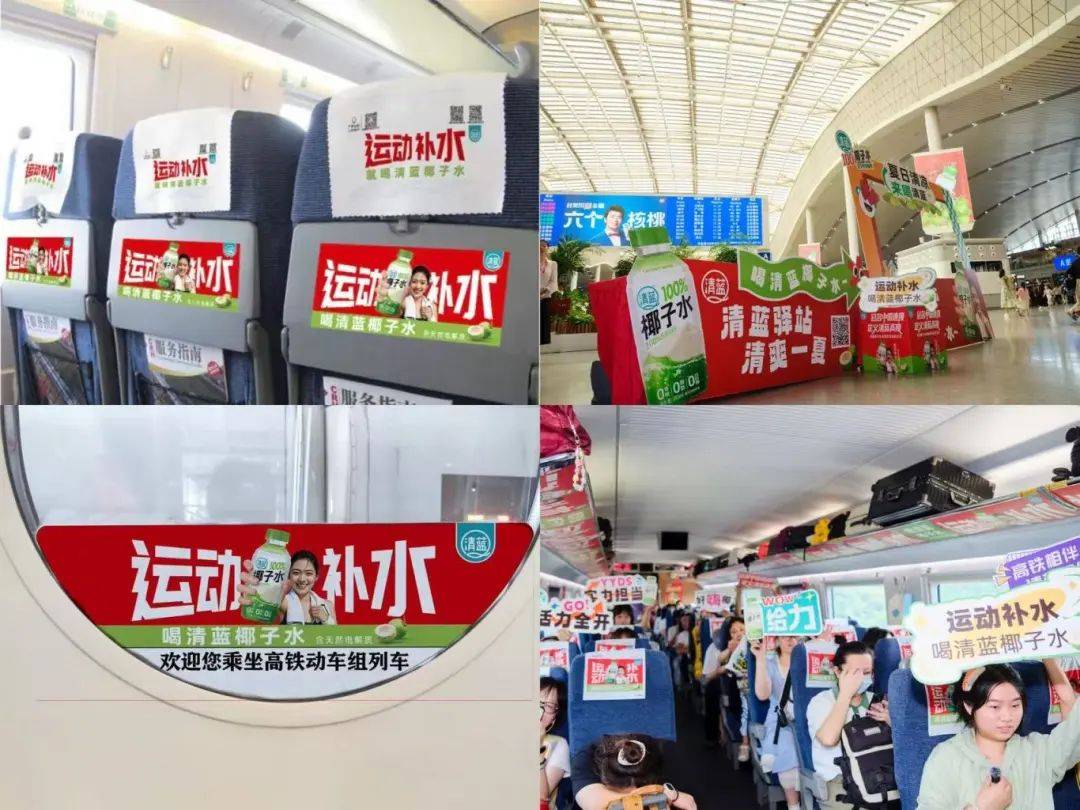
Core Insights - The article highlights the significant rise in popularity and sales of coconut-based beverages, particularly focusing on the brand Qinglan, which has seen a threefold increase in monthly shipments in the Sichuan region compared to the previous year [1][3][14]. Sales Performance - Qinglan's monthly shipment in Sichuan has exceeded 100,000 cases, up from approximately 30,000 cases in the same month last year, marking a growth of about 233% [3][12]. - The sales revenue for Qinglan's distributors in Sichuan has also surged, with one distributor's sales increasing from 600,000-700,000 yuan in 2023 to an expected 2.5 million yuan in 2025 [3][12]. Market Strategy - Qinglan has effectively utilized high-visibility marketing strategies, including naming a high-speed train after its product and advertising on major train routes, enhancing brand recognition [1][3]. - The brand has achieved a distribution coverage rate of over 50% in Sichuan, with some areas reaching as high as 80%, indicating strong market penetration [12][21]. Product Quality and Consumer Demand - The success of Qinglan is attributed to its high-quality products, which are sourced directly from Southeast Asia and produced using advanced sterile production lines [15]. - Qinglan's product strategy aligns with the evolving consumer preferences for healthier, natural beverages, offering products with no additives, colors, or preservatives [15][25]. Distributor Relations - Qinglan maintains a non-pressure sales approach, allowing distributors to manage their inventory without the burden of forced sales targets, which has fostered long-term partnerships [10][17]. - The brand provides comprehensive support to its distributors, including marketing assistance and timely after-sales service, which enhances distributor confidence and performance [17][21]. Market Trends - Despite a general decline in beverage sales reported by some distributors, Qinglan has managed to achieve significant growth, showcasing its resilience in a challenging market environment [23][25]. - The brand's innovative product offerings and effective marketing strategies have positioned it as a leading player in the coconut beverage segment, appealing to both consumers and distributors alike [25].
饮品中喝出绿色漂浮物?东方补者回应:涉事批次产品均合格
Nan Fang Du Shi Bao· 2025-07-31 09:40
Core Viewpoint - The incident involving a consumer finding green floating objects in a beverage from Dongfang Buzhe has raised significant public concern, but the company has confirmed that the product meets quality standards and has cooperated with investigations [1][2]. Group 1: Incident Details - A consumer in Hangzhou reported finding green floating objects in a bottle of Dongfang Buzhe's "Wumei Stewed Hawthorn" drink after storing it in the refrigerator for three days [1]. - The product in question was produced on December 13, 2024, with a shelf life of nine months, and the ingredients do not include preservatives [1]. - Dongfang Buzhe initiated an internal investigation and confirmed that the product was purchased on July 2, 2024, and opened on July 3, 2024 [1]. Group 2: Company Response - Dongfang Buzhe conducted a thorough inspection of the sterile production records for the affected batch and adjacent batches, all of which passed quality checks [2]. - The company purchased the same batch of products under notarization and sent them for testing at a nationally recognized facility, with all results meeting national standards [2]. - The company has communicated with the consumer and received understanding and recognition, while also planning to enhance customer service training and processes [2]. Group 3: Company Background - Dongfang Buzhe is a sub-brand of Guangdong Yatai Beverage Group, established in 2024, focusing on light health drinks [3]. - The "Wumei Stewed Hawthorn" drink has achieved cumulative sales of over 3.5 million bottles across online platforms [3].
新晋饮品之王,干翻东方树叶
3 6 Ke· 2025-07-31 08:03
Core Insights - The energy drink market in China is experiencing significant growth, with major players like Dongpeng and Red Bull reporting substantial revenue increases. Dongpeng's revenue for the first half of 2025 exceeded 10 billion yuan, marking a 36.37% year-on-year growth, while Red Bull's revenue reached 21 billion yuan in 2024, surpassing its initial targets [1][3][4]. Industry Overview - Energy drinks have become the fastest-growing segment in the beverage industry in China, accounting for approximately 70% of the functional drink category. The market size for energy drinks is projected to reach 111.4 billion yuan in 2024, which is about double that of sugar-free tea [4][7]. - The energy drink category has seen a surge in popularity due to its functional benefits, such as fatigue relief and increased alertness, appealing to a wide range of consumers including blue-collar workers, students, and professionals [3][24]. Competitive Landscape - Dongpeng and Red Bull are among the few beverage products in China that have achieved over 10 billion yuan in annual revenue. Other notable brands include Mengniu's TeLunSu and Coca-Cola, with revenues of over 30 billion yuan and 40 billion yuan respectively [7][10]. - The energy drink market has evolved since Red Bull's entry into China in 1995, with numerous domestic brands emerging and competing for market share. Dongpeng's unique marketing strategies and product innovations have allowed it to capture significant market share [10][15][16]. Marketing and Distribution Strategies - Dongpeng has focused on targeting blue-collar workers and expanding its distribution in lower-tier cities, offering competitive pricing and innovative packaging. The company has significantly increased its channel promotion expenses from 60 million yuan in 2018 to 780 million yuan in 2024 [19][20]. - Marketing efforts have shifted towards appealing to younger consumers through sponsorship of sports and esports events, while also introducing new flavors and packaging designs to attract a diverse customer base [20][21]. Consumer Trends - The consumption of energy drinks is increasingly common among various demographics, with the top three consumption scenarios being sports (31.21%), night shifts (30.12%), and late-night studying (29.44%). This trend reflects the growing need for quick energy boosts in fast-paced lifestyles [24][26]. - Despite a decline in traditional blue-collar consumers, the demand for energy drinks continues to rise among new demographics, including white-collar workers and students, indicating a potential for sustained growth in the market [26].
救命,办公室来了个“懂王”同事...
AI研究所· 2025-07-31 03:37
Core Insights - The article discusses the analytical approach taken by a new colleague, Xiao Dong, who provides in-depth research and insights on various business topics, transforming casual discussions into serious analytical sessions [2][3][5]. Group 1: Company Analysis - Xiao Dong analyzed the recent internal conflicts at Wahaha, focusing on management changes and media sentiment, revealing the underlying business dynamics behind the inheritance disputes [6][7]. - The analysis of Manus's withdrawal from China highlighted several factors: external pressures from geopolitical issues and financing structures, product shortcomings, and challenges in localization, leading to a strategic retreat [9][10]. Group 2: Consumer Behavior Insights - The article discusses the decline in consumer trust towards Sam's Club, driven by perceived product quality issues and a shift in middle-class consumer expectations, indicating a collective awakening among consumers [14][15]. - The analysis contrasts Sam's Club's product selection strategy with competitors like Costco and Hema, questioning the sustainability of its reliance on "explosive products and large packaging" [14][15]. Group 3: Policy Impact Analysis - The article emphasizes the importance of understanding the real impacts of policies like the "double reduction policy," focusing on execution, public response, and comparative analysis of local implementations [17][18]. Group 4: Research Methodology - The article introduces the capabilities of the newly launched "Deep Research" feature by Xunfei Starfire, which automates the research process, providing structured, data-rich reports tailored to user inquiries [19][20][22]. - The system employs a dynamic assembly mechanism to enhance relevance and reduce information overload, ensuring the production of professional and reliable research outputs [23][25].

“想喝即得”背后的野心:东鹏以“冰柜+供应链+数字生态”重构渠道法则
Di Yi Cai Jing· 2025-07-31 02:45
Core Insights - Dongpeng Beverage has established a vast sales network covering over 4.2 million active terminal points across China, reaching more than 250 million unique consumers [1][4][12] - The company aims to achieve a "drink whenever you want" consumer experience by ensuring product availability in various locations [2][5] - Dongpeng is transitioning from a single product focus to a multi-category ecosystem, enhancing its brand positioning in the market [4][5][10] Distribution Network - Dongpeng has built a deep and extensive channel network, with over 3,200 distributors and significant growth in sales points compared to previous years [1][4] - The company is exploring new channels such as dining, social e-commerce, and live streaming, while also deploying smart vending machines in high-frequency consumption areas [4][10] - The "frozen display" strategy is emphasized as a key tactic for enhancing product visibility and sales conversion [10][15] Product Strategy - New product launches like "Brewed Coconut" and "Electrolyte Water" are aimed at capturing emerging consumer trends in health and wellness [5][7] - The introduction of sugar-free drinks targets the growing health-conscious demographic, injecting new vitality into the core brand [5][7] Digital Transformation - Dongpeng has implemented a digital ecosystem that integrates production, warehousing, logistics, and channels, enhancing operational efficiency [8][12] - The company has developed a comprehensive digital management system to analyze consumer data and optimize marketing strategies [8][12] International Expansion - Dongpeng is leveraging its domestic market experience to expand into Southeast Asia, establishing partnerships with local distributors and retailers [14] - The company is also exploring AI technology to improve customer service and enhance product recognition capabilities [14] Channel Ecosystem - The "channel profit-sharing" mechanism is designed to create a symbiotic relationship among manufacturers, distributors, and retailers, promoting long-term network health [15] - Dongpeng's extensive terminal network is seen as a model for deep market penetration in the fast-moving consumer goods sector [15]
国信证券晨会纪要-20250731
Guoxin Securities· 2025-07-31 01:40
Group 1: Company Overview - The report highlights Nongfu Spring (09633.HK) as a leading player in the packaged water and beverage sector, emphasizing its sustainable growth driven by long-term management and strong channel barriers [7][9] - Since its IPO, Nongfu Spring has maintained a valuation average of 40x, indicating a significant premium due to its market leadership and growth potential in the packaged water and sugar-free tea segments [7][9] - The company has a concentrated shareholding structure and efficient management, which contributes to its competitive advantage in the beverage market [7] Group 2: Market Dynamics - The packaged water market is projected to grow, with a scale of 247 billion in 2024, driven by large packaging and bulk sales, indicating a continued mid-single-digit growth rate [8] - The soft drink sector is evolving, with Nongfu Spring positioned well to capitalize on the shift towards healthier, low-sugar beverages, enhancing its profitability over time [8][9] - The report notes that the competitive landscape is characterized by strong channel foundations and product endorsements, which Nongfu Spring has effectively leveraged to lead industry upgrades [9] Group 3: Financial Projections - Revenue forecasts for Nongfu Spring are set at 50.1 billion, 56.8 billion, and 63.2 billion for 2025, 2026, and 2027 respectively, with net profits projected at 14.79 billion, 16.97 billion, and 18.99 billion, reflecting growth rates of 22.0%, 14.7%, and 11.9% [9] - The expected earnings per share for 2025, 2026, and 2027 are 1.32, 1.51, and 1.69 respectively, with corresponding price-to-earnings ratios of 33, 29, and 26 [9] - The report assigns a target price range of 56.65 to 59.48 HKD for 2025, indicating a potential upside of 20% to 26% from the current stock price [9] Group 4: Industry Insights - The tungsten industry is highlighted as a strategic sector with supply constraints, where the first batch of mining quotas for 2025 is expected to decrease by 6.45% [15][16] - Demand for tungsten is anticipated to grow, particularly in the new energy vehicle and military sectors, supported by projects like the Yaxia project, which opens long-term market opportunities [17] - The report estimates a tungsten supply-demand gap of approximately 2,919 tons in 2025, suggesting that tungsten prices are likely to continue rising [18]


2025年中国菊花茶饮料行业相关政策、产业链图谱、市场规模、竞争格局及发展趋势研判:市场集中度较高[图]
Chan Ye Xin Xi Wang· 2025-07-31 01:32
Overview - The demand for natural and healthy beverages, such as chrysanthemum tea, is increasing due to rising health awareness among consumers. Chrysanthemum tea is known for its benefits like detoxification and liver health, aligning with current consumer preferences for health-oriented drinks. The market for chrysanthemum tea beverages in China is projected to reach 2.337 billion yuan in 2024, with a year-on-year growth of 16.84%. However, chrysanthemum tea currently holds a small share of the overall tea beverage market, indicating significant future growth potential [1][13]. Market Policies - The Chinese government has implemented various policies to support the development of the food and beverage industry, including chrysanthemum tea beverages. Key policies include the "Food Business License and Filing Management Measures," "Measures for Accelerating the Integration of Domestic and Foreign Trade," and "Food Safety Risk Control List," which create a favorable regulatory environment for the industry [4][6]. Industry Chain - The chrysanthemum tea beverage industry consists of an upstream supply chain that includes chrysanthemum, water, sweeteners, acidifiers, flavorings, and packaging materials. The midstream involves production companies, while the downstream includes sales channels such as supermarkets, convenience stores, and e-commerce platforms. The consumer base is broad, particularly appealing to health-conscious individuals [7][11]. Current Development - The market for chrysanthemum tea beverages is expanding rapidly, driven by increasing consumer health awareness. The industry is expected to grow significantly, with the market size projected to reach 2.337 billion yuan in 2024, reflecting a 16.84% increase from the previous year. Despite this growth, chrysanthemum tea's share of the overall tea beverage market remains relatively small, suggesting ample room for expansion [13][21]. Competitive Landscape - The chrysanthemum tea beverage market in China is characterized by high concentration, with leading companies like China Resources Beverage, Shenhui, Vitasoy, and Huierkang holding significant market shares. Competition is intense, with both established and emerging brands engaging in price wars, new product launches, and aggressive marketing strategies. Notably, brands like Yuanqi Forest have rapidly gained market share since entering the sector in 2022 [15][17]. Industry Representative Companies - China Resources Beverage is a state-owned enterprise and a major player in the ready-to-drink beverage sector, with projected revenues of 13.52 billion yuan and a gross profit of 6.397 billion yuan in 2024, reflecting a gross margin of 47.31% [17]. Shenhui is a mid-sized beverage company that combines traditional methods with modern technology to produce its chrysanthemum tea products [19]. Future Trends - The future of the chrysanthemum tea beverage market is expected to focus on low-sugar and no-sugar options, with companies likely to use natural sweeteners like stevia and monk fruit extract. Additionally, there will be an emphasis on enhancing the health benefits of products, potentially incorporating ingredients like vitamin C and probiotics to provide consumers with comprehensive health benefits [21].

