快餐

Search documents
飙上热搜,华莱士宣布退市!网友慌了:以后吃不到了?
新浪财经· 2026-03-11 10:45
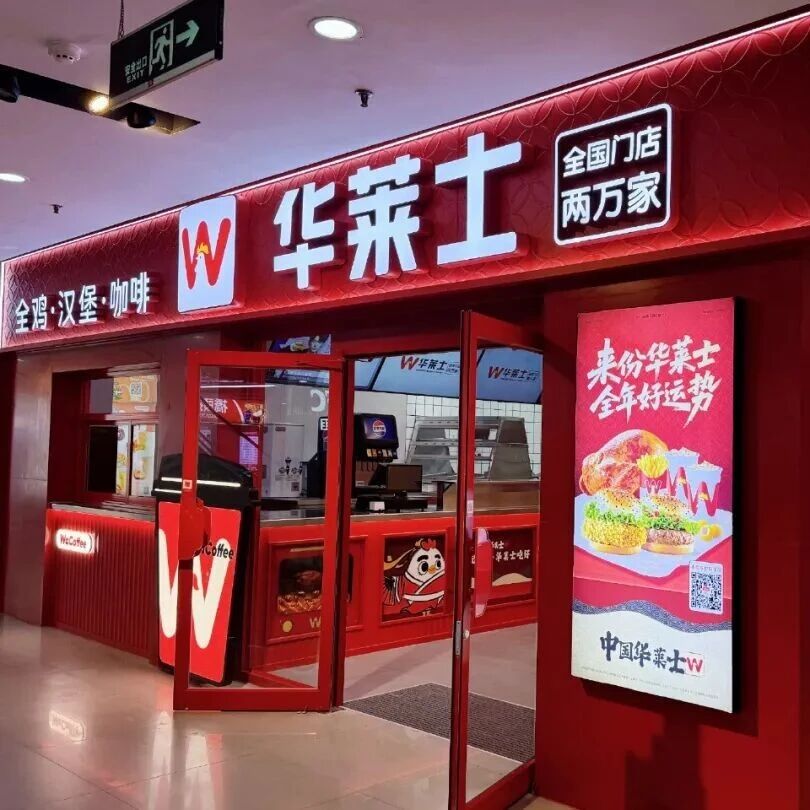
Core Viewpoint - Wallace, known as the "King of Fast Food," has officially announced its delisting from the New Third Board after nearly ten years, facing challenges from new competitors and slowing growth in performance [3]. Group 1: Company Overview - Founded in August 2009, Fujian Wallace Food Co., Ltd. specializes in selling pre-packaged food and related equipment to Wallace brand stores [3]. - The company was established by the "Hua Brothers," who opened the first store in 2001, attracting consumers with low prices [3]. - Wallace expanded rapidly through a unique model of "store crowdfunding, employee partnership, and direct management," reaching over 20,000 stores by 2022 [3]. Group 2: Financial Performance - In the first half of 2025, Wallace reported total revenue of 46.25 billion, a year-on-year decrease of 0.49%, while net profit attributable to shareholders was 1.22 billion, an increase of 35.32% [4]. - The company's total operating costs were 44.53 billion, leading to an operating profit of 1.74 billion, which is a year-on-year increase of 51.55% [4]. - Despite a slowdown in revenue growth, Wallace maintains strong profitability, with net profit growth of 36% compared to the previous year [4]. Group 3: Market Strategy and Innovations - Wallace's delisting is a strategic decision aimed at improving operational efficiency and reducing costs, not an exit from the market [7]. - The company plans to focus on its core business and enhance its competitive edge [7]. - In early 2023, Wallace launched a "WA Coffee Monthly Card," allowing consumers to purchase coffee at a significantly low cost, marking its entry into the coffee market [7].

万店巨头黯然退市,华莱士的低价神话撑不住了?
凤凰网财经· 2026-03-11 10:39
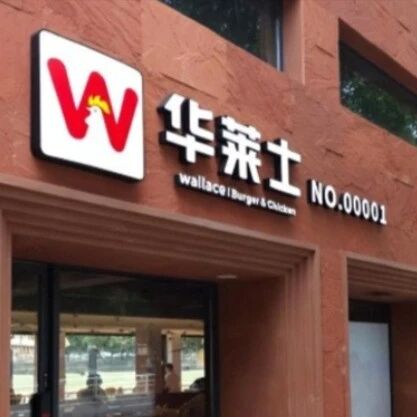
Core Viewpoint - Wallace, once a dominant player in the Chinese fast-food market with over 20,000 stores, has announced its delisting from the New Third Board, marking a significant retreat from the capital market due to operational challenges and declining consumer trust [1][9]. Group 1: Company Background and Growth - Wallace was founded in 2001 by brothers Hua Huaiyu and Hua Huaqing, initially struggling to attract customers with a KFC-style menu priced around 20 yuan [3]. - The company pivoted to a low-price strategy with its "Special Price 123" campaign, offering items at 1, 2, and 3 yuan, which resonated with budget-conscious consumers and led to rapid store openings [4][5]. - By 2023, Wallace's revenue surged from 2.5 billion yuan in 2019 to over 6 billion yuan, and it became the first fast-food chain in China to exceed 20,000 stores, surpassing KFC and McDonald's combined [8]. Group 2: Financial Challenges and Market Position - Despite its growth, Wallace faced significant financial challenges, raising only 10 million yuan since its listing in 2016, insufficient for its operational costs [8]. - The company reported a slight revenue decline of 0.49% in the first half of 2025, marking its first revenue drop since its rapid expansion began [11]. - Revenue growth rates have been decreasing, from 24.36% in 2022 to 18.2% in 2023, and further down to 13.31% in 2024, indicating increased competition in the low-price market [13]. Group 3: Consumer Issues and Brand Reputation - Wallace has been plagued by food safety concerns, with over 14,000 complaints on third-party platforms, leading to the nickname "Spraying Warrior" due to reports of foodborne illnesses [14][20]. - Investigations revealed serious hygiene issues, including the use of expired ingredients and poor oil quality, contributing to customer health problems [15][16]. - Despite attempts to rectify these issues, including store closures and new safety protocols, consumer complaints persist, highlighting systemic problems within the company's operational model [23].
被泼天流量砸中,刘文祥麻辣烫为何「暂停加盟」?
36氪· 2026-03-11 10:15
Core Viewpoint - The sudden popularity of the Northeast spicy hotpot chain "Liu Wenxiang" is attributed to a viral line from a short video series, leading to a significant increase in customer traffic and sales, but also exposing underlying operational issues within the brand [8][10][34]. Group 1: Brand Popularity and Sales Surge - The phrase "If the whole world criticizes you, I will take you to eat Liu Wenxiang" has made the nearly 20-year-old brand unexpectedly popular, resulting in a surge of customers visiting its stores across multiple cities [8][10]. - Reports indicate that some Liu Wenxiang locations have seen their daily revenue double, with one store in Wuhan processing over 1,000 orders daily and achieving sales exceeding 17,000 yuan [12][10]. - The brand operates over 2,300 franchise locations across more than 30 cities, with an average spending of about 25 yuan per customer [16]. Group 2: Operational Challenges - Despite the influx of customers, the brand faces significant operational challenges, including a lack of brand consistency and confusion among customers due to multiple logos and branding variations [20][22]. - The franchise model has led to inconsistent taste and quality across different locations, with customers reporting significant variations in flavor and service quality [25][26]. - The brand's supply chain issues have resulted in shortages of key ingredients, affecting the overall dining experience and leading to negative customer feedback [30][32]. Group 3: Strategic Recommendations - To capitalize on the recent surge in popularity, Liu Wenxiang should focus on unifying its brand identity, including standardizing logos and store designs across all locations [34]. - Improving the supply chain and establishing consistent quality control measures for ingredients and preparation processes is essential to enhance customer satisfaction and brand reputation [34]. - The brand must strengthen its franchise management to ensure operational standards are met, thereby converting short-term traffic into long-term brand equity [34][35].

华莱士宣布退市,上市10年仅融资1000万
21世纪经济报道· 2026-03-11 05:45
Core Viewpoint - Wallace, known as the "King of Western Fast Food," has officially announced its departure from the capital market after nearly ten years on the New Third Board, with its stock set to be delisted on February 12, 2026 [1][4]. Group 1 - The decision to delist was made after considering the company's current operational situation, market environment, and long-term strategic planning, aiming to improve decision-making efficiency and reduce operational costs [4]. - In the "2023 China Western Fast Food Category Development Report," Wallace ranked third from the bottom in per capita consumption among the top ten Western fast food brands in China, with an average spending of 18.9 yuan [4]. - The delisting decision was not sudden; Wallace announced its intention to apply for delisting on January 9, 2026, and officially suspended trading on January 22, 2026 [6]. Group 2 - According to Wallace's 2025 semi-annual report, the company reported approximately 4.625 billion yuan in revenue and over 121 million yuan in net profit for the first half of 2025, marking a 35.32% increase year-on-year [6]. - Despite the revenue remaining stable compared to the previous year, it marked the first instance of negative growth in revenue for the company [6]. - From 2022 to 2024, the company's revenue growth rate declined from 24.36% to 13.31%, indicating a continuous slowdown in performance [6]. - Since its listing in April 2016, Wallace has only raised 10 million yuan through market financing, which has not significantly aided its store expansion and business development [6]. - The costs associated with compliance audits, financial disclosures, and ongoing regulatory oversight have outweighed the benefits of being listed, leading to the decision to quietly exit the New Third Board [6].

华莱士正式宣布退市
第一财经· 2026-03-11 04:58
Core Viewpoint - Wallace, known as the "King of Fast Food," has officially announced its delisting from the New Third Board after nearly ten years, facing challenges from competitors and slowing growth [6][7]. Group 1: Company Announcement - On February 11, 2026, Fujian Huashi Food Co., Ltd. announced the termination of its stock listing on the National Equities Exchange and Quotations, effective February 12, 2026, marking the end of its nearly decade-long presence in the capital market [6]. - The company cited the need to improve decision-making efficiency and reduce operational costs in light of its current business situation and market environment as reasons for the delisting [6]. Group 2: Market Context - The decision to delist was not sudden; the company had announced its intention to apply for delisting on January 9, 2026, and officially suspended trading on January 22, 2026 [7]. - Wallace is attempting to find new avenues for growth amid fierce competition from emerging players like Tastin [6].

麦当劳CEO“试吃”被群嘲,揭开麦门的信任危机
虎嗅APP· 2026-03-09 10:33
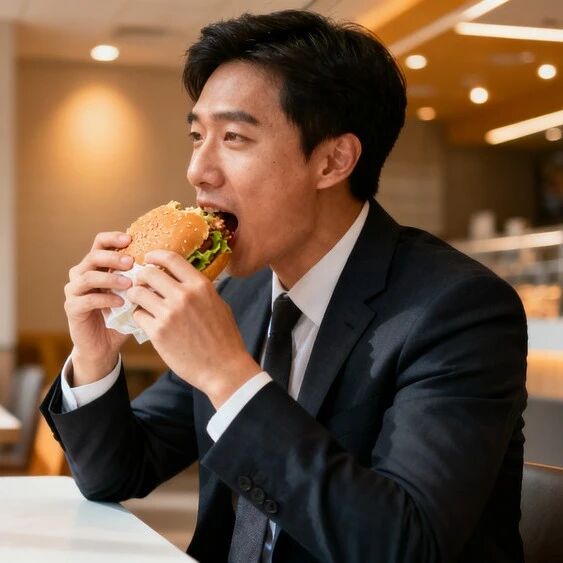
Core Viewpoint - McDonald's faced a significant public relations crisis due to CEO Chris Kempczinski's underwhelming product promotion video, which led to widespread criticism on social media [4][5][7]. Group 1: Public Relations Crisis - The crisis was triggered by a promotional video where Kempczinski only took a symbolic bite of the new product, leading to negative public perception and ridicule [7][8]. - The CEO's choice of words, referring to the burger as a "product" rather than "food," contributed to the perception of a lack of passion for the product, making the video feel more like a corporate presentation than a genuine food experience [8][10]. - Competitors, such as Burger King's North America president, capitalized on the situation by showcasing a contrasting, enthusiastic eating approach, further highlighting McDonald's awkwardness [8][9]. Group 2: Business Challenges - McDonald's is experiencing its first global sales decline since 2020, with a 3% drop in net profit attributed to rising costs from inflation, prompting a shift towards a "value strategy" to retain cost-conscious consumers [12]. - A serious E. coli outbreak linked to McDonald's in October 2024 has further eroded consumer trust, resulting in hospitalizations and one fatality [13]. - The company is focusing on the Chinese market as a key growth area, with plans to open approximately 1,000 new stores by 2026, aiming for a total of 10,000 by 2028 [14][15]. Group 3: Competitive Landscape - In China, McDonald's faces intense competition from local brands like Wallace and Tasting, which offer aggressive pricing strategies that challenge McDonald's market position [15]. - As McDonald's expands into lower-tier cities, it must balance speed and quality in its operations, addressing efficiency and profitability concerns [15]. - The CEO's recent public relations misstep may be a temporary issue, but the company must find sustainable growth strategies to navigate the evolving global market [15].

早报|哈梅内伊次子当选伊朗最高领袖;深圳龙岗拟首发“龙虾十条”;Kimi付费用户订单暴涨80倍;大润发母公司CEO被免职
虎嗅APP· 2026-03-09 00:30
Group 1 - Iran's new Supreme Leader is appointed, with significant authority over major affairs and military command [2] - Brent crude oil prices have surpassed $100 per barrel, with a daily increase of 7.89%, while WTI crude also crossed $100 with a 10.02% rise [3] - Iran's military secretary has been killed in an attack, indicating escalating tensions in the region [4] - An Iranian radiation sterilization facility was attacked, but no radioactive leaks were reported [5] - Iran has announced plans to expand the scale and depth of its military strikes against U.S. and Israeli targets [15] Group 2 - Apple is set to launch at least three new Ultra devices, including an iPhone Ultra priced around $2000, AirPods Ultra, and MacBook Ultra, with significant upgrades and price increases [6] - Kimi's subscription user orders surged by 80 times, ranking it among the top 10 in Stripe's global payment list, driven by the success of its K2.5 model [16][17] - Shenzhen Longgang district is proposing measures to support the development of OpenClaw and OPC, including subsidies for innovative projects [7][8] Group 3 - The latest search for Malaysia Airlines Flight MH370 has concluded with no findings, covering approximately 7571 square kilometers of the southern Indian Ocean [9][10] - McDonald's CEO faced backlash over a promotional video for a new burger, criticized for appearing disingenuous [12][13] - The Chinese government is set to release February's CPI and PPI data, with expectations of a noticeable increase due to the impact of the Spring Festival and rising oil prices [28]

退市的华莱士,「穷鬼年轻人」都快受不了了
36氪· 2026-03-08 13:34
Core Viewpoint - The article discusses the decline of Wallace, a fast-food chain in China, highlighting its past successes and current challenges, particularly in food safety and competition from established brands and new entrants in the market [6][11][13]. Group 1: Company Overview - Wallace has been a significant player in the Chinese fast-food industry, known for its low prices and extensive network of over 20,000 stores, surpassing competitors like KFC and McDonald's [22][25]. - Despite reporting a revenue of 46.25 billion yuan in the first half of 2025, Wallace experienced its first revenue decline of 0.49% year-on-year, indicating underlying issues [25]. - The company's net profit increased by 35.32% to 1.22 billion yuan, but this was overshadowed by a high operating cost of 43.45 billion yuan, resulting in a low gross margin of 6.04% [26]. Group 2: Business Model and Challenges - Wallace's business model relies on a "crowdfunding" approach where store managers and employees are stakeholders, which initially fueled rapid expansion but has led to cost-cutting measures that compromise food safety [32][36]. - The brand has faced numerous food safety scandals, with complaints on platforms like Black Cat Complaints nearing 14,000, indicating a significant reputational risk [41][42]. - The competitive landscape has intensified, with established brands like KFC and McDonald's targeting lower-tier markets, offering similar pricing and better food safety standards [45][46]. Group 3: Market Dynamics - The shift in consumer preferences towards food safety has led to a decline in Wallace's customer base, particularly among younger consumers who are now exploring new dining options [53][54]. - The entry of new brands into lower-tier cities has further eroded Wallace's market share, as consumers are drawn to alternatives that prioritize quality and safety [53][56]. - Wallace's previous competitive advantages are diminishing, as the brand struggles to maintain its appeal in a rapidly evolving market [56]. Group 4: Future Strategies - To address its challenges, Wallace is exploring new avenues such as entering the coffee market with significant investments in equipment, aiming to drive traffic to its core offerings [60][62]. - The company faces a critical decision: either to reform its operational practices to enhance food safety and quality or to innovate its product offerings to regain consumer trust [63][68]. - Future strategies may include developing new product lines tailored to local markets and enhancing training for staff to ensure compliance with food safety standards [67][70].
麦当劳CEO吃自家汉堡只咬一小口!网友炸了:连装都懒得装?汉堡王CEO"神补刀"来了
新浪财经· 2026-03-08 10:09
Core Viewpoint - The recent promotional video featuring McDonald's CEO Chris Kempczinski trying the new "Big Arch" burger has sparked significant online controversy, leading to a crisis of brand trust due to his awkward presentation and perceived detachment from the product [3][4][6]. Group 1: Product Launch and Reception - The "Big Arch" burger, weighing approximately 14 ounces and containing two beef patties with special sauce, has a high calorie count of 1,020 calories. It was expected to perform well in the U.S. market after gaining some reputation overseas [6]. - Kempczinski's attempt to promote the burger was undermined by his unnatural demeanor and failure to genuinely engage with the product, leading to public ridicule and skepticism about his authenticity [3][4][6]. Group 2: Public Reaction and Criticism - Social media users criticized Kempczinski for his apparent reluctance to eat the burger, with comments highlighting a disconnect between corporate executives and everyday consumers. Many felt offended by his lack of enthusiasm and genuine appreciation for the product [6][12]. - The incident has led to a broader discussion about the perceived elitism of corporate executives, with some users suggesting that Kempczinski's lifestyle and appearance do not align with the fast-food brand's image [14]. Group 3: Competitive Response - The public relations crisis has prompted competitors like Burger King's CEO Tom Curtis to capitalize on the situation by showcasing their own products in a more relatable manner, further intensifying competition within the fast-food industry [12][14]. - Other fast-food brands have also joined in, with their CEOs posting videos that emphasize enjoyment and authenticity, contrasting sharply with Kempczinski's approach [12][14]. Group 4: Broader Implications - This incident reflects a deeper issue regarding the disconnect between elite executives and the consumer base, highlighting the importance of genuine engagement in building brand loyalty and trust [14]. - The rise of social media has amplified the scrutiny of corporate leaders, making their authenticity and connection to the product more critical than ever in influencing consumer perceptions [14].

华莱士,紧急退市
创业邦· 2026-03-03 05:07
Core Viewpoint - The article discusses the rise and fall of Wallace, a fast-food brand in China, highlighting its transition from a successful low-cost model to facing significant challenges, including declining revenue and food safety issues, ultimately leading to its delisting from the New Third Board [4][25]. Group 1: Company Overview - Wallace, founded in 2001, initially thrived by offering low-priced meals, targeting consumers who could not afford more expensive fast-food options [8][10]. - The company expanded rapidly, reaching over 20,000 stores by 2022, surpassing competitors like KFC and McDonald's in terms of store count [11][15]. - However, by 2025, Wallace's revenue growth declined from 24.36% in 2022 to 13.31% in 2024, with negative growth reported in the first half of 2025 [6][11]. Group 2: Financial Performance - As of mid-2025, Wallace's total liabilities reached 2.108 billion yuan, with a debt-to-asset ratio of 73.73%, indicating a significant increase in financial leverage compared to 1.085 billion yuan in 2022 [6][11]. - The company's revenue dropped by 26.53% year-on-year, with a gross profit margin consistently low, often between 3% to 7% [14][15]. - In 2024, Wallace's total revenue was approximately 9.993 billion yuan, but net profit was only 288 million yuan, reflecting a profit margin of less than 3% [15]. Group 3: Business Model and Strategy - Wallace employs a unique "store crowdfunding and employee partnership" model, avoiding traditional franchise fees and instead allowing employees to invest in their stores [16][18]. - This model has led to lower management costs and increased motivation among store managers, but it has also resulted in inconsistent quality control and food safety issues [21][18]. - The company has faced criticism for food safety violations, including the use of expired ingredients and poor hygiene practices, which have damaged its reputation [21][27]. Group 4: Market Position and Challenges - The fast-food market in China has become increasingly competitive, with new entrants like Tastin and aggressive pricing strategies from established players like KFC [25][27]. - Consumer preferences have shifted, with food safety becoming the primary concern, surpassing price as a deciding factor for fast-food choices [27]. - In response to declining sales, Wallace introduced a 9.9 yuan coffee subscription service to attract customers, but this strategy may not be sufficient to address the underlying issues [30][31]. Group 5: Future Outlook - The decision to delist from the New Third Board is seen as a move to strengthen internal operations, with potential plans to seek a listing on A-shares or Hong Kong stocks in the future [25]. - The article concludes that Wallace must redefine its value proposition beyond low prices to survive in a rapidly evolving market [33].