
黄金加工

Search documents
黄金巨头金雅福70亿理财爆雷
Di Yi Cai Jing· 2025-12-22 22:47
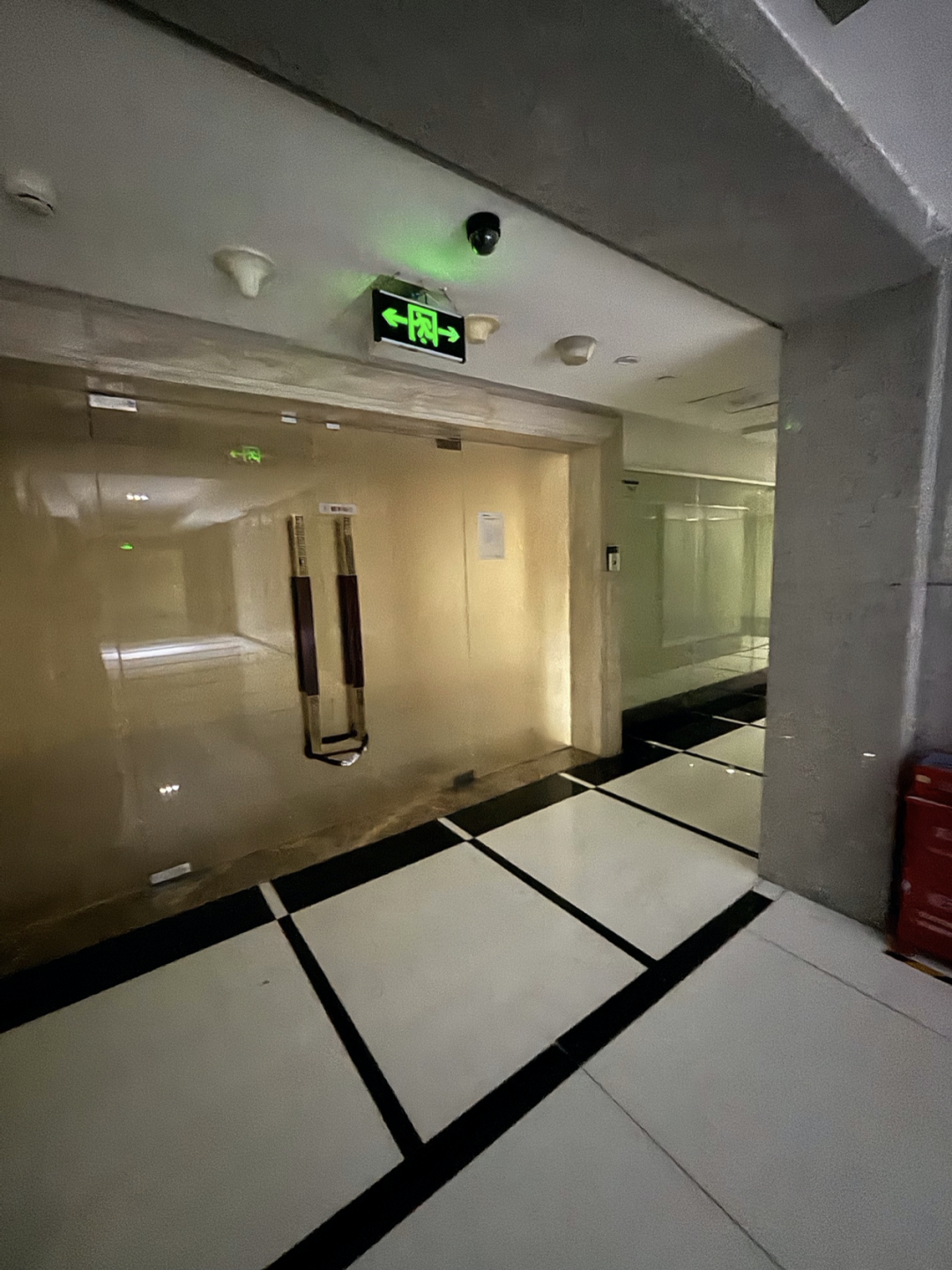
Core Viewpoint - The article discusses the financial troubles faced by Jin Yafu Group, a well-known gold processing company in Shenzhen, with multiple investment products experiencing widespread defaults, affecting approximately 7 to 8 billion yuan in funds [3][5][6]. Group 1: Investment Product Defaults - Investors in Jin Yafu's gold investment products have reported that returns ceased from June 2023, with many products now in default as of November [3][4]. - The company had previously promised annual returns of 8% to 14%, with some products offering returns exceeding 10% [3][5]. - The scale of overdue products has expanded significantly, with government intervention initiated to address the situation [5][6]. Group 2: Company Operations and Management - Jin Yafu Group, established in 2006, has evolved into a comprehensive service provider in the gold and jewelry industry, including smart manufacturing and logistics [5]. - The company's headquarters in Shenzhen has been largely vacated, and its rental agreements have been terminated [4][9]. - The management has proposed several "upgrade plans" to delay the financial pressure, including converting debts into equity in a related company [6][7]. Group 3: Investment Structures and Risks - Many of the investment products are structured as "golden entrustment" contracts, which involve multiple agreements and promise high returns without actual gold delivery [11][12]. - The "Cultural Gold" products marketed by Jin Yafu claim to generate high profit margins, but industry insiders express skepticism about the feasibility of such returns [14][20]. - There are indications that some private equity products may involve "nominal equity, actual debt" structures, which could mislead investors regarding the nature of their investments [21][26]. Group 4: Legal and Regulatory Concerns - The company has faced legal challenges, with multiple civil cases related to financial disputes set to be heard in court [9][32]. - Concerns have been raised about the legality of Jin Yafu's fundraising practices, with suggestions that they may constitute illegal fundraising due to the nature of their investment solicitations [32][33]. - The company has reportedly ceased the registration of some private equity products, raising further compliance questions [32].

黄金巨头金雅福70亿理财爆雷
第一财经· 2025-12-22 15:09
Core Viewpoint - The article discusses the financial troubles faced by Jinyafu Group, highlighting widespread defaults on investment products and potential illegal fundraising activities [2][3][39]. Group 1: Company Overview - Jinyafu Group, established in 2006, is a well-known gold processing company based in Shenzhen, specializing in a comprehensive range of services in the gold and jewelry industry [5]. - The company has developed into a one-stop service provider, including cultural innovation research, smart manufacturing, personalized customization, smart retail, gold recycling, refining, and logistics [5]. Group 2: Investment Product Issues - Since June 2023, multiple investment products associated with Jinyafu have experienced significant payment defaults, with estimated funds involved ranging from 7 billion to 8 billion yuan [2][5]. - Many of these products promised annual returns exceeding 10%, with some investors reporting that their returns ceased as of June [2][3]. - The company has proposed several "upgrade plans" to delay the pressure from these defaults, including converting expired projects into franchise operations and offering debt guarantees from related parties [5][6]. Group 3: Legal and Regulatory Concerns - Legal pressures have intensified, with multiple civil cases against Jinyafu, including a significant case related to financial contract disputes set to be heard in December 2023 [8][39]. - The company has been accused of using complex contractual arrangements to mislead investors, particularly through a model labeled as "golden entrustment," which has raised concerns about potential illegal fundraising [12][39]. - Regulatory bodies have indicated that the company's practices may violate laws against illegal fundraising, as they appear to attract public investment without proper authorization [39]. Group 4: Investment Models and Returns - Jinyafu's investment products often involve a two-step process where investors first sign a physical gold purchase contract without taking delivery, followed by a contract with a third party for investment purposes [12][20]. - The "Cultural Gold" product claims to offer high returns through various sales channels, but industry insiders question the feasibility of achieving promised profit margins [14][15]. - Some investment agreements include clauses that effectively guarantee returns, blurring the lines between equity investment and debt, which raises further regulatory concerns [31][34]. Group 5: Investor Experiences and Reactions - Investors have reported significant delays in receiving payments, with some employees of Jinyafu also experiencing reduced benefits and delayed salaries [8][39]. - The company has been accused of using "pyramid schemes" to circumvent investor qualification requirements, allowing individuals with insufficient financial assets to participate in high-risk investments [34][39].

黄金巨头金雅福70亿理财爆雷:危险的黄金委托、10%高收益背后的“拼单代持”与“名股实债”
Di Yi Cai Jing· 2025-12-22 14:59
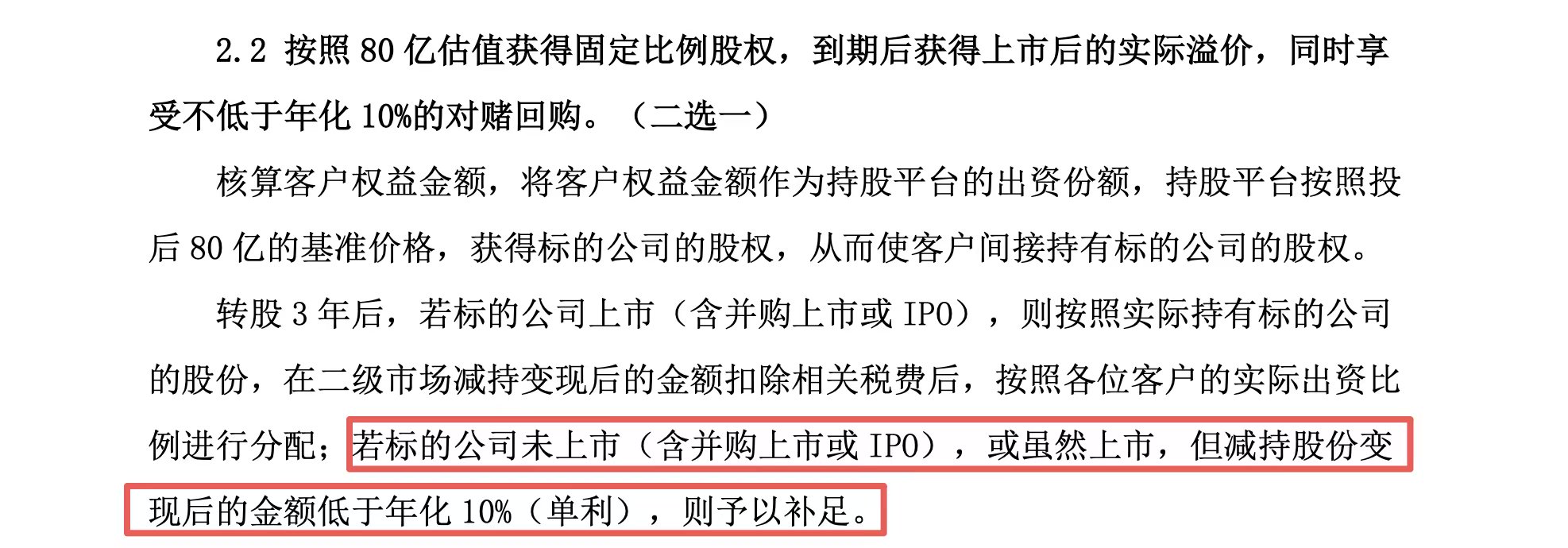
Core Viewpoint - The news highlights a significant financial crisis involving Jin Yafu Group, where multiple investment products have defaulted, affecting an estimated 7 to 8 billion yuan in funds, leading to government intervention and ongoing investigations [1][2][3]. Group 1: Company Overview - Jin Yafu Group, established in 2006, is a well-known gold processing company based in Shenzhen, specializing in a comprehensive range of services within the gold and jewelry industry [2][3]. - The company has developed into a one-stop service provider, integrating cultural innovation, intelligent manufacturing, personalized customization, smart retail, gold recycling, refining, and logistics [2][3]. Group 2: Investment Products and Defaults - Starting in November, numerous investment products associated with Jin Yafu began to experience widespread defaults, with some promising annual returns exceeding 10% [2][3]. - The total funds involved in these products are estimated to be between 7 billion to 8 billion yuan, with many products marketed under the guise of "golden entrustment" contracts that did not involve actual gold delivery [2][3][4]. - The company has proposed several "upgrade plans" to delay the pressure from defaults, including converting expired projects into franchise operations and offering debt guarantees from related parties [3][4]. Group 3: Legal and Operational Issues - Legal pressures are mounting, with multiple civil cases against Jin Yafu, including a significant case related to financial contract disputes set to go to court [5][6]. - Employees within the company have reported significant operational challenges, including delayed salary payments and reduced benefits, indicating internal financial strain [6][7]. Group 4: Investment Structure and Risks - The investment structure involves complex contracts that promise high returns, often leading to allegations of "disguised debt" where equity investments are treated as fixed-income products [21][22]. - The company has been accused of circumventing regulatory requirements by using "pooled holding" methods to bypass investor qualification standards, raising concerns about potential illegal fundraising activities [30][31][32].
独家|黄金巨头金雅福70亿理财爆雷:危险的黄金委托、10%高收益背后的“拼单代持”与“名股实债”
Di Yi Cai Jing· 2025-12-22 14:53
Core Viewpoint - The news highlights a significant financial crisis involving Jin Yafu Group, where multiple investment products have defaulted, affecting a large number of investors and prompting government intervention [1][2][3]. Group 1: Company Overview - Jin Yafu Group, established in 2006 and headquartered in Shenzhen, is a well-known gold processing enterprise that has developed into a comprehensive service provider in the gold and jewelry industry [3]. - The company offers a range of services including cultural creative research and development, intelligent manufacturing, personalized customization, smart retail, gold recycling, refining, and logistics [3]. Group 2: Investment Products and Defaults - Starting in June 2023, several investment products related to Jin Yafu began to default, with the total amount of involved funds estimated between 7 billion to 8 billion yuan [2][3]. - Many of these products promised annual returns exceeding 10%, but have since failed to deliver, leading to widespread investor dissatisfaction [2][3]. - The company attempted to alleviate pressure from defaults by proposing several "upgrade plans," including converting expired projects into franchise operations and offering debt guarantees from related parties [3][4]. Group 3: Government Intervention - The local government has established a special task force to handle the situation, and the management of Jin Yafu remains within the country while a specific resolution plan is being developed [2][3]. - Reports indicate that the group's headquarters in Shenzhen has been largely vacated, with the office premises locked and rental agreements terminated [2][6]. Group 4: Legal and Financial Issues - Jin Yafu is facing multiple legal challenges, including a financial contract dispute set to go to court, alongside other civil cases [5][6]. - Employees of Jin Yafu have reported significant reductions in company benefits and delays in salary payments, indicating internal financial distress [6]. Group 5: Investment Structure and Risks - The investment structure employed by Jin Yafu, particularly the "golden entrustment" model, has raised concerns about its legality and potential classification as illegal fundraising [12][21]. - The model involves investors signing contracts for gold purchases without taking physical possession, followed by entrusting a third party to manage the investment, which has been criticized for its lack of transparency and high promised returns [12][21]. - There are allegations that the company has been circumventing regulatory requirements by using "group holding" methods to pool investments from multiple individuals under a single nominal investor [31][35].
茅台跌破1499元指导价;曾传被娇妻卷走数十亿,87岁范曾生子;董事长操纵自家股价亏739万;黄金企业理财产品暴雷|| 大件事
Sou Hu Cai Jing· 2025-12-12 09:41
Group 1: Moutai Price Decline - The wholesale reference price of Feitian Moutai has dropped below the official guidance price of 1499 yuan for the first time, with current prices at 1495 yuan for original boxes and 1485 yuan for individual bottles [3][4] - The price of Feitian Moutai has seen a significant decline from over 2200 yuan per bottle at the beginning of the year, with a steady decrease leading to prices below 1700 yuan by the end of October [6] - Factors contributing to the price drop include stabilized consumption, reduced demand, and the impact of e-commerce platforms disrupting traditional pricing structures, leading to increased supply from private stockpiles [8] Group 2: JD Group's Investment in Hong Kong - JD Group has acquired part of an office building in Hong Kong for approximately 34.98 billion HKD, indicating a strong commitment to expanding its presence in the Hong Kong market [10][16] - The acquisition is part of JD's broader strategy to enhance its supply chain and integrate its retail, logistics, and technology operations in Hong Kong [10][17] - Other major internet companies, including Alibaba and Ant Group, have also made significant investments in Hong Kong, reflecting a trend of mainland internet firms entering the market [18] Group 3: Jin Cheng Pharmaceutical's Stock Manipulation Case - Jin Cheng Pharmaceutical's chairman, Zhao Yeqing, has resigned following a penalty from the China Securities Regulatory Commission for stock manipulation, resulting in a fine of 1.5 million yuan and a four-year market ban [20][21] - The manipulation involved controlling a significant number of shares, with the account group holding an average of 18.58 million shares, accounting for 5.68% of the company's circulating stock [21] - The total trading volume during the manipulation period was substantial, with the account group buying approximately 21.34 billion yuan worth of shares, ultimately leading to a loss of 7.39 million yuan [21] Group 4: Jin Ya Fu Group's Financial Issues - Jin Ya Fu Group is facing delays in the redemption of financial products, attributed to liquidity issues stemming from large investments in real estate projects [24][25] - The company has been experiencing problems with timely delivery of physical gold to banks, leading to some banks suspending cooperation with Jin Ya Fu [26] - The financial strain is linked to the ongoing demolition and funding challenges associated with their investment in a 6 billion yuan project in Guangdong [25][26]



搜狐张朝阳:将持续深耕“关注流”社交业务
Zhong Zheng Wang· 2025-11-28 11:05
Group 1 - Sohu is transitioning from a traditional internet media platform to a social platform, focusing on "attention flow" where users can share, follow, and consume content, enhancing social interactions through video [1] - The dairy industry in China is shifting from quantity to quality, with a growing demand for precise, professional, and functional nutritional products, leading to a focus on deep processing as a key for industry upgrade [1] Group 2 - In the face of a downward cycle in the liquor industry, companies must innovate by creating competitive "super products" supported by "super channels, super communication, and super experiences" to achieve growth [2] - The long-term bullish trend for gold remains intact, but a short-term adjustment is expected due to rapid price increases, with recommendations for asset allocation in gold ranging from 5% to 30% [2] - The core logic for gold's price increase in 2025 remains unchanged, with expectations for further increases in gold allocation by global central banks and investors in 2026, despite current high valuations potentially leading to increased price volatility [2]



8点1氪:水贝市场暂时处于半停滞状态;中储粮项目事故致7死调查报告公布;Meta去年靠诈骗广告赚了约160亿美元
36氪· 2025-11-09 23:55
Group 1 - The Shenzhen Shui Bei market, China's largest gold wholesale market, is experiencing a significant decline in trading activity, entering a "semi-stagnation" state due to the impact of newly introduced gold tax policies [4] - The recent accident at the China Grain Storage Corporation resulted in 7 fatalities and 1 serious injury, with direct economic losses amounting to 13.465 million yuan [4] Group 2 - Meta's internal documents reveal that approximately 10% of its revenue, around $16 billion, comes from fraudulent and prohibited advertisements, highlighting regulatory gaps in its advertising business [7] - Starting January 1, 2026, China's new energy vehicle purchase tax will shift from full exemption to a 50% reduction, prompting a new consumption peak in the market [8] - Industry insiders suggest that stricter technical thresholds will compel automakers to increase investment in core technology research and development, focusing on product quality and energy efficiency rather than relying solely on policy incentives [8] Group 3 - The sales revenue of the Pang Dong Lai commercial group has surpassed 20 billion yuan, exceeding last year's total by 3 billion yuan [8] - Shandong Airlines has responded to criticism regarding its cabin crew's attire, emphasizing the importance of respect and comfort in their uniforms [9] Group 4 - Pfizer has agreed to acquire Metsera for up to $10 billion, outbidding Novo Nordisk amid regulatory challenges [13] - Major restaurant chains in the U.S. have issued warnings about declining consumer spending among low-income customers, which could significantly impact the overall economy [13]

午评:沪指半日微涨0.05% 海南自贸区早盘强势
Xin Lang Cai Jing· 2025-11-03 04:12
Core Viewpoint - The market showed mixed performance in early trading, with the Shanghai Composite Index slightly up by 0.04%, while both the Shenzhen Component Index and the ChiNext Index fell over 1% [1] Market Performance - The Shanghai Composite Index closed at 3956.72 points, up 0.05% - The Shenzhen Component Index closed at 13237.03 points, down 1.06% - The ChiNext Index closed at 3143.95 points, down 1.37% [1] Sector Performance - The Hainan Free Trade Zone showed strong performance, with stocks like Intercontinental Oil and Haima Automobile hitting the daily limit - The coal sector was active, with Antai Group also hitting the daily limit - The gaming sector saw significant activity, with 37 Interactive Entertainment hitting the daily limit - Conversely, the battery sector experienced weakness, with Haike New Energy dropping over 15% - The gold and non-ferrous metal sectors faced fluctuations, with Chao Hong Ji hitting the daily limit down - The semiconductor sector saw widespread declines, with Juguang Technology leading the drop at over 7% [1] Overall Market Sentiment - Overall, there were more gainers than losers, with over 2600 stocks rising [1]
锚定蓝图抓落实 实干担当启新程——访三门峡市委书记徐相锋
He Nan Ri Bao· 2025-11-02 23:35
Group 1 - The core viewpoint emphasizes the importance of implementing the guiding principles and main goals set forth by the 20th Central Committee of the Communist Party of China for the 14th Five-Year Plan period, aiming to advance Chinese-style modernization [1][2] - The focus on high-quality development is highlighted as the primary goal for the economic and social development during the 14th Five-Year Plan, with an emphasis on integrating technological and industrial innovation [2] - The commitment to enhancing people's livelihoods is underscored, with policies aimed at addressing urgent issues such as employment, education, healthcare, and housing [2][3] Group 2 - The necessity of maintaining a safe and stable environment for high-quality development is stressed, with a focus on political, ecological, and production safety [2] - Strengthening the Party's leadership is identified as a fundamental guarantee for advancing Chinese-style modernization, with a commitment to strict governance and enhancing the cadre team [3] - The call for practical action and dedication to implementing the spirit of the 20th Central Committee is made, emphasizing the need for tangible results in modernization efforts [3]
航民股份(600987):印染稳健,黄金加工业务受金价影响短期承压
CMS· 2025-10-29 04:01
Investment Rating - The report maintains a strong buy rating for Hangmin Co., Ltd. (600987.SH) [4] Core Views - The company's revenue in Q3 2025 decreased by 12.52% year-on-year, while the net profit attributable to shareholders fell by 5.02%. The decline in revenue is primarily attributed to a reduction in gold processing demand due to rising gold prices, although profit margins have improved [1][2] - The company is expected to achieve net profits of 726 million, 770 million, and 812 million yuan for the years 2025, 2026, and 2027, respectively, with corresponding P/E ratios of 10X and 9.5X for 2025 and 2026 [1][9] Summary by Sections Financial Performance - For the first three quarters of 2025, revenue decreased by 6.24% to 8.137 billion yuan, while net profit increased by 1.59% to 483 million yuan. The net profit excluding non-recurring items grew by 3.00% to 472 million yuan [1] - In Q3 2025, revenue was 2.695 billion yuan, down 12.52% year-on-year, and net profit was 168 million yuan, down 5.02% [1] Profitability Metrics - The gross margin improved by 2.74 percentage points to 17.93% for the first three quarters of 2025, despite a net loss of 277 million yuan from fair value changes due to gold leasing [2] - The net profit margin increased by 0.37 percentage points to 6.82% for the first three quarters of 2025 [2] Future Projections - Revenue projections for 2025, 2026, and 2027 are 11.53 billion, 12.22 billion, and 12.86 billion yuan, respectively, with year-on-year growth rates of 1%, 6%, and 5% [9][10] - The expected net profit for the same years is projected to grow at rates of 1%, 6%, and 6% [9][10] Shareholder Information - The total market capitalization of the company is 7.3 billion yuan, with a current share price of 7.17 yuan and a total share count of 1.021 billion [4]
