文旅产业

Search documents
北京怀柔推出43项文旅活动,擦亮“怀柔最美”品牌
Bei Jing Shang Bao· 2026-01-24 05:59
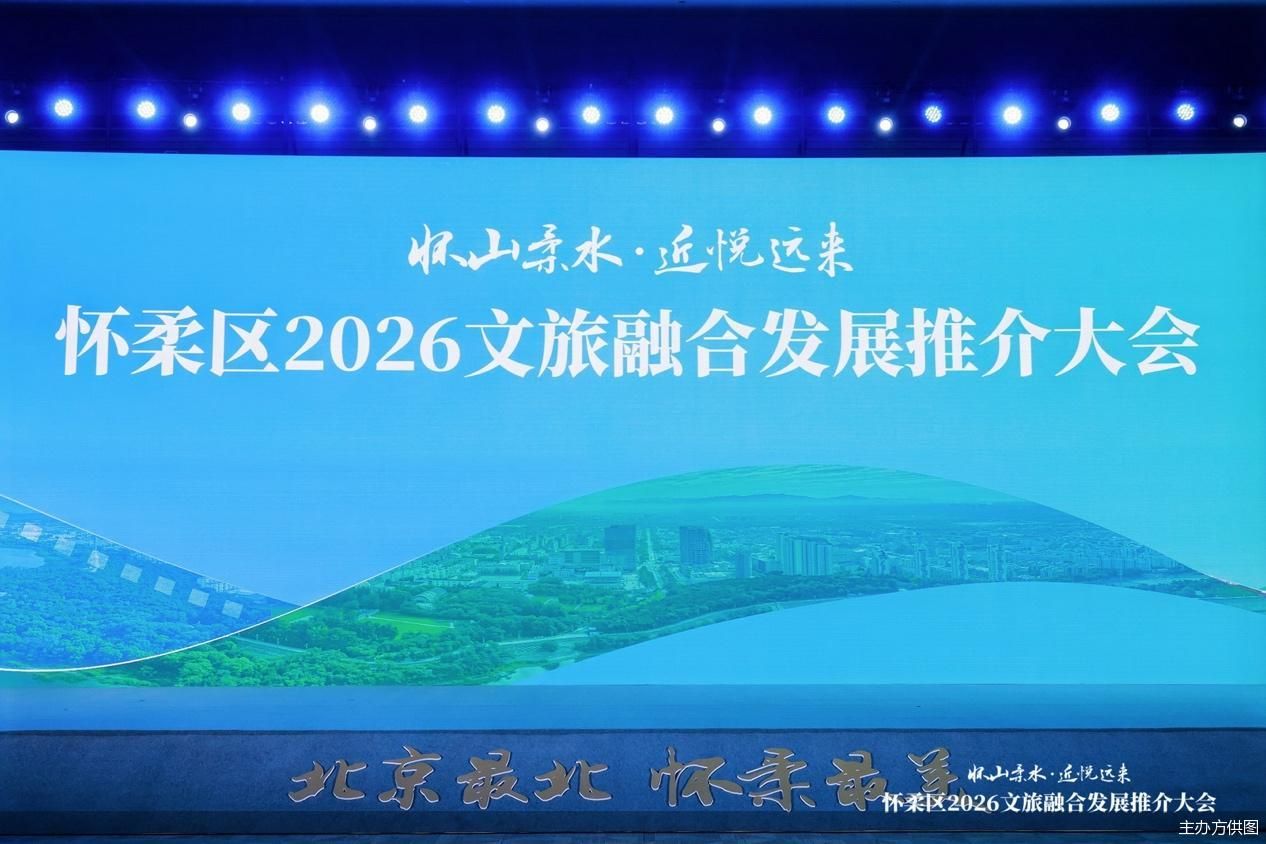
现场,怀柔区与京东集团、首旅集团、中央民族大学、腾讯科技等12家单位集中签约,内容覆盖文旅开发、科技赋能、媒体宣传等多领域。中国文旅经济高 质量发展指数实验室、繁星指数北京工作室、北京市怀柔新生代电影联合会同步揭牌,进一步补强产业创新生态。 怀柔区同步展示了"一核两带三区九片"文旅新格局规划,即以雁栖湖国际会都旅游度假区—慕田峪长城为核心,依托长城文化带与燕山风情带,打造科影融 合、国际休闲、生态文化保护传承三大功能区,并着力发展九大特色片区,推动全域资源联动发展。 怀柔区相关负责人表示,将以此次大会为契机,持续激活资源禀赋,擦亮"北京最北、怀柔最美"文旅品牌,全力构建大文旅深度融合与高质量发展新篇章。 北京商报讯(记者 关子辰)近日,北京市怀柔区2026文旅融合发展推介大会在金隅兴发科技园举办。大会以"怀山柔水 近悦远来"为主题,发布43项四季文 旅活动、推出产业政策包、签约12个重大项目,并揭牌三大创新平台,组建高质量发展智库,聚力构建"一核两带三区九片"文旅发展新格局。 会上,怀柔首次整合农、文、商、旅、体、科资源,推出贯穿全年的43项主题活动,形成"月月有精彩、季季有高潮"的全时全域文旅体验。其中包括 ...

苏州市人代会收到代表联名提出议案54件 苏州市政协会议共收到提案495件
Su Zhou Ri Bao· 2026-01-23 23:50
Group 1: Legislative Proposals - A total of 54 proposals were submitted by representatives at the 17th People's Congress, with 563 representatives participating in the proposal process [1] - Key themes of the proposals include economic planning, technological innovation, urban development, and social governance [1] - Proposals focused on boosting consumption, enhancing service quality, and regulating pre-paid consumption to stimulate economic growth [1] Group 2: Cultural and Educational Initiatives - Proposals aimed at enhancing cultural heritage and education, including improving the international influence of Suzhou's gardens and creating a healthy educational ecosystem [2] - Suggestions for deepening medical education collaboration and addressing challenges faced by children with ADHD were also highlighted [2] - Proposals emphasized the importance of talent cultivation in technology and agriculture to support high-quality development [2] Group 3: Proposal Quality and AI Integration - The 15th session of the Political Consultative Conference received 495 proposals, with a focus on quality over quantity [3] - The integration of AI technology in the proposal process aims to enhance the relevance and effectiveness of the suggestions made by committee members [3] - Categories of proposals included economic development (29.92%), urban management (20.50%), and education and health (31.38%) [3] Group 4: Cultural Tourism and AI in Manufacturing - The cultural tourism industry in Suzhou is being developed through various new brands and events, with a focus on strengthening government guidance and optimizing the business environment [4] - Recommendations were made to lower barriers for AI application in manufacturing, addressing challenges such as cost pressures and talent shortages [4] - The aim is to explore the integration of AI with manufacturing to support new industrialization efforts [4]
贵州省投资促进局与贵旅集团签署战略合作协议
Sou Hu Cai Jing· 2026-01-23 11:07
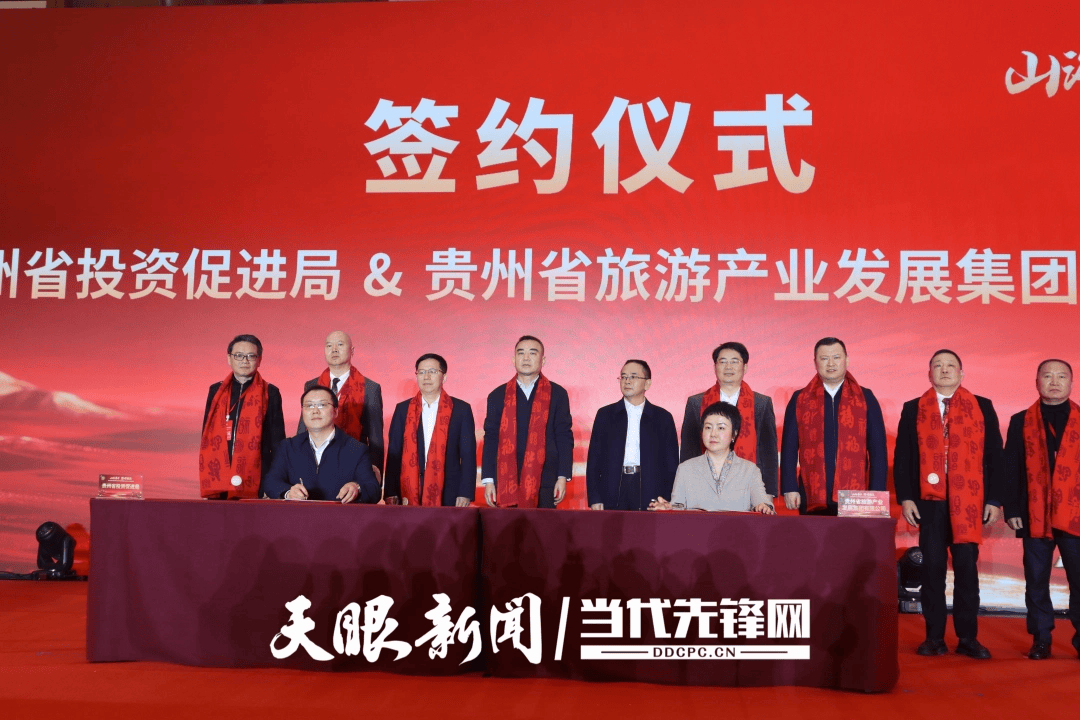
贵州日报天眼新闻记者 李蔓毓 编辑 冯倩 二审 王淑宜 贵州省投资促进局与贵旅集团签署战略合作协议 省投促局将依托全省招商网络与政策储备,在符合公平竞争审查及国家相关规定要求的前提下,为旅发集团产业发展提供方向指引与资源导入;旅发集团 将发挥文旅产业运营优势,为全省投促系统招商提供场景化展示、产业链配套及市场化运营支撑,为重大招商推介会、国内外投资洽谈会、招商考察团接 待、异地招商交流等活动,提供全方位、高品质的配套服务,最终实现招商工作提质与服务业务增效的双向共赢。 1月22日,中西部省市区温州商会会长贵州经济交流会在贵阳举办,同期还举行了山海牵手·黔程致远——贵州省温州总商会黔温经济高质量发展交流会暨 2026新春联谊会。会议旨在搭建黔温两地政企对接、产业协同与文化互鉴的高层次平台,推动双方共谋合作、共赢发展。 活动期间,贵州省投资促进局与贵旅集团签署了战略合作协议。旨在构建以"政策赋能-资源对接-项目落地-产业培育"全链条招商服务体系。 三审 岳振 ...
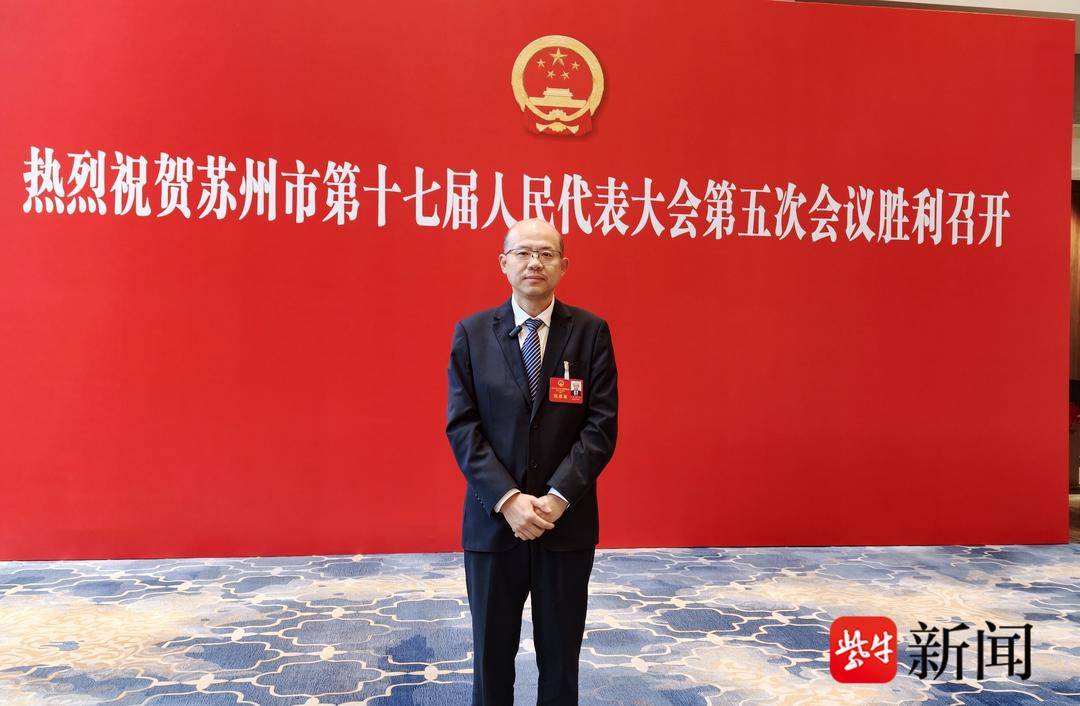
苏州市人大代表刘泓:深化职业教育与人工智能融合,赋能文旅产业高质量发展
Yang Zi Wan Bao Wang· 2026-01-23 10:49
Core Viewpoint - Suzhou is actively building a service industry "1840" system, with the cultural and tourism industry playing a crucial role in the consumption-oriented service industry. The urgent need for digital and intelligent transformation in the cultural tourism sector highlights a significant shortage of professionals who understand both cultural tourism and AI [1][3]. Group 1: Industry Development - The integration of AI technology is essential for revitalizing the charm of "Suzhou-style life" in the digital age, including Jiangnan gardens, intangible cultural heritage, and wellness tourism [3]. - The development of vocational education, particularly in cultural tourism, is recommended to supply high-quality "smart craftsmen" to the industry [1][3]. Group 2: Educational Initiatives - Vocational colleges in cultural tourism should collaborate with enterprises to offer courses in "Smart Tourism Technology" and "Digital Cultural Creation Design," incorporating new technologies like AI-guided tours and immersive experiences into the curriculum [3]. - Establishing training bases in partnership with cultural tourism enterprises and technology companies is crucial for students to learn in real-world settings, such as smart scenic areas and digital museums [3][4]. Group 3: Talent Development - There is a need to enhance the AI skills and digital content creation training for vocational college teachers, as well as to involve industry experts and cultural heritage inheritors in teaching [3][4]. - A collaborative ecosystem involving government, enterprises, and schools is necessary to improve talent cultivation and evaluation mechanisms, aiming to create a high ground for "AI + Cultural Tourism" talent development in the Yangtze River Delta [4].
潮州潮安启动全域乡村运营
Nan Fang Ri Bao Wang Luo Ban· 2026-01-23 08:19
Core Viewpoint - Chaoan District in Guangdong Province is pioneering a "comprehensive rural operation" model by appointing village party secretaries as "rural CEOs" to enhance rural resource management and operational efficiency [1] Group 1: Rural Operation Model - The initiative marks the official launch of comprehensive rural operation in Chaoan, transitioning from construction to operation [1] - Chaoan has divided its rural areas into four distinctive zones to integrate resources and promote cluster development, addressing the challenges of resource dispersion and homogeneity [1] Group 2: Role of Rural CEOs - The appointed "rural CEOs" will manage village resources and engage in market-oriented operations, focusing on revitalizing idle assets such as vacant houses and collective land [2] - These leaders will connect with enterprises and investment institutions to attract social capital and develop new business models like homestays, educational tourism, e-commerce, and cultural creativity [2] - The initiative also emphasizes brand development by leveraging local cultural characteristics and promoting them through social media to enhance village visibility and attractiveness [2]
保山市隆阳区潞江镇新寨村——红果变金豆 咖啡富山村
Xin Lang Cai Jing· 2026-01-22 20:14
Core Viewpoint - The transformation of Xinzhai Village's coffee industry through a comprehensive approach integrating agriculture, tourism, and local economic development is leading to significant increases in production, income, and tourism. Group 1: Coffee Production and Economic Impact - Xinzhai Village is expected to produce over 5,000 tons of coffee by 2026, with a total output value projected to exceed 250 million yuan [1] - The average disposable income for villagers is anticipated to surpass 40,000 yuan in 2025 [1] - The price for premium coffee beans has risen to 60 yuan per kilogram, ten times the price of ordinary coffee beans [1] Group 2: Industry Transformation and Integration - Xinzhai Village has restructured its coffee industry by integrating the entire supply chain, focusing on the fusion of primary, secondary, and tertiary industries [1] - The village has adopted a "village committee + enterprise + cooperative + base + farmer" model, incorporating all 502 households into the coffee industry chain [1] - The development of over 10 coffee-themed small courtyards and 6 unique coffee estates has enhanced the coffee tourism experience [2] Group 3: Tourism and Cultural Integration - Since the beginning of the 14th Five-Year Plan, Xinzhai Village has received over 200,000 tourists annually, boosting local coffee sales and related services [3] - The village has developed over 10 derivative products, including drip coffee and coffee-infused beverages, which are marketed through e-commerce [3] - The integration of coffee cultivation with tropical fruit farming has improved land efficiency and diversified product offerings [3]
代表朱红庆:深化文旅融合 打造文旅强市
Xin Lang Cai Jing· 2026-01-22 18:09
Core Viewpoint - The article emphasizes the importance of cultural tourism as a key platform for enhancing urban branding, with suggestions for developing a strong cultural tourism city through various initiatives [1][2]. Group 1: Recommendations for Cultural Tourism Development - The proposal includes deepening the exploration of cultural connotations, enriching the tourism product system, strengthening regional cooperation, and enhancing the recruitment and training of cultural tourism talents [1]. - The establishment of the Ba Culture Research Center and the publication of works such as "Ba Yu Library" and "Chongqing Humanities Series" are part of the efforts to support cultural research and application [1]. Group 2: Implementation and Achievements - The city has organized five consecutive "Creative Empowerment · Quality Travel" competitions, integrating elements like hot pot into tourism products, which have received positive feedback [1]. - The implementation of the Ba Shu Cultural Tourism Corridor construction action plan has resulted in over 100 million mutual visits between the two regions [1]. - The "China Wuling Cultural Tourism Conference" has been held for four consecutive years, enhancing the cultural and tourism influence of the "Great Wuling" area [1]. Group 3: Talent Development and Promotion - The city collaborates with universities to continuously improve service levels in the industry [2]. - Promotional videos for Chongqing's cultural tourism are broadcasted on major domestic and international media platforms, enhancing its influence [2].
曲江文旅(600706.SH):2025年预亏1.3亿元至1.65亿元
Ge Long Hui A P P· 2026-01-21 12:54
格隆汇1月21日丨曲江文旅(维权)(600706.SH)公布,预计2025年年度实现归属于母公司所有者的净利 润约-13,000万元~-16,500万元;实现归属于母公司所有者的扣除非经常性损益后的净利润约-21,500万 元~-25,000万元。 ...

【敦煌风】答卷亮眼 足迹坚定
Xin Lang Cai Jing· 2026-01-21 03:07
Core Insights - Gansu's GDP reached 1.36975 trillion yuan in 2025, growing by 5.8%, which is 0.8 percentage points higher than the national average, marking 16 consecutive quarters of growth above the national level [1] - The economic growth is supported by a robust performance across the three major industries, with primary, secondary, and tertiary industries contributing 177.3 billion yuan, 455.82 billion yuan, and 736.63 billion yuan respectively, reflecting growth rates of 5.5%, 6.7%, and 5.3% [1] - Gansu's strategic focus on industrial upgrading and the development of emerging industries has led to significant growth in sectors such as computer communication manufacturing and non-ferrous metal smelting [2] Economic Performance - The primary industry has shown solid foundations with grain production exceeding 13 million tons for the first time, alongside rapid growth in vegetables, fruits, and traditional Chinese medicine [1] - The industrial sector has outperformed nationally for four consecutive years, with the establishment of the largest land-based wind power equipment manufacturing base in Jiuquan, enhancing Gansu's competitive edge in high-quality development [1] - The tertiary sector contributed 51.4% to GDP growth, with tourism seeing over 500 million visitors and generating 403.6 billion yuan in spending, highlighting the cultural appeal and consumer attraction of Gansu [2] Strategic Initiatives - Gansu's "14th Five-Year Plan" emphasizes the dual empowerment of internal and external circulation, with a focus on transforming resource advantages into development strengths [2] - The province has achieved a cumulative installed capacity of 80.42 million kilowatts in the renewable energy sector, indicating a leap in the new energy industry [2] - Infrastructure and ecological construction are advancing simultaneously, with the formation of complete industrial chains in wind, solar, and thermal energy equipment manufacturing, alongside new growth points in hydrogen and energy storage equipment [2][3]

2025上海GDP总量全球第五,增速跑赢全国
第一财经· 2026-01-21 02:05
Core Viewpoint - In 2025, Shanghai achieved a GDP of 56,708.71 billion yuan, growing by 5.4% year-on-year, surpassing the national growth rate of 5% and ranking fifth globally among cities [3][4]. Economic Growth and Resilience - Shanghai's economy demonstrated resilience with strong performance across various sectors, including industrial output, consumption, investment, and foreign trade [4][6]. - The city is positioned as a key economic center, enhancing its core functions and adapting to new industrial dynamics [3][4]. Industrial Performance - The total output of strategic emerging industries in Shanghai grew by 6.5%, accounting for 45% of the city's industrial output, up from 43.6% in 2024 [5]. - The three leading industries saw a 9.6% increase in output, with integrated circuit manufacturing growing by 15.1% and artificial intelligence manufacturing by 13.6% [5]. Consumption and Investment - Shanghai's total retail sales of consumer goods increased by 4.6%, outperforming the national average of 3.7%, with significant growth in sectors like new energy vehicles and home appliances [6]. - Fixed asset investment rose by 4.6%, with industrial and infrastructure investments growing by 20% and 11.2%, respectively [6]. Foreign Trade - The total import and export volume reached 4.5 trillion yuan, growing by 5.6%, with exports increasing by 10.8%, particularly to ASEAN and Belt and Road countries [7]. - Key products such as integrated circuits, automobiles, and lithium batteries saw double-digit growth [7]. Urban Development and Strategic Planning - The "15th Five-Year Plan" emphasizes Shanghai's role in navigating external uncertainties and enhancing economic resilience through comprehensive urban transformation [10]. - The city aims to strengthen its "five centers" strategy, enhancing overall urban capabilities and competitiveness [10][12]. Modern Industrial System - Shanghai is accelerating the construction of a modern industrial system, focusing on advanced manufacturing and emerging sectors such as low-altitude economy and biomanufacturing [11][12]. - The financial sector is also expanding, with a total of 1,813 financial institutions and a market transaction volume of 40.59 trillion yuan, growing by 11.2% [12]. Innovation and Research - R&D expenditure reached approximately 4.5% of GDP, with a focus on basic research and high-value patents, indicating a strong innovation ecosystem [13]. - The city is encouraged to further develop high-end manufacturing and knowledge-intensive services to enhance its economic structure [13].