
生鲜电商

Search documents
每日优鲜的资金缺口与信任危机
Xin Hua Wang· 2025-08-12 05:55
Core Viewpoint - Daily Fresh has denied rumors of a funding crisis and is attempting to manage refunds for users while facing significant pressure from suppliers and employees [1][2][4]. Group 1: Financial Status - On August 1, Daily Fresh refuted a false notification claiming it was unable to operate due to a funding crisis, stating that it is actively addressing refund issues for suppliers and consumers [2][4]. - As of the latest report, Daily Fresh's market value has plummeted to $22.25 million, with a stock price of $0.095 per share, reflecting a decline of 17.9% [3]. Group 2: Supplier and Employee Relations - Suppliers have expressed concerns over delayed payments, with contracts stipulating payments should be made by the 15th of each month, but delays of 30-60 days have been reported since last year [2][4]. - Employees have reported unpaid wages and lack of communication regarding compensation, with some having registered for labor dispute arbitration due to unpaid salaries [4][5]. Group 3: Operational Challenges - Daily Fresh has suspended its "Express Delivery" service, shifting to next-day delivery, which has been criticized as a loss of competitive advantage [4]. - The company is reportedly seeking restructuring options, with indications that failure to do so may lead to bankruptcy proceedings [7][8].



叮咚买菜上涨5.45%,报2.13美元/股,总市值4.62亿美元
Jin Rong Jie· 2025-08-08 17:33
Core Viewpoint - Dingdong Maicai (DDL) has shown a stock price increase of 5.45% as of August 9, with a market capitalization of $462 million, while its financial results indicate a revenue growth of 9.06% year-on-year but a significant decline in net profit by 43.98% [1][2]. Financial Performance - As of March 31, 2025, Dingdong Maicai reported total revenue of 5.479 billion RMB, reflecting a year-on-year increase of 9.06% [1]. - The company's net profit attributable to shareholders was 5.615 million RMB, which represents a year-on-year decrease of 43.98% [1]. Company Overview - Dingdong (Cayman) Limited is a holding company registered in the Cayman Islands, primarily operating through its domestic subsidiary, Shanghai Yibai Mi Network Technology Co., Ltd. [2]. - The platform "Dingdong Maicai," established in May 2017, focuses on direct sourcing from producers, front warehouse distribution, and rapid delivery services, aiming to enhance the fresh food consumption experience for users [2]. - The service areas include major cities such as Shanghai, Beijing, Shenzhen, Hangzhou, and Suzhou, positioning the company as a trusted internet enterprise in the livelihood sector [2].

氪金 | 叮咚买菜进入「返场时刻」
3 6 Ke· 2025-08-08 10:57
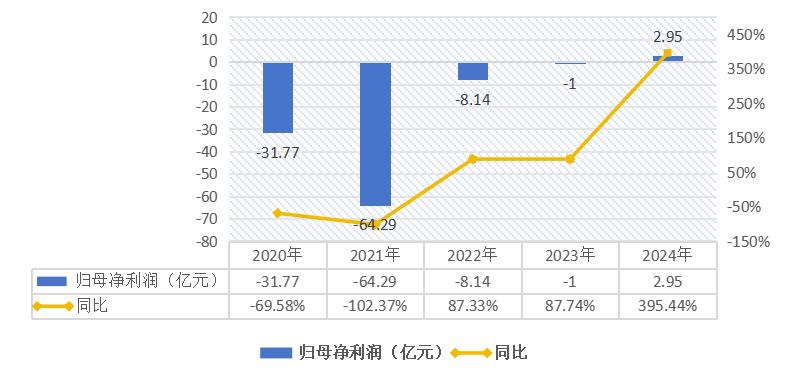
Core Viewpoint - The article discusses the contrasting fates of Dingdong Maicai and its competitor Meiri Yousuan, highlighting Dingdong's strategic decisions that led to its survival and growth amidst industry challenges [1][3]. Group 1: Company Strategy and Performance - Dingdong Maicai's revenue grew by 15.5% in 2024, reaching 23.066 billion yuan, with a net profit of 295 million yuan, marking its first annual profit since listing [2]. - The company underwent significant strategic contraction in 2022 and 2023, closing numerous locations to reduce losses and stabilize operations [8][14]. - In 2024, Dingdong Maicai resumed its expansion strategy, focusing on deepening its presence in the Jiangsu, Zhejiang, and Shanghai regions [17][18]. Group 2: Operational Efficiency and Digital Transformation - Dingdong Maicai implemented a comprehensive digital system that improved operational efficiency, achieving a loss rate of 1%-2% and a monthly profit for the first time in September 2023 [12][20]. - The company’s digital system allows for real-time inventory management and predictive analytics, enhancing supply chain efficiency [10][12]. - The average order value reached over 70 yuan, with the company maintaining a high order volume per warehouse, particularly in Shanghai [20][19]. Group 3: Market Position and Competitive Landscape - Dingdong Maicai's approach contrasts with competitors like Meiri Yousuan, which failed due to unsustainable expansion strategies [1][3]. - The company has focused on a "small but beautiful" strategy, emphasizing quality and operational efficiency over rapid expansion [17][18]. - The competitive landscape is shifting, with Dingdong Maicai facing challenges from instant retail platforms and other players in the fresh food e-commerce sector [35][36]. Group 4: Product Offering and Consumer Engagement - Dingdong Maicai is expanding its product categories to include more convenience items and is focusing on enhancing customer satisfaction through better product offerings [27][32]. - The company has developed a range of private label products, which now account for 35% of sales, aiming to fill gaps in the market and improve margins [29][30]. - The internal selection mechanism allows for rapid adjustments to product offerings based on sales performance, ensuring relevance to consumer needs [23][29].
叮咚买菜进入“返场时刻”
3 6 Ke· 2025-08-08 10:23
Core Insights - The article discusses the contrasting fates of Dingdong Maicai and its competitor Meiri Yousuan, highlighting Dingdong's survival and recent profitability despite industry challenges [1][2][9] - Dingdong Maicai has shifted its strategy from rapid expansion to focusing on efficiency and profitability, successfully reducing losses and achieving a net profit for the first time in 2024 [9][10][13] Company Strategy - Dingdong Maicai's CFO, Wang Song, emphasizes the company's commitment to product quality and operational efficiency, distinguishing it from competitors [1][2] - The company has implemented a digital system to enhance supply chain management, allowing for better inventory control and reduced operational costs [6][7][13] - In 2024, Dingdong Maicai achieved a revenue growth of 15.5%, reaching 23.066 billion yuan, and a net profit of 295 million yuan [1][9] Market Position - Dingdong Maicai has strategically reduced its presence in less profitable markets while focusing on expanding in the more lucrative Jiangsu and Zhejiang provinces [10][11][12] - The company has opened 130 new warehouses in the Jiangsu and Zhejiang regions, with a focus on second and third-tier cities [11][12] - Dingdong Maicai's average order value has increased to over 70 yuan, and its monthly household penetration rate in Shanghai is around 30% [12][25] Competitive Landscape - The article notes the competitive pressures from instant retail platforms and other players in the fresh food e-commerce sector, with companies like Meituan and Hema also vying for market share [22][23][24] - Dingdong Maicai aims to avoid price wars and instead focus on enhancing its digital capabilities and product offerings [24][25] - The company has also begun to expand its product categories beyond daily meals to include items for leisure and emotional consumption [17][19] Financial Performance - Dingdong Maicai reported its first monthly profit in September 2023 and achieved quarterly profitability in Q4 2023, marking a significant turnaround [9][10] - The company's operational efficiency has improved, with fulfillment costs decreasing by 1.8 percentage points to 21.7% in Q4 2023 [13] - The overall loss reduction in major cities like Beijing, Guangzhou, and Shenzhen reached 60% in 2024, allowing for reinvestment in competitive regions [10][12]
多平台传将赴美IPO消息 抢夺生鲜电商第一股进行时
Zheng Quan Ri Bao Wang· 2025-08-08 06:59
Core Viewpoint - The fresh food e-commerce market is experiencing significant activity with multiple platforms, including Dingdong Maicai and Meicai, planning to pursue IPOs in the U.S. to raise at least $300 million each to maintain competitive advantages in a fierce market [1][2]. Group 1: IPO Plans and Market Dynamics - Dingdong Maicai is considering an IPO as early as this year, aiming to raise at least $300 million [1]. - Meicai's IPO plans are still exploratory, also targeting around $300 million in funding but has not yet decided on a listing location [1]. - Other platforms, such as Duodian Fresh, backed by Wumart Group, are also reported to be preparing for IPOs [1]. Group 2: Industry Significance and Timing - Becoming the first public company in the fresh e-commerce sector is seen as highly significant, providing advantages in brand recognition and valuation [1]. - The current surge in home-based consumption presents an opportune moment for fresh e-commerce companies to achieve higher IPO valuations [1]. - Many fresh e-commerce platforms have previously raised substantial funding, creating a need for IPOs to provide liquidity for investors [1]. Group 3: Financial and Operational Considerations - The fresh e-commerce industry requires heavy investment in supply chain and logistics to enhance service capabilities and customer experience [2]. - Companies aim to use IPO proceeds to improve supply chains, diversify brands, and increase customer spending, fostering a positive growth cycle [2]. - The industry has faced challenges, with weaker players potentially exiting the market due to the high operational demands and competition [2].
首店经济如何催生现象级消费场景
Qi Lu Wan Bao· 2025-08-07 21:09
Core Insights - Hema Fresh's first store in Yantai opened on July 25, attracting over 40,000 daily visitors in its first week and a 50% increase in online orders compared to pre-opening levels [1][3][4] Group 1: Store Performance - The store has become a phenomenon in consumer experience, ranking among the top in sales nationwide for Hema Fresh [1][3] - Daily customer flow has remained high, with staff working around the clock to restock popular items like durians and king crabs [3][4] - The store features a mix of high-end and affordable products, integrating shopping and dining experiences [4][5] Group 2: New Retail Model - Hema Fresh operates under a new retail model that emphasizes fresh products and quality, supported by a robust supply chain and direct sourcing [5][6] - The model combines online and offline resources, allowing for rapid delivery and high inventory turnover, outperforming industry averages [5][6] Group 3: Economic Impact - The success of Hema Fresh's first store reflects the "first store economy" in Yantai, which has been actively promoted by local government policies [7][8] - Yantai's retail sector has shown resilience, with a 6.2% year-on-year growth in retail sales, driven by a young population eager to spend [8] Group 4: Future Outlook - The store's management anticipates sustained popularity for at least another month, with plans to enhance service and supply chain efficiency [9] - The local government aims to leverage Hema Fresh's model to encourage more brands to enter the market, fostering a modernized commercial landscape [9][10]
叮咚买菜上涨2.25%,报2.106美元/股,总市值4.57亿美元
Jin Rong Jie· 2025-08-07 13:53
Core Insights - Dingdong Maicai (DDL) opened with a 2.25% increase on August 7, reaching $2.106 per share, with a total market capitalization of $457 million [1] - As of March 31, 2025, Dingdong Maicai reported total revenue of 5.479 billion RMB, reflecting a year-on-year growth of 9.06%, while net profit attributable to shareholders decreased by 43.98% to 5.615 million RMB [1] Company Overview - Dingdong (Cayman) Limited is a foreign holding company registered in the Cayman Islands, primarily operating through its domestic subsidiary, Shanghai Yibai Mi Network Technology Co., Ltd. [2] - The platform "Dingdong Maicai" was established in May 2017, focusing on direct sourcing from production areas, front warehouse distribution, and delivery services within 29 minutes, aiming to enhance the fresh food consumption experience for users [2] - The service areas include major cities such as Shanghai, Beijing, Shenzhen, Hangzhou, and Suzhou, positioning itself as a trusted internet enterprise for public welfare [2]
硅鲸科技CEO赵绍辉评盒马X会员店折戟:食品安全是不可逾越的生命线 新零售和互联网非“法外之地”
Sou Hu Cai Jing· 2025-08-06 12:55
Core Insights - The last Hema X membership store in Shanghai will close on August 31, marking the end of all Hema membership stores nationwide [1] - Experts and analysts have been consulted to interpret the implications of these closures [1] Group 1: Business Model and Challenges - Hema X membership stores have struggled due to a deviation from retail fundamentals, particularly in value and service, compared to established models like Sam's Club and Costco [5] - The economic downturn and consumer fatigue have exposed Hema's unclear positioning and high costs, leading to insufficient perceived value among members [5][6] - Hema has faced repeated food safety issues, damaging consumer trust and revealing systemic flaws in quality control and supplier management [5] Group 2: Future Prospects - The future of Hema, whether independent or not, hinges on its ability to focus on core operations and improve service efficiency [6] - Closing membership stores allows Hema to concentrate resources and streamline operations, with potential growth in specific areas like instant delivery and fresh produce [6] - Emphasizing safety and solidifying foundational retail capabilities are essential for Hema to navigate competition and sluggish consumer demand [6]

盒马谋变:创始元老全退,阿里掌控加深
3 6 Ke· 2025-08-06 09:26
Core Insights - Hema has not yet welcomed strategic investors, and aligning closely with Alibaba Group appears to be the best development strategy at present [1][3] - The departure of key figures, including the head of public affairs, indicates a complete exit of the founding team, further tightening Hema's connection with Alibaba [2][3] - Hema achieved annual profitability for the first time in March 2024, attributed to the new CEO's contributions, but the relationship with Alibaba remains complex [3][4] Group 1: Strengthening Ties with Alibaba Group - On August 4, Hema members noticed that the 88VIP membership now includes 90 days of Hema membership, leading to reduced benefits for existing Hema members [4][5] - The integration of Hema membership with 88VIP reflects a cautious approach to balancing interests between both platforms, indicating a transitional phase from the old leadership to the new [4][5] - Following the departure of key personnel, Hema's public relations and government relations are now managed by Alibaba, likely in response to recent food safety issues [5][6] Group 2: Future of Membership System - The new CEO has shifted focus from the costly X membership stores to more cost-effective community Hema NB stores, indicating a strategic pivot [7][8] - The number of X membership stores has drastically reduced, with only one remaining store expected to close by the end of August 2023 [7][8] - Hema's membership model is evolving, with current offerings primarily focused on discounts rather than exclusive purchasing rights, raising questions about the sustainability of the membership fees [9][10]
告别会员店,盒马转舵下沉
2 1 Shi Ji Jing Ji Bao Dao· 2025-08-05 14:17
Core Insights - The closure of Hema X membership stores marks a strategic shift rather than a mere reduction in scale, focusing on a broader consumer base rather than a limited membership model [2][4] - Hema's rapid expansion of X membership stores initially showed promise, but consumer dissatisfaction and operational challenges led to a decline in sales contribution [3][5] - The retail landscape is shifting towards community-oriented and cost-effective shopping options, with Hema adapting its strategy to target lower-tier cities and broader consumer demographics [7][9] Company Strategy - Hema X membership stores were launched in October 2020, aiming to create a Chinese brand in the warehouse membership model, but faced significant challenges in brand recognition and consumer loyalty [2][3] - The decision to exit the membership store model is seen as a necessary and logical step, given the operational complexities and market challenges faced by similar retailers [4][5] - Hema is now focusing on a dual-track strategy, expanding its Hema Fresh stores and targeting lower-tier cities, with a goal of achieving a GMV of 100 billion yuan in three years [7][8] Market Dynamics - The closure of Hema X stores reflects broader challenges faced by traditional supermarkets and membership models in China, with competitors like Carrefour and Metro also struggling [5][6] - Successful membership models, such as Sam's Club, rely on strong supply chain integration and consumer loyalty, which Hema has struggled to establish [5][6] - The down-market strategy is driven by the significant growth potential in lower-tier cities, where consumer spending is increasing and infrastructure improvements are enhancing shopping convenience [8][9]